Choosing the right nicotine packaging machinery in Tanzania is more than a technical decision — it’s a strategic move that affects product quality, regulatory compliance, operating costs, and market acceptance. This practical buyer’s guide walks you through the critical factors to evaluate when investing in snus and nicotine pouch packaging equipment, tailored to Tanzania’s climate, business practices, and regulatory environment.
Why Tanzania-specific considerations matter
Tanzania’s tropical climate (high humidity and temperature), import procedures, electrical grid variations, and language preferences (Swahili alongside English) create unique constraints and opportunities. Local distribution channels often favor durable packaging that resists humidity and rough handling, and operators value machines that are resilient, easy to maintain, and supported by prompt local service. Understanding these local characteristics will help you select machinery that performs reliably and reduces unexpected downtime.
Quick checklist (Tanzania-focused)
✅ Humidity-ready design: corrosion-resistant components, dehumidified feeding systems.
⚡ Power tolerance: support for voltage fluctuations and optional UPS or stabilizers.
🔧 Local serviceability: available spare parts and skilled technicians in East Africa.
📦 Packaging robustness: barrier films and laminates to keep product stable in transit.
🌍 Regulatory compliance: labelling in Kiswahili/English and certificates (CE/ISO) where required.
Understand product formats and machine types
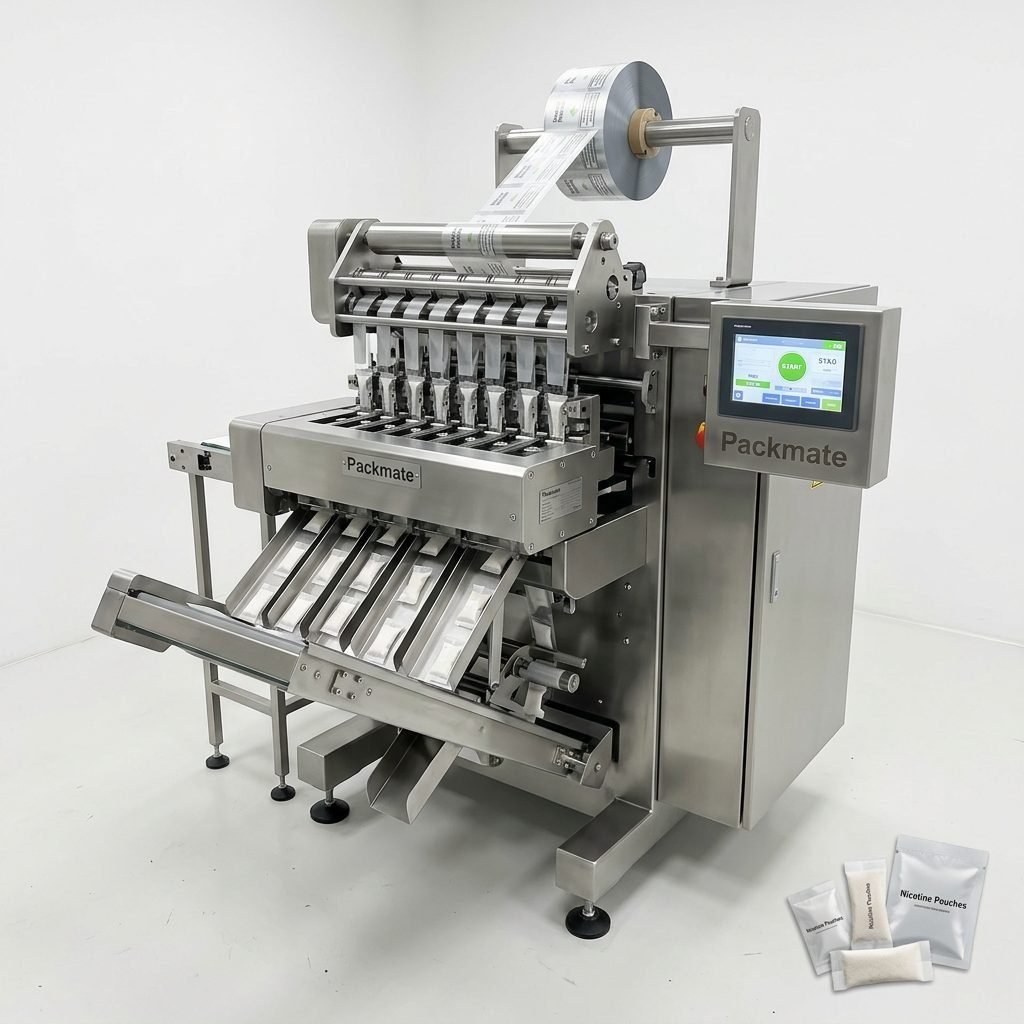
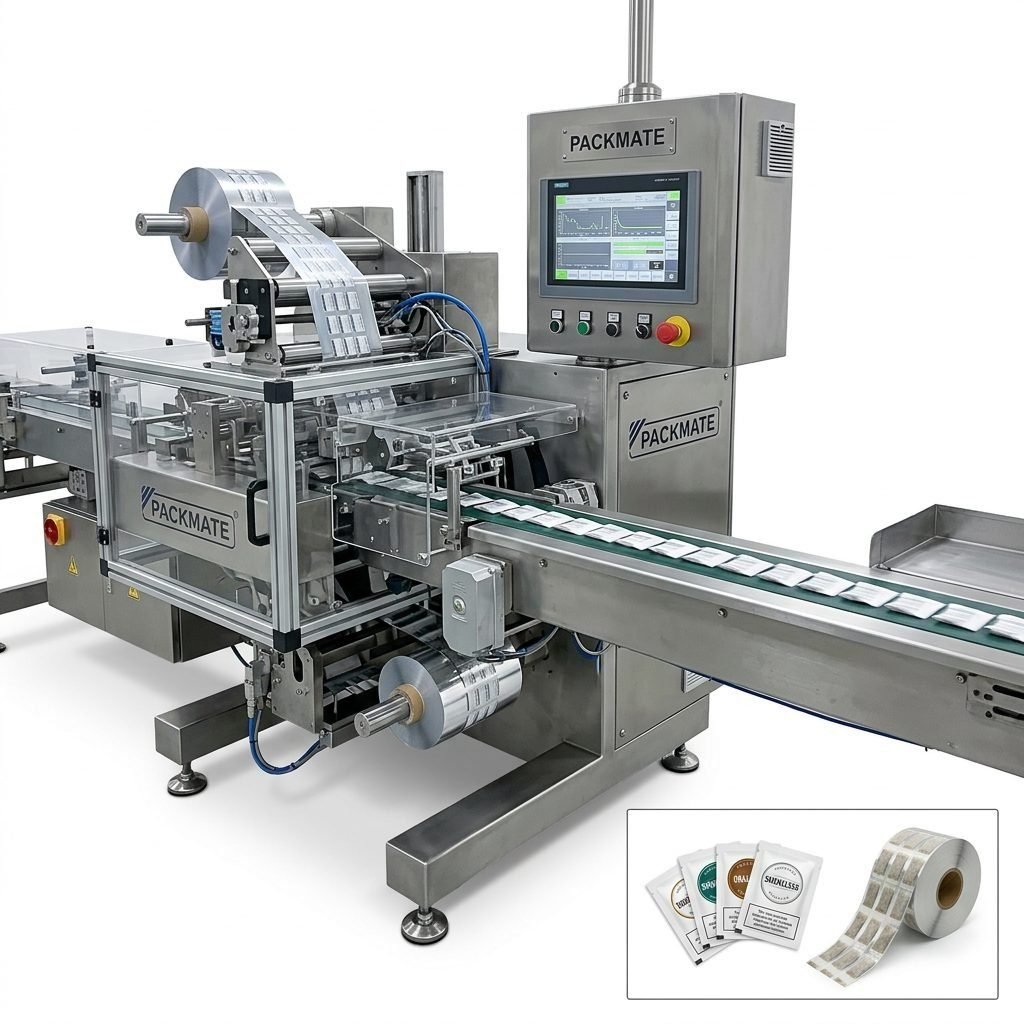
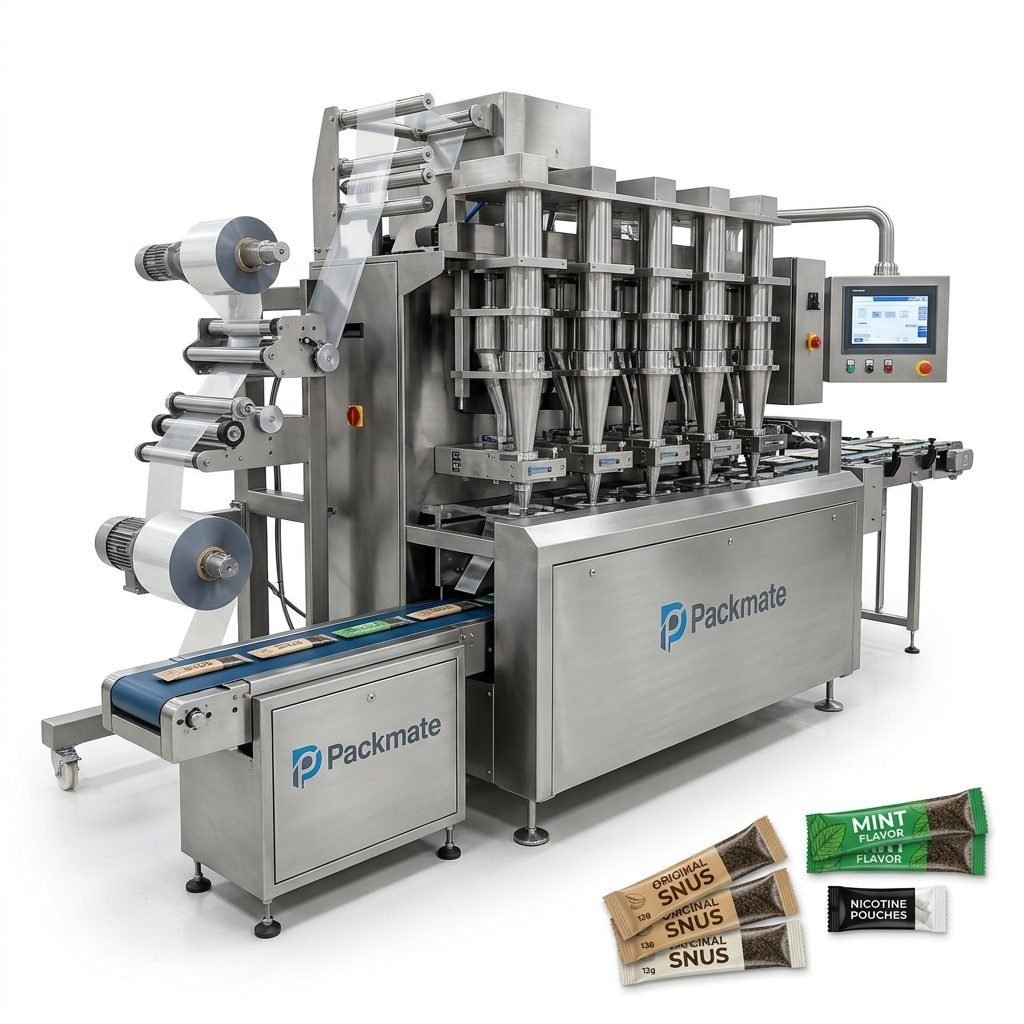
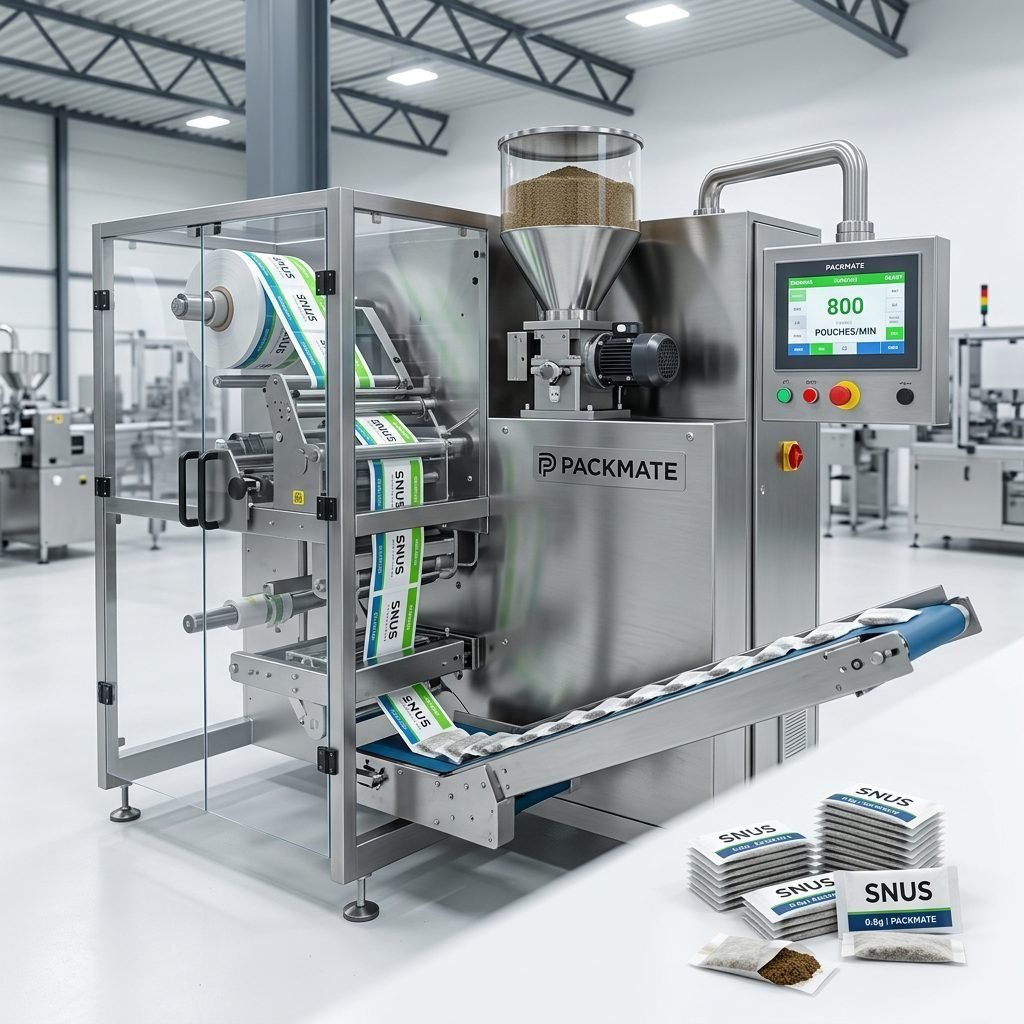
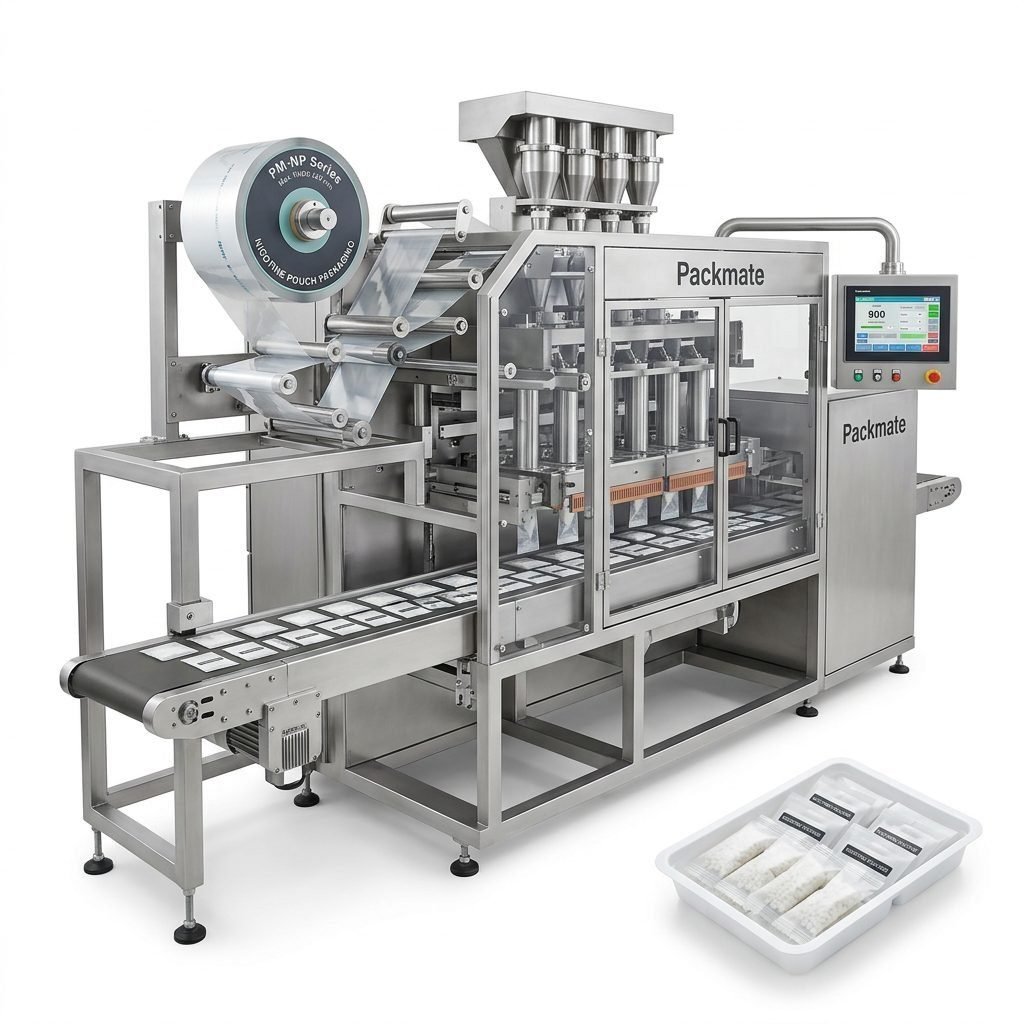
Nicotine products come in multiple formats: pouches, sticks, sachets, and multi-dose presentations. Match the machine to your product format and desired production capacity. For a complete view of available machine families and typical use cases, review dedicated product pages such as Snus & Nicotine Packaging Machines and Sachet & Stick Pack Machines.
Key machine types
• Stick pack machines — ideal for single-dose sticks, compact and consumer-friendly.
• Sachet machines — versatile for single-dose sachets or multi-layered pouches.
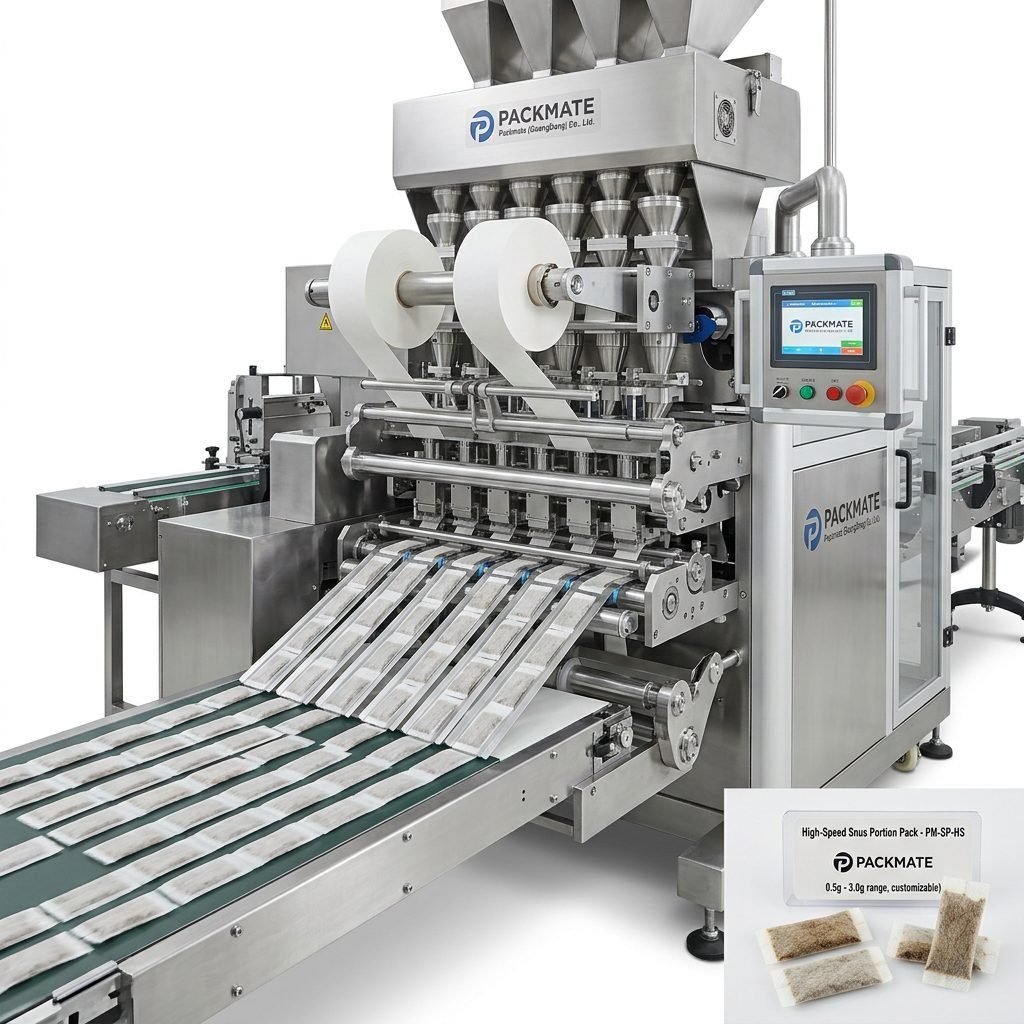
• Multi-lane machines — for high-output manufacturers seeking throughput efficiency.
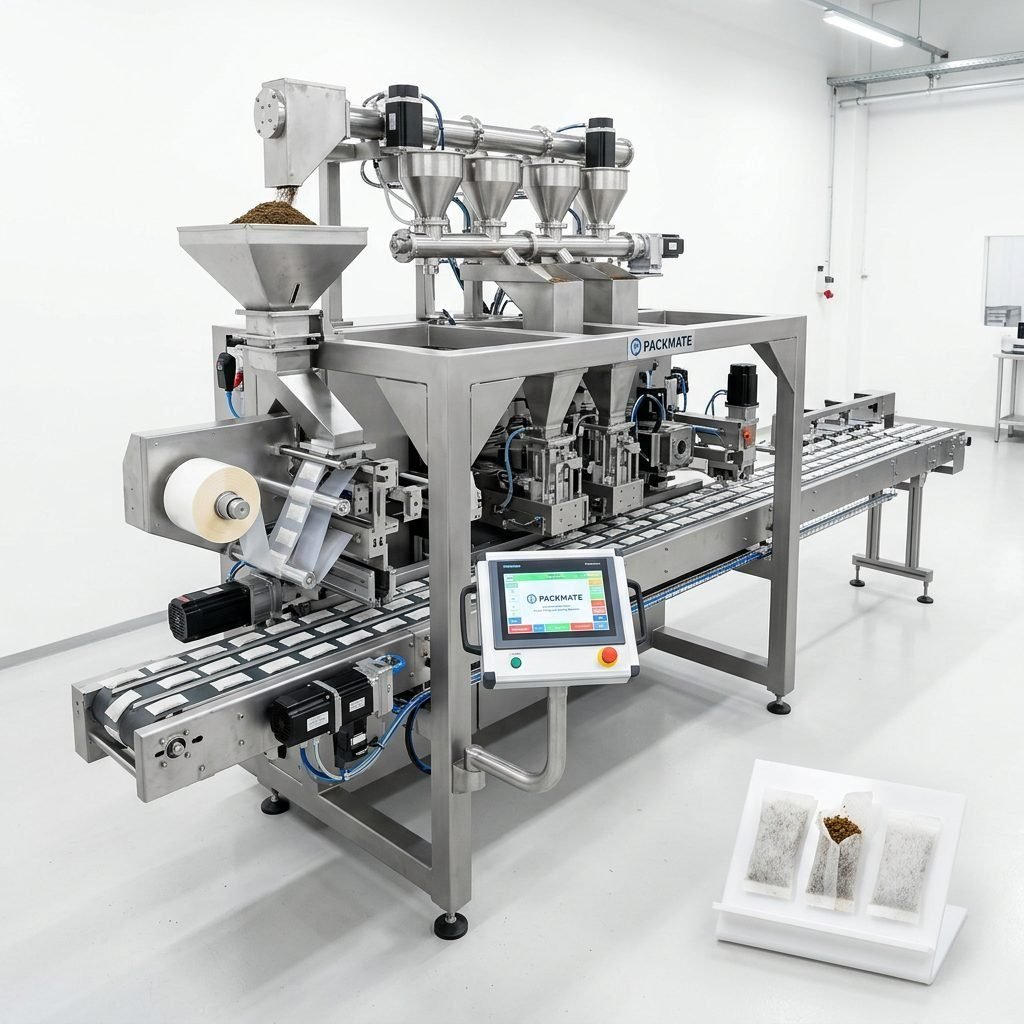
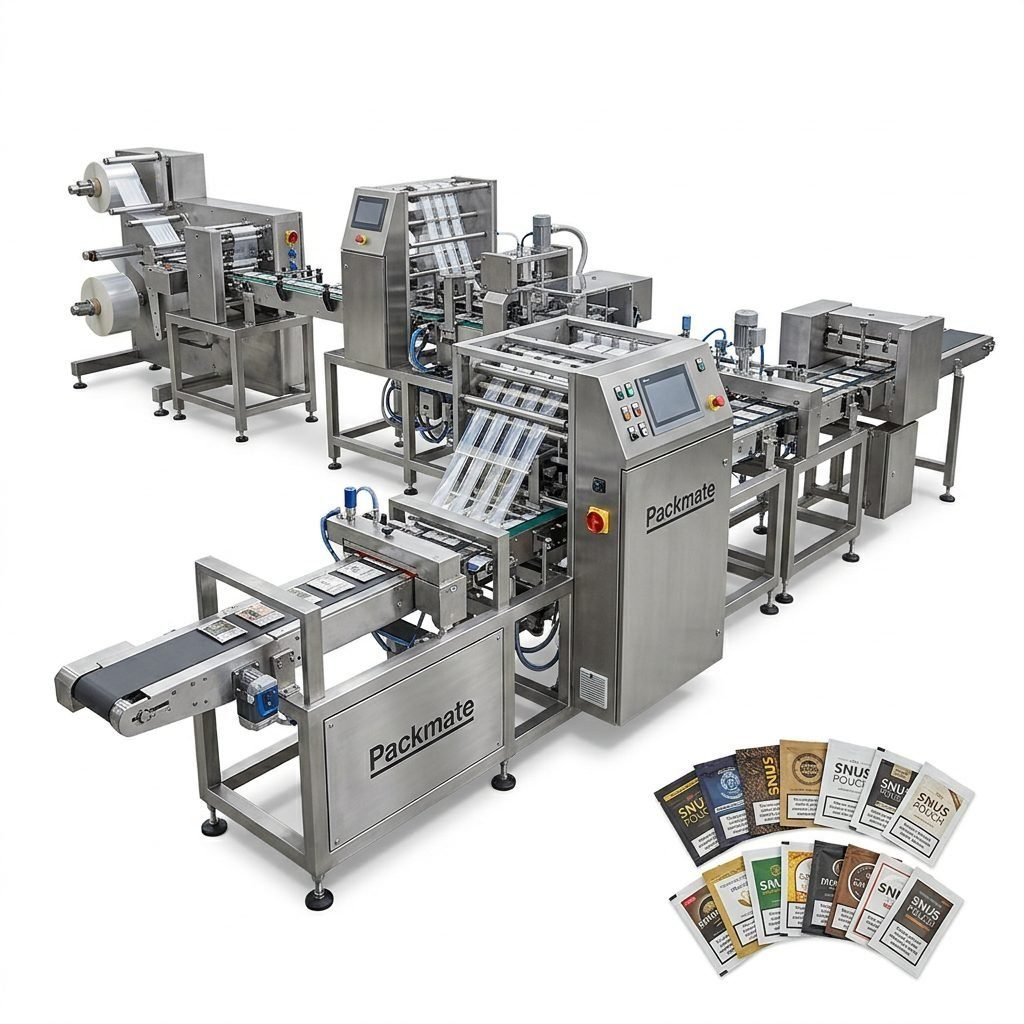
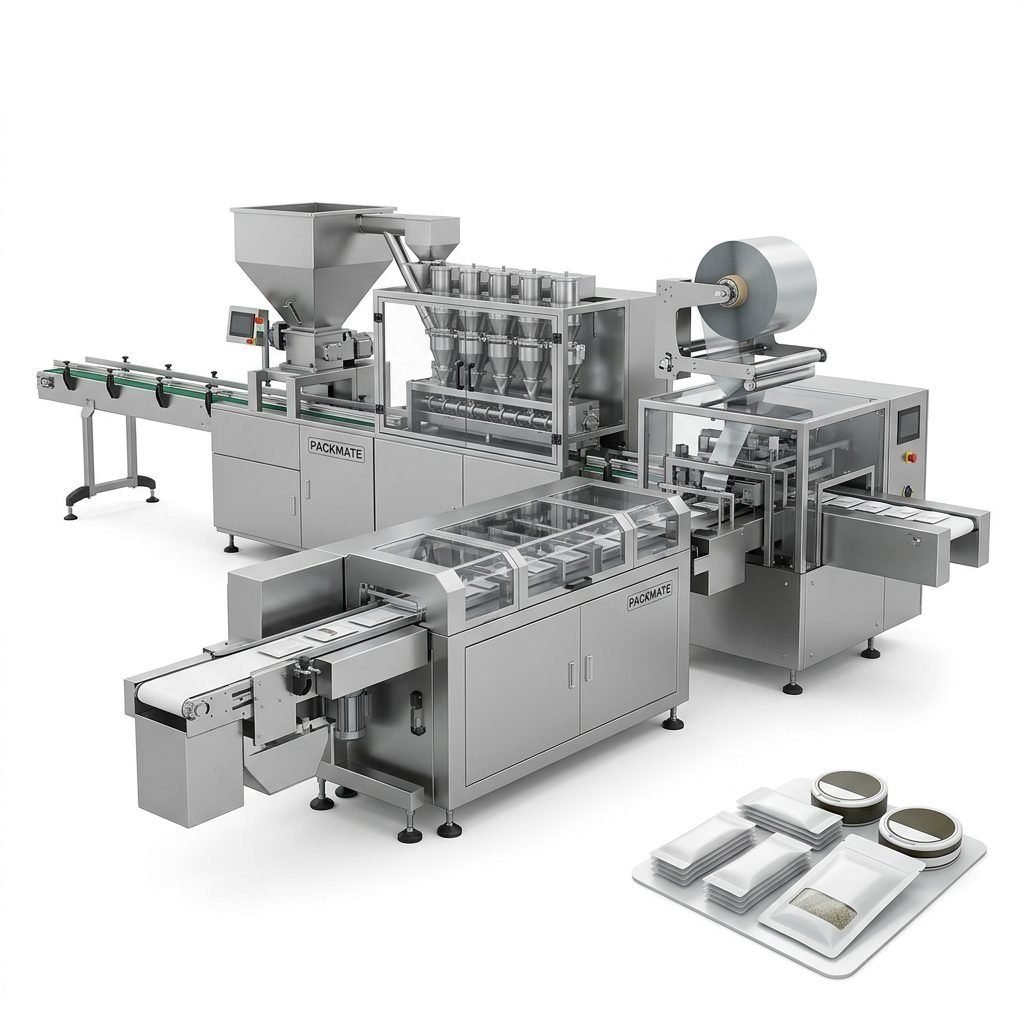
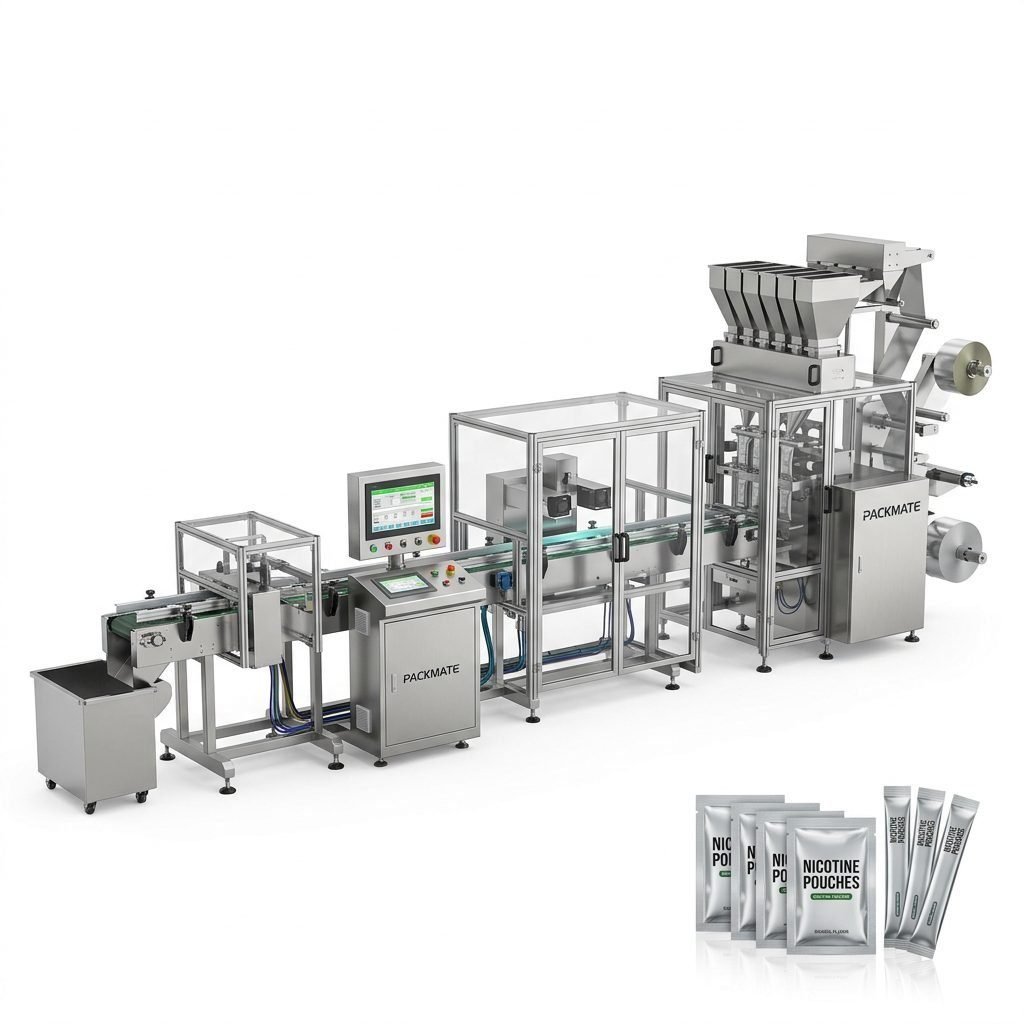
• Fully automated lines — integrate weighing, filling, sealing, and secondary packaging for minimal manual handling.
Environmental & technical considerations
Tanzania’s coastal and inland regions vary widely in humidity and dust levels. Machines with stainless steel frames, protective enclosures for sensitive electronics, and sealed bearings will fare better in tropical settings. Consider HVAC or controlled-room environments for final packaging if your product is moisture-sensitive.
Power, controls and electrical standards
⚡ Ensure machines can operate at local voltages (often 230V, 50Hz) and include tolerance for voltage dips. Discuss built-in surge protection and the option of integrating stabilizers or UPS units. PLCs and HMIs should support multi-language displays; having menus in English and clear iconography aids Tanzanian operators.
Material compatibility and packaging options
Packaging material choice affects shelf life and consumer acceptance. Barrier laminates, alu-foil pouches, and multi-layer films help protect nicotine pouches from moisture and oxygen. Verify that the filling and sealing heads, temperature controls, and film feeding systems on your selected machines are compatible with the film types you plan to use.
Performance, accuracy and integration
Speed and accuracy are essential for consistent product dosing and cost control. If your product requires precise dosing, consider integrated weighing and dosing solutions. For integrated production lines that combine weighing, filling and secondary packing, see Weighing & Packaging Systems.
Automation level
Decide whether semi-automatic equipment suffices for pilot production or if fully automatic multi-lane lines are necessary for commercial volumes. Automation reduces labor dependency but requires higher initial capital and a skilled maintenance team.
After-sales support, spare parts and compliance
Reliable after-sales service is critical for minimizing downtime. Verify the supplier’s spare parts supply chain, response times, and training offerings. Packmate Snus Machine emphasizes service packages and global support — review service options on their Service page and contact details via Contact Us.
Certifications and regulatory readiness
Ensure machines meet international standards such as CE and ISO. While Tanzania may have its own regulatory requirements for nicotine products, having equipment that complies with recognized safety and quality standards simplifies export opportunities and builds trust with local regulators and distributors.
Total cost of ownership and financing
Look beyond purchase price. Factor in installation, shipping, customs duties, training, spare parts inventory, energy consumption, and expected downtime. For smaller operations or pilots, leasing or phased investment in modular lines can reduce initial capital burden.
Selecting a supplier: inspection & acceptance checklist
When vetting suppliers, consider factory visits, performance demonstrations, and reference inspections. If a supplier exhibits at trade shows, ask for live demos or recorded runs that match your product format. You may find relevant case examples and exhibition participation on the supplier’s Case and Our Exhibition pages.
🔍 Pre-shipment acceptance: test full production runs with your materials.
📄 Documentation: request electrical diagrams, spare parts lists, and maintenance manuals.
🧰 Training: ensure on-site or remote operator and maintenance training is included.
⏱️ Warranty & SLA: clarify warranty coverage, response times, and spare parts lead times.
🔁 Upgrade path: modular designs enable capacity increases without full replacement.
Installation, training and local workforce considerations
Provide operator manuals and HMI interfaces in clear English; supplement with Swahili training materials or translators when training local staff. Hands-on training and a few weeks of on-site technical support after commissioning are highly recommended. For routine maintenance, consider training a core team of 2–3 technicians who can handle daily upkeep and first-line troubleshooting.
Packaging design, labelling and consumer habits in Tanzania
Consumers in Tanzania and neighboring East African markets often prefer clear product information and durable packaging that withstands humid storage and informal retail conditions. Labels that include Kiswahili instructions and health information increase local acceptance and ease regulatory scrutiny. Evaluate secondary packaging like cartons and display-ready trays for local retail setups.
Case selection and proven solutions
Choose suppliers with proven multi-lane or small-dose pouch experience. Manufacturers with 20,000㎡ facilities and 30+ years of experience often provide reliable long-term support. For more company background and credentials, visit the supplier’s About Packmate page and certifications at Certificate.
Practical procurement tips
• Negotiate lead times and clarify customs handling responsibilities.
• Request spare-parts kits for consumable items (seals, belts, sensors) to be shipped with the first order.
• Consider local partner agreements for installation and long-term maintenance.
Final selection roadmap — a simple 6-step plan
1. Define product specs (pouch size, dose, film type, output).
2. Shortlist machines by format and throughput.
3. Verify material compatibility and environmental adaptations.
4. Inspect factory demo or request personalized test runs.
5. Finalize terms: warranty, spare parts, training, and shipping.
6. Plan commissioning with local-language training and spare parts on-site.
Investing time in due diligence will reduce risk and help you choose a nicotine packaging solution that matches Tanzania’s market realities. Selecting robust equipment, securing accessible service, and planning for local operating conditions ultimately protect product integrity and your return on investment.
Frequently Asked Questions
Q1: What machine type is best for starting a small nicotine pouch brand in Tanzania?
A1: For small-scale production, a semi-automatic sachet or stick pack machine with modular expansion options is often ideal. These provide lower initial capital outlay while allowing capacity upgrades as demand grows.
Q2: How important is local after-sales support and spare part availability?
A2: Extremely important. Fast access to spare parts and service minimizes downtime. Negotiate spare parts kits and training for local technicians before shipment.
Q3: Can machines handle Tanzania’s humid climate without special rooms?
A3: Machines designed with corrosion-resistant materials, sealed electronics, and optional dehumidified feeders can operate well in humid climates. For highly moisture-sensitive products, controlled rooms are recommended.
Q4: What documentation should I request from the supplier prior to purchase?
A4: Ask for electrical diagrams, spare parts lists, operating manuals, CE/ISO certificates, test run videos with your packaging materials, and a clear warranty and service-level agreement.
Q5: Who can help with turnkey line design and integration?
A5: Manufacturers with end-to-end solutions and experience with nicotine pouch lines — offering filling, weighing, sealing and secondary packaging — provide the most efficient path to a turnkey line. Reach out to experienced suppliers and request references and case studies.