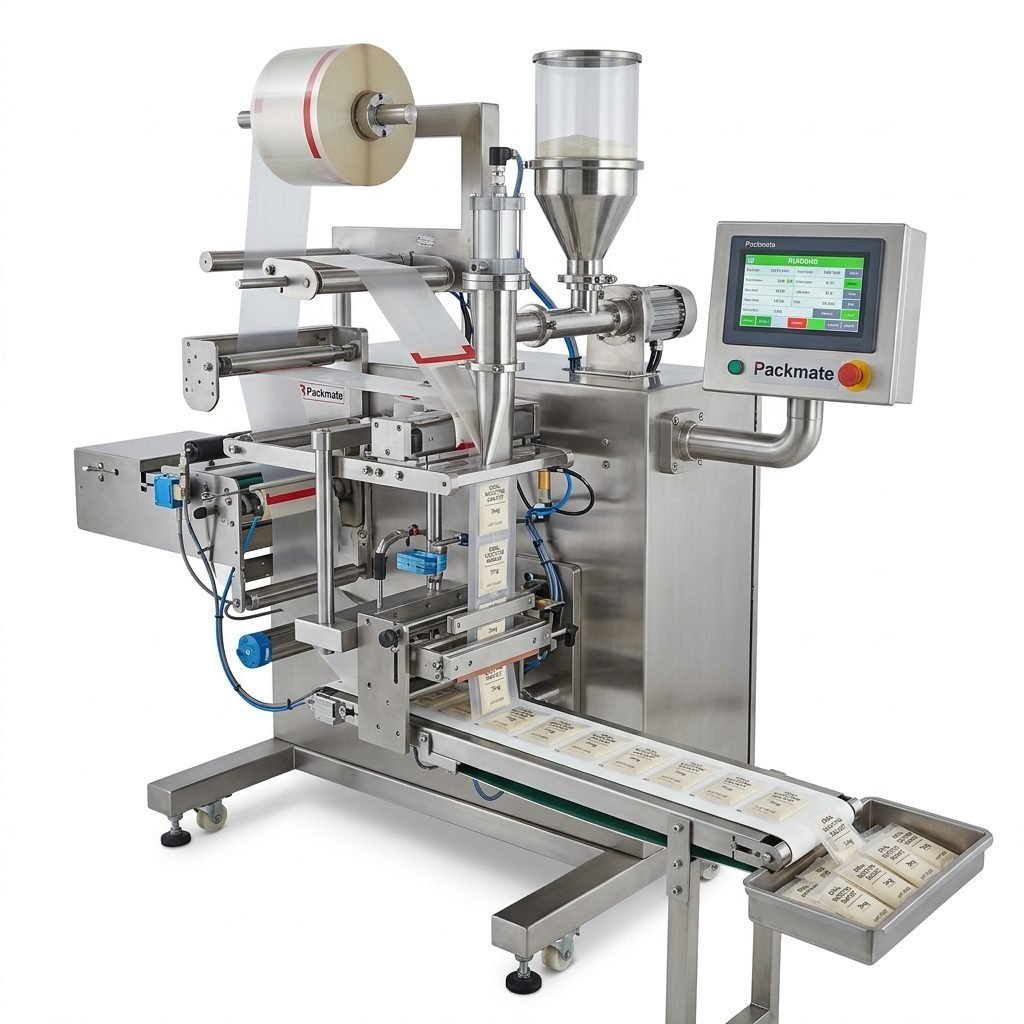
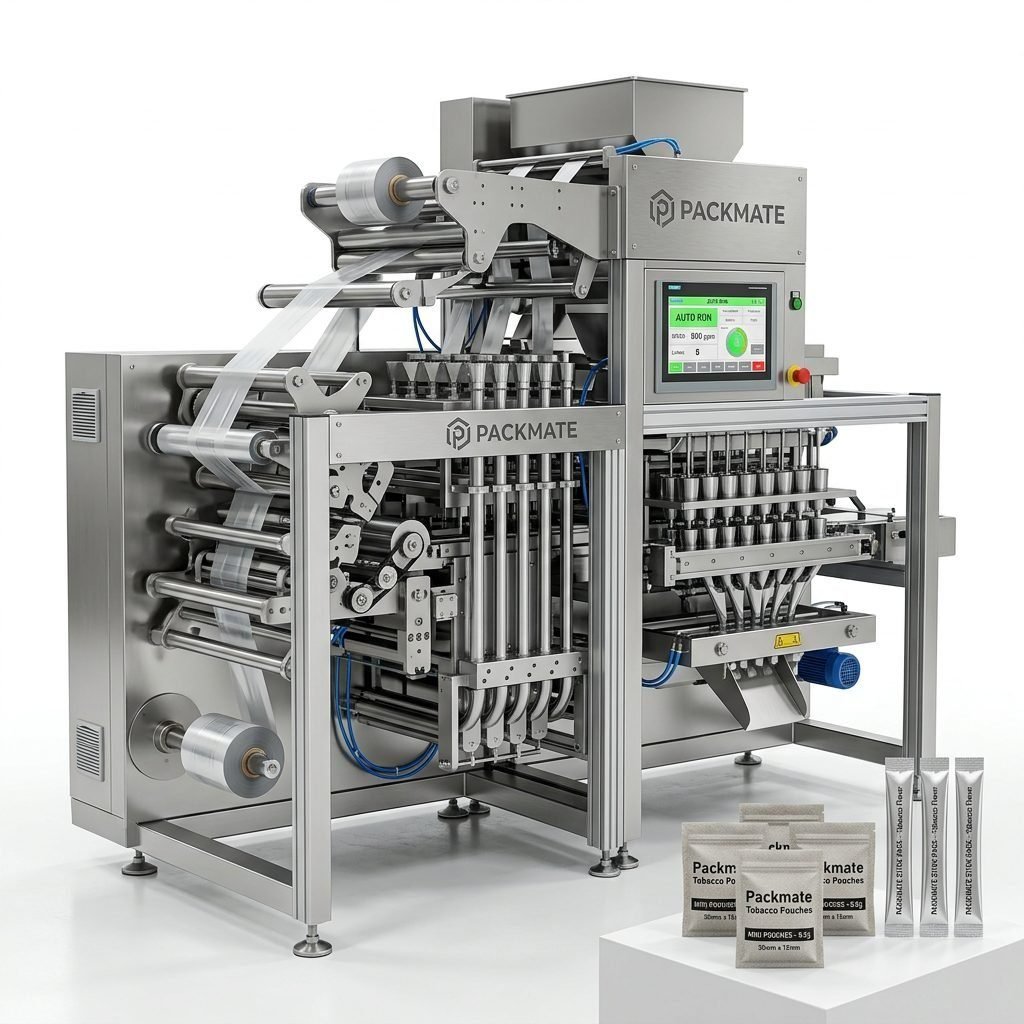
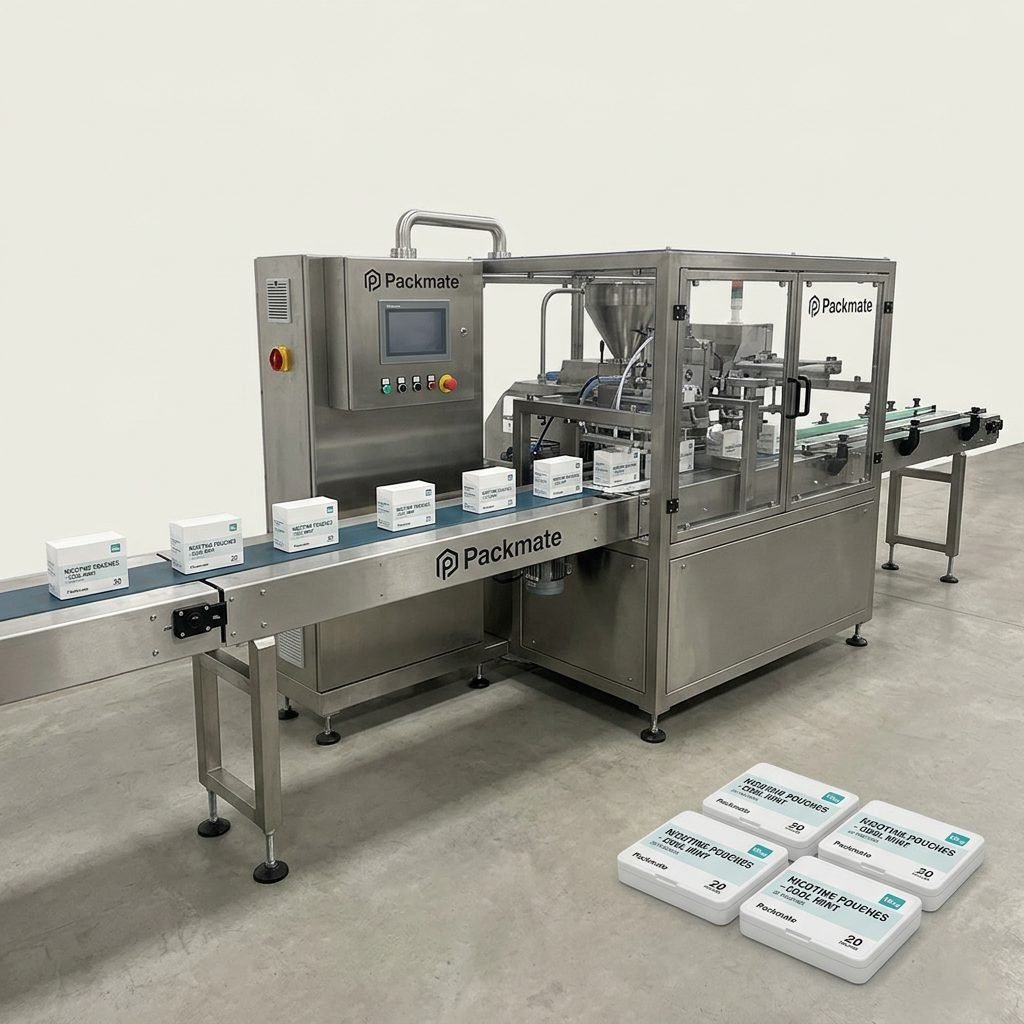
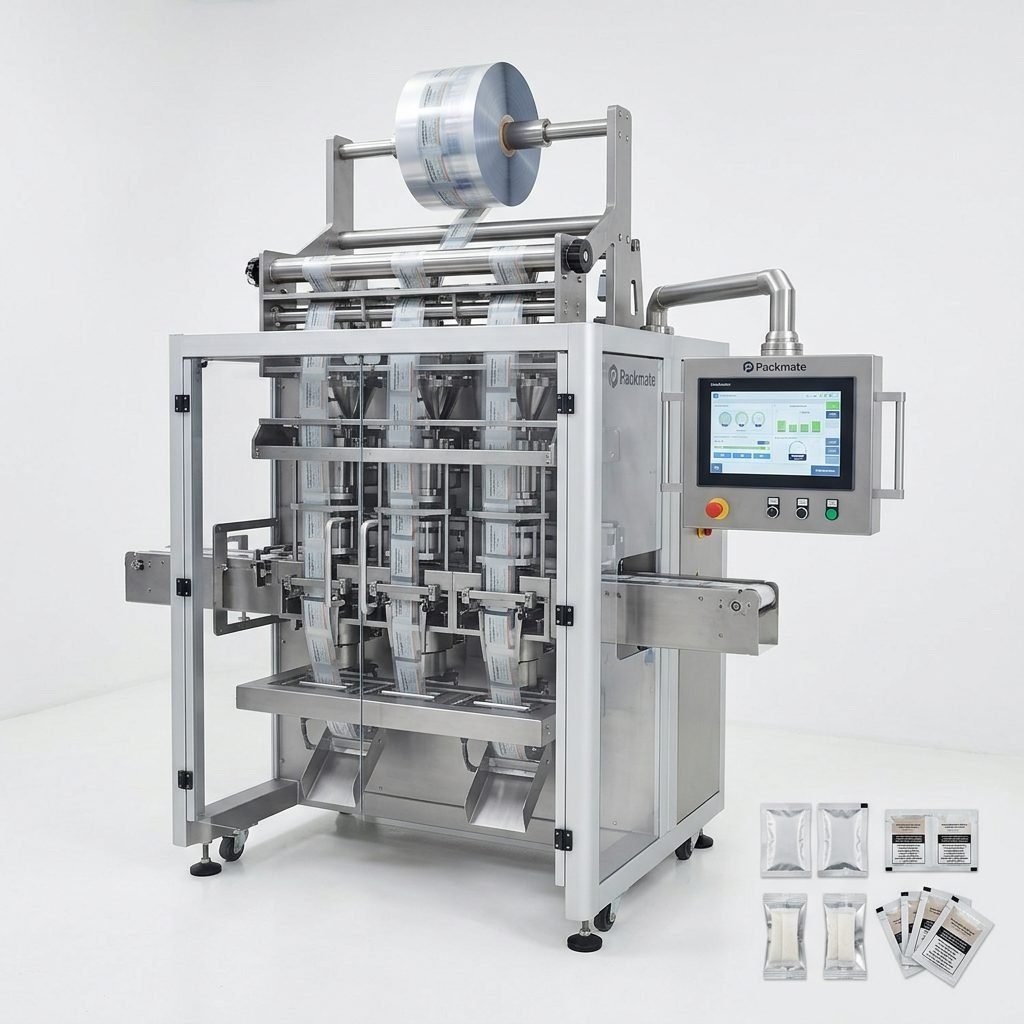
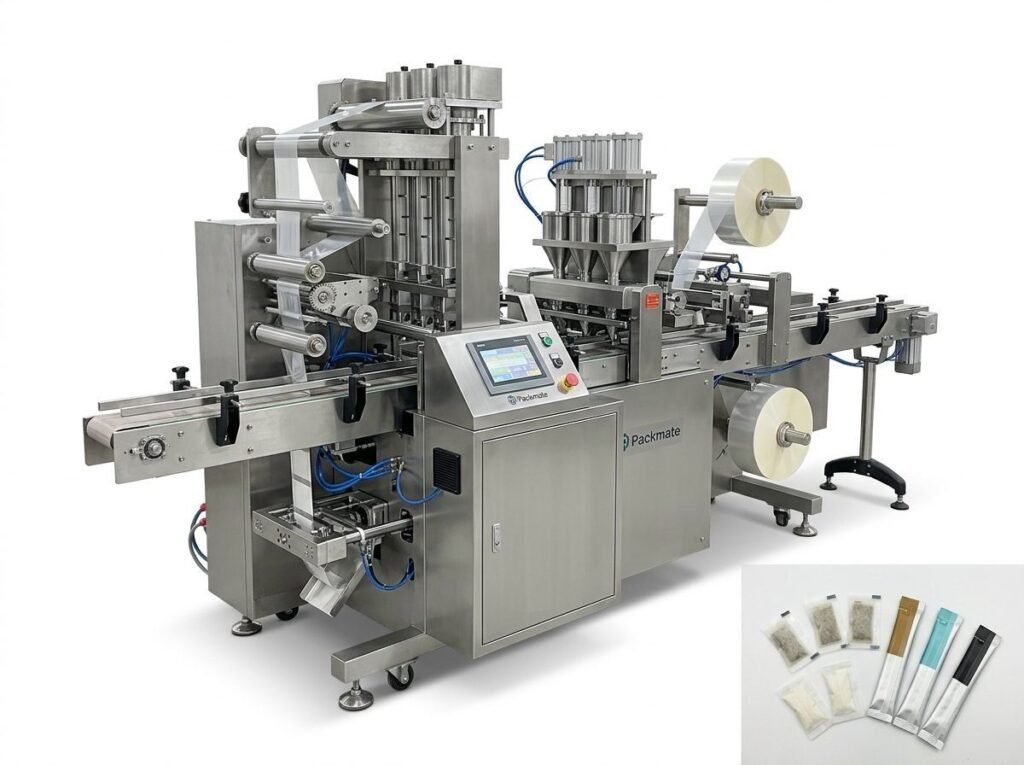
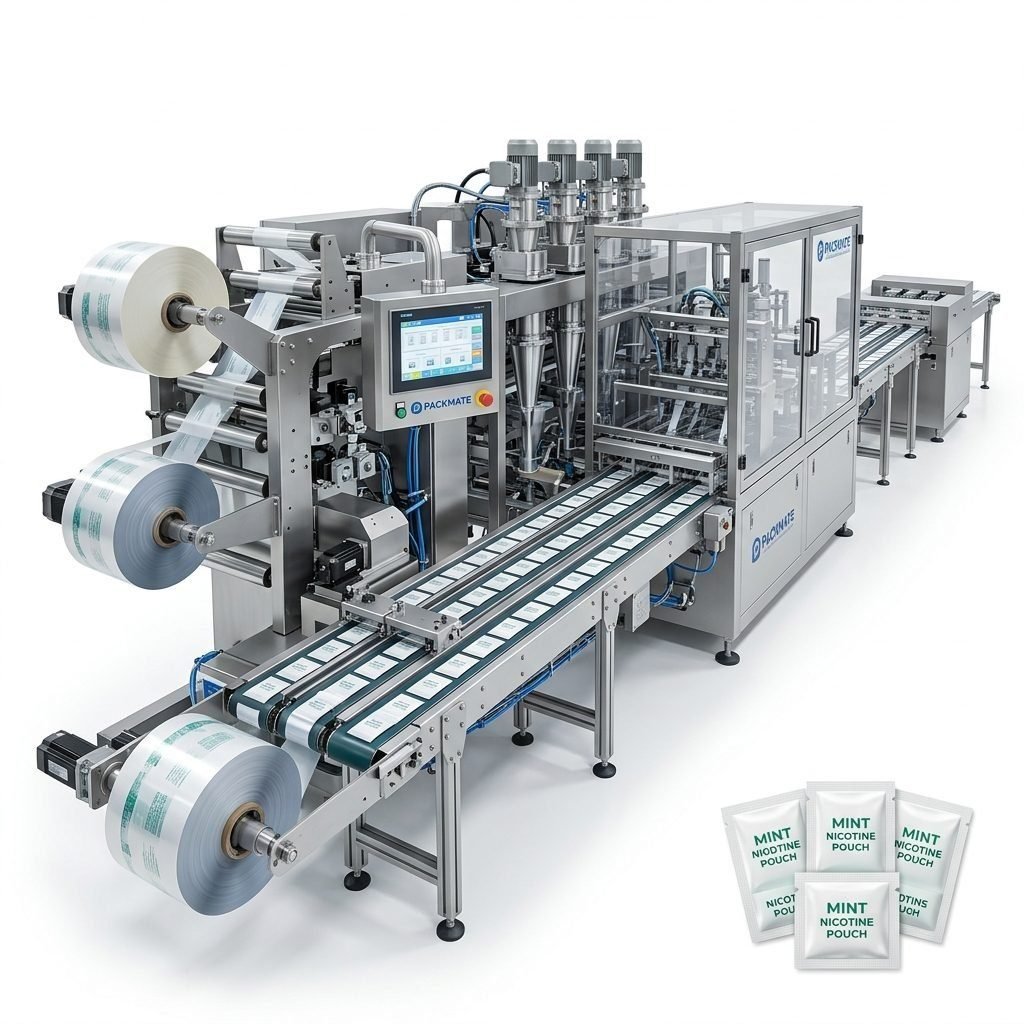
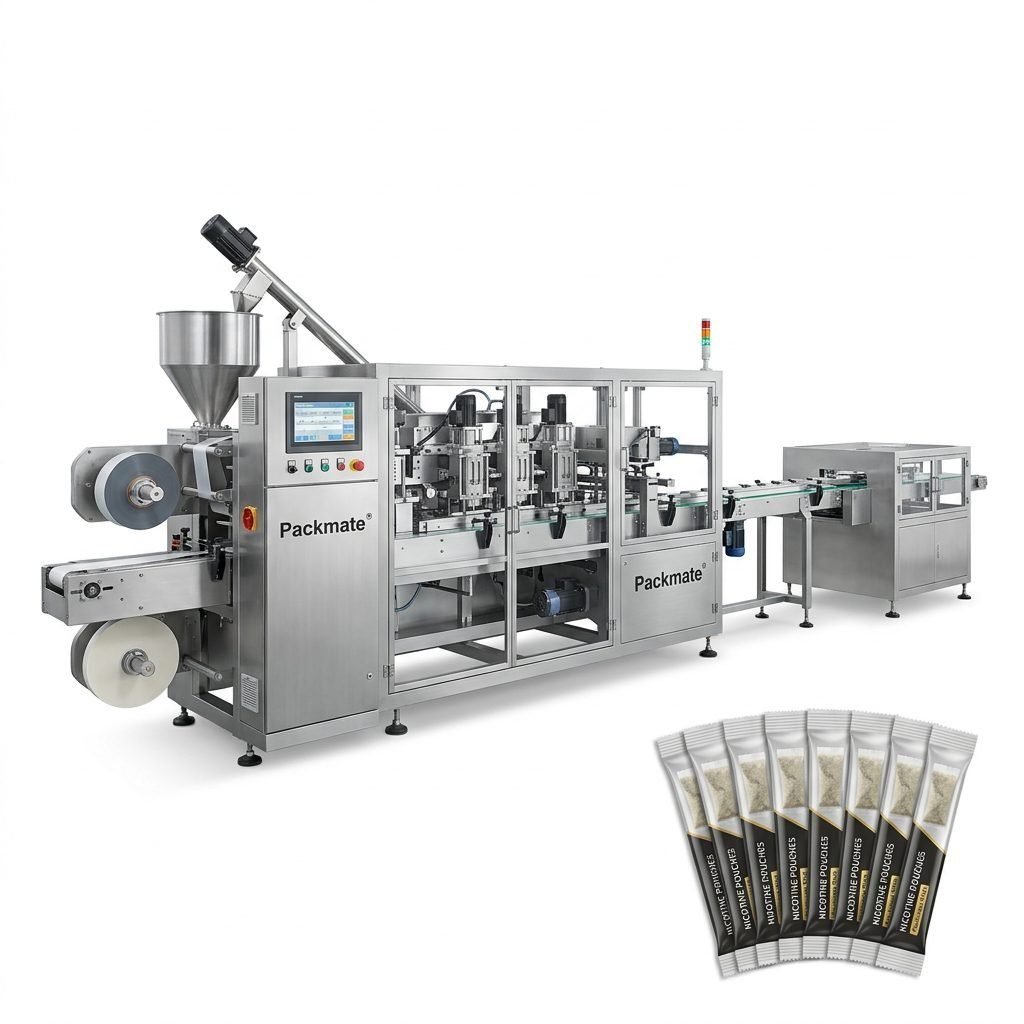
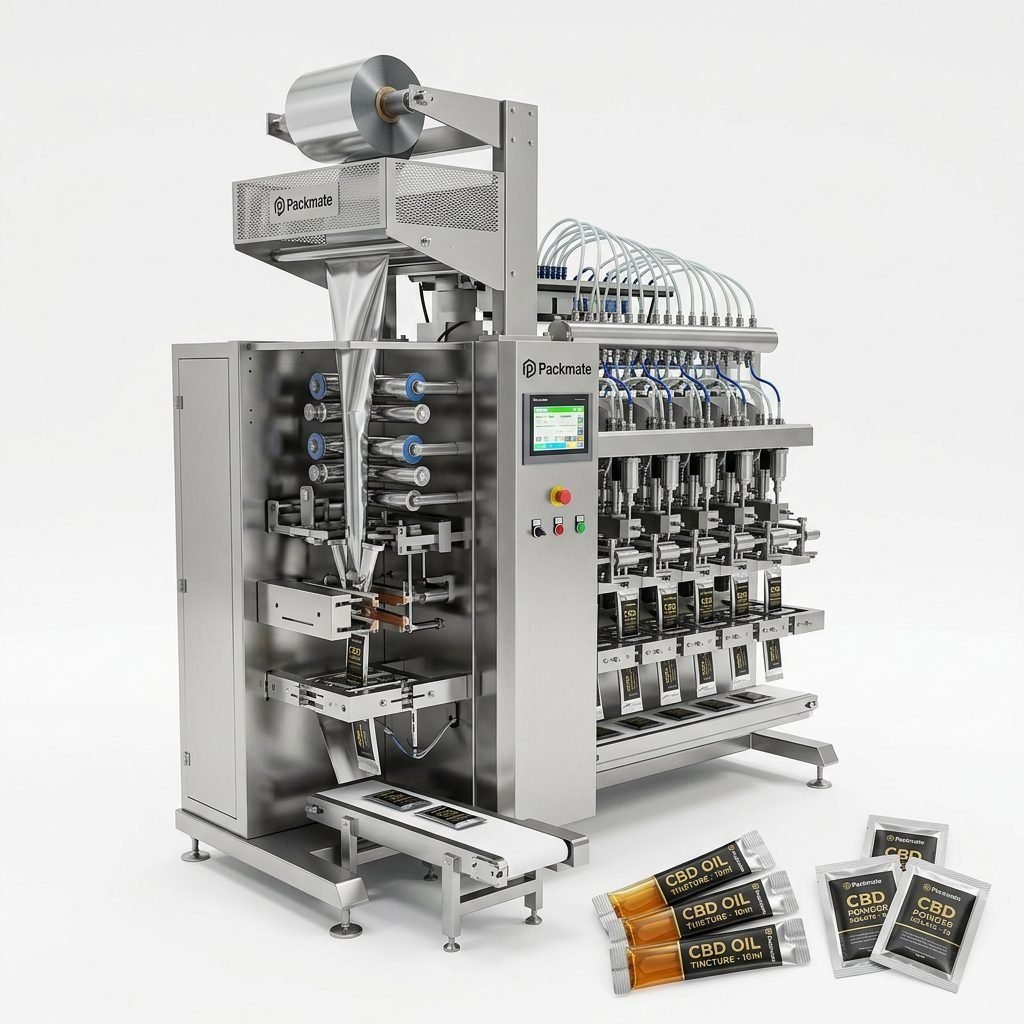
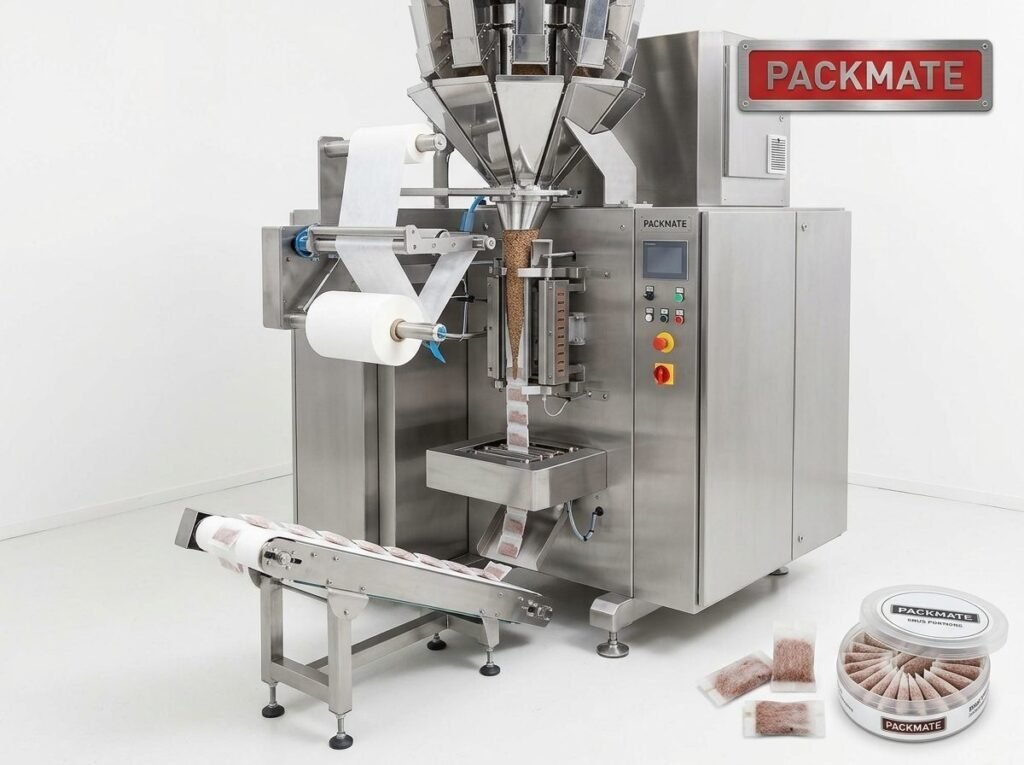
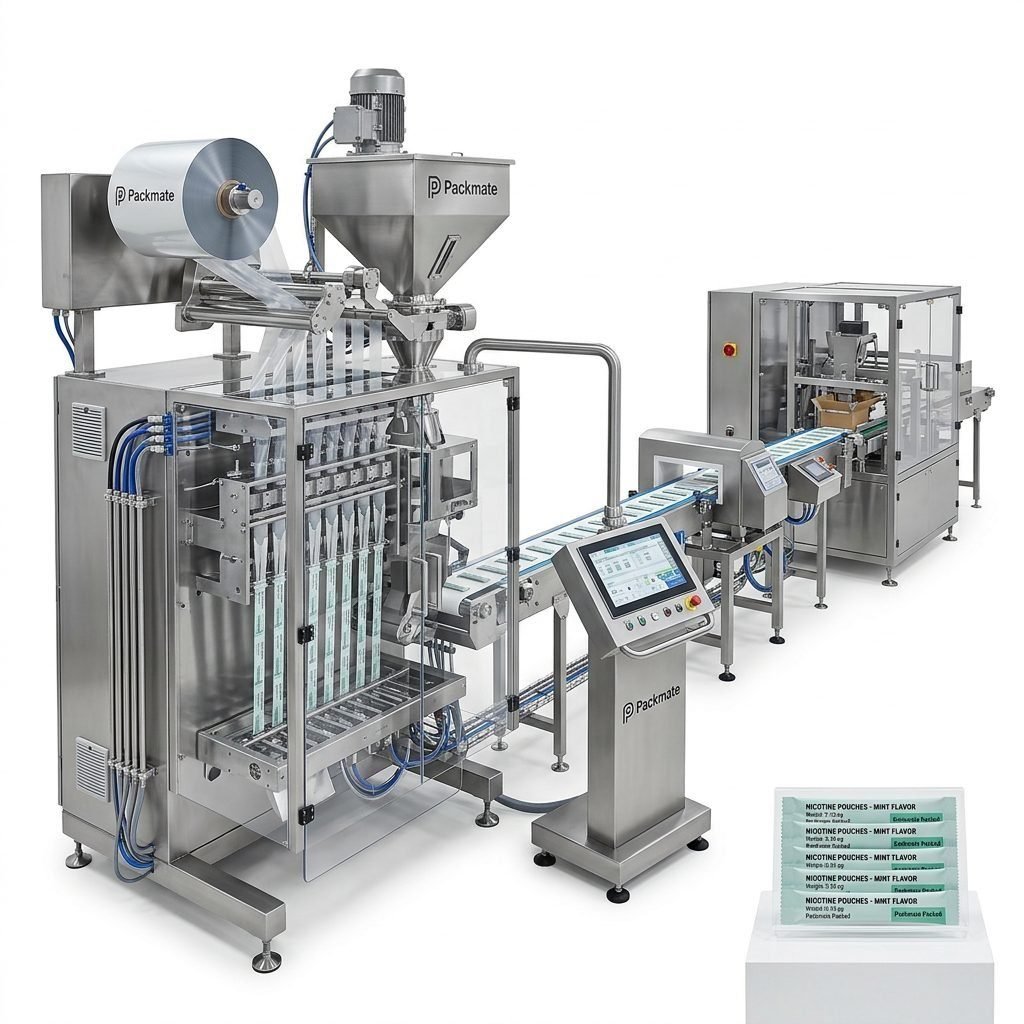
In a high-speed snus pouch production line, rigorous quality control is not optional — it is the foundation for consistent output, regulatory compliance, and brand trust. This article presents a detailed, practical guide to inspection steps and best practices that packaging engineers, production managers, and quality teams can implement to maintain stable, high-yield snus pouch manufacturing. Whether you operate single-lane sachet machines or multi-lane nicotine pouch lines, these methods help reduce waste, avoid recalls, and keep your line running at optimal efficiency.
Why Quality Control Matters in Snus Pouch Production
Snus and nicotine pouches are low-dose, high-consistency products where variation in fill weight, pouch integrity, or sealing quality can directly impact consumer safety and regulatory standing. A robust quality control (QC) program protects product integrity, reduces operator interventions, and supports predictable throughput. Top manufacturers like Packmate focus on integrating QC checks into every stage of the line — from raw materials to finished cartons — to ensure consistent pouch quality across millions of cycles.
Overview: QC Objectives for a Snus Line
🔎 Primary goals: ensure correct fill weight, consistent pouch shape, hermetic seals, accurate labeling and coding, and intact primary and secondary packaging. These goals reduce product returns and strengthen regulatory compliance.
Key Inspection Steps — From Incoming Materials to Finished Cartons
1. Incoming Material Verification
Inspect pouch film rolls, sachet paper, laminates, and nicotine pouch matrix ingredients before they reach the line. Use standard incoming quality control (IQC) checks: visual inspection for defects, dimensional checks for film width and print registration, and certificate verification for supplied ingredients. Maintain a Material Traceability Log to quickly isolate batches when nonconformances occur.
2. Machine Setup & Pre-Run Checks
Before a production run, verify machine calibration: dosing systems, pouch forming stations, sealing jaws, and coding units. Run an empty-cycle test at reduced speed to confirm synchronization. Use alignment marks and test samples to confirm registration and print accuracy. Document pre-run checks using checklists so setup variables are repeatable.
3. In-Process Monitoring: Real-Time Control
Real-time inspection reduces downstream rejects. Implement inline solutions such as vision inspection for print and seal checks, checkweighers for fill weight verification, and metal detection where required. Combine automatic rejection mechanisms with visual confirmation by operators to avoid false rejects and machine downtime.
4. Sampling Plans & Acceptance Criteria
Adopt a statistically sound sampling plan based on output rate and risk level. For high-speed multi-lane lines, increase sample frequency during the first 30 minutes of a new run and after any changeover. Define clear acceptance criteria for weight variance, seal integrity, and visual defects so operators can act decisively when nonconformances appear.
⚠️ Note: For nicotine pouches, even small deviations in fill weight can change nicotine dose. Prioritize checkweigher calibration and dosing equipment maintenance.
5. Sealing & Package Integrity Tests
Perform regular destructive and non-destructive seal tests (peel tests, burst tests, vacuum leak tests) and monitor seal temperature logs. Fluctuations in heat-seal temperature or pressure often cause micro-leaks that aren’t obvious until shelf-life testing. Use instrumented data to correlate sealing anomalies with film batch or machine maintenance records.
6. Coding, Labeling & Regulatory Marking
Confirm lot codes, expiration dates, and regulatory symbols are clear and scannable. Use vision systems to detect missing or incorrect codes and integrate code verification into the rejection workflow. Maintain a copy of label artwork and regulatory requirements for each market to avoid mislabeling that could lead to compliance issues.
7. Final Product Inspection & Secondary Packaging
After primary pouch production, inspect secondary packaging (cartons, display packs) for correct counts, orientation, and damage. Use automated counting and carton integrity checks to minimize manual sorting. Ensure finished goods are stored in controlled conditions to protect product stability.
Common Defects, Root Causes & Quick Fixes
-
Underfilled pouches — often due to feed hopper bridging or inconsistent dosing. Quick fix: check auger speed and hopper agitation; recalibrate dosing.
-
Poor seal strength — linked to contaminated sealing jaws or incorrect temperature. Quick fix: clean sealing surfaces and verify temperature profiles.
-
Misregistration of printed film — caused by web tension issues. Quick fix: adjust tension and confirm encoder synchronization.
-
Incorrect coding — due to communication errors between PLC and coder. Quick fix: verify communication and run test prints before full-speed production.
Best Practices & Process Controls
Implement a layered QC system: operator checks, automated inline sensors, and periodic lab validation. Use Statistically Process Controlled (SPC) charts to monitor key variables such as fill weight and seal integrity. Preventive maintenance schedules tied to runtime, not just calendar days, reduce unforeseeable failures on multi-lane lines.
🔧 Operator training is critical: a properly trained operator can catch subtle defects before they escalate into large runs of rejects. Standardize training content and retain digital records for audits.
Automation, Sensors & Industry Solutions
Modern snus lines integrate vision inspection, automatic rejection, and advanced checkweighers to keep pace with high throughput. Suppliers like Packmate provide modular solutions across product categories — from Snus & Nicotine Packaging Machines to Filling & Packaging Lines, enabling end-to-end QC integration that supports rapid troubleshooting and consistent production output.
Validation, Records & Regulatory Compliance
Validate critical processes and maintain batch records. For nicotine products, regulatory frameworks vary by market; ensure labeling and formulation testing meet local standards. Keep calibration certificates and maintenance logs readily accessible for audits. For manufacturers seeking a turnkey solution, see company details and capabilities at About Packmate.
Continuous Improvement: From Data to Action
Use root cause analysis (RCA) for repeat defects and feed corrective actions into SOPs. Schedule review meetings that include production, maintenance, and QA to review SPC trends and quality events. Consider pilot runs when implementing new materials or recipe changes to avoid full-line disruption. For additional equipment options and upgrades, explore Bag & Pouch Packaging Machines and related automation modules.
Practical Checklist for Daily QC Routines
✅ Verify incoming material batch numbers and condition
✅ Confirm machine setup and pre-run test cycles
✅ Monitor inline checkweigher and vision system alarms
✅ Conduct periodic seal integrity and weight checks
Tip: Log every deviation and corrective action to accelerate future root cause identification.
Real-World Example: Multi-Lane Nicotine Pouch Line Optimization
A multi-lane line producing small-dose nicotine pouches experienced intermittent underfills on lane 3. By analyzing SPC charts and reviewing feeder vibration logs, engineers discovered a partially clogged dosing orifice. After installing an automated hopper agitation system and increasing sample frequency during warm-up, underfills dropped below the acceptable threshold and line efficiency improved. This demonstrates how combined mechanical fixes and enhanced monitoring deliver measurable QC gains.
Choosing the Right Equipment Partner
Selecting a partner with snus-specific experience is beneficial. Companies with deep domain experience, wide product lines, and global service networks can provide not just machines but process expertise. For more information on product ranges and turnkey lines, review Packmate’s product pages and case studies at Case and Weighing & Packaging Systems.
Conclusion
Effective quality control in snus pouch production is achieved by combining rigorous incoming checks, disciplined machine setup, real-time in-process inspection, and strong data-driven continuous improvement. Preventive maintenance, operator training, and properly integrated automation systems reduce variability and ensure each pouch meets design and regulatory expectations. With the right processes and partners, manufacturers can achieve both speed and consistent product quality.
Frequently Asked Questions (FAQs)
Q1: What is the most common cause of underfilled pouches?
A1: Material flow inconsistency (hopper bridging), incorrect auger/doser calibration, or a partially blocked nozzle are typical causes. Regular maintenance and frequent calibration checks reduce incidence.
Q2: How often should checkweighers be calibrated?
A2: Calibrate daily for critical products, and whenever a changeover occurs. Maintain a calibration log to satisfy audits and to support troubleshooting.
Q3: Can vision systems catch micro-leaks in seals?
A3: Vision systems excel at detecting visual anomalies like incomplete seals or foreign particles. Micro-leaks may require additional testing methods such as vacuum decay or pressure testing for definitive detection.
Q4: What should I look for in a packaging equipment supplier?
A4: Look for experience in snus/nicotine pouch lines, global service capability, test installations, and a proven record in multi-lane systems. Review product ranges and references on the supplier’s site to confirm fit.
Q5: How do I reduce downtime during changeovers?
A5: Standardize changeover procedures, use quick-change tooling where possible, pre-stage materials, and train teams on role-specific tasks. Run a short validation batch immediately after changeover to verify settings before ramping to full speed.