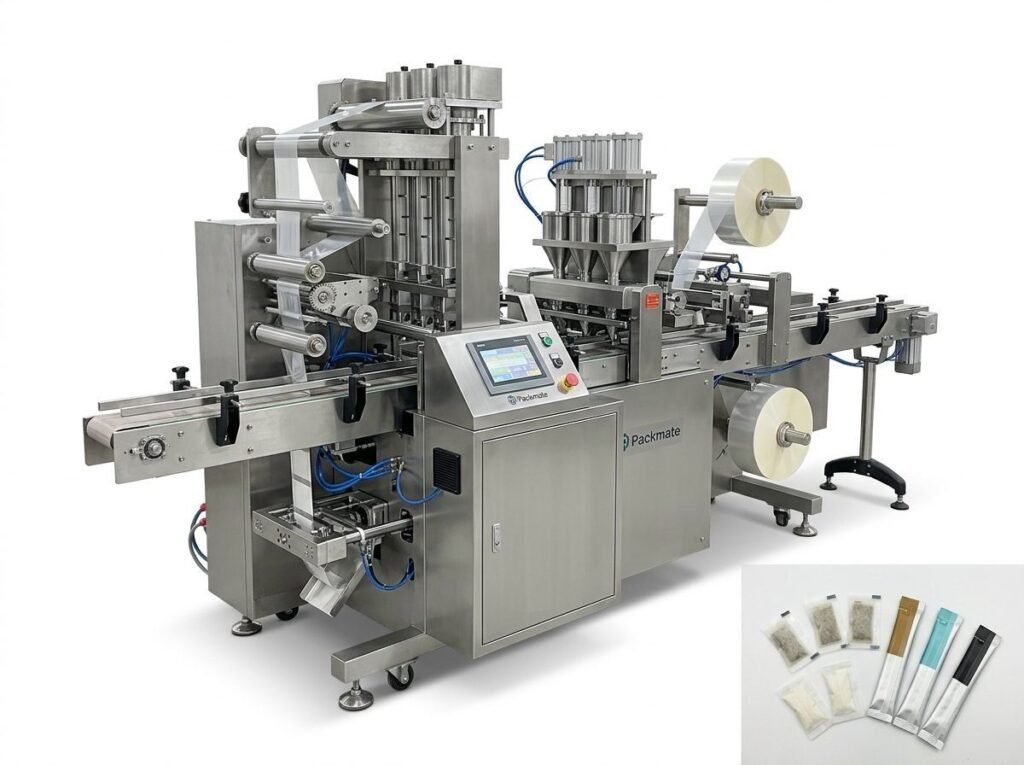
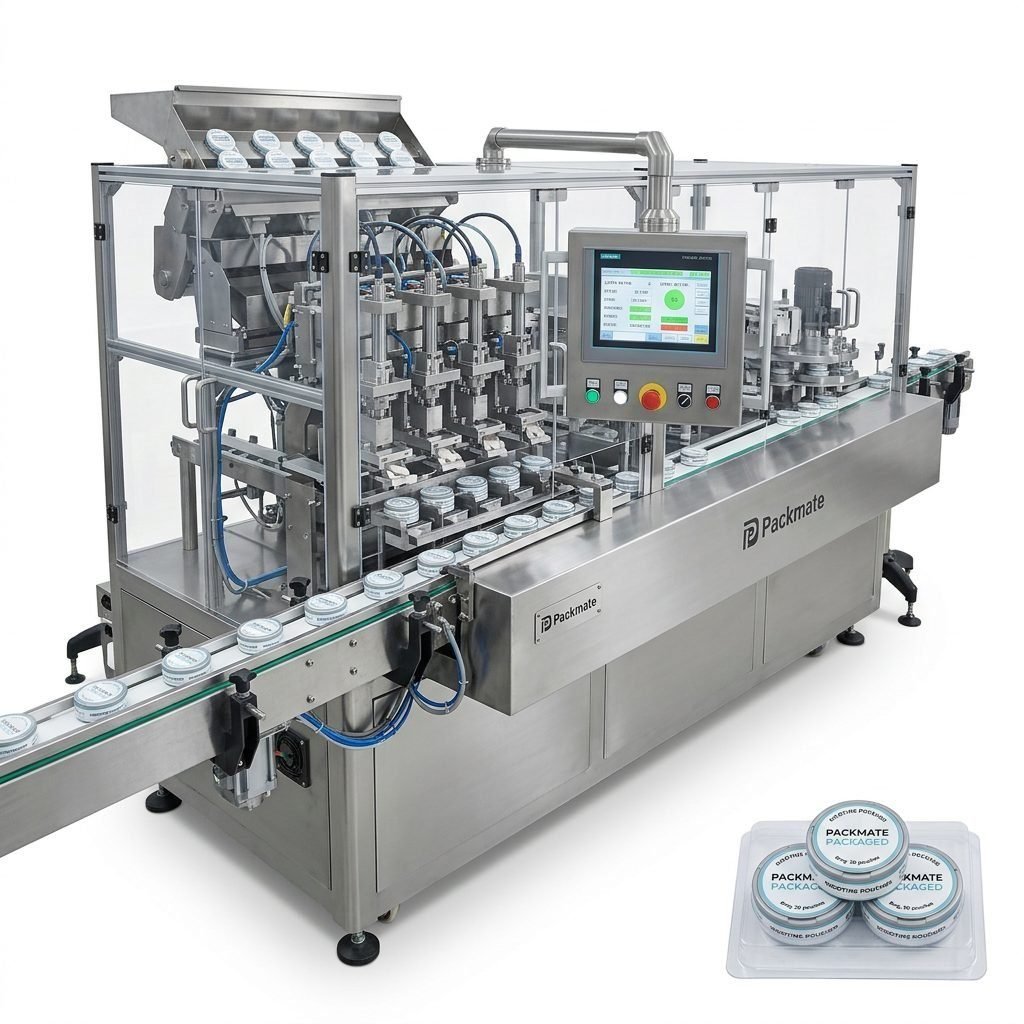
Choosing the right nicotine packaging machine in Nicaragua requires more than a quick price comparison. You must balance local regulations, climate effects, production goals, and supplier reliability to secure a cost-effective, long-term solution. This guide walks you through practical steps, technical criteria, and Nicaragua-specific considerations so you can evaluate options and choose a machine that fits your business objectives.
Understand the Nicaraguan Market and Local Habits
Nicaragua’s consumer market is shaped by regional tastes, purchasing power, and distribution channels. Many buyers in Central America prefer single-dose convenience and compact packaging due to on-the-go consumption habits. When planning production, prioritize packaging formats that cater to convenience and portability — small pouches, stick packs, and sachets perform well in local retail and kiosk environments.
Other local considerations:
📌 Language and labeling: Spanish-language labeling is essential. Include clear ingredient lists, nicotine content, warnings and batch information in Spanish to meet local consumer expectations and facilitate regulatory clearance.
⚡ Power and infrastructure: Nicaragua commonly uses 120V 60Hz electrical systems. Confirm machine power compatibility or plan for appropriate transformers and electrical upgrades during installation.
Which Machine Type Fits Your Product?
There are several packaging formats for nicotine products. Match the machine to your product form and business model:
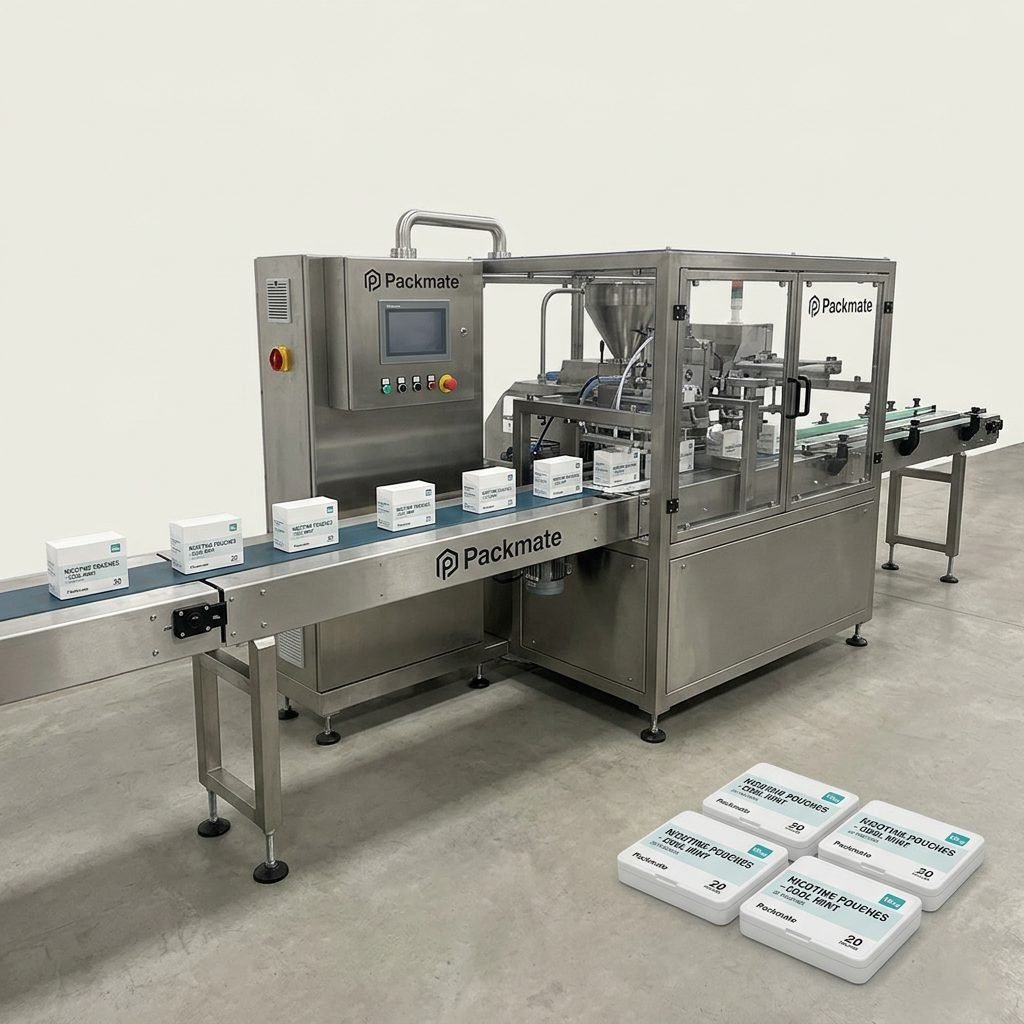
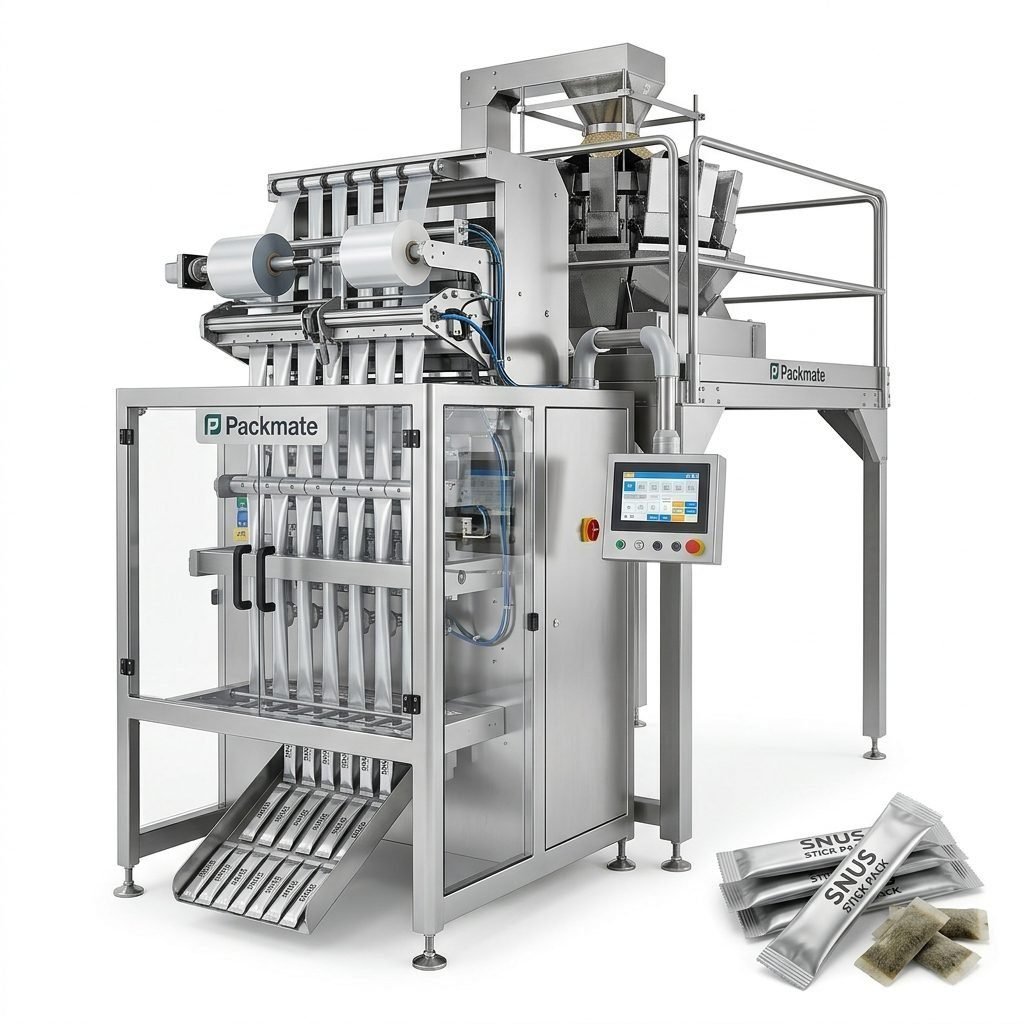
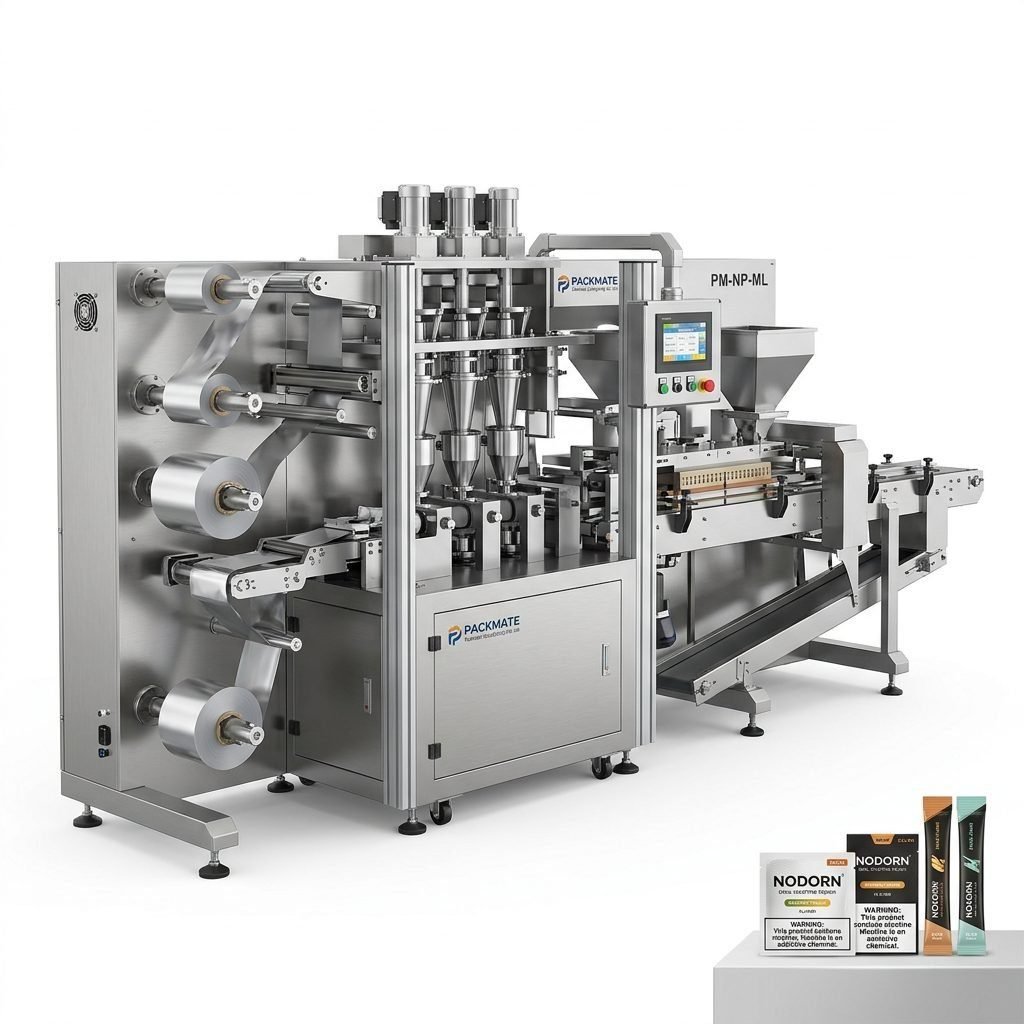
📦 Stick Packs & Sachets: Ideal for single-dose nicotine pouches and trial-size portions. Stick pack machines are compact and cost-effective for moderate-speed production lines.
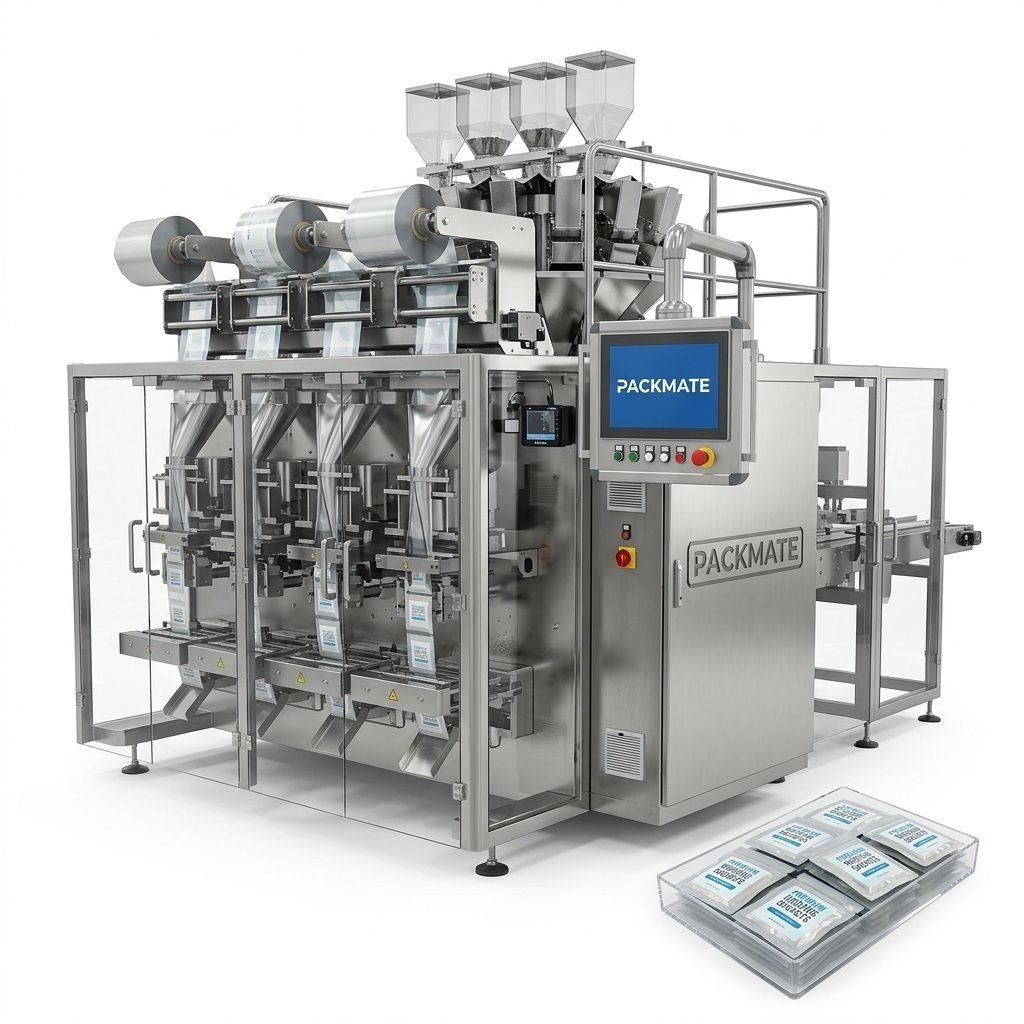
📦 Pouch / Stand-up Bags: If your brand aims for retail shelves, pouches with resealable zippers or multi-pouch packs provide better shelf presence. Consider pouch machines when you need flexible bag sizes.
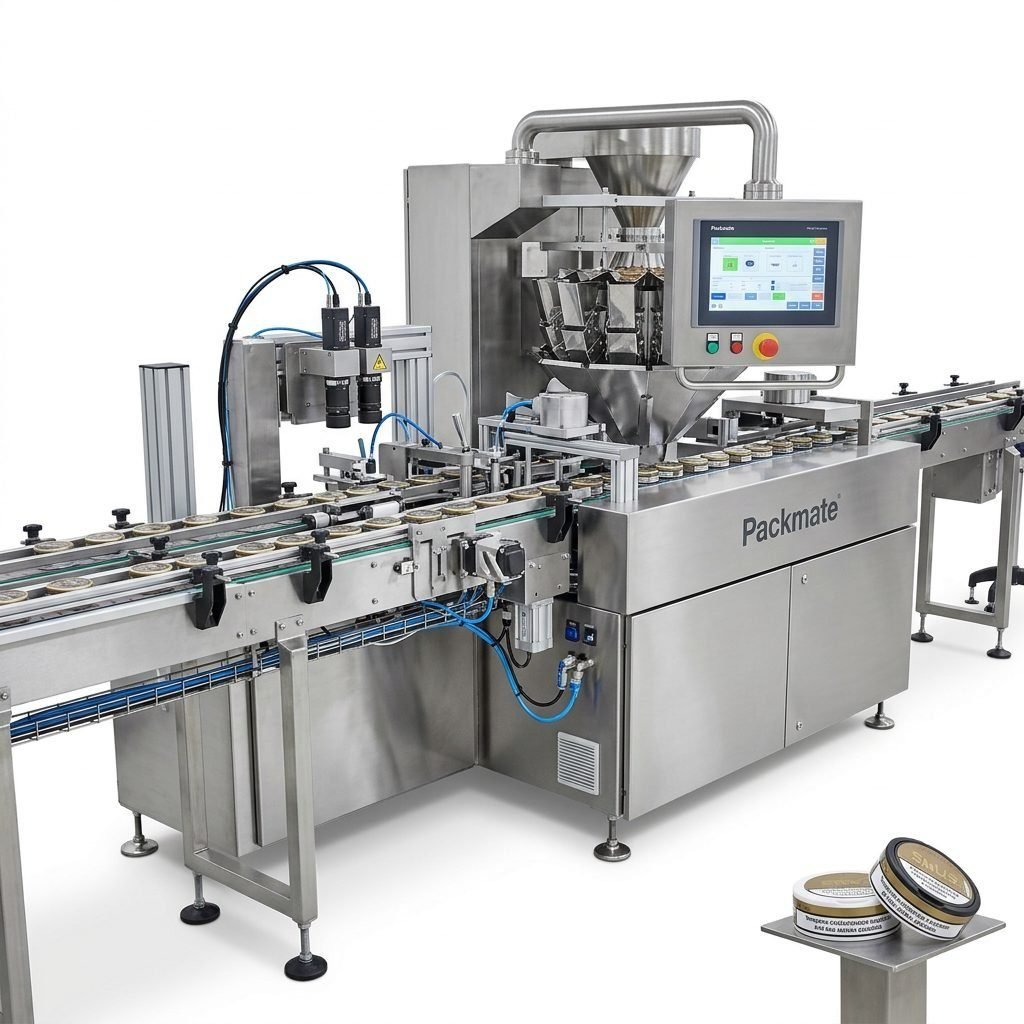
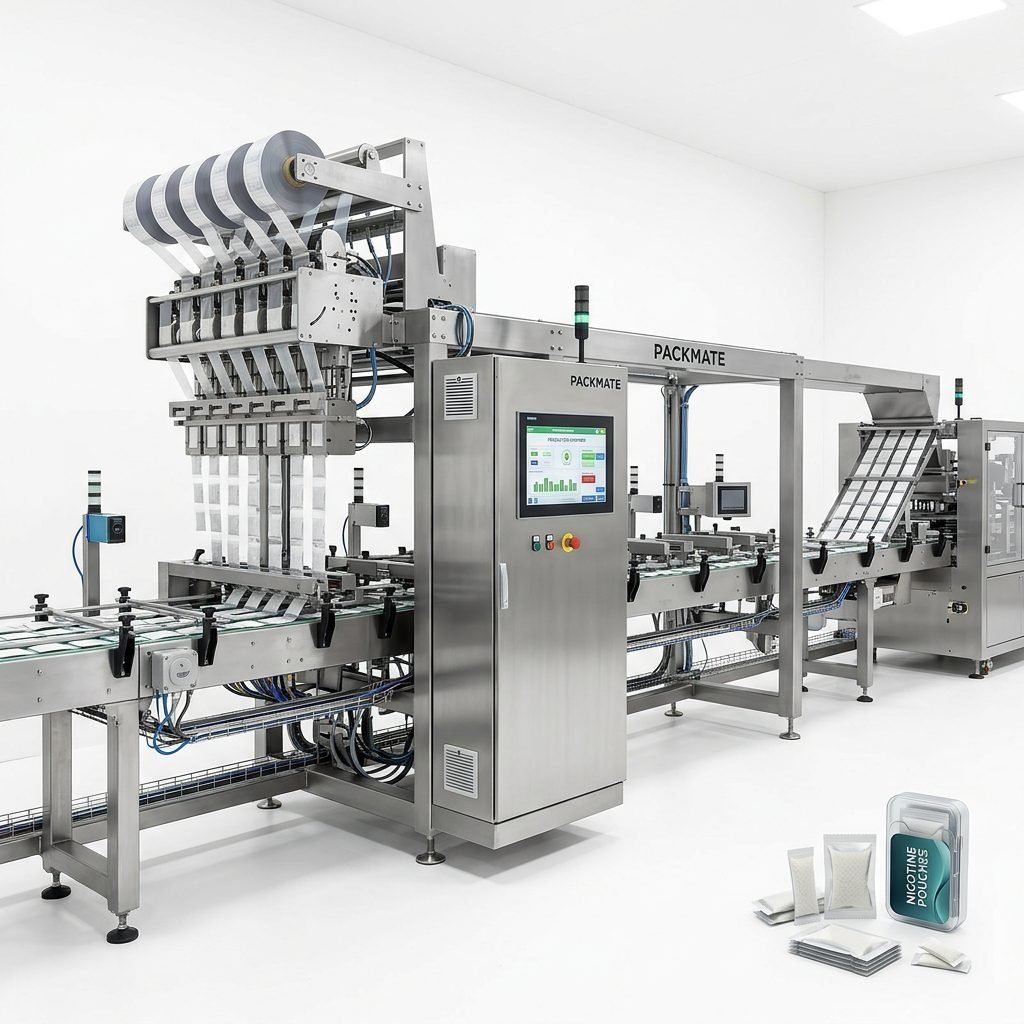
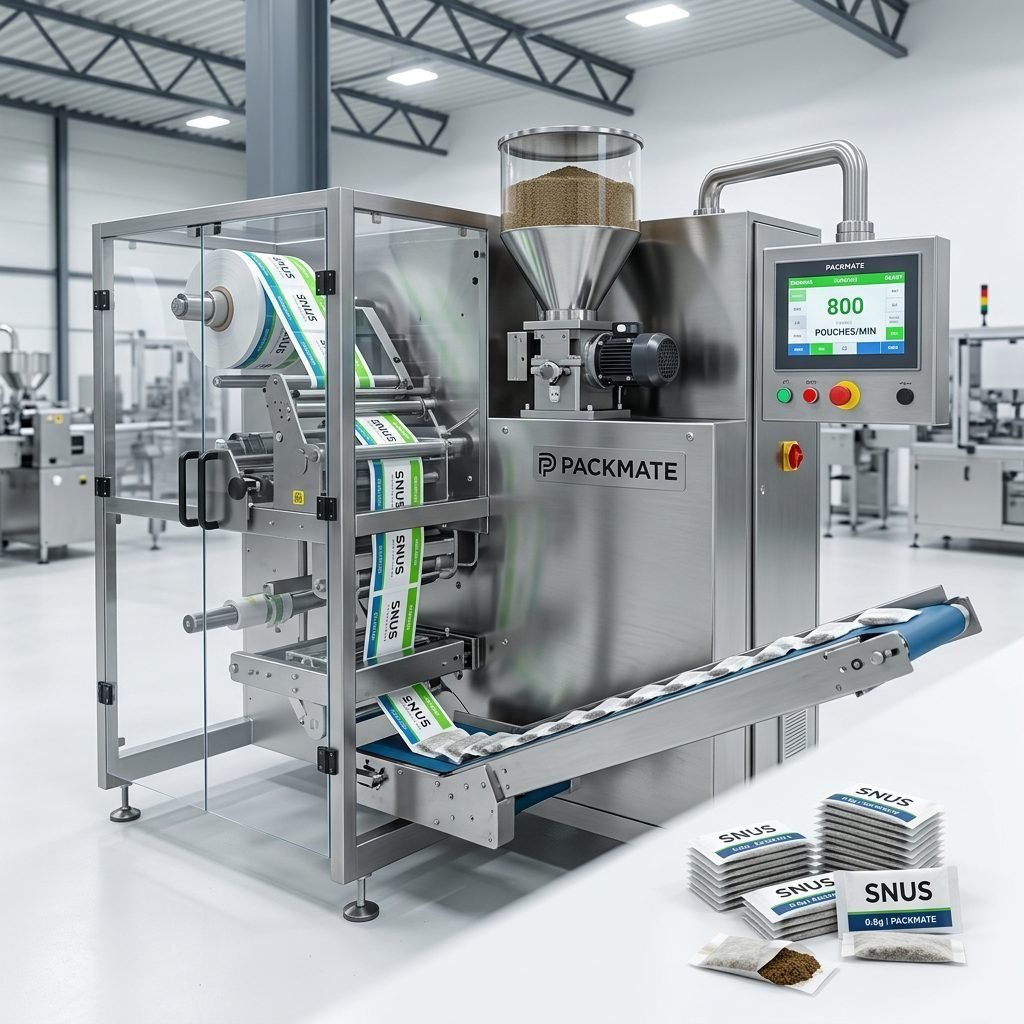
📦 Multi-lane Snus / Nicotine Pouch Lines: For high-volume production, multi-lane snus lines maximize throughput and minimize unit cost. These lines are ideal for contract manufacturers or established brands expanding capacity.
How to match machine choice with product attributes
If your product is a dry nicotine pouch with small granules, prioritize precise dosing and gentle handling. For moister formulations, seek machines with humidity control and easy-clean components. If you plan variant SKUs (different flavors, strengths), choose flexible equipment with quick changeover features.
Key Technical Specifications to Compare
When comparing machine models, evaluate the following performance metrics and features:
⚙️ Production speed: Measured in units/min or pouches/min. Match speed to your demand and labor plan.
🧭 Lane configuration: Single-lane machines suit low-volume runs; multi-lane machines increase output per machine footprint.
⚖️ Dosing accuracy: Consistency in nicotine and weight per pouch is critical for compliance and brand trust.
🔄 Changeover & maintenance: Faster changeovers reduce downtime when producing multiple SKUs; look for modular parts and easy access for cleaning.
Environment & material compatibility
Nicaragua’s tropical climate brings higher humidity levels. Choose machines with corrosion-resistant materials, stainless components in contact with product, and sealing systems that compensate for moisture. Film compatibility matters: specify the film type (PE, PP, laminate) and thickness to ensure reliable sealing and hermetic packaging.
Regulatory Compliance and Certifications
While packaging machines themselves do not regulate the product, your line must support compliant production. Look for suppliers whose equipment meets international standards like CE and ISO — this simplifies export and reassures local authorities and partners.
Packmate Snus Machine highlights include CE and ISO compliance across models, which helps producers align with global safety and quality expectations. For more details about the manufacturer and their certifications, see
About Packmate and their
Certificate pages.
Supplier Selection: What to Expect from a Reliable Manufacturer
Choosing a reliable machine supplier is arguably as important as the machine itself. Key evaluation points:
✅ Local & global support: Confirm availability of spare parts, local technicians or reliable remote troubleshooting, and reasonable lead times for spare components.
✅ Experience & references: Request case studies and references. Packmate’s global cooperation cases and exhibition demonstrations are good proofs of capability — visit their
Case and
Exhibition pages for examples.
✅ After-sales & training: Machines are complex; factory training, start-up assistance, and extended warranties reduce ramp-up risk.
Costs, ROI and Financing
Purchase price is just one element of total cost of ownership. Consider:
• Installation and site upgrades: Electrical, gas (if any), ventilation, and foundation work.
• Consumables and spare parts: Film, adhesives, sealing jaws, sensors and belts.
• Labor and yield: Higher automation often reduces labor and improves yield; calculate break-even based on expected throughput and product margins.
Installation, Customs and Local Logistics in Nicaragua
Importing a packaging line into Nicaragua needs planning. Work with a customs broker familiar with industrial equipment imports, and prepare documentation: commercial invoice, packing list, certificate of origin, and machine specifications. Factor in lead times for shipping, customs clearance, and any local taxes or duties.
On-site installation benefits from local contractors who understand Nicaraguan electrical standards and building codes. If your supplier offers installation and commissioning services, this reduces coordination time and risk.
Maintenance and Hygiene — Daily Practices for Nicotine Lines
Proper maintenance preserves performance and ensures compliance. Establish Standard Operating Procedures (SOPs) covering daily cleaning, weekly inspections, lubrication schedules, and monthly calibration of dosing systems. Use stainless-steel contact surfaces and design the line for easy tool-free access where possible.
Tip: Keep an inventory of critical spares (sensors, belts, heaters) to minimize downtime — tropical climates can accelerate wear on some parts.
Why Consider Packmate Snus Machine as Your Supplier
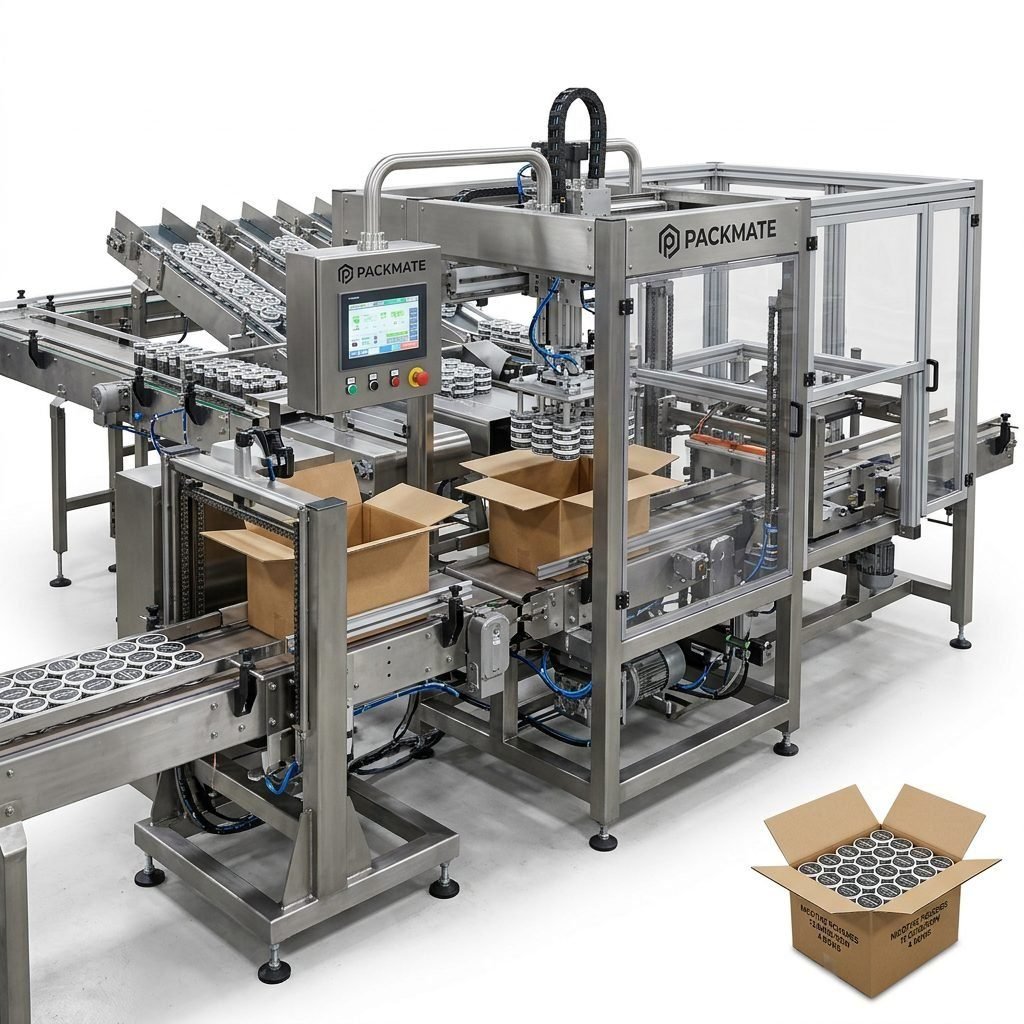
With over 30 years of engineering experience and a 20,000㎡ factory, Packmate specializes in snus and nicotine pouch machines. Their portfolio includes multi-lane systems, sachet and stick pack machines, and full filling & packaging lines. They provide turnkey solutions and global aftermarket support. For direct inquiries, contact the manufacturer through their
Contact Us page.
If you want to review product ranges and weighing integrations, Packmate lists complementary equipment under their
Weighing & Packaging Systems and
Filling & Packaging Lines.
Practical Buying Checklist for Nicaragua
Use this actionable checklist when evaluating machine offers:
1. Confirm electrical compatibility and whether the supplier can provide the appropriate voltage or install a transformer.
2. Ask for performance data from similar installations in tropical climates.
3. Get a clear spare parts and service SLA (response times, local partners or remote support).
4. Ensure packaging material tests (sealing trials) are performed before final purchase.
5. Review training plans for operators and maintenance staff.
Case Example: Scaling from Pilot to Commercial Production
A small Nicotine brand in Central America started with a single-lane stick pack machine for market tests. As demand grew, they upgraded to a 4-lane snus pouch line to increase capacity without doubling factory footprint. Critical success factors were robust dosing accuracy, reliable film seals in high humidity, and an established supplier that offered rapid spare parts delivery. Reviewing multi-lane options early can shorten the upgrade path and improve ROI.
For inspiration and real projects, review industry cases at
Packmate Case Studies.
Final Practical Steps Before Purchase
1) Schedule a live or video demonstration of the exact machine model with your product or a representative material. 2) Obtain a written agreement on acceptance tests and performance guarantees. 3) Plan spare parts stocking for the first 12 months. 4) Confirm installation responsibilities and post-installation training.
Common Questions (FAQs)
Q: What power supply should I prepare for a packaging line in Nicaragua?
A: Most lines can be configured for 120V 60Hz systems common in Nicaragua, but confirm with the supplier whether the machine requires 3-phase power or transformers. Always include electrician time in your installation budget.
Q: How does humidity in Nicaragua affect machine choice?
A: High humidity can affect film sealing and strip moisture-sensitive product. Choose corrosion-resistant components, specify appropriate films and sealing temperatures, and consider climate control for critical production areas.
Q: Can I get local support for complex machines?
A: Dependable suppliers offer remote troubleshooting, spare parts shipping, and sometimes local partners. Confirm the supplier’s service network and response times before purchase; Packmate provides global support channels and documentation to help with commissioning and maintenance.
Q: What is the best format for trial launches in Nicaragua?
A: Stick packs and small sachets are excellent for test launches because of lower initial tooling costs and simpler production lines. If trials show strong demand, scale up to multi-lane or pouch formats to reduce unit cost.
Q: Where can I view machine specifications and arrange a demo?
A: Visit the manufacturer product pages and contact their sales team for demos and tailored proposals:
Snus & Nicotine Packaging Machines,
Bag & Pouch Packaging Machines, and
Contact Us.