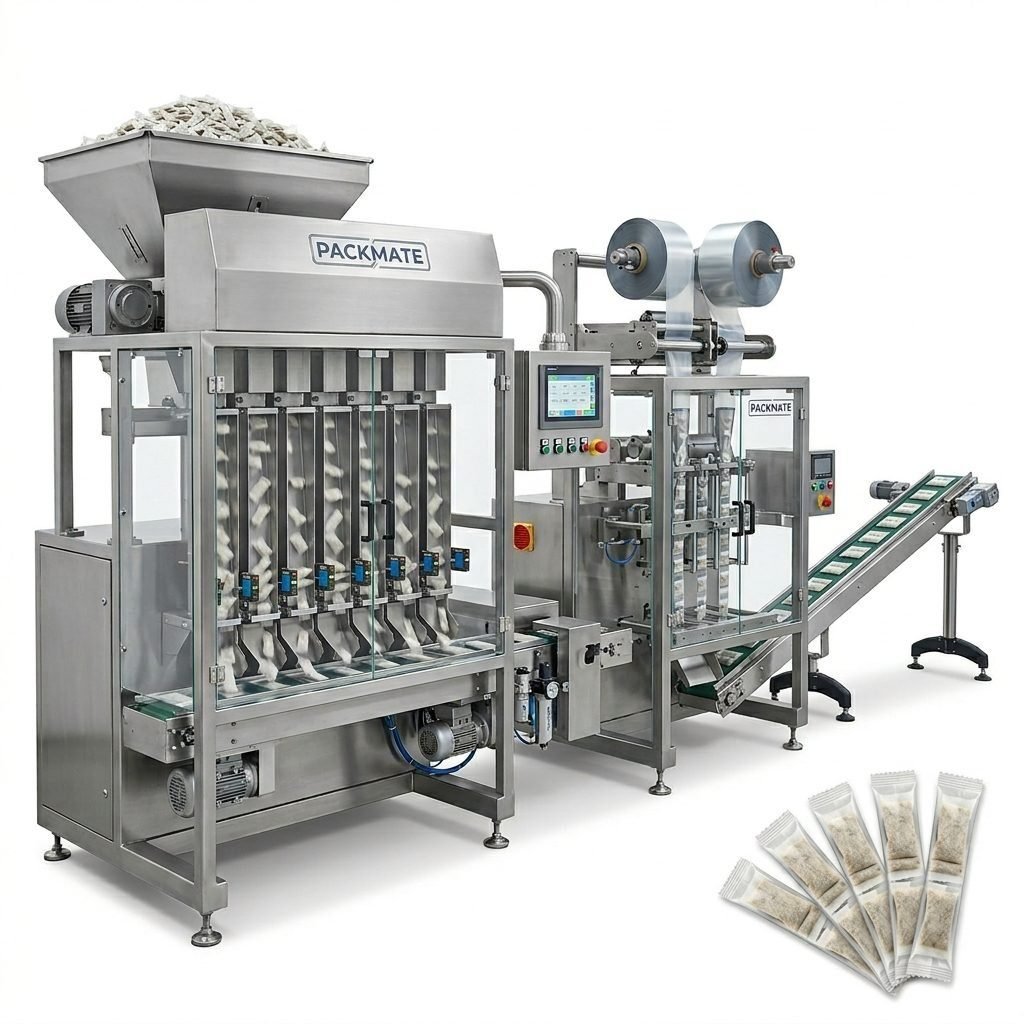
Choosing the right nicotine packaging machine manufacturer in Eswatini can determine the success of your snus or nicotine pouch business. From meeting local consumer preferences to navigating import logistics and regulatory compliance, the decision goes beyond price. This guide walks Eswatini entrepreneurs through the most important considerations — production capacity, machine types, quality standards, after-sales support, and local adaptation — to help you select a reliable partner that aligns with your business goals.
Understand the Local Market and Consumer Habits
Eswatini’s market is characterized by a mix of traditional tobacco use and a growing interest in alternative nicotine products. English and siSwati are widely used, and packaging that communicates clearly in English with simple icons or short siSwati phrases can improve consumer trust. Urban centers like Mbabane and Manzini have higher demand for modern retail-ready formats, while rural demand may favor smaller pack sizes and value-oriented pricing.
Tip: Consider producing a range of pack sizes — sample sachets for trial users and multi-pouch packs for repeat customers — to match Eswatini’s mixed consumption patterns.
Key Machine Types to Consider
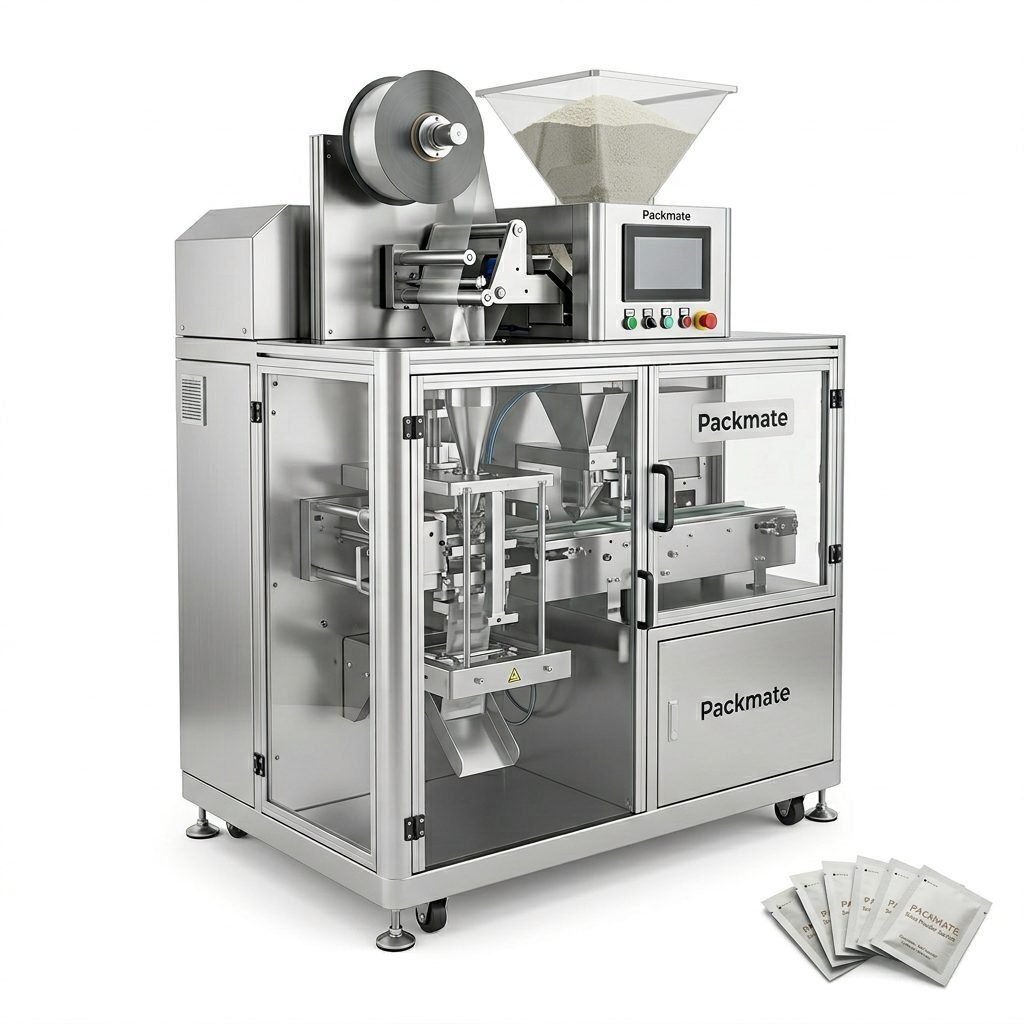
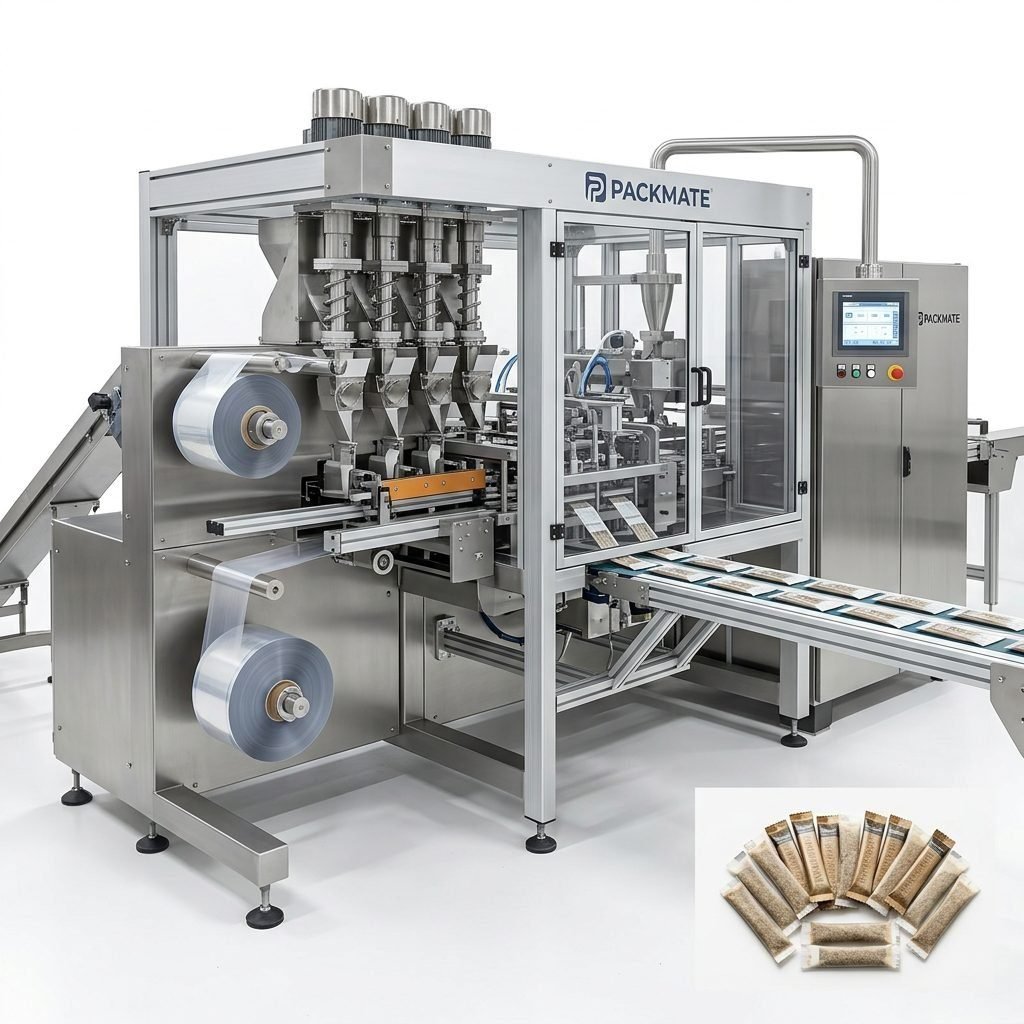
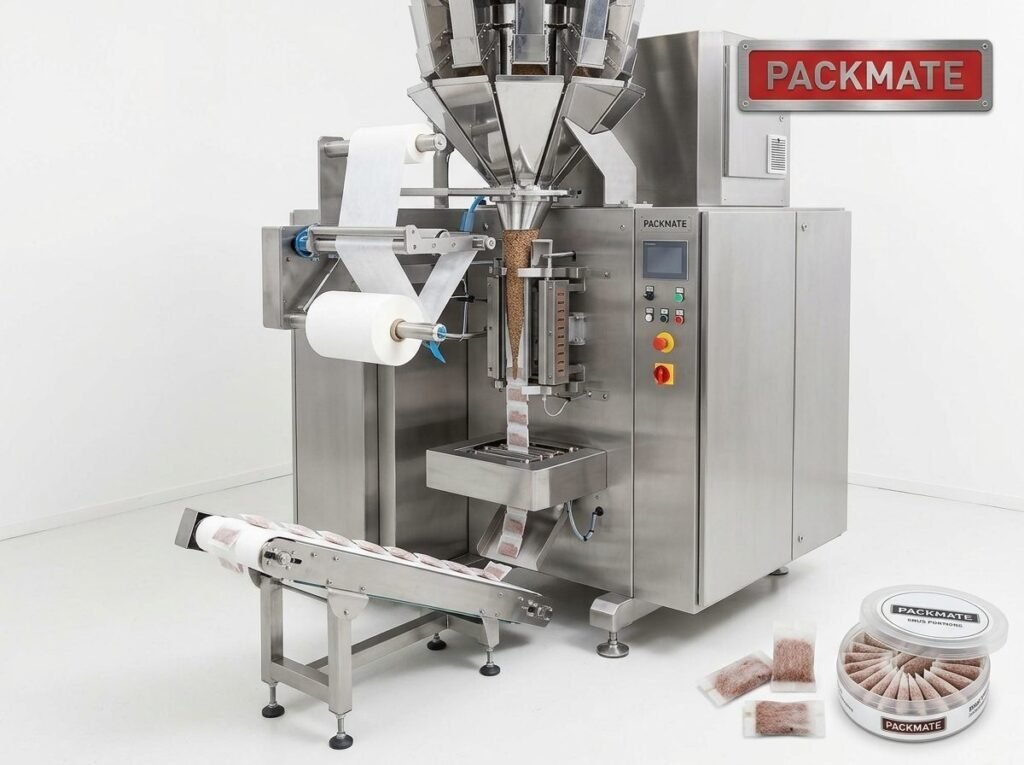
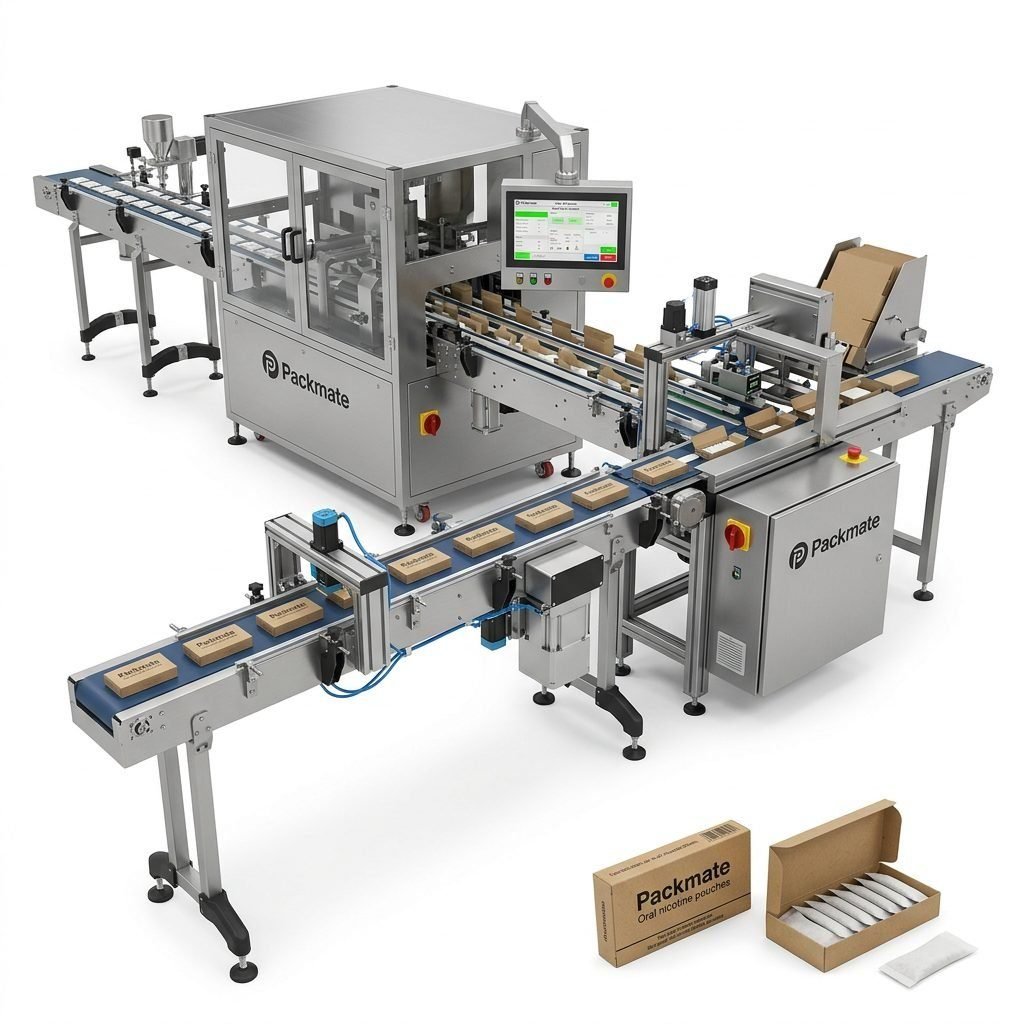
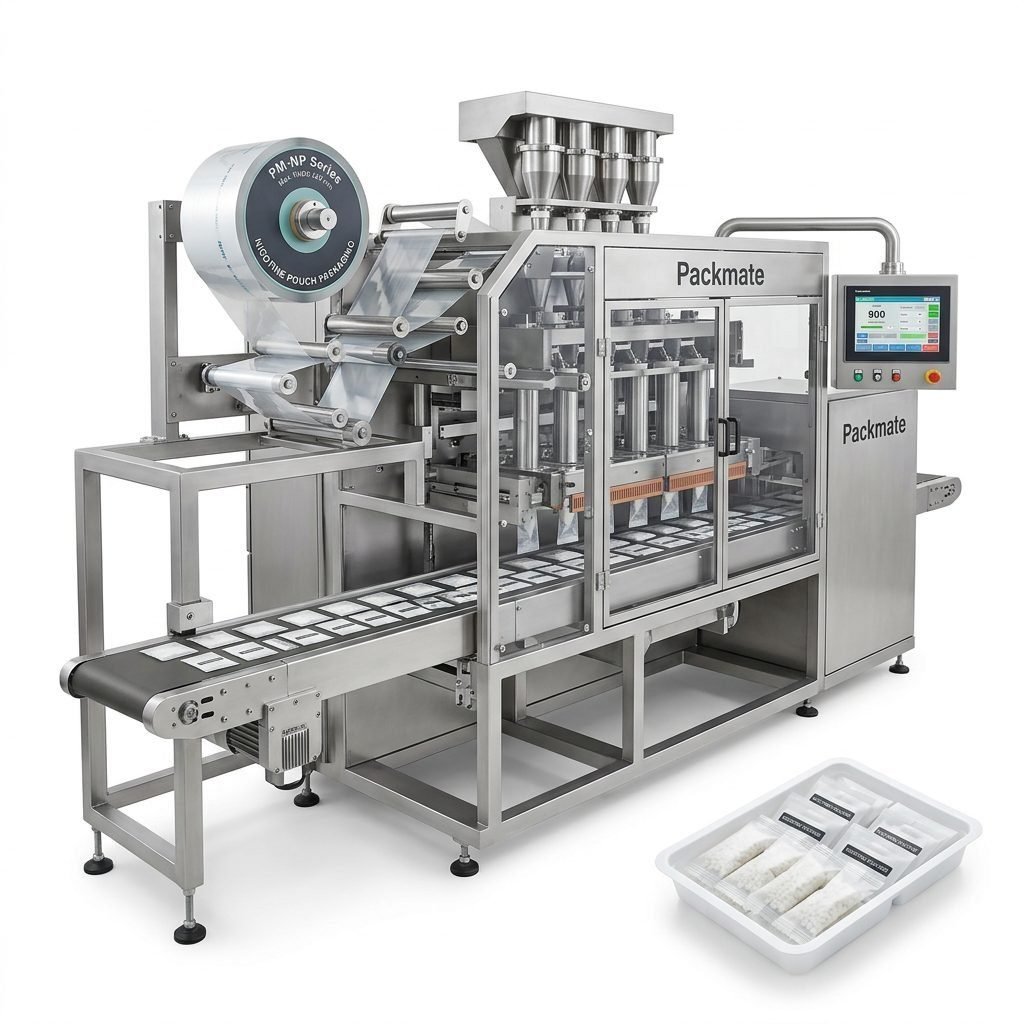
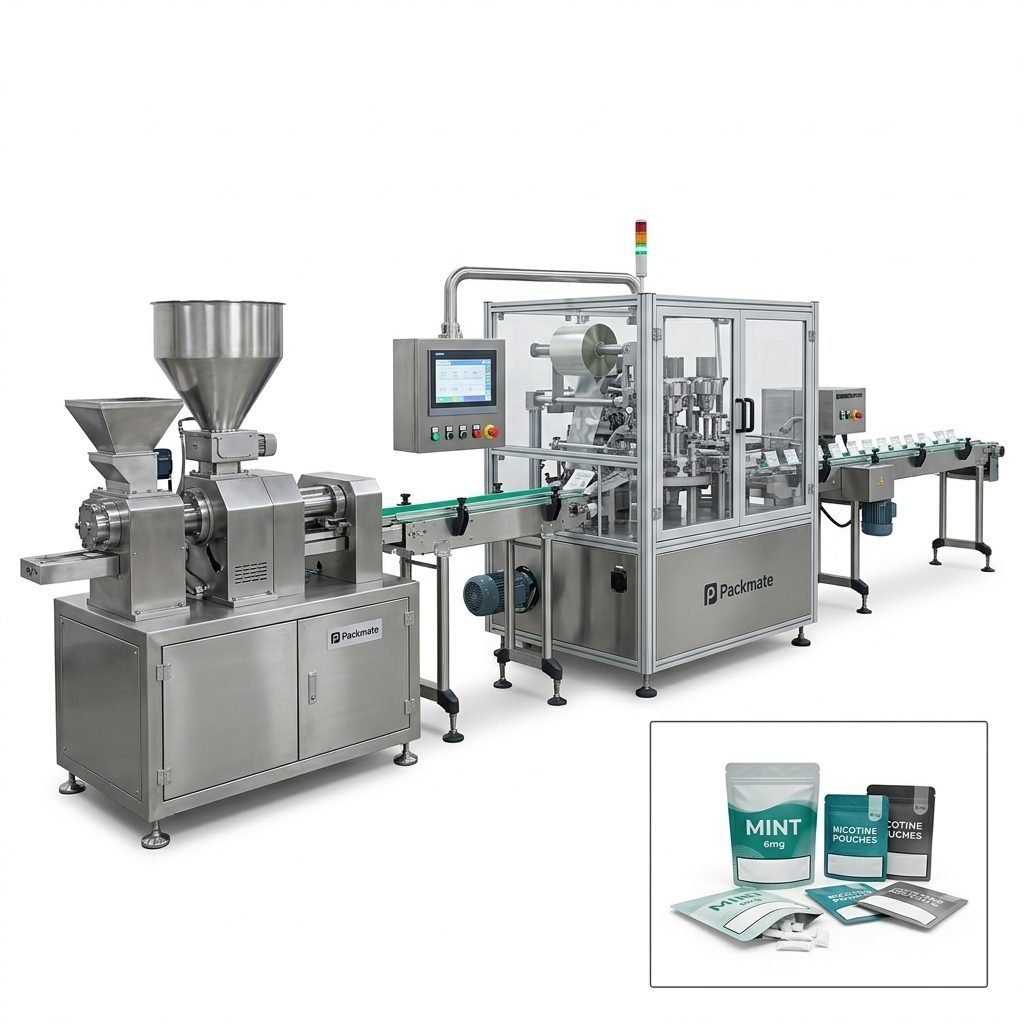
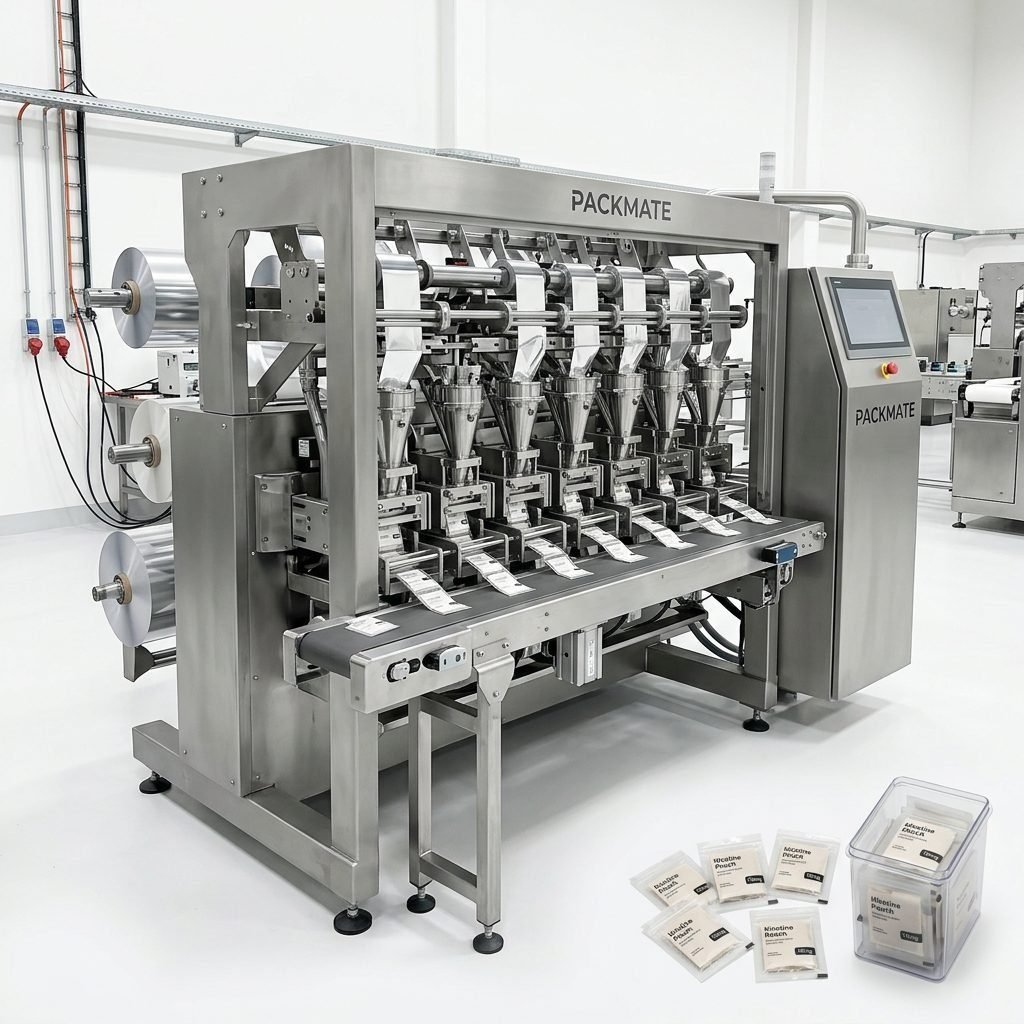
Identify which packaging formats fit your product and market: stick packs, sachets, multi-lane snus pouch systems, or roll-stock bag/pouch lines. Machines optimized for nicotine pouches should handle small-dose precision filling, gentle product handling, and high-speed multi-lane output if you scale.
For a closer look at suitable equipment, explore specialized solutions such as
Snus & Nicotine Packaging Machines
and
Sachet & Stick Pack Machines.
Five Critical Factors for Choosing a Manufacturer
When evaluating manufacturers, focus on these areas: machine performance, customization capabilities, certifications, service and spare parts availability, and proven case studies in similar markets.
1. Performance & Stability
Look for consistent running speeds, low downtime, and precise dosing. A machine that can maintain stable output during long runs reduces labor cost and waste. Manufacturers with decades of engineering experience typically deliver better long-term stability.
2. Customization & Turnkey Solutions
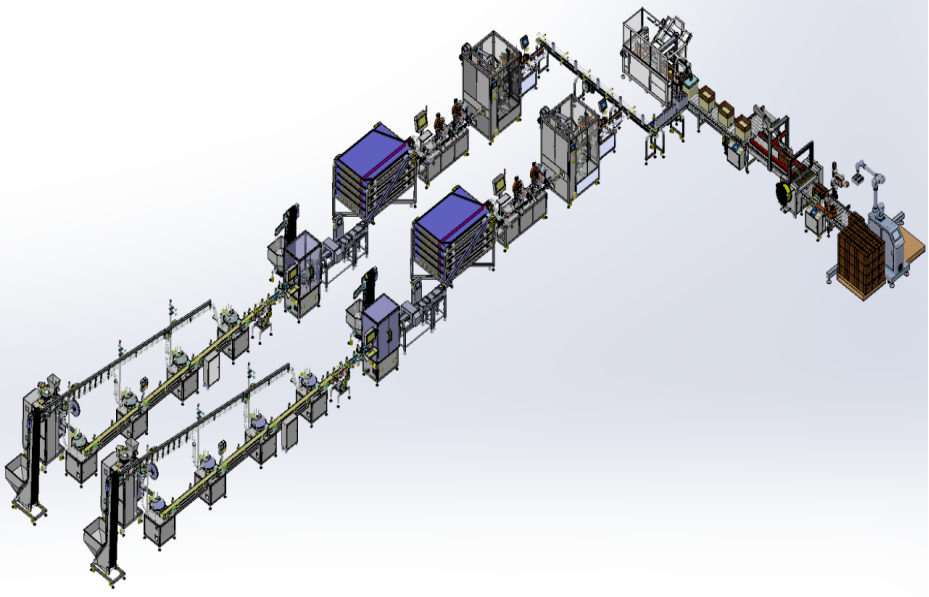
Your product format, pouch material, and label language matter. Choose a supplier that offers tailored configurations and full-line integration — from filling and weighing to packaging and labeling — to minimize compatibility issues and expedite commissioning.
Note: Full turnkey providers reduce time-to-market by delivering tested, integrated lines rather than isolated machines.
3. Certifications & Compliance
Ensure machines conform to international standards like CE and ISO for electrical safety and manufacturing quality. Compliance is crucial when importing equipment into Eswatini and when you need to demonstrate product safety to local authorities or distributors.
4. After-sales Service & Spare Parts
Prompt support minimizes downtime. Evaluate the manufacturer’s warranty, availability of local or regional technicians, and spare part lead times. In countries like Eswatini, where shipping time from overseas can vary, having a plan for spare parts stock is essential.
5. Proven Track Record
Case studies and references from similar markets (Africa, Asia, Europe) show whether a manufacturer can meet real-world challenges. Review installation photos, customer testimonials, and export history to gauge reliability.
Why Packmate Snus Machine Is a Strong Option for Eswatini Businesses
Packmate Snus Machine has 30+ years of engineering experience and a 20,000㎡ manufacturing facility, offering a wide portfolio of snus and nicotine pouch equipment. Their expertise spans stick pack, sachet, and multi-lane systems that are particularly suited for small-dose nicotine pouches and snus products.
Key strengths to consider:
- Advanced CNC and precision assembly for durable machines.
- Over 50 machine models and customization options for niche formats.
- Compliant with CE/ISO standards — important for import and safety checks.
- Global turnkey solutions and international exhibition presence to demonstrate capability.
Learn more about the company’s background and mission at
About Packmate
and see examples of deployed lines in
Case studies.
Technical Considerations: What Specs Matter Most
Focus on technical parameters that affect product quality and cost:
- Filling accuracy — critical for nicotine dosage consistency.
- Output speed — measured in pouches/min or lanes x pouches/min.
- Multi-lane capability — enables scaling without multiplying machine count.
- Material compatibility — ability to seal different films and substrates.
- Hygiene and cleaning — easy disassembly for cleaning to meet product safety needs.
Balancing Cost and Return on Investment (ROI)
Initial capital is only one part of the equation. Account for:
- Operating costs — electricity, consumables, and labor.
- Maintenance and spare parts frequency.
- Downtime risk — lower with proven, robust equipment.
- Scalability — machines that can boost speed or add lanes reduce future capital needs.
Quick ROI tip: Prioritize machines with high uptime, easy maintenance, and multi-format capability to recover investment faster.
Local Logistics, Import Rules and Power Considerations in Eswatini
Importing industrial equipment into Eswatini involves customs duties and compliance documentation. Work with your supplier to prepare technical specifications, CE/ISO certificates, and packing lists. Pay attention to:
- Voltage and phase compatibility — Eswatini uses 220–240V; ensure the machine’s electrics match or that a transformer is provided.
- Local support networks — identify regional service partners or arrange technical training from the manufacturer.
- Documentation for customs — certificates and compliance papers reduce clearance delays.
Service, Training and Commissioning
A reliable manufacturer will offer on-site commissioning, operator training, and remote troubleshooting. Ensure the contract includes:
- Commissioning scope — what tests and acceptance criteria apply on delivery.
- Training hours — for operators and maintenance staff.
- Spare parts package — recommend stocking critical wear parts locally.
Questions to Ask Suppliers (Checklist)
When you request proposals, include these specific questions to compare vendors effectively:
- Can you provide CE/ISO certificates and customer references in Africa?
- What is the typical delivery lead time and shipping method to Eswatini?
- Do you offer multi-lane upgrades or future expansion options?
- What is the warranty coverage and how do you handle emergency technical support?
- Can you customize the machine to print or label in English and siSwati?
How to Evaluate a Quotation
Beyond the machine price, evaluate total landed cost: machine price, shipping, duties, installation, spare parts, and initial training. Compare the expected throughput and quality yield to estimate the payback period.
Practical Next Steps for Eswatini Buyers
1) Define your product portfolio, target pack sizes, and daily production target. 2) Shortlist 2–3 manufacturers and request technical proposals and references. 3) Ask for videos or virtual demos of machines running comparable products. 4) Confirm local power and site layout requirements to avoid surprises during installation.
If you’re ready to explore specific machines, consider checking Packmate’s product range for tailored snus and nicotine packaging solutions:
Snus & Nicotine Packaging Machines,
Bag & Pouch Packaging Machines,
or contact their team directly through
Contact Us.
Final recommendation: Choose a manufacturer that demonstrates both technical excellence and a clear plan for local support and spare parts. Prioritize machines with multi-lane capability and validated dosing accuracy for nicotine pouch products.
Common Questions (FAQs)
1. What machine is best for a small Eswatini start-up producing 1,000–3,000 pouches/day?
A compact multi-lane sachet or stick pack unit with precise dosing and easy changeover is recommended. Look for entry-level multi-lane systems that can expand lanes or speed when demand grows.
2. How important are CE/ISO certificates for importing machines to Eswatini?
Certificates are important to streamline customs clearance and prove safety compliance. They also indicate manufacturing quality and are often required by local distributors or partners.
3. How can I ensure consistent nicotine dosing in pouches?
Choose machines with high-precision dosing systems and automated feedback controls. Regular calibration, operator training, and high-quality dosing feeders reduce variance.
4. What after-sales support should I expect from a supplier like Packmate?
Expect commissioning, operator training, spare parts guidance, and remote troubleshooting. Confirm warranty terms and request a spare parts list for critical wear items.
5. Can machines be customized with label text in siSwati or designs suited to Eswatini consumers?
Yes — many suppliers provide customization for labeling, printing stations, and artwork handling. Discuss local language and cultural preferences upfront to integrate them into your packaging line.