Choosing the right snus packaging machinery manufacturer in the Middle East is a critical decision for companies aiming to scale production, ensure regulatory compliance, and protect product integrity. The region’s unique market dynamics — fast-growing demand for nicotine pouches, strict import regulations, and varied consumer preferences — require a supplier who not only provides reliable equipment but also understands local customs, supply chains, and after-sales expectations. This guide walks you through the most important factors to evaluate, practical tips for vendor selection, and ways to ensure smooth implementation of a snus/nicotine pouch packaging line tailored to the Middle Eastern market.
Understand Market Needs and Local Habits 📌
The Middle East is diverse: consumption patterns, retail formats, and regulatory approaches differ between countries like the UAE, Saudi Arabia, and Egypt. Many consumers prefer discreet, high-quality pouches that fit modern on-the-go lifestyles. In conservative markets, discreet packaging and clear labeling for legal compliance are essential. When speaking with potential manufacturers, make sure they can adapt pack styles (stick packs, sachets, multi-lane pouches) and offer flexible batch coding and labeling options to meet local language and regulatory requirements.
Why cultural fit matters
Manufacturers who understand regional business etiquette, shipping constraints, and service expectations can significantly reduce lead times and installation friction. Look for vendors experienced in exporting to the Middle East and who provide local documentation and support that respects local customs and languages.
Key Technical Capabilities to Verify 🔧
A reliable snus packaging line requires precise dosing, consistent pouch formation, and gentle handling to maintain product quality. Prioritize manufacturers who demonstrate:
✅ Accurate multi-lane filling and dosing systems for small-dose nicotine pouches.
✅ High-speed continuous pouch forming (stick pack, sachet, and pillow packs) with stable web control.
✅ Integrated weighing and checkweighing systems to maintain regulatory compliance and quality assurance.
✅ Traceable coding, serialization, and batch marking that can be customized for Arabic or bilingual labeling.
✅ Hygienic design and material choices suitable for nicotine products and compliant with international standards.
Manufacturing Strength and Quality Assurance
A manufacturer’s production capability and quality systems are an early indicator of long-term reliability. Verify the supplier’s:
– Factory size, machining capabilities (CNC centers), and assembly lines.
– Quality control processes, test benches, and acceptance test protocols.
– Certifications such as CE and ISO which indicate compliance with international safety and quality standards.
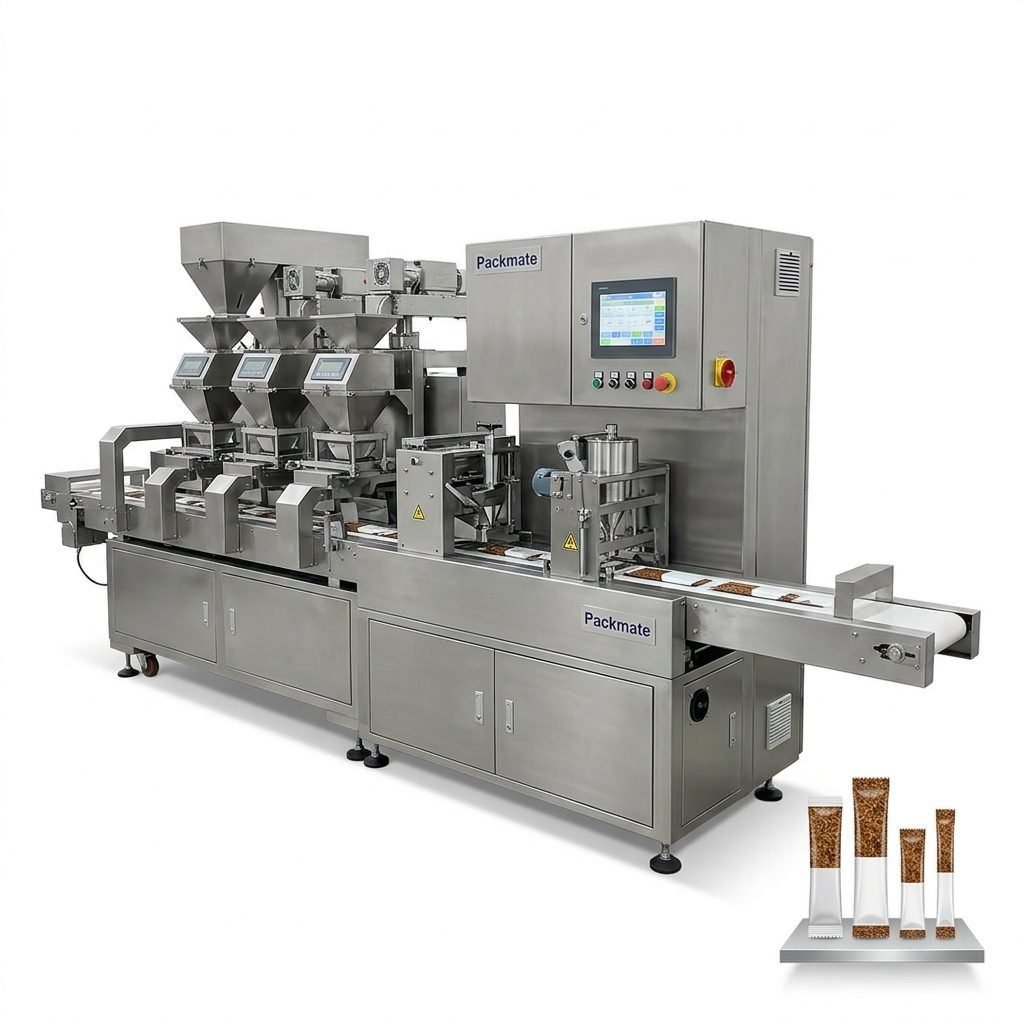
A manufacturer with decades of experience and a large, well-equipped factory can better support customizations and rapid spare parts supply. For example, Packmate Snus Machine operates a modern 20,000㎡ facility with advanced CNC machining and precision assembly — a capability that supports tailored multi-lane systems and turnkey solutions.
Product Range and Customization Options
Look for a manufacturer offering a broad range of models and the ability to provide turnkey production lines. Essential equipment types include:
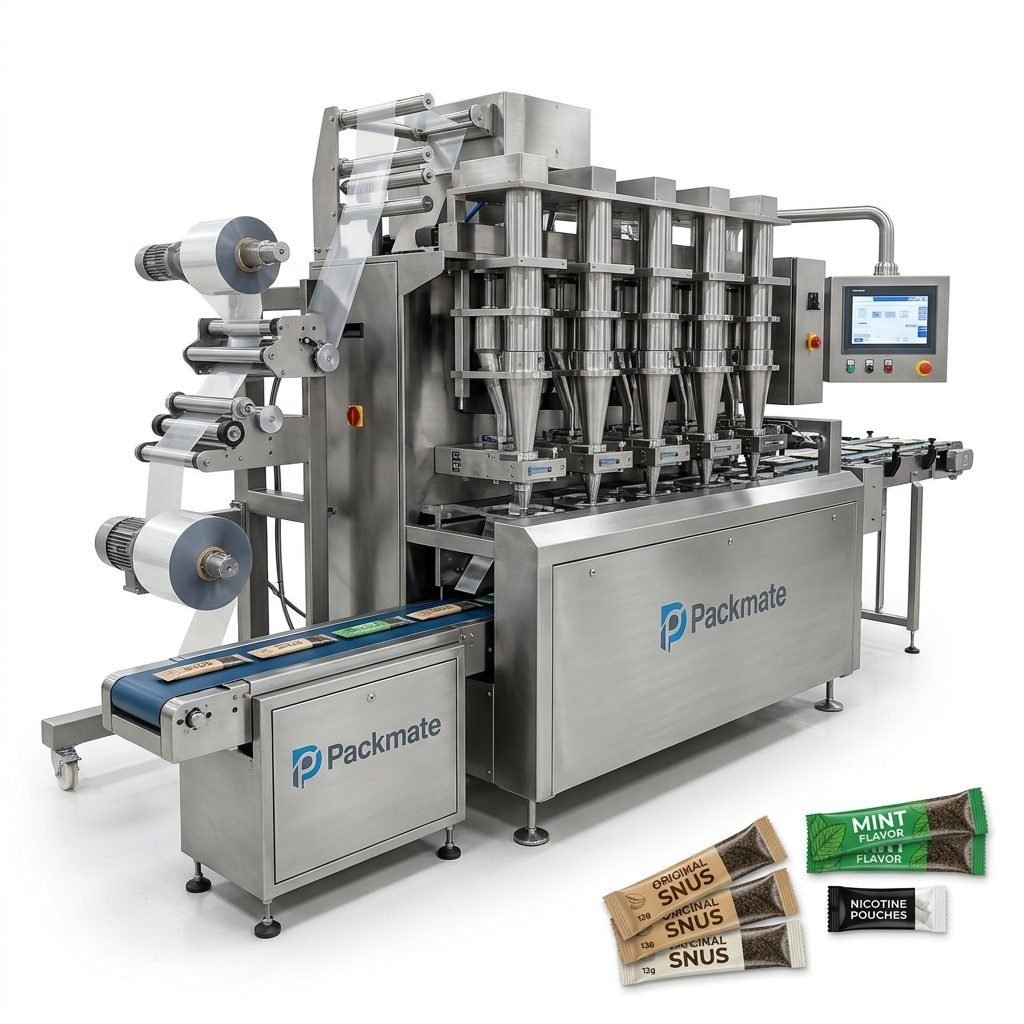
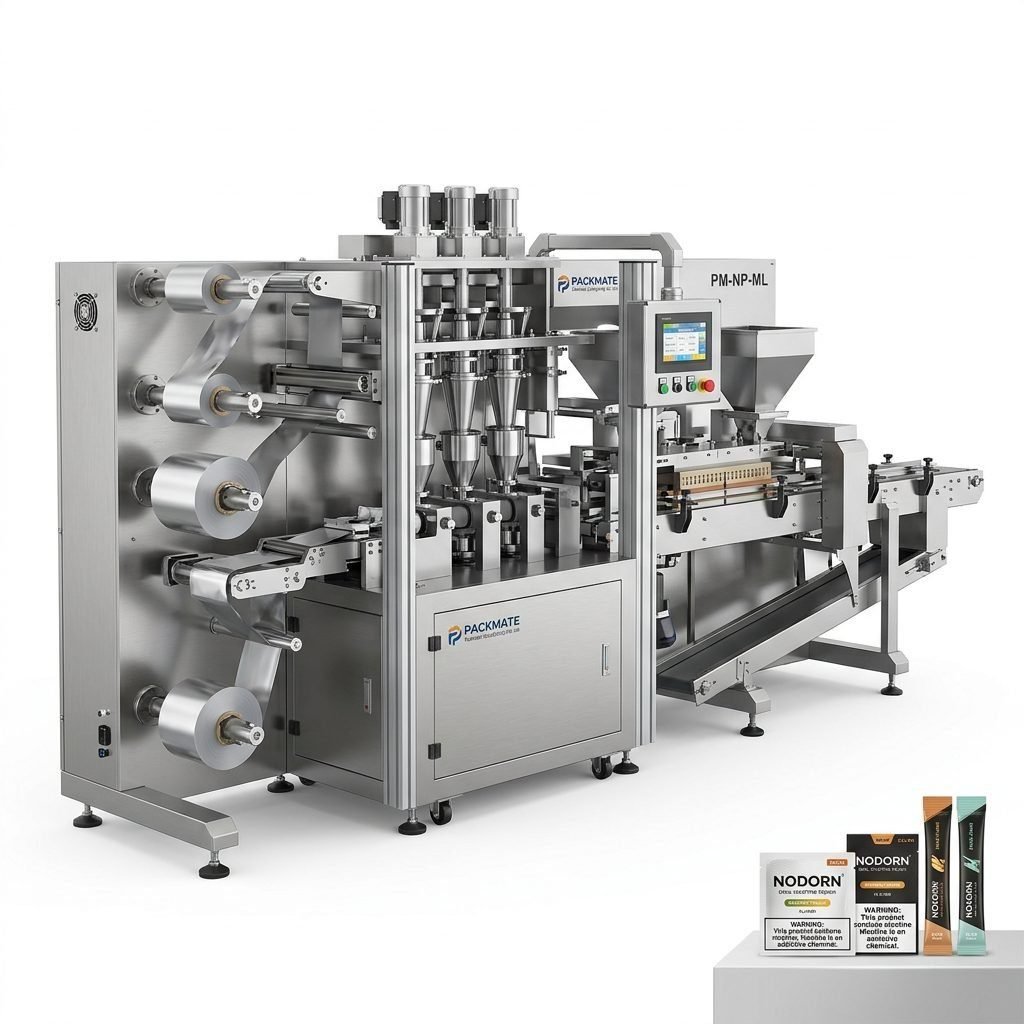
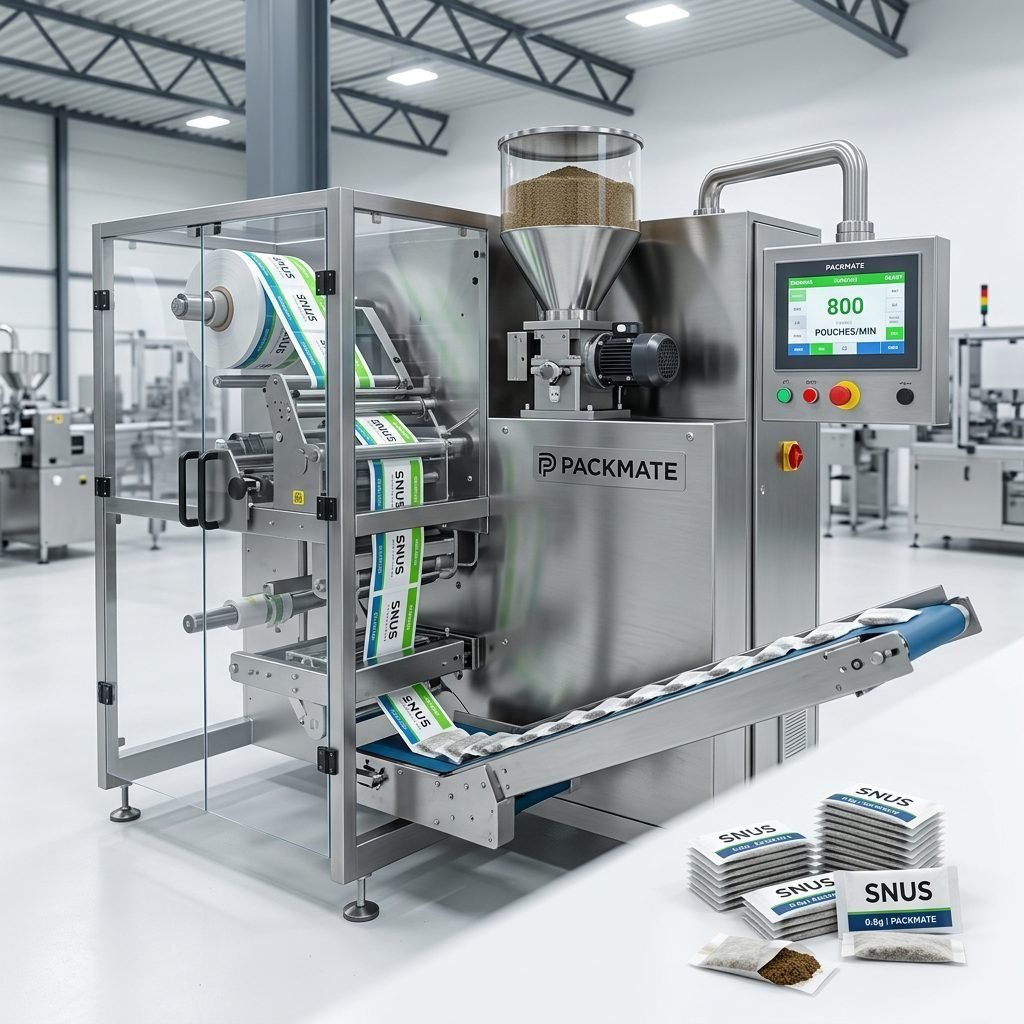
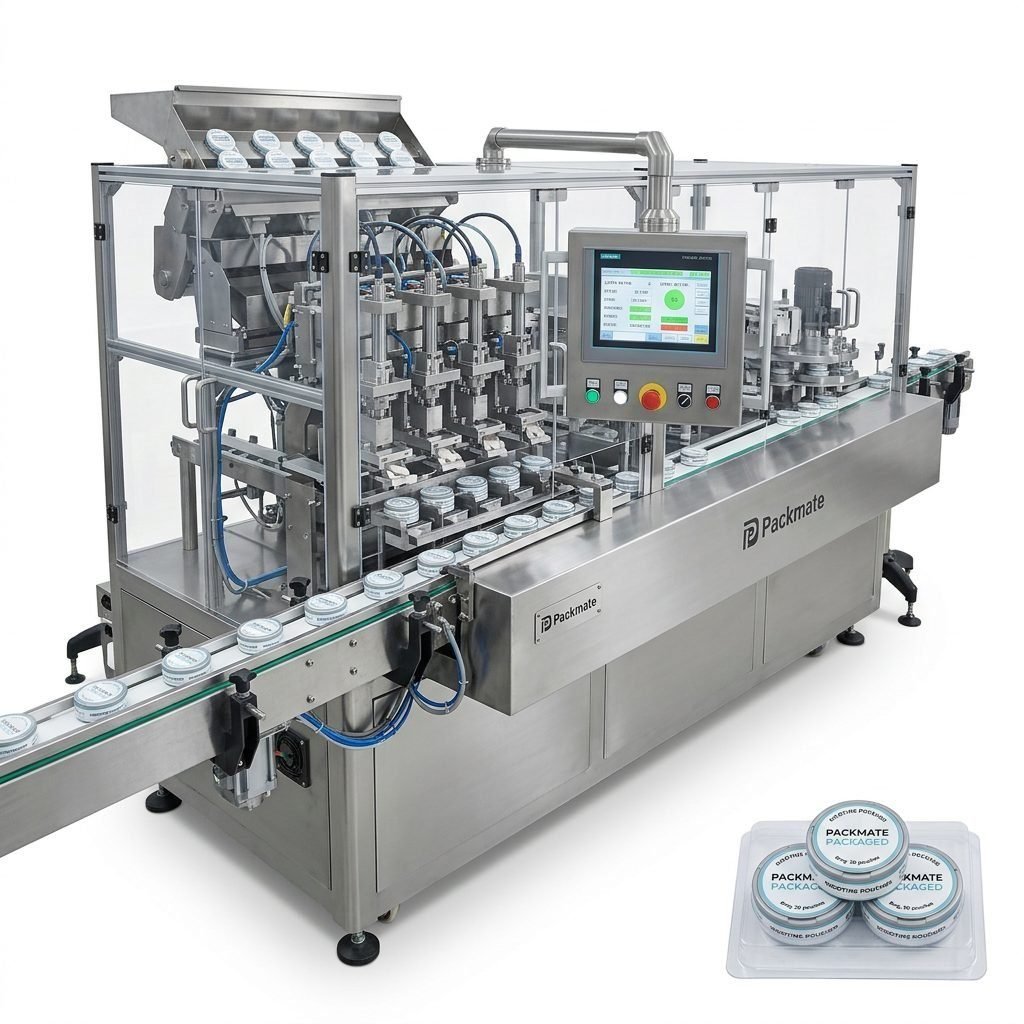
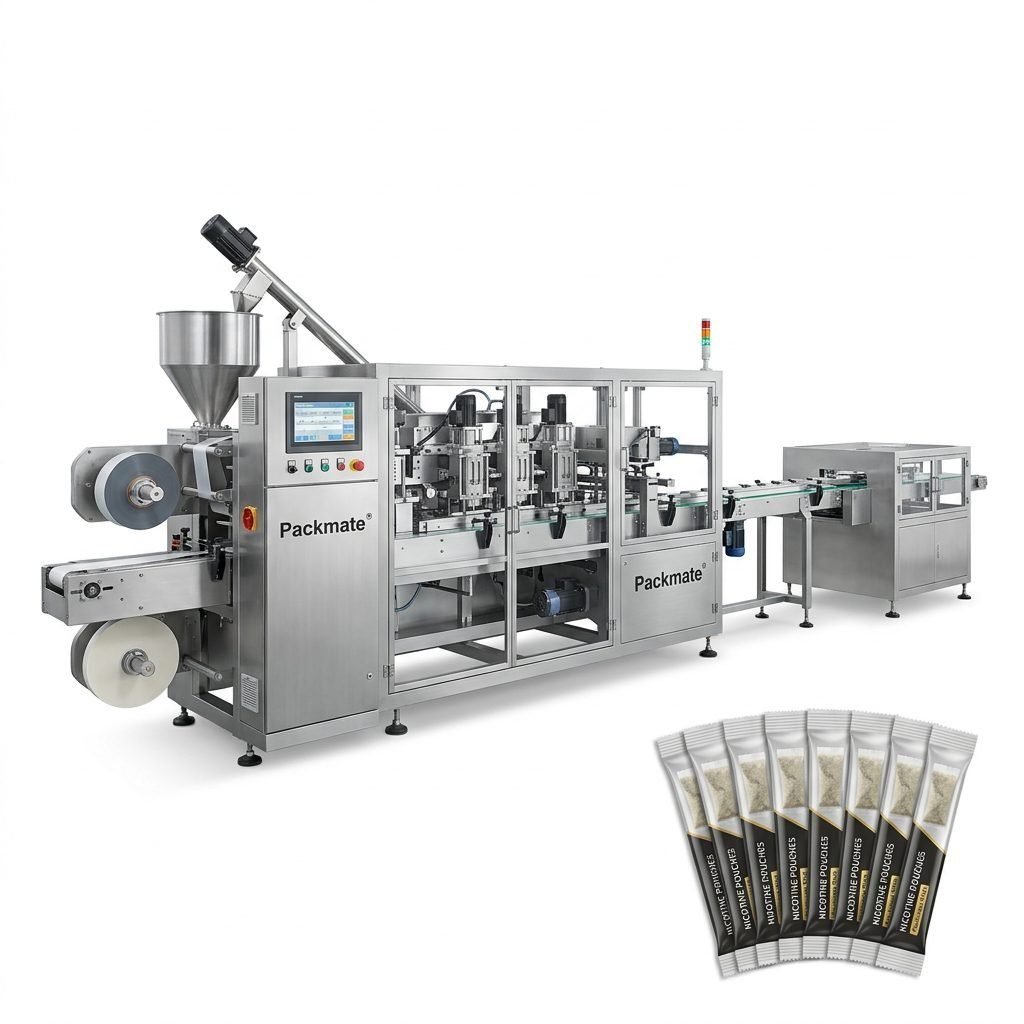
📦 Snus / nicotine pouch packaging machines that handle delicate small-dose pouches.
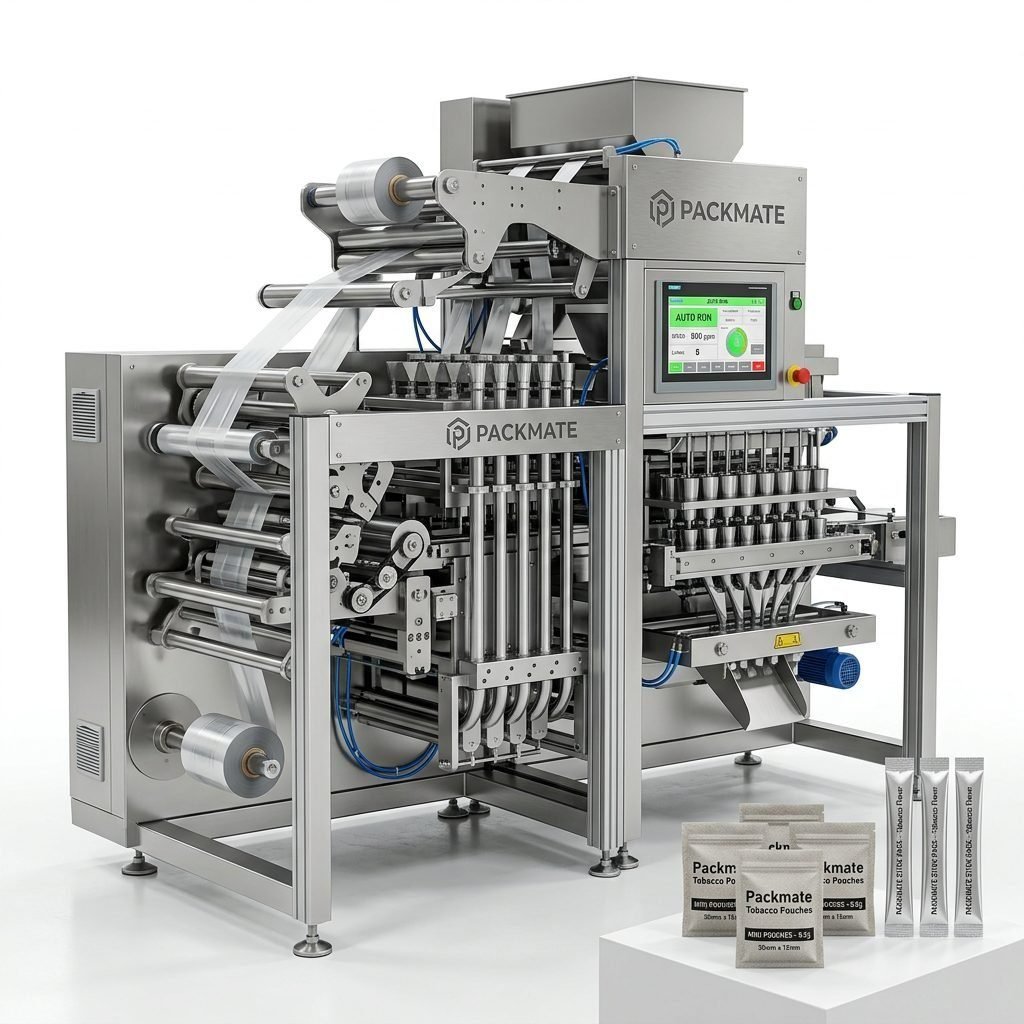
📦 Stick pack and sachet machines for single-dose retail packaging.
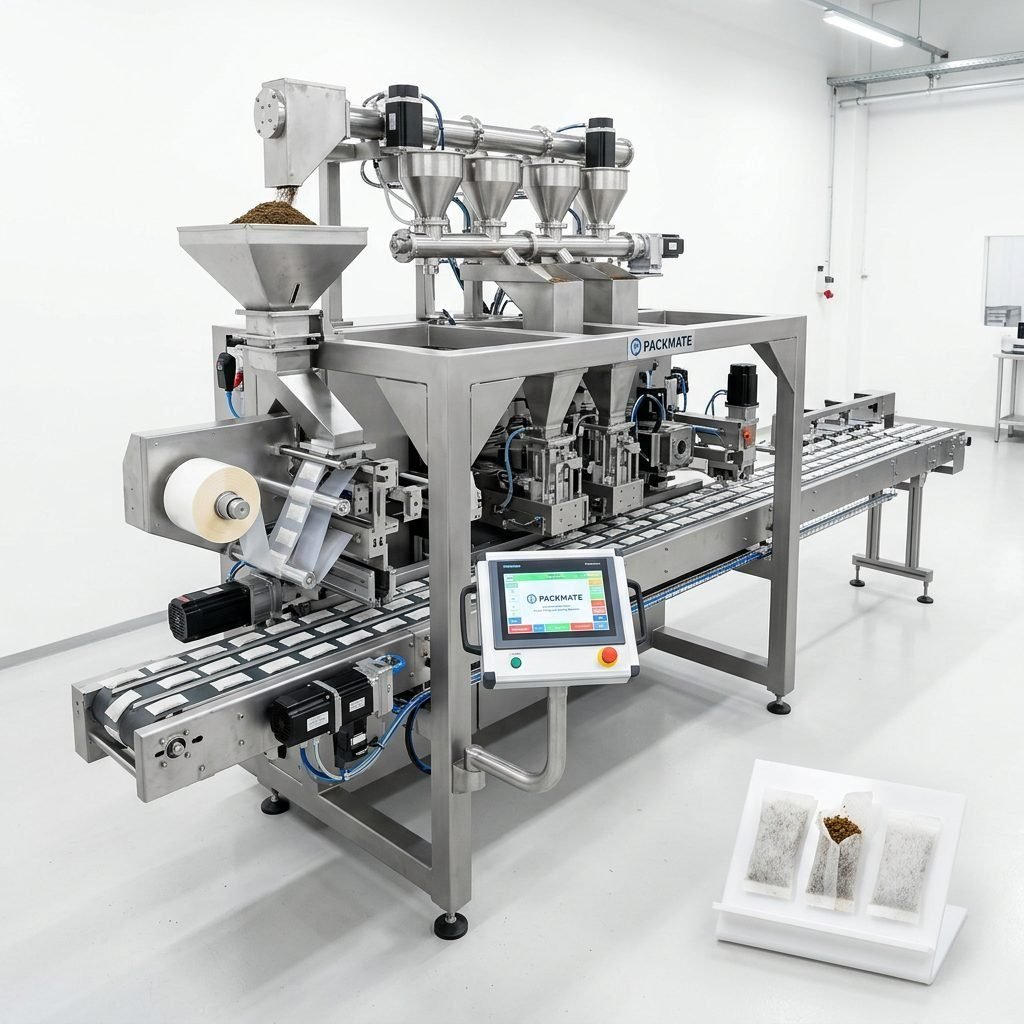
📦 Weighing and multi-head systems for precise dosing of powders and granules.
📦 Auxiliary equipment such as conveyors, metal detectors, and checkweighers for full-line integration.
If you require unique pouch shapes, multi-lane output, or integrated secondary packaging, confirm that the supplier can customize both mechanical design and control software. Visit product pages like Snus & Nicotine Packaging Machines and Sachet & Stick Pack Machines to compare typical machine configurations and capabilities.
Service, After-Sales Support, and Spare Parts 🌍
After-sales support is often the difference between a successful production ramp-up and costly downtime. Essential support offerings include:
– Remote diagnostics and PLC software support for quick troubleshooting.
– Local spare parts inventory or rapid air-shipping options to the Middle East.
– Installation supervision, operator training, and preventive maintenance plans.
– Clear warranty terms and accessible technical documentation in English and, where possible, Arabic.
Evaluate response times and whether the supplier has regional partners or service teams. A company that regularly participates in global exhibitions and has an established case history in multiple regions typically offers stronger support continuity. See real-world examples at the Case page.
Regulatory Compliance and Documentation ✅
Nicotine product packaging is tightly regulated in many Middle Eastern countries. Ensure the manufacturer can provide:
⚠️ CE and ISO certificates for mechanical safety and quality systems.
⚠️ Material certificates for food-contact components and documented hygienic design.
⚠️ Pack labeling support for multiple languages and batch traceability features.
Ask for full equipment documentation, FAT (Factory Acceptance Testing) reports, and any compliance letters required for import clearance. Manufacturers that regularly export to global markets usually supply robust documentation sets that simplify customs and regulatory reviews.
Cost vs Total Value — Evaluate Lifecycle Economics
Low upfront price can be tempting, but total cost of ownership (TCO) includes installation, downtime, spare parts, energy consumption, consumables, and training. When comparing quotes:
– Compare throughput rates, uptime guarantees, and average spare-part lead times.
– Request references from customers in similar climates and markets.
– Investigate scalability: can the line be upgraded to higher lanes or additional secondary packaging without major redesign?
Packmate’s long industry history (30+ years) and broad product portfolio are examples of how manufacturing scale and experience can reduce TCO through reliable design and accessible parts.
Factory Visits and Demonstrations
Whenever possible, arrange a factory visit or a remote live demonstration. Seeing machines in operation demonstrates real-world stability, product handling, and quality. During visits, observe:
🔍 Machine ergonomics and ease of access for cleaning.
🔍 How changeovers are handled and how quickly lanes can be adjusted.
🔍 The supplier’s testing procedures and the clarity of their operator interfaces.
If travel is constrained, ask for detailed machine videos and remote walk-throughs. An experienced supplier should welcome these checks and provide FAT videos or live streaming of pre-shipment tests.
Negotiation Tips and Contract Essentials
Key contract items to clarify before placing an order:
– Detailed scope of supply, including electrical, software, and auxiliary equipment.
– Delivery and installation schedule with penalties or remedies for missed milestones.
– Spare parts list with recommended stocking and lead times.
– Training scope, warranty coverage, and remote support terms.
– Acceptance criteria, FAT procedures, and commissioning checklist.
Local logistics and customs considerations
The Middle East includes free zones, strict customs regimes, and variable import duties. Work with a manufacturer experienced in regional shipping and documentation to minimize delays. Ensure electrical compatibility with local power systems and confirm any special certifications required by the destination country.
How to Shortlist Potential Manufacturers
A practical shortlisting process:
1. Start with manufacturers who specialize in snus/nicotine packaging and provide multi-lane systems (review product pages like Snus & Nicotine Packaging Machines and Filling & Packaging Lines).
2. Ask for references from companies operating in the Middle East and recent export case studies (Case).
3. Request a clear list of standard features, optional upgrades, and average lead time for delivery and spare parts.
4. Verify certifications and review FAT protocols before finalizing the purchase.
Practical Checklist Before Purchase ✔️
Use this checklist when evaluating proposals:
– Throughput (pouches/minute) and lane configuration.
– Dosing accuracy and acceptable product types (powder, granule, wet pouch fillers).
– Integration capability with upstream and downstream equipment.
– Spare parts list and supply lead times.
– Local service arrangements or remote support options.
– Compliance documentation (CE, ISO, material certificates).
Why long-term partnerships win
In the Middle East, strong vendor relationships help navigate changing regulations and seasonal demand shifts. Prioritize manufacturers that invest in customer training, clear documentation, and a responsive spare parts channel. A supplier who provides complete solutions — from dosing and forming to packaging and secondary case packing — simplifies project management and improves uptime.
Next Steps and Where to Learn More
If you’re ready to move forward, request detailed quotes, FAT videos, and a site-specific layout plan. Explore manufacturer portfolios and service offerings to match technical needs and local market requirements. For more details on product lines, service, and company background visit About Packmate and product categories:
– About Packmate
– Weighing & Packaging Systems
– Contact Us to schedule a consultation or factory demonstration.
Final Recommendation
Choose a manufacturer that balances proven engineering, solid manufacturing capacity, and responsive after-sales support. Prioritize vendors with experience supplying snus and nicotine pouch lines to global markets, clear certification records, and a willingness to tailor solutions for the Middle Eastern regulatory and cultural environment.
Frequently Asked Questions (3-5)
Q1: How long does it typically take to receive and commission a snus packaging line?
Delivery and commissioning timelines vary by customization levels. Standard lines may require 8–14 weeks for production plus shipping; turnkey or highly customized multi-lane systems can take longer. Factor in FAT, shipping time to the Middle East, customs clearance, and on-site commissioning when planning your schedule.
Q2: What certifications should I request from a supplier?
Request CE and ISO certificates for machine safety and quality management, material compliance for food-contact parts, and any export-specific documentation needed for Middle Eastern customs. Also ask for FAT reports and material traceability records.
Q3: Can the machines handle different pouch sizes and multi-lane production?
Yes. Many modern snus packaging machines support a range of pouch sizes and are configurable for multi-lane operation. Confirm the machine’s changeover time, tooling availability, and whether the supplier supports lane expansion upgrades.
Q4: How do I ensure fast spare-part support in the Middle East?
Negotiate spares lists and recommended inventory levels during procurement. Choose suppliers with regional partners or fast air-shipping arrangements and ask about critical parts stock and lead times to minimize production downtime.
Q5: Where can I find real-world examples of installed lines?
Request case studies and customer references from the manufacturer. Review documented projects and exhibition demonstrations — many manufacturers publish case histories and exhibition appearances demonstrating their machines in operation.