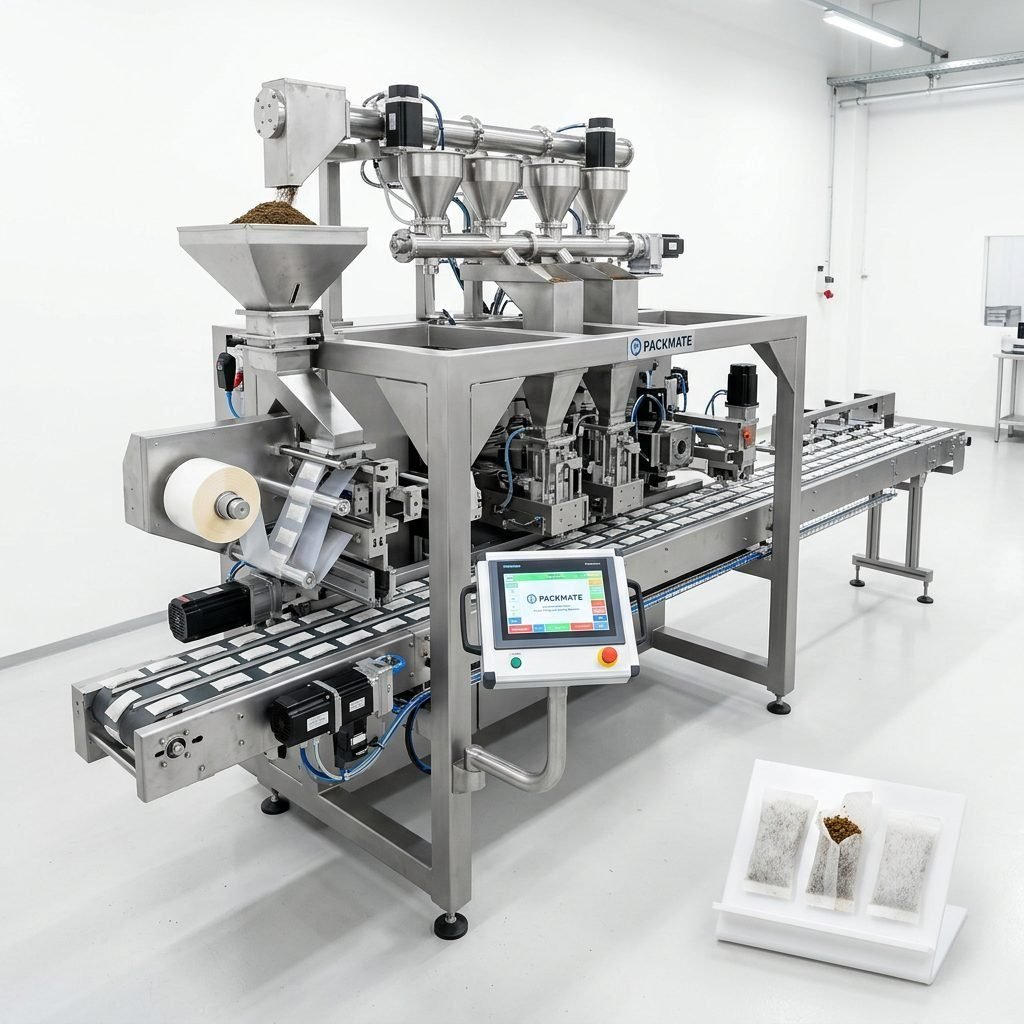
Norway presents a unique and sophisticated market for nicotine pouch and snus packaging. With strict regulatory oversight, a high emphasis on product safety and sustainability, and a buyer base that values quality and reliability, choosing the right nicotine packaging machinery manufacturer means aligning technical capability with local expectations. This guide helps Norwegian distributors, contract packers, and brand owners evaluate manufacturers — focusing on what matters most in Norway: compliance, environmental responsibility, precision engineering, and long-term partnership.
Understand Norway’s Regulatory and Market Context
Norway, while not an EU member, follows many European standards and expects clear documentation for imported manufacturing equipment. Buyers often seek machines that meet CE and ISO standards and that support traceability, hygiene, and safe electrical installation. In addition, Norway’s strong environmental awareness means energy-efficient and low-waste machines are preferred. When evaluating suppliers, verify certifications and ask for documentation on energy consumption, materials compatibility, and end-of-line waste handling.
Local business customs and expectations
In Norway, business relationships emphasize punctuality, transparency, and long-term collaboration. Buyers appreciate clear timelines, realistic lead times, and honest communication. Language support in English is usually sufficient, but manufacturers that can provide Norwegian-language manuals or local support contacts score extra trust points. Consider a supplier who respects contract terms and is proactive with service and spare parts planning.
Key Technical Criteria to Evaluate
When selecting a nicotine packaging machinery manufacturer, prioritize the following technical criteria. These determine how well a machine will integrate with your production goals and regulatory demands in Norway.
📌 Performance & Speed — Ensure the machine meets your target throughput while maintaining pouch integrity and fill accuracy.
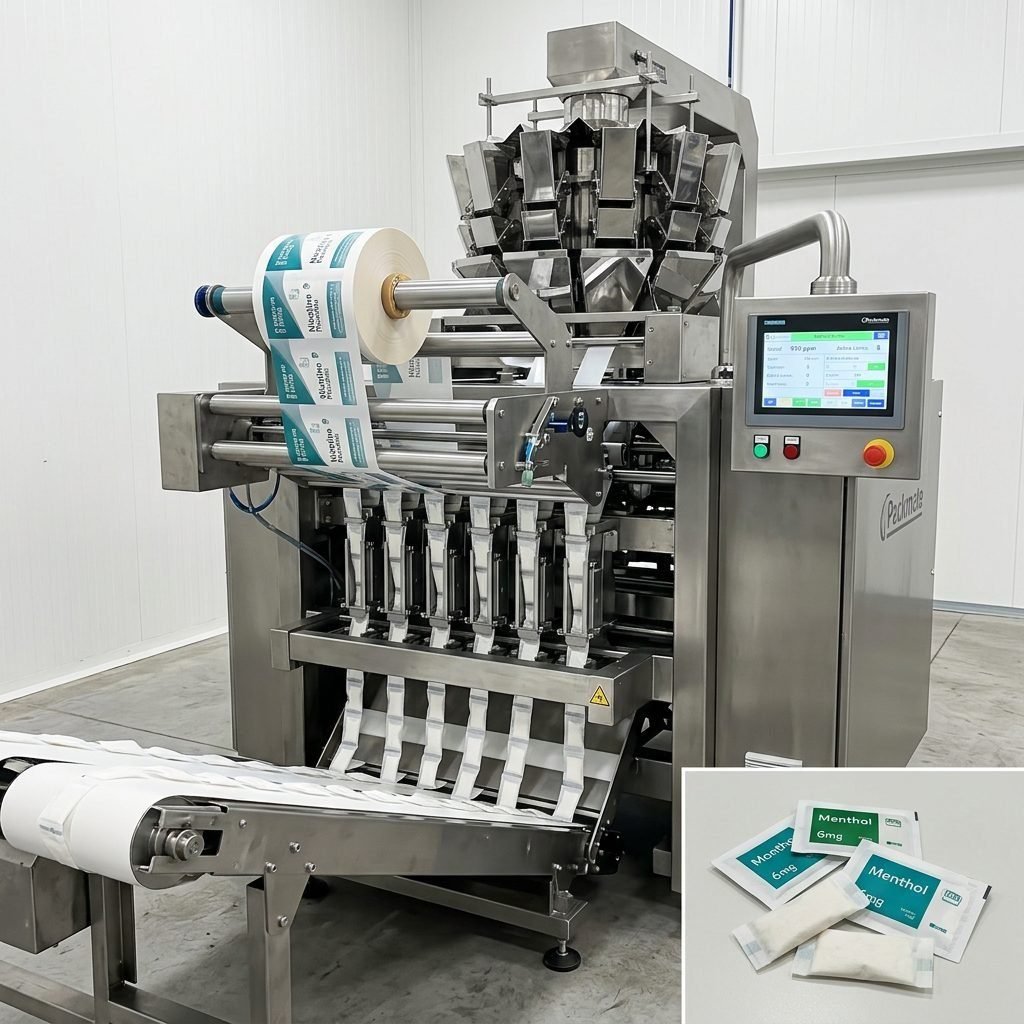
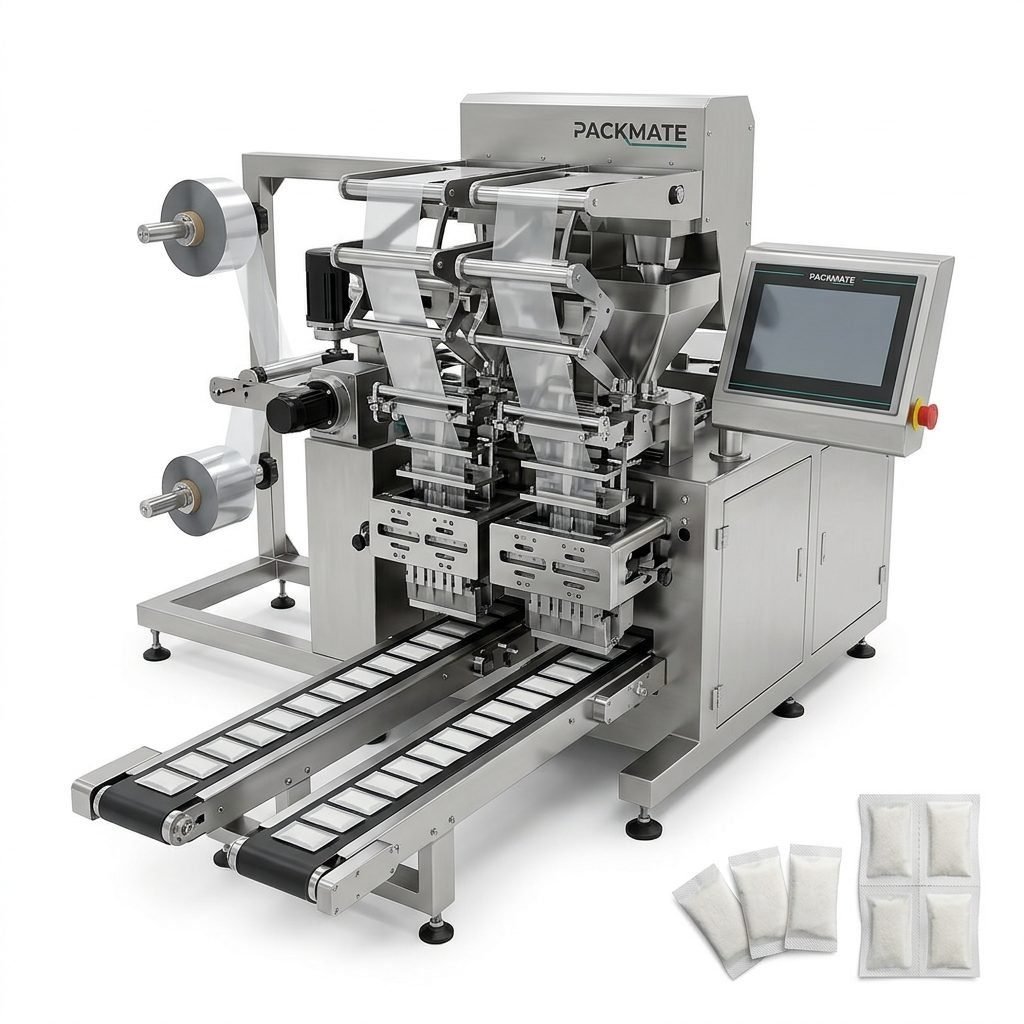
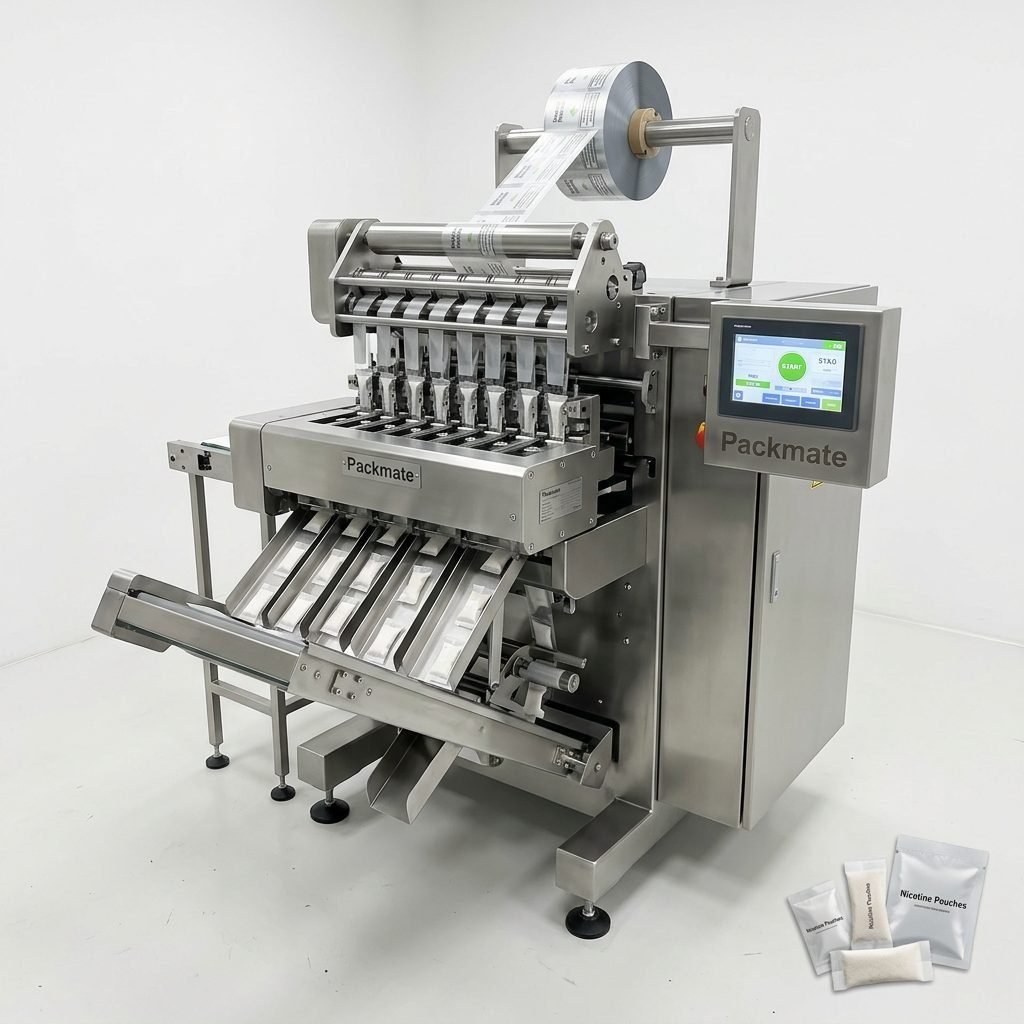
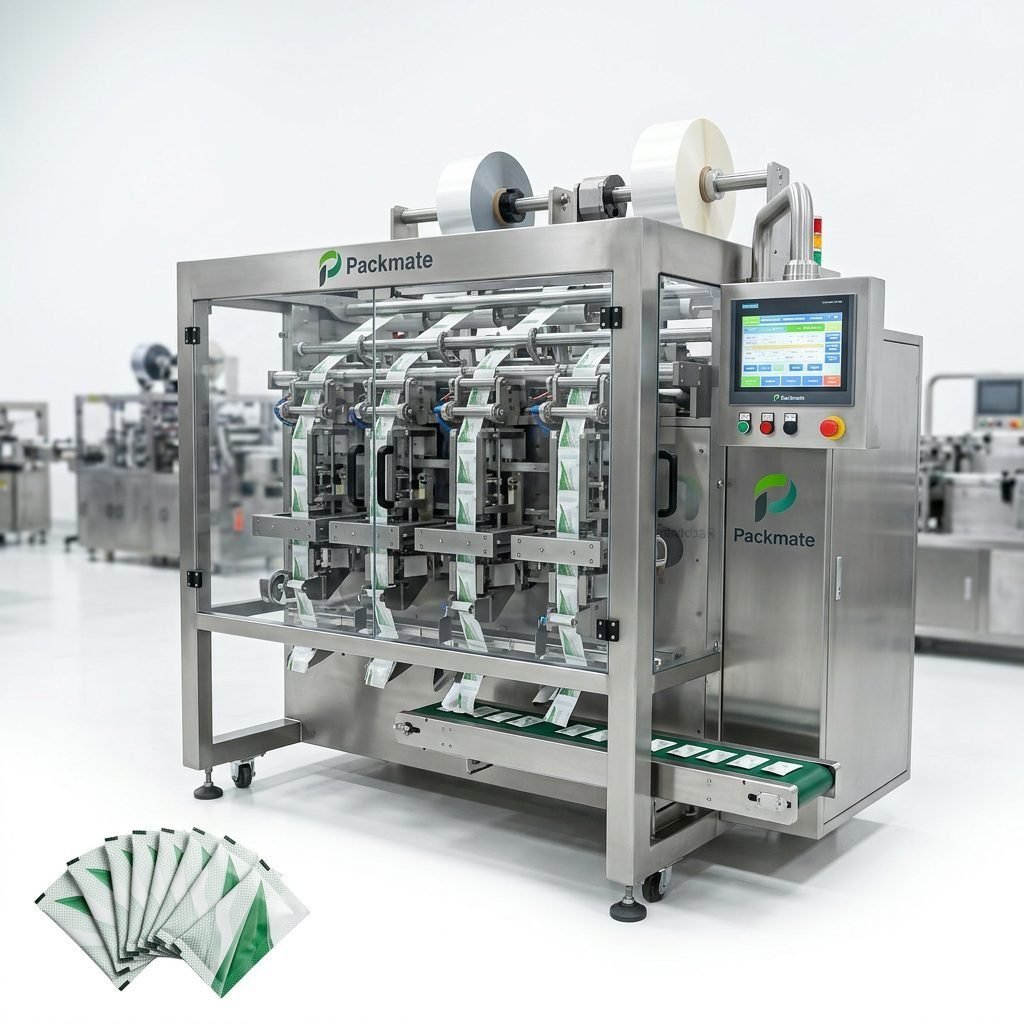
⚙️ Multi-lane & Format Flexibility — Multi-lane systems reduce cost per pouch. Check available formats (stick pack, sachet, multi-lane snus) and changeover times.
🔍 Accuracy & Weighing Integration — For nicotine pouches, precise dosing is critical. Confirm compatibility with weighing and feeding systems.
Machine Types and What They Offer
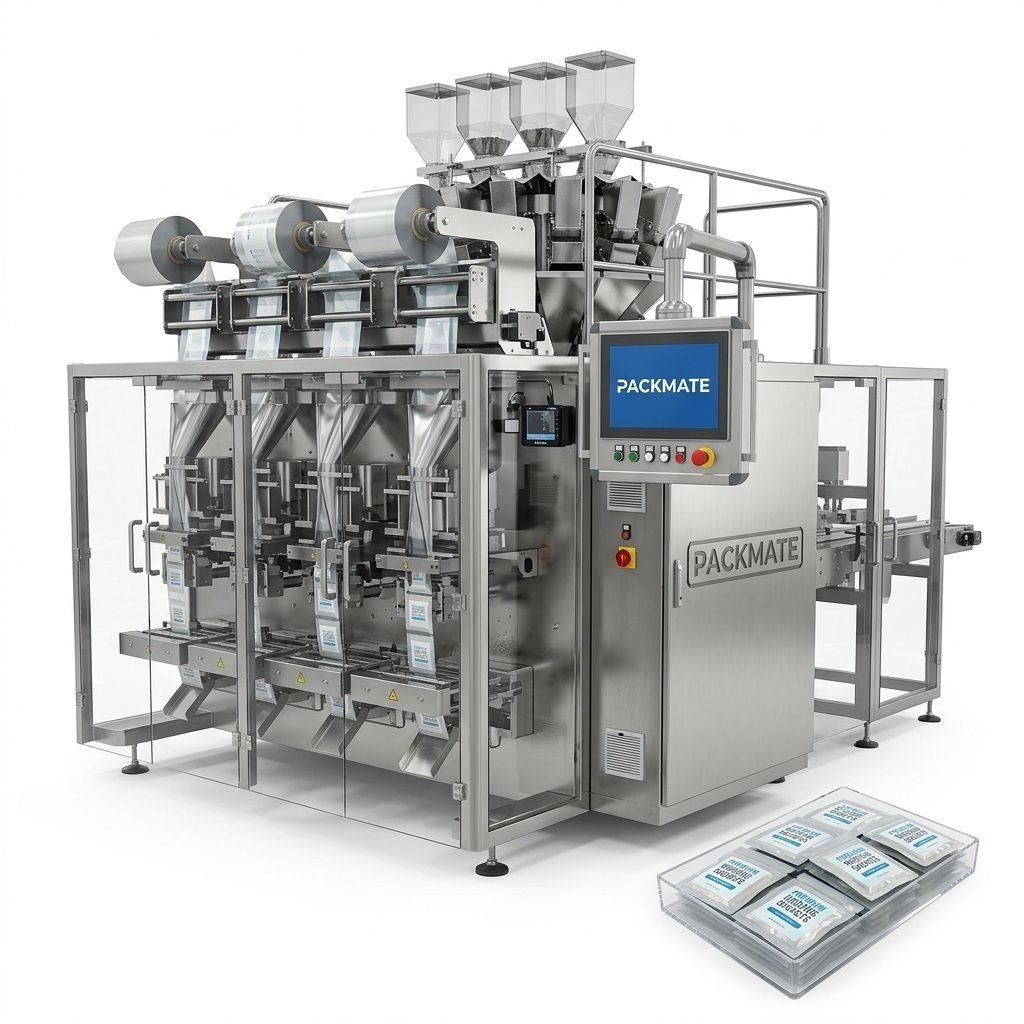
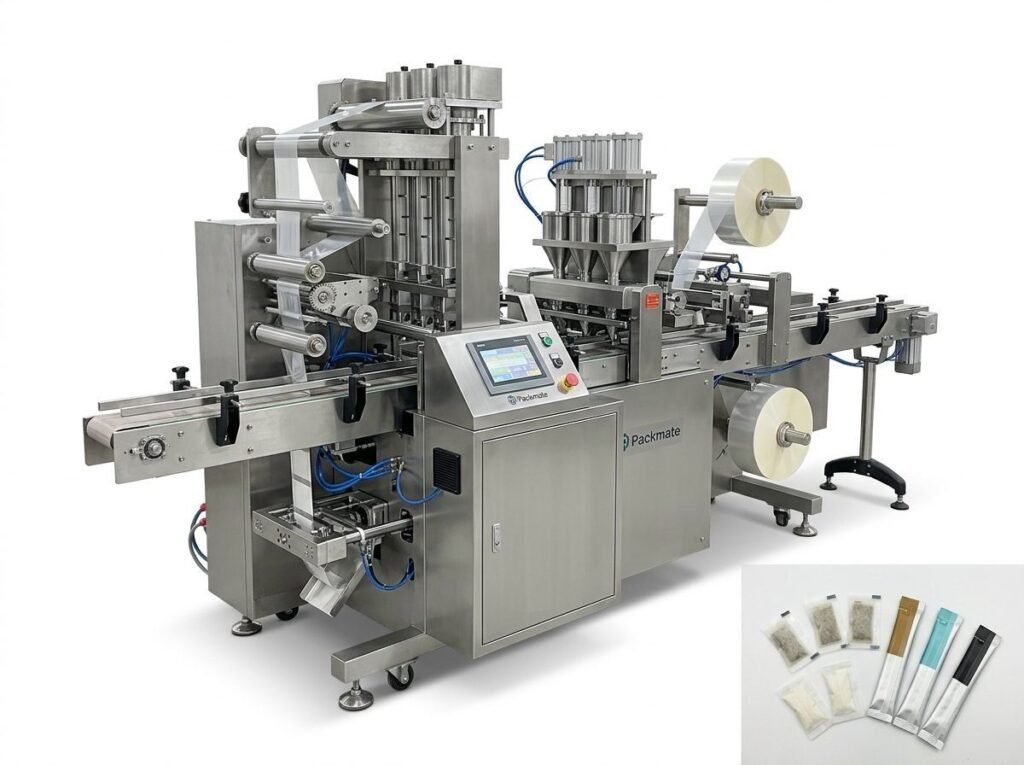
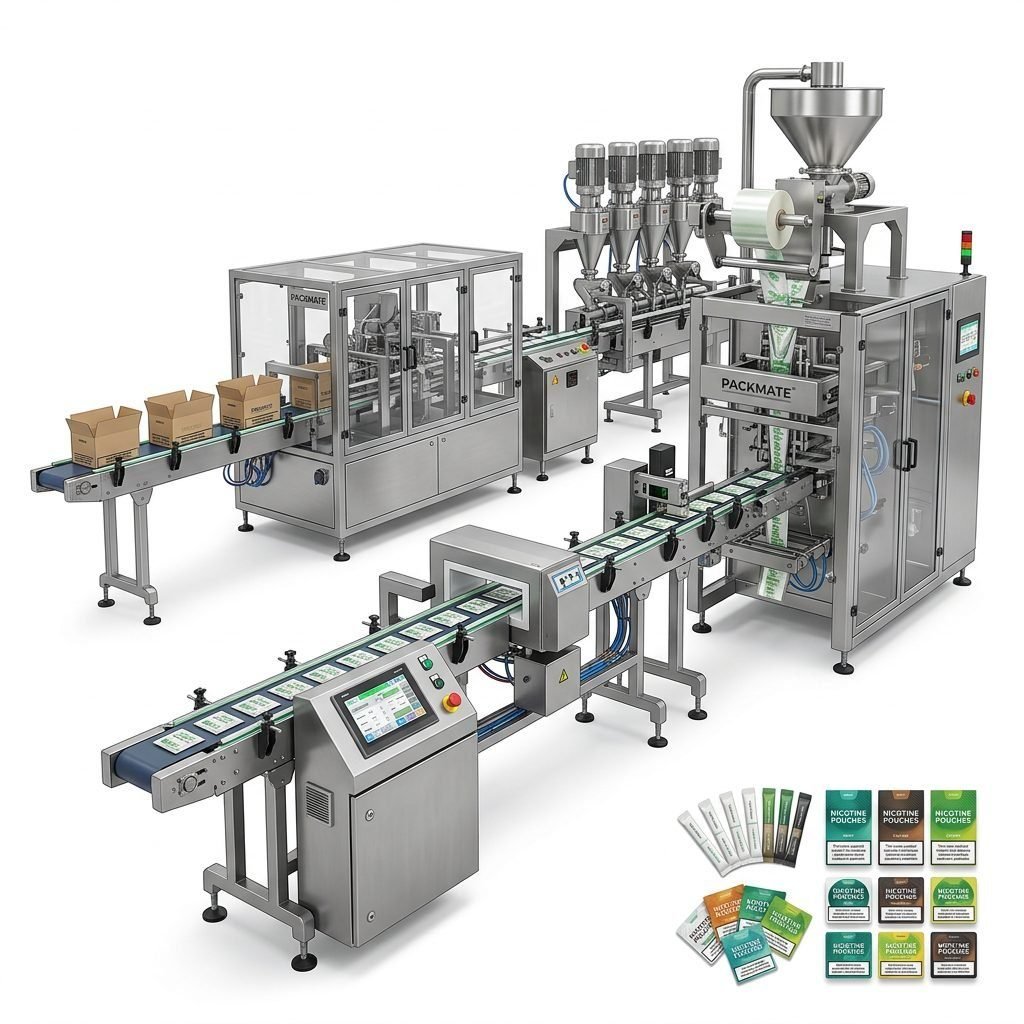
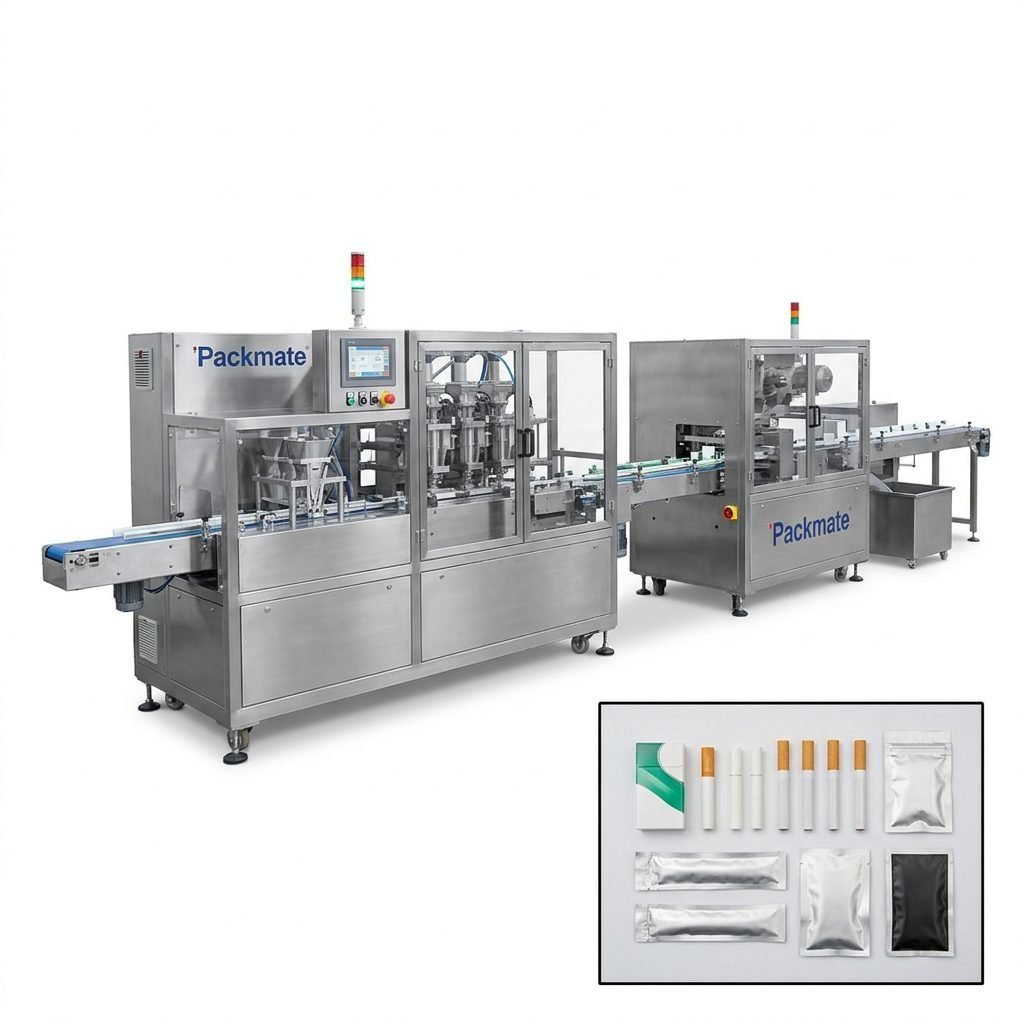
Different packaging approaches serve different business models. Stick pack and sachet machines are ideal for single-dose presentation and retail formats, while multi-lane systems excel at high-volume small-dose pouch production. If you need integrated weighing, filling, and pouch forming, evaluate turnkey lines that include upstream feeding systems and downstream secondary packaging.
For a practical overview of machine categories and detailed specifications, consider reviewing a manufacturer’s product pages such as their Snus & Nicotine Packaging Machines to compare machine capabilities and models.
Supplier Credentials: What to Check
Credibility matters. Norwegian buyers typically require documentation, visits, and evidence that the supplier has robust engineering and production capacity. Assess the manufacturer’s track record, certifications, factory capabilities, and case studies.
✅ Certifications (CE, ISO) — Must be verifiable for Norwegian import and workplace safety.
🏭 Manufacturing Scale & Equipment — A well-equipped factory with CNC centers and precision assembly signals consistent quality.
📚 Case Studies & References — Request client references and performance data. Real-world examples show reliability and support capability.
Example: Packmate’s Profile Fit for Norway
Packmate Snus Machine is a global manufacturer that highlights 30+ years of engineering, a 20,000㎡ factory, and compliance with CE and ISO, aligning with the expectations of Norwegian buyers. Their focus on snus and nicotine pouch lines, multi-lane systems, and turnkey solutions makes them a viable option when you need reliable equipment and engineering support for high-precision small-dose pouch production. Learn more about the company background and mission on the About Packmate page.
Customization & Flexibility: Why It Matters
Norway’s market favours tailored solutions — whether that’s modifying the machine for specific pouch materials, integrating automated metal detection, or adjusting formats for retail preferences. Choose manufacturers who can offer:
- Custom tooling and quick-change parts for fast format changes
- Integration with weighing and vision inspection systems
- Options for low-energy drives, servo motors, and waste reduction modules
📌 Tip: Ask for an on-site format demonstration or video showing your actual pouch material and nicotine mix. Practical tests dramatically reduce commissioning time in Norway.
After-Sales Support: A Critical Decision Factor
Norwegian companies place high value on dependable after-sales service. Consider these support elements before signing a contract:
– Spare parts availability and lead times: fast shipping or local stocking reduces downtime.
– Remote diagnostics and software updates: should be secure and timely.
– On-site training and commissioning: ensure technicians are available for initial runs and process validation.
– Maintenance contracts and planned preventive maintenance: lifetime value often outweighs lower upfront costs.
Service Examples to Request
Request sample service level agreements (SLAs), response times, and spare parts lists. Manufacturers with European distribution partners or technicians who speak the local language can significantly ease ramp-up and troubleshooting.
Quality Assurance and Factory Acceptance Testing (FAT)
FAT is essential to confirm machine performance before shipping. For Norway, insist on FAT with your product or a representative sample, detailed performance metrics, and video documentation. Ensure acceptance criteria cover throughput, fill accuracy, sealing integrity, and integration with any upstream/downstream equipment.
Many reputable suppliers also publish case examples and FAT reports — review their Case pages and request relevant examples from similar installations.
Logistics, Installation and Commissioning in Norway
Import logistics to Norway include customs clearance, local taxes, and possible EHS inspections. Work with a manufacturer that coordinates shipping documentation (CE/ISO, packing lists, electrical specs) and can recommend local freight forwarders. During installation, a clear plan that includes site requirements, utilities, and safety compliance ensures a smooth start.
📦 Shipping Documentation — Ensure all certificates, electrical drawings, and spare parts lists accompany the shipment for a seamless customs process.
Cost vs Value: Evaluating Total Cost of Ownership (TCO)
Purchase price is only part of the equation. Calculate TCO by estimating energy use, maintenance, spare parts, downtime, and training. Machines that are robust and easy to maintain often deliver lower TCO even if the initial investment is higher. Norwegian buyers often model TCO for sustainability reporting and long-term budgeting.
Warranty and Spare Parts Strategy
Confirm warranty periods, what is covered, and average spare parts lifecycles. Ideally, the manufacturer maintains critical spare parts for years and provides clear part numbers and local distribution points.
Sustainability and Energy Efficiency
Environmental credentials matter in Norway. Inquire about energy-saving design features, recyclable materials, waste minimization, and options for low-consumption drives or regenerative braking. A supplier that documents energy use per 1,000 pouches and demonstrates waste reduction measures will align better with Norwegian corporate responsibility goals.
How to Validate a Manufacturer: A Checklist
Use this practical checklist when comparing manufacturers:
- Verified CE and ISO certifications
- Factory capabilities (CNC, assembly lines, QA lab)
- FAT with your product sample and documentation
- Spare parts availability and recommended stocking
- Local language documentation or local support partner
- Energy usage and sustainability features
Why Choose Turnkey Solutions?
Turnkey suppliers minimize integration risk, delivering a complete line that includes weighing, filling, pouch forming, and secondary packaging. For Norwegian facilities aiming for regulatory compliance and efficient validation, turnkey solutions reduce coordination time and help meet hygiene and documentation standards faster. Review turnkey offerings and case studies to confirm the supplier’s end-to-end capabilities.
Explore full-line examples and component options on pages such as Filling & Packaging Lines and Weighing & Packaging Systems to ensure compatibility with your product specifications and production volumes.
Visiting Trade Shows & Factory Tours
Norwegian buyers often value live demonstrations. Attend European exhibitions where suppliers showcase live machines, or request a factory tour to observe assembly, QC tests, and FAT procedures. These visits demonstrate a manufacturer’s transparency and production depth. Check the manufacturer’s exhibition schedule and case portfolio to find relevant events.
🔍 Observation: Factories that welcome visits and provide FAT videos are usually more reliable and easier to work with in the long term.
Making the Final Decision: Contract Terms and Acceptance
Final agreements should include clear acceptance criteria, delivery schedules, warranty terms, spare parts lists, training obligations, and penalties for missed milestones if applicable. Norwegian companies often expect rigorous documentation and clear responsibilities for commissioning and validation.
Useful Links & Further Reading
For technical specifications and product families, you may want to review manufacturer resources such as:
• Snus & Nicotine Packaging Machines
• About Packmate — company profile and factory capabilities
• Case — real installations and performance examples
• Contact Us — arrange FAT, factory visit, or local support
Final Recommendations for Norwegian Buyers
In summary, prioritize manufacturers with transparent certification, strong factory capabilities, demonstrable case studies, and a solid after-sales strategy. Verify FAT outcomes with your product sample, estimate total cost of ownership, and confirm logistics and documentation for import to Norway. Seek partners who align with Norway’s sustainability expectations and who are prepared to build a long-term service relationship.
📌 Action Step: Request a written FAT plan, energy consumption figures, and a spare parts list before making a purchase commitment.
Frequently Asked Questions (FAQs)
Q1: What certifications should a nicotine packaging machine have for sale in Norway?
A1: At minimum, request CE compliance, applicable ISO certifications, and all relevant electrical and safety documentation. If needed, confirm documentation for customs clearance and workplace compliance.
Q2: How important is FAT for Norwegian installations?
A2: FAT is very important. It validates machine performance with your specific product, ensures acceptance criteria are met, and minimizes onsite commissioning time.
Q3: Can manufacturers provide Norwegian-language manuals and local support?
A3: Some manufacturers offer translated manuals or local partners. While English documentation is usually acceptable, Norwegian-language support is a plus for training and documentation compliance.
Q4: How do I manage spare parts and maintenance in Norway?
A4: Verify spare parts lists and recommended stocking levels, confirm lead times, and consider preventive maintenance contracts. Local distributors or stocked parts in Europe shorten downtime.