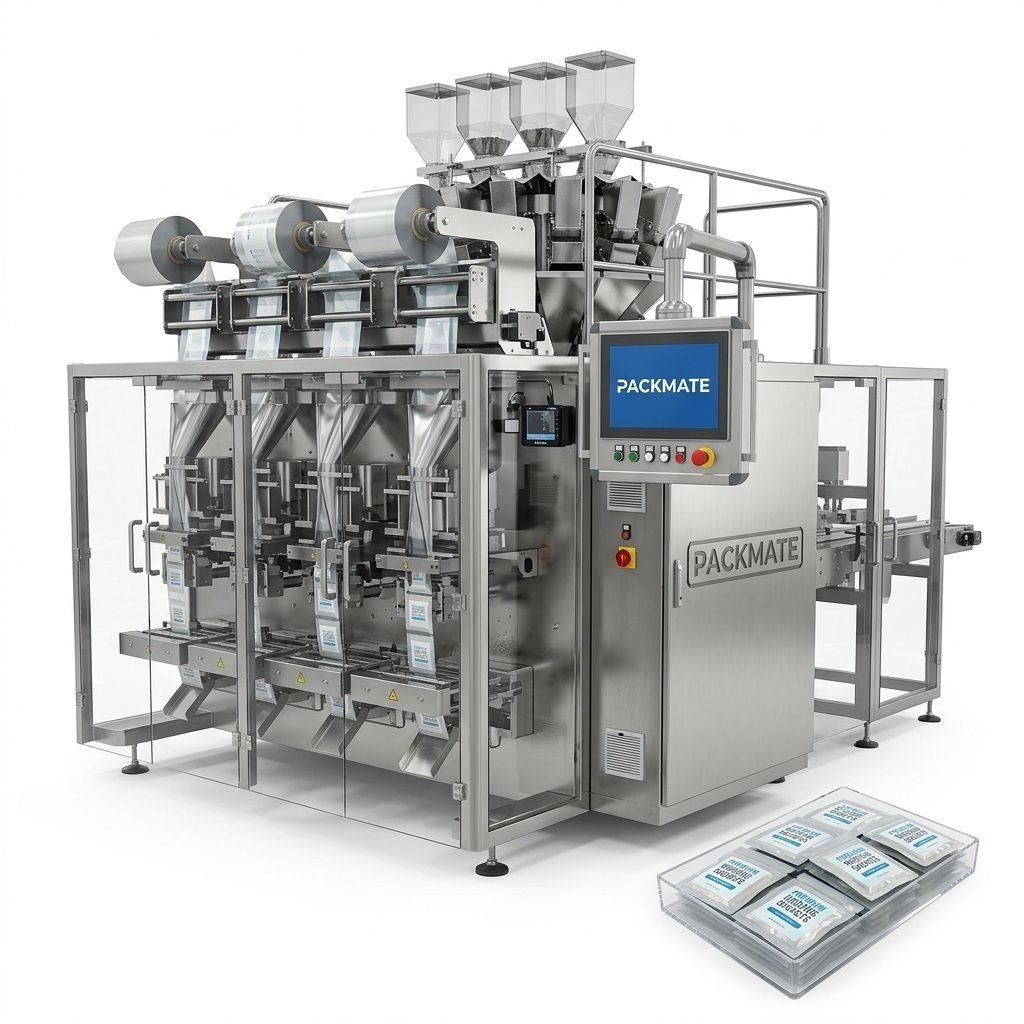
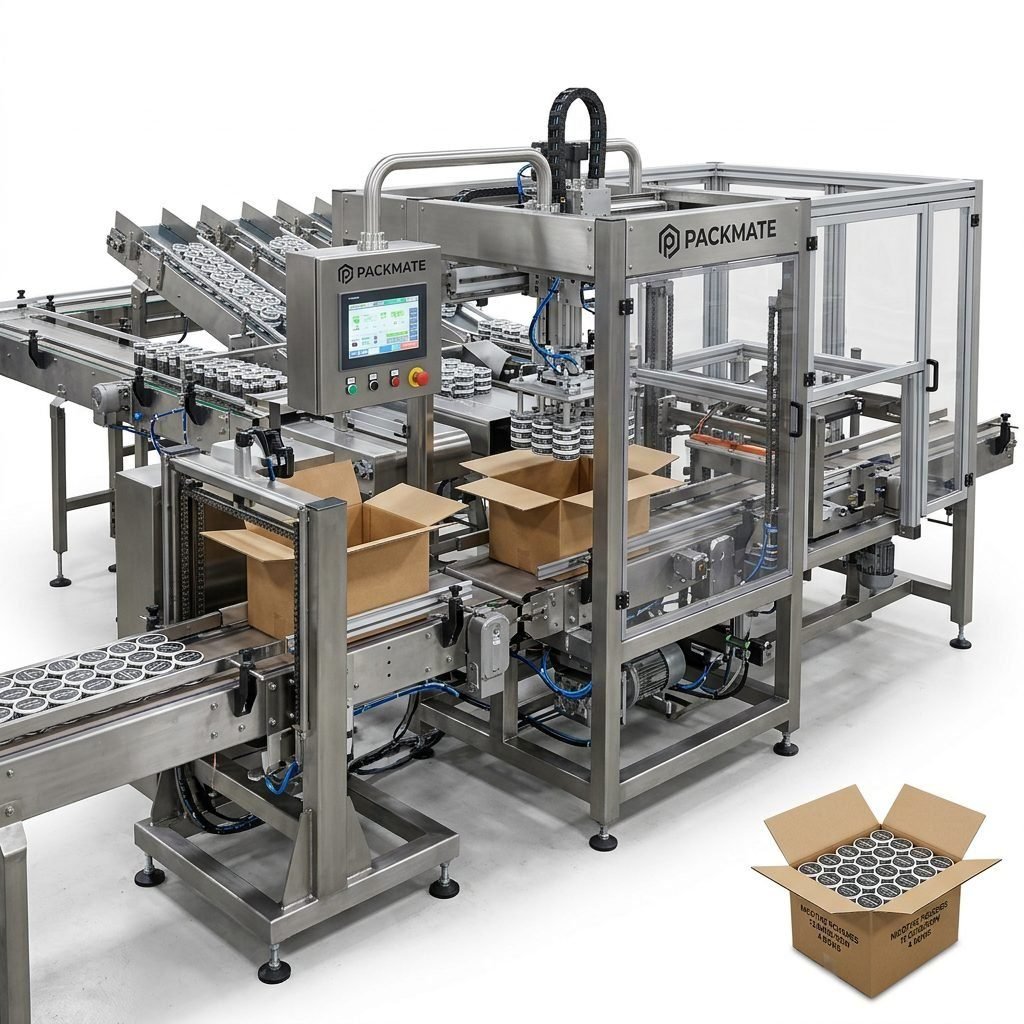
Choosing the right nicotine packaging machinery for a production line in Germany requires a blend of technical knowledge, supplier due diligence, and attention to local market expectations. Germany’s manufacturing landscape prizes precision, energy efficiency, and regulatory compliance, so your selection should prioritize machines that deliver consistent pouch quality, flexible formats, and low downtime. This guide walks you through practical steps to select the best snus and nicotine pouch packaging equipment and integrate it into a German production environment.
Understand Your Production Demands
Start by mapping your current and projected production needs. Consider daily output targets, package formats (e.g., single pouches, multi-packs, stick packs), fill weights, and product types (powders, granules, liquids). German customers and plants often value steady, predictable throughput over occasional peak bursts—so design your line with a realistic sustainable throughput target rather than headline maximum speeds.
Key questions to answer
How many lanes do you need? What pouch size range must be supported? Do you require child-resistant or tamper-evident features? Will your product demand inert atmospheres or nitrogen flushing? Clear answers reduce wasted investment and align your supplier recommendations with real requirements.
Machine Types Commonly Used in Germany
Several machine categories dominate nicotine pouch and snus packaging. Match these to your product format and volume.
Snus & Nicotine Pouch Machines
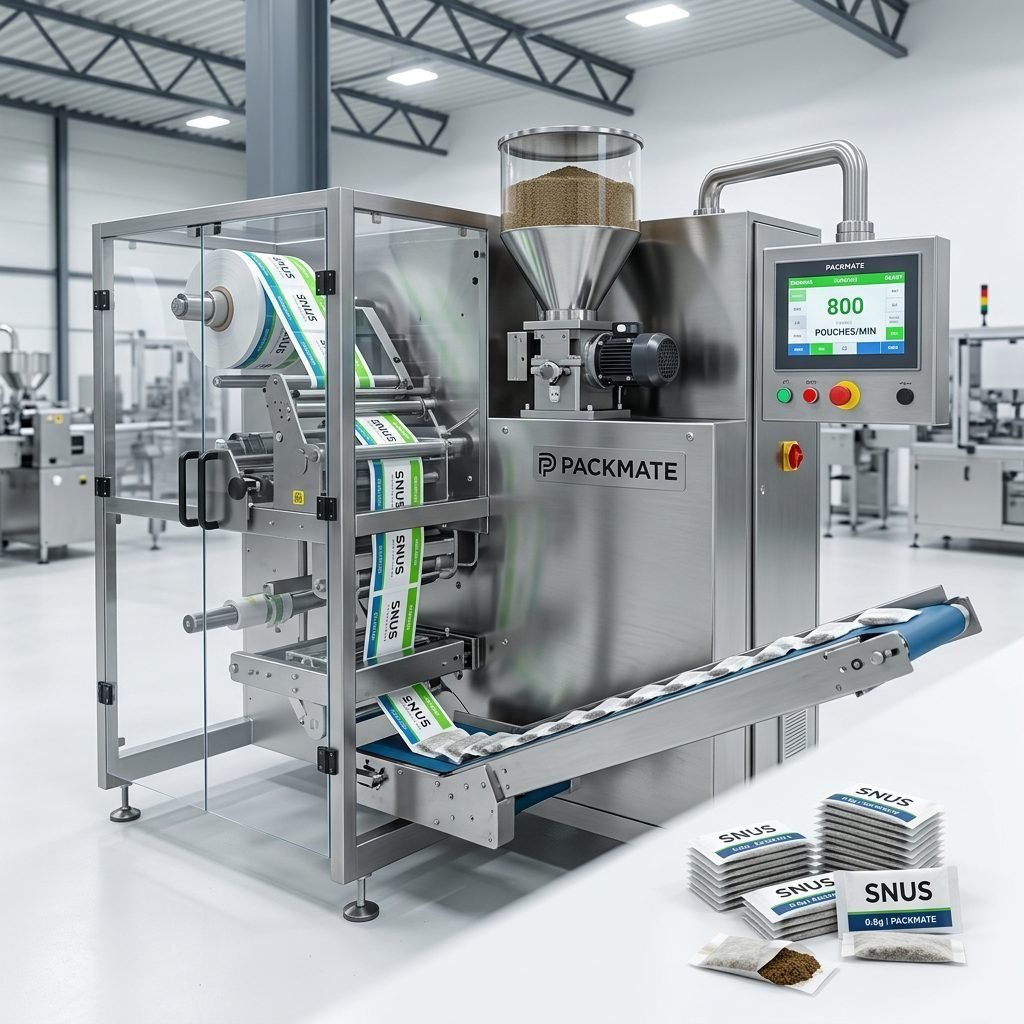
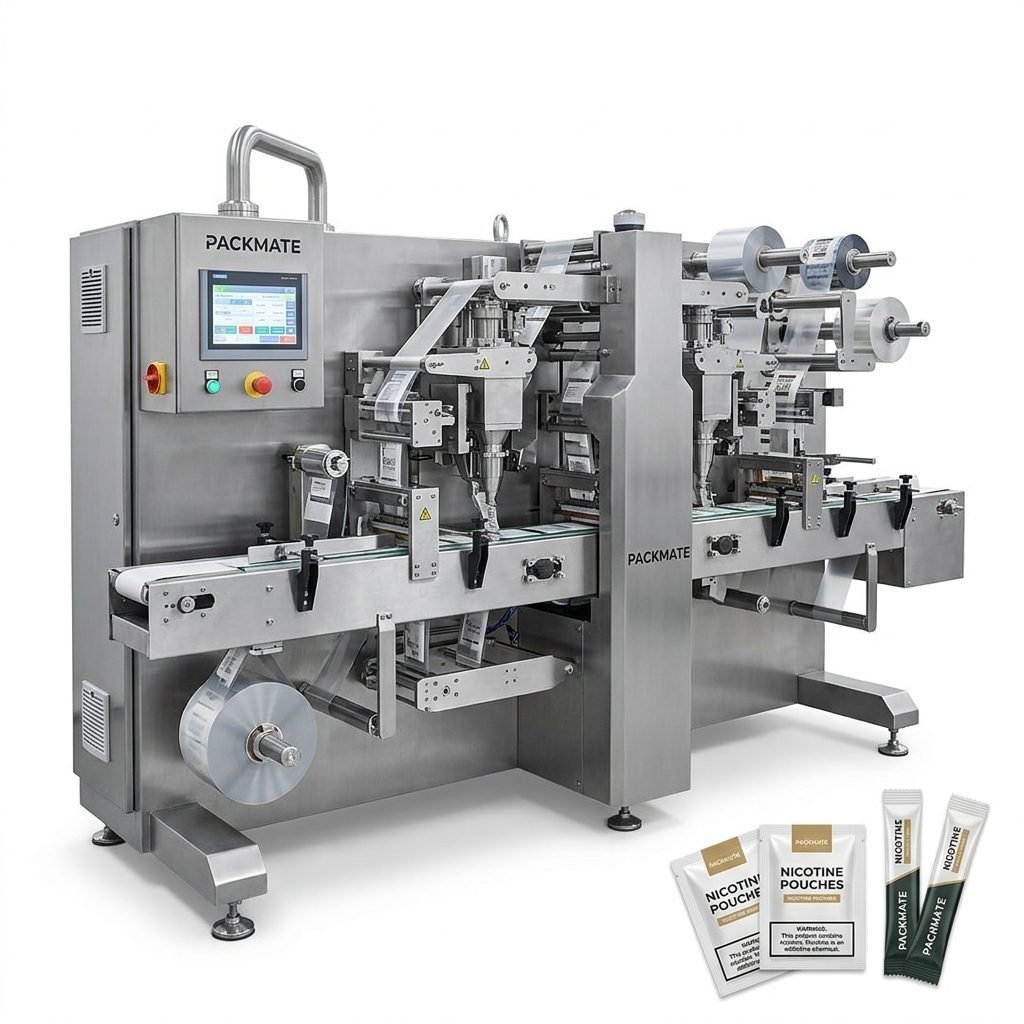
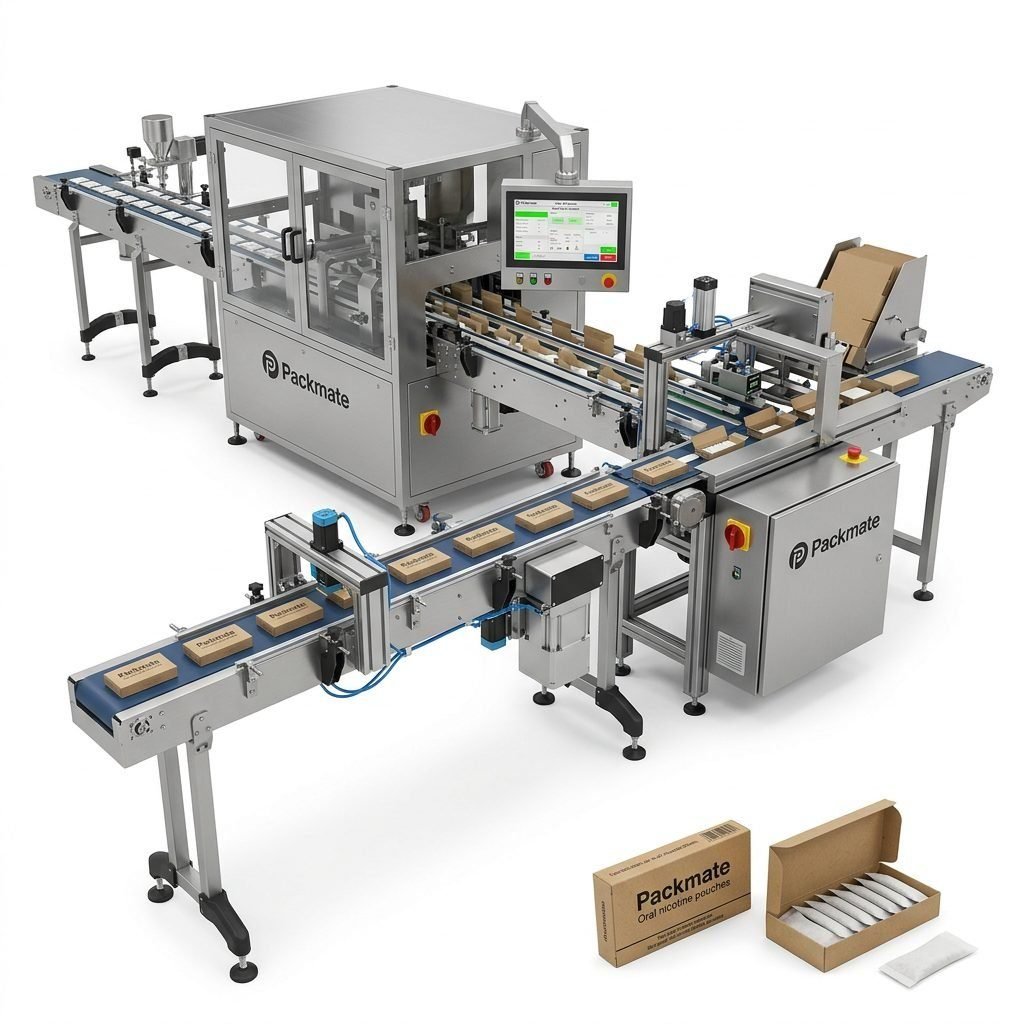
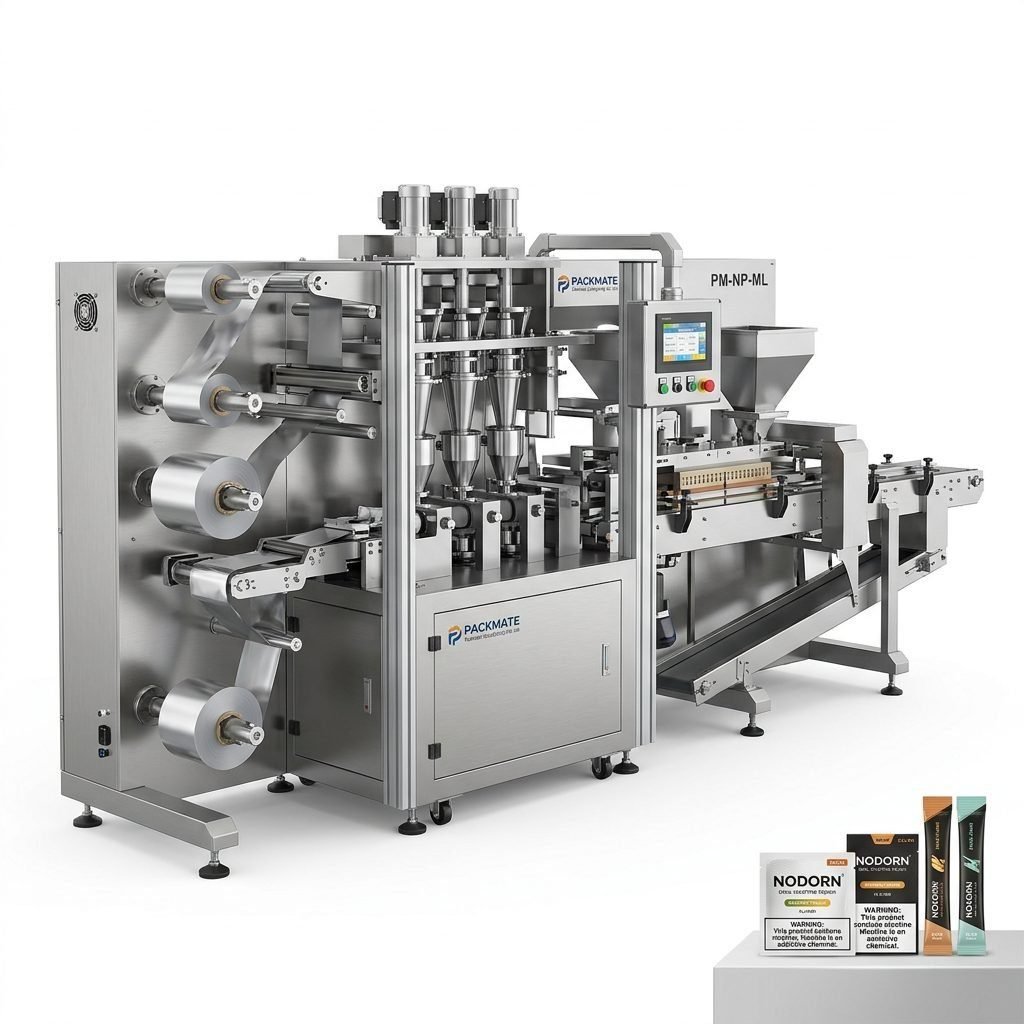
Standalone or integrated pouch machines produce the small-dose nicotine pouches with precise filling and sealing. Look for machines with high-precision dosing, stable pouch cutting, and gentle handling to protect product integrity. For examples, review industry offerings like Snus & Nicotine Packaging Machines.
Sachet & Stick Pack Machines
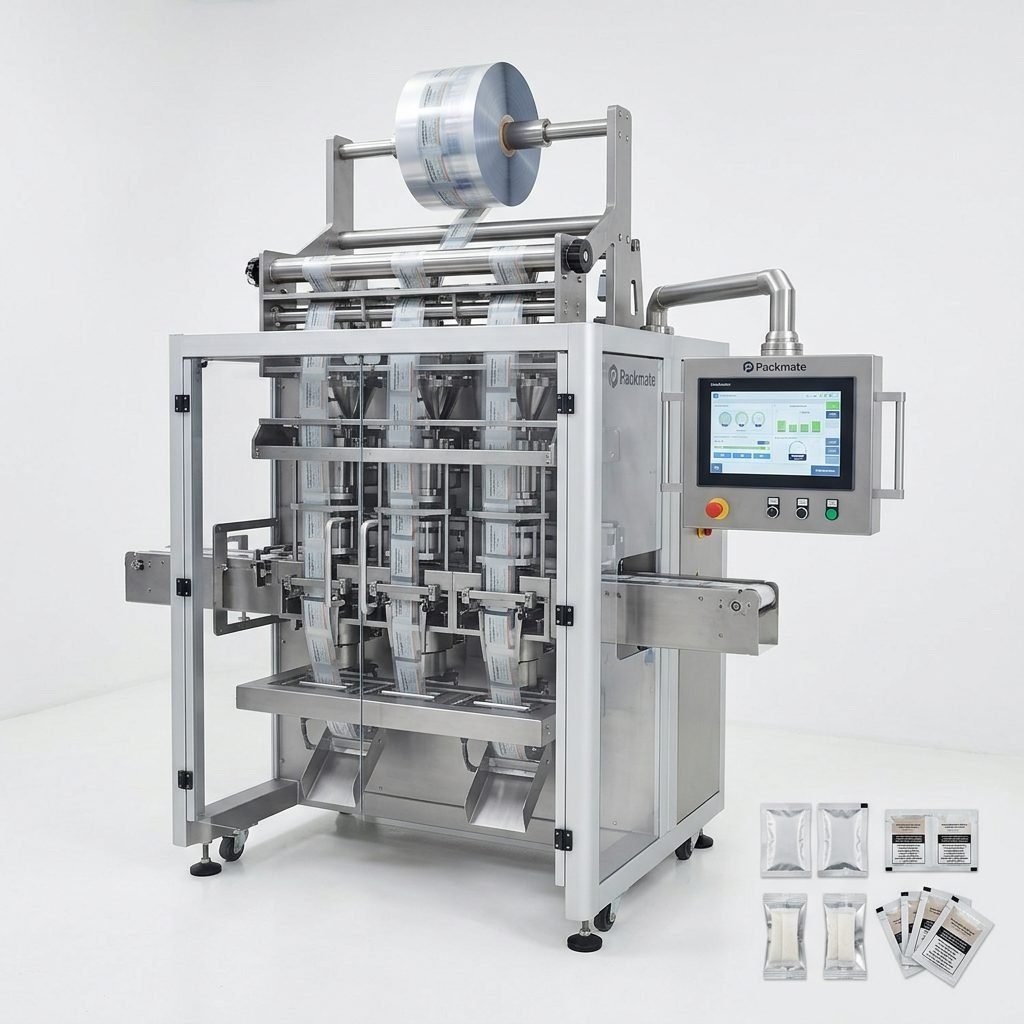
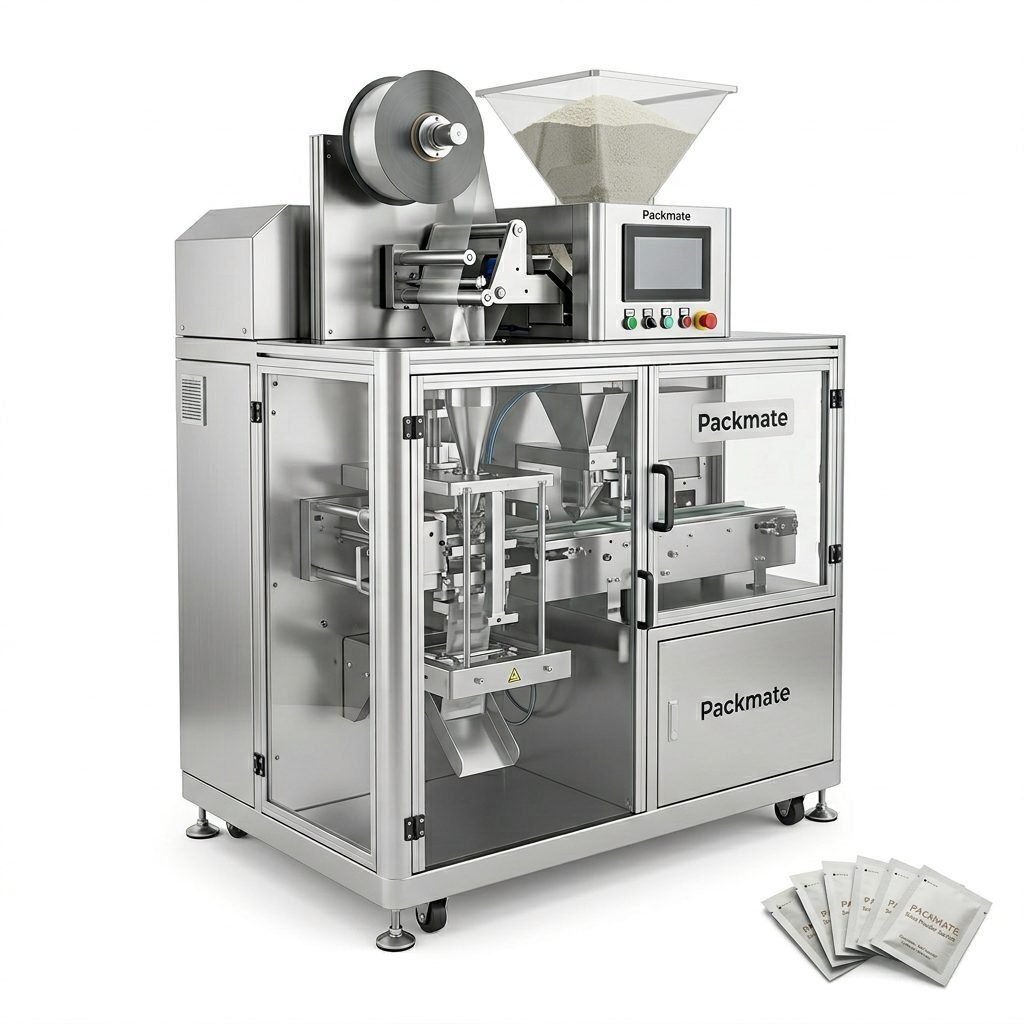
If your product format includes sticks or single-dose sachets, choose stick pack and sachet lines designed for minimal product loss and high-speed sealing. These are ideal when compact single-use formats are preferred in your target markets. See related models at Sachet & Stick Pack Machines.
Multi-lane and High-throughput Systems
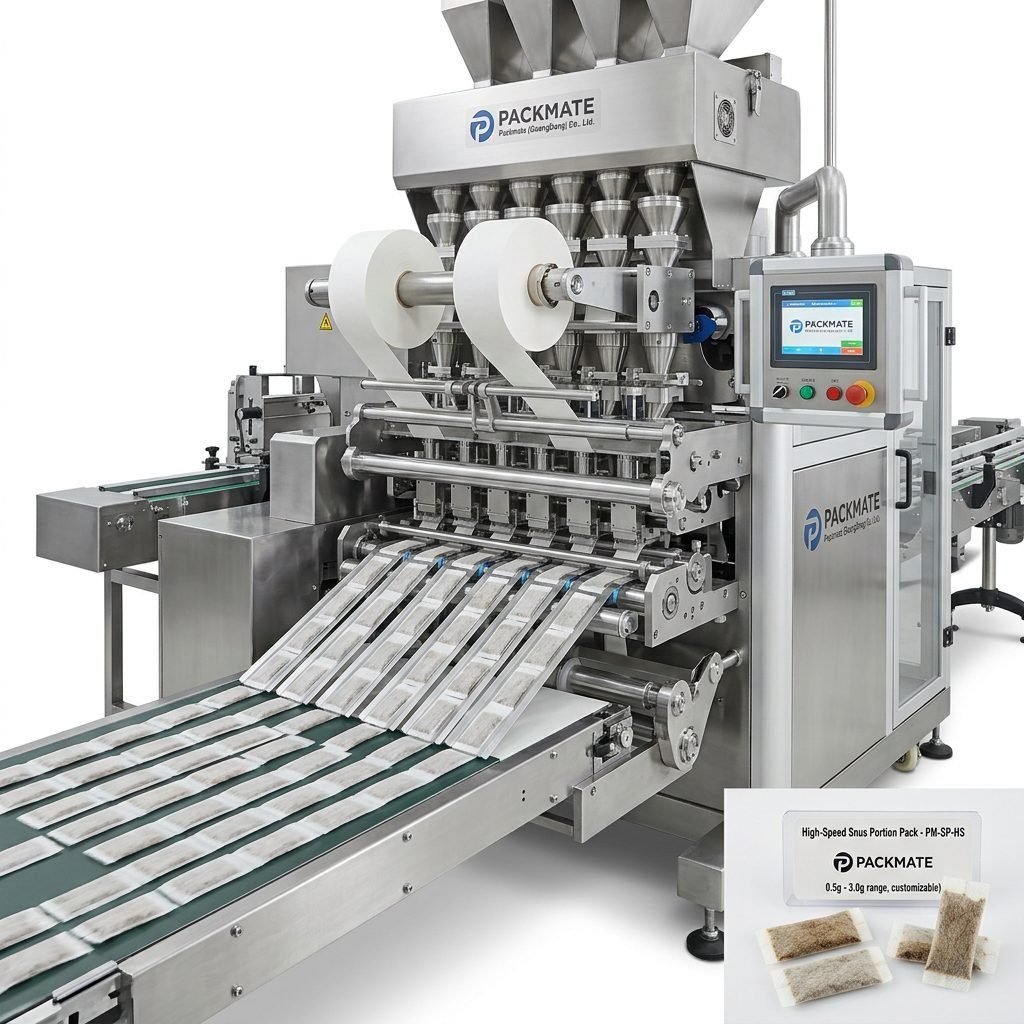
Multi-lane systems are common for high-volume manufacturers. They multiply output while keeping floor space efficient. German factories often favor modular multi-lane machines that allow adding lanes over time as demand grows.
Auxiliary and Weighing Systems
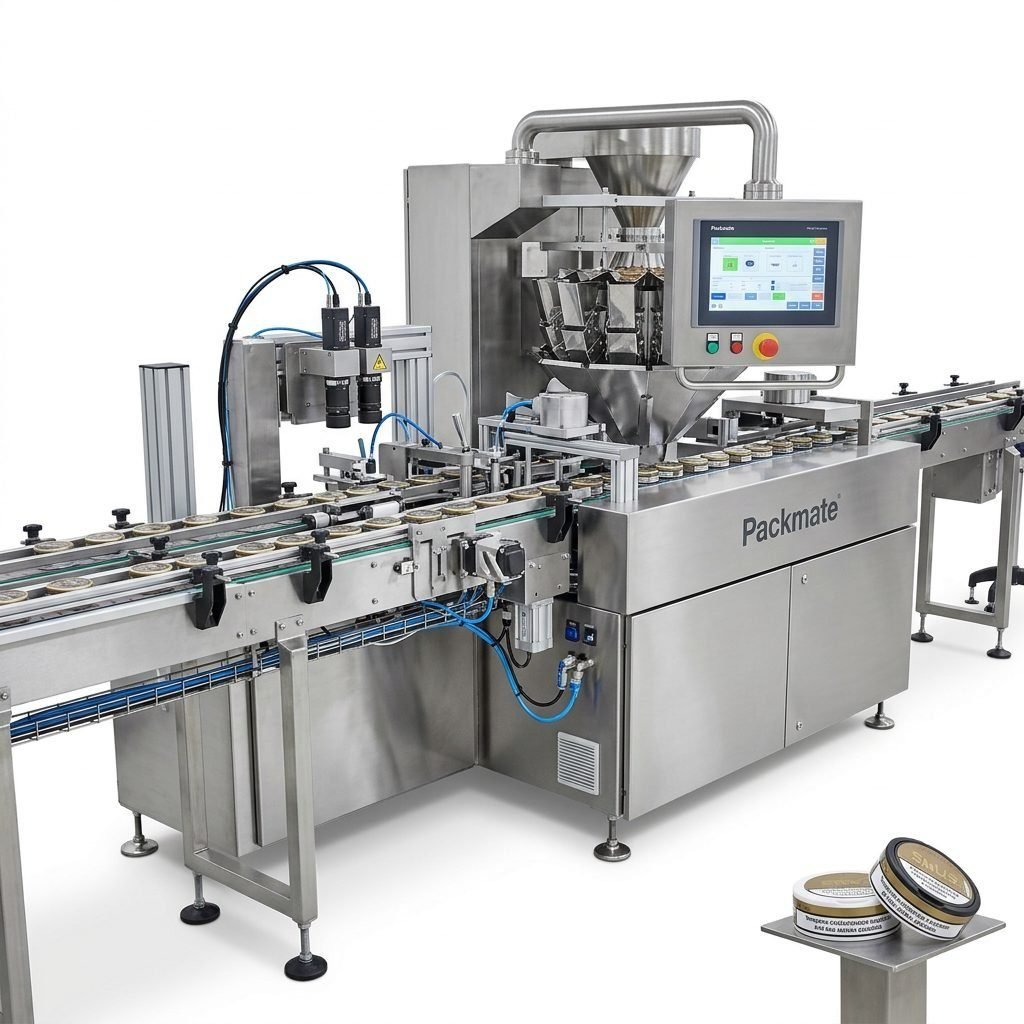
Accurate dosing often requires specialized weighers, feeders, and vibratory systems to handle powder or granular nicotine blends. Integrating robust Weighing & Packaging Systems prevents production variability and material waste.
Tip: In Germany, precision and reproducibility are prized—machines with fine adjustment ranges and clear calibration procedures will win long-term trust from operators and QA teams.
Technical Specifications to Evaluate
Focus on specifications that directly affect quality, uptime, and operating cost.
Accuracy and dosing stability
Target machines that consistently meet weight tolerances with minimal distribution spread. Look for integrated checkweighers or feedback loops that automatically adjust dosing in real time.
Sealing integrity and material compatibility
Evaluate heat-seal controls, film tensioning, and sealing die materials—these determine shelf life and package robustness. If you use barrier films or biodegradable materials, verify the machine’s sealing parameters support those substrates.
Changeover time and format flexibility
Germany’s smaller batch production often requires quick changeovers. Machines with modular tooling and easy digital recipe storage reduce downtime and support frequent SKU changes.
Must-have feature: Remote diagnostics and data logging. German operations expect traceability and lean maintenance—machines with built-in logging and remote support capability accelerate root-cause analysis.
Regulatory & Compliance Considerations in Germany
Germany follows strict EU and national rules for nicotine-containing products, packaging materials, labeling, and worker safety. Ensure your equipment vendor supplies machines compliant with CE directives and ISO standards, and that the packaging process supports required labeling and traceability.
Key compliance areas:
- CE marking and machine safety modules (guards, interlocks)
- Material traceability for packaging films and inks
- Hygiene and dust control measures for powder handling
- Environmental controls and waste handling consistent with German recycling laws
Integrating Machines into a German Production Line
Integration is more than physical installation—it includes electrical compatibility, communication protocols, and alignment with local work practices. German plants place high value on standardized interfaces (Profinet, OPC UA) and well-documented control systems that support preventive maintenance and data capture.
Industry 4.0 and data-driven operations
Seek machines capable of exporting performance metrics, OEE data, and alarm logs. This enables continuous improvement processes favored in Germany, where operators and engineers rely on measurable KPIs to optimize production.
Energy efficiency and sustainability
Energy costs and sustainability are important in Germany. Machines with efficient drives, sleep modes, or low-energy heaters reduce operating expenses and support corporate sustainability goals. Consider packaging materials that align with German recycling infrastructure.
Choosing the Right Supplier: Service, Training, and Parts
A reliable supplier in the nicotine packaging space provides robust after-sales service, spare parts availability, and operator training. Inspect the vendor’s factory capabilities, certifications, and history of international support.
Vendor checklist: factory size and automation capability, CE/ISO certificates, customer references, global spare parts distribution, remote support options, and a clear warranty & service plan.
For example, manufacturers with large, well-equipped facilities and decades of engineering experience often support complex turnkey projects and can customize multi-lane lines to German directives—consider requesting factory visit reports or virtual demos to validate capability. Learn more about a seasoned supplier’s background at About Packmate.
Calculating Total Cost of Ownership (TCO) and ROI
Evaluate machines not just by purchase price but by TCO: energy consumption, spare parts, mean time between failures, consumable use, operator training needs, and expected life span. German operations typically model ROI conservatively—factor in installation, FAT/SAT testing, shipping, customs, and local commissioning costs.
Sample ROI drivers
- Increased yield due to precise dosing and lower giveaway
- Reduced labor costs via automation and multi-lane throughput
- Lower downtime with predictive maintenance and fast changeover
- Extended warranty and local spare stocking to minimize production impact
Common Pitfalls and How to Avoid Them
Preventable mistakes can erode the benefits of a new packaging line.
⚠️ Avoid: Buying to maximum speed without validating real-world yield and packaging material compatibility.
✅ Best practice: Run pilot trials with your exact product and film to confirm dosing, sealing, and labeling performance before full purchase.
Making the Final Decision
Narrow options by ranking how well each machine meets core criteria: product compatibility, uptime track record, ease of maintenance, compliance, and supplier support. Ask for FAT (Factory Acceptance Test) videos or onsite demonstration in a real production environment. German customers prefer clear documentation, proven field references, and energy-efficient designs.
For turnkey solutions or tailored packaging lines, choose suppliers with broad machine portfolios and the ability to engineer complete lines—this reduces integration risk and often provides better lifecycle support. Explore full line examples when evaluating suppliers.
Where to see machines in action
Visit supplier exhibitions or request live demos; many reputable suppliers display equipment at international trade shows or provide virtual demonstrations. Check case studies and exhibition previews to validate performance and application fit.
If you need help matching specifications to a German production context, consider discussing your line requirements with experienced manufacturers that have a global footprint and OEM service networks. A proven supplier with well-equipped factories and rigorous quality control can shorten your time to revenue.
For more examples on product lines and machine types, explore manufacturers’ product pages and project cases to gain deeper insight into typical installations and modular options.
Useful resources: Snus & Nicotine Packaging Machines, Sachet & Stick Pack Machines, Weighing & Packaging Systems, and the manufacturer profile at About Packmate.
Conclusion
Selecting nicotine packaging machinery for a German production line is a strategic choice that balances precision engineering, regulatory compliance, lifecycle costs, and supplier capability. Prioritize proven dosing accuracy, modularity for format changes, energy efficiency, and a supplier with strong after-sales support. Running pilot tests with your actual product and packaging films will de-risk the purchase and ensure a smooth ramp-up in a German production setting that values quality and consistency.
Frequently Asked Questions
Q1: How important is CE certification for packaging machinery in Germany?
A1: CE certification is essential—machines must meet EU safety and health requirements. Additionally, ISO-aligned quality management and compliance documentation simplify installation and local acceptance.
Q2: Can machines be customized for specific nicotine pouch materials and sizes?
A2: Yes. Many manufacturers offer customized tooling and dosing systems to handle unique materials and pouch sizes; request a pilot run or FAT to confirm performance.
Q3: What support should I expect after purchase?
A3: Expect commissioning, operator training, access to spare parts, remote diagnostics, and a clear warranty. Suppliers with global service networks or local partners shorten response times and improve uptime.
Q4: How do I validate machine performance before placing a full order?
A4: Request a Factory Acceptance Test (FAT), sample runs with your product, video demonstrations, and references from similar installations. Where possible, include acceptance criteria in the contract.
Q5: Are energy-efficient features worth the premium in Germany?
A5: Often yes—energy efficiency reduces operating costs and supports sustainability goals. Given Germany’s focus on environmental performance, efficient machines can also ease regulatory and corporate reporting burdens.