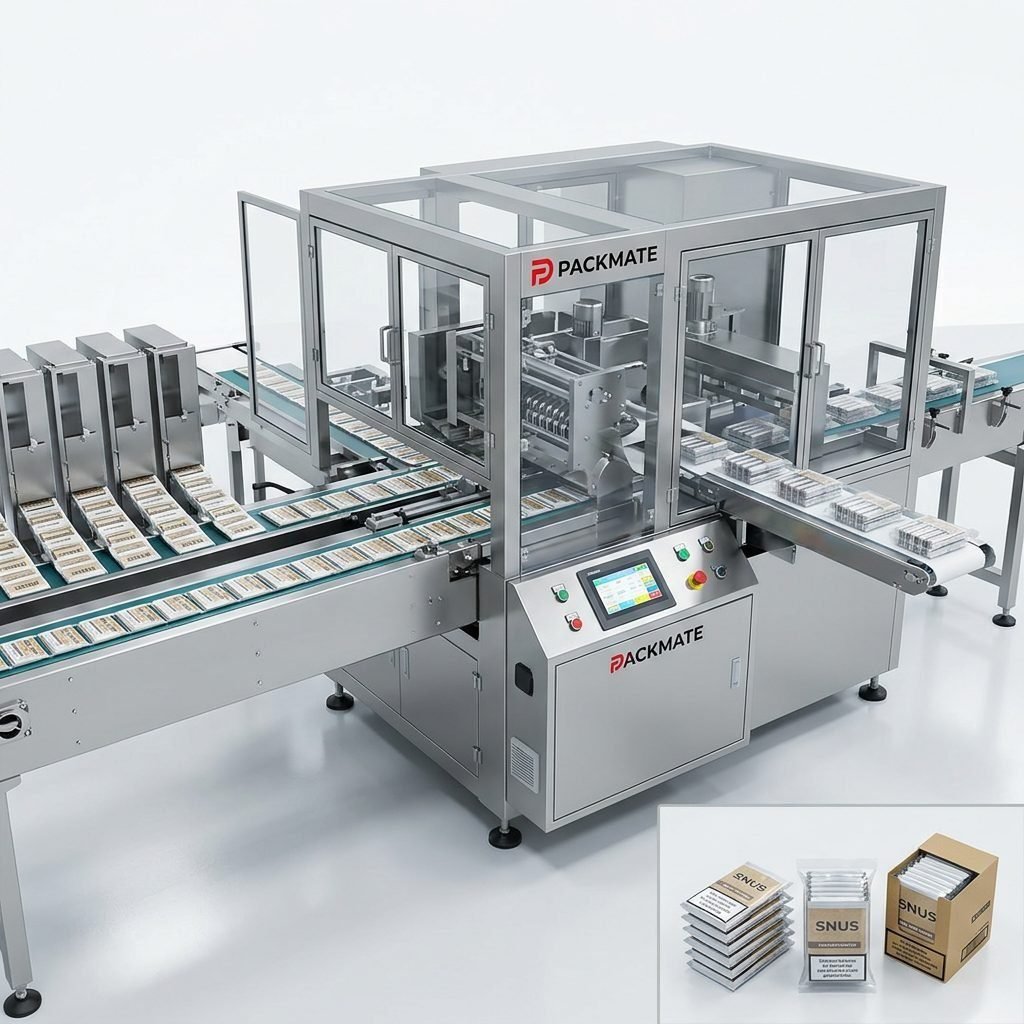
Choosing the right packaging machine for snus and nicotine pouches in Sierra Leone requires more than just comparing technical specifications. Climate, logistics, local regulations, workforce skills, and long‑term service are all critical factors. This guide walks you through practical steps to select a machine that fits your product format, production targets, and the unique conditions of Sierra Leone’s market.
Understand the Local Market and Regulatory Context
Sierra Leone’s market is shaped by local consumption habits, import patterns, and public health regulations. English is the official language for business, which simplifies documentation and training. Many consumers in Sierra Leone use smokeless tobacco and chewed products, so demand for pouch formats like snus and nicotine pouches exists alongside traditional forms. Consider:
Regulatory checks: Verify import permits, labeling requirements, and any tobacco‑product regulations enforced by Sierra Leone’s health and customs authorities.
Environmental factors: High humidity and warm temperatures along the coast can affect film handling and pouch sealing; choose machines and materials rated for these conditions.
Define Your Product and Packaging Format
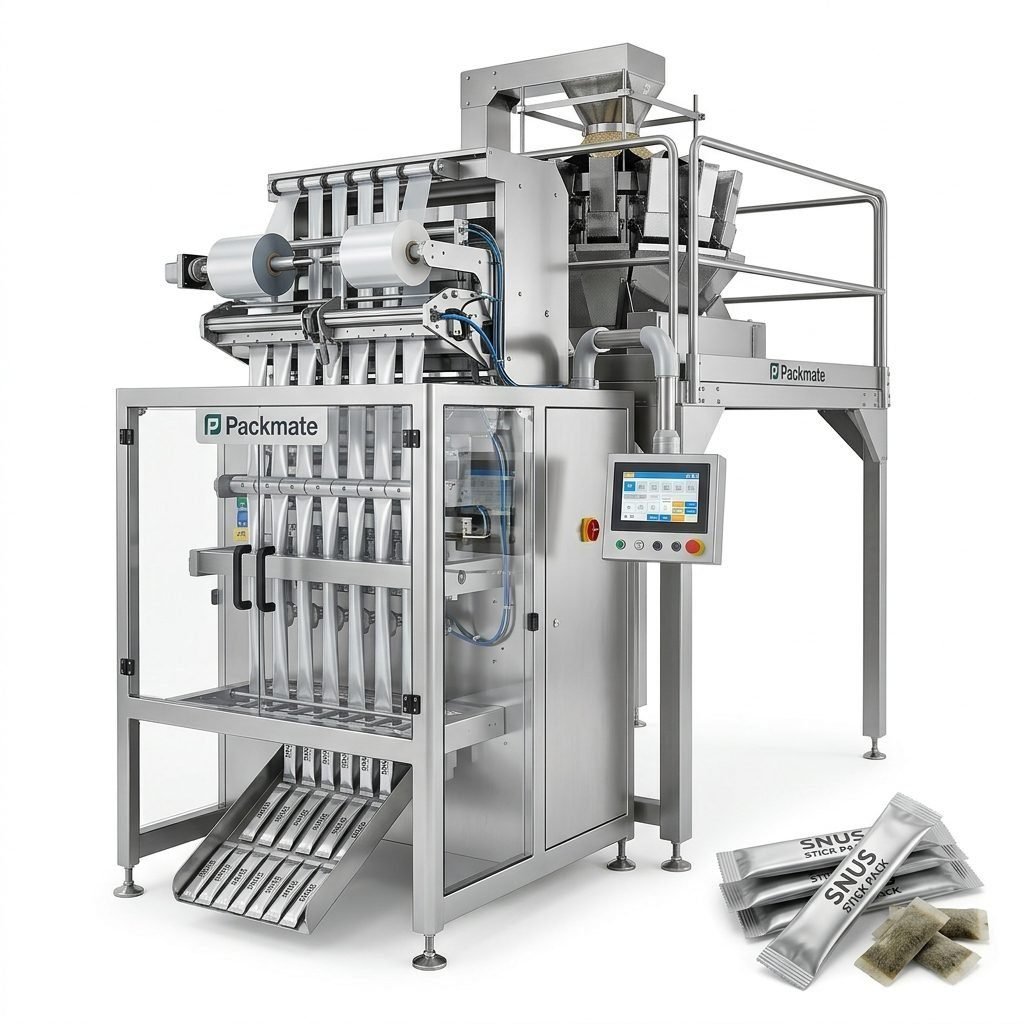
Before approaching manufacturers, clarify your finished product specs: pouch size, dose weight, single‑dose vs multi‑dose, and whether you want stick packs, sachets, or multi‑lane pouches. Each format has distinct machine types and tooling requirements.
Common formats for Sierra Leone tobacco businesses
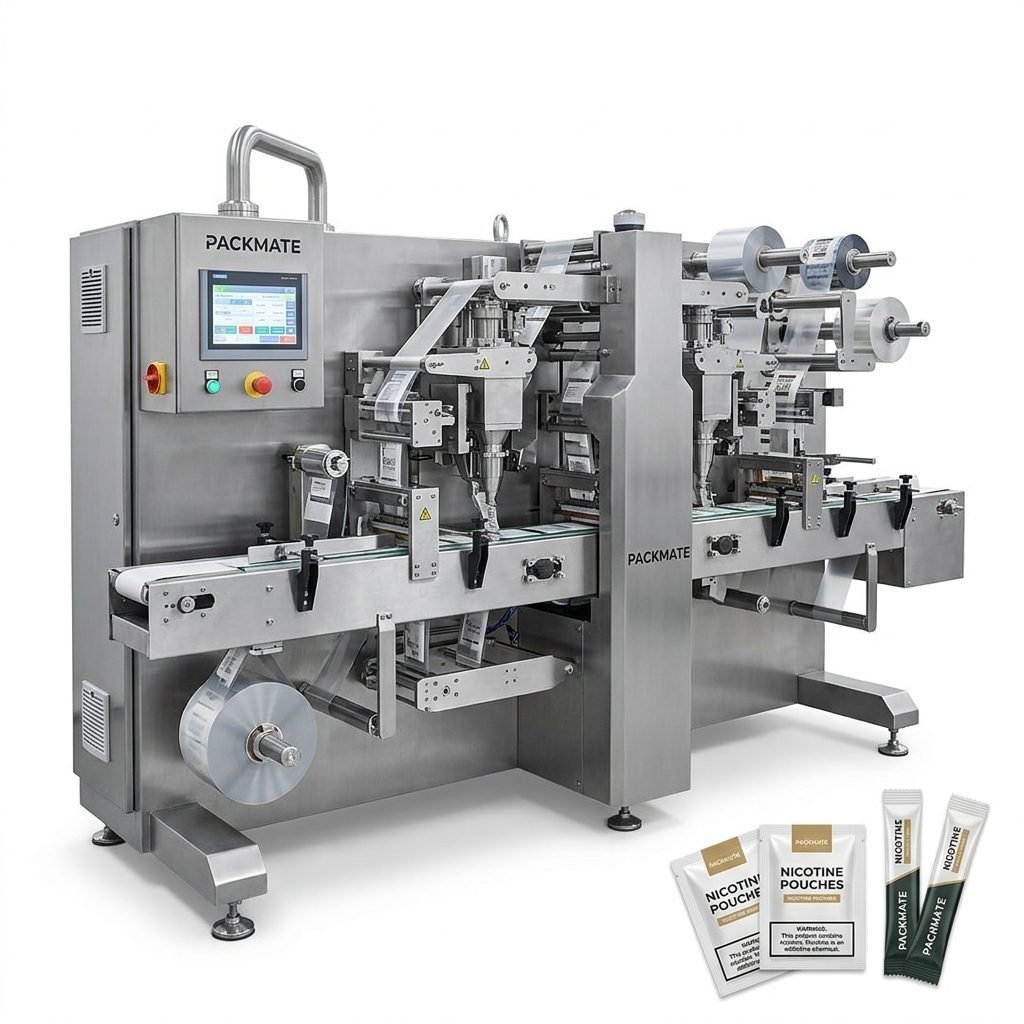
Stick packs — good for single‑dose portability.
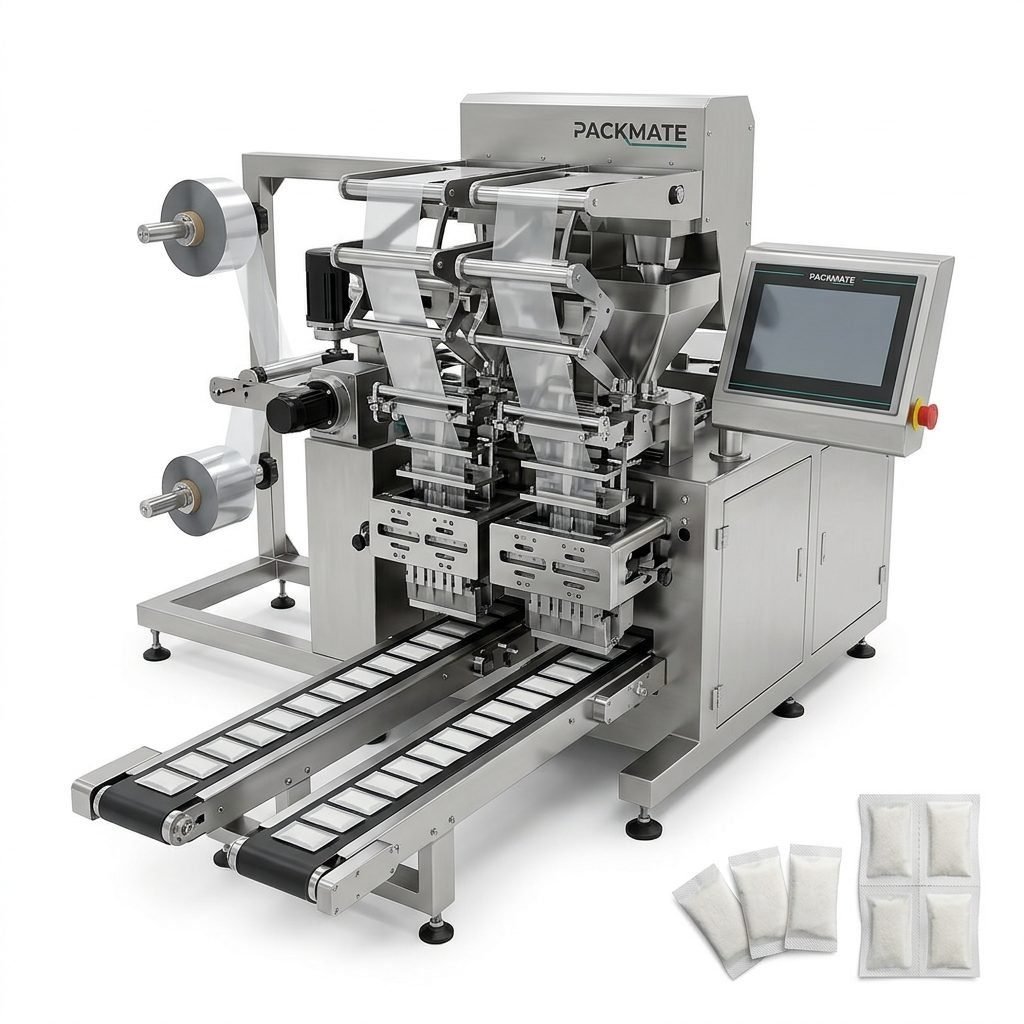
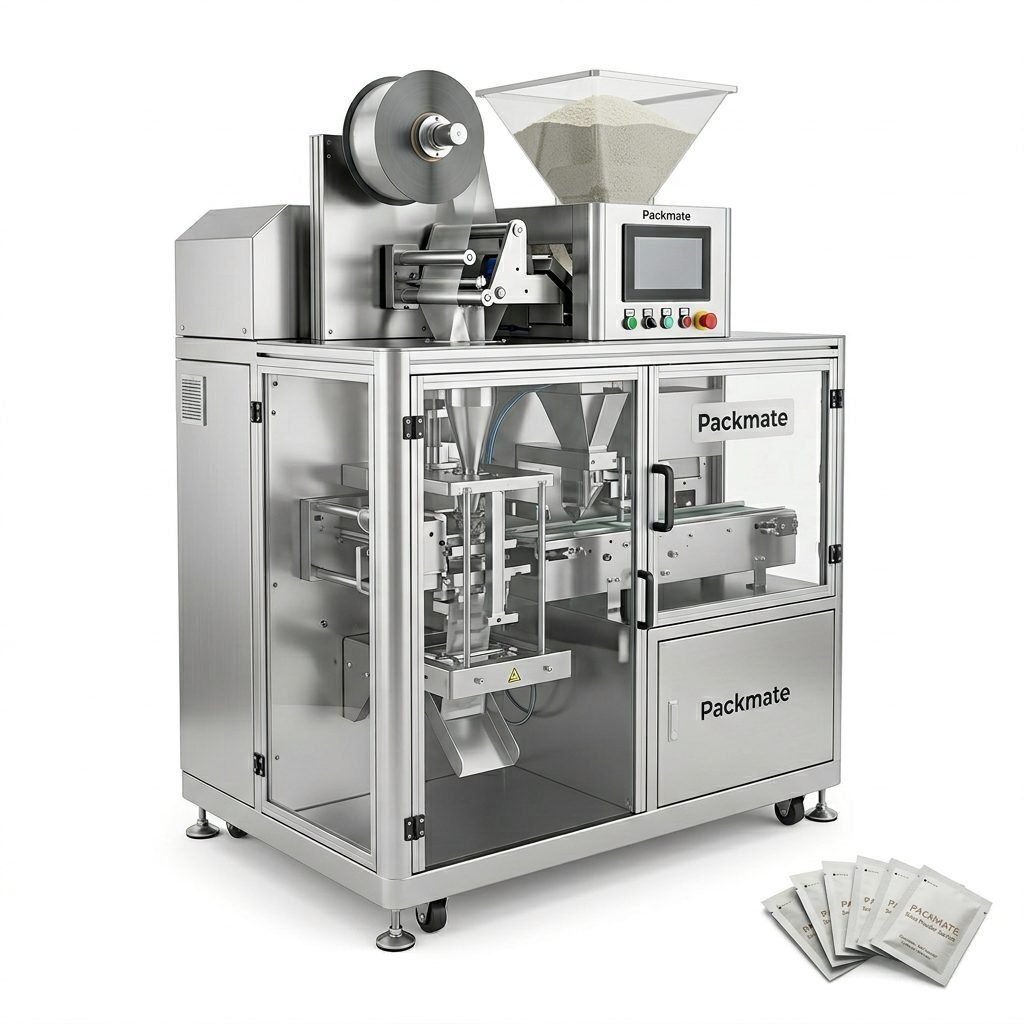
Sachets — flexible shapes and sizes.
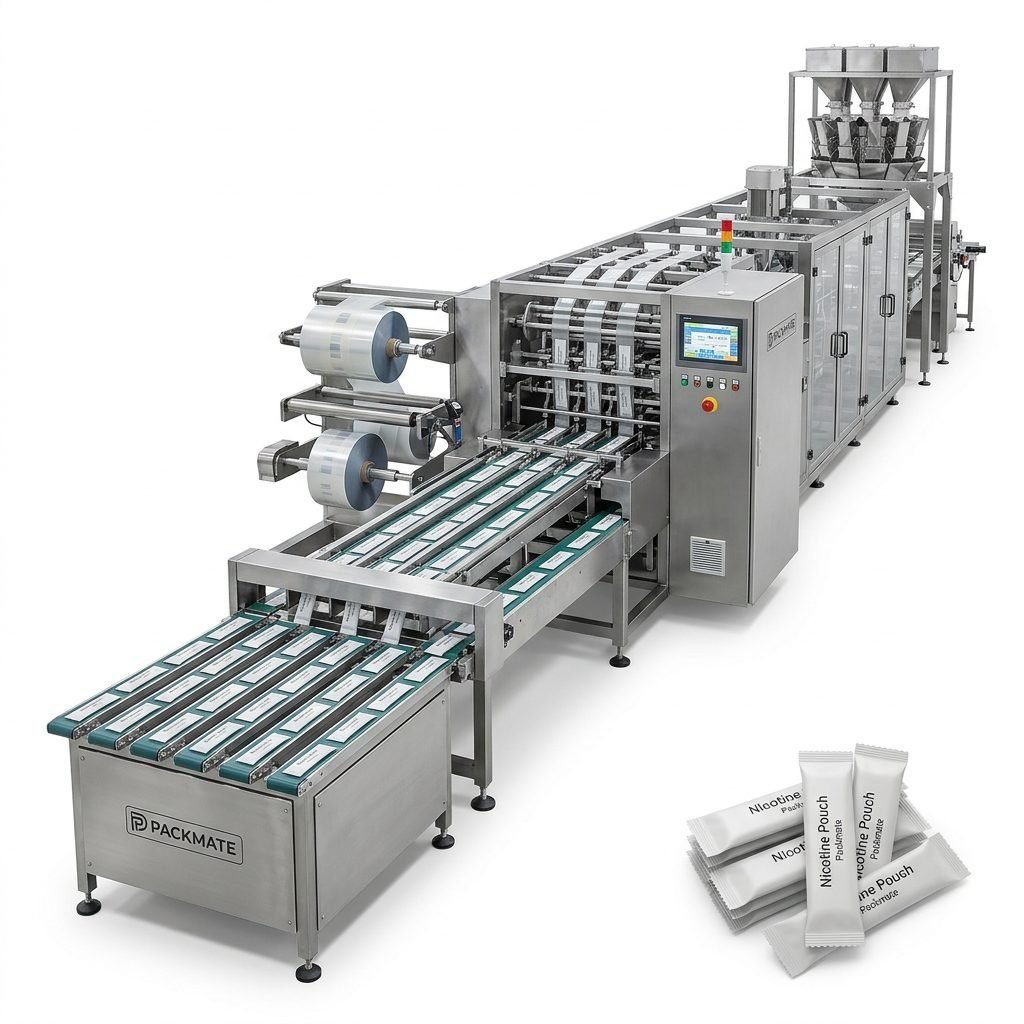
Multi‑lane small pouches — high throughput for larger volumes.
Key Technical Criteria to Compare
Focus on performance metrics that impact your cost, quality, and operational reliability.
Capacity & speed — measured in pouches per minute. Choose machines with scalable speed or multi‑lane options to grow output without replacing core equipment.
Filling accuracy — essential for nicotine pouches. Look for precision dosing systems and integrated weighing when necessary.
Sealing technology — reliable heat and pressure controls matter in humid climates to avoid seal failures.
Material compatibility — verify the machine handles the films and laminates you plan to use.
Controls, Automation & Hygiene
PLC controls, touchscreens, and recipe memory reduce operator error and speed product changeovers. For tobacco products, sanitation and ease of cleaning affect product integrity and maintenance downtime.
Practical Considerations for Sierra Leone Operations
Sierra Leone’s infrastructure influences machine selection and site planning.
🔌 Power stability: Expect occasional outages. Consider machines tolerant to voltage fluctuation, soft‑start motors, or the provision of a backup generator and voltage stabilizers.
🚚 Logistics & import: Freetown is the main port; plan for customs clearance times and packaging of equipment for safe transit.
Evaluate Supplier Capabilities and After‑Sales Support
Machine uptime depends heavily on supplier support. When evaluating vendors, ask about spare parts lead times, remote support, on‑site commissioning, and training. Suppliers with global service networks or experience supplying West Africa are advantageous.
Packmate’s background — 30+ years in packaging machinery and CE/ISO certifications — demonstrates manufacturing depth and compliance. See company details and product lines for examples of turnkey solutions on their About page: About Packmate.
Service checklist to request from suppliers
✅ Local or regional spare parts warehouse availability
✅ Remote diagnostics and PLC access for fast troubleshooting
✅ On‑site installation, commissioning, and operator training
✅ Documentation in English and clear parts lists
Total Cost of Ownership (TCO) and Return on Investment (ROI)
Purchase price is only part of the picture. Account for installation, consumables (films, adhesives), operator wages, maintenance, energy use, and downtime. A slightly more expensive, higher‑quality machine often delivers a faster ROI through reduced waste, fewer stoppages, and higher yield.
🔎 Example ROI factors: reduced film waste, fewer misfills, longer intervals between overhauls, and improved line uptime.
📈 Scalability: choose modular systems that allow adding lanes or upstream fillers as demand grows.
Recommended Machine Types and When to Choose Them
Match machine type to your business stage and product portfolio.
Entry level
Single‑lane stick pack or sachet machines are cost‑effective for startups testing the market.
Growth
Multi‑lane pouch machines and integrated weighing systems boost throughput and lower per‑unit labor cost.
High volume
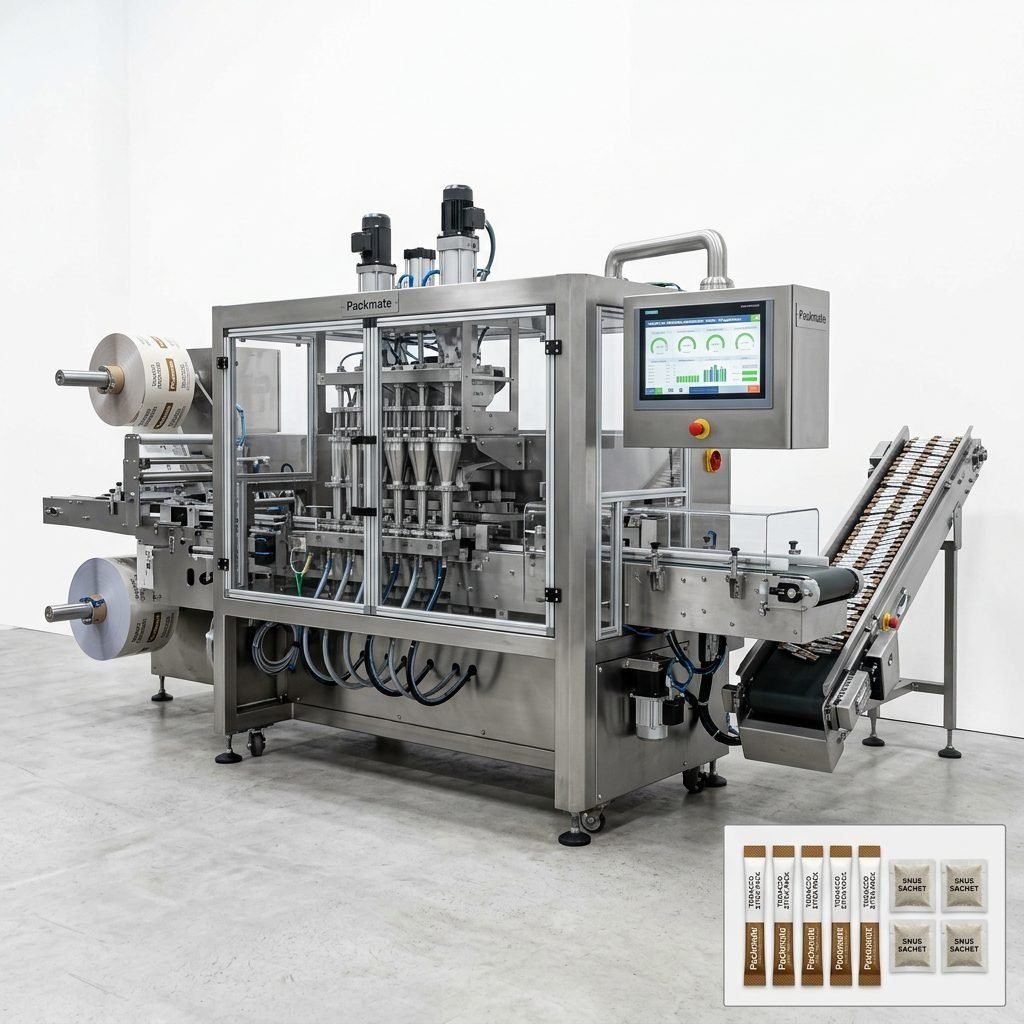
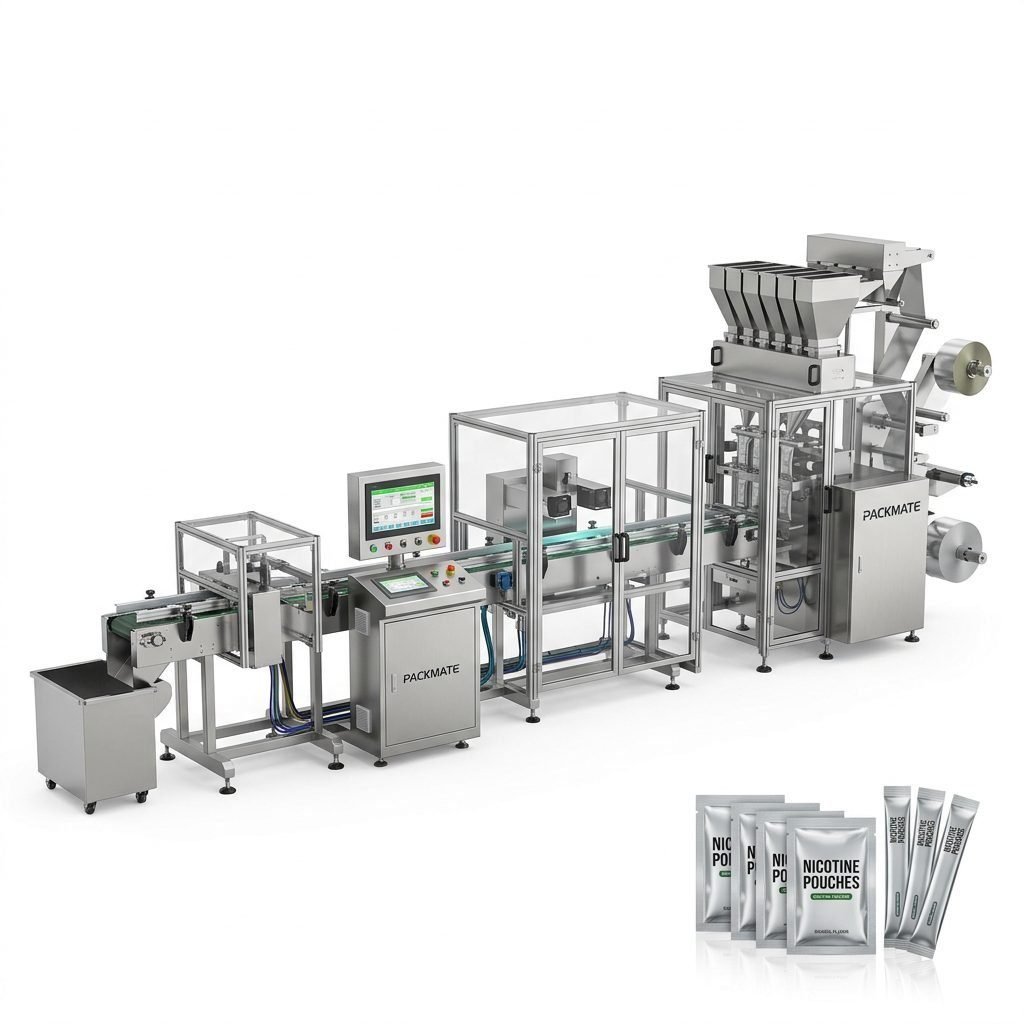
Fully automated filling and pouching lines, with upstream dosing and downstream bundling, are ideal when targeting regional distribution.
Materials, Films and Consumables
Film selection affects seal integrity and shelf life. In humid Sierra Leone, choose laminates with strong seal layers and conduct pre‑shipment trials to confirm performance. Verify compatibility with the chosen machine and ask suppliers for recommended film vendors.
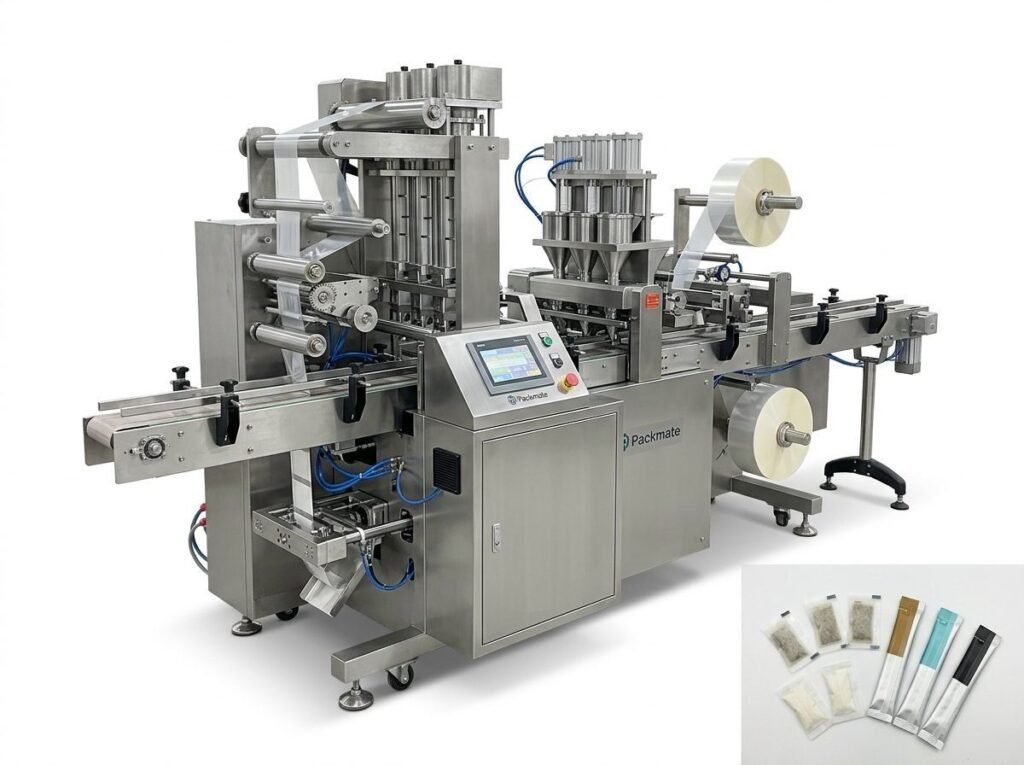
For product development and machine trials, industry suppliers often offer sample runs — a useful step before committing to high‑volume orders. Packmate offers multiple packaging configurations across their product range; explore options at Snus & Nicotine Packaging Machines and Sachet & Stick Pack Machines.
Installation, Training and Local Workforce Considerations
Local staff training is critical. Prioritize suppliers who provide comprehensive on‑site training, clear manuals, and remote support. If local technical skills are limited, plan for longer commissioning windows and possibly retaining a service contract for the first 12 months.
How to Run a Supplier Evaluation: Step by Step
Use a structured approach to compare proposals objectively.
- Define product specifications and target output.
- Request machine data: speed, accuracy, power requirements, weight, and footprint.
- Ask for video demos, client references, and on‑site trial options.
- Compare service packages, spare parts policies, and training scope.
- Evaluate long‑term costs and scalability rather than just initial price.
Why Choose an Experienced Manufacturer
An established manufacturer reduces risk. Look for companies with proven engineering, international certifications (CE, ISO), and a track record in snus/nicotine packaging lines. Packmate’s decades of development and a 20,000㎡ factory footprint mean better quality control and a broader selection of models to fit phased growth. Learn more about their capabilities and global cases at Case and About Packmate.
⚙️ Tip: Ask for an on‑site FAT (Factory Acceptance Test) or detailed video of a machine running your film and product. This dramatically reduces surprises at installation.
Financing, Procurement and Logistics
Consider leasing options or phased procurement as you scale. Factor customs duties, inland transport, and installation costs into the procurement budget. Work with freight forwarders experienced with heavy machinery and West African import procedures to avoid delays.
For additional product lines or upstream equipment, review integrated solutions such as Filling & Packaging Lines and Weighing & Packaging Systems.
Final Checklist Before Purchase
🔴 Confirm power requirements and site preparation details.
🔴 Verify spare parts list and initial spare kit included.
🔴 Ensure a clear warranty, service SLA, and training schedule.
🔴 Request performance data for similar products and client references.
Conclusion
Selecting the best snus packaging machine for Sierra Leone demands attention to product format, climate resilience, supplier support, and total cost of ownership. Prioritize machines with proven sealing performance in humid conditions, reliable dosing accuracy, and robust after‑sales service. Use supplier trials, reference checks, and a detailed service agreement to reduce risk. For a comprehensive search, review product portfolios like Packmate’s multi‑lane snus and nicotine packaging machines and align their solutions with your growth roadmap.
Frequently Asked Questions
Q1: What machine type is best for a small Sierra Leone startup?
A1: Single‑lane stick pack or sachet machines are ideal to test market acceptance with lower initial investment and simpler operation.
Q2: How important is humidity control?
A2: Very important. High humidity can compromise seals and film handling. Choose machines proven in similar climates and use suitable laminates designed for moisture resistance.
Q3: Can I get installation and training in Sierra Leone?
A3: Most reputable suppliers offer on‑site commissioning and training, or remote training where travel is limited. Confirm scope and language of training beforehand.
Q4: What are typical lead times for machines and spare parts?
A4: Lead times vary by model and customization, but plan for several weeks for standard machines and longer for custom turnkey lines. Ensure a spare parts agreement to avoid prolonged downtime.