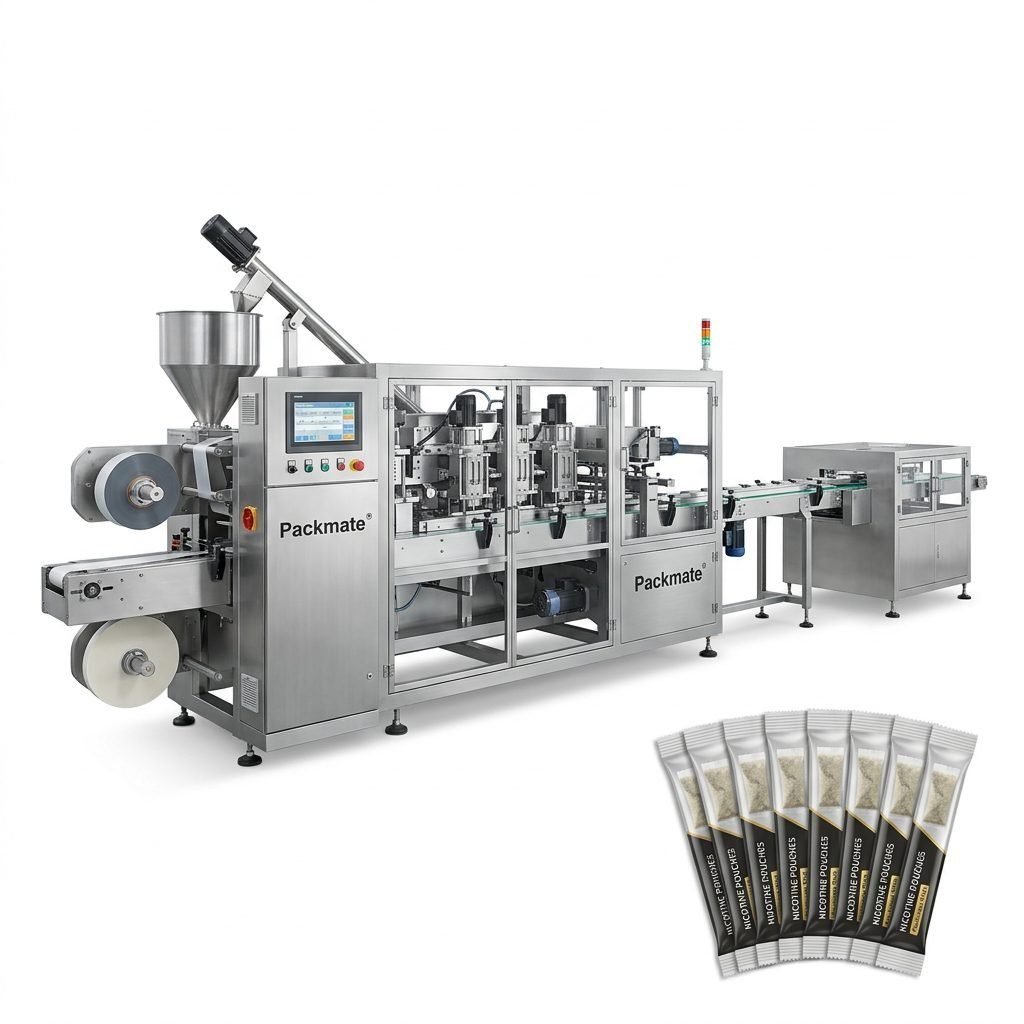
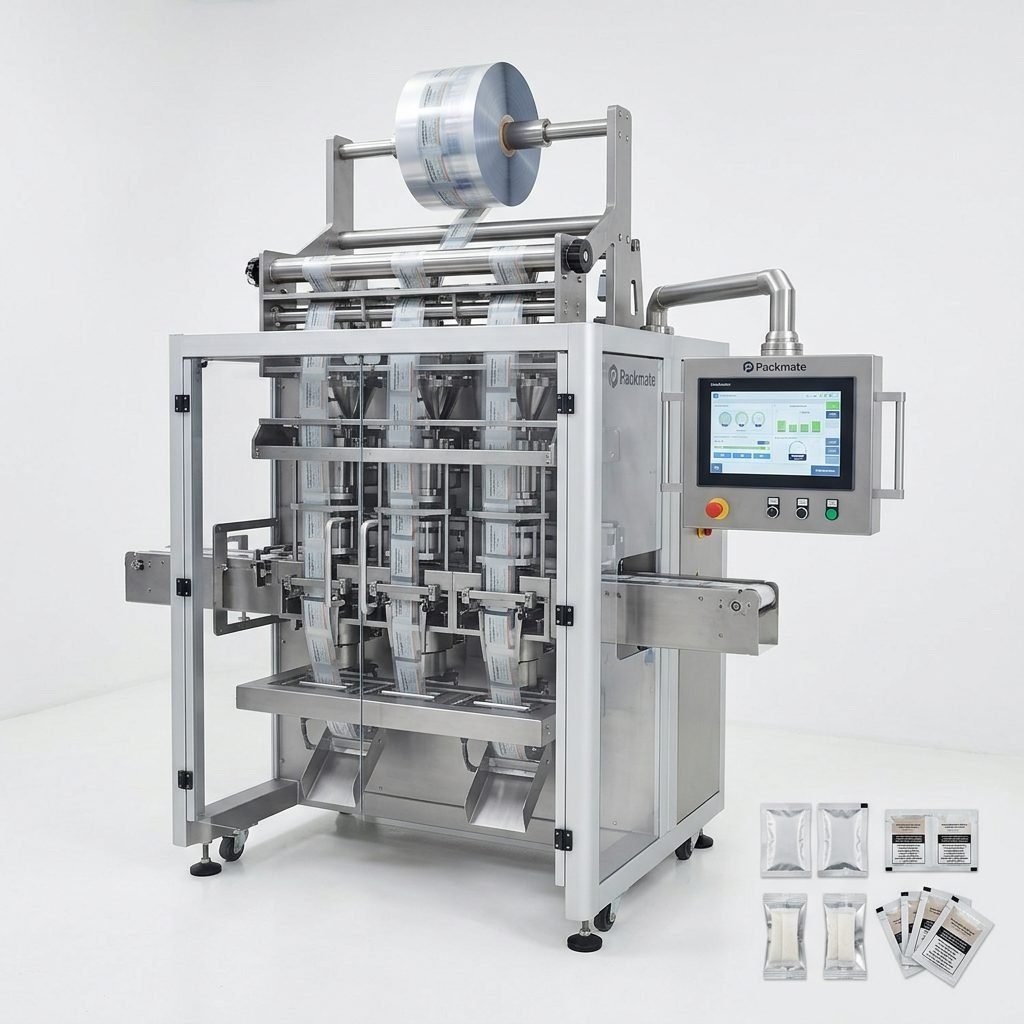
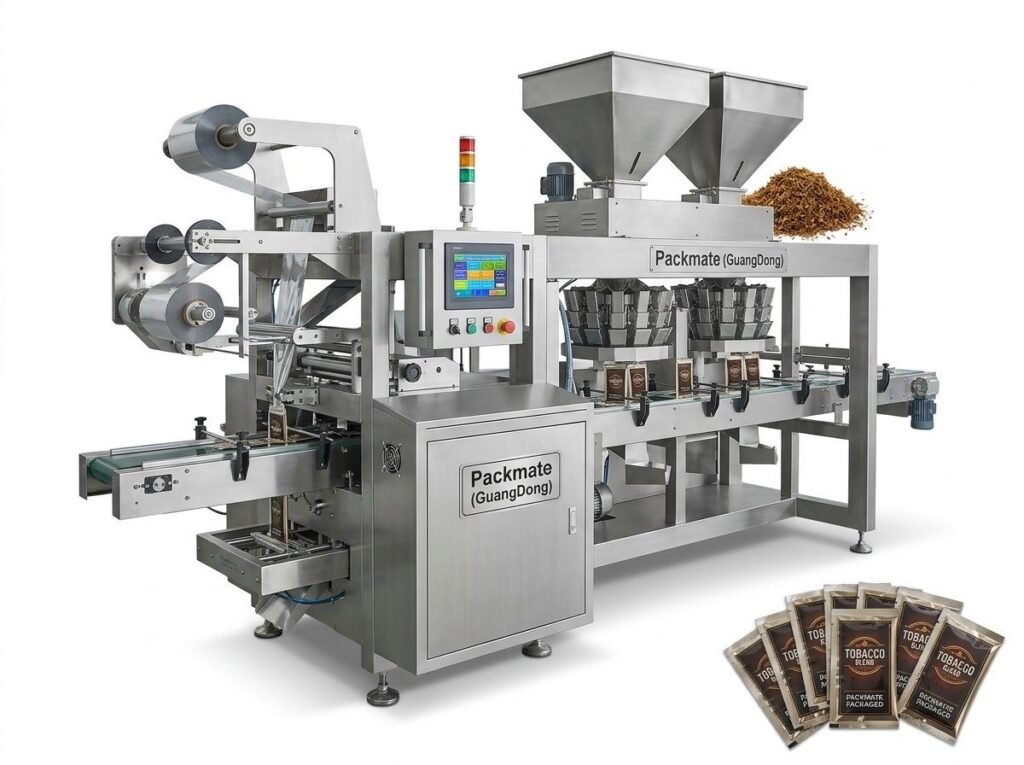
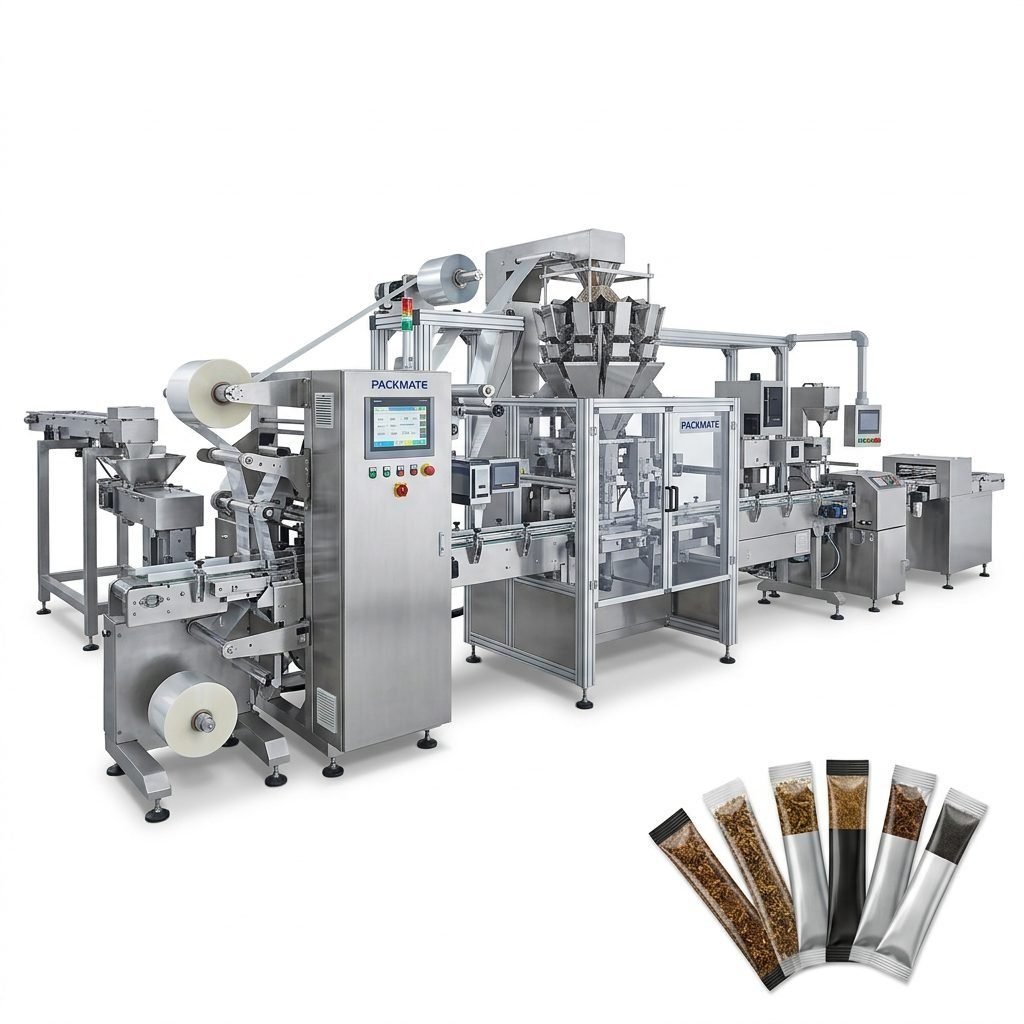
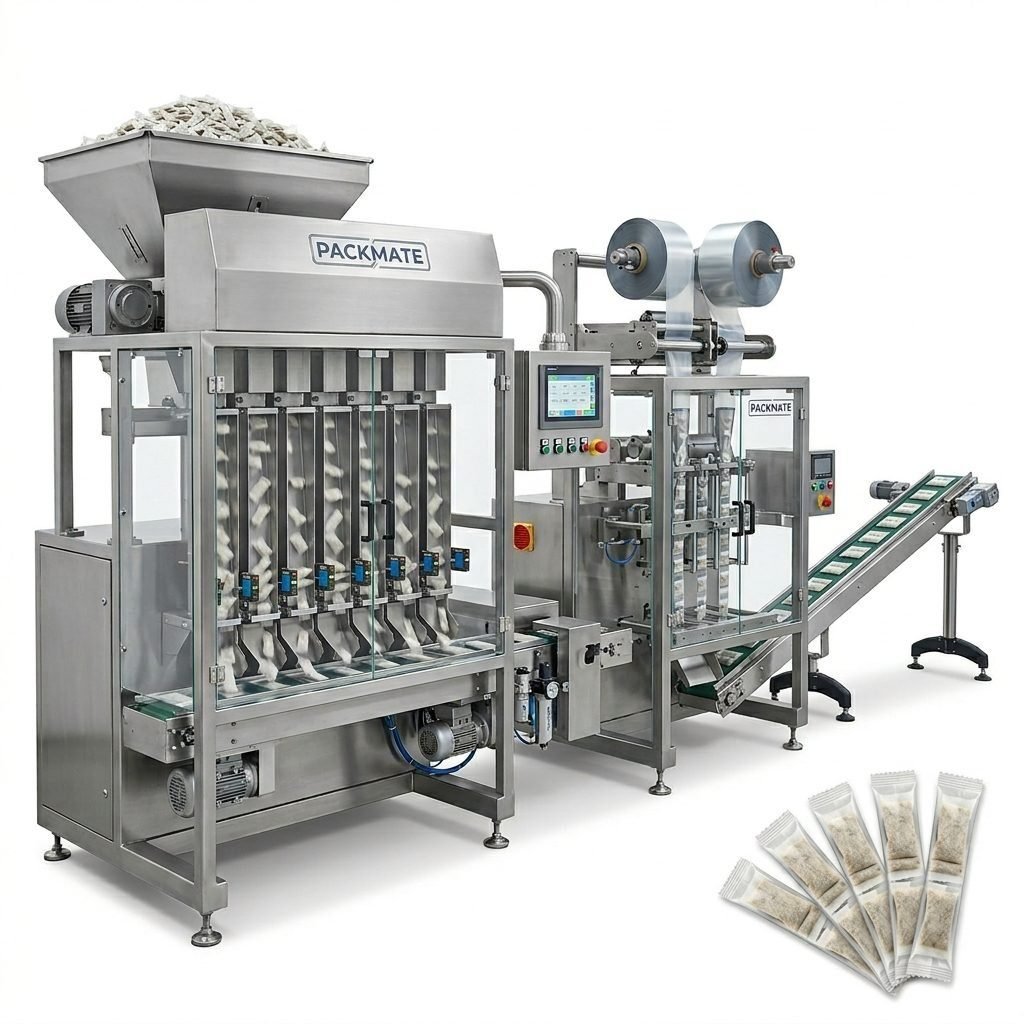
Choosing the right snus packaging machine in Brunei requires more than comparing specs and prices — it requires understanding local regulations, consumer habits, product formats, and the long-term service capability of the manufacturer. This guide walks you through the critical factors buyers must know, practical buying checklists, and how to evaluate vendors like Packmate when selecting a reliable snus / nicotine pouch packaging solution for Brunei’s market.
Understanding Brunei’s Market & Regulatory Context
Brunei is a conservative, predominantly Muslim country with strict public health and tobacco-related regulations. While demand for snus and nicotine pouches exists among specific consumer segments — such as expatriates, tourists at duty-free outlets, and niche domestic users — importers and producers must be especially careful with compliance. Before procurement, confirm local import rules, labeling requirements in Malay and English, and any restrictions on nicotine concentration or advertising. Local consumer preferences also favor discreet, hygienic packaging with clear dosing and tamper-evident seals.
Quick reminder
Always verify nicotine import permissions and product classification with Brunei’s Customs & Ministry of Health before finalizing machine delivery or production schedules.
1. Production Capacity & Throughput
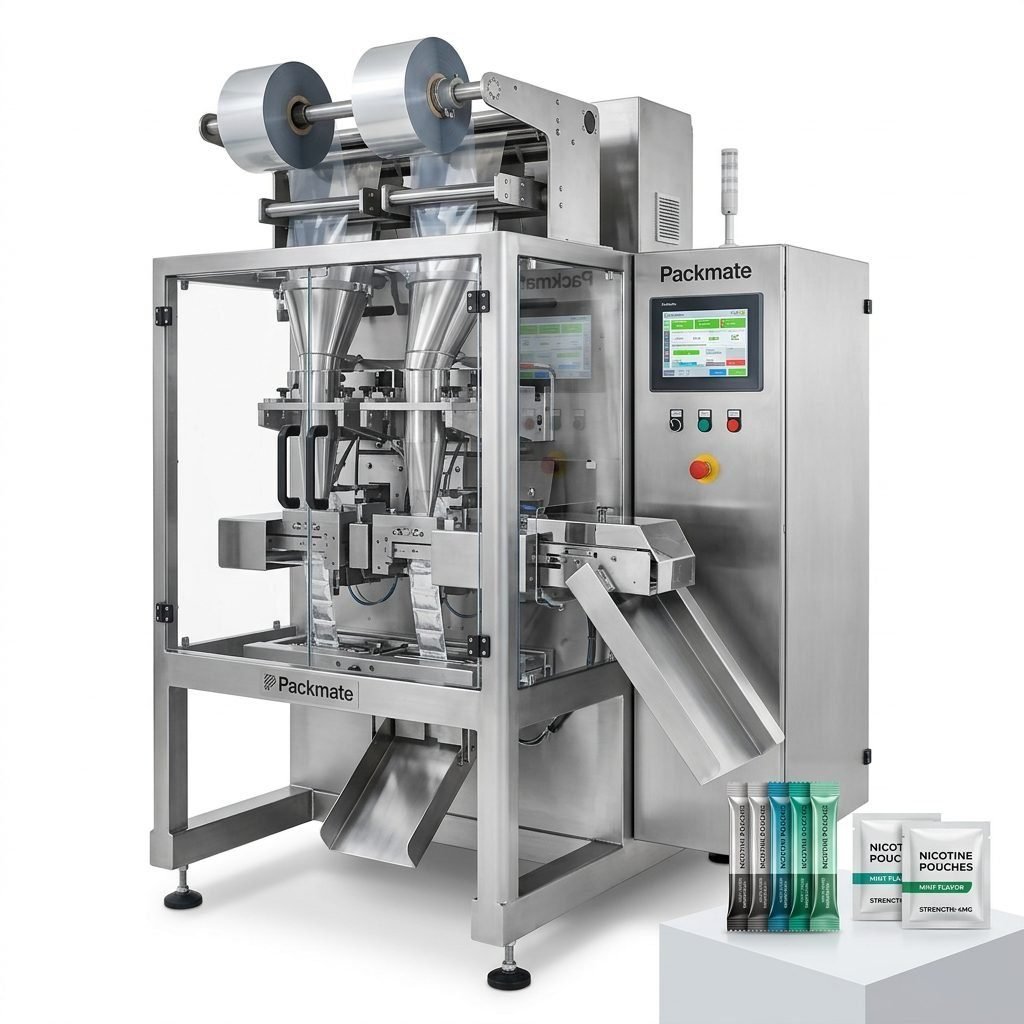
Match machine output to your business plan. For small-batch specialty suppliers and duty-free shops, a compact single-lane or 2-lane snus pouch machine may be sufficient. For distributors or contract manufacturers planning export to neighboring markets, multi-lane high-speed systems deliver better economies of scale. Look for machines with reliable speed specs expressed in pouches per minute at real working conditions, not just theoretical maximums.
What to ask the supplier
Request a machine performance report, video of identical machines running the same pouch format, and references in similar climates and markets. Packmate’s decades of experience in multi-lane snus systems and turnkey lines makes such documentation typically available for serious buyers.
2. Pouch Formats & Flexibility
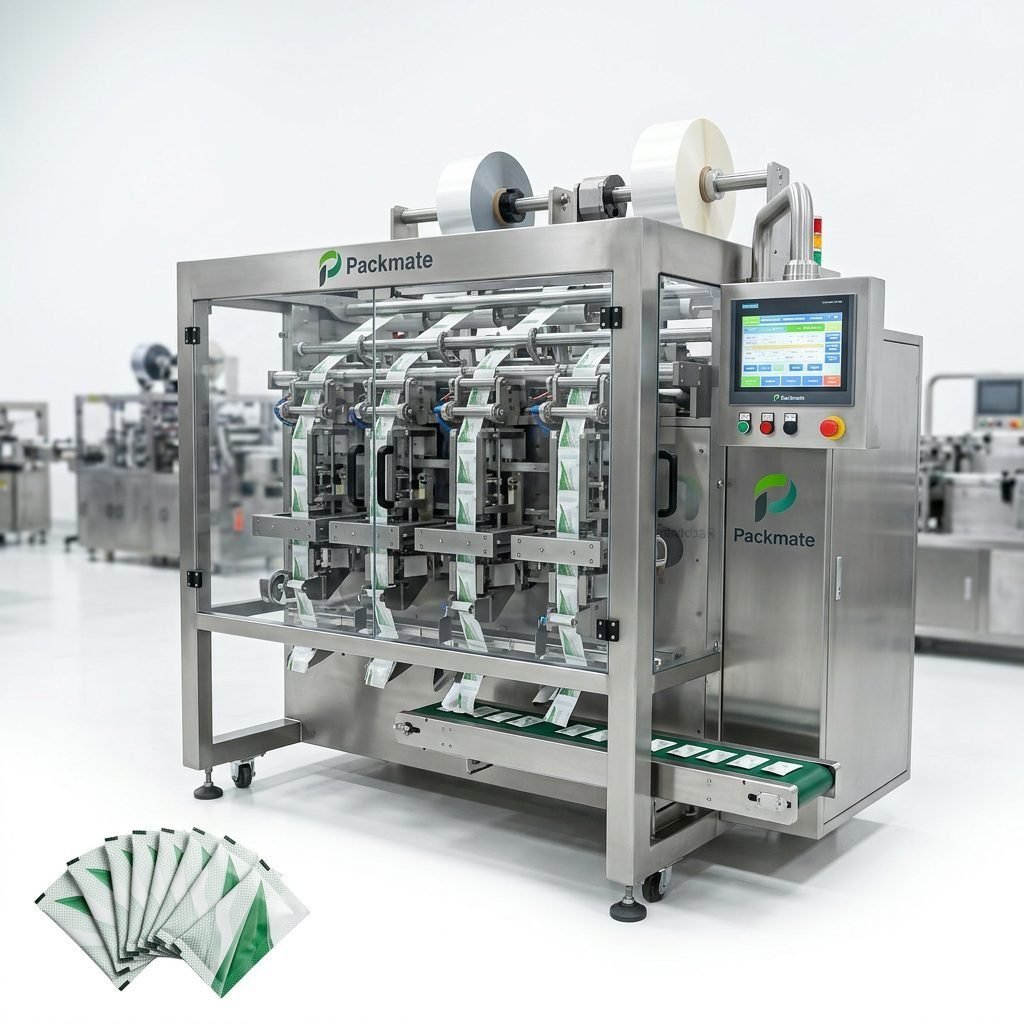
Snus and nicotine pouches come in various shapes: round pouches, oval or sachet-style pouches, stick packs, and multi-pouch strips. Choose a machine that supports the formats you plan to produce today and can adapt to new formats later. Flexibility reduces the need to buy multiple machines for evolving SKUs.
Look for modular tooling, quick changeover kits, and software presets for different pouch sizes and materials.
3. Filling Accuracy & Product Compatibility
Nicotine pouch filling requires high dosing accuracy to control potency and maintain regulatory compliance. Machines that integrate precision feeders, gravimetric or multi-head weighing systems, and gentle handling mechanisms will minimize rejects and ensure consistent pouch weight. Check whether the equipment can handle your product types — dry snus, slightly moist tobacco, or new synthetic nicotine blends — without clogging or contamination.
4. Hygiene, Materials & Cleanability
Hygienic design is essential. Stainless steel food-grade contact parts, easy-to-remove conveyors, and accessible cleaning paths reduce downtime and meet health inspection requirements. In Brunei’s humid climate, corrosion-resistant materials and good sealing of electrical cabinets improve long-term reliability.
5. Automation Level & Ease of Use
Decide how much automation you need. Fully automated turnkey lines deliver high throughput and low labor costs but require upfront investment. Semi-automatic machines are more affordable and easier to maintain for smaller producers. Prioritize intuitive HMI controls, recipe storage, and remote diagnostic capabilities for faster troubleshooting.
6. Changeover Time & Tooling Costs
Frequent SKU changes are common in niche snus markets. Fast changeover systems, pre-set tooling, and clear changeover instructions reduce downtime. Ask for the cost and lead time of additional tooling and spare parts to avoid surprises when expanding product lines.
7. Sealing Quality & Packaging Materials
Seals must be consistent to avoid leakage and maintain shelf life. Verify the machine’s compatibility with your chosen films — whether foil-laminate, paper-composite, or biodegradable films. High-quality sealing reduces complaints and supports premium positioning in duty-free or specialty stores.
8. After-sales Service, Training & Spare Parts
In Brunei, local technical support may be limited. Prioritize suppliers offering comprehensive training, remote support, fast spare parts shipping, and optional on-site commissioning. Suppliers with global service networks and documented spare parts availability reduce the risk of long outages.
Confirm mean-time-to-response, availability of regional technicians, and spare parts lead times before purchase.
9. Certifications & Compliance
Choose machines that meet international standards (CE, ISO) and have good quality documentation. For export-oriented manufacturers, certifications and traceable manufacturing records ease customs clearance and buyer assurance. Packmate’s CE and ISO-aligned production practices, factory capacity, and case histories are useful credentials to review when selecting a supplier.
10. Total Cost of Ownership & ROI
Evaluate beyond the purchase price: factor in installation, training, spare parts, utilities, and expected uptime. Higher initial investment in reliable multi-lane systems often results in lower cost per pouch and faster ROI for larger volumes. For smaller producers, compact modular machines can reduce initial capital while allowing future scalability.
Local logistics & customs
Shipping heavy machinery to Brunei requires planning for port handling, local craneage, and certified electrical installations. Engage freight forwarders experienced with BSB port and local customs procedures. Verify whether the supplier provides export documentation, machine manuals in English, and any necessary compliance certificates to smooth customs clearance.
Packaging Design & Labeling Considerations for Brunei
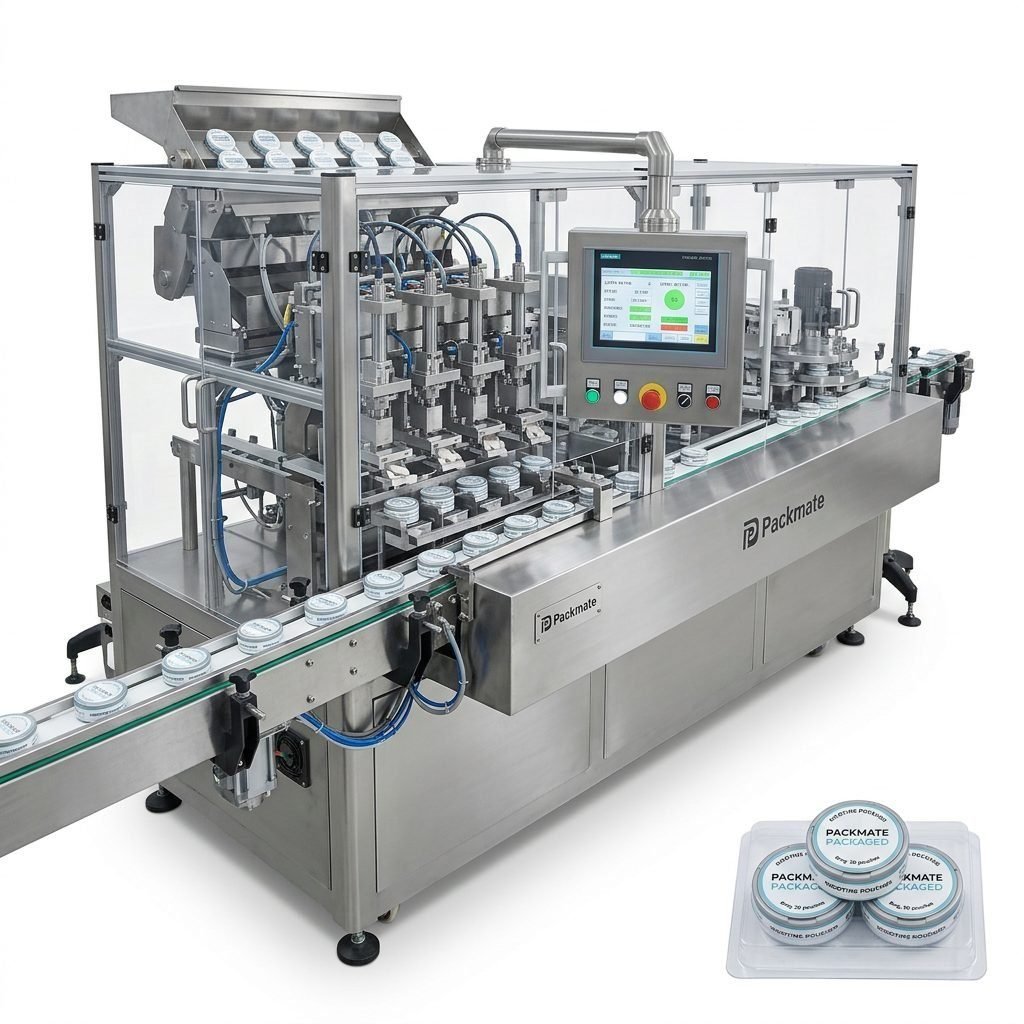
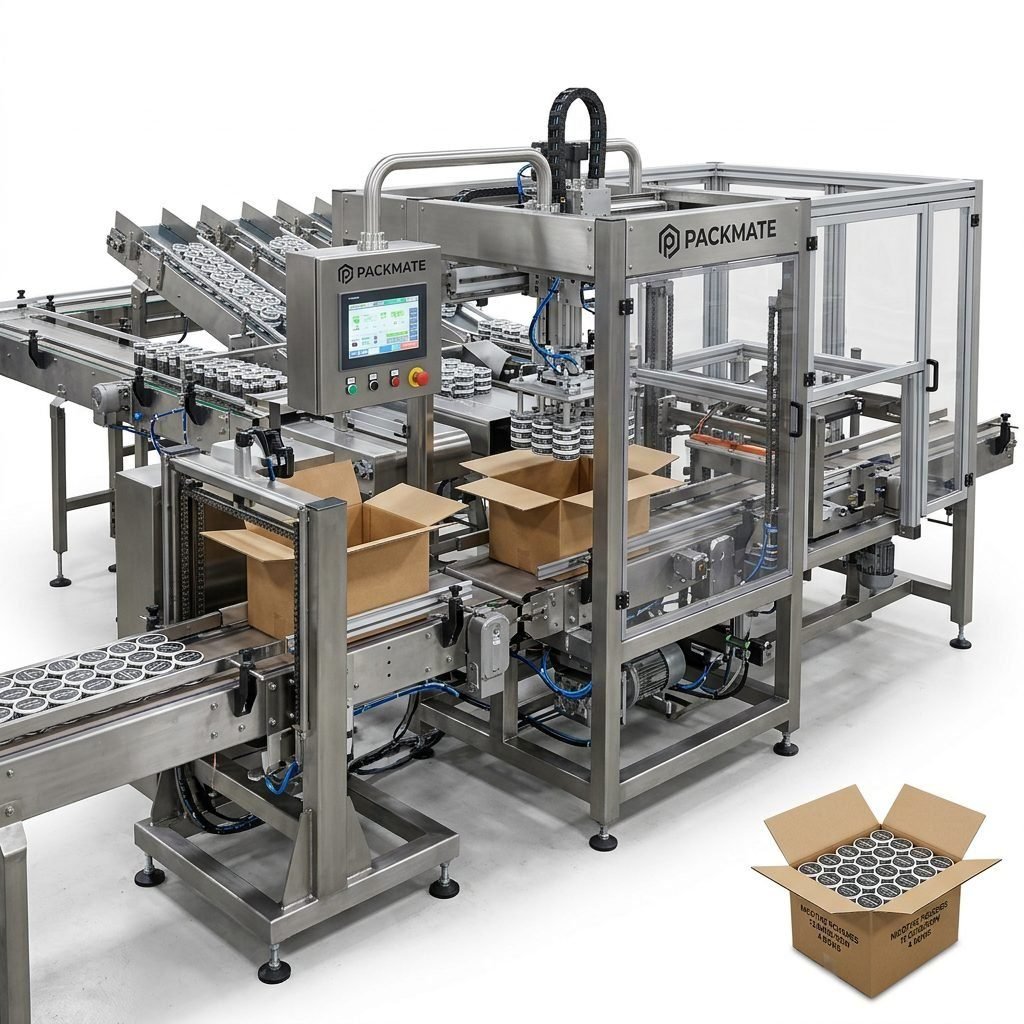
Design labels in Malay and English, include required health warnings, ingredients, net weight, manufacturer/importer details, and batch codes. For duty-free and tourism markets, premium aesthetics — matte finishes, embossed logos, and resealable tins — can command higher price points. Ensure your machine supports features like tin loading, insert placement, or secondary packaging for boxed sets.
Why supplier experience matters: Packmate example
Experienced manufacturers like Packmate (with 30+ years engineering background and 20,000㎡ factory capacity) provide proven multi-lane snus systems, accessory equipment, and complete production lines. Their global exhibition presence, case studies, and certifications can offer extra assurance for Brunei-based buyers who need dependable machines, documented performance, and accessible service.
Explore Packmate’s product ranges to compare models and request tailored solutions:
Snus & Nicotine Packaging Machines,
Bag & Pouch Packaging Machines, and
About Packmate.
Practical Buying Checklist (One-page summary)
🔎 Technical & Operational
• Verify throughput (real-world pouches/min) and test videos
• Confirm pouch formats, tooling cost, and changeover time
• Check dosing accuracy, filling technology, and contamination controls
• Materials compatibility and ease of cleaning
📦 Commercial & Compliance
• Certifications (CE/ISO) and export documentation
• After-sales training, remote support, and spare parts availability
• Local customs, labeling, and nicotine import rules in Brunei
How to Evaluate Supplier Claims
Ask for machine references in similar product lines, factory acceptance tests (FAT) videos, and customer case studies. Independent factory audits, exhibition demos, and on-site visits (if feasible) provide insights into production quality and assembly standards. For convenience, check supplier case examples online — for instance, Packmate’s global Case page — to review real-world deployments and performance.
Relevant links:
Case,
Service,
Contact Us.
Final recommendations
✔️ Start small, scale smart: If your Brunei volumes are modest, begin with a flexible semi-automatic line and scale to multi-lane automation as demand grows.
✔️ Prioritize compliance: Ensure labeling, nicotine content, and import permissions are cleared before production to avoid costly holds.
✔️ Verify support: Choose a manufacturer that offers remote diagnostics, spare parts, and on-site commissioning for faster uptime.
Closing note
Selecting the best snus packaging machine for Brunei combines technical requirements, regulatory diligence, and supplier reliability. Taking time to validate machine performance, confirm service levels, and prepare for local compliance will save time and money while ensuring a smooth market entry or production ramp-up.
Common Questions
Q1: Can I import a snus filling machine into Brunei?
A: Import is possible but subject to customs and health regulations. Confirm nicotine classification, labeling, and any permit requirements with Brunei authorities before ordering.
Q2: What is the best pouch format for Brunei consumers?
A: Smaller, discreet pouches and resealable tins are preferred in conservative markets and duty-free retail. Offer clear dosing and bilingual labeling to build trust.
Q3: How important are machine certifications?
A: Very important. CE and ISO-aligned manufacturing practices ease customs, buyer acceptance, and ensure machine safety and reliability.
Q4: Where can I see machine references and case studies?
A: Check supplier case pages and request FAT videos. For Packmate examples and product lines, visit their Case and product pages linked above.