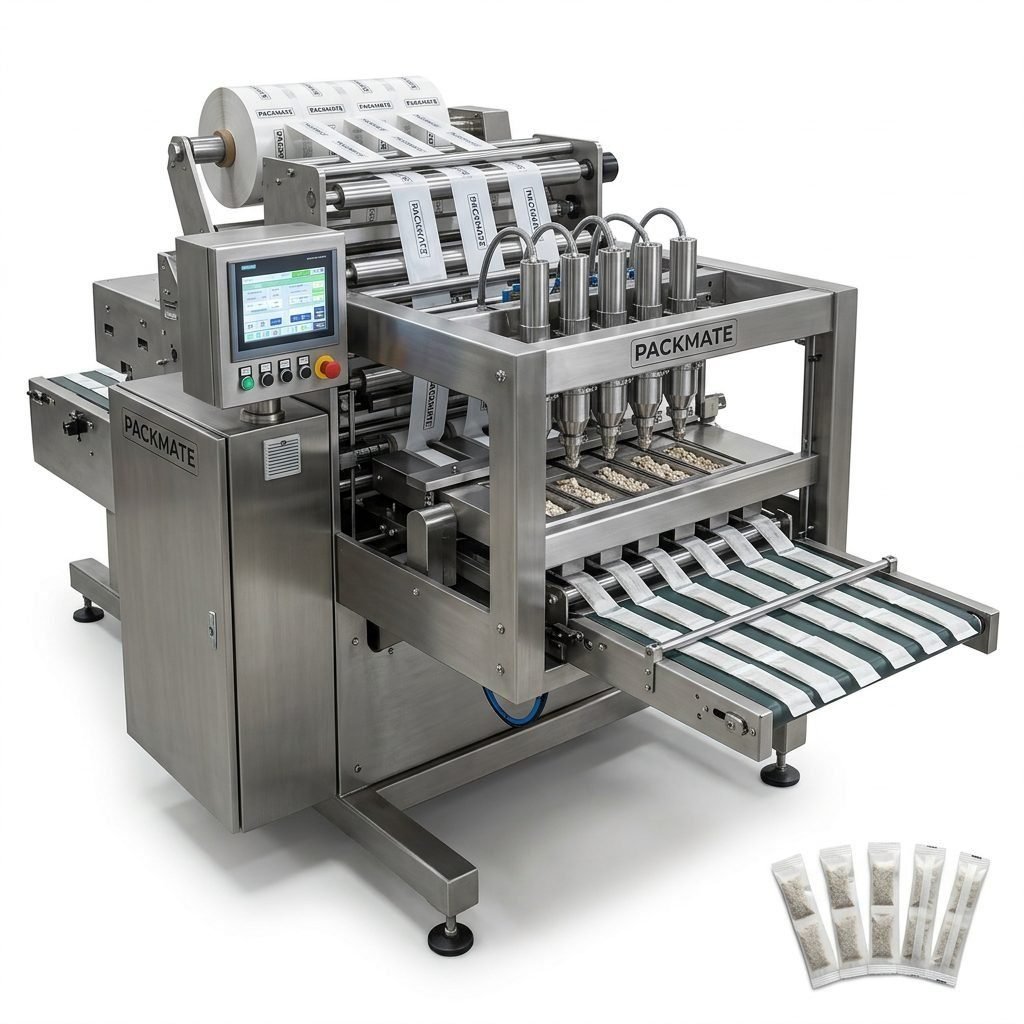
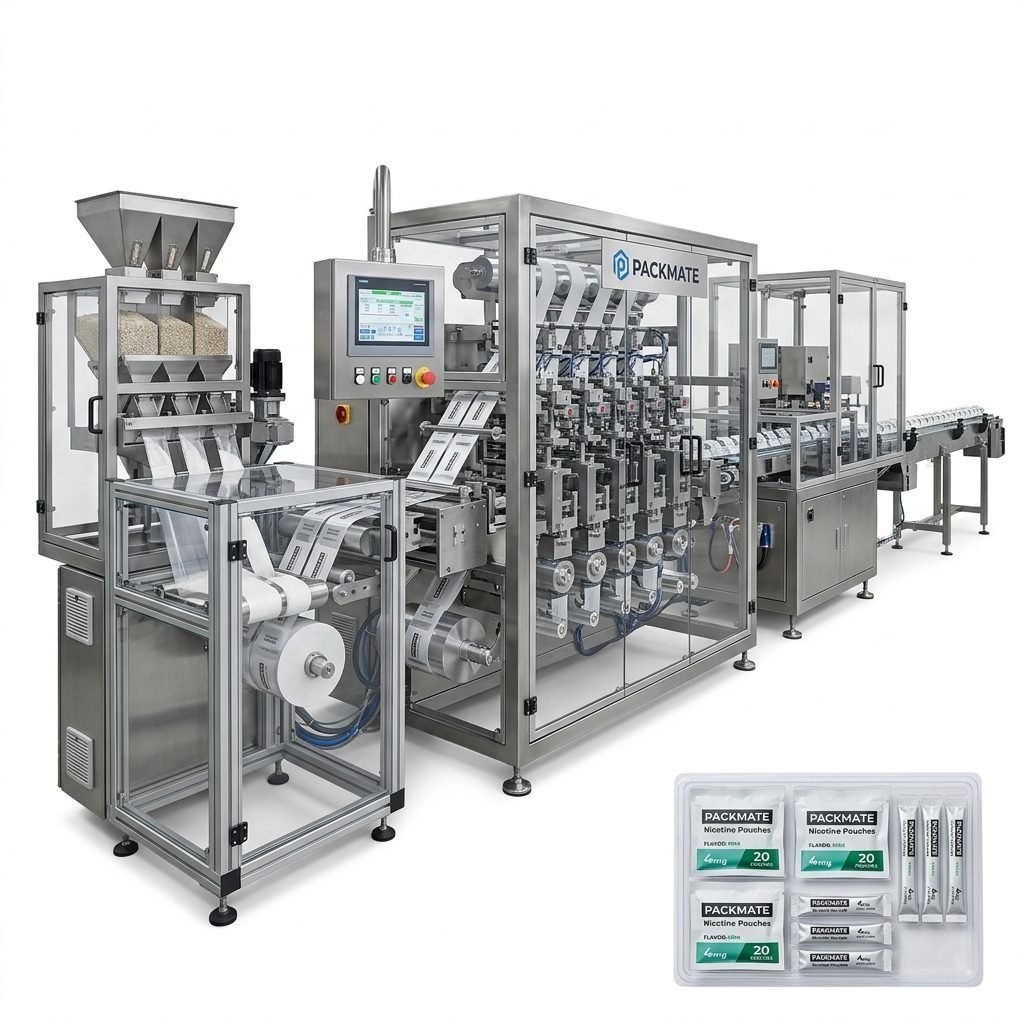
The modern snus and nicotine pouch market demands packaging solutions that are fast, reliable, and flexible. This article explores the design, operation, and commercial advantages of an Automatic Snus Filling Machine — a fully automated portion packing solution engineered for both slim and loose snus formats. We will cover machine features, production line design, material handling, quality control, and after-sales considerations to help decision-makers choose the right equipment for their production goals.
Overview: What an Automatic Snus Filling Machine Delivers
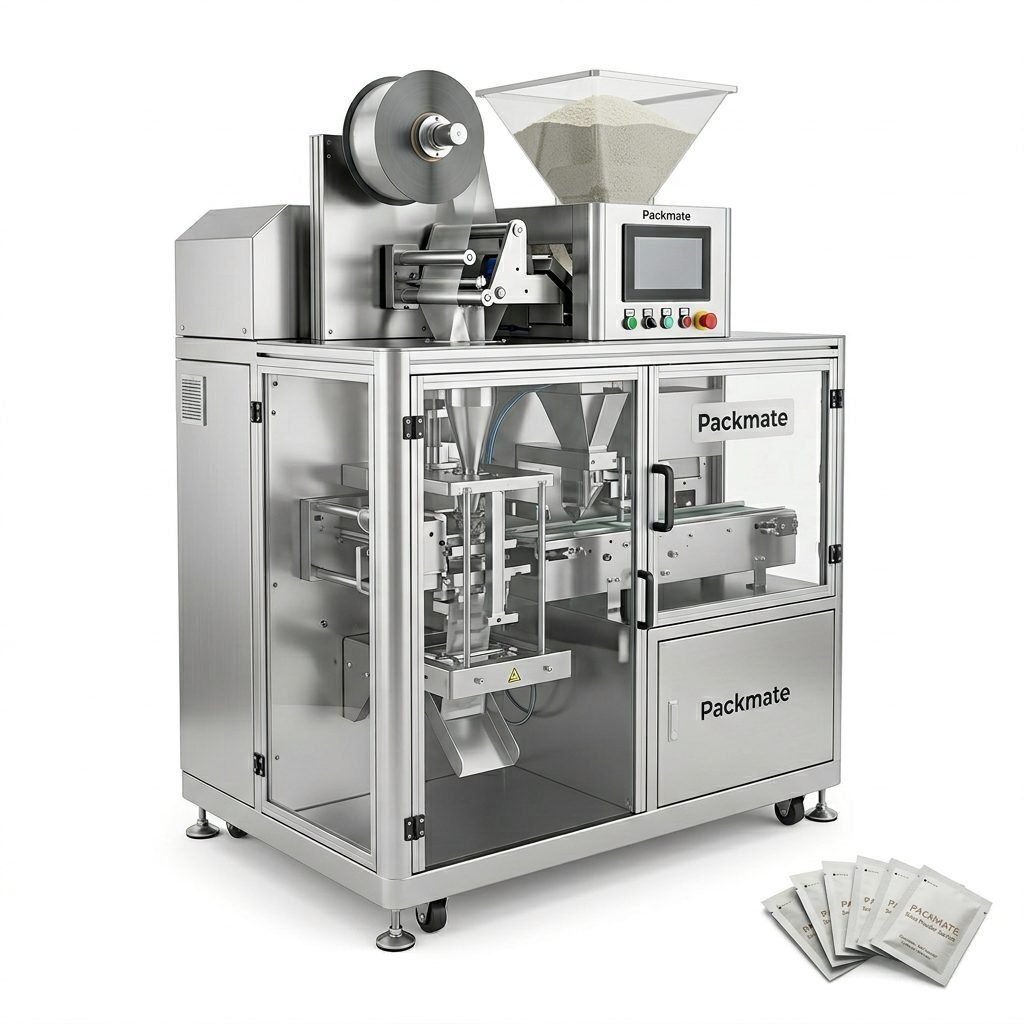
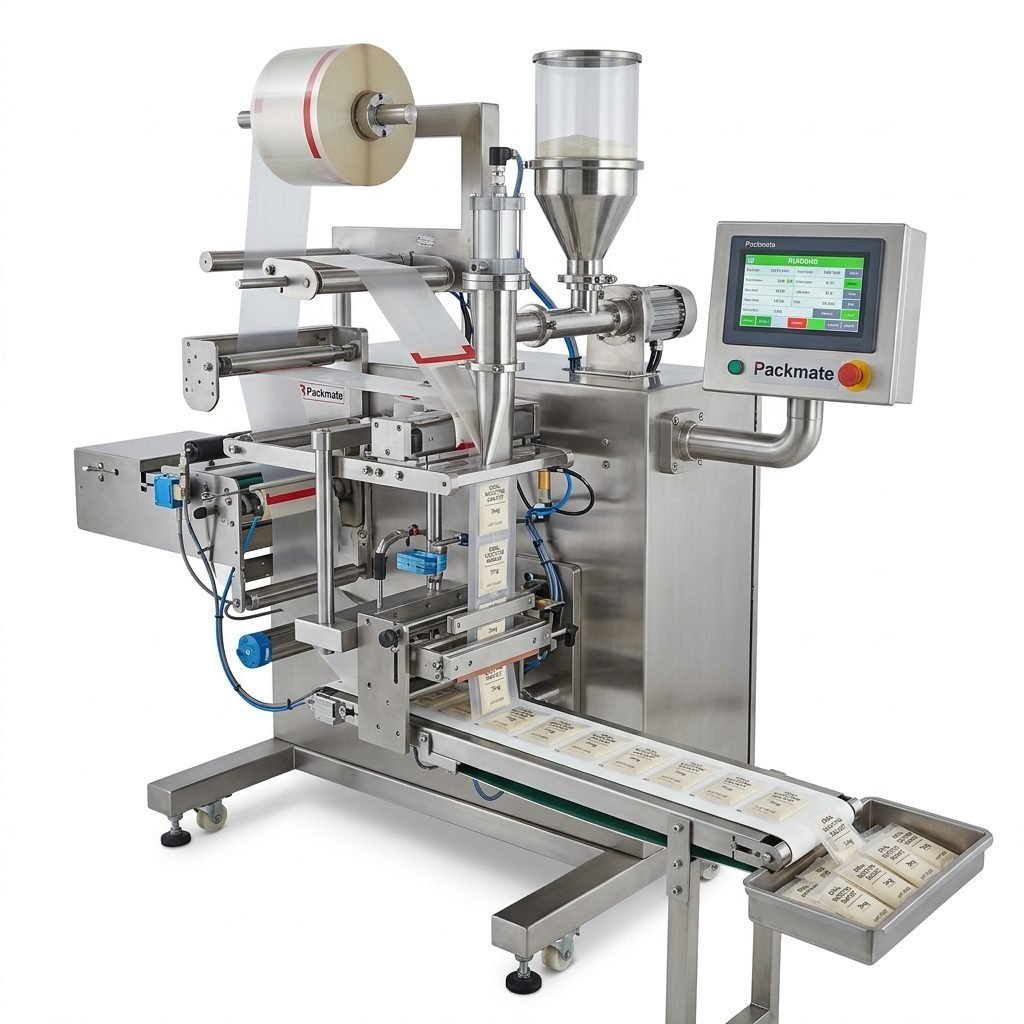
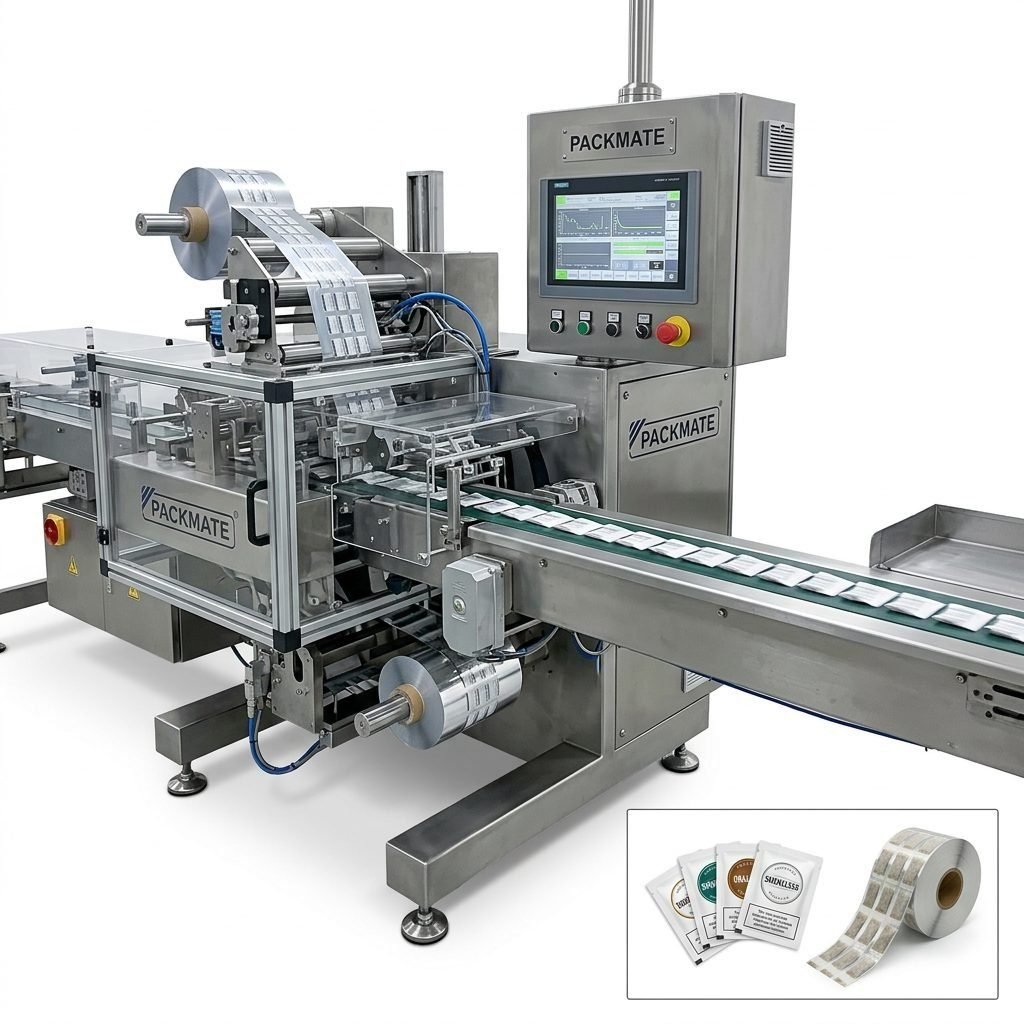
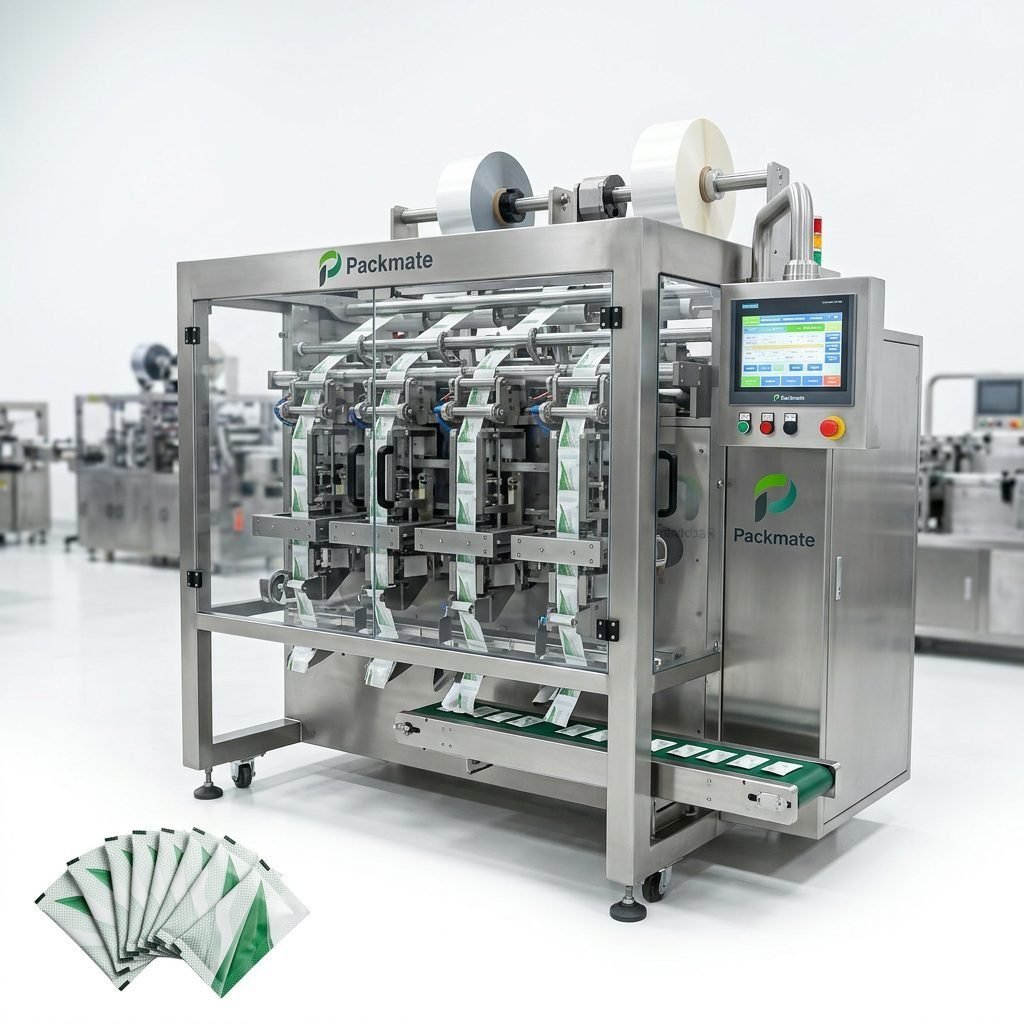
An Automatic Snus Filling Machine integrates precise metering, pouch forming, filling, sealing, and discharge into a single continuous process. These machines are engineered to handle a range of portion formats — from slim, small-dose pouches to looser, larger portions — while maintaining consistent weight, seal integrity, and production speed.
Key benefits: high throughput, accurate dosing, minimal downtime, and easy format changeover. ✅
Core Components and Working Principle
A typical automatic snus filling line includes the following subsystems: material feeding and dosing, pouch or portion formation, filling station, seal and trim station, quality inspection, and final collection or secondary packaging. Most manufacturers combine PLC control, servo motors, and precision sensors to coordinate each motion and ensure repeatable performance.
• Dosing unit: volumetric or gravimetric dosing that precisely measures tobacco or nicotine pouch material for each portion. ℹ️
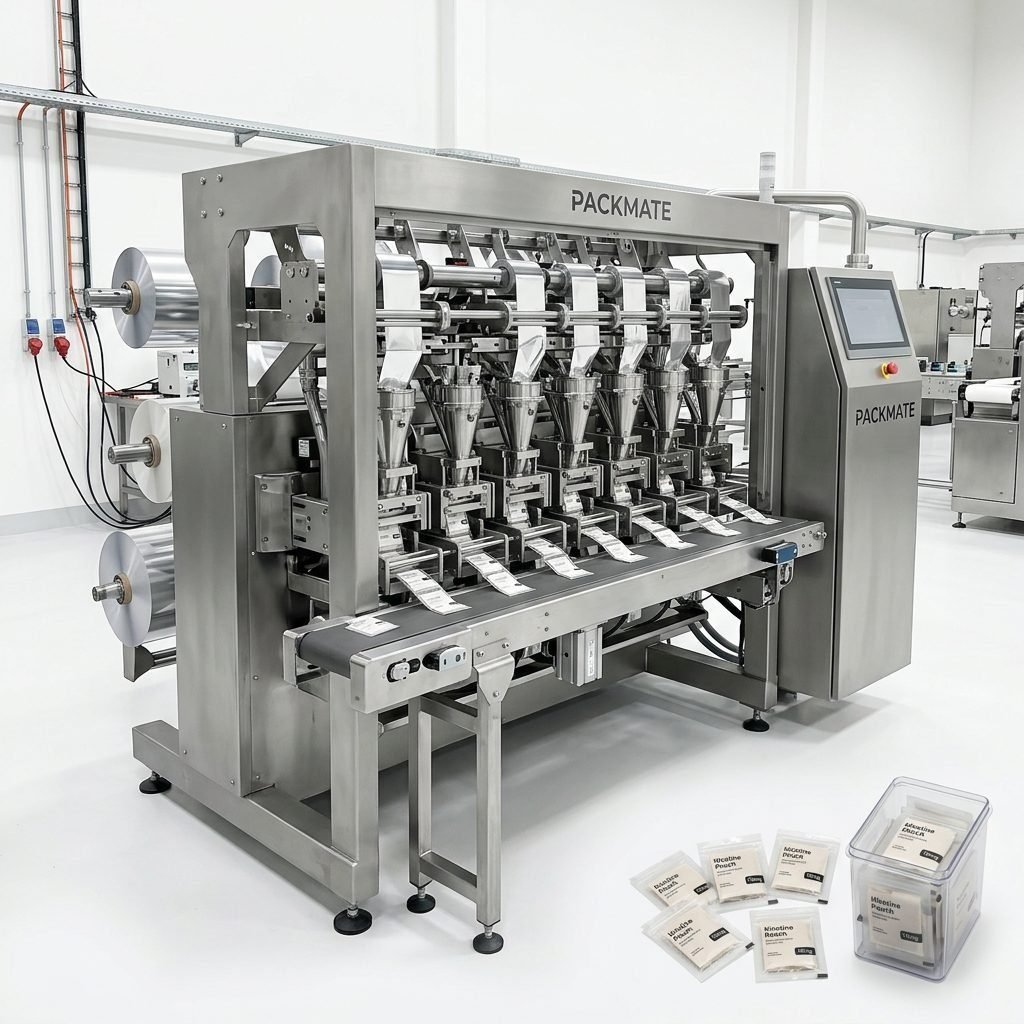
• Forming/Weighing: multi-lane options for high output, or single-lane lines for specialty products. ⚙️
• Sealing and trimming: ultrasonic or heat sealing depending on pouch material and product requirements. ✅
Slim vs Loose Snus: Engineering Differences
Slim snus portions are thin and compact, requiring precise low-volume dosing and delicate handling to avoid deformation. Loose snus portions are larger, more granular, and need different fill geometry and sometimes different sealing pressure.
Design tip: For manufacturers producing both formats, select a flexible machine platform with quick-change tooling and multi-dosing capability to minimize changeover time. 🔧
Performance Metrics: What to Expect
When evaluating an Automatic Snus Filling Machine, focus on these performance indicators:
• Throughput: pieces per minute (ppm). Multi-lane systems can significantly increase capacity without increasing machine footprint.
• Accuracy: standard deviation on portion weight — lower variance means less product giveaway.
• Uptime: mean time between failures and mean time to repair — design for easy access and modular replacement parts.
• Material compatibility: ability to handle different pouch materials, barrier films, and laminate structures.
Automation and Control
Advanced control systems use HMI touch panels, recipe management, and automatic diagnostics. Servo-driven axes ensure consistent motion profiles, while vision inspection systems verify pouch presence, seal quality, and print accuracy before product exit.
Why Choose Packmate Snus Machine Solutions?
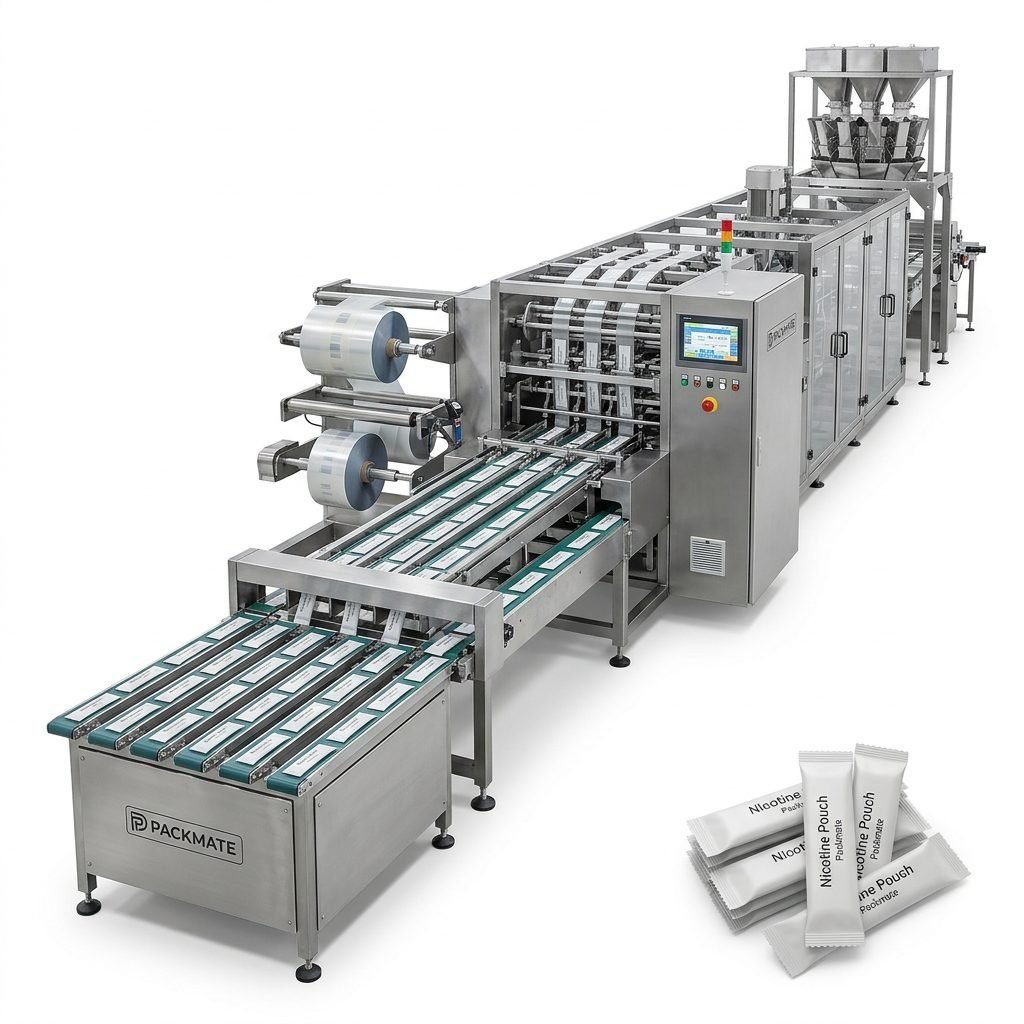
Packmate Snus Machine brings over 30 years of engineering expertise and a factory footprint of 20,000㎡ dedicated to precision packaging equipment. Their product portfolio includes multi-lane high-speed lines, stick pack solutions, and complete filling & packaging lines tailored for snus and nicotine pouch producers.
• About Packmate — history and development timeline.
• Snus & Nicotine Packaging Machines — dedicated equipment for pouch production.
• Filling & Packaging Lines — integrated solutions from feeding to final packaging.
Factory strength: advanced CNC machining, precision assembly lines, and strict QA ensure durable machines with international certifications such as CE and ISO. 🏭
Customization and Turnkey Solutions
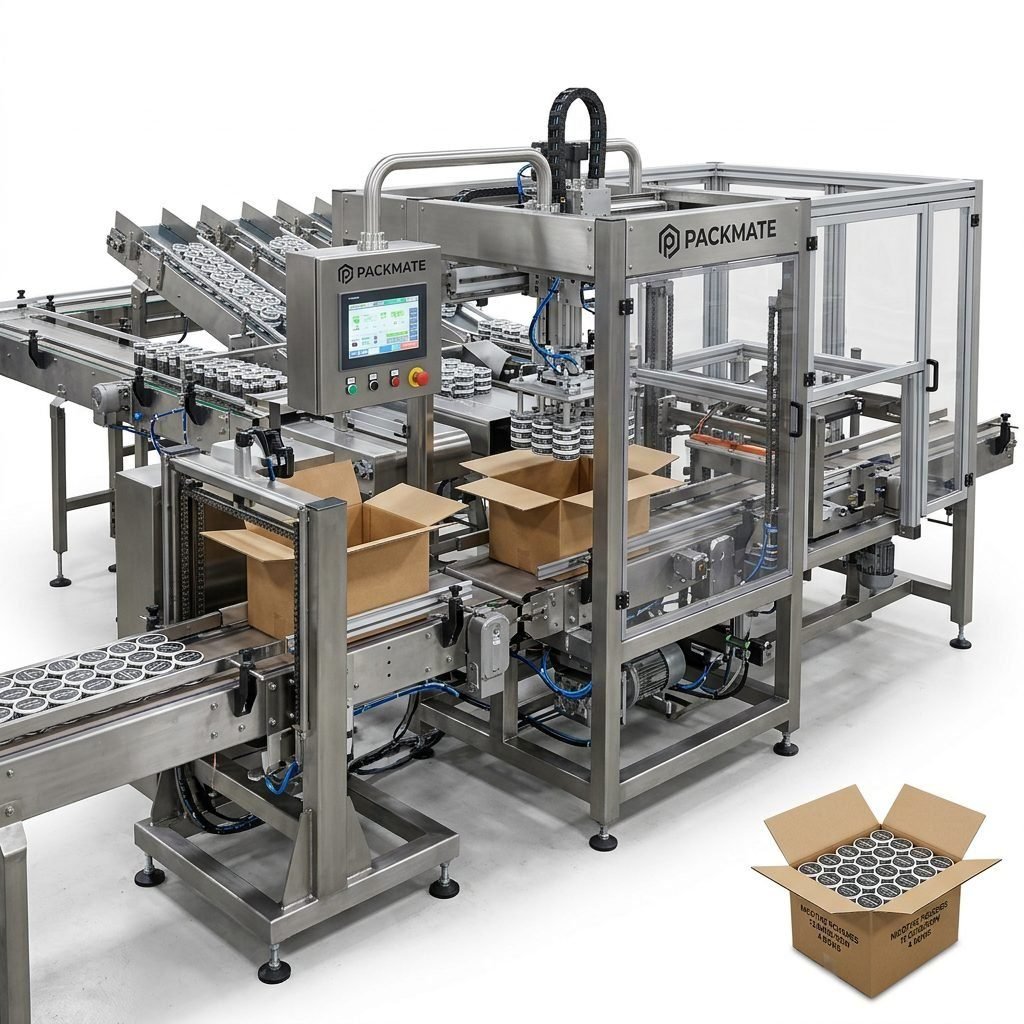
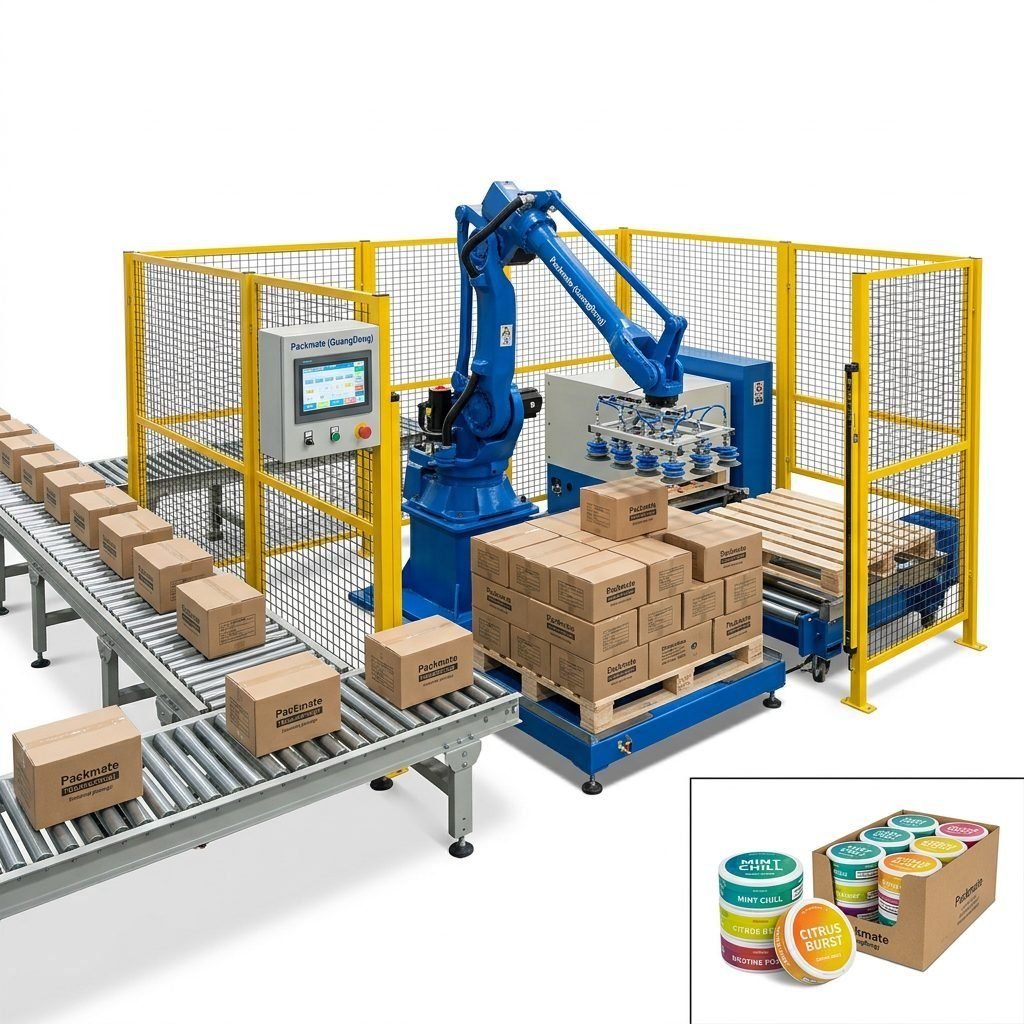
Many producers need more than a single machine — they require turnkey lines that include weighing systems, conveyors, secondary packaging, and automated case packing. Packmate offers customized configurations and can supply auxiliary equipment to match production layouts and regulatory needs.
For integration with upstream and downstream systems, consider Weighing & Packaging Systems and Auxiliary Packaging Equipment for complete production automation.
Quality Control and Regulatory Compliance
Ensuring product safety and regulatory compliance is crucial in the snus and nicotine industry. Packaging machines must support traceability, enable tamper-evident seals, and be constructed from hygienic materials for easy cleaning and maintenance.
Standard features to look for:
• Cleanable surfaces and FDA/food-grade contact parts;
• Electronic batch records and recipe lockouts;
• Vision systems for print and seal inspection;
• CE/ISO certifications to meet export and local regulations.
Note: Documentation and certification support can ease market entry for new brands. Packmate provides certificates and technical documentation as part of the machine delivery. 📄
Materials and Packaging Formats
Packaging film selection affects shelf life, sealability, and machine settings. Common materials include laminated films with barrier layers, aluminum foil laminates, and specialized heat-sealable polymers. Machines must be adjustable for film thickness, seal temperature, and dwell time to accommodate these materials.
Installation, Training, and After-sales Service
A successful equipment purchase includes professional installation, operator training, and ongoing technical support. Manufacturers with global experience provide spare parts packages, remote troubleshooting, and on-site service agreements.
Packmate operates globally and participates in major exhibitions — prospective buyers can request live machine demos or review case studies to evaluate real-world performance. See their exhibition history here: Our Exhibition.
Service highlight: modular spare kits and remote PLC support reduce downtime and help maintain continuous production. 🔁
Case Studies and Global Application
From Europe to Asia and the Americas, Packmate machines have supported large-scale nicotine pouch facilities and smaller artisanal producers alike. Multi-lane systems are common in high-volume plants, while single-lane machines are preferred for R&D and limited-run flavors.
Review practical projects and previous implementations in the company case repository: Case.
Purchasing Considerations and ROI
Capital investment in automated filling and packaging machines should be evaluated against labor savings, increased throughput, product consistency, and reduced material waste. Key financial metrics include payback period, total cost of ownership, and expected increase in production capacity.
When getting quotes, request detailed specs on throughput, accuracy, utility requirements, and spare parts lists. Also confirm installation and commissioning terms, warranty coverage, and long-term service options.
ROI example: a high-speed multi-lane line can often pay back the initial investment within 12–36 months depending on product margins and utilization. 📈
How to Start: From Inquiry to Commissioning
Start by sharing product specs, targeted capacity, and film materials with the manufacturer. Request a factory check or on-site demo to validate performance. After ordering, agree on a project timeline that includes FAT (Factory Acceptance Test), shipping, installation, and training.
For direct contact and sales support, use the official communication channel: Contact Us.
Sustainability and Material Efficiency
Sustainable packaging trends influence machine selection. Look for equipment optimized for minimal giveaway, lower scrap rates, and compatibility with recyclable or mono-material films. Efficient material handling also reduces energy consumption and waste management costs.
Sustainability tip: pursue trials with bio-based or recyclable films and verify machine sealing parameters to avoid packaging failures. 🌱
Final Checklist Before Purchase
• Confirm production capacity and scalability.
• Validate dosing accuracy and repeatability.
• Check sanitary and regulatory compliance.
• Review maintenance access and spare parts availability.
• Ensure supplier provides training, FAT, and on-site commissioning.
Conclusion
Choosing the right Automatic Snus Filling Machine means balancing throughput, accuracy, flexibility, and service support. Manufacturers such as Packmate offer engineered solutions backed by decades of experience, global installations, and a broad product range to meet evolving market demands. Whether you require high-speed multi-lane systems or bespoke lines for niche products, modern machines bring consistent quality, operational efficiency, and rapid return on investment.
Common Questions
Q1: What throughput can I expect from a multi-lane snus filling line?
A1: Throughput depends on lane count and format. Multi-lane lines may multiply single-lane speed several times, producing hundreds to thousands of portions per minute in aggregate. Contact suppliers for model-specific performance data.
Q2: How accurate are the dosing systems for slim snus portions?
A2: High-quality gravimetric or precision volumetric dosing systems achieve very low standard deviation on portion weight; accuracy is influenced by material flow characteristics and proper calibration.
Q3: Can one machine handle different pouch materials and sizes?
A3: Yes, flexible platforms are designed for quick tool changes and adjustable sealing parameters. Still, verify that the machine’s tooling range covers your specific pouch dimensions and film types.
Q4: What after-sales services should I expect from a reputable manufacturer?
A4: Expect installation, operator training, spare parts supply, remote diagnostics, and options for preventive maintenance contracts. Strong suppliers also provide technical documentation and certification support.
Q5: How do I arrange a demonstration or factory visit?
A5: Reach out via the supplier’s contact page or request a Factory Acceptance Test (FAT) to observe machine performance and verify acceptance criteria before shipment.