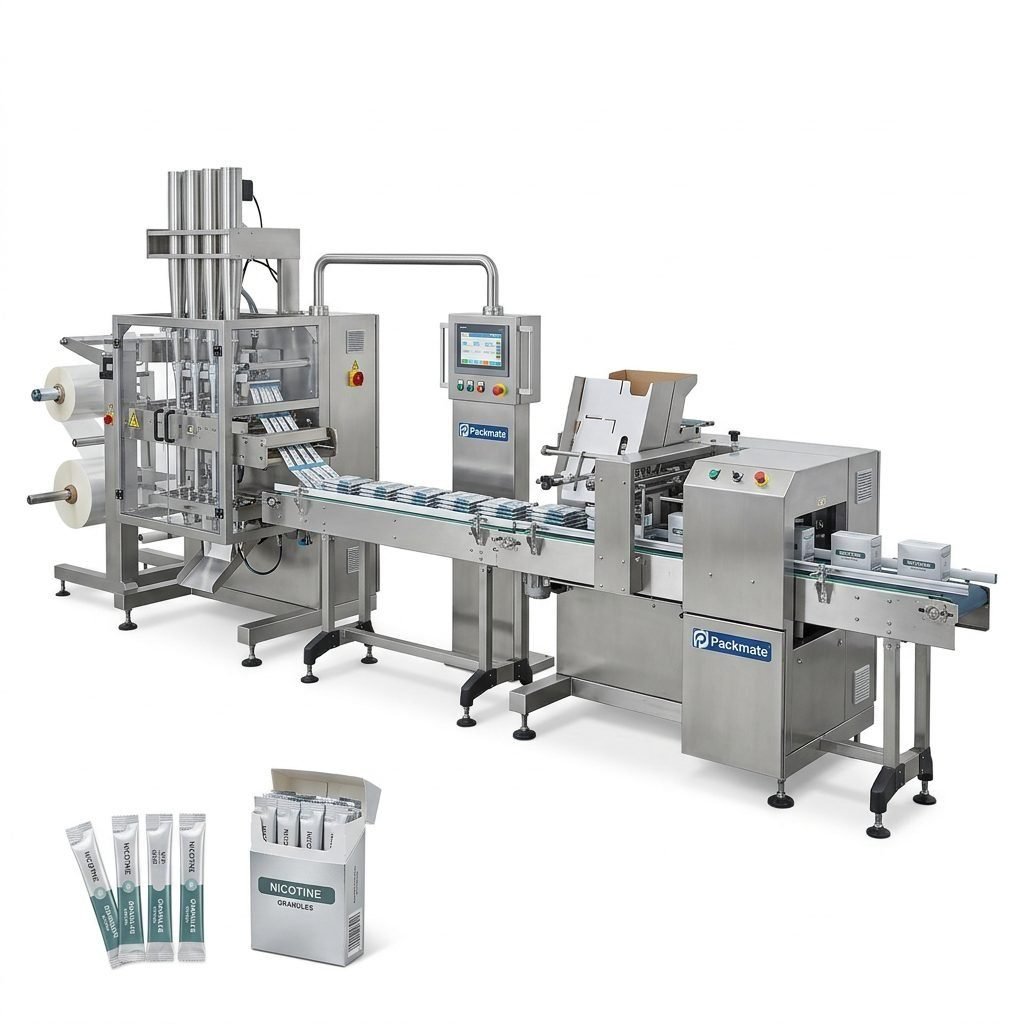
Choosing the right snus packaging machine manufacturer for a factory in Ukraine requires more than comparing prices. You need a partner who understands local market preferences, regulatory conditions, supply chain realities, and the production volumes typical for Eastern European operations. This guide explains practical steps to evaluate manufacturers, highlights technical and service criteria, and includes cultural and logistical considerations specific to Ukraine — so your nicotine pouch or snus line starts reliably and scales efficiently.
🔧 Understand Your Product and Line Requirements
Begin with a clear specification for the snus or nicotine pouch product you plan to produce. Factors that drive machine selection include pouch size and weight, fill material (powder, granule, or wet snus), moisture sensitivity, desired packaging format (stick pack, sachet, multi-lane pouches), and daily production targets.
Key output metrics to define: pieces per minute, lanes (single vs multi-lane), target shift hours, and acceptable changeover time for different pouch sizes.
📦 Packaging format compatibility
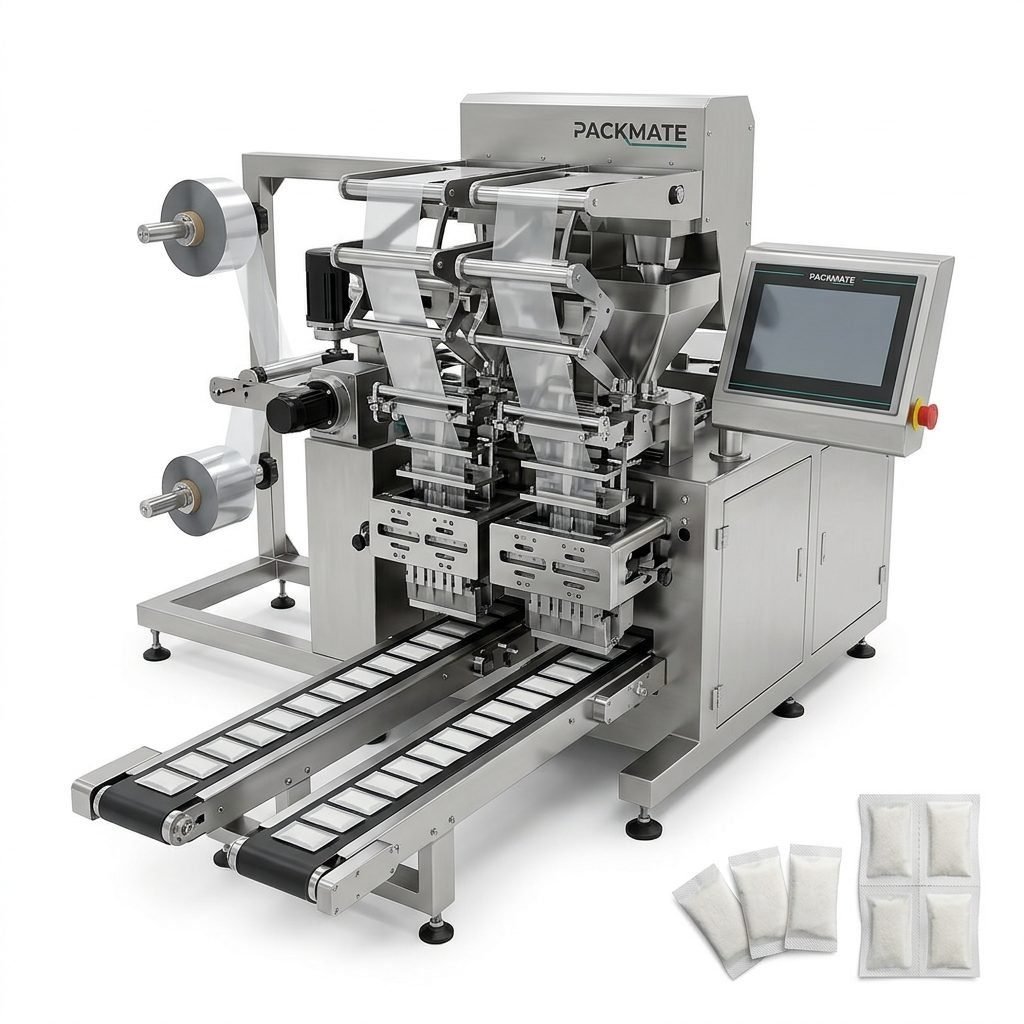
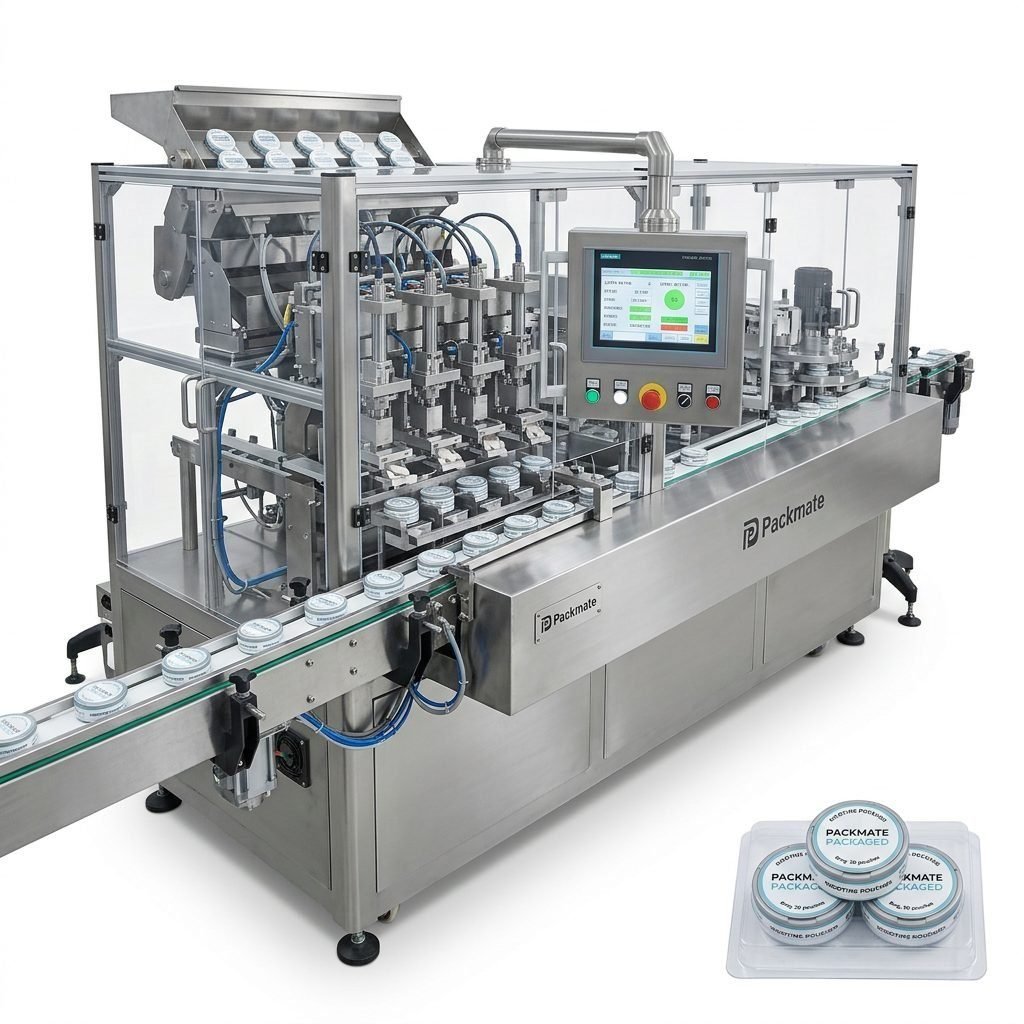
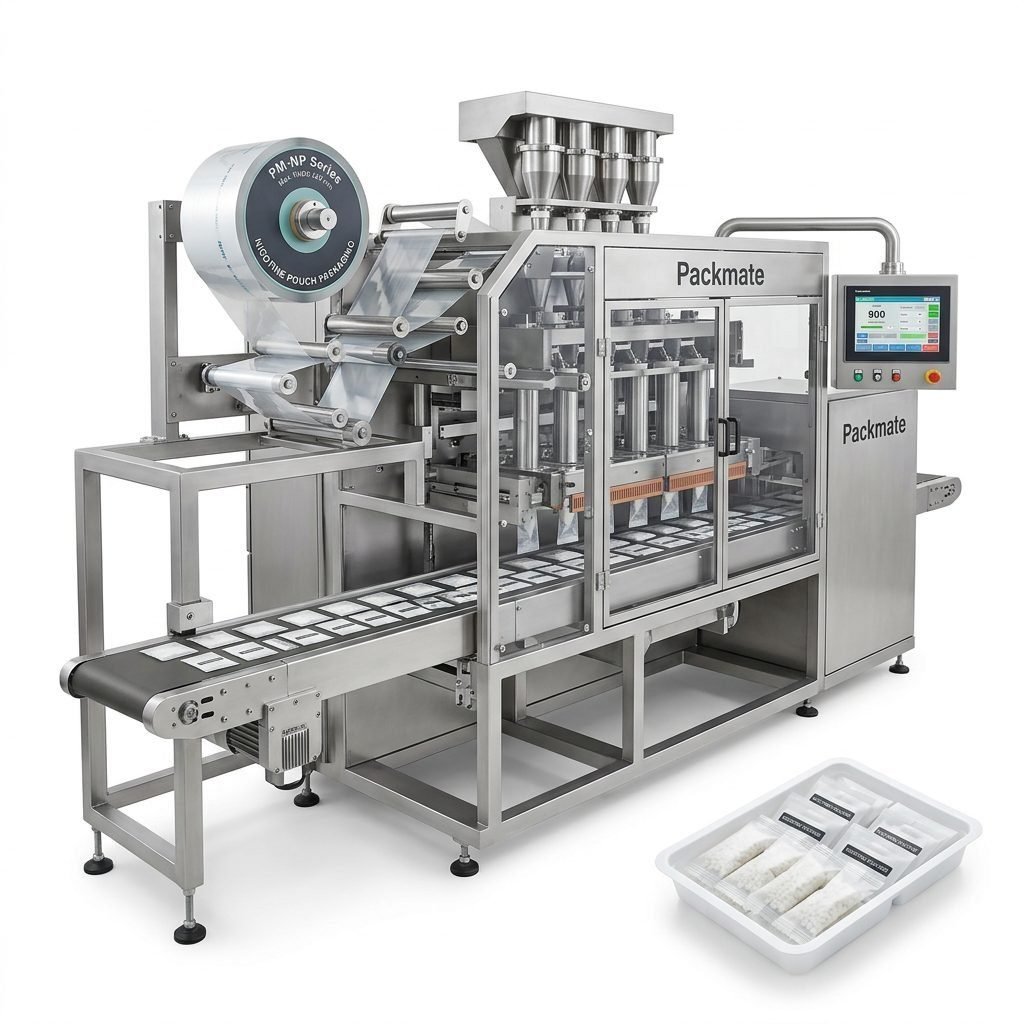
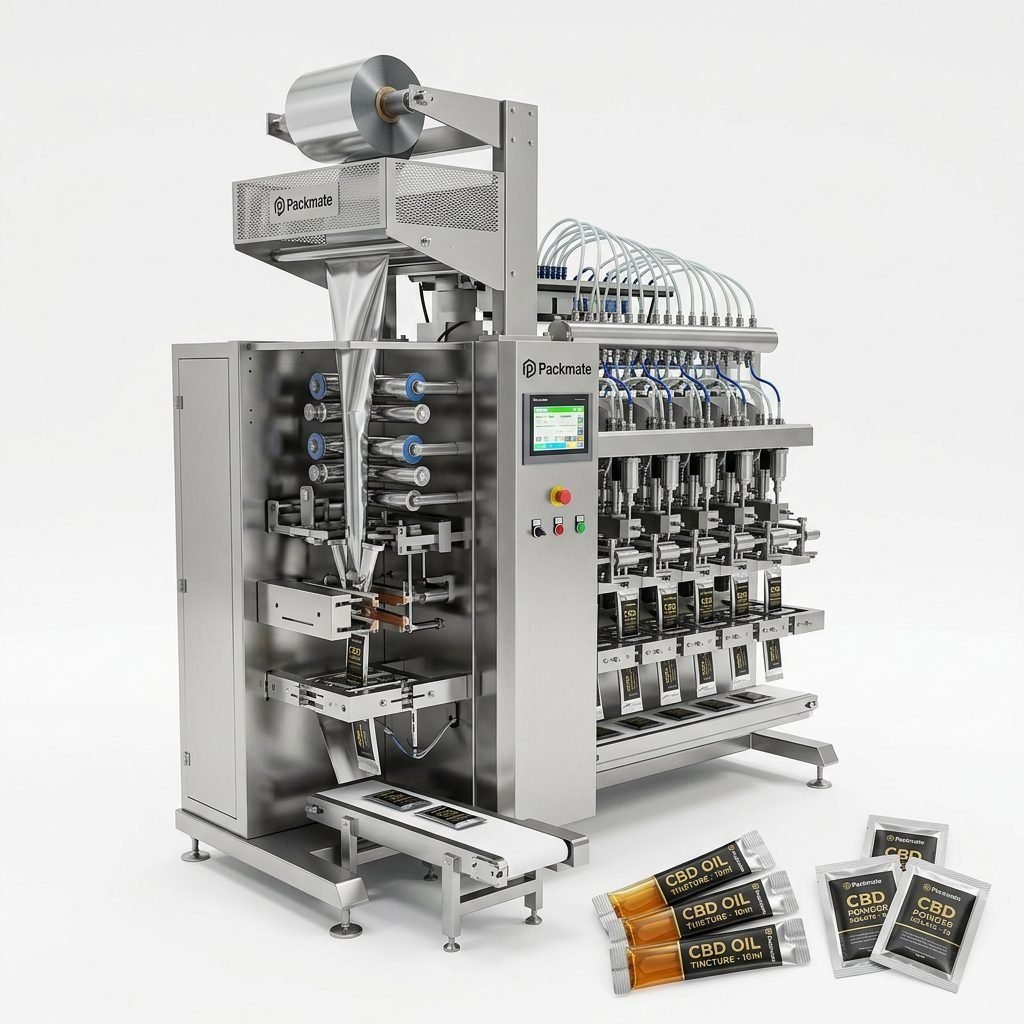
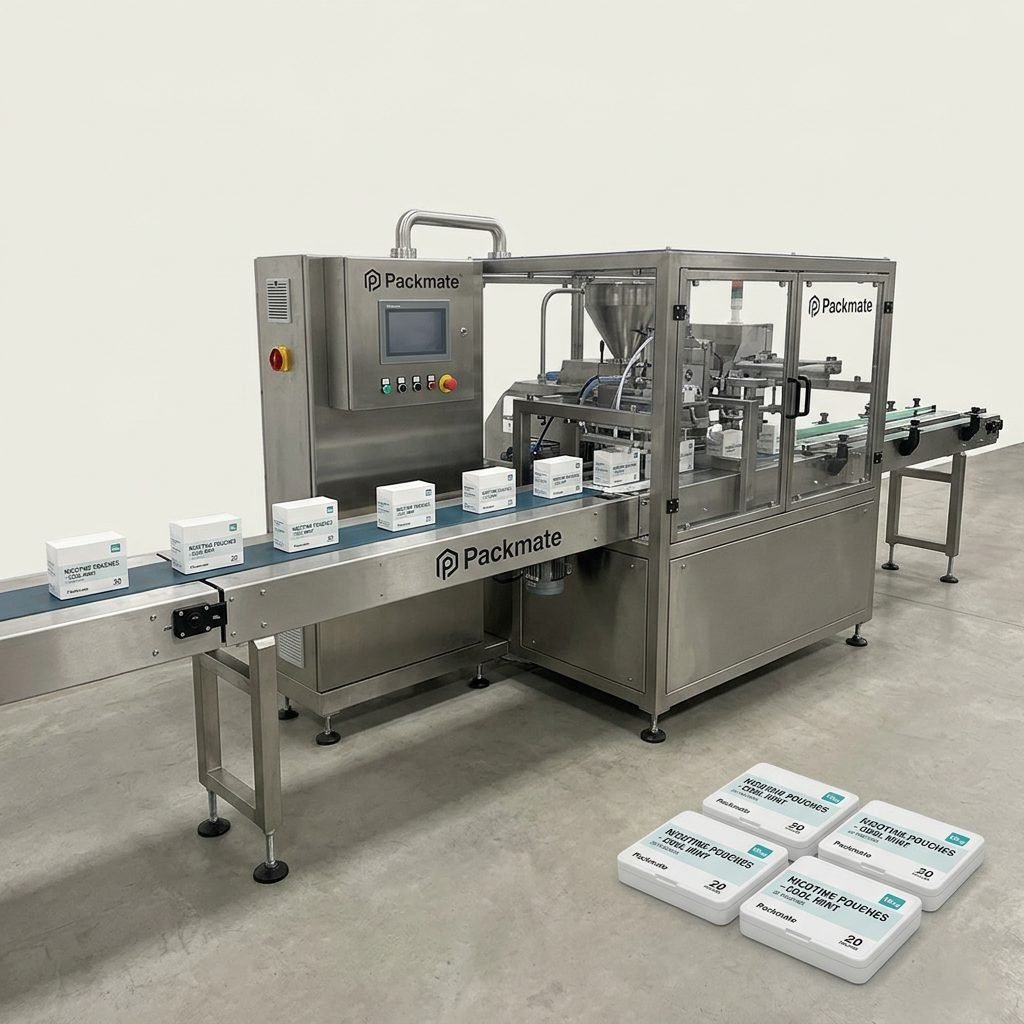
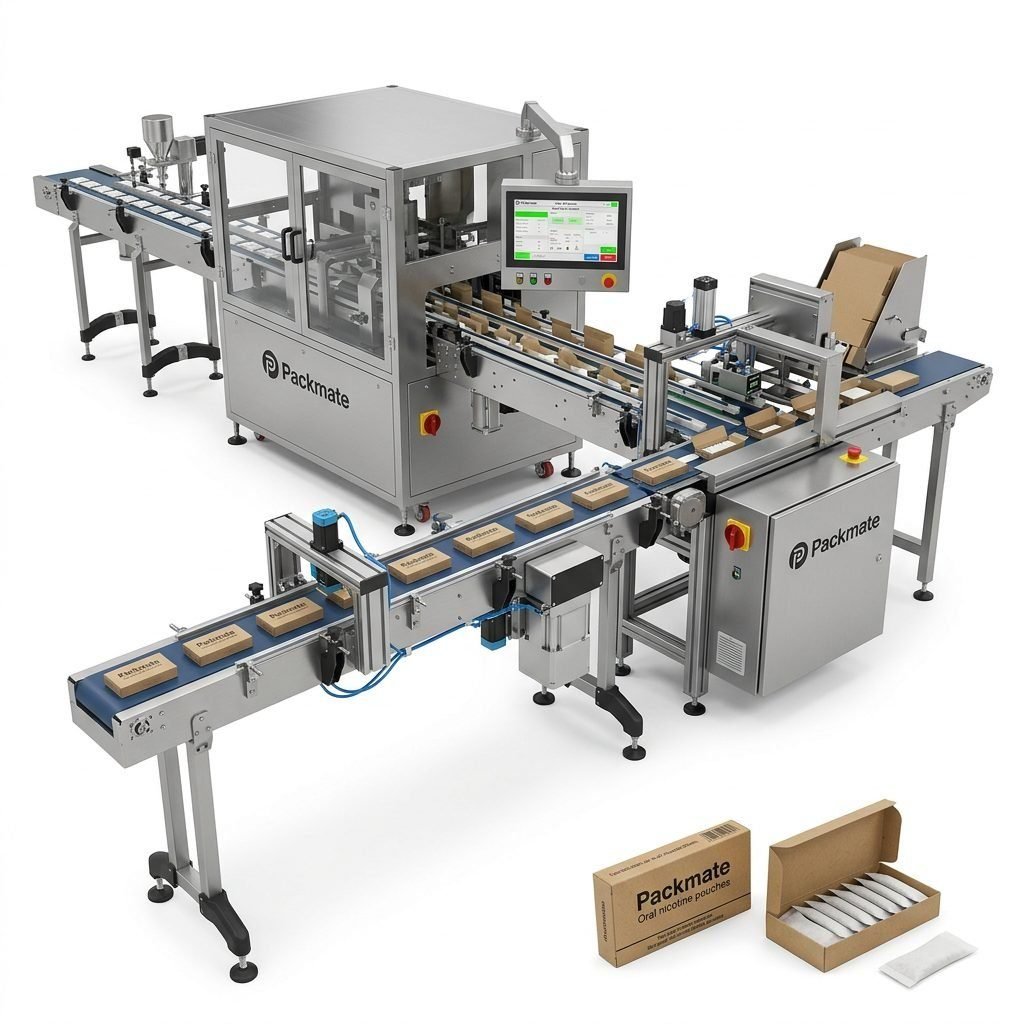
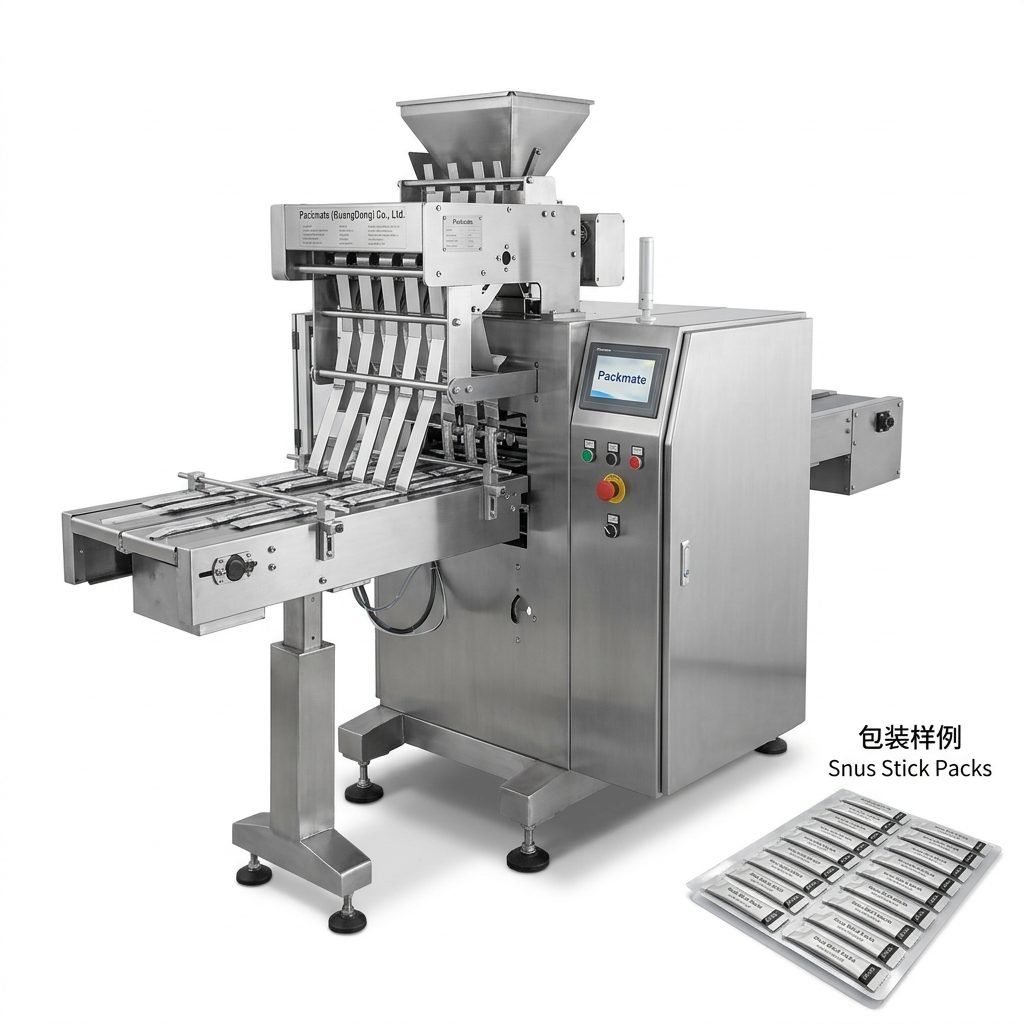
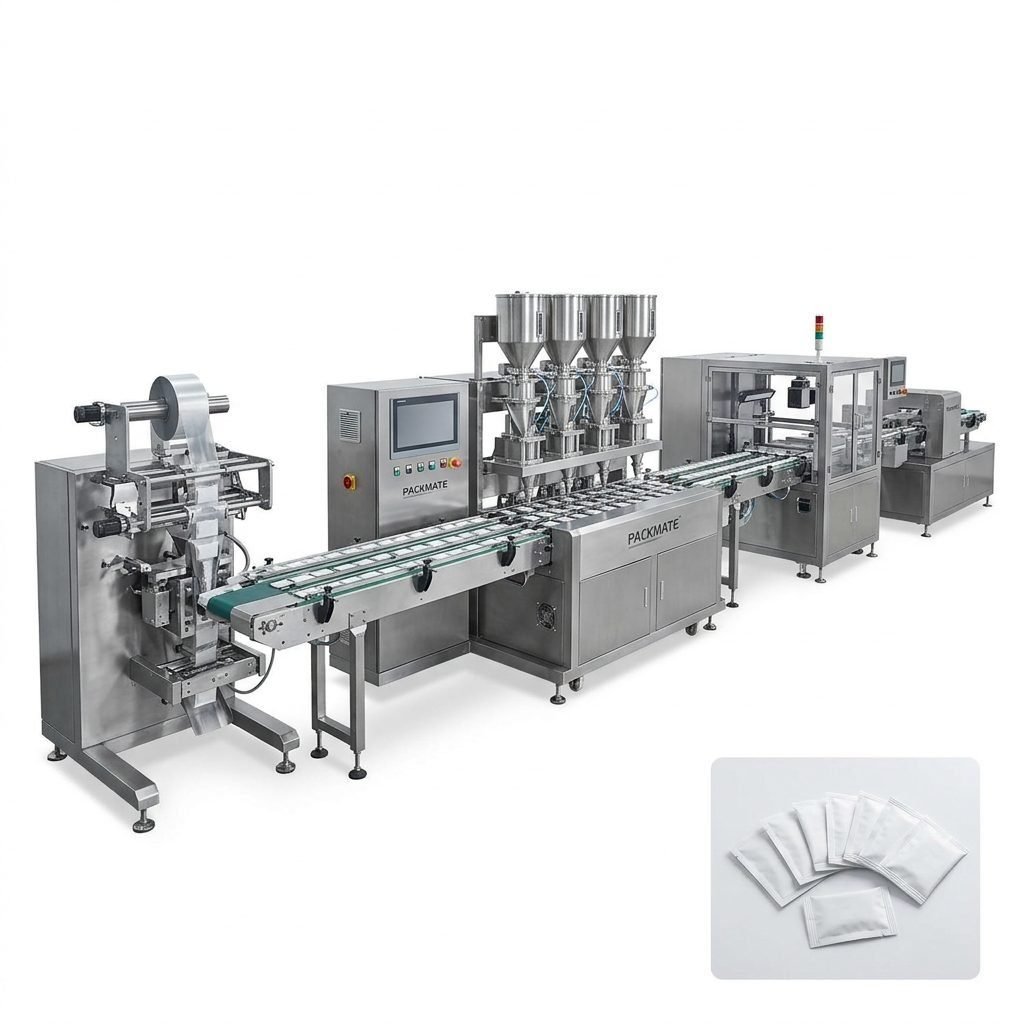
If you plan to produce nicotine pouches and traditional snus formats, choose a manufacturer that offers flexible systems — for example, Packmate’s multi-lane solutions designed specifically for small-dose pouch production. Look for modular machines that can be upgraded as market demand changes.
✅ Technical Quality and Factory Capabilities
Equipment reliability is a major factor that affects downtime and total cost of ownership. Evaluate manufacturers on the basis of technical maturity, factory capabilities, and quality control standards.
Look for: in-house CNC machining, precision assembly lines, and a documented testing process. These capabilities reduce variability and ensure machines meet performance promises.
Certifications and standards
Prefer manufacturers with international certifications (CE, ISO) to simplify import and compliance in Europe. Certified equipment also tends to be engineered with safety and ergonomics in mind.
🌍 Local Considerations in Ukraine
Ukraine has specific business customs, logistics routes, and regulatory practices. Understanding these will speed installation and operation.
Ukrainian factories often value robust equipment that tolerates variable utility conditions and is easy to maintain with local technicians. Consider machines with electronic components that can be serviced locally and with clear documentation in English and, if possible, Russian or Ukrainian.
Cultural tip: Ukrainian production managers value face-to-face demonstrations and transparent delivery schedules. Participating in regional exhibitions or arranging live demos can build trust quickly.
Logistics, customs and delivery
Verify the manufacturer’s experience exporting to Eastern Europe and ask about typical lead times, packaging for transit, and customs documentation. A vendor familiar with Ukrainian customs procedures will reduce delays and unexpected fees.
🔍 After-sales Service and Spare Parts Availability
A machine is only as good as the support behind it. After-sales service impacts uptime and long-term cost. Ask about spare parts stock, remote support capability, on-site commissioning, and training.
Manufacturers with global support networks and documented service response times can be a big advantage, especially when your production schedule is tight.
Service checklist: local spare parts availability, on-site commissioning, operator training, remote diagnostics, and clear warranty terms.
💡 Financial Considerations and Total Cost of Ownership
Price is important but should be weighed against lifecycle costs: spare parts, consumables, electricity usage, maintenance labor, and expected machine lifespan. Request a total cost projection that includes downtime scenarios.
Financing and payment terms
Many reputable manufacturers provide flexible payment terms or financing options. For Ukrainian buyers, aligning payment schedules with production ramp-up can smooth cash flow.
📑 Vendor Reputation, Case Studies and Demonstrations
Review case studies, customer references, and exhibition presence to validate vendor claims. See how similar factories achieved target yields, how long their machines have been in operation, and how responsive the supplier was when issues arose.
Packmate’s documented history and global exhibition appearances show a track record. For more product details and case examples, you can explore Snus & Nicotine Packaging Machines or view their Case and Exhibition pages.
🛠️ Factory Visit and Factory Audit Checklist
Whenever possible, visit the manufacturer’s facility or request a virtual tour. Evaluate their manufacturing floor, component quality, assembly procedures, and test benches. A thorough factory audit will reveal whether the manufacturer can deliver consistent quality and meet lead times.
Audit points: CNC capability, assembly standards, quality testing for each machine, spare parts inventory, and after-sales team structure.
🧰 Installation, Commissioning and Operator Training
Installation is where most projects face schedule risk. Agree on detailed commissioning plans with timelines, required on-site personnel, tooling lists, and training agendas. Effective operator training reduces mistakes that lead to downtime.
Confirm whether the manufacturer provides bilingual manuals or local-language support to facilitate rapid knowledge transfer to your Ukrainian team.
🔁 Upgradeability and Future-Proofing
Select equipment that can be upgraded in modular steps — for example, adding lanes, upgrading control systems, or integrating quality inspection cameras. Future-proof machines protect your investment as product lines evolve.
📌 Red Flags to Watch For
Be cautious with vendors who provide vague performance guarantees, lack verifiable references, or cannot demonstrate compliance documentation. Long unexplained lead times, unclear spare parts policies, and unclear installation or training plans are also warning signs.
Immediate concerns: missing CE/ISO certificates, no local references in Europe, unclear warranty scope, or lack of remote support capabilities.
🧾 Final Selection Checklist
Use a weighted evaluation matrix to score potential suppliers across technical fit, price, lead time, after-sales support, certifications, references, and local compatibility with Ukrainian operations. Prioritize long-term reliability and service over short-term savings.
Recommended next steps
1) Prepare a detailed spec sheet for your target product. 2) Request machine videos, references, and a factory visit. 3) Ask for a full proposal including commissioning, spare parts list, and training plan. 4) Check certification documents and export experience to Ukraine.
📣 Why Packmate Might Be a Good Fit
With over 30 years of engineering experience and a 20,000㎡ manufacturing facility, Packmate focuses on high-performance snus pouch packaging lines — including multi-lane systems for nicotine pouches and snus. Their factory capabilities include advanced CNC machining, precision assembly lines, and strict quality testing. For more on their solutions, explore the Snus & Nicotine Packaging Machines and related product lines.
Helpful links
Visit product pages and contact the team directly to discuss Ukrainian-specific needs:
Frequently Asked Questions
Q1: What certifications should a snus packaging machine have for use in Ukraine and Europe?
A: Machines destined for European markets should carry CE marking and preferably be manufactured under ISO-certified quality systems. These certificates simplify customs clearance and show compliance with safety and electrical standards.
Q2: How important is local service when buying from an overseas manufacturer?
A: Extremely important. Local or regional service reduces downtime and lowers logistical costs for spare parts and on-site engineering. If local presence is limited, ensure the vendor offers prompt remote diagnostics and a stocked spare parts plan.
Q3: Can machines be adapted for different snus formats after purchase?
A: Many modern packaging systems are modular, allowing upgrades for additional lanes or format changes. Confirm upgrade paths and compatibility before purchase to avoid costly replacements.
Q4: What lead times should I expect for a custom turnkey packaging line?
A: Custom turnkey lines vary based on complexity. Typical lead times range from a few months for standard machines to 6–12 months for highly customized multi-lane systems. Always verify with the manufacturer and factor in shipping and customs clearance.
Q5: How do I start the procurement process?
A: Start by preparing a product specification and projected production plan. Request proposals from shortlisted manufacturers, ask for performance videos, client references, and a full scope including installation and training. Arrange a factory visit or virtual audit where possible.