Entering Angola’s emerging nicotine pouch market demands careful selection of packaging equipment that can handle local climate, regulatory requirements, and distribution realities. This guide walks Angolan manufacturers, importers, and entrepreneurs through choosing the right nicotine packaging machine — from assessing product types and machine capacity to after-sales support and local adaptation. Expect practical steps, key checklists, and targeted tips for success in Angola’s business environment.
🔎 Understand Your Product & Market Needs
The first step is clarifying what you’ll pack: nicotine pouches, snus, sticks, sachets, or multi-dose pouches. Each product type places different demands on filling accuracy, sealing technology, and packaging materials. In Angola, where portability and discreetness are valued by many urban consumers, small-dose nicotine pouches and stick packs often have strong appeal. Consider also packaging language (Portuguese), regional labeling norms, and local branding preferences.
📦 Key product checklist
Product form: powder, granule, moisture-containing pouch, liquid?
Dose accuracy: target grams/mg per pouch and allowable deviation.
Packaging style: stick pack, sachet, pillow pack, or multi-lane snus pouches.
⚙️ Choose the Right Machine Type
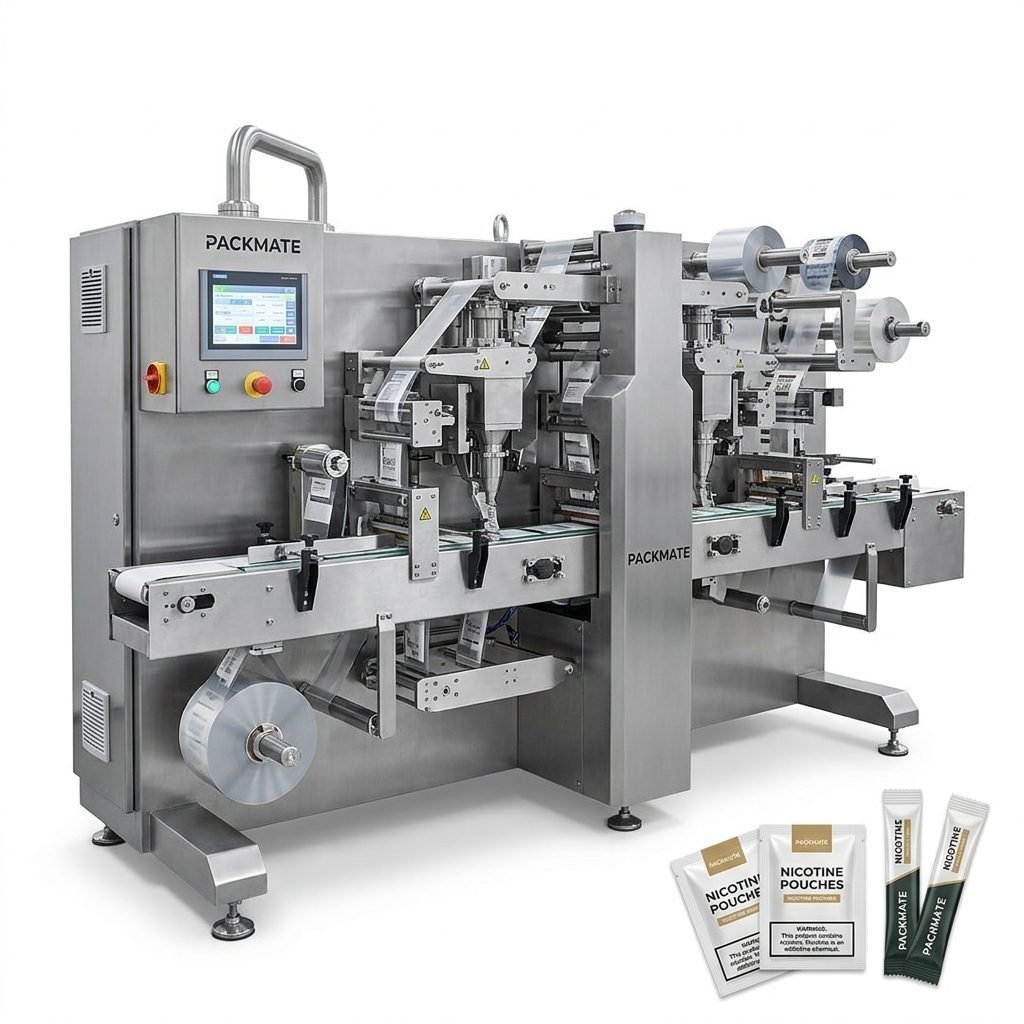
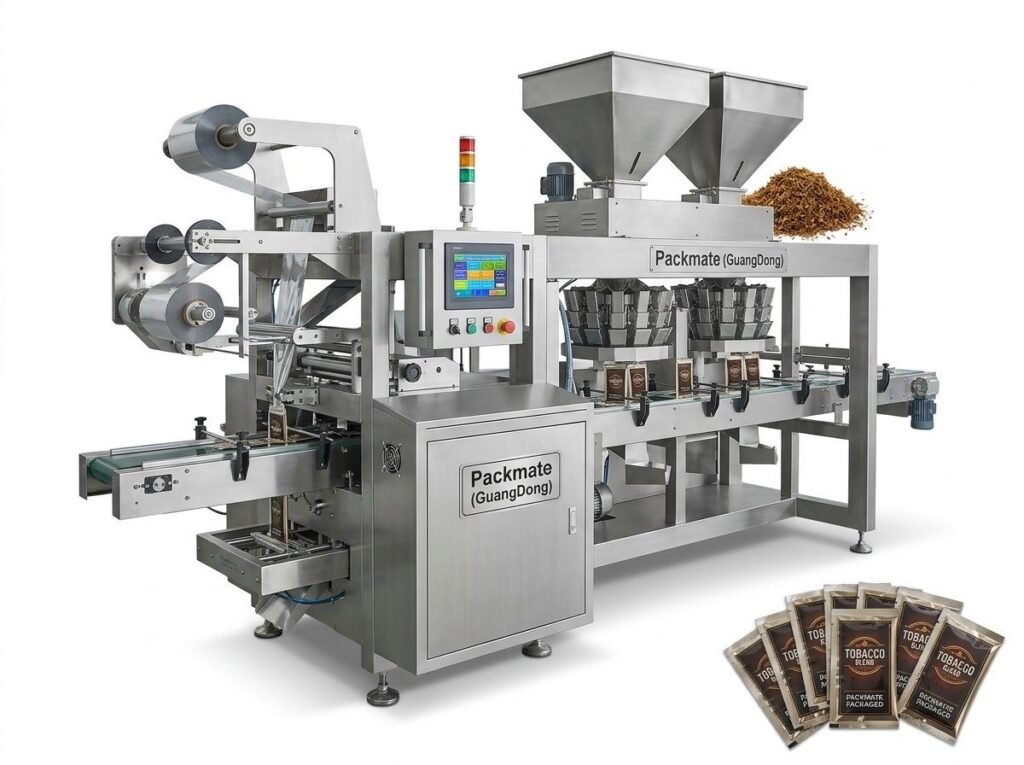
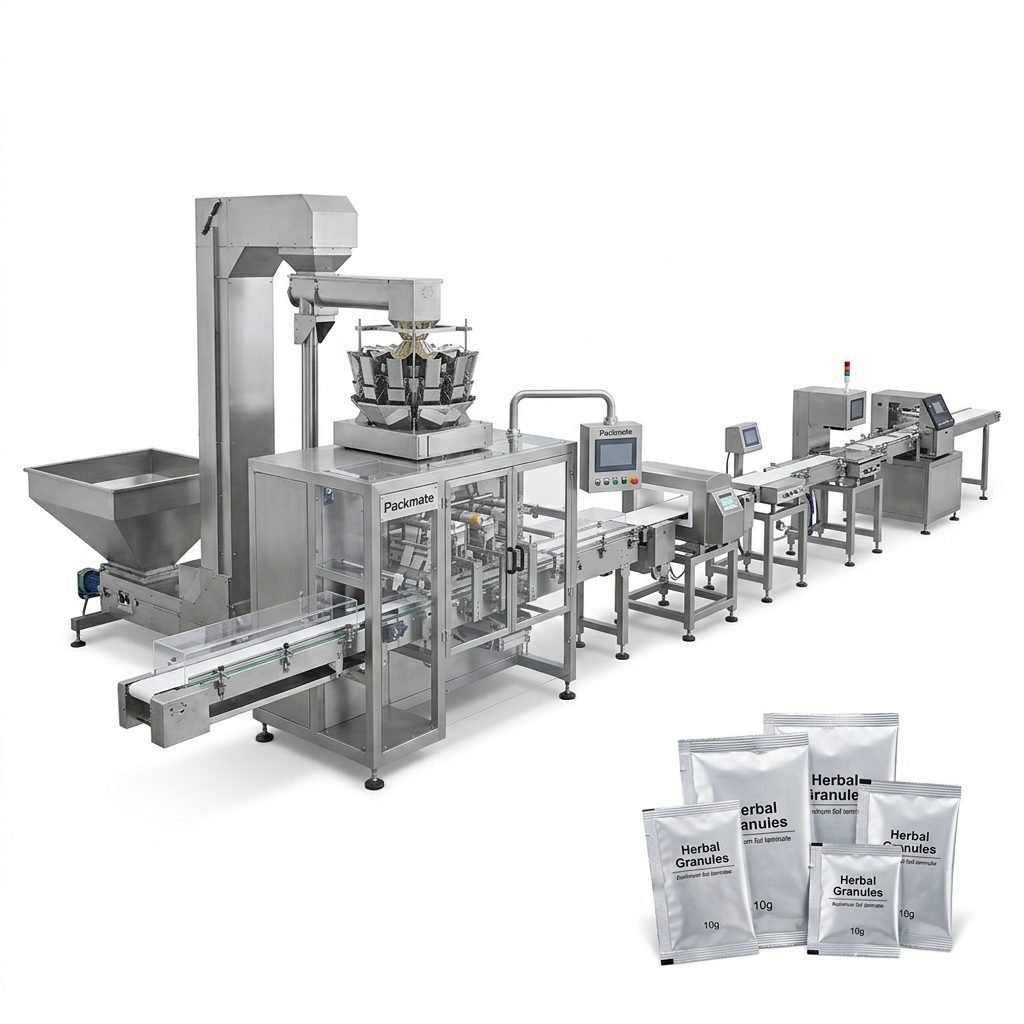
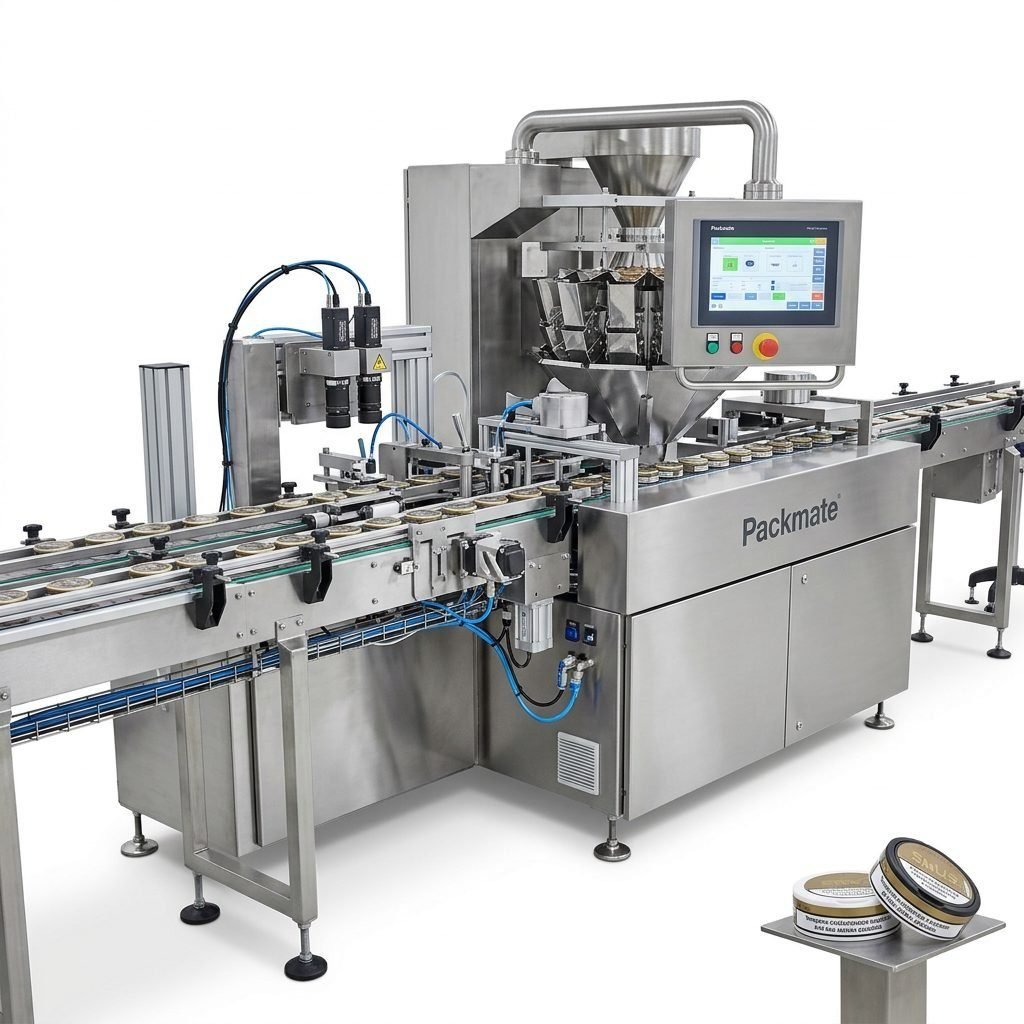
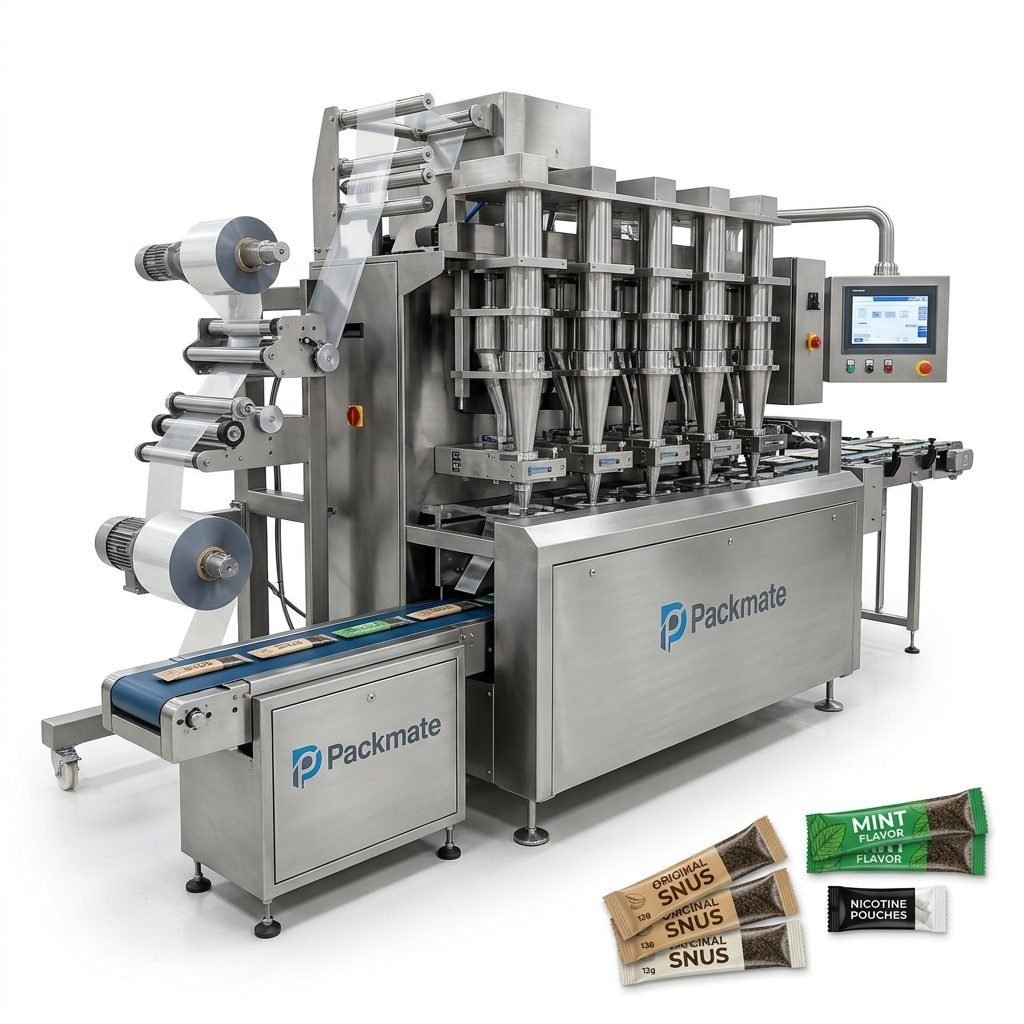
Packaging machine categories suited for nicotine products include stick pack machines, sachet & stick pack machines, snus & nicotine packaging machines, and specialized multi-lane pouch systems. For flexibility, many Angolan operations start with a modular machine that can be adapted for different pouch sizes and filling systems.
Recommended machine types
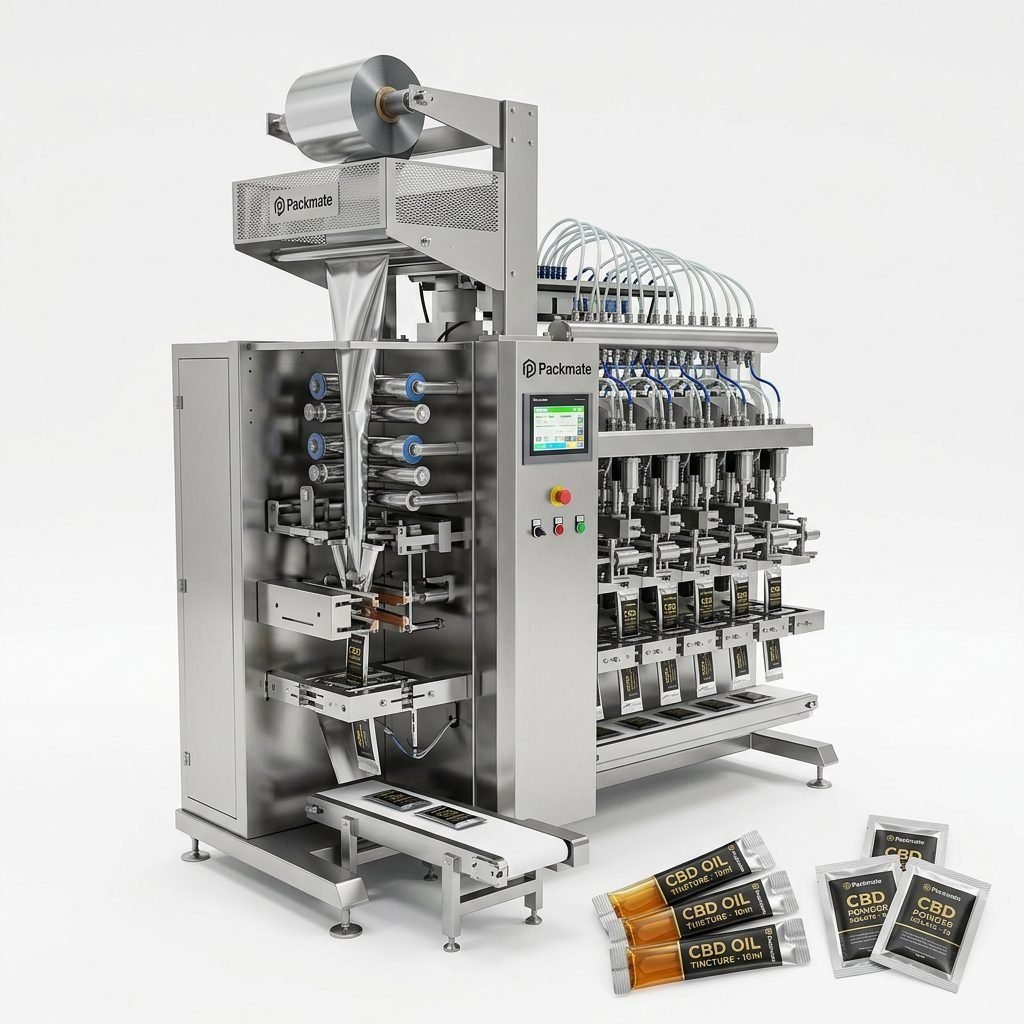
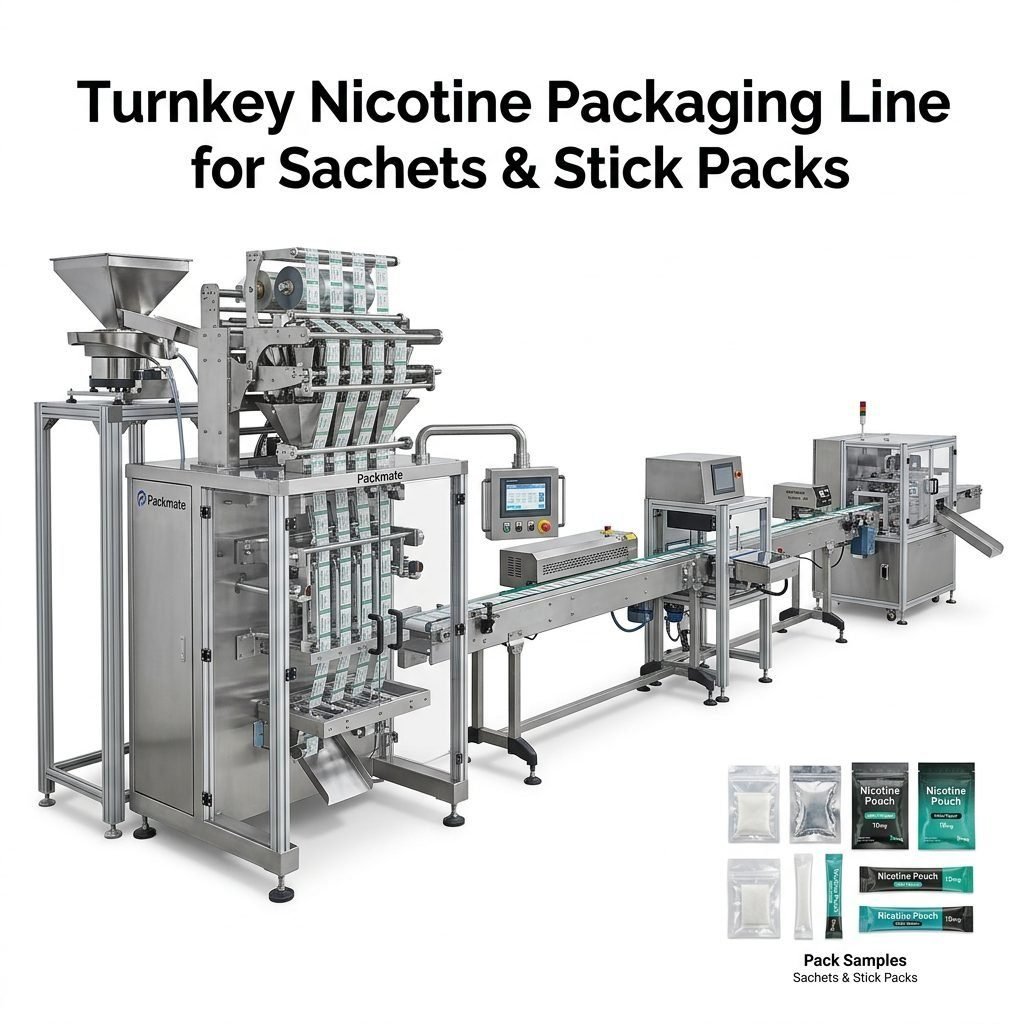
• Stick Pack Machines — best for single-dose, portable formats favored in urban Angola.
• Sachet & Stick Pack Machines — useful if you plan mixed SKUs or multipurpose lines. See Sachet & Stick Pack Machines.
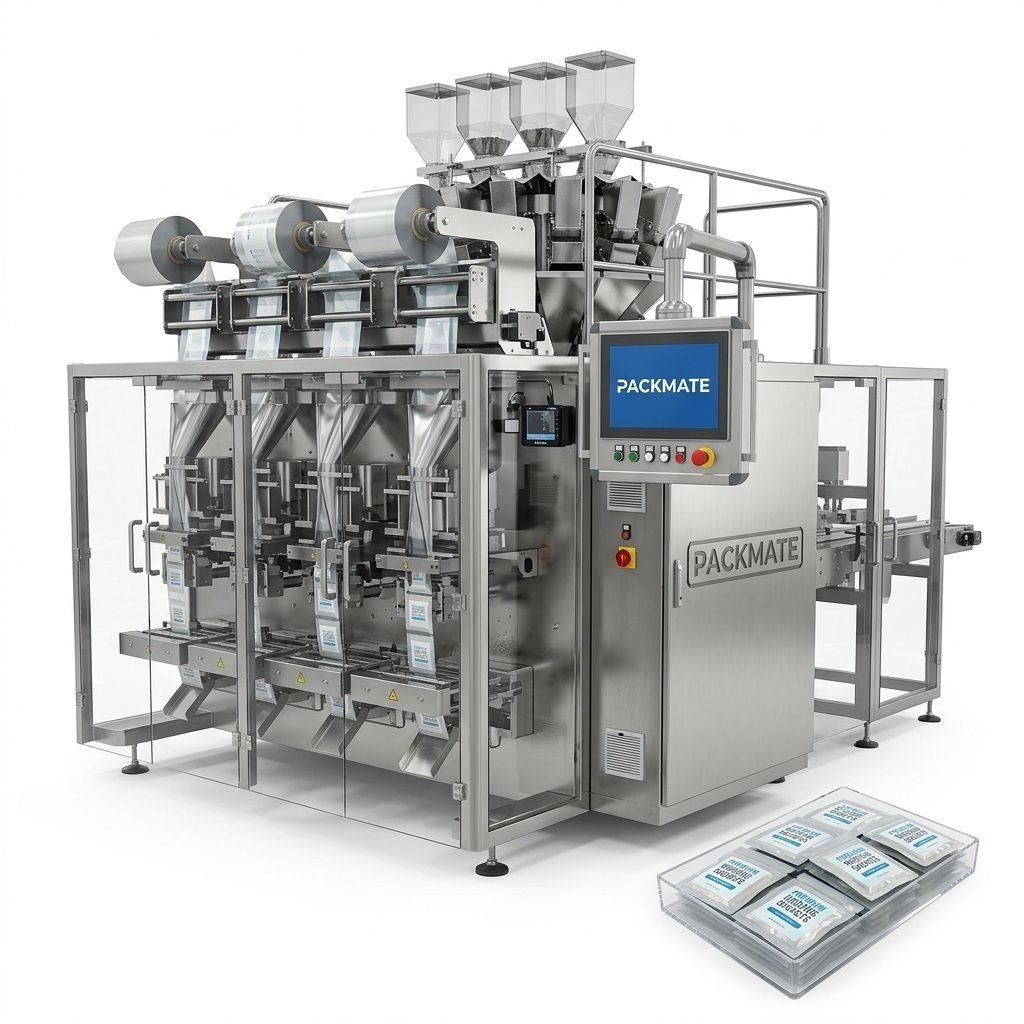
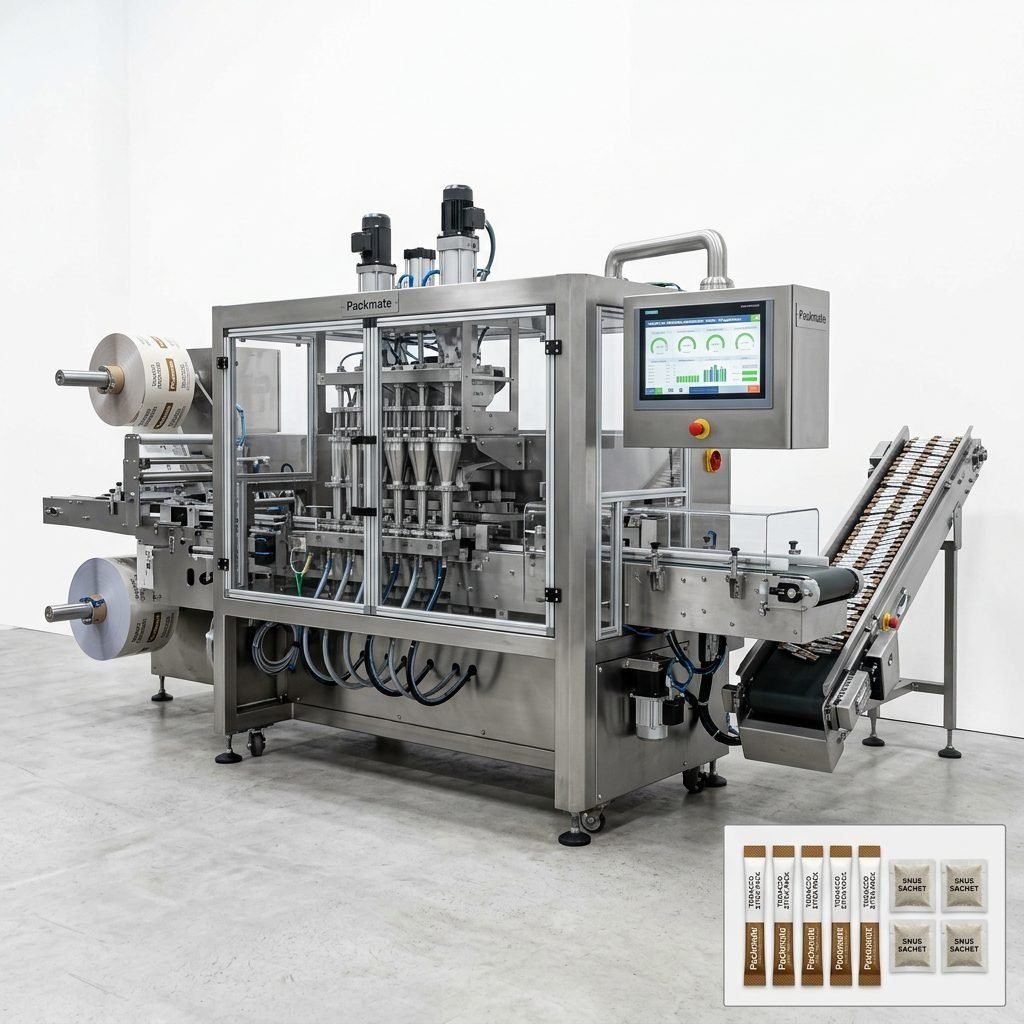
• Multi-lane Snus Packaging Machines — high output for large-scale production runs; ideal when demand grows rapidly.
📈 Capacity & Speed Considerations
Determine your daily/monthly production targets. Machines are rated by pouches/minute and lane count. For example, a 4-lane snus line can multiply throughput while keeping footprint reasonable. Balance peak capacity with realistic market forecasts to avoid overpaying for unused capability.
Critical factors:
Uptime and reliability — Angola’s supply chains can be disrupted; choose rugged equipment with proven MTBF (mean time between failures).
Scalability — modular design allows adding lanes or auxiliary modules as demand grows.
🌡️ Consider Angola’s Climate & Materials
Angola has coastal humidity and interior heat. Moisture-sensitive nicotine pouches need packaging materials and sealing methods that protect shelf life. Choose machines compatible with barrier films and vacuum or modified-atmosphere options if your product requires them. Also verify the machine’s suitability for local ambient conditions to avoid corrosion or sensor drift.
Material & film tips
• Use high-barrier films for extended shelf life.
• Confirm machine is compatible with your chosen laminate thickness and sealing temperatures.
• Consider desiccant or nitrogen-flush modules for highly moisture-sensitive SKUs.
🔌 Power, Voltage & Local Installation
Angola typically uses 220V/50Hz power; confirm machine compatibility or inquire about transformer options. Factor in local electrical stability — sudden outages and voltage spikes are possible. Request machines with robust controllers, onboard surge protection, and straightforward reset procedures. Ask the supplier about pre-shipment testing and commissioning support.
🛠️ After-Sales Service & Spare Parts
Reliable after-sales service is vital. Look for suppliers who provide training, remote diagnostics, and a clear spare parts lead-time plan. With limited local OEM presence in Angola, many buyers prefer manufacturers with global service networks and documented spare parts kits. Packmate has decades of experience and offers global turnkey solutions — consider suppliers that can demonstrate international case studies.
Highlighted support features to request:
On-site commissioning, remote troubleshooting, spare parts list with expected delivery times, and operator training in Portuguese are especially valuable in Angola.
📦 Logistics: Shipping, Customs & Local Regulations
Shipping heavy machinery to Luanda or other Angolan ports requires attention to packing, HS codes, and import duties. Ensure documentation (CE/ISO certificates) accompanies machines for customs clearance. Angola emphasizes Portuguese-language labeling and health-related regulations for nicotine products; consult a local customs broker and legal advisor to comply with national rules and municipal restrictions.
📌 Practical logistics checklist
• Confirm machine crate dimensions and weight for port handling.
• Prepare CE/ISO certifications and detailed technical specs.
• Coordinate with local freight forwarders experienced in industrial machinery and Angolan customs.
💰 Budgeting: Total Cost of Ownership (TCO)
Machine price is only one component. Include installation, training, spare parts, consumables, downtime, and energy consumption in your TCO. A slightly higher upfront cost can be justified by lower maintenance needs, better accuracy (less product waste), and higher uptime — all crucial in Angola where spare part delays increase costs.
TCO quick model
Upfront cost + installation + 1 year spare parts + energy + labor + expected downtime cost = realistic budget
🧭 Supplier Selection: What to Ask
When evaluating suppliers, ask pointed questions about machine performance, quality certifications, warranty terms, case studies in similar climates, and local references. Request video demos, factory acceptance tests (FAT), and references from markets with high humidity or comparable logistics.
Useful supplier documentation:
• Detailed technical datasheet and wiring diagrams.
• FAT report and acceptance criteria.
• Standard warranty and service SLA.
🔗 Useful Machine References & Solutions
Explore proven machine lines to match your needs. For multi-lane snus and nicotine pouch production, review specialized solutions and full packaging lines. Below are a few resources that provide machine specifications and case studies:
• Snus & Nicotine Packaging Machines — multi-lane and pouch-specific lines.
• Sachet & Stick Pack Machines — flexible stick pack and sachet formats.
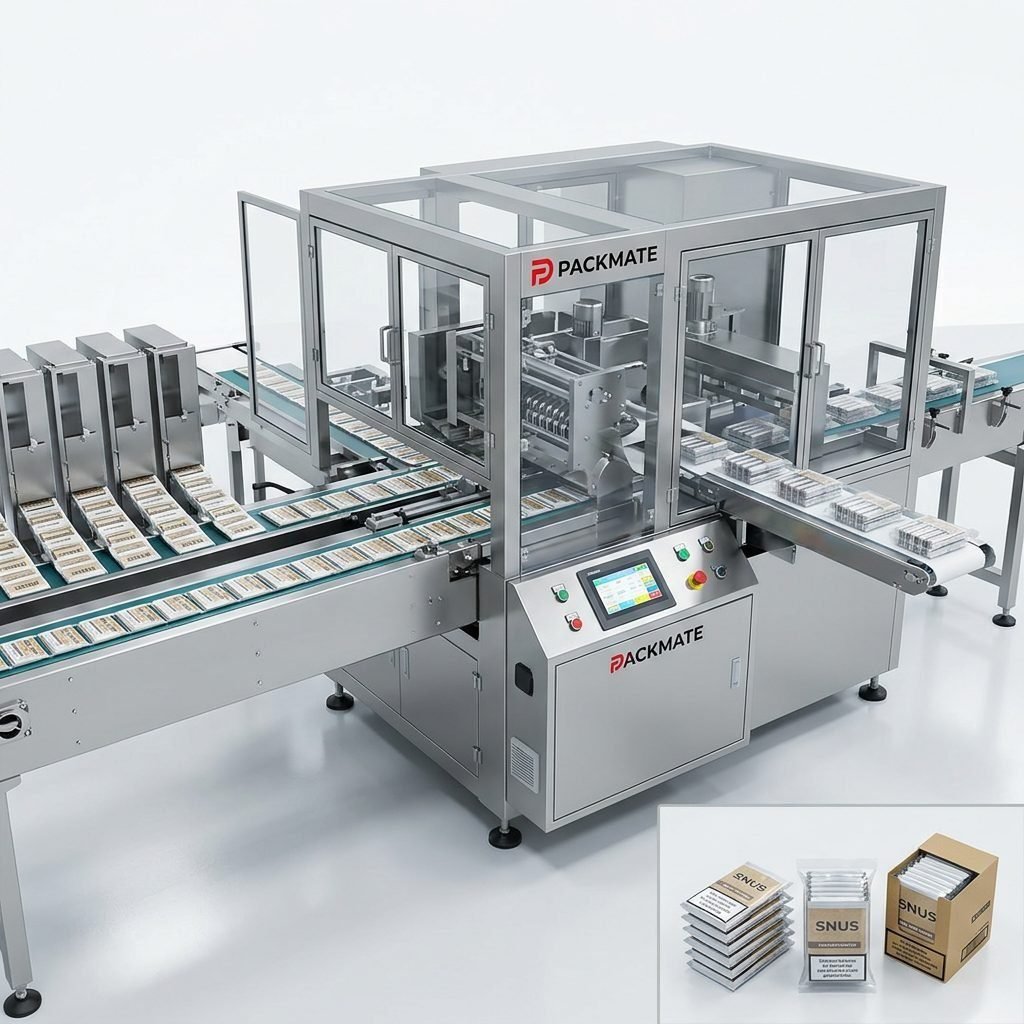
• Filling & Packaging Lines — integrated filling, weighing and sealing solutions for turnkey production.
👥 Local Workforce, Training & Language
Portuguese is the official language in Angola. Insist on operator and maintenance training in Portuguese (or with a Portuguese translator) so your team can run and maintain equipment independently. Training should include preventive maintenance, quick troubleshooting, and spare parts replacement.
🧾 Compliance, Labeling & Public Perception
Nicotine products are sensitive goods. Understand local advertising, packaging, and sales restrictions in Angola. Labeling must meet health and safety standards, and your packaging design should respect cultural norms. Work with local legal counsel to align product claims, warnings, and ingredient lists to Portuguese-language requirements.
✅ Final Buying Checklist for Angola
• Match machine type to product form and target throughput.
• Verify material compatibility for high humidity conditions.
• Confirm 220V/50Hz compatibility and surge protection.
• Ensure supplier provides Portuguese training and documentation.
• Secure spare parts availability and clear warranty terms.
• Plan customs clearance with CE/ISO and health certifications ready.
🌍 Why Choose an Experienced OEM
Long-term success in Angola benefits from partnering with an OEM that has global turnkey experience, documented case studies, and robust manufacturing capacity. Suppliers with decades of engineering know-how can provide tested multi-lane systems, reliable spare parts pipelines, and tailored solutions that reduce time-to-market. For further company background and certificates, review supplier credentials and exhibition history.
Useful links:
🧾 Next Steps Before Purchase
1) Define SKU list and projected volumes. 2) Request machine quotes with FAT video and technical details. 3) Confirm Portuguese-language training and spare parts plan. 4) Arrange logistics and customs documentation. 5) Start with a pilot run and scale as demand grows.
❓ Frequently Asked Questions (Common Questions)
Q: What machine type is best for small batches in Luanda?
A: A modular stick pack or small multi-lane snus line offers flexibility for small runs while enabling scale-up later.
Q: How important is Portuguese training and documentation?
A: Very important — it reduces operator errors, improves maintenance turnaround, and ensures regulatory compliance with local labeling and safety rules.
Q: Are special films needed for Angolan climate?
A: Use high-barrier laminates and consider desiccants or nitrogen flush for moisture-sensitive nicotine pouches.
Q: Which supplier documents should I request before ordering?
A: Technical datasheets, CE/ISO certificates, FAT reports, spare parts lists, warranty terms, and Portuguese-language manuals/training plans.