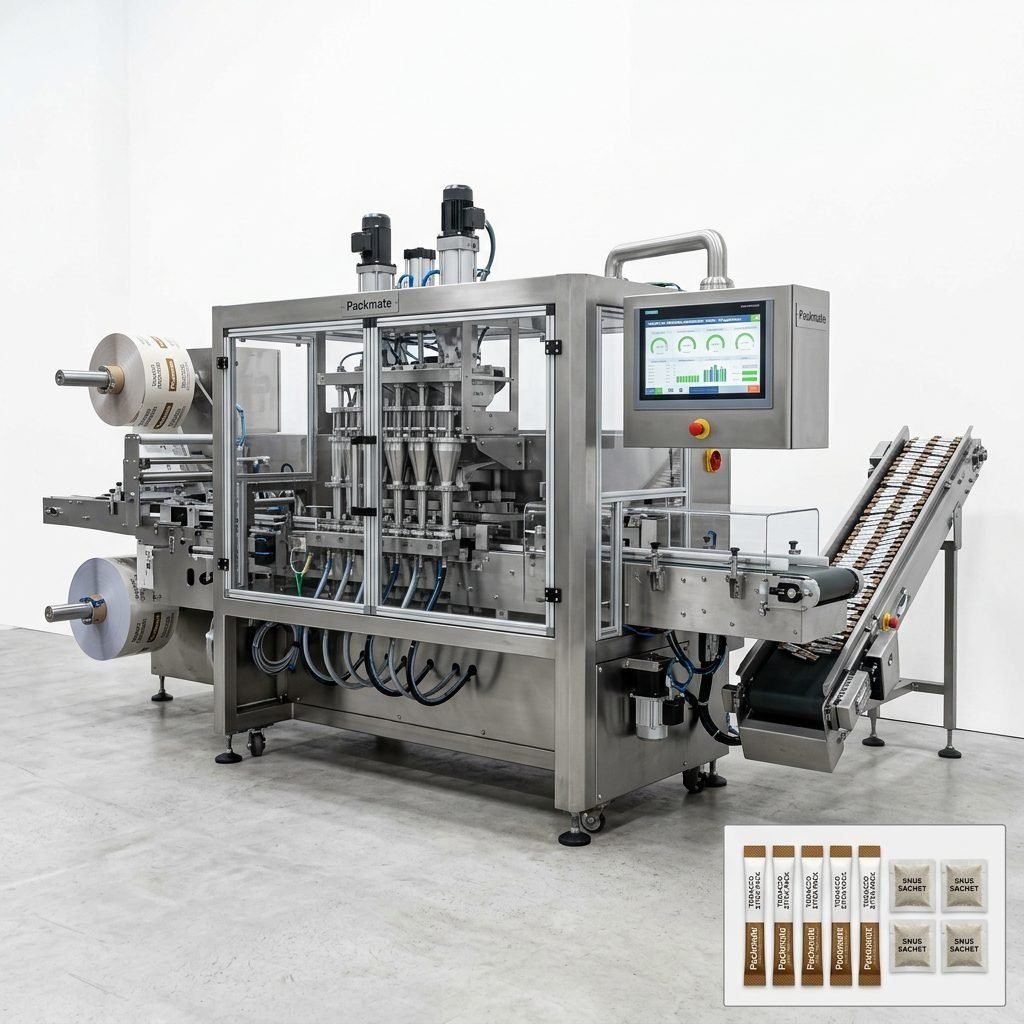
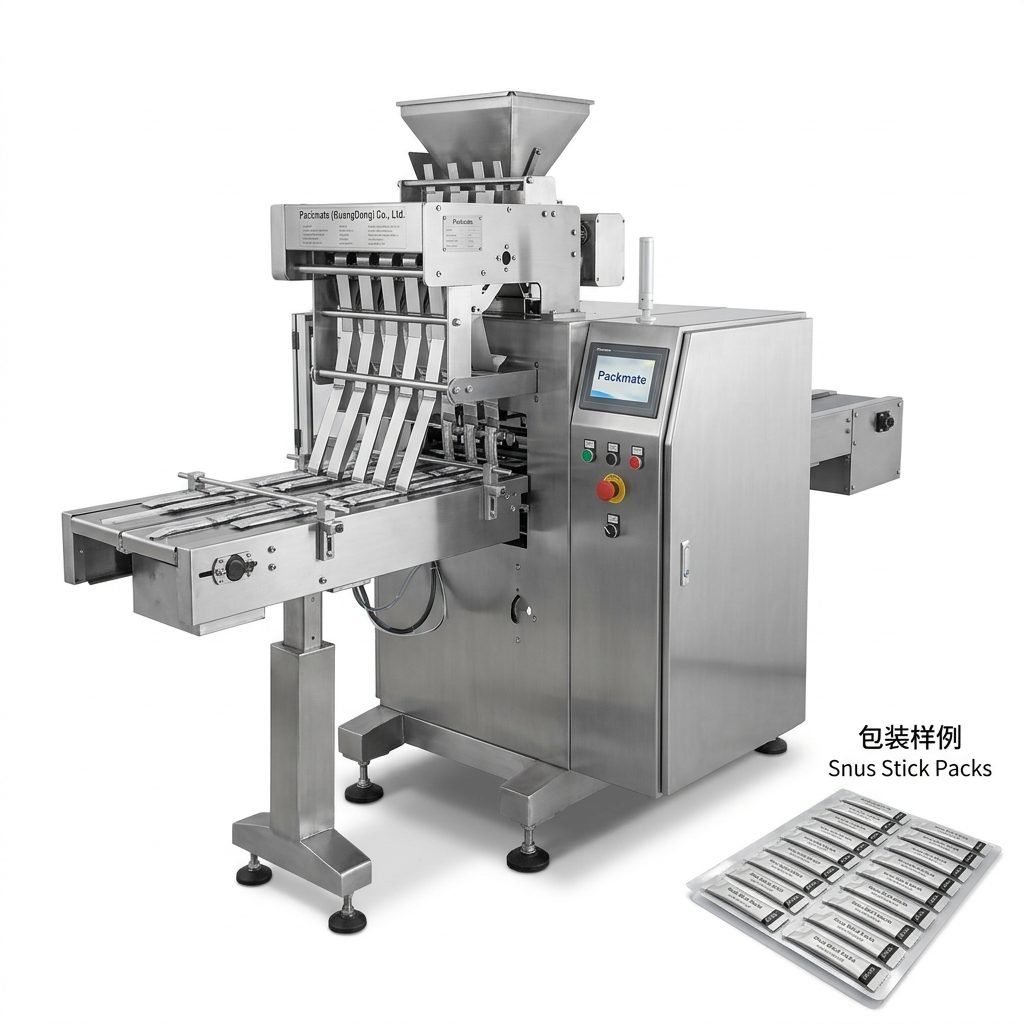
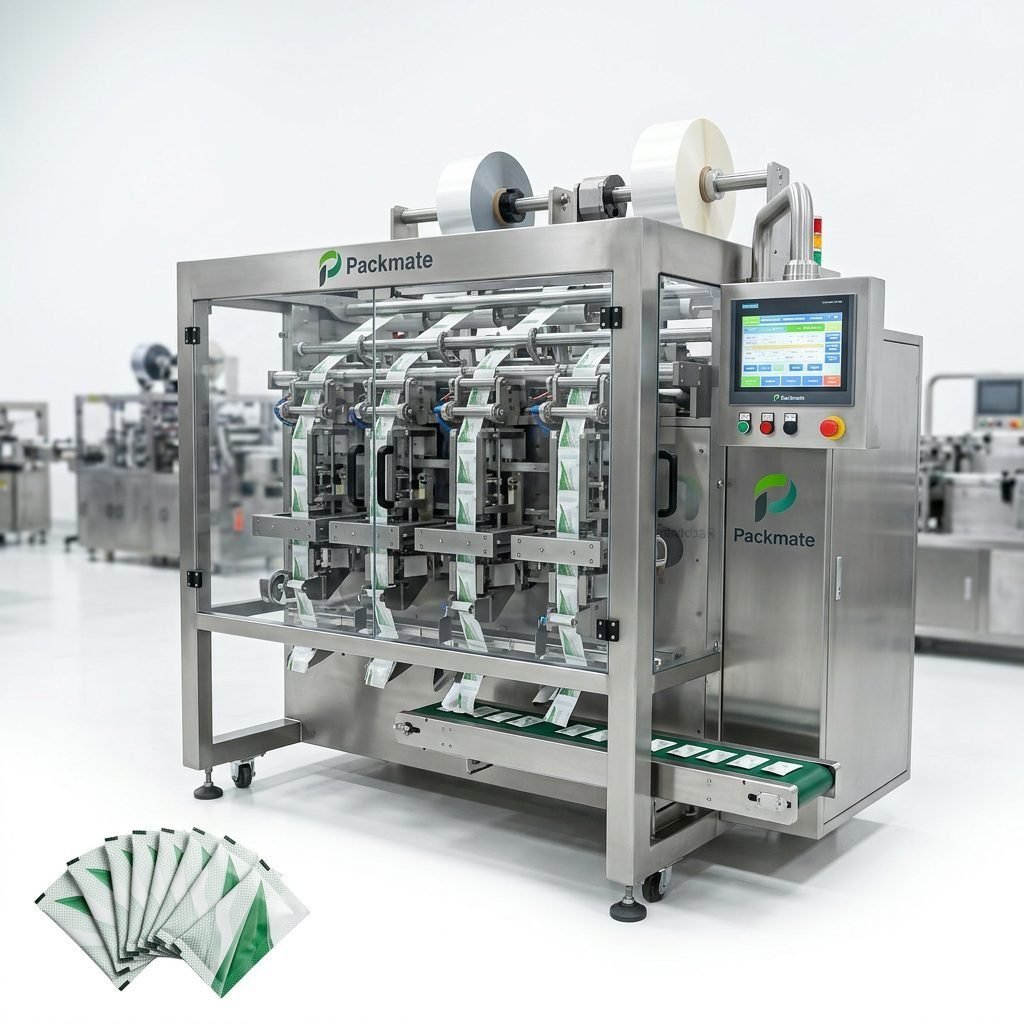
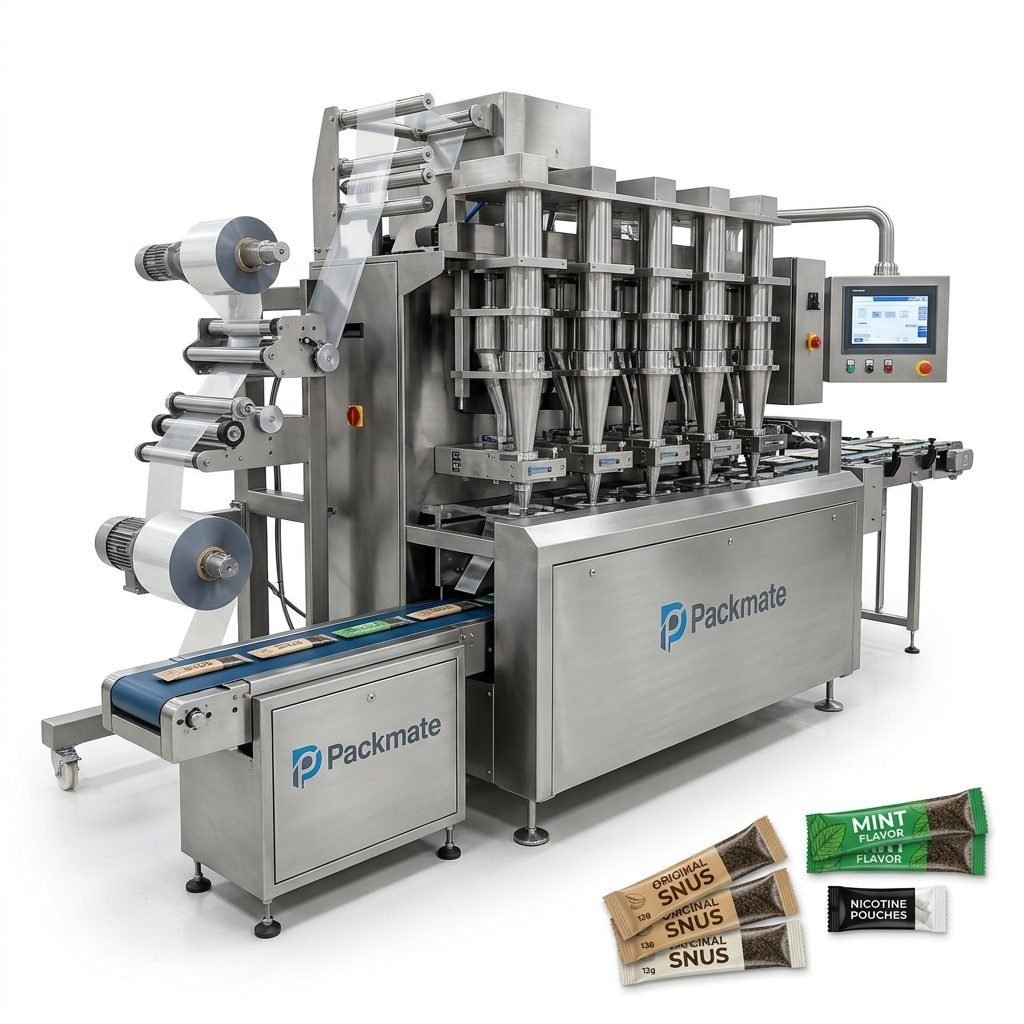
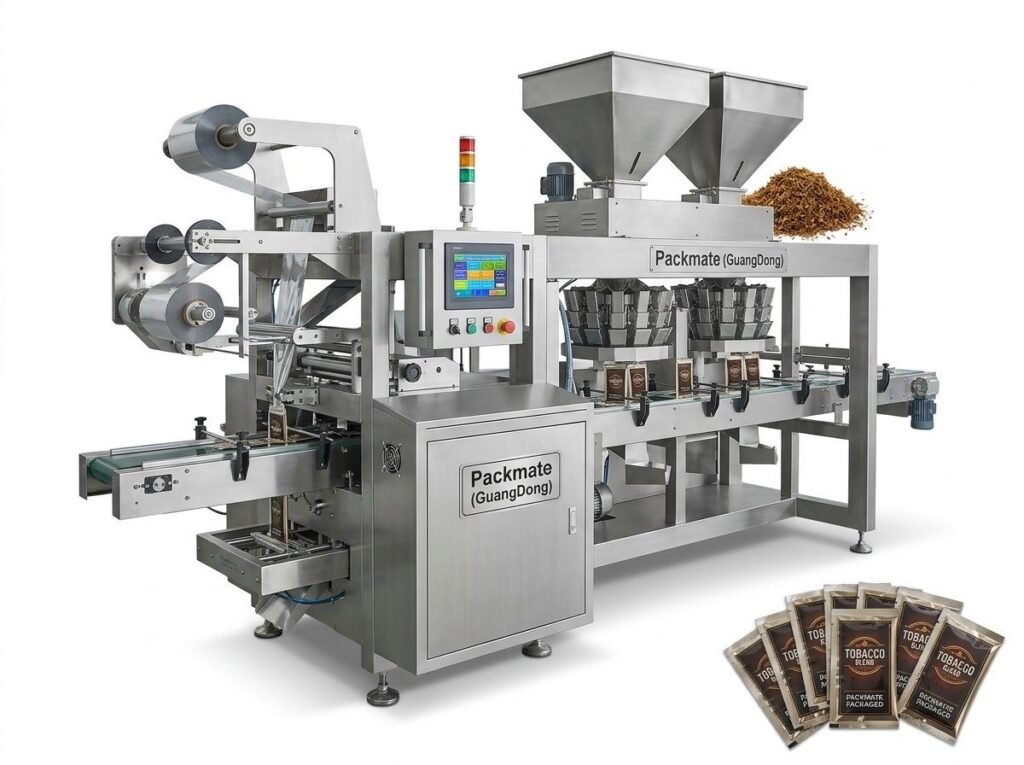
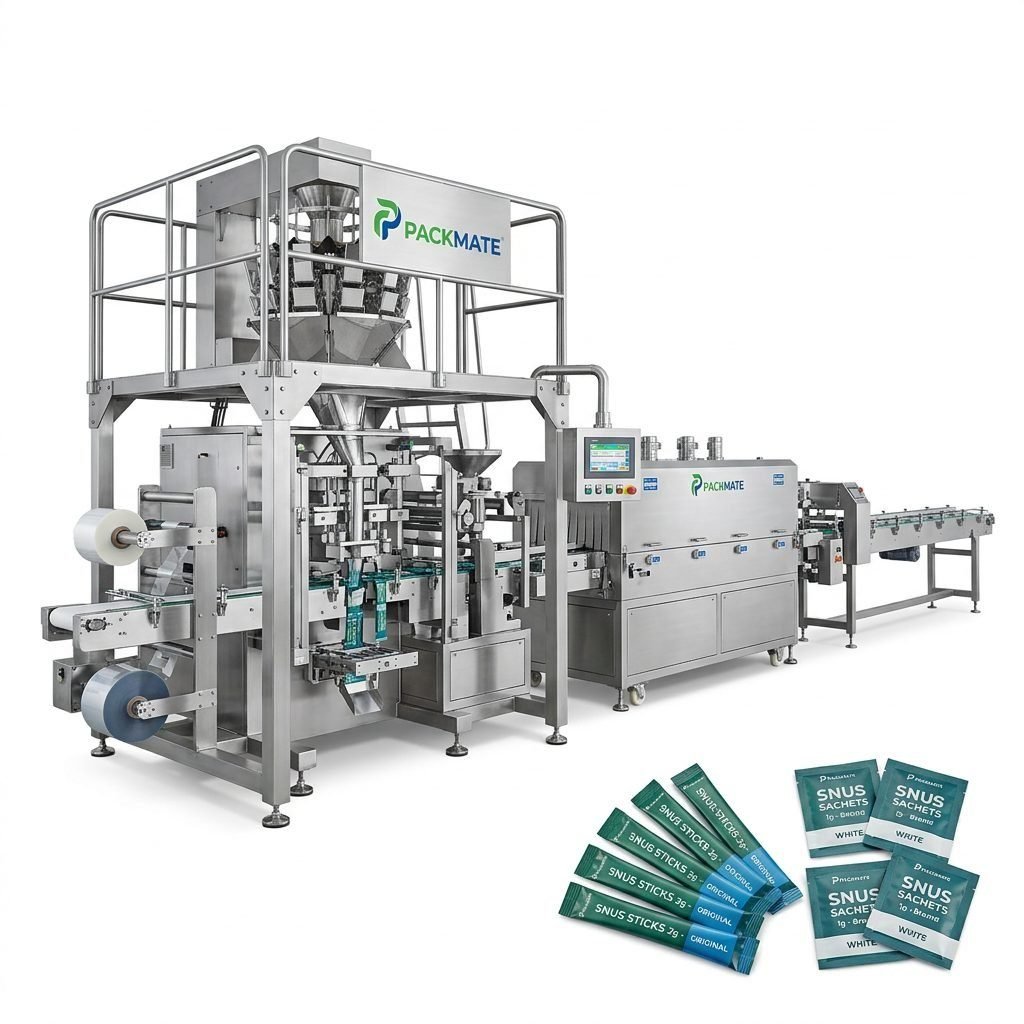
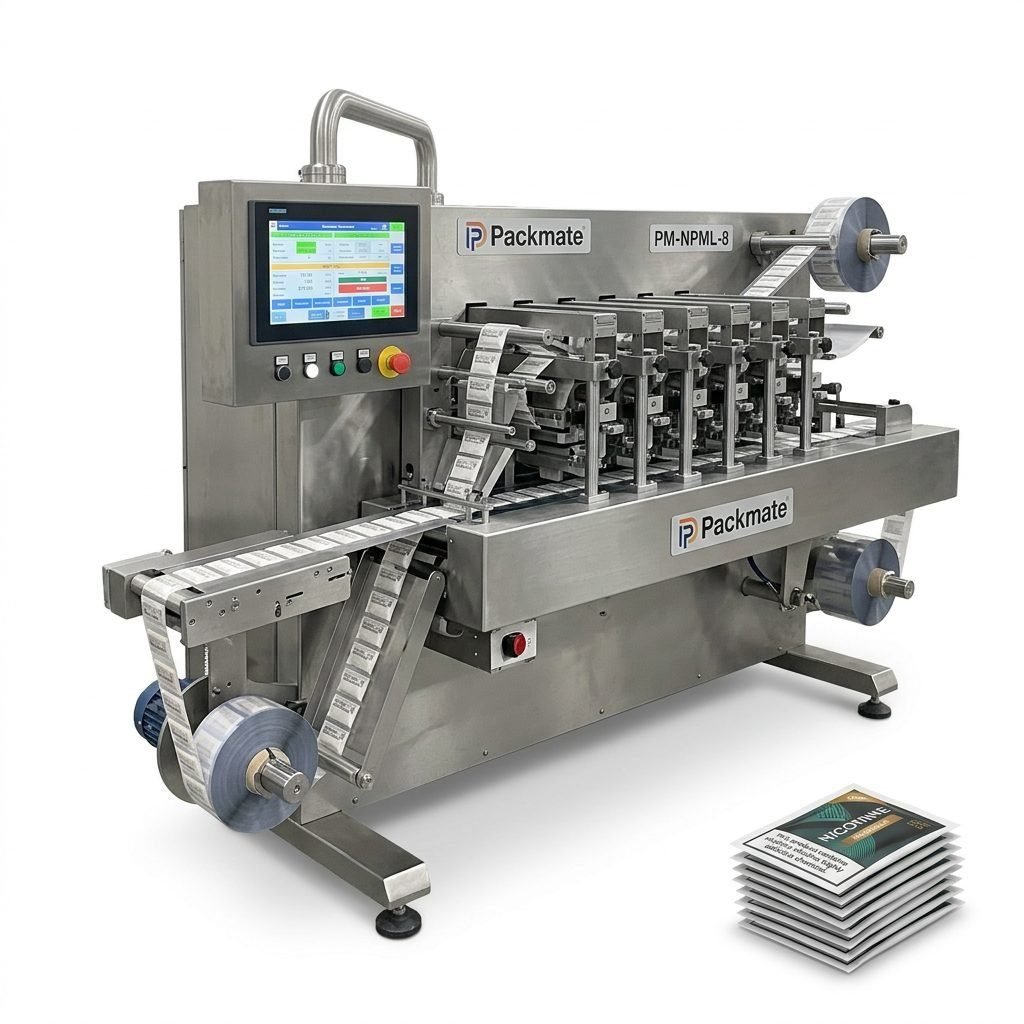
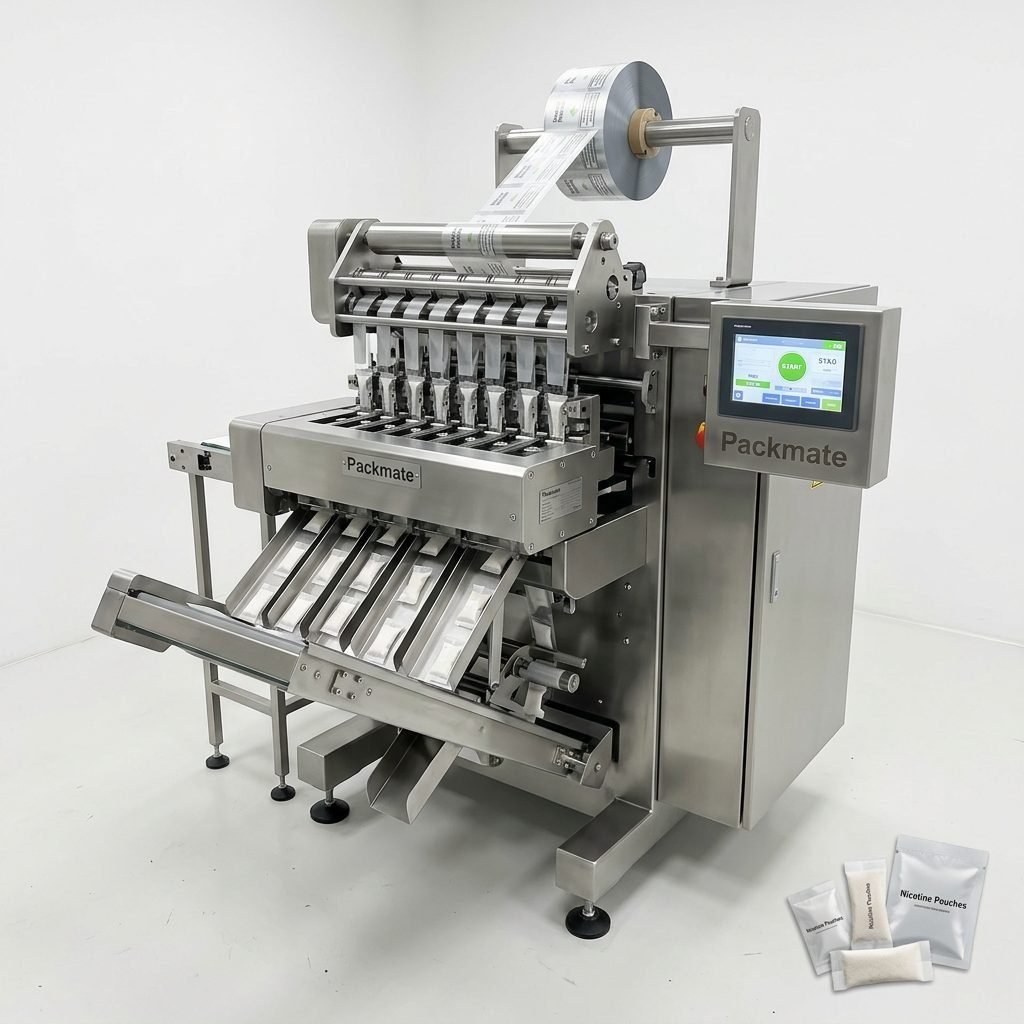
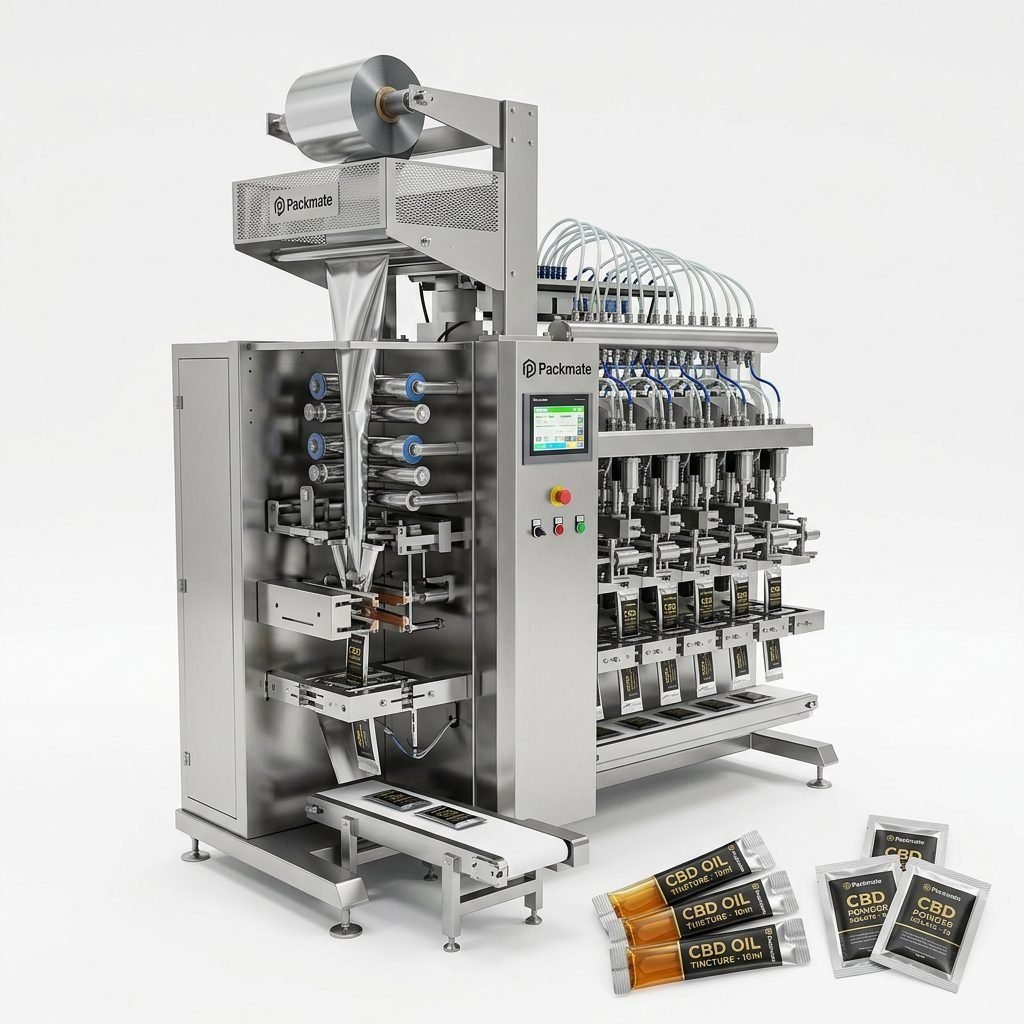
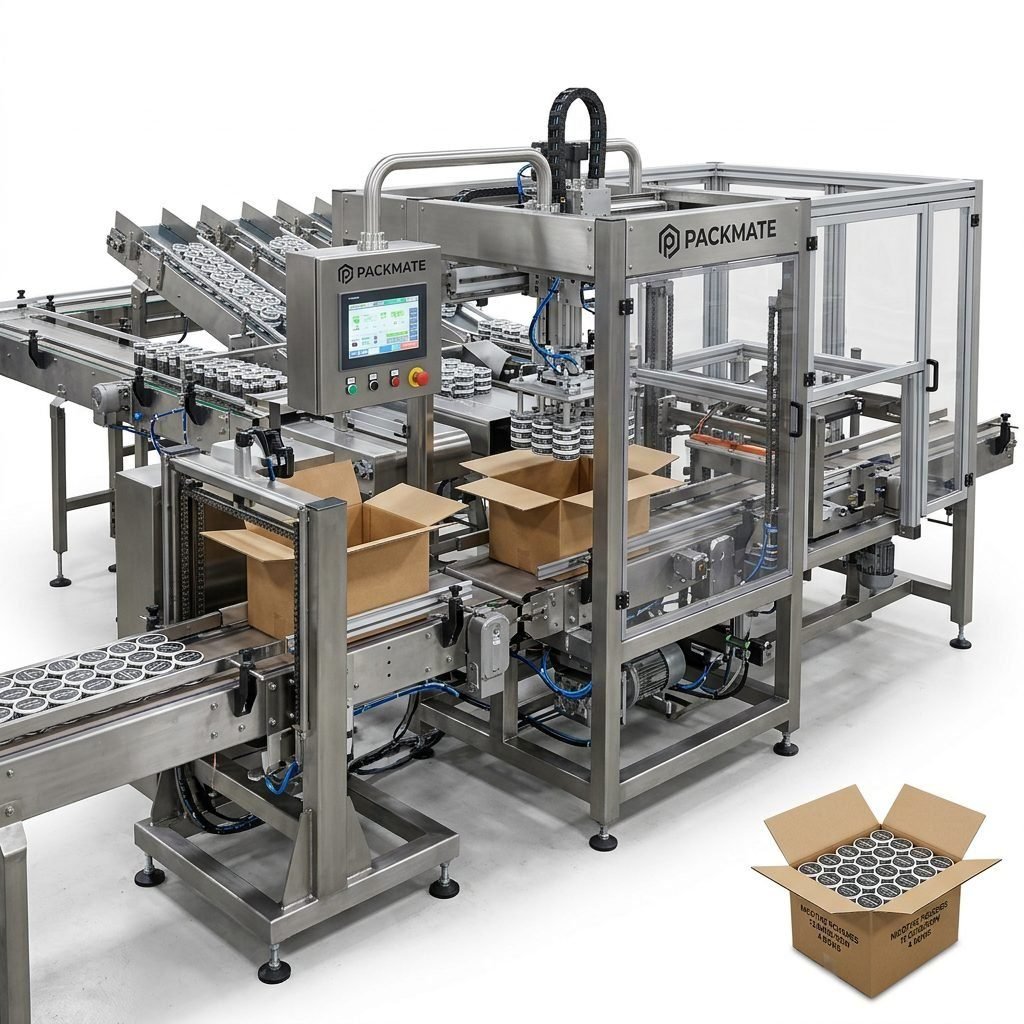
The evolution of snus and nicotine pouch production requires packaging equipment that not only achieves high throughput but also meets rigorous hygiene and regulatory expectations. In this comprehensive guide we explain how a Snus Packing Machine designed to GMP (Good Manufacturing Practice) standards can transform your production line — ensuring product safety, regulatory compliance, and sustained operational efficiency. Whether you are evaluating new equipment or upgrading an existing line, this article walks through practical design considerations, validation steps, process controls, and efficiency improvements you must prioritize for reliable snus packaging operations.
Why GMP Matters for Snus Packing Machines
GMP is a system for ensuring products are consistently produced and controlled to quality standards. For snus and nicotine pouches — often classified under tobacco or nicotine-delivery consumables — GMP-style controls reduce contamination risks, ensure precise dosing, and provide traceability. Machines that integrate GMP principles help manufacturers meet international regulations and buyer expectations while minimizing recalls and production losses.
Core GMP Objectives
✔ Product Safety: Prevent cross-contamination and foreign body ingress throughout the packaging process.
✔ Consistency: Ensure weight, fill accuracy, and seal integrity across every pouch or stick pack.
✔ Traceability: Maintain batch records, machine logs, and calibration histories for audits and investigations.
✔ Cleanability: Facilitate rapid, validated cleaning cycles for product-contact surfaces.
Design Elements of GMP-compliant Snus Packing Machines
Equipment design is the foundation of GMP compliance. Thoughtful mechanical and electrical engineering reduces contamination points, simplifies maintenance, and improves operator ergonomics. The most critical design elements include material selection, surface finish, access for cleaning, sealed drive systems, hygienic electrical enclosures, and modular components that can be quickly replaced or removed.
🔧 Key design features to demand:
• Smooth, rounded surfaces with a finish that prevents product buildup.
• Food-grade stainless steel 304/316 for product-contact parts.
• Quick-release guards and tool-less removal of critical parts for cleaning.
• Enclosed bearings and sealed motors to avoid lubricant contamination.
• CIP-compatible modules or design points that support validated cleaning procedures.
Materials, Surface Finishes and Hygienic Layout
Material selection directly impacts cleanability and durability. Product-contact surfaces should be corrosion-resistant stainless steel with welds ground smooth and polished to eliminate crevices. Non-product-contact areas should be designed to avoid dust traps. The machine layout should promote one-way product flow and minimize areas where product or dust can accumulate.
Control Systems and Automation: Precision Meets Compliance
Modern snus packing machines pair mechanical precision with sophisticated control systems. PLC control, HMI interfaces, servo-driven dosing, and real-time monitoring are essential to maintain tight tolerances and recordkeeping. Controls should offer validated recipes, user-level access, and audit trail capabilities that support GMP documentation and traceability.
📌 Control features to evaluate:
• Recipe management and secure user authentication.
• Electronic batch records and event logging.
• Servo dosing and multi-lane synchronization for consistent fills.
• Interlocks and fail-safe modes to prevent operation during unsafe conditions.
• Remote diagnostics and software updates to minimize downtime.
Sensors, Data Logging and Traceability
High-quality sensors for weight, temperature, humidity, and seal quality integrate with centralized data logging. Traceability is maintained by linking lot numbers, raw material batches, and production runs with machine events. Machines that export standardized reports simplify audits and regulatory submissions.
Validation, Qualification and Documentation
Validation demonstrates that equipment performs as intended. For snus packing lines, this includes IQ (Installation Qualification), OQ (Operational Qualification), and PQ (Performance Qualification). A GMP-ready vendor provides documentation templates, test scripts, and support during commissioning to validate critical parameters like dosing accuracy, seal integrity, and cleanability.
IQ: Verify installation, mechanical alignment, utility connections, and component lists.
OQ: Test machine functions across operating ranges, alarm behavior, and interlocks.
PQ: Confirm the machine maintains quality during simulated production runs and meets acceptance criteria for yield and defect rates.
Cleaning Validation and Maintenance Protocols
Cleaning validation proves that specified cleaning procedures effectively remove product residues and microbial contamination. Machines should come with validated cleaning instructions, recommended detergents, and suggested frequencies for preventive maintenance. A maintenance plan with spare parts lists and mean time between failures (MTBF) data helps maintain continuous production.
Production Efficiency: Throughput, Waste Reduction and Multi-lane Solutions
Efficiency is a combination of mechanical throughput, changeover speed, and yield. Multi-lane machines multiply output for small-dose products like snus pouches while retaining accurate dosing through synchronized dosing systems. Look for high-speed sealing systems, automatic web registration, and film-saving algorithms that reduce material waste.
✅ Efficiency levers:
• Multi-lane pouch formation with independent dosing lanes.
• Fast roll change features and quick tool-change systems.
• Process analytics to detect drifts and reduce rejects.
• Integrated upstream weighing and downstream case packing to reduce handling.
Integrating Weighing and Packaging Lines
Seamless integration with upstream and downstream systems ensures a smooth flow from raw material to boxed product. Check compatibility with Weighing & Packaging Systems and Filling & Packaging Lines that support automatic feeding, precise dosing, and synchronized product transfer to avoid jams and product damage.
Supplier Evaluation: What to Ask Your Manufacturer
Choosing the right supplier is as important as machine features. Ask about experience in snus or nicotine packaging, factory capabilities, quality control processes, documentation support, global service network, and turnkey line experience. A vendor with extensive multi-lane design experience will better support scaling and customization.
Packmate Snus Machine is an example of a specialist with deep domain experience. With over 30 years in packaging engineering and a 20,000㎡ manufacturing facility, they offer a range of Snus & Nicotine Packaging Machines, multi-lane systems, and turnkey solutions tailored for small-dose pouches. For more details on model ranges and capabilities visit the product pages for Snus & Nicotine Packaging Machines and Sachet & Stick Pack Machines.
Questions to verify with suppliers
• Experience: Years of R&D in packaging machinery for snus and nicotine pouches.
• Factory capabilities: CNC machining, assembly lines, and testing facilities.
• Certifications: CE, ISO, and any industry-specific approvals.
• After-sales: Spare parts, commissioning, training, and service response times.
Installation, Commissioning and Training
Proper installation and commissioning are critical to achieving validated performance. Ensure the supplier provides certified commissioning services, IQ/OQ/PQ support, and operator training. Training should cover cleaning, dosing calibration, troubleshooting, and GMP documentation practices so your team maintains compliance in daily operations.
Service, Spare Parts and Lifecycle Management
Long-term uptime relies on accessible spare parts and responsive service. Prioritize suppliers that publish spare parts catalogs, offer preventive maintenance contracts, and provide remote diagnostics. A clear lifecycle plan for software and hardware ensures machines remain supported and secure.
Risk Management and Continuous Improvement
Implement a risk assessment program that identifies failure modes, critical control points, and mitigation strategies. Use production data and nonconformance records to drive continuous improvement initiatives. A close partnership with your machine manufacturer helps you implement upgrades, retrofits, and software enhancements that improve safety and yield over time.
🏭 Example — a multi-lane snus line using synchronized servo dosing reduced variability by 60% and decreased film waste by 35% after process tuning and operator training, demonstrating how combined mechanical design and operational discipline deliver measurable gains.
Digitalization and Industry 4.0
Digital capabilities such as MES integration, cloud-based analytics, and predictive maintenance improve uptime and simplify compliance. Machines that can feed production data into centralized systems enable real-time quality control and faster root-cause analysis.
Compliance Documentation and Audits
Prepare a documentation package for auditors including mechanical drawings, material certifications, software versions, calibration records, cleaning validation reports, and IQ/OQ/PQ evidence. Suppliers who provide comprehensive documentation templates reduce the administrative burden during audits.
For suppliers and service references, check manufacturer pages like Snus & Nicotine Packaging Machines, Bag & Pouch Packaging Machines, and About Packmate to evaluate model ranges, certifications, and manufacturing capabilities.
Procurement Checklist: A Practical Buying Guide
Use this practical checklist when acquiring a GMP-standard snus packing machine:
📎 Procurement checklist:
• Material and surface finish specs (304/316 SS, weld quality).
• Cleanability and tool-less disassembly features.
• Control system features: PLC, HMI, recipe management, audit trail.
• IQ/OQ/PQ support and documentation deliverables.
• Spare parts list, service SLA, and training scope.
• Compliance certificates (CE, ISO) and factory acceptance test records.
• Compatibility with upstream/downstream equipment (weighers, case packers).
Factory & Manufacturing Strength
Evaluate a vendor’s manufacturing capability: CNC machining centers, precision assembly lines, and a controlled testing environment reduce variability in delivered machines. Suppliers with a broad portfolio — including Sachet & Stick Pack Machines and Auxiliary Packaging Equipment — can deliver integrated solutions that minimize integration risk.
Final Considerations Before Purchase
Procurement of a GMP-standard snus packing machine is both a technical and strategic decision. Prioritize suppliers that provide strong commissioning support, comprehensive documentation, spare parts coverage, and an upgrade roadmap. Consider total cost of ownership, including installation, validation, training, and spare parts, rather than just the purchase price.
When implemented correctly, a GMP-focused snus packing machine not only safeguards product quality and regulatory compliance but also drives production efficiency, reduces waste, and builds long-term operational resilience.
Frequently Asked Questions
Q1 — What does GMP compliance mean for a snus packing machine?
GMP for snus packaging means the machine must be designed for cleanability, use suitable materials and finishes, enable validated cleaning and maintenance, provide accurate dosing and sealing, and support traceability through data logging and documentation.
Q2 — How do I validate a new snus packaging line?
Validation typically follows IQ/OQ/PQ stages: confirm installation, test operational parameters under all modes, and run performance trials to demonstrate consistent quality at the required production rate. Use supplier documentation and test scripts to document acceptance criteria.
Q3 — Can multi-lane machines meet strict dosing accuracy?
Yes. Multi-lane designs using synchronized servo dosing and independent lane calibration can maintain tight tolerances while increasing throughput. Proper commissioning and routine calibration are essential.
Q4 — What support should a vendor provide after installation?
Look for on-site commissioning, IQ/OQ/PQ assistance, operator and maintenance training, spare parts availability, remote diagnostics, and preventive maintenance agreements to ensure long-term reliability.
Q5 — Where can I see machine references and case studies?
Vendor case pages and exhibition catalogs often showcase real-world deployments. Explore manufacturer case studies and exhibition records to evaluate performance across geographies and product types.