Choosing the right nicotine packaging machinery manufacturer for your business in Cambodia requires more than a simple price comparison. You need to balance reliability, regulatory compliance, local logistics, and after-sales support. This guide walks you through practical steps and local considerations — from understanding Cambodian market preferences to evaluating technical capabilities and factory credentials — so you can make an informed investment that grows with your operations.
Understand Your Product and Production Needs
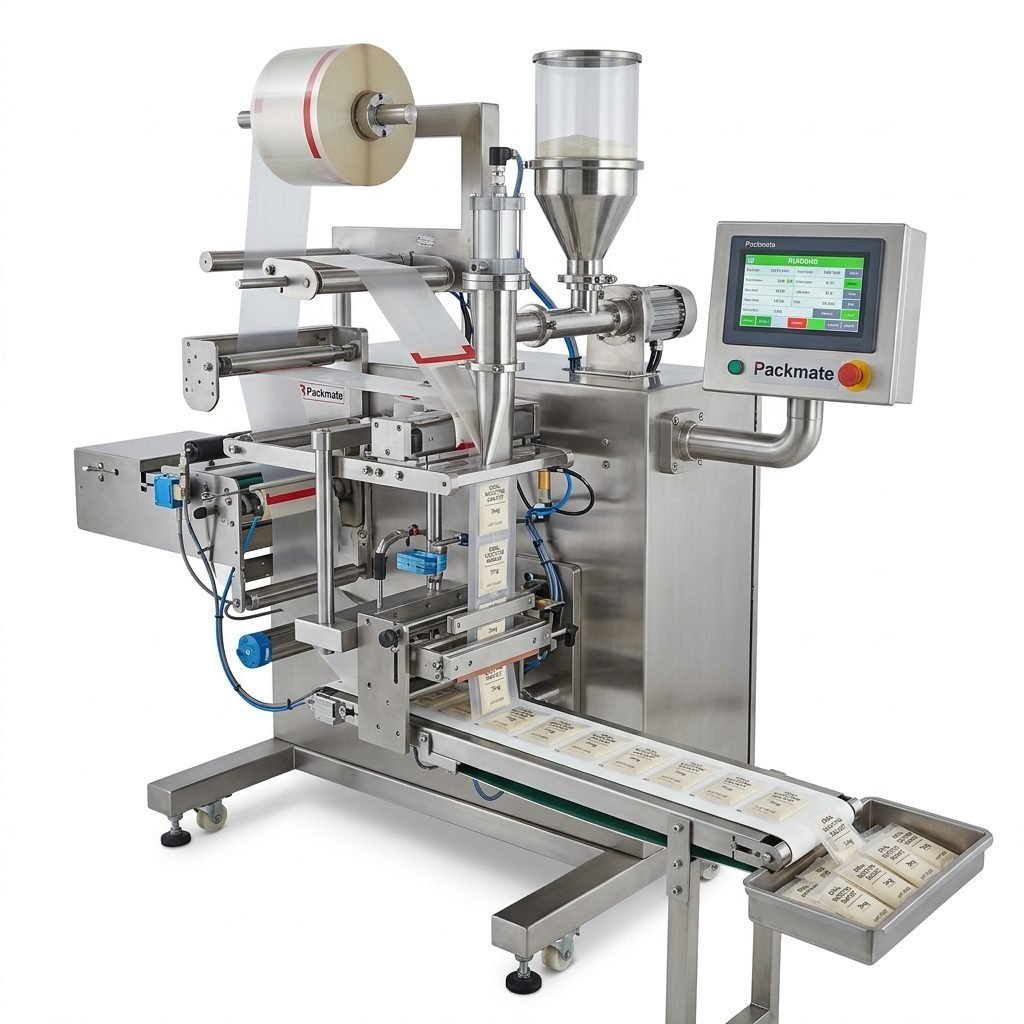
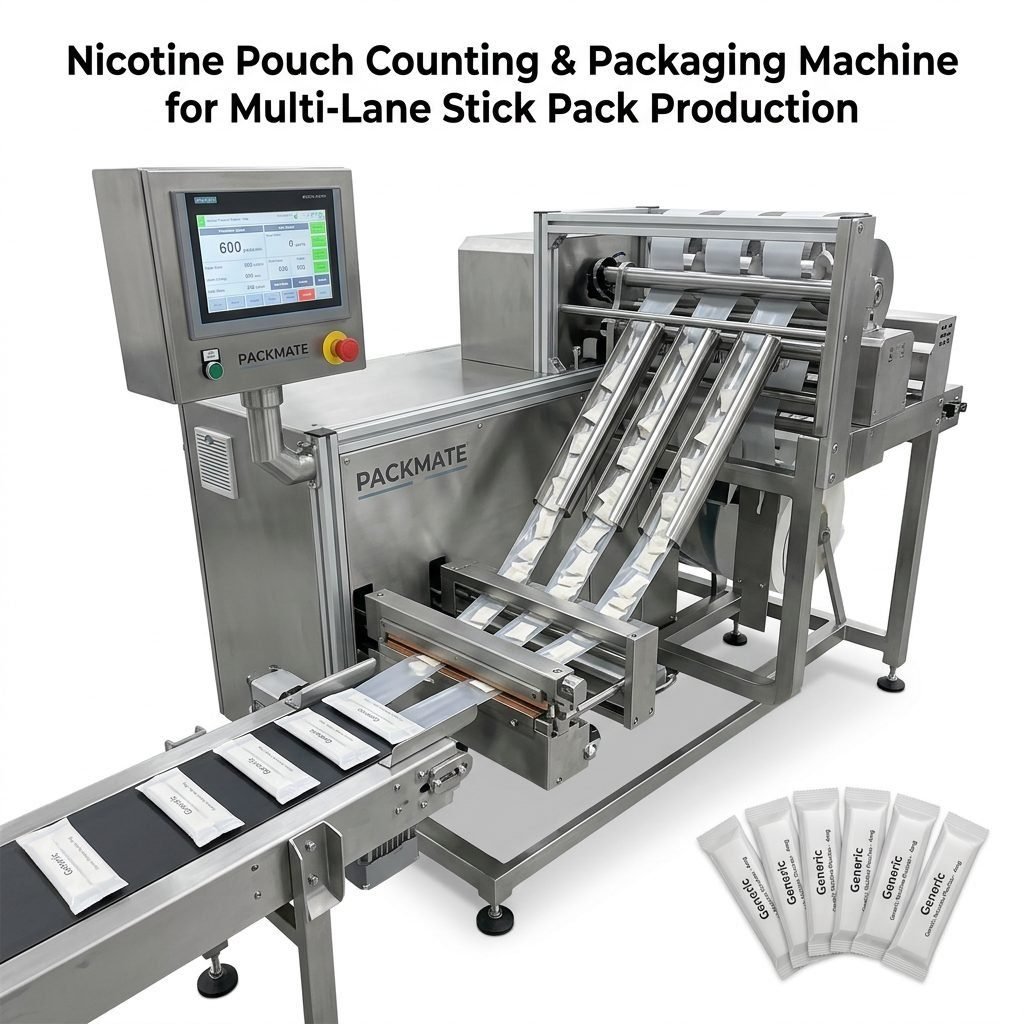
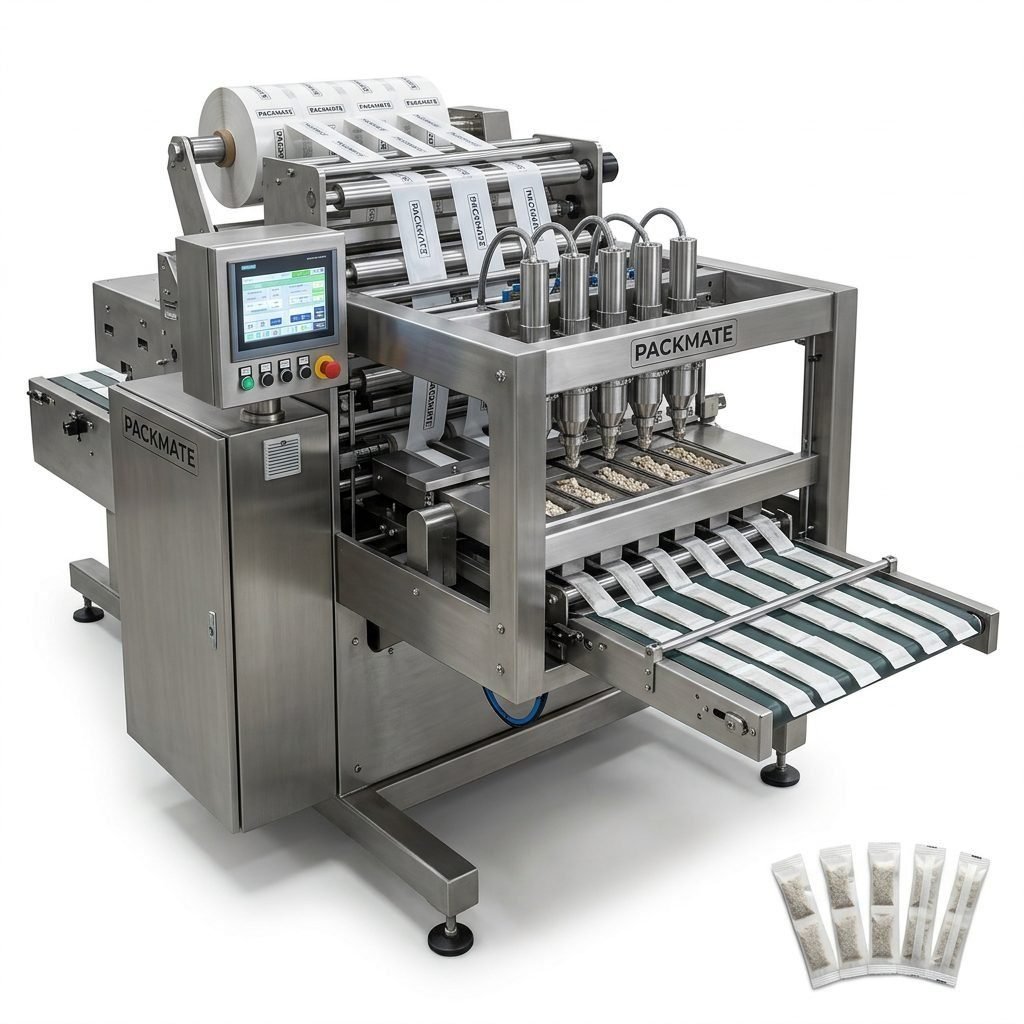
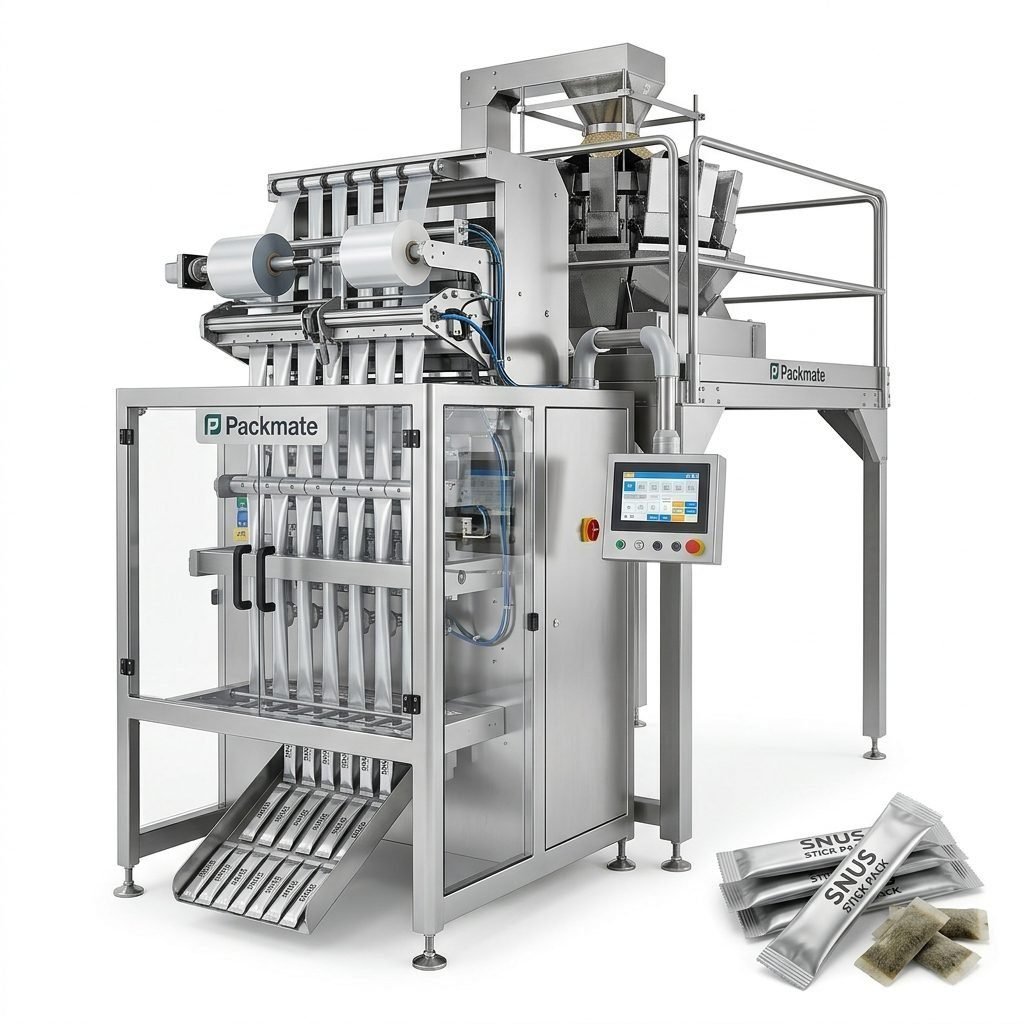
The first step is to define your product profile. Are you producing nicotine pouches, snus, sachets, or stick packs? Each format demands specific filling, sealing, and dosing solutions. Pay attention to:
- Target output per minute/hour — higher throughput may require multi-lane systems.
- Product form (powder, granule, paste, or liquid) — this affects the choice of feeders and dosing modules.
- Packaging material and barrier requirements — foil, paper-laminates, or breathable pouches.
- Flexibility — ability to switch formats or pouch sizes for future SKUs.
Tip: If you plan to expand from single-lane to multi-lane production, prioritize manufacturers with turnkey solutions and modular machines to avoid costly replacements later.
Why Manufacturer Credentials Matter: What to Verify
Credible manufacturers demonstrate production capability and quality control through certifications, factory tours, and case studies. Evaluate:
Certifications and Standards
Look for CE and ISO markings as a baseline for safety and quality. Equipment used for nicotine products often needs to meet hygiene and electrical safety standards to minimize contamination risks and ensure reliable operation.
Factory Capacity and Precision Engineering
A modern facility with CNC machining centers and dedicated assembly lines shows the ability to maintain tolerances and provide long-lasting parts. For reference, companies that operate large manufacturing areas (for example, 20,000㎡) and offer 50+ machine models typically have the breadth to support diverse projects.
Checklist: Ask for factory photos, production capacity per month, and maintenance documentation. Verified case studies or international exhibition participation can be a strong indicator of reliability.
Local Considerations in Cambodia
Cambodia has unique logistical and cultural traits that affect machinery decisions. Granting attention to these local factors will smooth procurement and operation:
- Import and Customs: Major ports include Sihanoukville and Phnom Penh (via river port and Sihanoukville for ocean freight). Tariffs and clearance processes may delay delivery; verify documentation requirements and choose suppliers experienced in Cambodian export processes.
- Language and Communication: English is commonly used in industry, but ensuring clear technical documentation and local-language support (Khmer) for manuals or training can reduce downtime.
- After-Sales Service: On-site service availability is limited in some provinces — prioritize suppliers who provide fast spare parts shipping and remote support.
- Local Workforce Skills: Cambodia’s labor market is growing, but specialized machine technicians may be scarce in rural areas. Consider training packages or extended commissioning support from your manufacturer.
- Business Culture: Cambodian business relationships value long-term trust and clear terms. Building rapport and having transparent contracts, including warranty and service clauses, helps establish reliable partnerships.
Technical Features to Compare
Technical specifications determine machine performance and long-term return on investment. Key features include:
1. Dosing Accuracy and Filling Technology
Look for advanced weighing and dosing modules for consistent pouch weights. High-precision feeders and volumetric/gravimetric dosing reduce product waste and ensure regulatory compliance.
2. Multi-Lane Capability
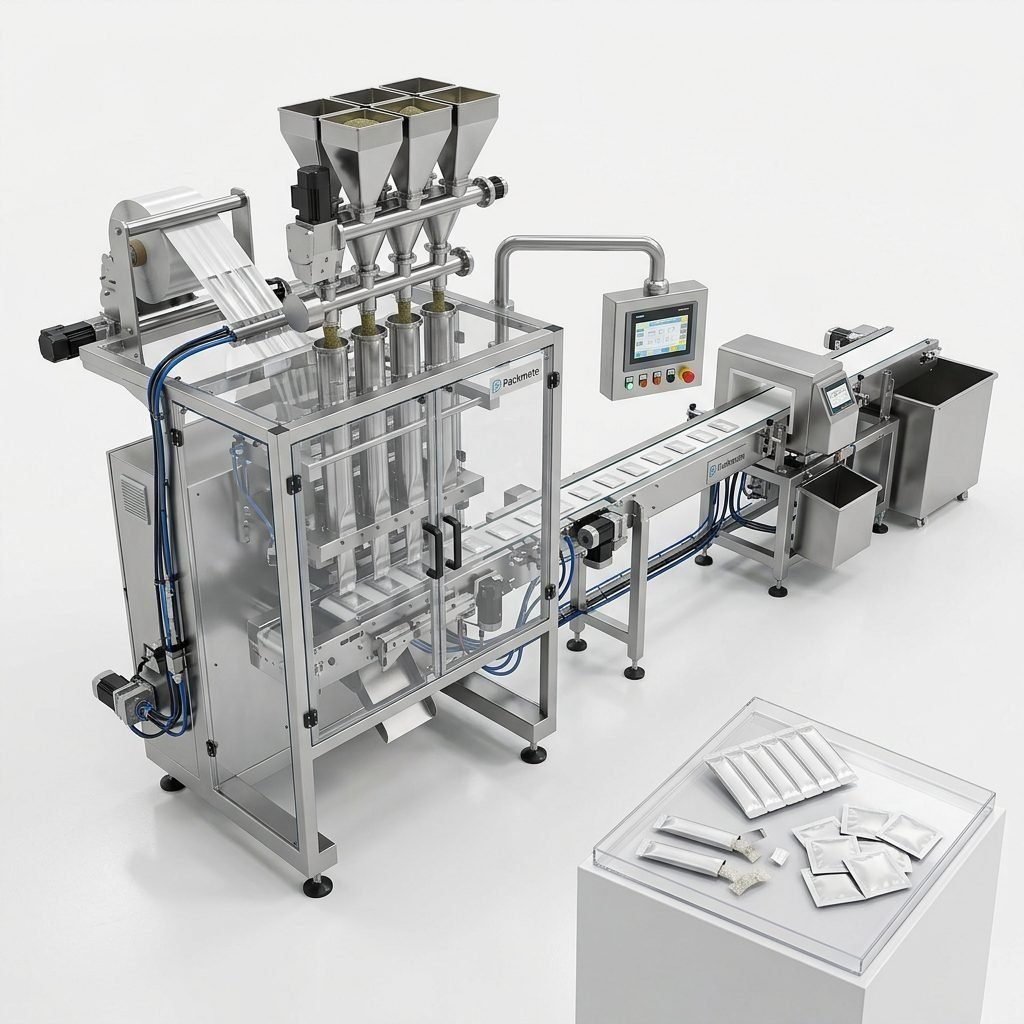
If you need high throughput, multi-lane machines dramatically increase production velocity without expanding the footprint. Confirm lane synchronization and independent lane control for quick changeovers.
3. Material Compatibility and Sealing
Ensure sealing systems are compatible with your chosen laminate or paper materials. Reliable heat sealing and proper tension control avoid seal failures and product contamination.
Important: Request machine test videos with your product, and if possible, ask for a sample run or trial at the manufacturer’s facility to confirm product integrity and speed.
Service, Support and Spare Parts Strategy
Even the best machines need service. Evaluate supplier support in terms of:
- Warranty length and what it covers (electrical systems, mechanical wear parts).
- Spare parts availability and average delivery time to Cambodia.
- Remote diagnostics, training, and on-site commissioning packages.
- Local partners or agents in Cambodia who can respond quickly.
After-Sales Case Study
A manufacturer with global turnkey experience will often have documented cases demonstrating fast issue resolution and spare parts logistics across Asia. These case records help validate realistic lead times and the supplier’s commitment to long-term performance.
Financial Considerations and Total Cost of Ownership
Focus on the total cost of ownership (TCO), not just the machine’s sticker price. TCO considerations include:
- Initial purchase price and optional modules
- Installation, commissioning, and training costs
- Energy consumption and maintenance requirements
- Consumables and spare parts replacement frequency
- Uptime and expected lifecycle in hours
Pro tip: Ask for a TCO comparison between a basic single-lane unit and a multi-lane turnkey line to quantify long-term benefits in production scalability.
How to Vet Manufacturers: A Step-by-Step Approach
Follow these steps when evaluating potential suppliers:
- Request technical datasheets and machine layouts for your specific product.
- Verify certifications and ask for a factory audit or live demo.
- Check references and international case studies to confirm performance claims.
- Clarify lead times, logistics, and CIF/FOB terms for Cambodia delivery.
- Negotiate warranty terms, training, and spare parts agreements upfront.
Vendor Red Flags
Be cautious if the supplier cannot provide: verifiable client references, clear spare part lead times, machine test videos using your product, or a detailed service plan. Lack of transparency often leads to costly delays.
Practical Steps After Selecting a Manufacturer
Once you choose a supplier, organize these actions to ensure a smooth commissioning:
- Finalize technical specifications and acceptance criteria in the purchase contract.
- Schedule FAT (Factory Acceptance Test) and SAT (Site Acceptance Test) — insist on video-recorded FATs.
- Plan for customs clearance and local installation logistics in Cambodia.
- Arrange operator training sessions, documentation translated into Khmer if needed.
- Set up a spare parts kit and remote support contacts for the first 12 months.
Must-have: A clear acceptance test document signed by both parties reduces disputes and clarifies performance expectations.
Why Packmate Snus Machine Is Relevant for Cambodian Businesses
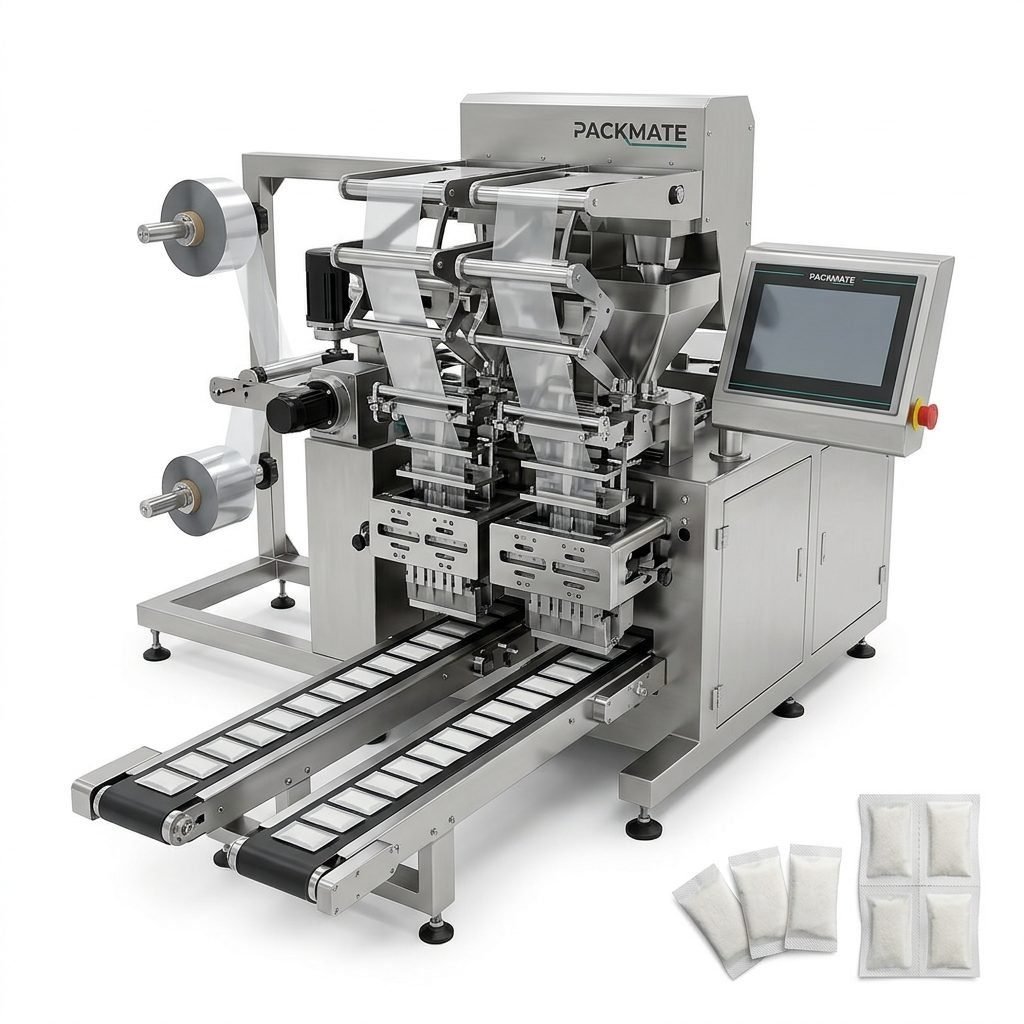
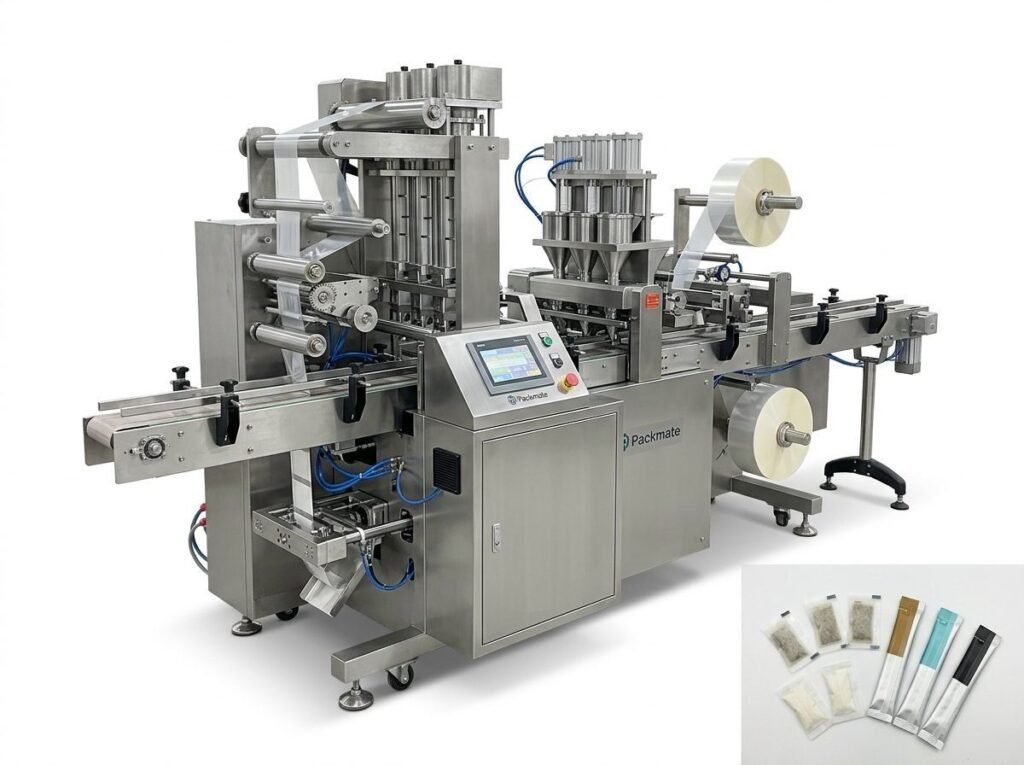
When evaluating suppliers, consider global players with dedicated snus and nicotine packaging expertise. Packmate Snus Machine, for instance, focuses on nicotine pouch packaging lines and offers:
- Over 30 years of engineering experience and multi-lane packaging systems.
- A broad machine portfolio including snus, stick pack, sachet, and multi-lane solutions.
- Turnkey services and documented international case studies that can help expedite regulatory approvals and commissioning.
Explore specific product lines and technical details here: Snus & Nicotine Packaging Machines, and learn about the company and its qualifications at About Packmate. You can also review practical installation and customer stories at Case and verify certifications at Certificate.
Checklist Before Signing the Contract
Finalize these items to avoid surprises:
- Complete machine specifications, acceptance tests, and performance guarantees.
- Delivery terms (EXW, FOB, CIF) and expected export lead times to Cambodia.
- Warranty scope, spare parts list, and local support arrangements.
- Payment milestones tied to FAT, shipping, and SAT completion.
Final Advice for Cambodian Buyers
Building a robust nicotine packaging operation in Cambodia is entirely feasible with careful supplier selection and attention to local logistics. Prioritize modular machines that match your production goals, insist on rigorous testing with your products, and confirm reliable spare parts pipelines. Trustworthy manufacturers that provide documented international experience and turnkey support will significantly reduce your time to market.
Next step: Contact potential suppliers early and request a detailed proposal including FAT videos, spare parts lists, and a draft service agreement. For direct inquiries, a manufacturer contact page can speed communications: Contact Us.
Frequently Asked Questions (FAQs)
1. How long does it typically take to receive a packaging line in Cambodia?
Lead times vary by model complexity and production backlog. Simple single-lane machines may ship within 8–12 weeks, while customized multi-lane turnkey lines often require 12–20 weeks including FAT procedures. Add customs clearance and inland transport time for a realistic delivery schedule.
2. What after-sales support should I expect from an international manufacturer?
Expect remote diagnostics, scheduled maintenance guidance, and spare parts shipments. For complex installations, negotiate an on-site commissioning visit and local operator training. Manufacturers with regional partners can provide faster response times for urgent repairs.
3. Are there specific Cambodian regulations for nicotine packaging machines?
Regulations focus on product labeling, ingredients disclosures, and local import rules. Ensure your packaging materials and finished products comply with Cambodia’s customs and health authority requirements. Consulting a local legal or regulatory expert during procurement helps avoid compliance issues.
4. Can machines supplied for snus be adapted for other products?
Yes, many snus packaging machines are flexible and can handle tea, powders, granules, or liquid formats with different dosing heads and modules. Confirm compatibility ahead of purchase, and request modular design options for future product diversification.
5. What documentation should I request during purchase?
Request a machine datasheet, electrical and pneumatic diagrams, spare parts list, FAT report, CE/ISO certificates, user manuals, and a written warranty. Also secure acceptance criteria for SAT to avoid post-delivery disputes.