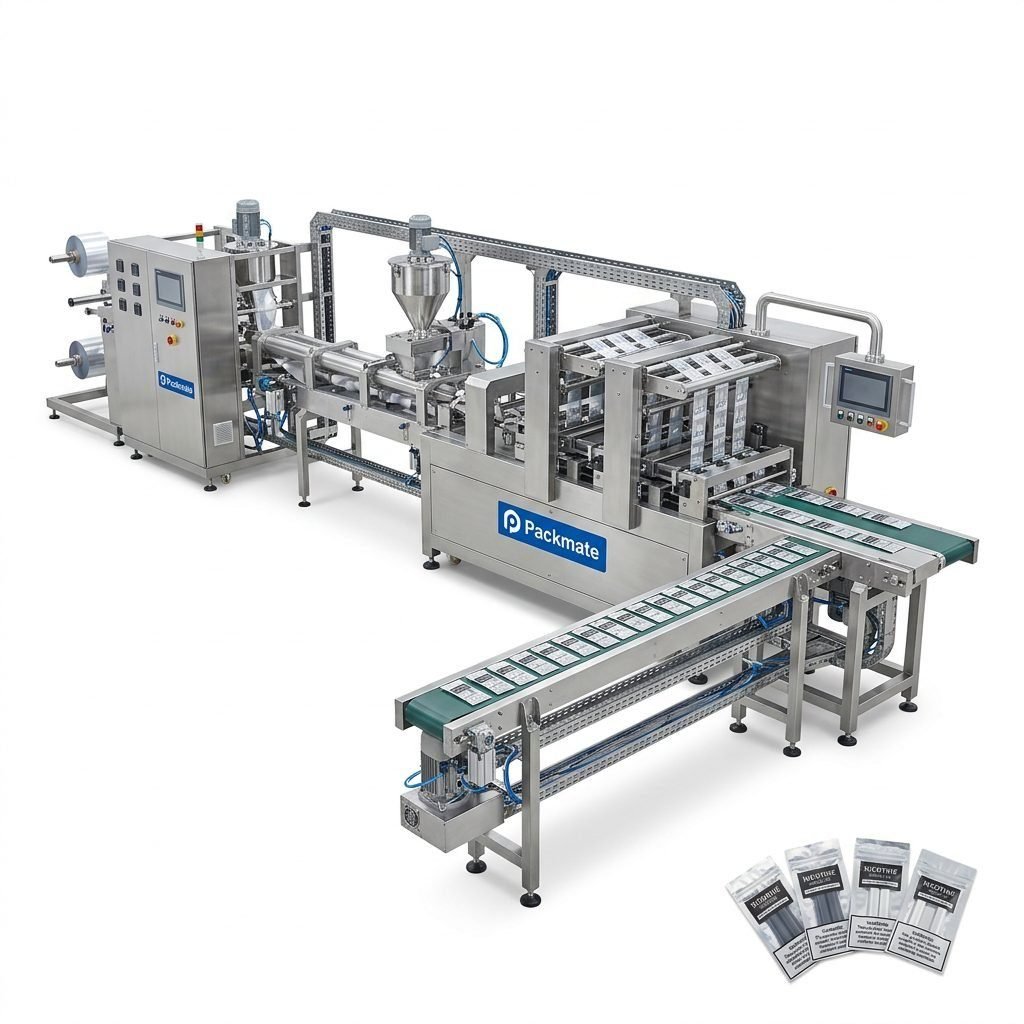
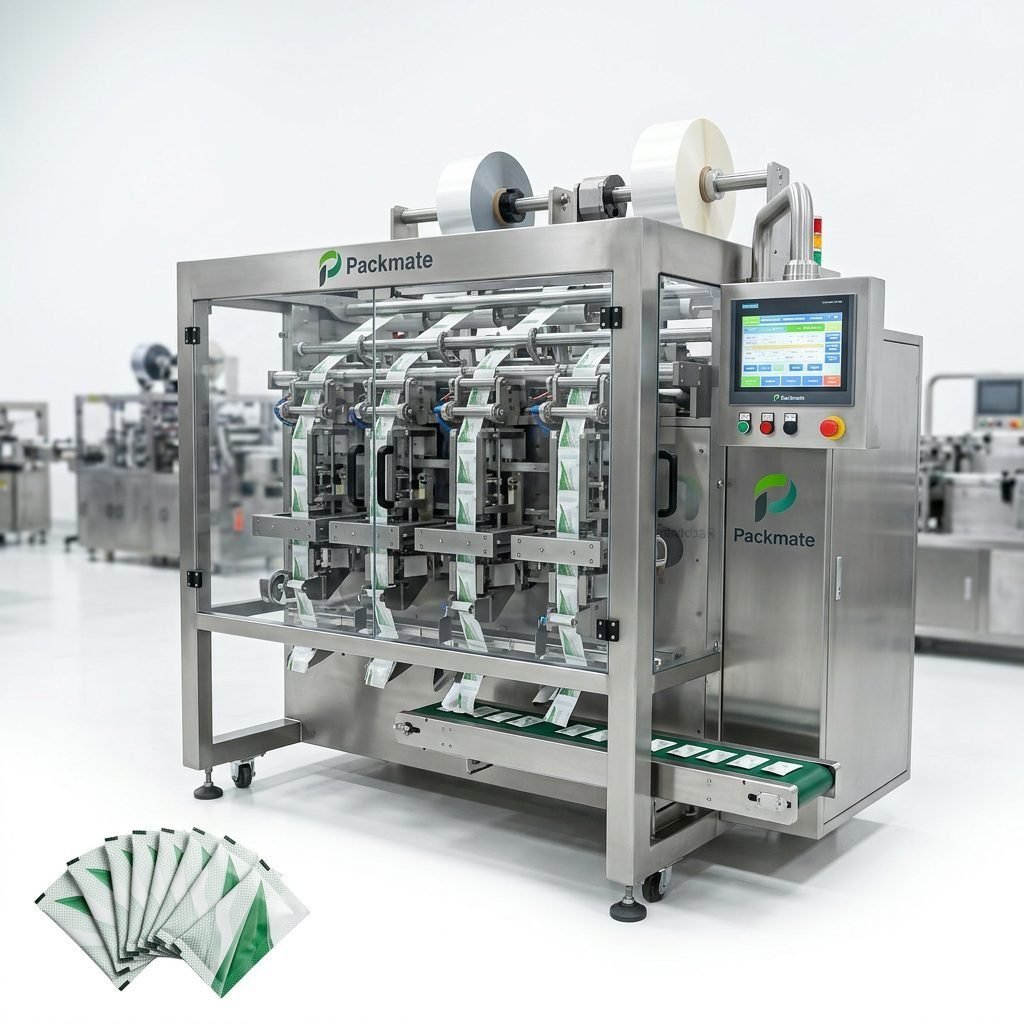
Small snus pouch businesses, contract packers, and R&D teams increasingly prefer compact, efficient packaging equipment that conserves floor space while delivering precise filling and reliable sealing. This article explores compact snus packaging machines — their core functions, engineering highlights, production advantages, compliance considerations, and buying guidance — to help decision makers select the best small snus packaging solution for their operations.
Overview: What a Small Snus Packaging Machine Does
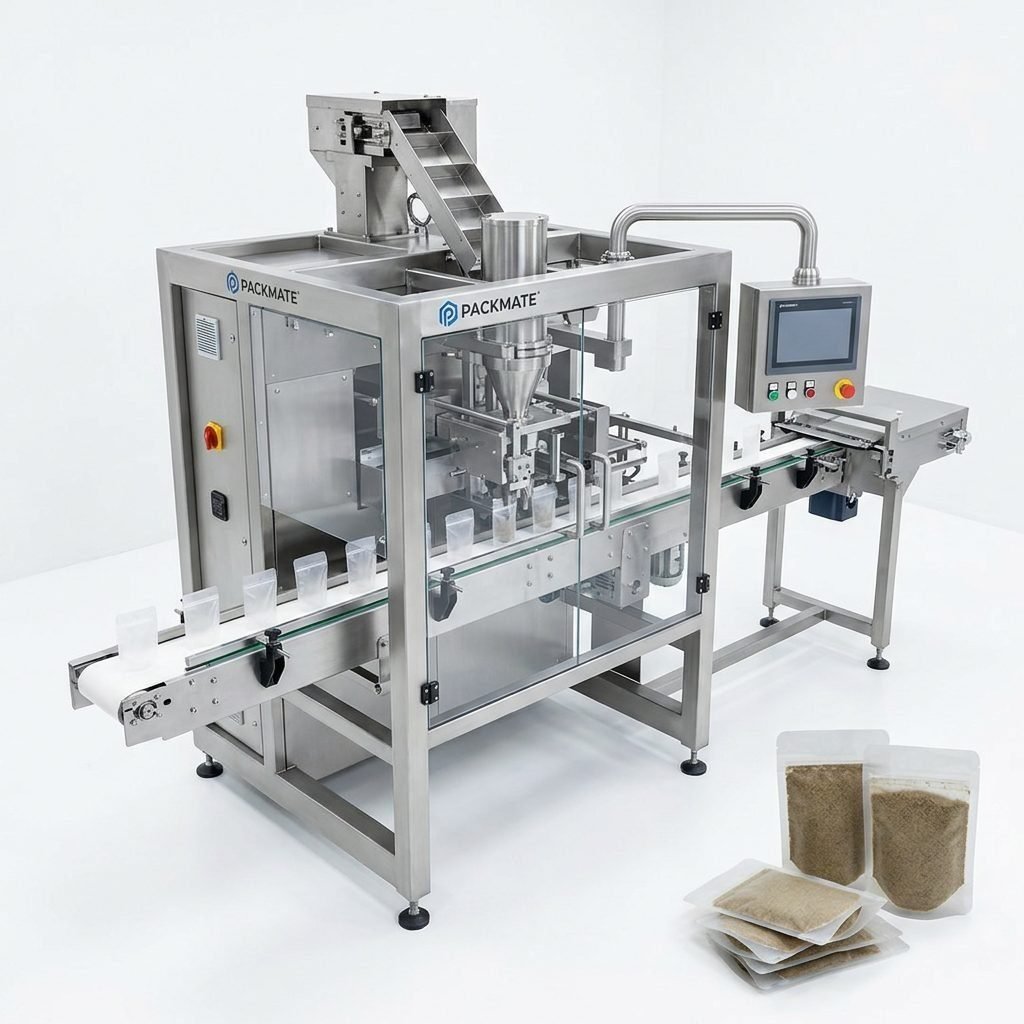
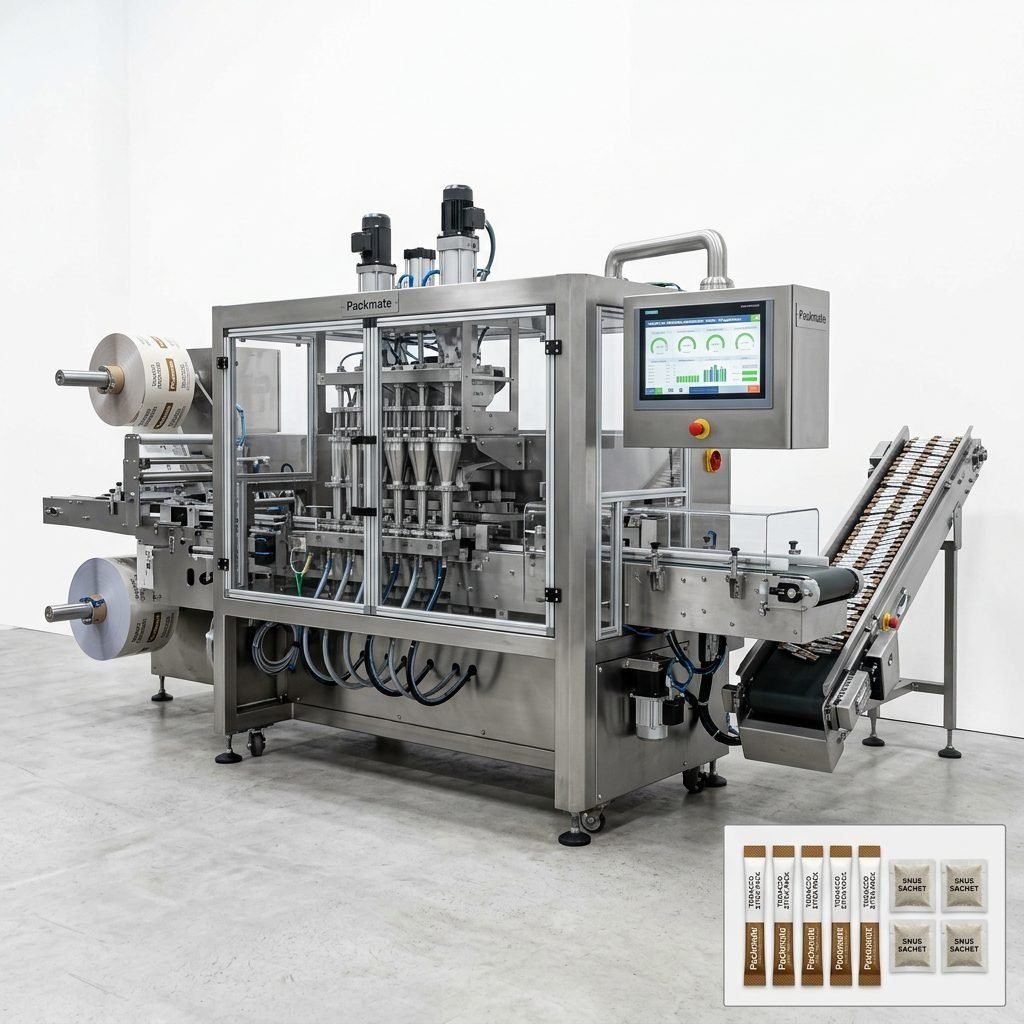
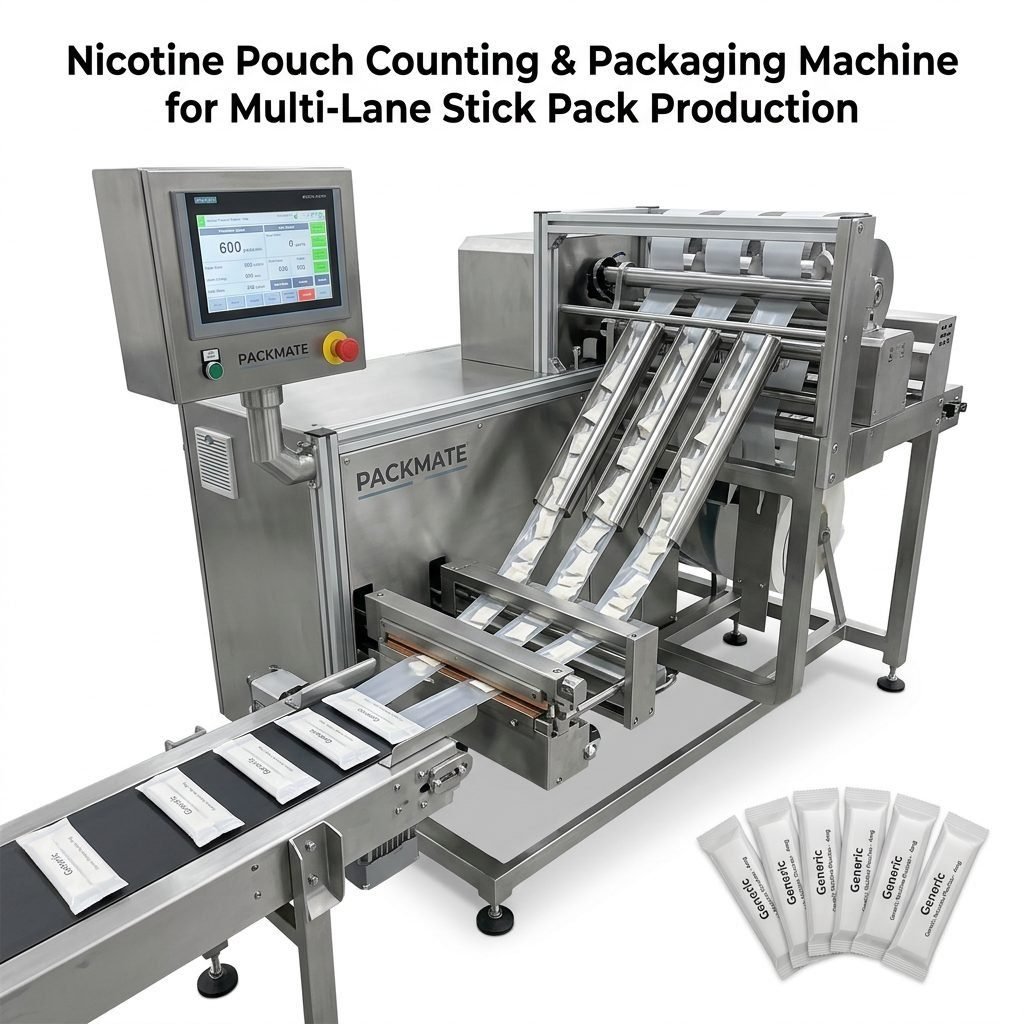
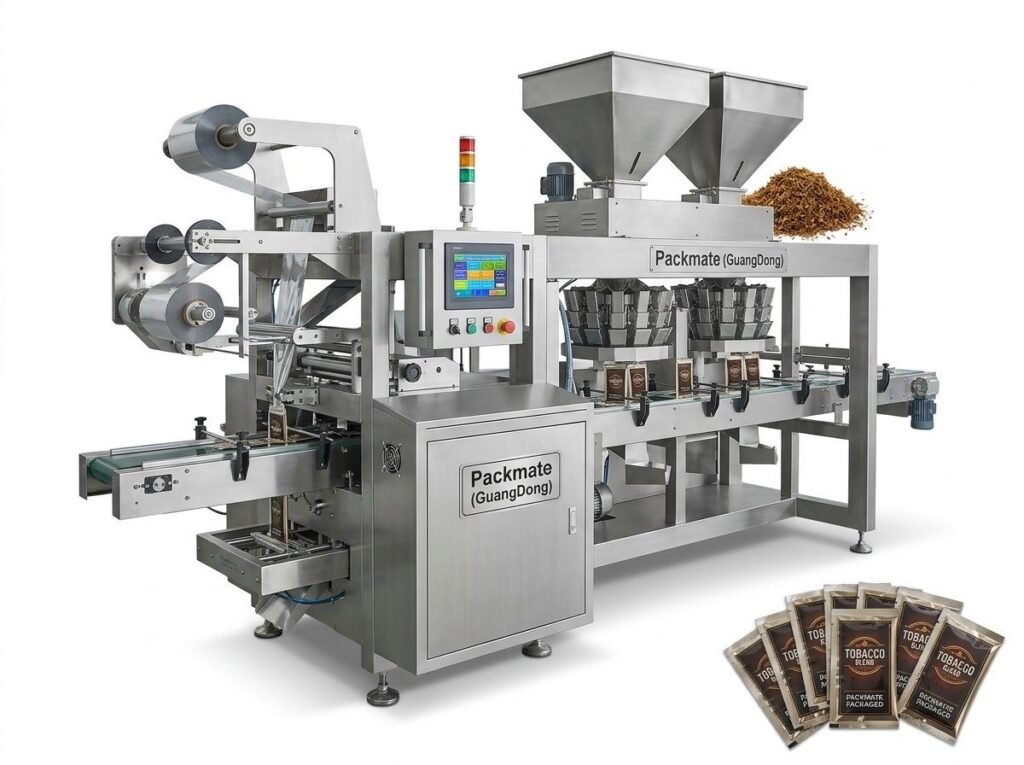
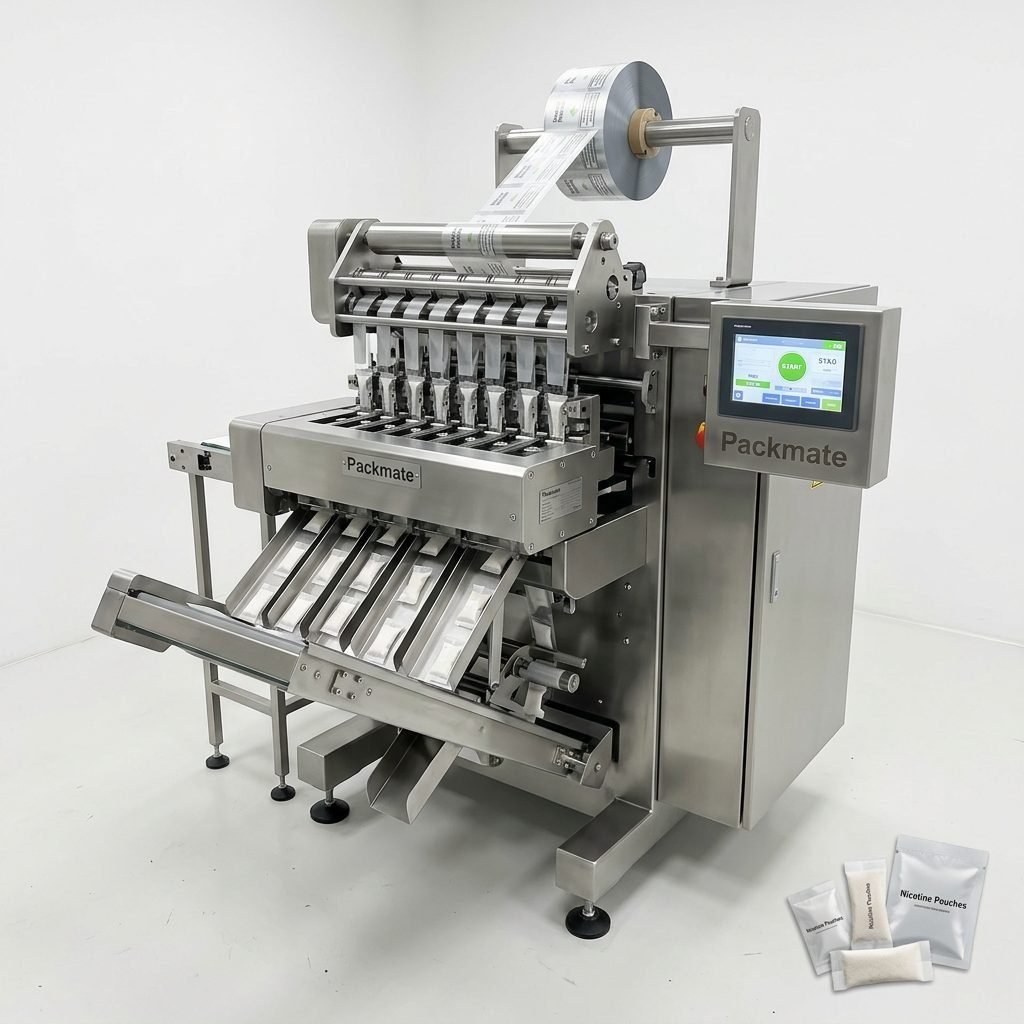
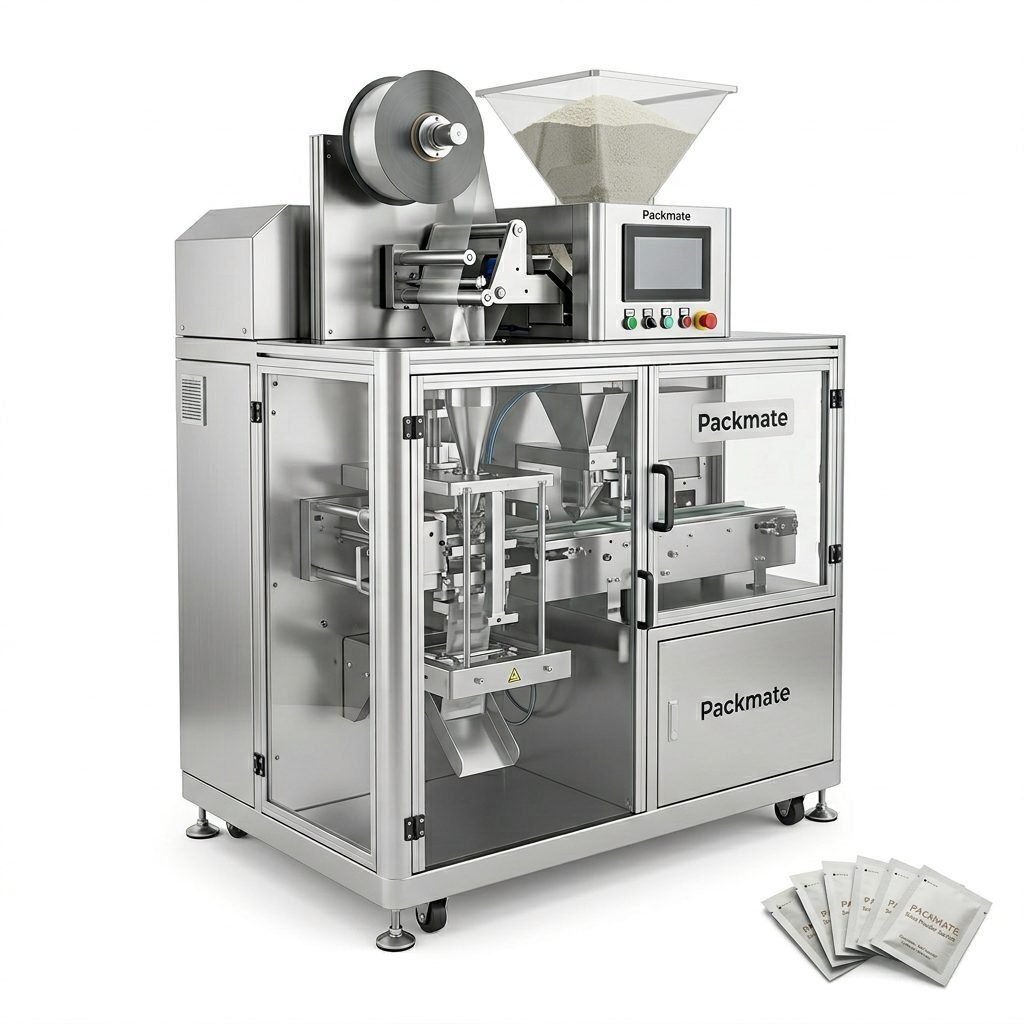
A small snus packaging machine is engineered to form, fill, and seal single-dose pouches (nicotine pouches / snus) with high accuracy and minimal footprint. These compact machines typically handle stick packs, sachets, or multi-lane pouch formats in small to medium production volumes. Key process steps include pouch forming, measured filling of powder or granular snus material, precise dosing, and secure sealing — often with options for tear notches, embossing, or printed lot codes.
Core functional modules
⚙️ Film unwinding & registration — synchronizes material feed for accurate pouch dimensions.
⚙️ Forming and sealing jaws — heated jaws or ultrasonic sealing for consistent seams.
⚙️ Weighing & dosing — auger, vibratory, or multi-head systems to control small dosages precisely.
⚙️ Cutting & finishing — clean pouch separation, notch application, and optional date/lot printing.
Why Compact Design Matters
Compact machines reduce required floor space, lower capital expenditure, and improve accessibility for maintenance. For startups and small production runs, a compact snus packaging machine enables rapid product iteration, small-batch testing, and flexible format changes without the large overhead of full-scale production lines. The design emphasis is on modularity, ease of cleaning, and fast changeovers.
🔍 Key compact advantages: reduced footprint, lower utility consumption, simplified operator training, and faster product changeovers — all contributing to a quicker return on investment.
Typical Applications and Formats
Small snus packaging machines are used for products such as nicotine pouches, flavored snus, tea sachets, powdered blends, and even small-dose nutraceuticals. Typical pouch formats include:
• Single-dose sachets for consumer-ready distribution.
• Multi-lane stick packs for higher throughput while maintaining a small footprint.
• Flat or pillow pouches with tear notches and barcode/lot printing.
Industry fit and cross-over use
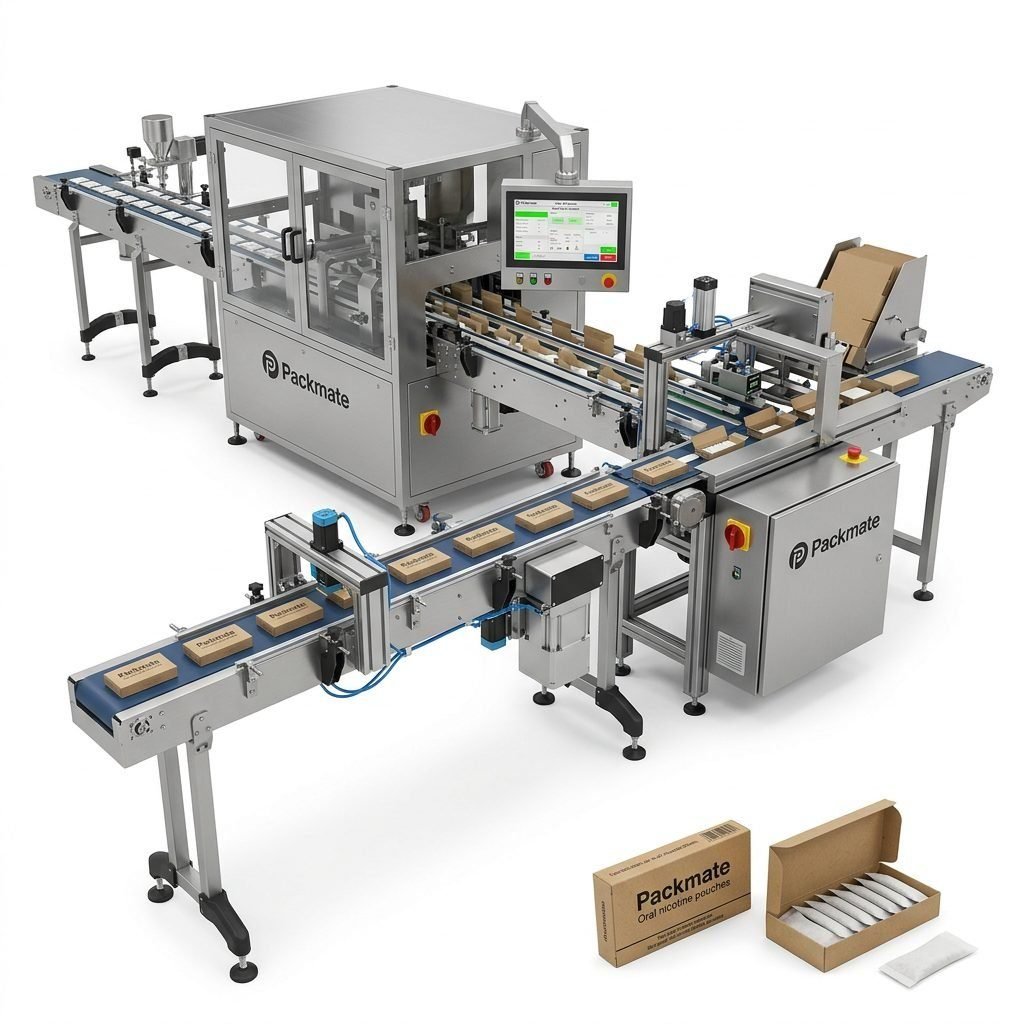
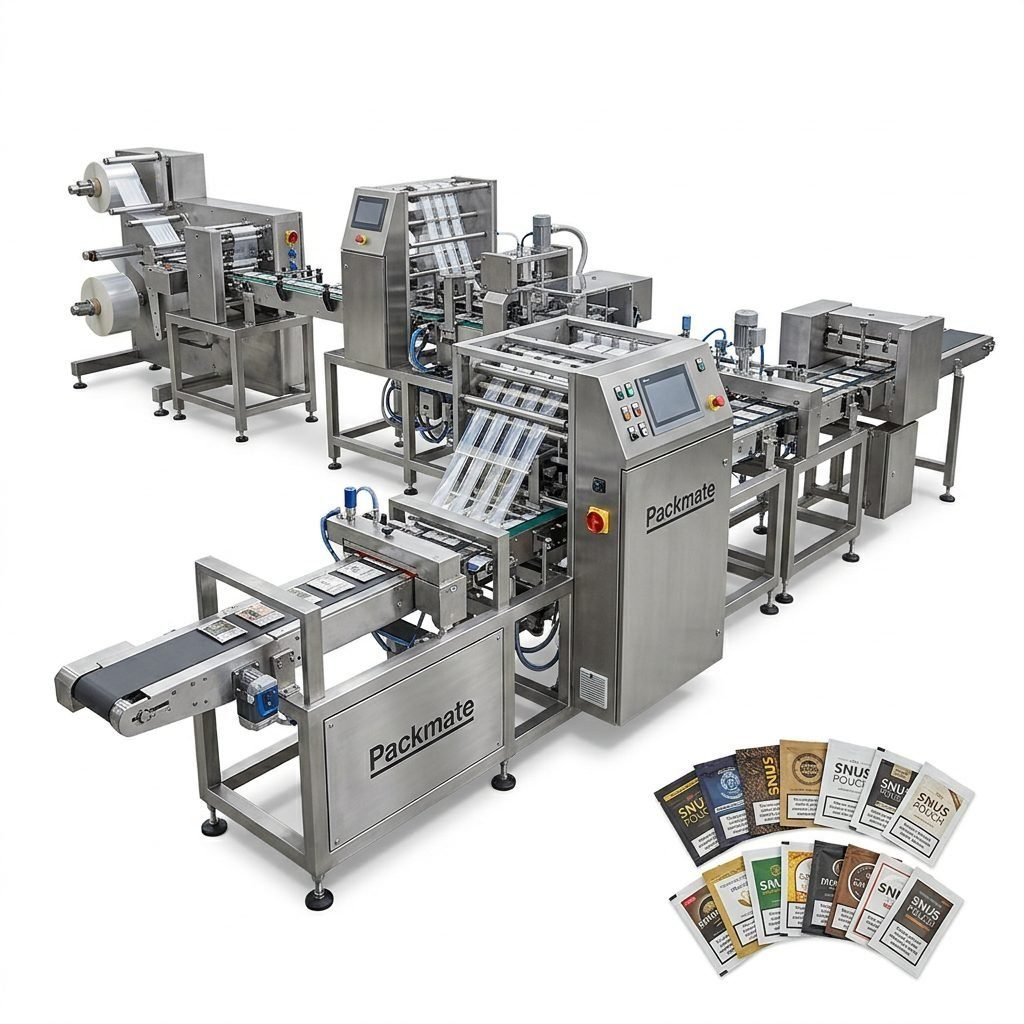
These compact machines suit tobacco-alternative manufacturers, functional pouch producers, and small food or pharma producers requiring hygienic filling for powders and granules. For enterprises scaling up, modular compact machines can be integrated into larger lines or paired with upstream feeding and downstream cartoning modules.
Technical Highlights to Consider
Choosing a compact snus packaging machine requires assessing technical specs that directly impact product quality and operational efficiency. Focus on:
• Dosing accuracy and repeatability (critical for regulated products).
• Sealing technology (heated seal vs. ultrasonic for material compatibility).
• Changeover time between pouch sizes and flavors.
• PLC and HMI capabilities for recipe management and troubleshooting.
• Cleanability and material contact surfaces (stainless steel grades and FDA-compliant finishes).
⚠️ Material compatibility note: some films require ultrasonic sealing vs. thermal sealing. Ensure your supplier validates sealing integrity for your chosen film and pouch laminate.
Operational Efficiency and Throughput
Compact machines optimize throughput through multi-lane options and precise dosing systems. A well-configured small machine can achieve consistent output while maintaining low scrap rates. Consider production planning: small-format lines are ideal for frequent product switching and limited SKUs, while modularity allows capacity expansion without replacing the entire system.
Common performance metrics
• Pouch accuracy ± small percentage points per dose.
• Typical throughput ranges depending on lane count — from a few hundred to several thousand pouches per hour per lane.
• OEE improvements driven by quick changeovers and automated recipe recall on the HMI.
Quality, Safety and Compliance
Machines used for snus and nicotine pouch production must adhere to local and international standards. Key compliance aspects include equipment material traceability, CE and ISO certifications, hygienic design for GMP environments, and electrical safety. Working with a manufacturer that understands regulatory nuances simplifies certification and validation during installation.
Packmate Snus Machine offers CE and ISO-compliant equipment and a global service network to support validation and compliance documentation.
Customization and Modularity
Compact machines are most valuable when configurable to product variations. Modularity may include swappable dosing modules (auger, vibratory, multi-head weighers), optional nitrogen flushing, integrated printers, and multi-format tooling kits. Modular platforms reduce upfront investment while allowing progressive upgrades as production needs evolve.
✅ Modular tip: choose a baseline compact machine with upgrade pathways for additional lanes, autonomous feeding, or automated cartoning to protect future scalability.
Maintenance, Training and Support
Ease of maintenance is a major advantage of compact designs. Look for quick-access panels, minimal tool requirements for changeovers, and simple spare parts lists. Robust manufacturer training programs and local after-sales support reduce downtime. Packmate provides commissioning services, operator training, and remote diagnostics to accelerate production ramp-up.
Spare parts & service readiness
Maintain a small consumables inventory (seals, cutters, bearings) and a service agreement for critical electronic modules. Remote HMI access and diagnostics help resolve issues quickly without on-site visits.
Selecting the Right Supplier
Choosing a manufacturer impacts machine uptime and long-term costs. Evaluate suppliers on technical documentation, factory acceptance testing, customization experience, and global case studies. Packmate’s 30+ years of engineering experience and a 20,000㎡ manufacturing footprint ensure deep expertise in snus and nicotine packaging lines.
For more machine options and specifications, explore product ranges like Snus & Nicotine Packaging Machines and modular Bag & Pouch Packaging Machines.
Installation and Commissioning: What to Expect
A professional installation includes site survey, utility verification, mechanical installation, electrical wiring, and factory acceptance tests (FAT). Expect a short commissioning window for compact machines: typically a few days to a week depending on upstream/downstream integrations and validation requirements.
Pre-install checklist
• Floor and utility readiness (power, air, nitrogen).
• Film and material specs verified for sealing.
• Operator and maintenance staff scheduled for on-site training.
• Spare parts kit available from day one.
Cost Considerations and ROI
While initial capital for high-precision dosing and sealing components can be significant, compact snus packaging machines often yield rapid ROI through labor savings, lower scrap rates, and reduced material waste. Consider total cost of ownership: energy consumption, spare part cycles, and upgrade pathways. Financing and leasing options are commonly available from established manufacturers.
💡 ROI reminder: small-batch producers gain agility and faster market response — benefits that often outweigh raw throughput comparisons.
Real-World Case Example
A European contract packer adopted a two-lane compact snus pouch machine to run multiple flavors with quick changeovers. The result: a 40% reduction in changeover time, improved dosing accuracy, and a marked decrease in film waste. Packmate’s tailored tooling and onsite support were instrumental in achieving consistent production quality and regulatory documentation for customers.
See additional case studies and global cooperation examples at Packmate Case.
How to Choose a Compact Snus Packaging Machine — A Checklist
1. Confirm desired pouch format(s) and product characteristics (powder flow, moisture sensitivity).
2. Evaluate dosing accuracy and fill tolerance.
3. Verify sealing compatibility with your film laminate.
4. Check modular upgrade options and spare parts availability.
5. Assess supplier credibility: certifications, factory capacity, and support network.
6. Plan for validation and regulatory documentation.
Supplier engagement tips
Ask for factory acceptance videos, a demonstration with your actual product, and references from similar installations. For direct inquiries and tailored solutions, contact the manufacturer’s sales and service teams through their contact page: Contact Packmate.
Installation Best Practices for Compact Lines
Follow recommended ergonomic layouts, maintain clear service access, and use vibration-damping mounts where necessary. Ensure proper grounding and clean-room practices if producing sensitive formulations. Training operators on daily cleaning and preventive maintenance reduces unexpected downtime.
Daily operator checklist
• Visual inspection of seals and cutters.
• Verification of dosing accuracy with sample pouches.
• Lubrication points checked weekly.
• Clean-in-place or manual cleaning after product runs as required.
Where to Learn More and View Machines
Visit manufacturer product pages and catalogs to compare models and capabilities. Packmate provides a comprehensive catalog and technical data sheets for snus-specific packaging lines — a helpful starting point for technical evaluation: Catalog.
🎯 Pro tip: request a machine demo with your actual material. Dosing performance and seal integrity are best judged under real production conditions.
Conclusion and Next Steps
Small snus packaging machines present a compelling balance of agility, precision, and cost-efficiency for businesses producing nicotine pouches, snus, and similar small-dose products. By prioritizing dosing accuracy, sealing compatibility, modularity, and supplier support, you can deploy a compact solution that meets quality, compliance, and throughput goals while enabling future growth.
To evaluate machine models tailored to your product, explore Packmate’s specialized lines and support offerings: Snus & Nicotine Packaging Machines and the broader Filling & Packaging Lines.
Frequently Asked Questions
Q1: How small is “compact” for snus packaging machines?
A1: Compact machines vary, but they are designed to minimize footprint — often fitting into a single production bay and offering single- to multi-lane configurations to scale throughput without large floor expansion.
Q2: Can compact machines handle moisture-sensitive nicotine pouches?
A2: Yes, with compatible film laminates and optional nitrogen flushing, compact machines can protect hygroscopic formulations and maintain shelf stability.
Q3: What sealing methods are available for small pouch lines?
A3: Thermal (heated) sealing is common; ultrasonic sealing is an option for specific films. Validate the sealing method with your chosen pouch laminate.
Q4: How quickly can I switch pouch formats?
A4: Changeover times depend on tooling complexity; well-designed compact machines enable rapid changeovers in minutes with modular tooling and quick-release fixtures.
Q5: Where can I see machine demonstrations and obtain service?
A5: Schedule a live demo or factory acceptance test through the manufacturer’s exhibition or contact pages; view upcoming events at Our Exhibition and request direct support via Contact Us.