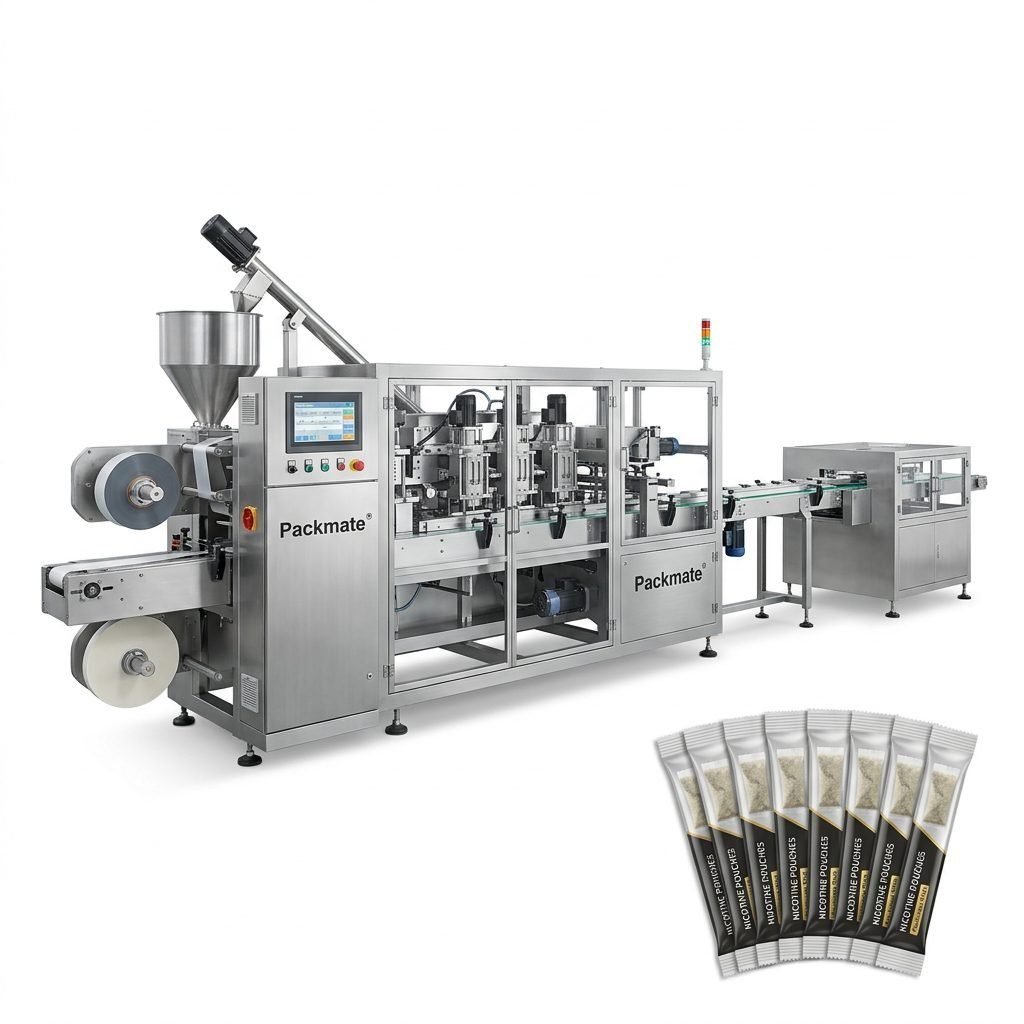
Choosing the right nicotine packaging machinery manufacturer for your business in Indonesia requires a blend of industry knowledge, regulatory awareness, and practical evaluation of machine performance. This guide walks Indonesian entrepreneurs and production managers through the essential considerations — from legal compliance and cultural preferences to machine capabilities, supply chain reliability, and after-sales support — so you can make an informed procurement decision that supports long-term productivity and local market fit.
Understand Indonesia’s Regulatory & Cultural Context
Indonesia has a unique market landscape shaped by public health policy, religious sensitivities, and strict import and manufacturing rules. Before selecting a supplier, verify local laws and industry standards for nicotine products. Unlike some Western markets, Indonesian consumers and regulators may emphasize clear labeling, age-restriction controls, and conservative marketing approaches. Ensure any packaging solution allows for compliant labeling, tamper-evident features, and traceability to meet BPOM-like requirements or other local authorities.
Practical tips for local fit
– Respect cultural norms: discreet, minimalistic packaging often performs better in conservative markets.
– Offer halal-friendly options if your market targets Muslim-majority areas; while nicotine is not subject to halal certification universally, considerate design and transparent sourcing reduce public friction.
– Plan for variable demand cycles influenced by local festivals and buying behavior.
Key Technical Criteria to Evaluate
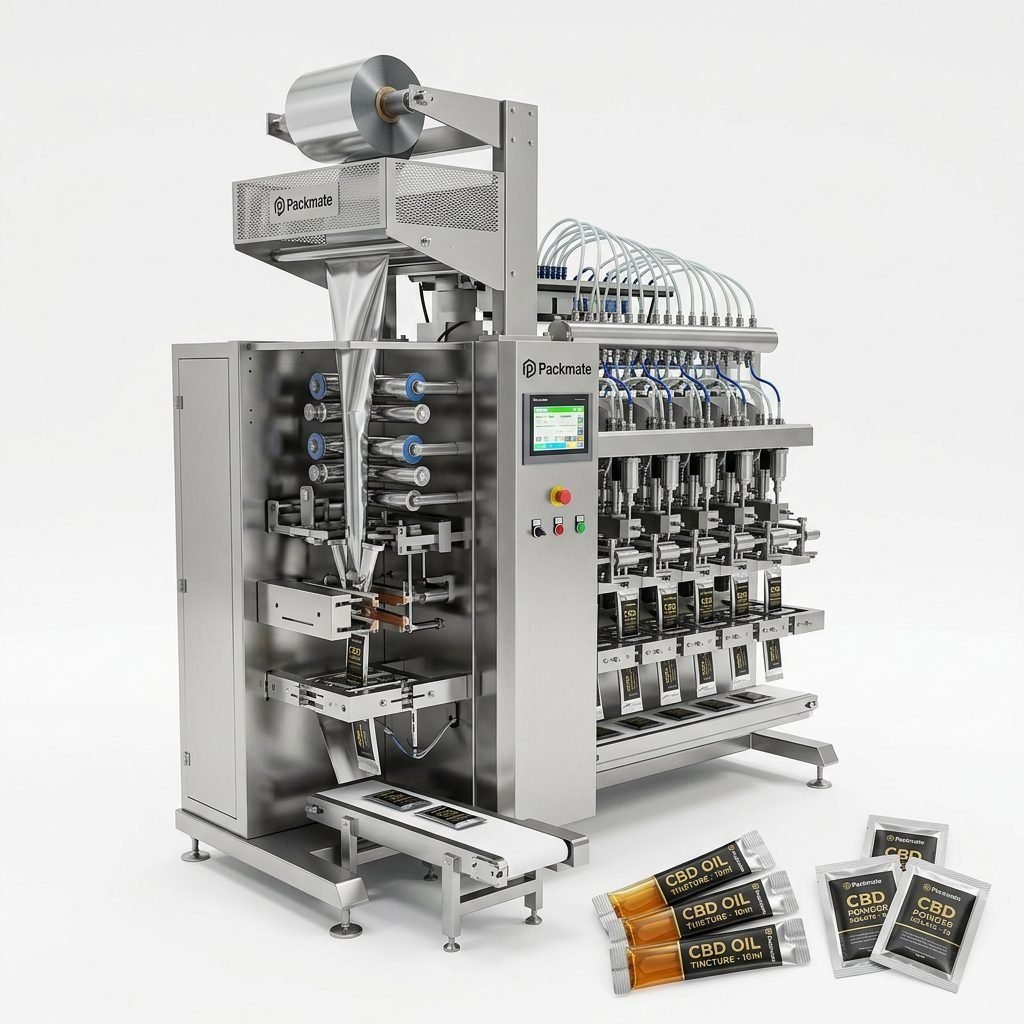
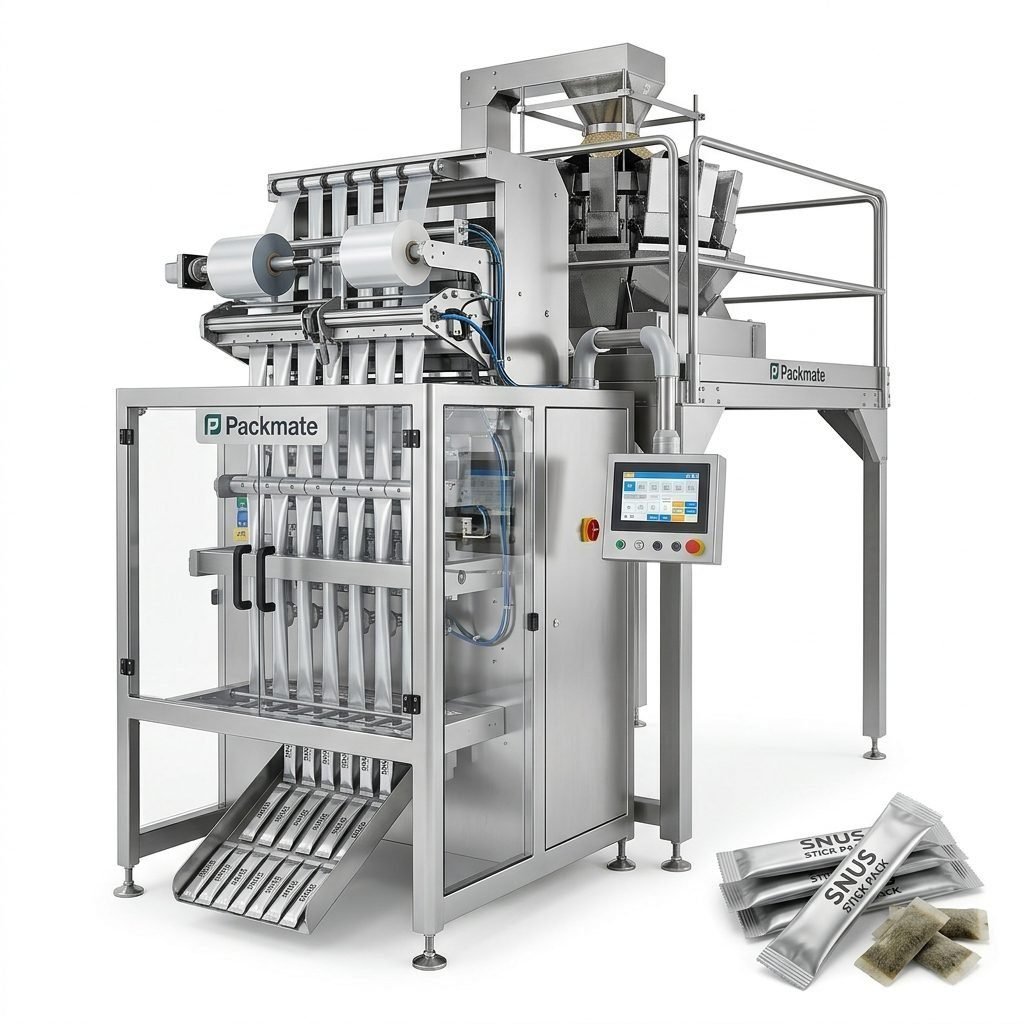
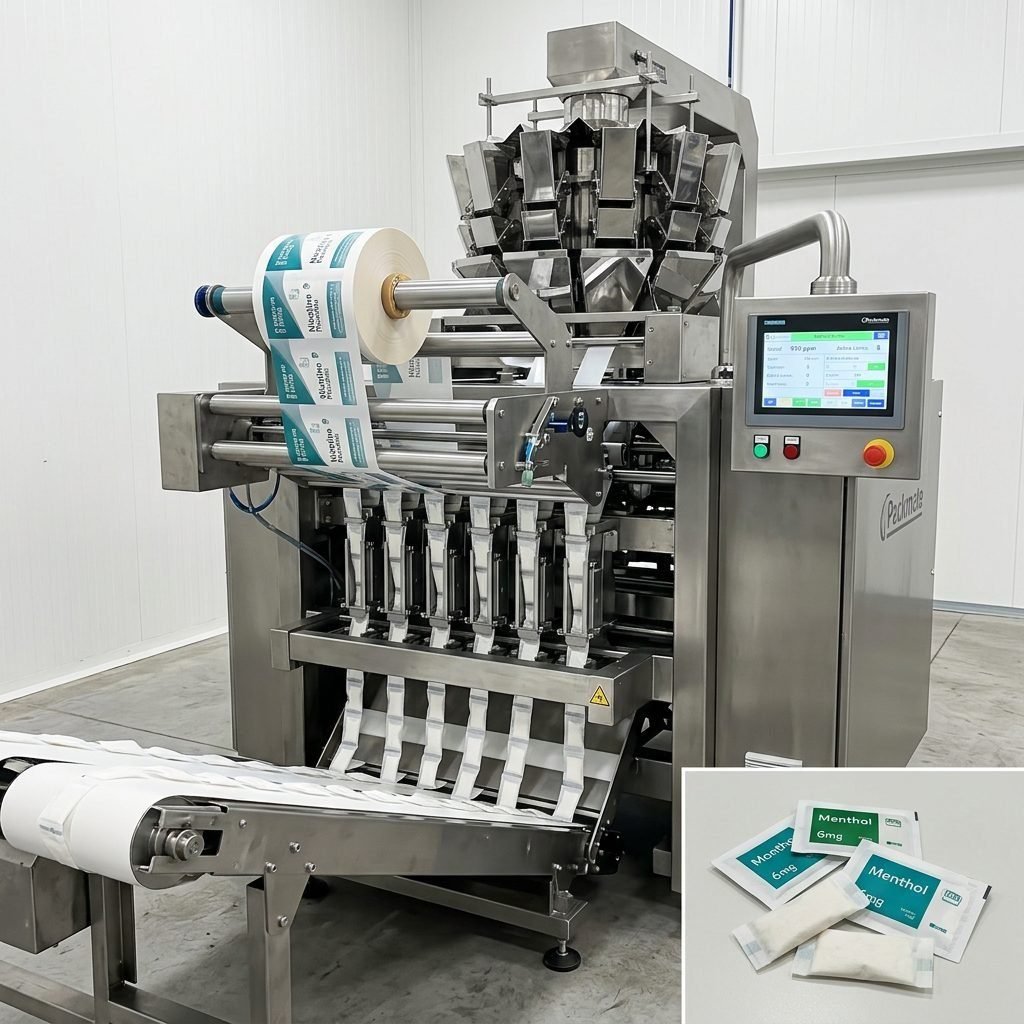
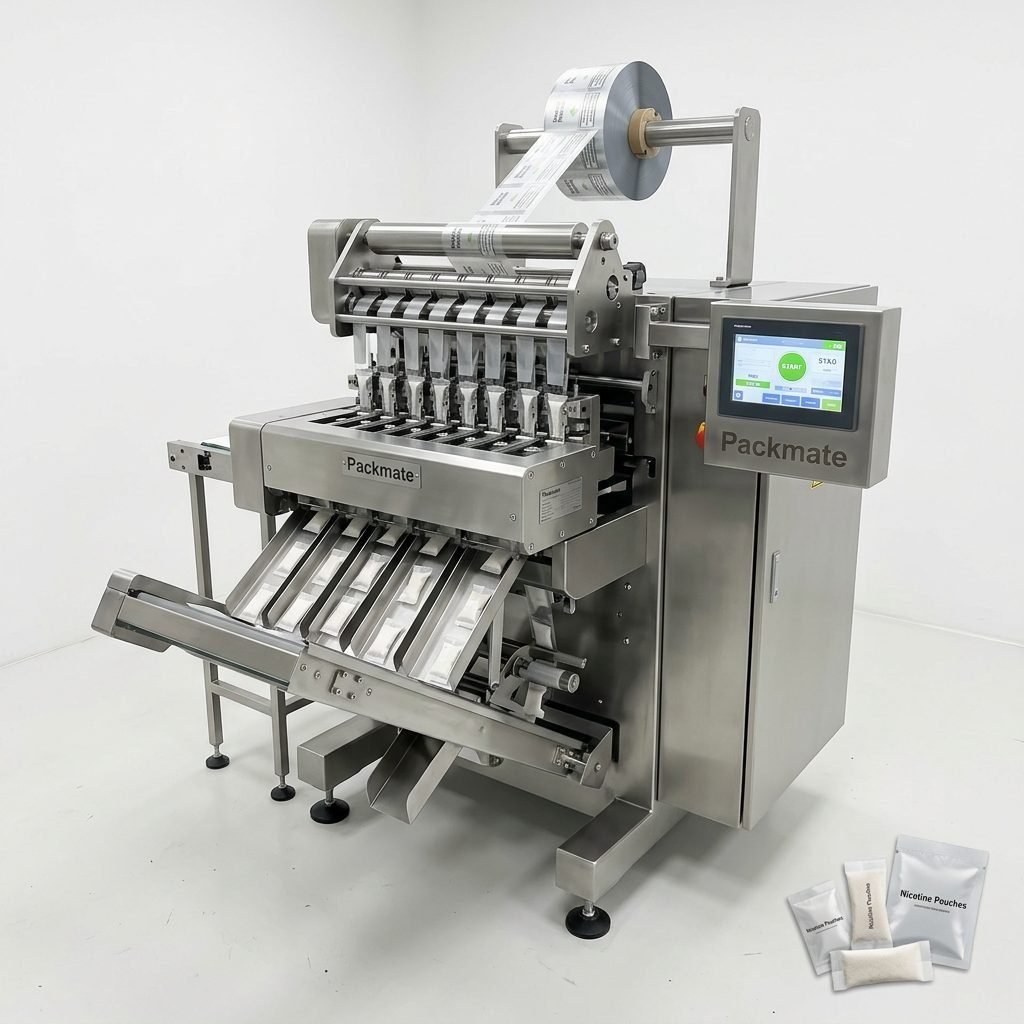
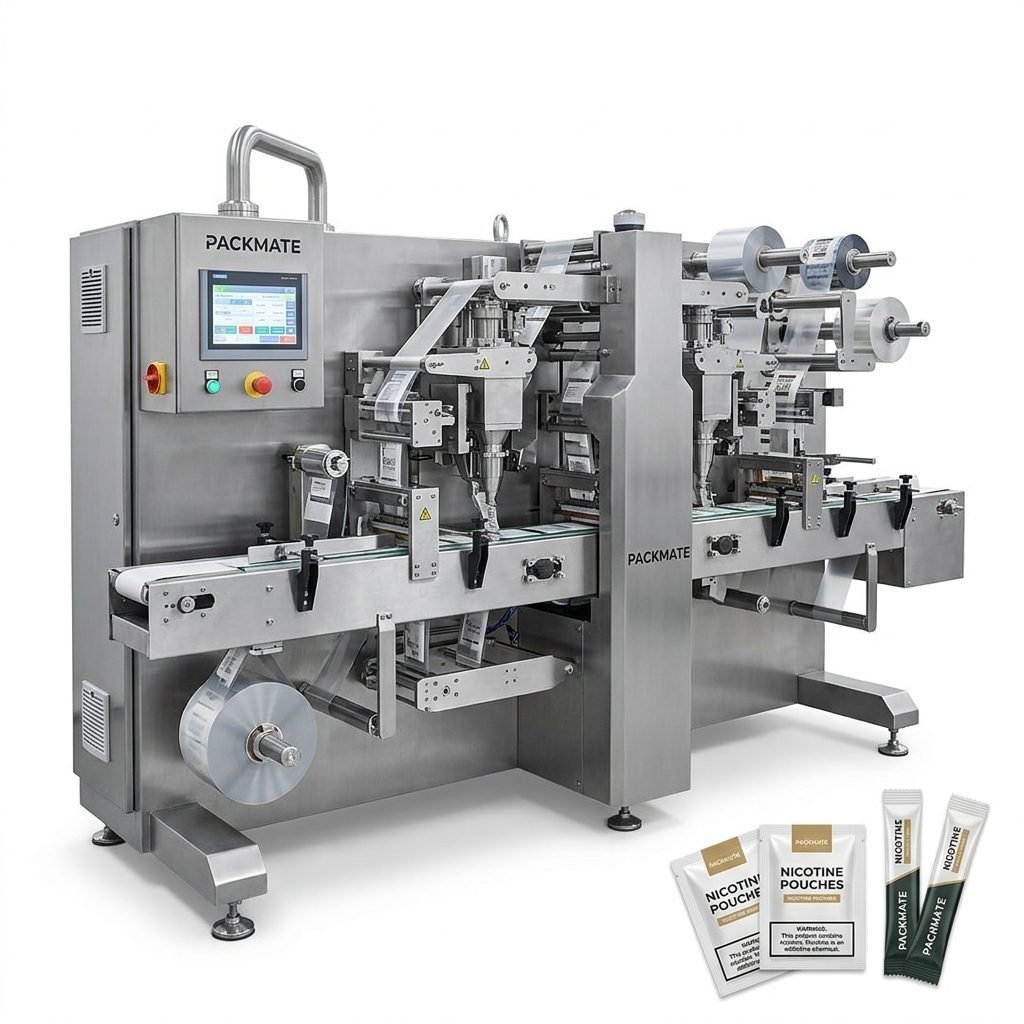
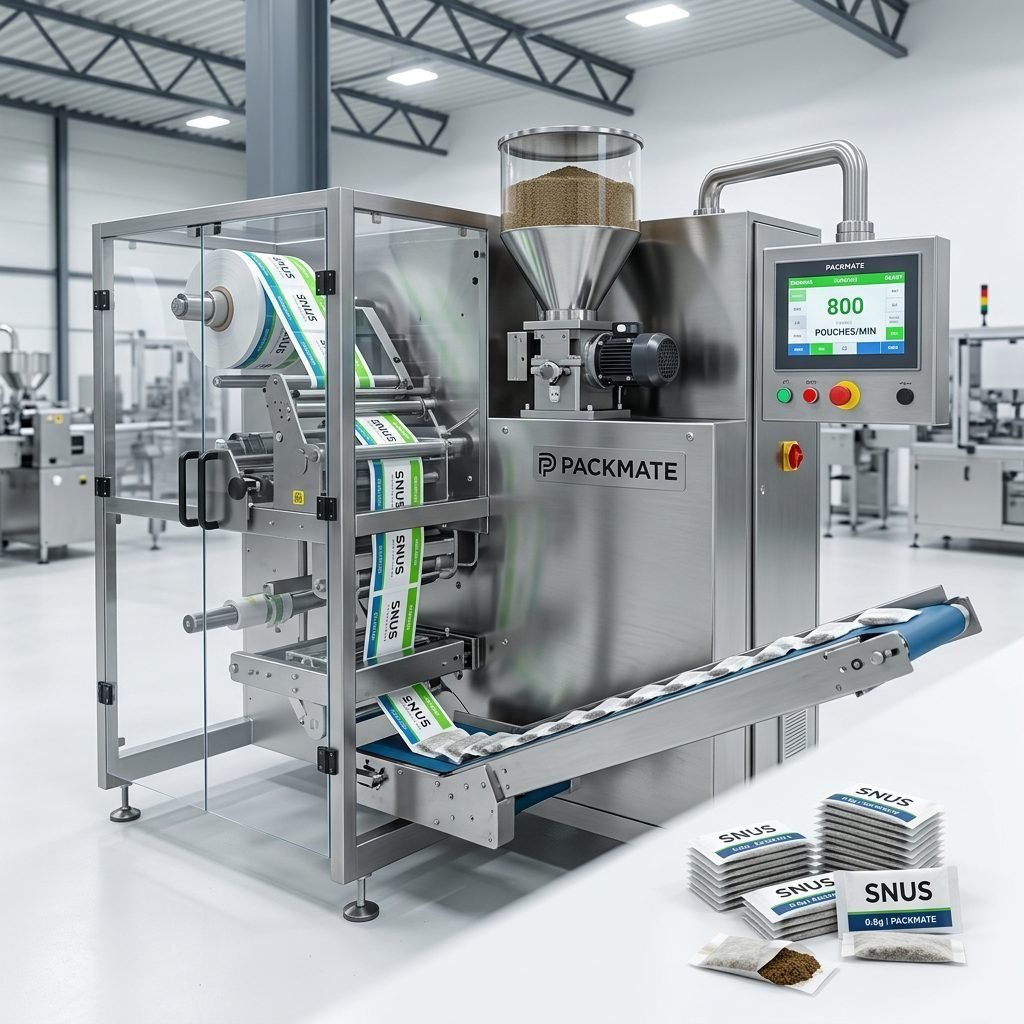
When comparing manufacturers, evaluate machines across reliability, speed, flexibility, and integration capability. The packaging of nicotine pouches and snus often demands high-precision, small-dose filling and consistent pouch sealing — look for vendors experienced in snus and nicotine packaging lines.
Must-have machine features
🔧 High-precision dosing for small nicotine sachets and multi-lane pouch formats.
⚙️ Stable sealing systems that prevent leakage and keep hygroscopic products fresh.
🔁 Modular design for quick changeovers between pouch sizes and formats (stick pack, sachet, multi-lane).
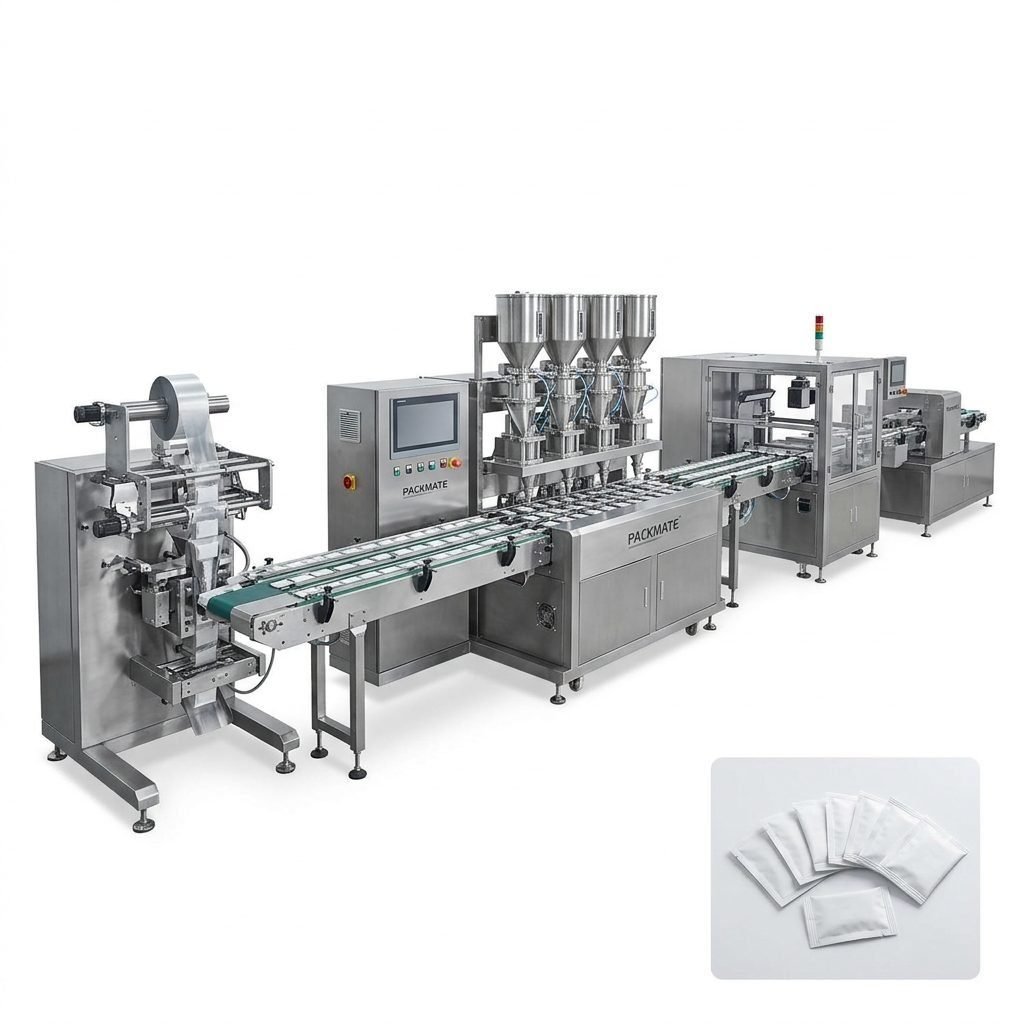
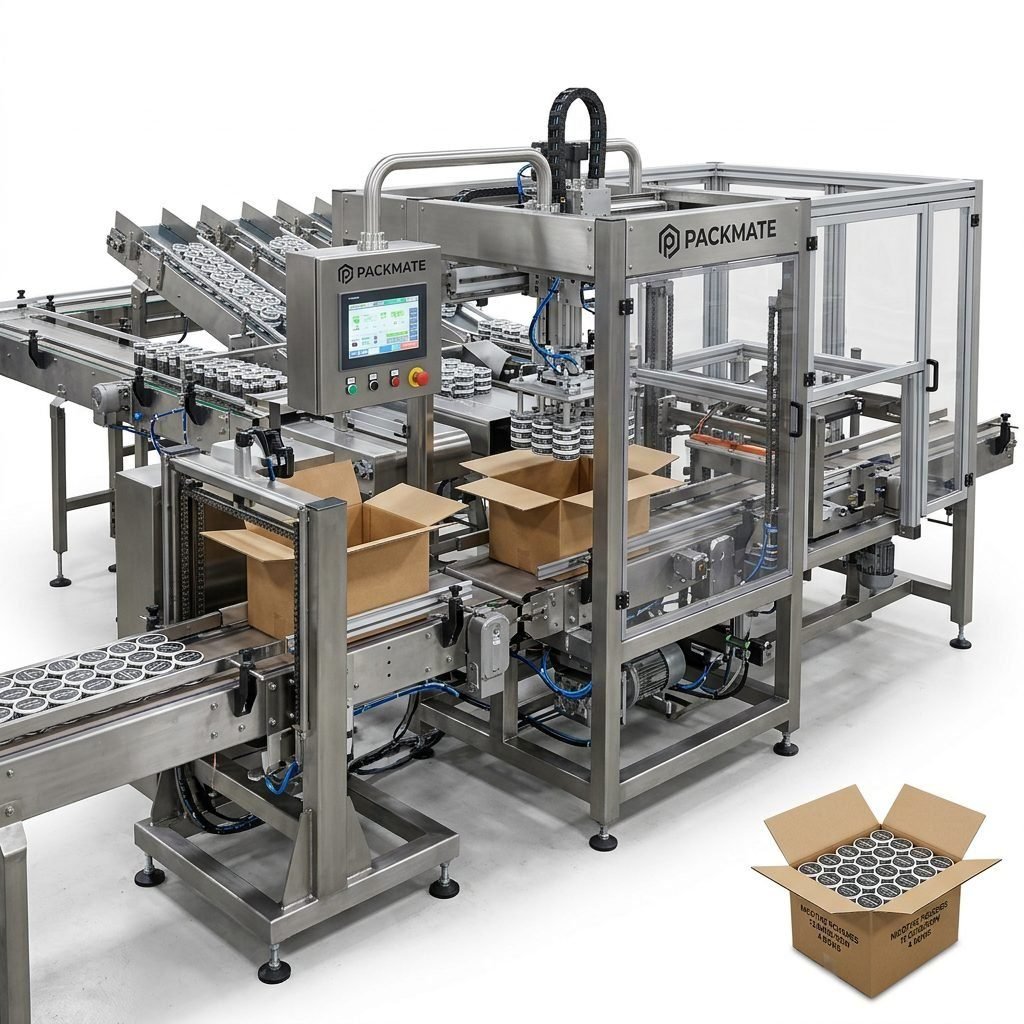
📦 Capability to integrate upstream and downstream equipment (weighing, filling, labeling, cartoning).
Assess Manufacturer Experience & Track Record
A proven track record in nicotine pouch and snus equipment is invaluable. Suppliers with decades of engineering experience are more likely to deliver robust machines and practical solutions. For example, manufacturers offering over 30 years of R&D and 50+ machine models typically provide tailored options for different production scales and product types.
Look for case studies and references from similar operations. If the manufacturer regularly supplies multi-lane pouch lines and turnkey solutions, they will understand the subtleties of small-dose production and quality control. Explore real examples and machine demos when possible — visiting trade shows or requesting video demonstrations accelerates confidence.
Useful reference links
For technical comparisons and product lines, see suppliers’ specialized pages such as Snus & Nicotine Packaging Machines and Sachet & Stick Pack Machines. These pages often list machine capabilities, speed ranges, and supported pouch formats.
Factory Capacity, Quality Control & Certifications
Manufacturing capability matters. A factory with advanced CNC machining centers, precision assembly lines, and comprehensive quality testing is more likely to deliver reliable equipment. Seek manufacturers that can show:
✅ 20,000㎡+ facilities or equivalent production scale.
✅ Documented quality systems and international certifications (CE, ISO).
✅ Transparent acceptance testing (FAT) and supply of test reports before shipment.
Customization & Turnkey Solutions
Many businesses require machines tuned to specific pouch weights, materials, or protective atmospheres (e.g., nitrogen flush). Choose a manufacturer that offers customization and complete packaging lines — from filling to cartoning — so you secure end-to-end responsibility and optimized line performance. If you anticipate future product variations, select modular systems that support upgrades without full replacement.
Local Service, Spare Parts & Training
For Indonesian operations, timely service is essential. Confirm that the manufacturer or their regional partner can:
- Provide spare parts with guaranteed delivery times or local stock.
- Offer on-site installation, commissioning, and operator training in English or Bahasa Indonesia.
- Support remote diagnostics and preventive maintenance programs.
If the manufacturer has an active global presence or exhibition history, that often signals reliable after-sales infrastructure. Check their About Packmate and Customer Case pages to confirm installations in similar markets.
Budgeting: Total Cost of Ownership (TCO) vs. Purchase Price
Low initial price can mask higher lifetime costs. Consider:
- Energy consumption and operating efficiency.
- Spare parts pricing and expected wear item replacement cycles.
- Downtime costs and availability of local technical support.
- Training costs and documentation quality.
Negotiation pointers
Aim for a clear service agreement that covers response times for critical failures and spare parts. Manufacturers that provide a factory acceptance test (FAT), installation & commissioning, and performance guarantees reduce procurement risk.
Factory Visits, Demos & FAT — What to Inspect
If feasible, visit the manufacturer or request a live demo. Key checks:
- Observe machine runability with your product or a test substitute.
- Inspect component quality — bearings, seals, film transport systems.
- Verify electrical controls, PLC interfaces, and spare parts labeling.
- Request FAT documentation and production metrics (speed, uptime, rejection rate).
📌 Tip: Ask for sample packs made on the machine with your materials and pouch format. This is the clearest proof of capability.
Supply Chain & Logistics for Indonesian Buyers
Shipping heavy machinery to Indonesia requires planning. Verify export documentation, customs support, and local import experience. Choose manufacturers familiar with Indonesian ports, duties, and special permits. A partner who helps arrange freight forwarding and provides correct packing lists and machine diagrams streamlines clearance and reduces delays.
Sustainability & Energy Efficiency Considerations
As energy costs rise and sustainability becomes a buyer preference, consider machines designed for energy efficiency and minimal waste. Features like servo-driven components, smart stand-by modes, and reduced material scrap rates not only lower operating costs but also improve brand positioning in mindful markets.
Why Packmate-style Manufacturers Are Worth Considering
Manufacturers with decades of focused snus and nicotine packaging experience deliver tangible benefits: refined small-dose dosing systems, multi-lane expertise for high throughput, and turnkey capabilities including weighing, filling, and packaging lines. A well-documented factory that offers global exhibitions and cases demonstrates both technical depth and real-world deployment.
For product enquiries, follow manufacturer product pages such as Filling & Packaging Lines to compare line options and Contact the team for tailored quotations and lead time estimates.
Decision Checklist Before Purchase
🔍 Verify regulatory compliance and local labeling capabilities.
🔍 Confirm machine specs match your target throughput and pouch formats.
🔍 Ensure the factory provides FAT, spare parts, and training.
🔍 Review warranty terms and service level agreements.
🔍 Calculate TCO including energy, consumables, and downtime risk.
Final considerations for Indonesian businesses
In Indonesia, relationships and responsive support are as important as machine specs. Select a supplier who understands local business etiquette, can communicate clearly in Bahasa Indonesia or English, and demonstrates a practical commitment to fast service and parts supply. A collaborative supplier who offers training, local commissioning support, and clear documentation will be a strategic asset for scaling nicotine pouch production responsibly.
Start your supplier evaluation today
Begin by mapping your required formats, projected volumes, and regulatory obligations. Shortlist manufacturers that match technical needs and have proven cases in snus/nicotine pouch production. Schedule demos and FAT sessions, request spare-part lead times, and clarify support commitments before signing contracts.
📣 Remember: The best manufacturer is the one that not only supplies machines but also partners with you on compliance, uptime, and scalable growth.
Frequently Asked Questions
Q1: How can I ensure the machine meets Indonesian labeling and safety rules?
A1: Ask the supplier for compliance documentation, sample pack labeling options, and to confirm they support export documentation for Indonesian import. Engage local regulatory consultants if needed.
Q2: What lead times should I expect for customized nicotine pouch lines?
A2: Lead times vary by customization level; standard machines may ship faster, while turnkey or heavily customized multi-lane lines can take longer. Confirm timelines during quotation and include FAT dates.
Q3: Is local installation and training typically provided?
A3: Reputable manufacturers include installation, commissioning, and operator training in their offers. Confirm language support and whether training materials are provided in Bahasa Indonesia.
Q4: How do I evaluate total cost of ownership (TCO)?
A4: Consider purchase price, energy use, expected spare-part replacements, downtime risk, service agreements, and consumables. Ask vendors for real-world energy and uptime metrics.
Q5: Where can I see machine examples and customer references?
A5: Browse manufacturer case studies and exhibition pages for demos and references. For example, the manufacturer’s exhibition and case pages provide real-world deployment insights: Our Exhibition and Case.