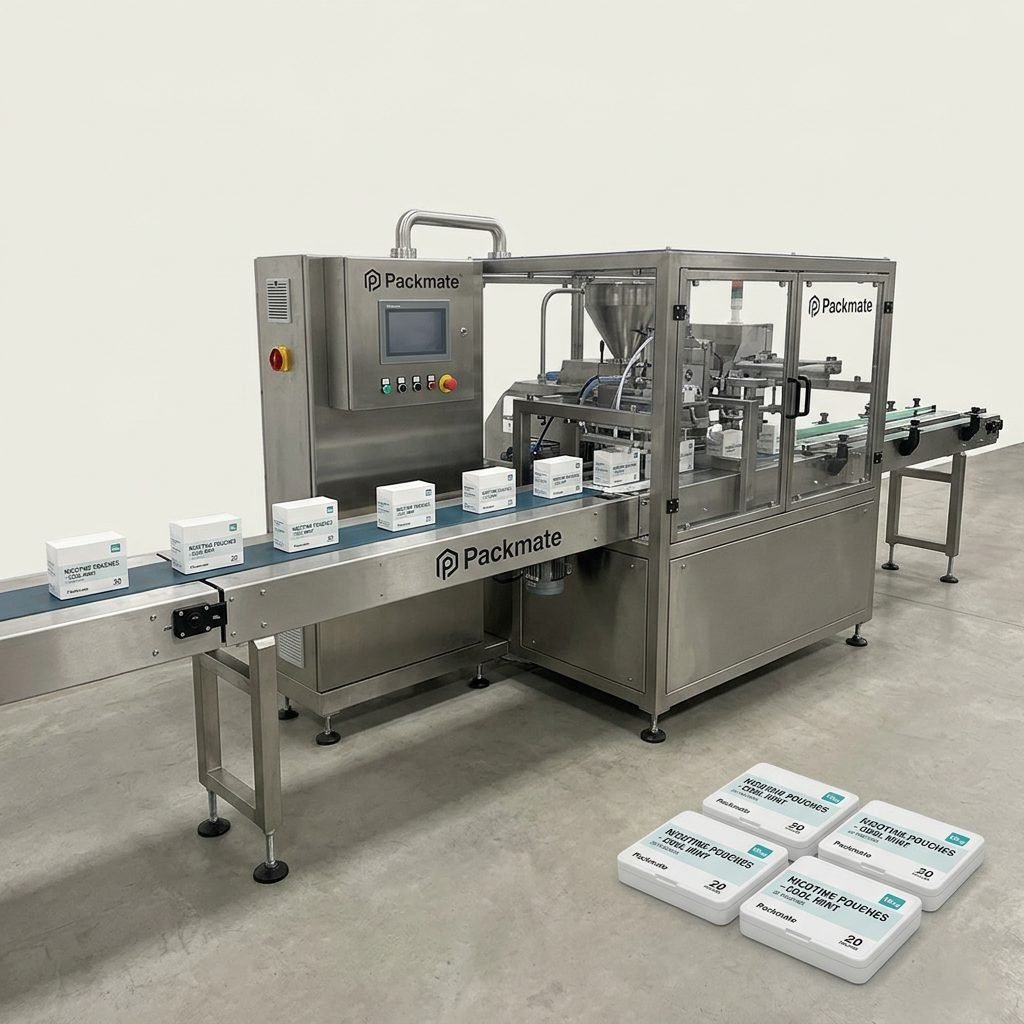
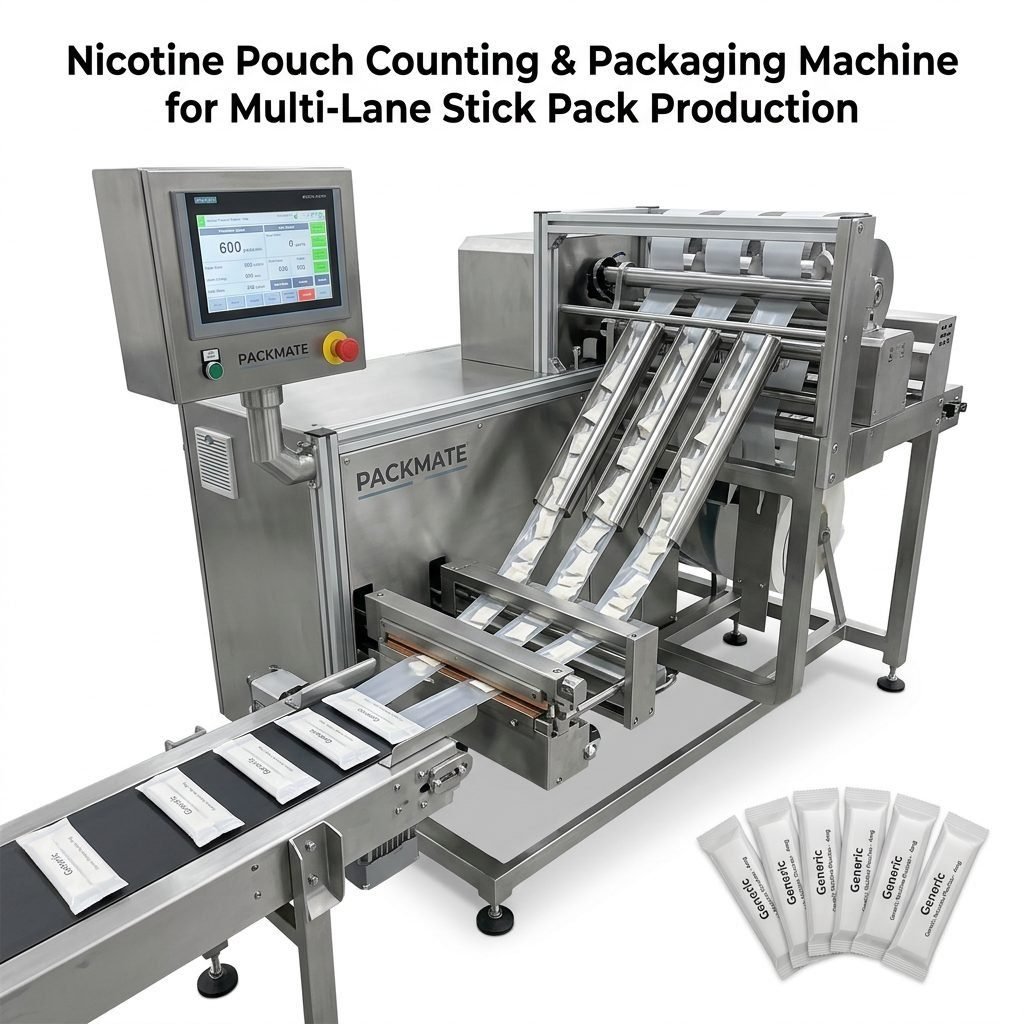
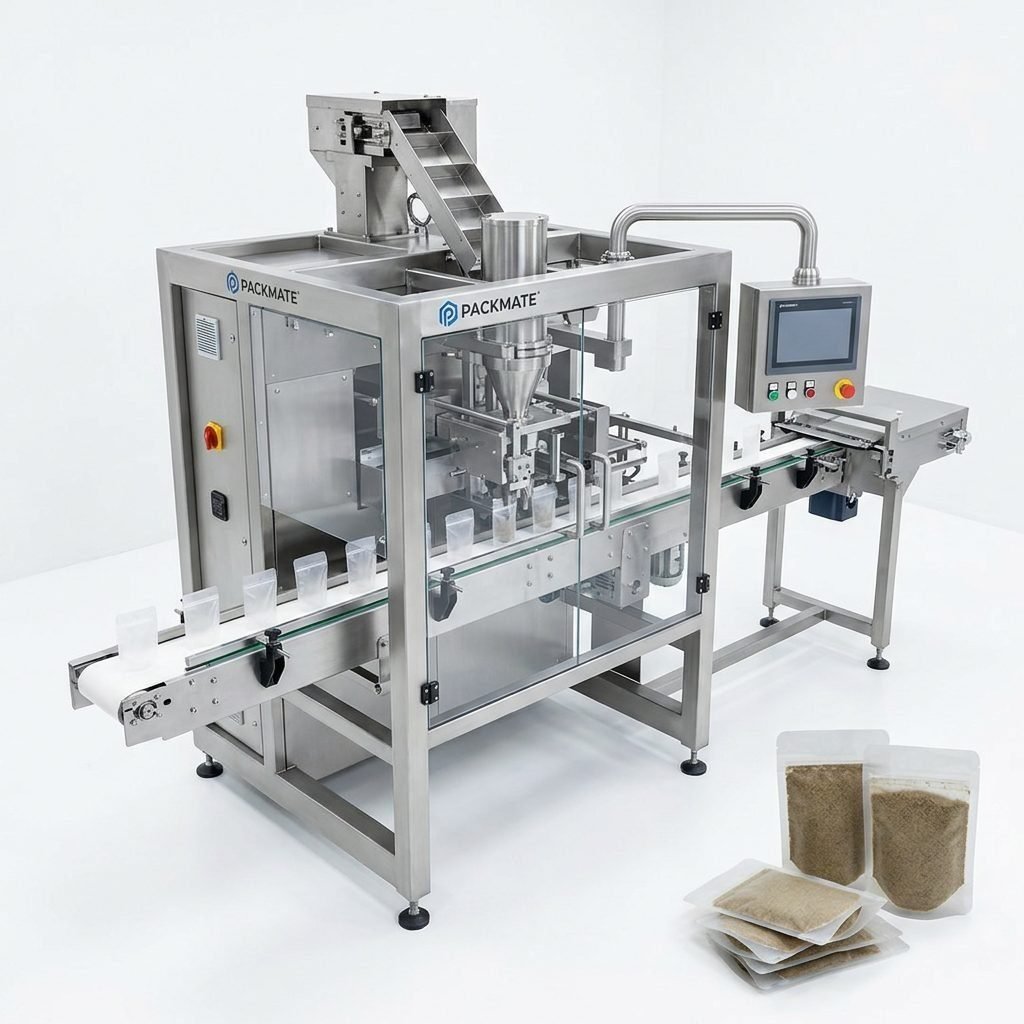
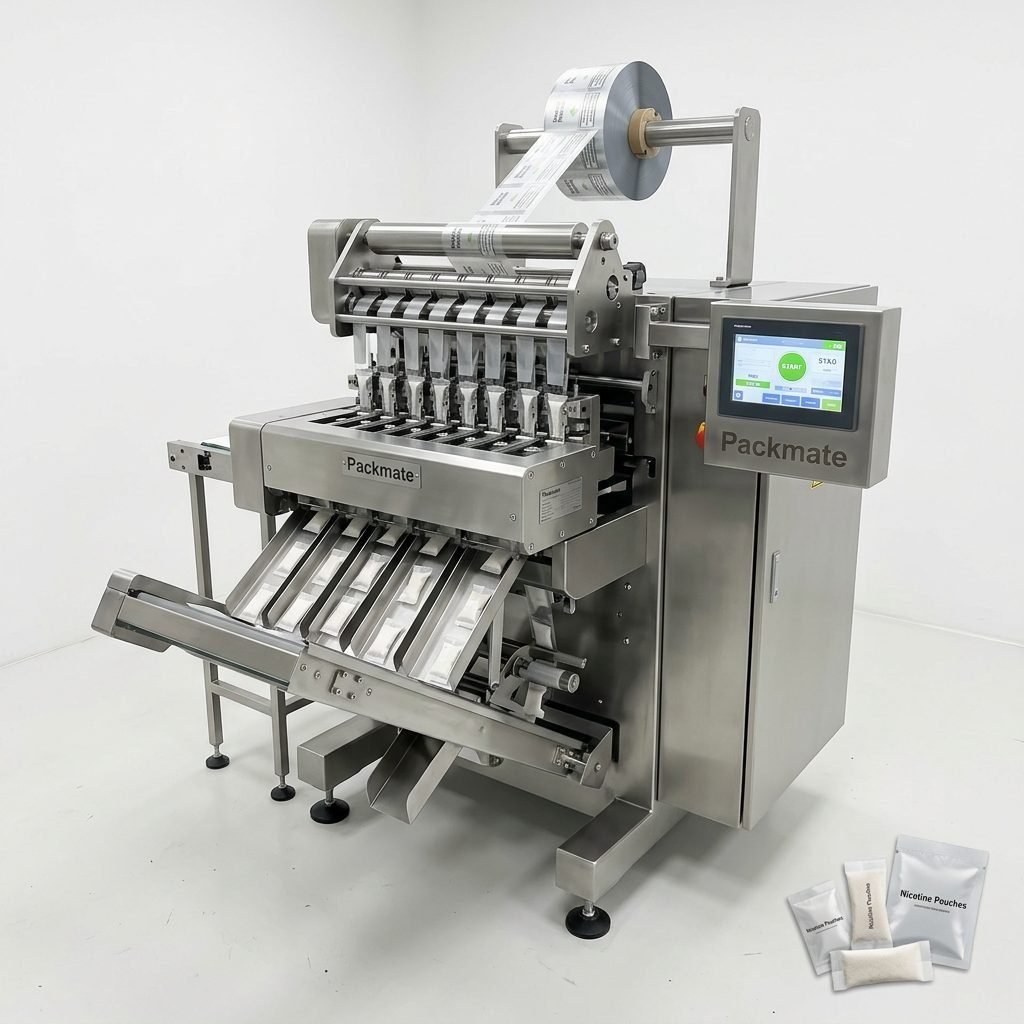
Choosing the right nicotine packaging machine manufacturer in Nepal is a decision that affects product quality, regulatory compliance, and your bottom line. Whether you are launching a new nicotine pouch brand, expanding production, or upgrading an aging packaging line, selecting a partner with the right technology, service, and manufacturing strength is crucial. This guide walks you through practical criteria and actionable steps to identify the best manufacturer for nicotine pouch and snus packaging solutions in Nepal.
Why the Manufacturer Choice Matters for Nepal-Based Businesses
Nepal’s market dynamics, import logistics, and regulatory environment mean that the manufacturer you choose should offer more than just a machine: they must provide reliability, clear documentation, and scalable solutions. A trusted manufacturer helps reduce downtime, simplifies customs and certification processes, and supplies proper training for local operators. Look for partners who have proven experience with nicotine pouch packaging and understand global compliance standards.
Understand Your Production Needs First
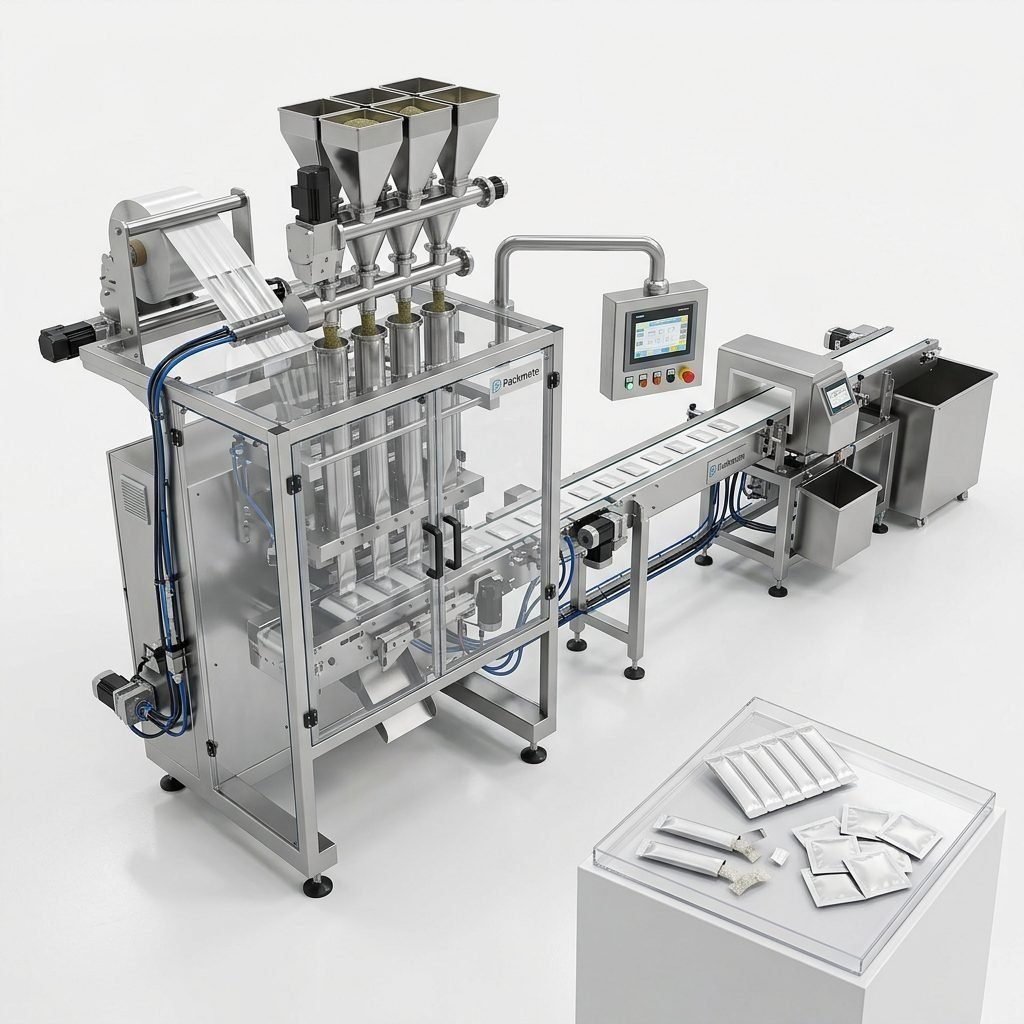
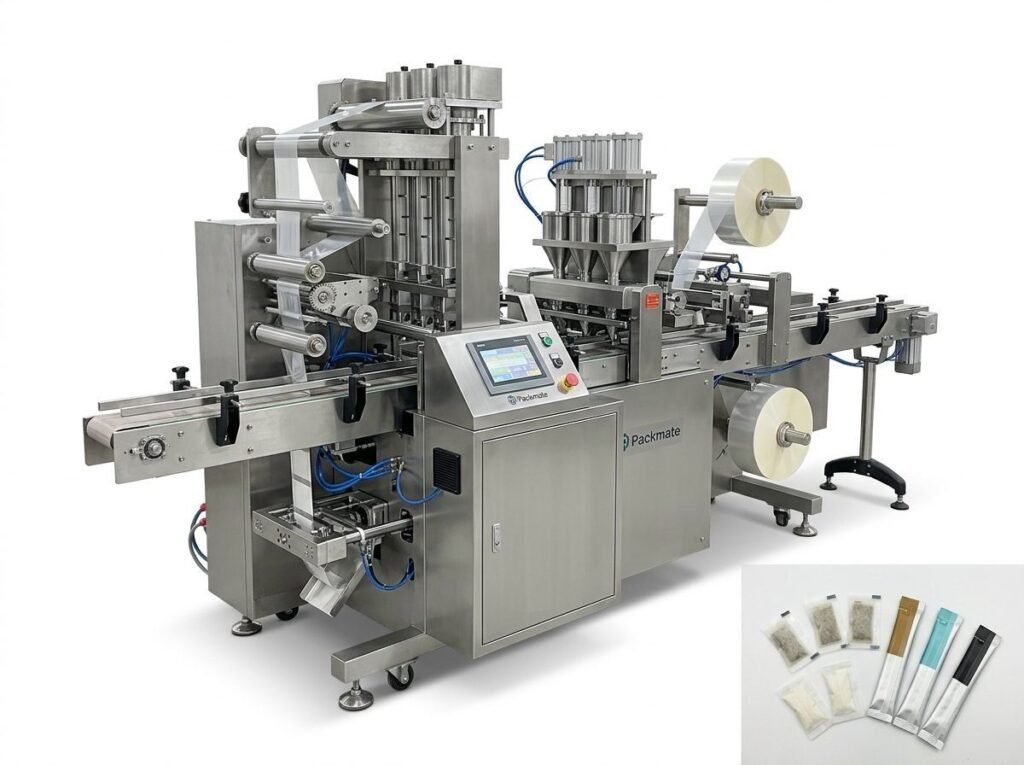
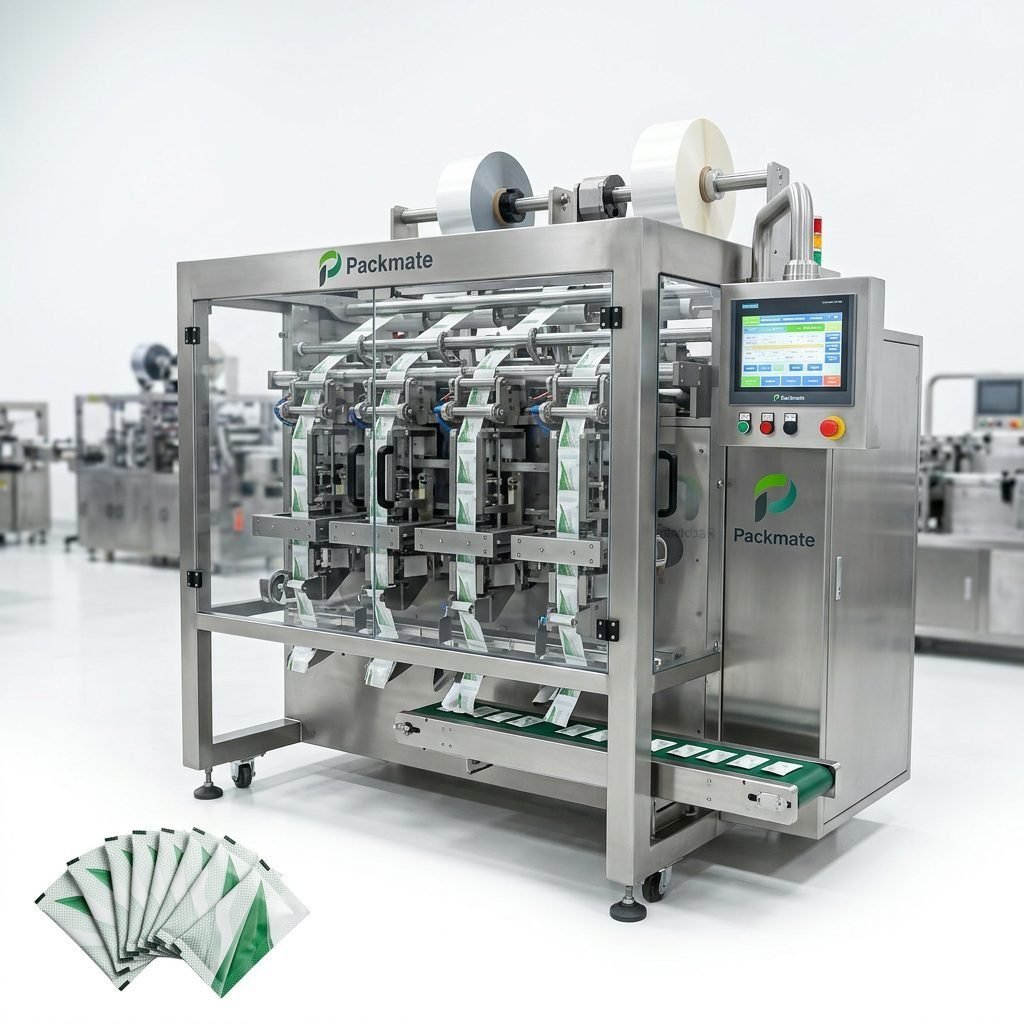
Start by defining your core requirements: expected daily output, pouch format (single-lane or multi-lane), dosing type (powdered or granular), pouch size, and desired automation level. These parameters determine the class of machines you should evaluate — stick pack machines, sachet and stick pack systems, or specialized snus & nicotine packaging machines. For example, multi-lane systems are ideal if you need high throughput with low-dose pouches, while single-lane systems may be suitable for smaller production volumes or pilot lines.
Quick checklist
🔧 Production target: daily & monthly units
📦 Pouch style: sachet, stick pack, pillow, or custom snus pouch
⚙️ Integration: automatic feeding, weighing & capping, labeling
Technical Criteria to Evaluate
Technical robustness is a top priority. Assess machine build quality, materials in contact with product, control system (PLC and HMI), servo-driven components, and modularity for future upgrades. Check whether the manufacturer offers high-precision dosing systems and multi-lane capabilities for small-dose nicotine pouches. Machines with precision CNC-built parts and European-standard drives tend to run more stably and reduce maintenance frequency.
Key specifications to request
• Maximum units per minute (single-lane & multi-lane)
• Tolerances for dosing (mg accuracy)
• Changeover time between formats
Quality, Certifications and Compliance
A reputable manufacturer will provide machine certifications such as CE or ISO where applicable and supply documentation needed for import and local regulatory review. Compliance is especially important for nicotine products due to health and safety concerns. Verify the manufacturer’s quality management processes and ask for test reports, calibration certificates, and safety documentation.
If you want to explore machine types and technical specs, visit a product overview like Snus & Nicotine Packaging Machines for reference models and performance data.
Factory & Manufacturing Strength: Why It Matters
Manufacturers with large, well-equipped factories and advanced CNC machining centers show they can control quality and handle custom requests. A factory with robust assembly lines and strict testing protocols reduces the risk of defects and ensures consistent output. Ask for a factory tour or video of the assembly and testing process. Firms that offer turnkey solutions — from weighing systems to final packaging lines — provide integrated reliability and easier project management.
Learn about an experienced supplier’s capabilities and history by checking sections like About Packmate and their Case studies to see global deployments and client testimonials.
After-sales Service, Local Support & Spare Parts
In Nepal, spare parts availability and prompt technical support are essential to minimize downtime. Prefer manufacturers who provide spare parts kits, fast shipping options, remote troubleshooting, and on-site commissioning. Training for local operators and maintenance teams should be part of the package. Clarify warranty terms, response times for service requests, and whether technicians can be deployed for on-site repairs.
Cost vs Value: Beyond the Quoted Price
The lowest purchase price may hide higher lifecycle costs. Evaluate total cost of ownership: energy consumption, spare parts cost, service frequency, and estimated downtime. A higher-quality machine often provides faster ROI through lower maintenance, better uptime, and consistent product yield. Ask the manufacturer for processing cost per pouch at projected volumes to compare real-world economics.
Lead Times, Logistics and Installation in Nepal
Confirm realistic lead times for manufacturing, testing, shipping, and local customs clearance. Manufacturers experienced in international projects can help with documentation for customs, compliance, and timely delivery. Discuss installation procedures: will the manufacturer send engineers for commissioning, provide remote guidance, or rely on local partners? For full-line installations consider suppliers offering integrated solutions like Filling & Packaging Lines.
Testing, Trials and On-Site Validation
Require factory acceptance testing (FAT) where your product or a representative formula is run on the machine prior to shipment. FAT reduces surprises and confirms the machine meets performance specs. Request video documentation and sample outputs. After installation, perform site acceptance testing (SAT) to validate performance under operational conditions in Nepal.
Integration with Existing Production Lines
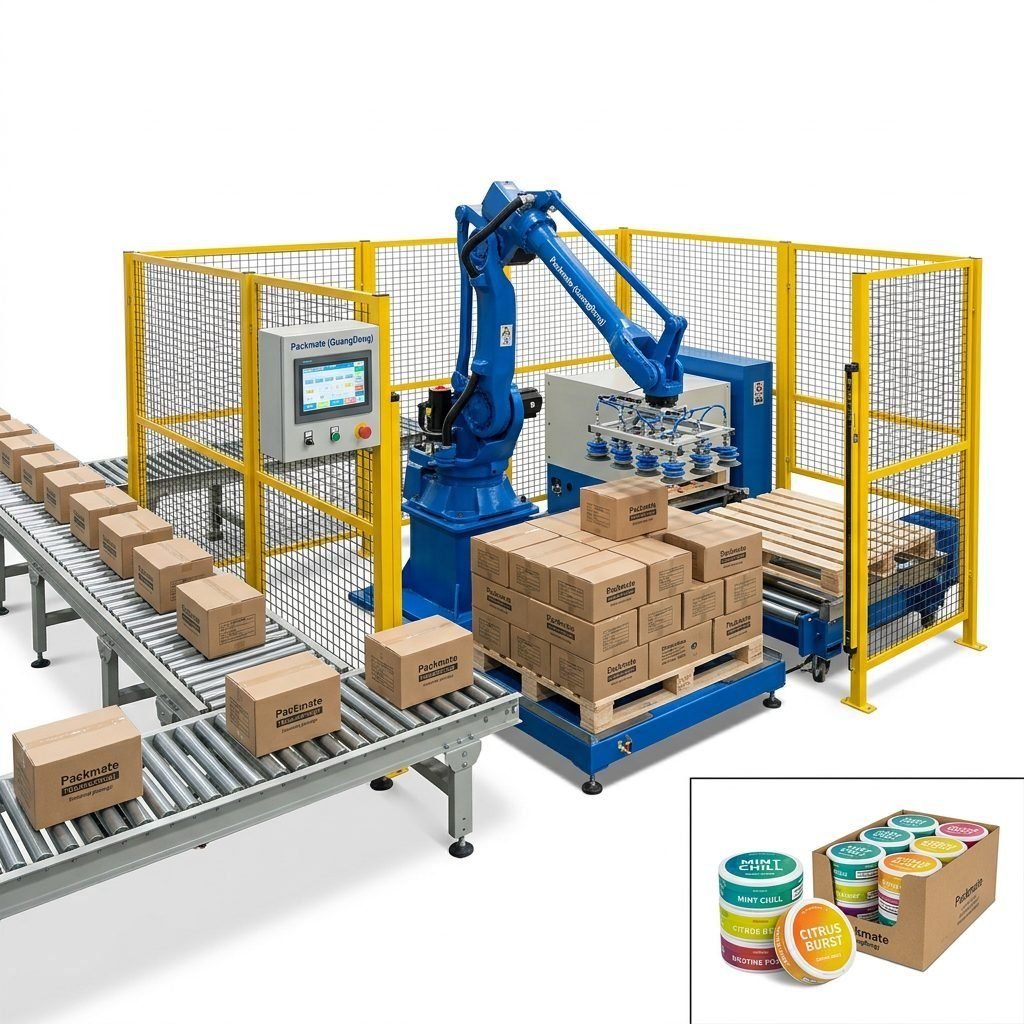
If integrating new packaging equipment into an existing line, clarify mechanical and electronic interfaces, conveyor heights, and footprint constraints. Check for compatibility with upstream dosing systems and downstream labeling, cartoning, and case packing equipment. Manufacturers offering auxiliary equipment and weighing & packaging systems can simplify integration — see Weighing & Packaging Systems.
Common Pitfalls and How to Avoid Them
✅ Pitfall: Buying a machine based only on price. Solution: Compare performance guarantees and lifecycle costs.
✅ Pitfall: Skipping factory acceptance tests. Solution: Insist on FAT with your product or equivalent materials.
✅ Pitfall: Weak after-sales support. Solution: Verify spare parts lead time and local service arrangements.
Decision Checklist Before You Sign
🔎 Verify: Factory credentials, CNC capability, and sample outputs.
📑 Confirm: Certifications, FAT plan, and warranty terms.
🤝 Ensure: Clear service SLA, spare parts delivery, and operator training.
💡 Ask: For references from clients in similar markets or similar product categories.
Why Consider Established Suppliers with Global Experience
Suppliers with decades of engineering experience and global turnkey project delivery tend to handle local nuances better, from documentation to spare parts logistics. Packmate Snus Machine, for example, highlights over 30 years of experience, advanced CNC capabilities, and turnkey solutions for snus and nicotine packaging — attributes that reduce risk when sourcing equipment for Nepal. To explore specific machine families, view their auxiliary packaging equipment and machine categories such as Bag & Pouch Packaging Machines and Sachet & Stick Pack Machines.
Practical Next Steps for Nepal Buyers
1) Prepare a detailed requirements document covering product specs, formats and target throughput. 2) Request complete proposals from 2–3 shortlisted manufacturers including technical sheets, FAT scope, warranty terms, and spare parts lists. 3) Schedule FAT and virtual or in-person factory visits. 4) Compare total cost of ownership and service commitments before signing a contract.
Final Thoughts
Selecting the best nicotine packaging machine manufacturer for Nepal means balancing technical capability, manufacturing strength, service reliability, and long-term value. Focus on suppliers who demonstrate proven experience in nicotine pouch packaging, robust quality control, and a clear plan for support and spare parts. Prioritize FAT, strong documentation, and a transparent warranty to protect your investment and ensure consistent product quality.
Common Questions
Q1: How important is factory acceptance testing (FAT)?
FAT is essential. It verifies machine performance with your product before shipment, reduces surprises at installation, and serves as a contractual proof of compliance to agreed specifications. Always require documented FAT results and sample output.
Q2: What certifications should I request from the manufacturer?
Typical certifications include CE for machinery safety, ISO quality management certifications, and, where relevant, material contact or calibration certificates. Confirm the manufacturer can provide paperwork needed for Nepalese import and regulatory review.
Q3: How do I ensure spare parts availability in Nepal?
Ask the manufacturer for a spare parts kit, lead times for critical components, and options for consignment stock. Consider suppliers who offer regional warehouses or expedited shipping and verify local service partner networks for quick repairs.
Q4: Should I prioritize multi-lane machines for nicotine pouches?
Multi-lane systems are highly beneficial if you need high throughput for small-dose pouches, but they are more complex. Evaluate based on your volume forecasts, operator skill levels, and maintenance capabilities. A modular approach can allow you to scale as demand grows.
Q5: Where can I get more information or contact a reliable supplier?
For detailed product catalogs, technical specs, and service inquiries, check manufacturer pages and contact forms. Example resources include supplier product pages and service sections that outline packaging lines and auxiliary equipment: Service and Contact Us.