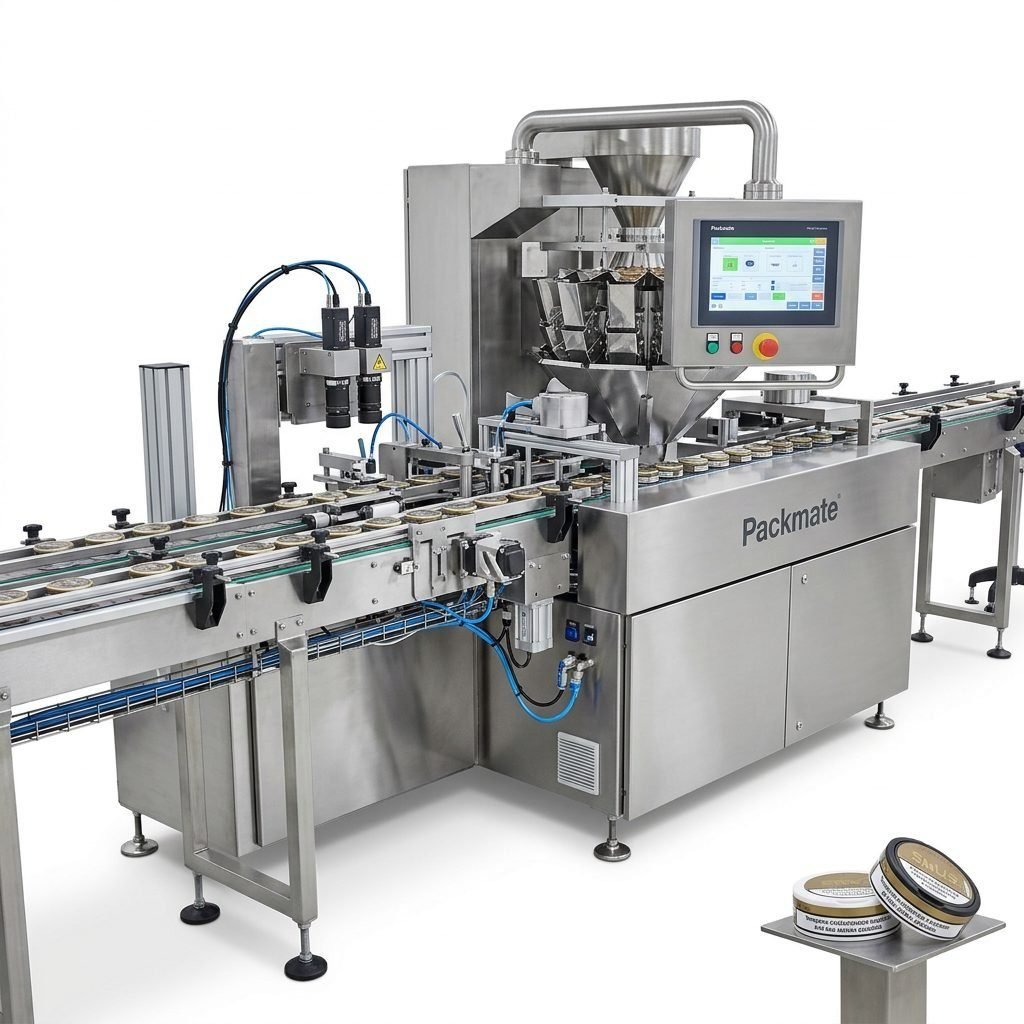
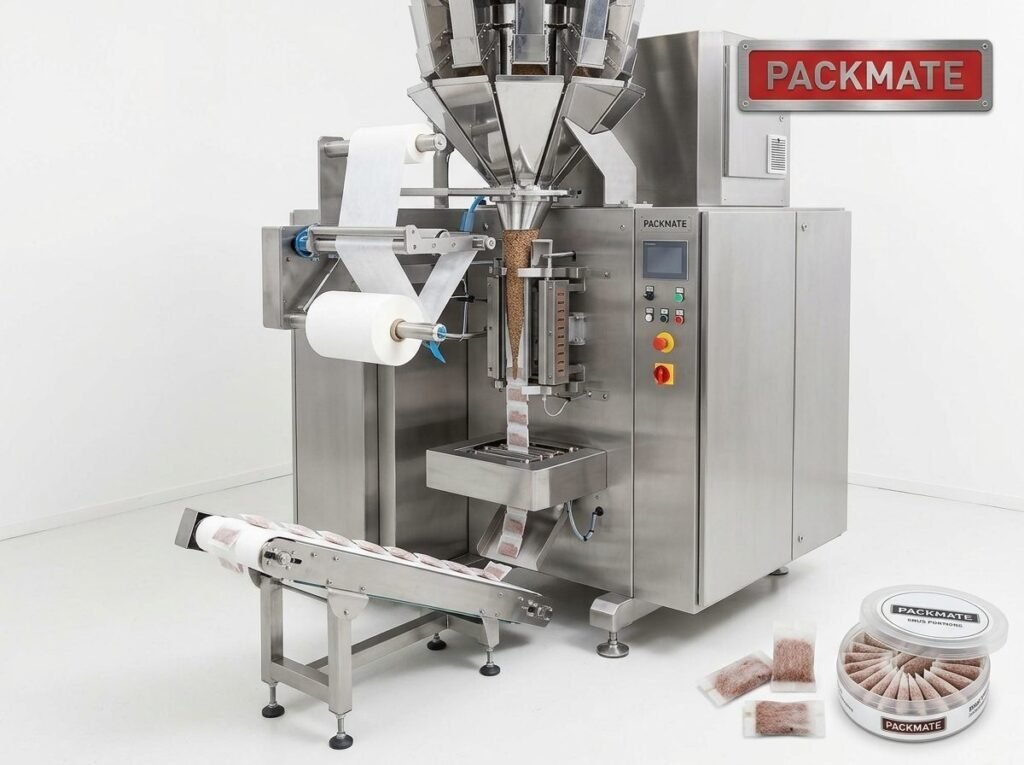
Choosing the right snus packaging machine manufacturer in Samoa is a critical step for any company aiming to scale production, ensure regulatory compliance, and maintain product quality. This guide walks you through practical factors, technical criteria, and procurement tips so you can make an informed decision—whether you are sourcing a single snus pouch machine or a full automated packaging line.
🔎 Understand Your Product and Production Needs
The first step is to document your product specifications: pouch size, filling material (tobacco-free nicotine pouch, powdered snus, granules), dose per pouch, desired speed (pouches per minute), and packaging format (stick pack, sachet, multi-lane pouches). Machines built for high-precision low-dose production differ significantly from general bag or liquid fillers. Knowing these details will narrow vendor selection and avoid costly mismatches.
📦 Typical Packaging Formats
Consider the machine families and how they map to your product:
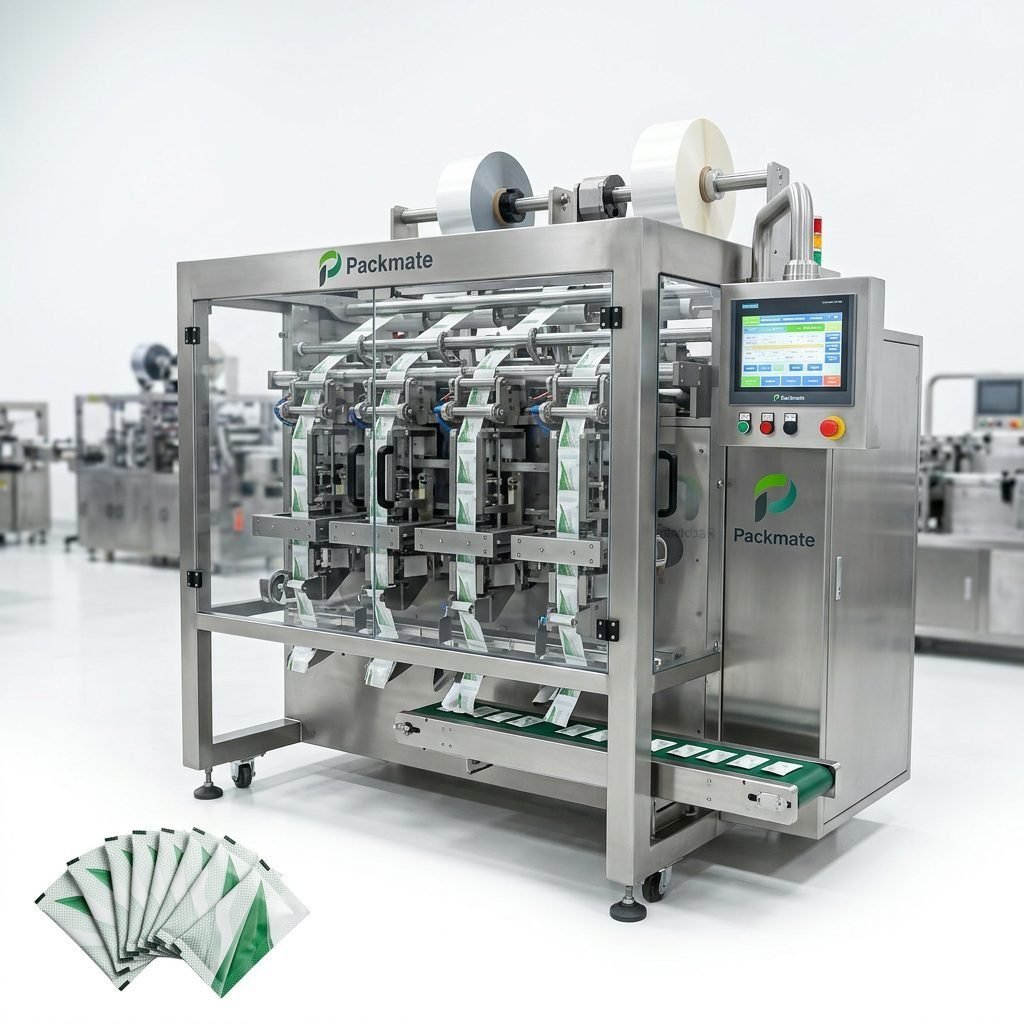
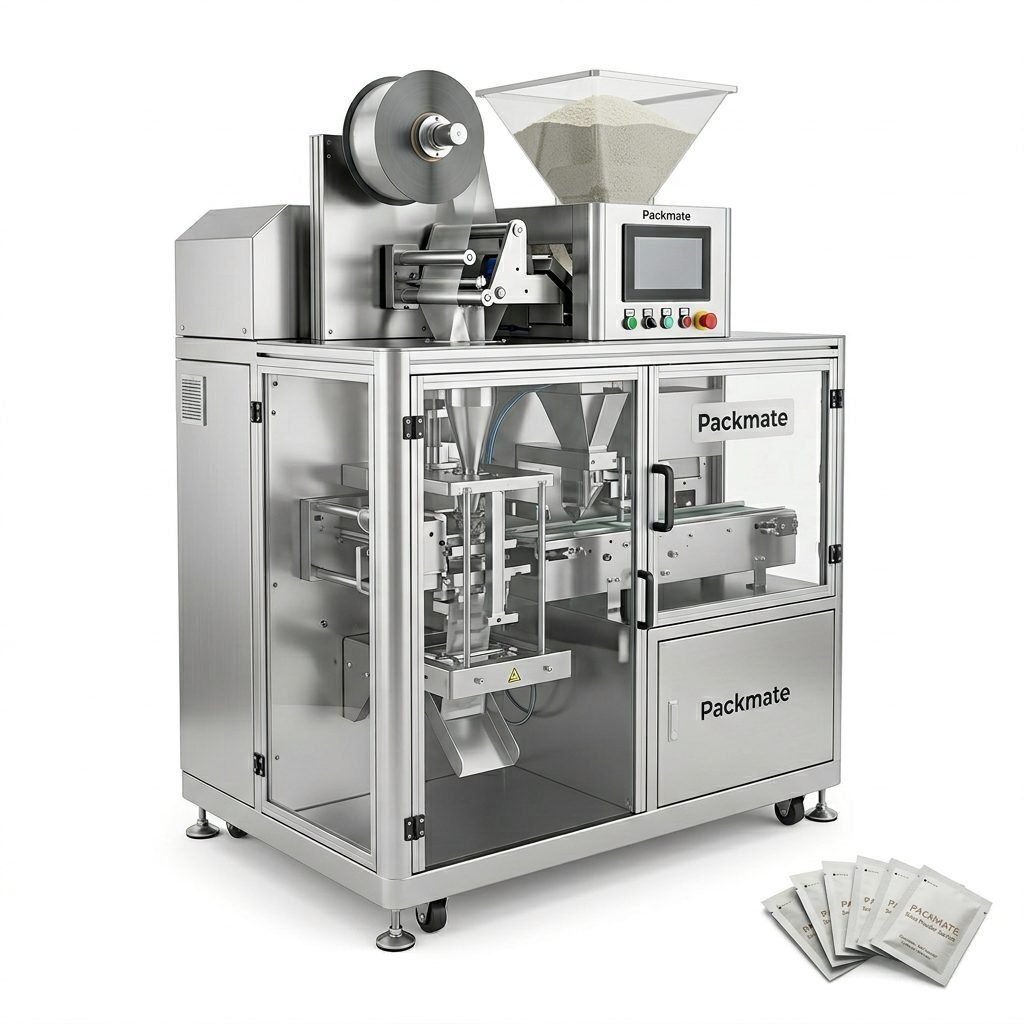
⚫ Stick pack and sachet machines — ideal for single-dose snus sticks and single-serve pouches. See examples of Sachet & Stick Pack Machines: Sachet & Stick Pack Machines
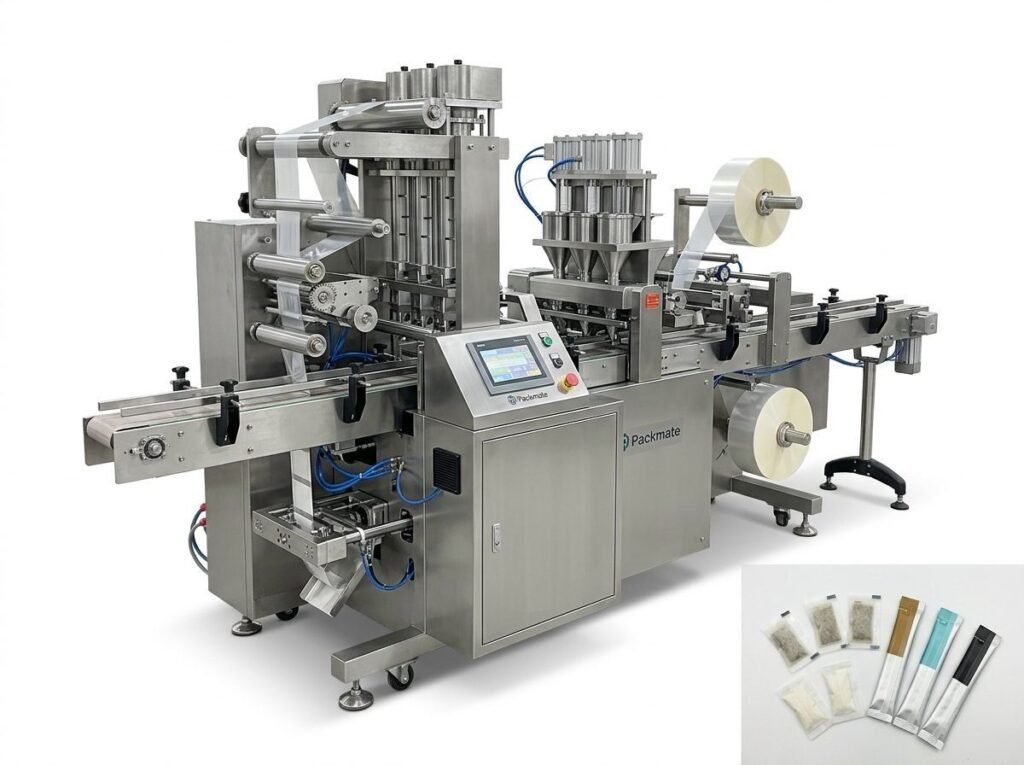
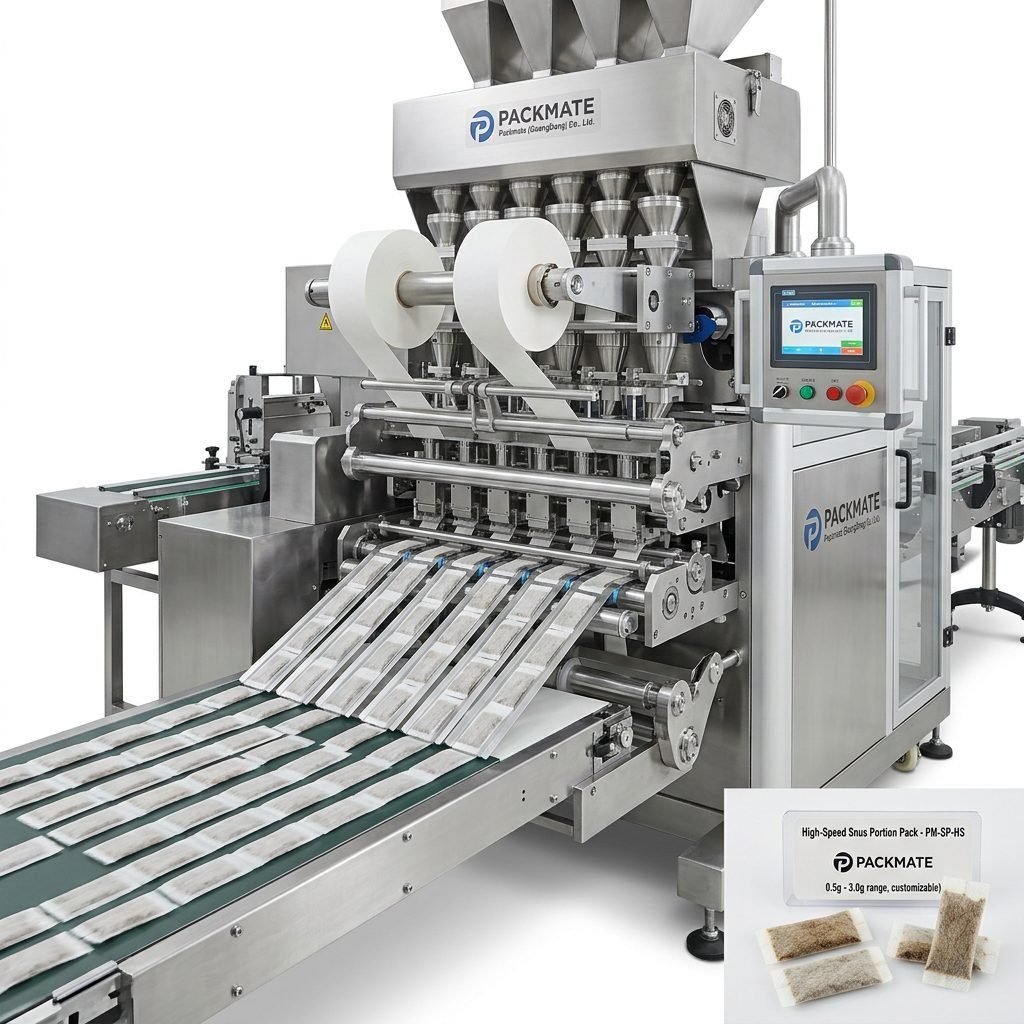
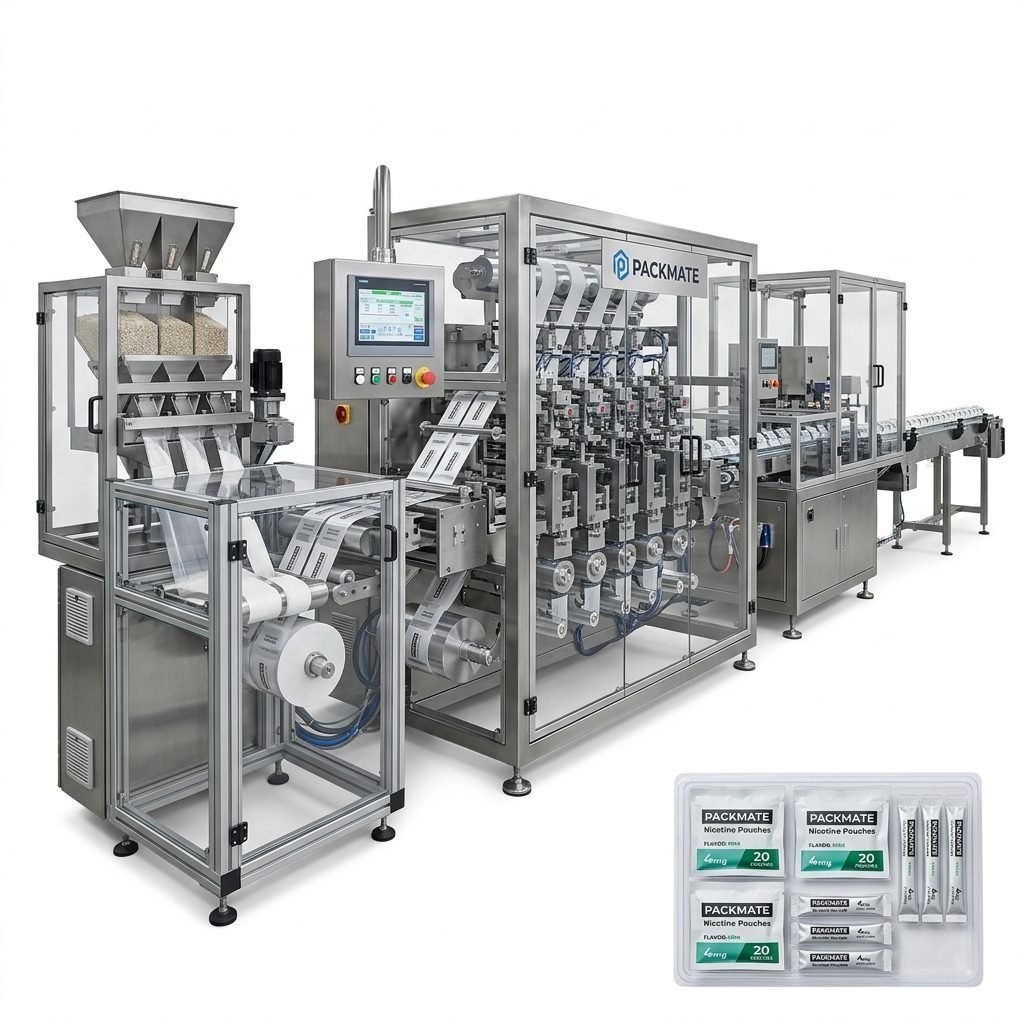
⚫ Multi-lane snus pouch lines — optimized for small-dose nicotine pouches with high throughput and synchronized dosing.
⚫ Bag & pouch packaging machines — for outer packaging and retail-ready pouch formats: Bag & Pouch Packaging Machines
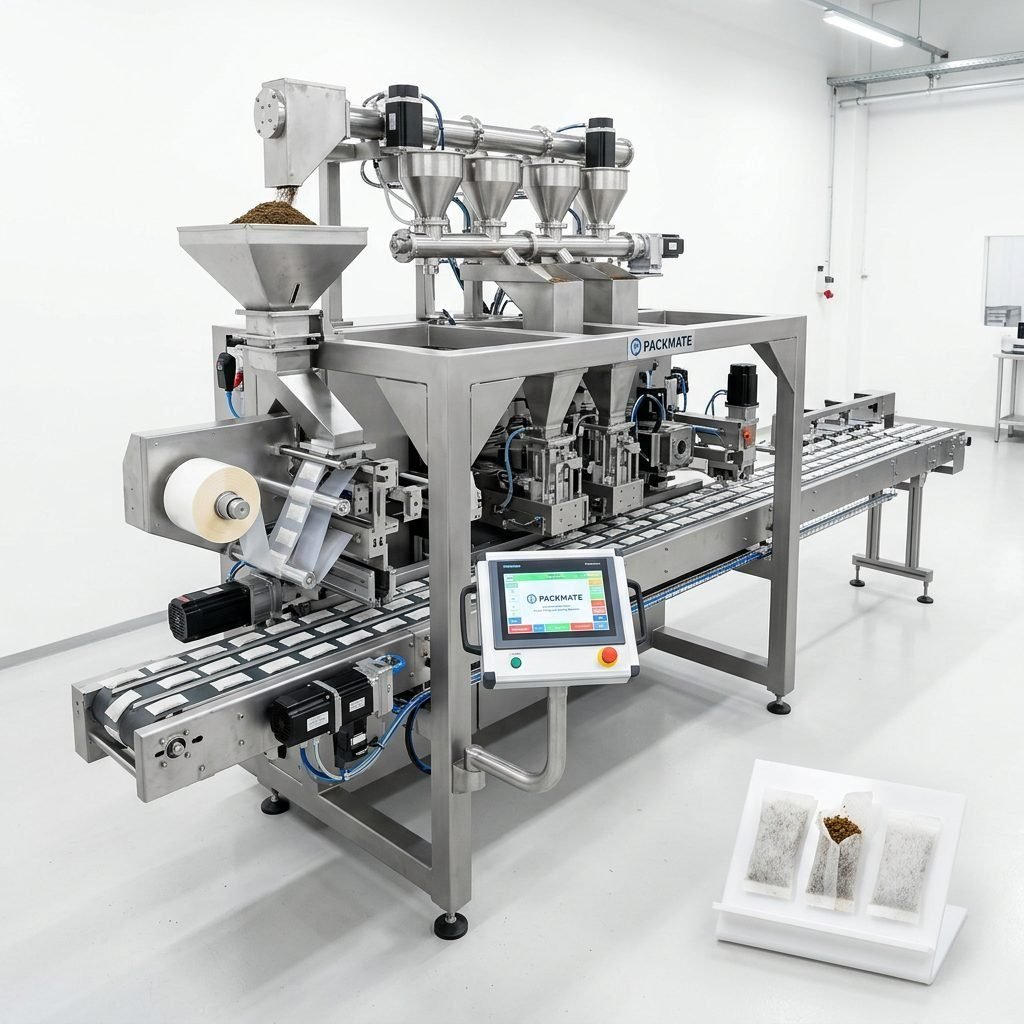
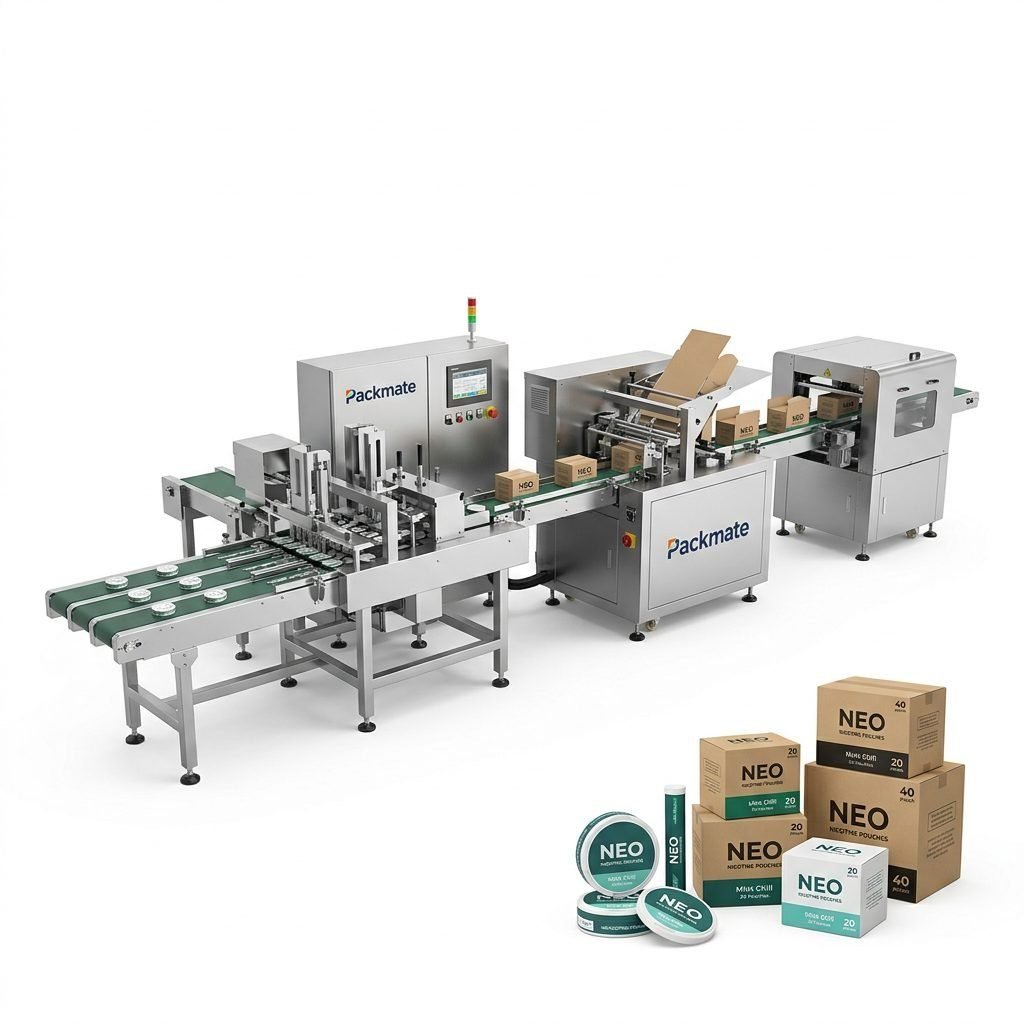
Tip: If you plan combined operations (filling + primary pouch forming + secondary packaging), look for suppliers offering integrated Filling & Packaging Lines: Filling & Packaging Lines
🛠️ Key Technical Specifications to Evaluate
When comparing manufacturers, ask for detailed technical documents and confirm the following specs:
• Accuracy & dosing — especially for nicotine pouches, dosing tolerance must be tight to meet regulatory labeling and reduce material waste.
• Production speed — max pouches per minute and sustainable speeds for continuous operation.
• Material compatibility — for powders, hygroscopic fills, or wet blends; confirm feeding and anti-bridging design.
• Automation & controls — PLC models, HMI interface, recipe management, and connectivity for Industry 4.0.
• Changeover time — tools and features that reduce downtime for different pouch sizes or product formats.
✅ Reliability, Quality & Certifications
A reputable manufacturer will provide evidence of quality systems and relevant certifications. Check for CE or ISO compliance, especially if you export. Manufacturers with rigorous quality assurance will also offer traceable component lists, calibration documentation, and test reports.
Factory strength matters: look for an established facility with advanced CNC machining and assembly lines. A large, experienced factory reduces lead time risk and improves spare-part availability.
🔧 Customization, Turnkey Solutions and Integrations
If your project requires a full production line—including dosing, conveying, primary packaging, and secondary boxing—choose a supplier who offers turnkey solutions. This minimizes integration risk and ensures that control systems talk to each other. Suppliers with rich multi-line experience can deliver synchronized multi-lane snus pouch systems built for small-dose production.
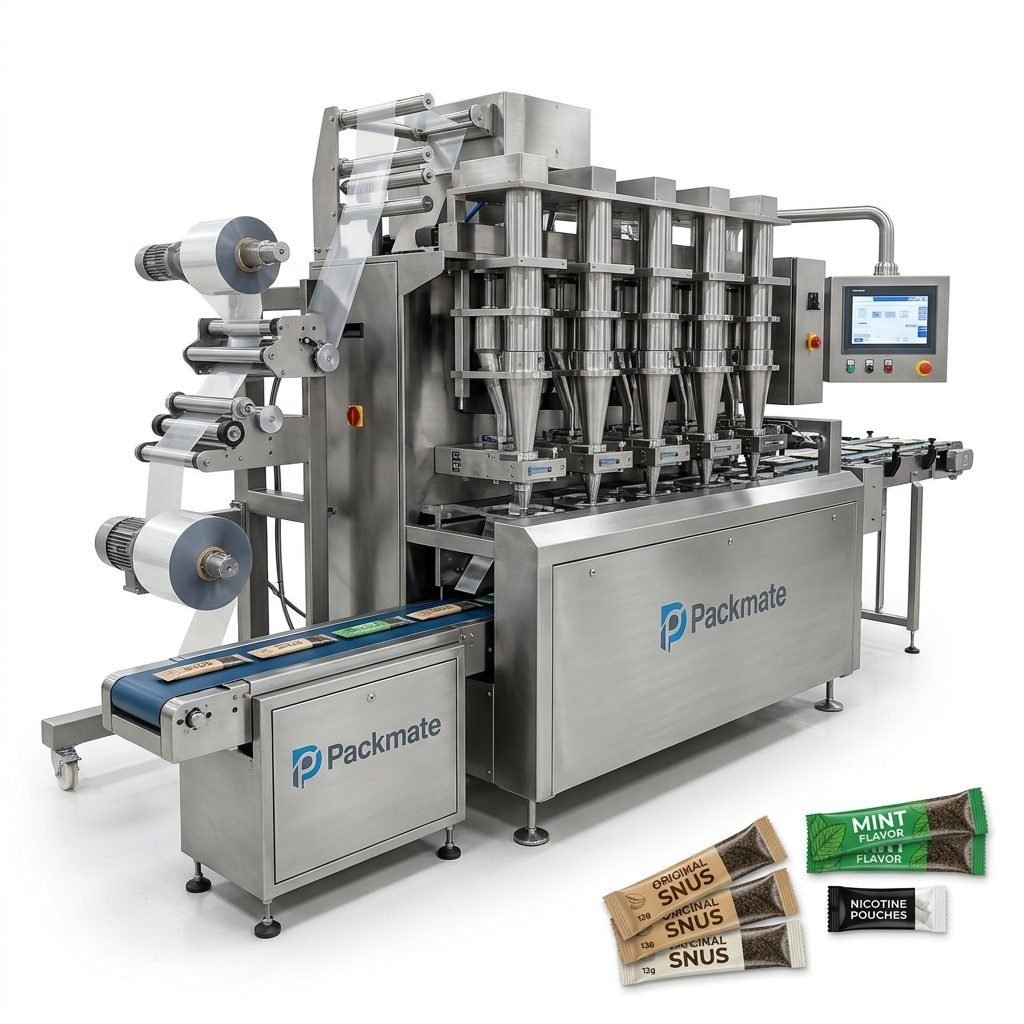
Explore supplier portfolios and system types; manufacturers often list product lines such as Snus & Nicotine Packaging Machines and Weighing & Packaging Systems.
🔁 After-Sales Service & Spare Parts
After-sales support is essential for uptime. Prioritize suppliers that provide:
• Fast spare parts delivery — express shipping options to Samoa or local stocking arrangements.
• Remote diagnostics — allow for quicker troubleshooting via PLC/HMI remote access.
• Training & commissioning — on-site installation support and operator training reduce start-up errors.
🔧 Ask for support terms in writing: service windows, SLA response times, and warranty coverage are negotiation points that protect your operation.
💰 Price vs Value: Total Cost of Ownership
Do not choose solely on the lowest quote. Consider total cost of ownership:
• Energy consumption and consumable usage.
• Mean time between failures (MTBF) and maintenance labor.
• Depreciation and expected lifespan. Investing a bit more for robust mechanical design and quality components often reduces downtime and long-term expense.
🏭 Factory Visit, Trials and Reference Checks
Whenever possible, visit the manufacturer’s factory or request a live demonstration. Key activities during a visit:
• Inspect machining and assembly areas to confirm workmanship and production capacity.
• Witness machine trials using your actual product; ask for pre-shipment acceptance tests.
• Request references and case studies; a history of reliable exports and satisfied clients is reassuring. You can review real-world examples and case content to validate supplier claims: Case
📝 Procurement Checklist Before Signing
Use a standardized checklist to compare quotes:
• Machine scope and items included (spare parts, tooling, documentation).
• Acceptance criteria, FAT (Factory Acceptance Test) and SAT (Site Acceptance Test) procedures.
• Payment terms, lead time, and shipment terms to Samoa (Incoterms).
• Clear warranty, after-sales support commitments and training plans.
📣 Pro tip: include performance penalties or remedies in the contract if machines do not meet agreed test speeds or accuracy during FAT/SAT.
🔗 How to Shortlist Trusted Manufacturers
Shortlist based on these indicators:
• Industry experience and specialization in snus/nicotine pouch machines — manufacturers who focus on this niche provide refined solutions.
• Manufacturing scale and modern CNC capability — larger, well-equipped factories reduce custom lead times and ensure parts consistency.
• Global references and exhibition presence — meet suppliers in trade shows to see machines running; check exhibition pages or About pages for company background: About Packmate | Our Exhibition
📣 Negotiation and Final Decision Tips
During negotiation, clarify responsibilities around shipping, customs clearance to Samoa, installation, and training. Ask for a clear spare parts list with lead times. Where possible, agree on phased payments tied to milestones: deposit, after FAT, after delivery, after SAT.
🔐 Security point: ensure intellectual property protections for any custom tooling or product-specific parts are included in the agreement.
📞 Where to Start with a Supplier Like Packmate
Companies such as Packmate Snus Machine highlight the kind of profile to look for: decades of experience, a large factory footprint, diverse machine models, and turnkey capabilities. To learn more about their offerings, explore product categories and service information on the company pages: Snus & Nicotine Packaging Machines, Service, and contact options: Contact Us
🧭 Quick Decision Flow
1) Define product and throughput → 2) Shortlist manufacturers by specialization and factory strength → 3) Request technical proposals and FAT → 4) Negotiate terms, support and spare parts → 5) Sign contract and plan FAT/SAT.
❓ Frequently Asked Questions (Common Concerns)
Q1: What certifications should a snus packaging machine manufacturer provide for global sales?
A1: Expect at least CE and ISO certificates for equipment quality and safety. If you export, confirm the machine meets the target market’s regulatory requirements; suppliers should offer documentation to support customs and compliance checks.
Q2: How long is the typical lead time from order to delivery for custom snus lines?
A2: Lead times vary widely—standard models may ship faster, while fully customized turnkey lines can take months. Confirm factory capacity and CNC capabilities; higher-capacity manufacturers with larger facilities typically offer shorter delivery windows.
Q3: Are remote support and spare part logistics available to Samoa?
A3: Reliable suppliers provide remote diagnostics and spare-part shipping options. Negotiate spare part kits and service SLAs in advance; lead times and cost for parts shipment to Samoa should be clarified before signing.
Q4: Should we test our actual product during FAT?
A4: Yes. Insist that the supplier conducts FAT with your real materials and pouch specifications. This reduces surprises during commissioning and provides measurable acceptance criteria for speed and dosing accuracy.
Q5: How do we compare warranties and service packages between vendors?
A5: Compare warranty length, scope (parts vs. labor), response times for technicians, availability of local partners, and cost of optional extended service contracts. A slightly higher initial cost for a strong service package can save significant downtime costs later.