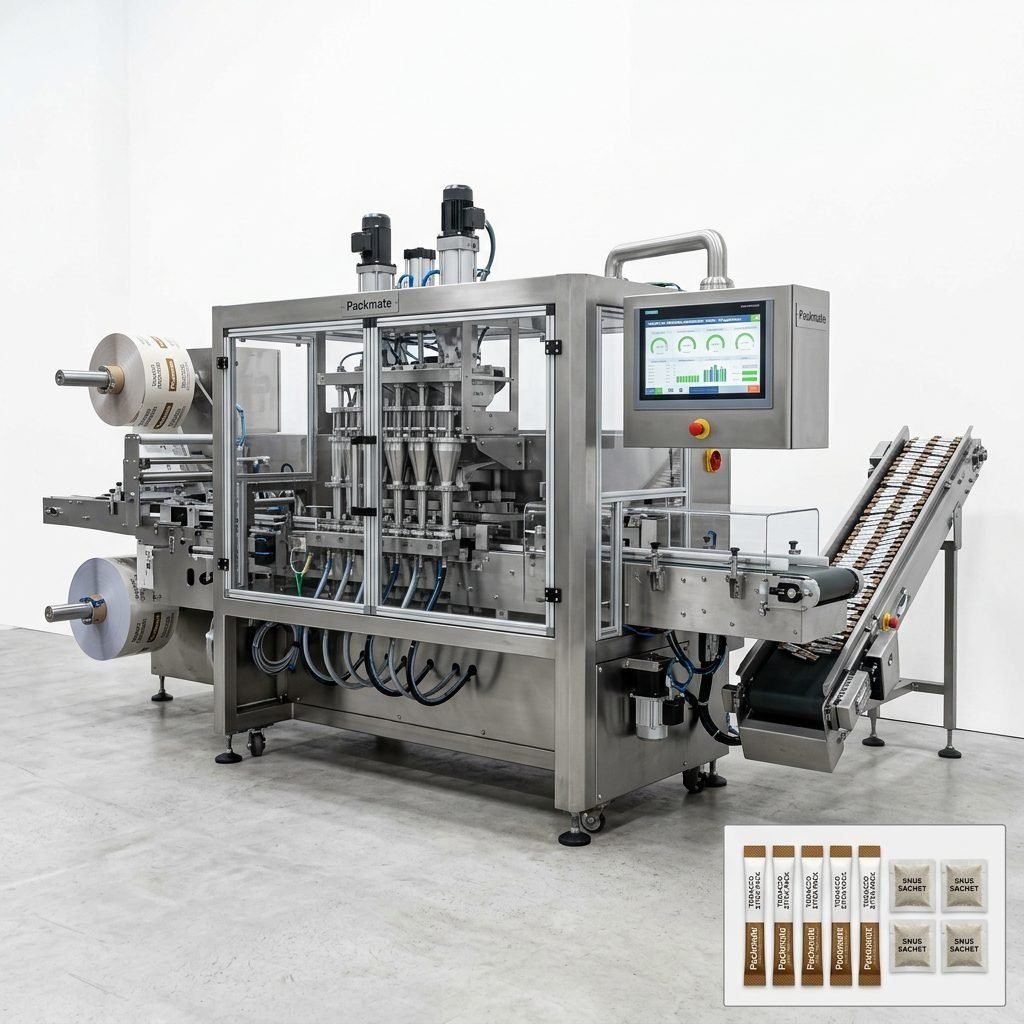
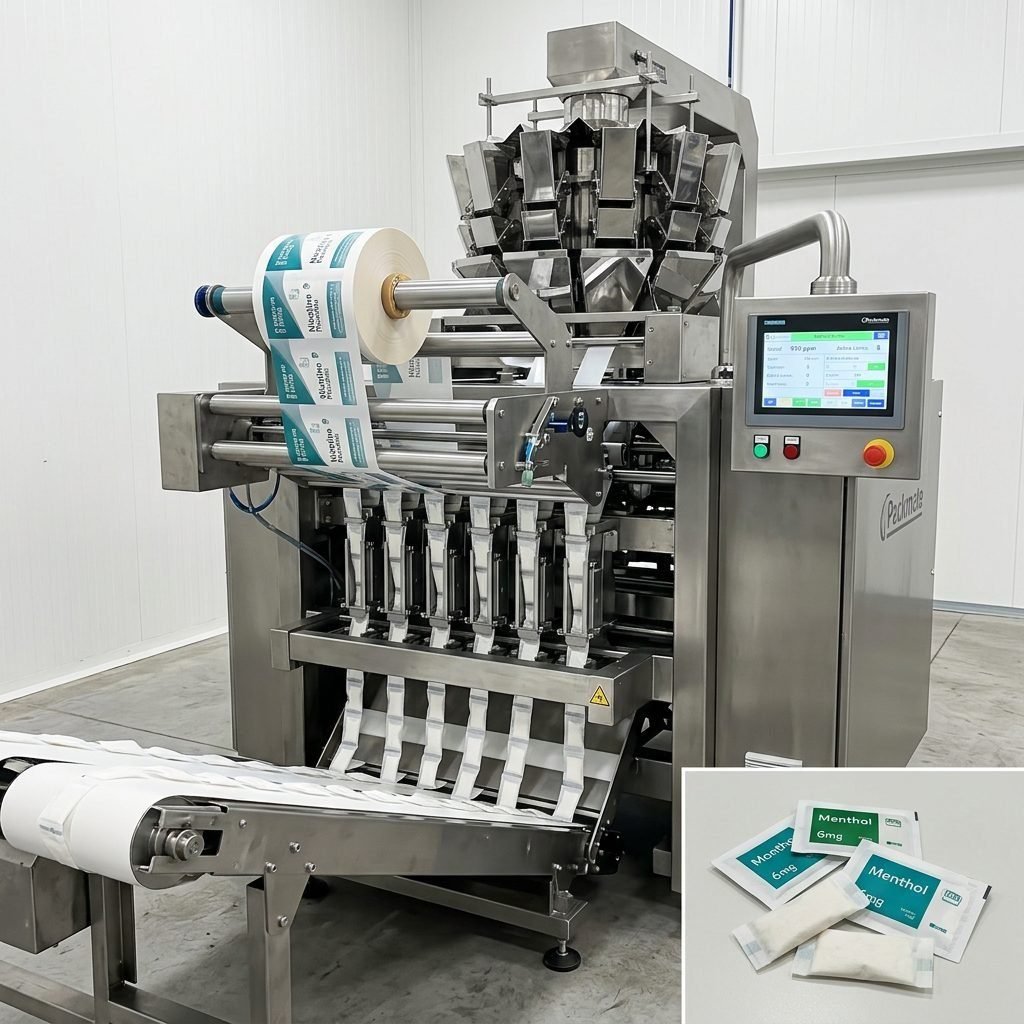
Choosing the right snus packaging machine in Uganda is a strategic decision for local producers who want to build reliable, compliant, and efficient production lines. This guide walks you through the practical steps, technical specifications, and procurement tips tailored to the Ugandan market — from small-batch artisanal producers to scale-up manufacturers seeking automated, multi-lane solutions.
Understand Your Product and Production Goals
Start with clarity on the product: are you packaging loose snus, nicotine pouches, or flavored pouches? The physical characteristics — particle size, moisture, weight range, and portion shape — determine the best machine type. Typical choices include multi-lane pouch machines for small-dose portions, sachet and stick pack machines for single-serve formats, or pouch and bag systems for larger formats.
Production goals matter: target daily output, planned scale-up within 12–24 months, and desired automation level. For example, if your ambition is 50,000 portions per day, consider high-speed multi-lane systems instead of single-lane solutions.
Key questions to ask yourself
🔎 What is the average portion weight range?
🔎 Will you operate one shift or multiple shifts per day?
🔎 Do you need metal detection, checkweighers, or nitrogen flushing in-line?
🔎 Is your facility ready for compressed air and three-phase power?
Match Machine Types to Your Needs
Different machine families serve different needs. Below are practical matches for common snus production scenarios.
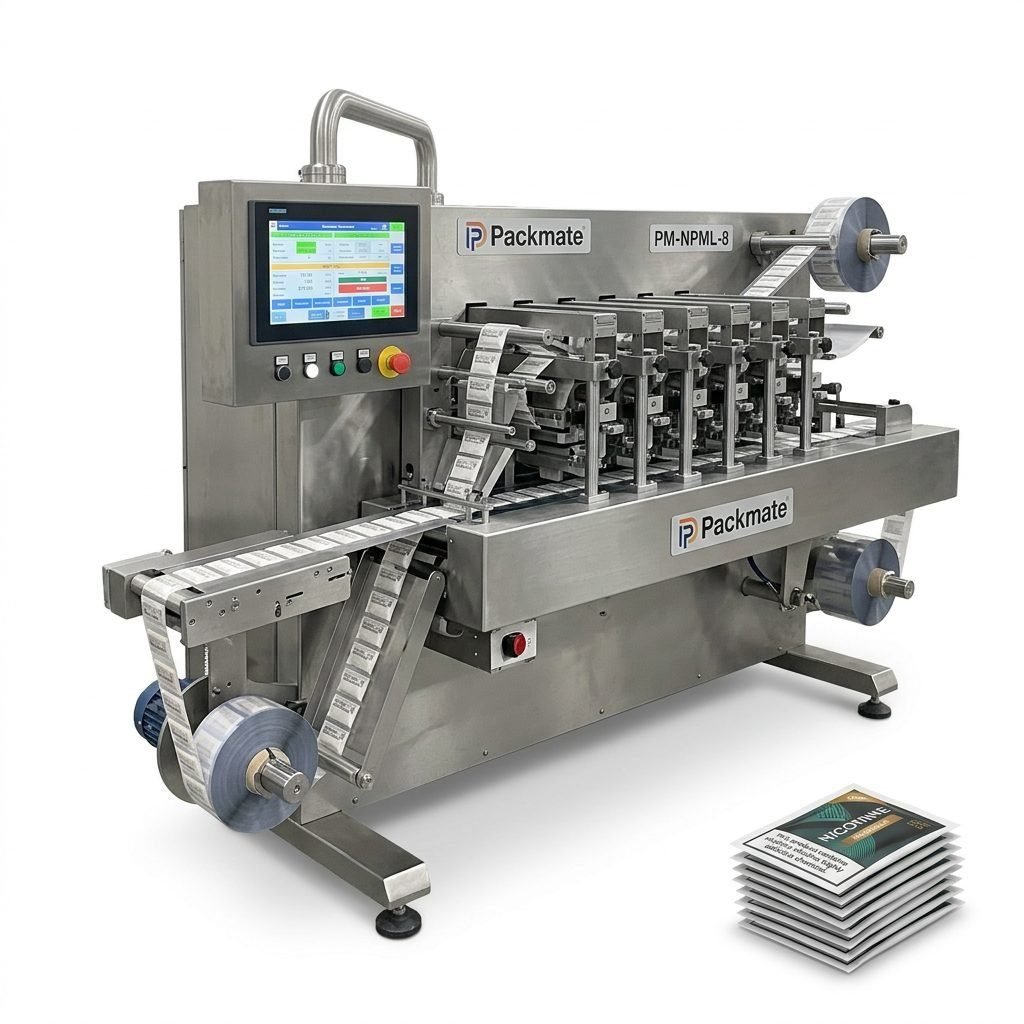
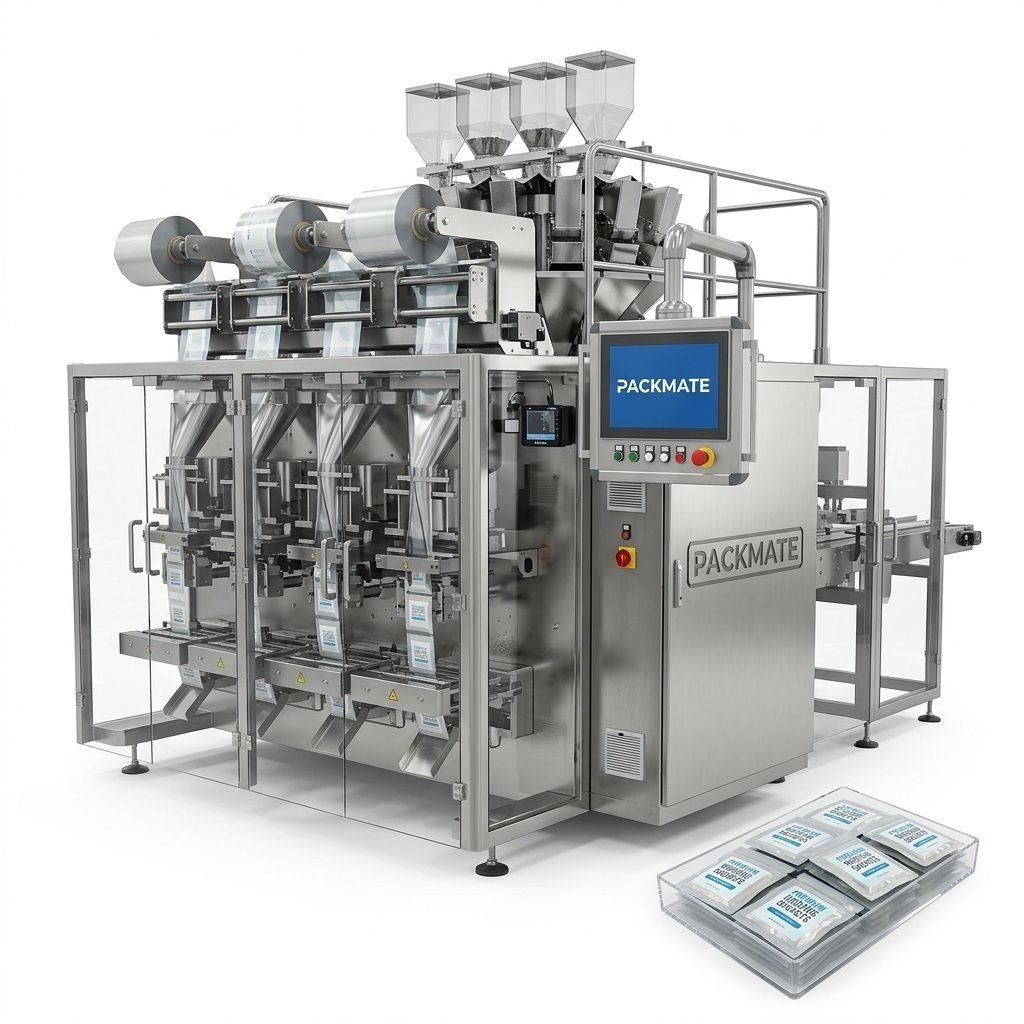
Multi-lane Snus / Nicotine Pouch Machines
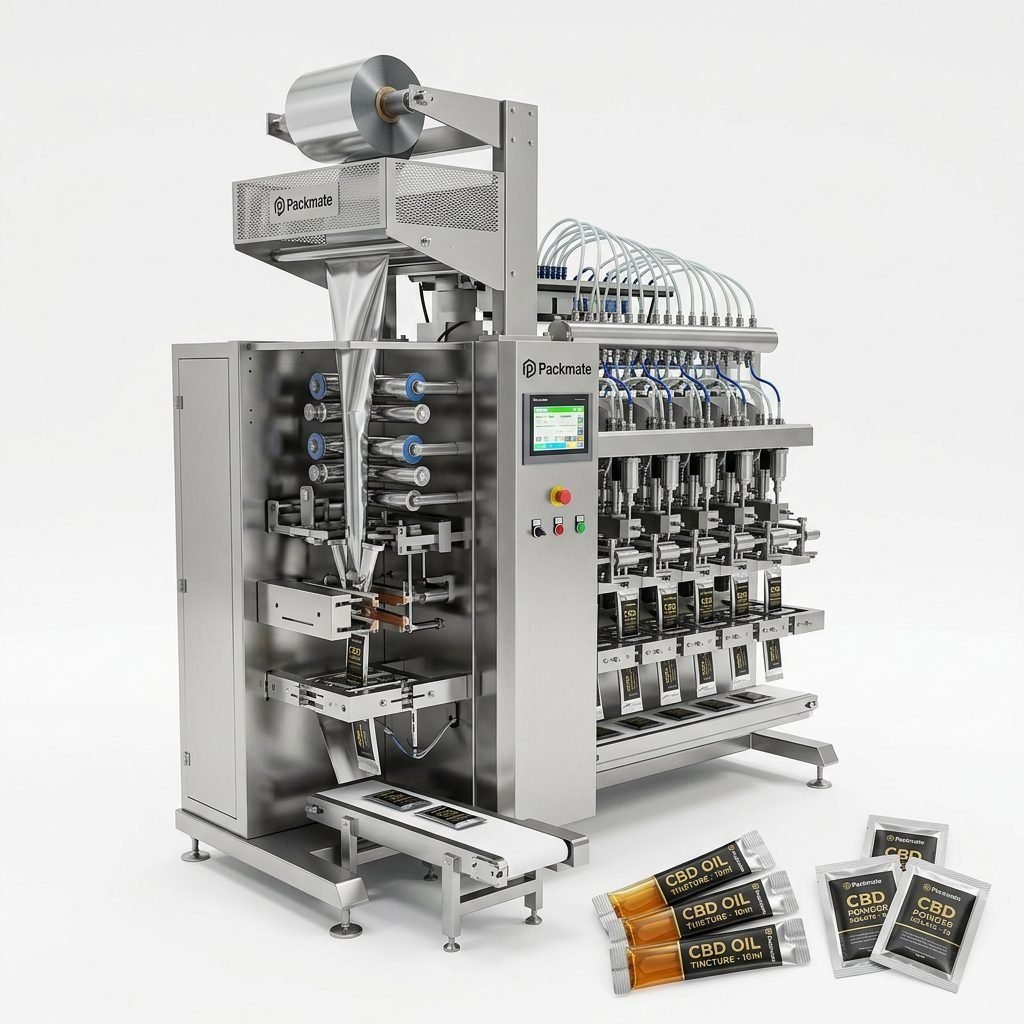
Ideal for small-dose portions and high throughput. Multi-lane systems can produce many pouches per stroke, reducing cycle time and footprint per output. Consider these if you plan growth or want efficient per-unit costs.
✅ Best for scale-up producers and contract packers.
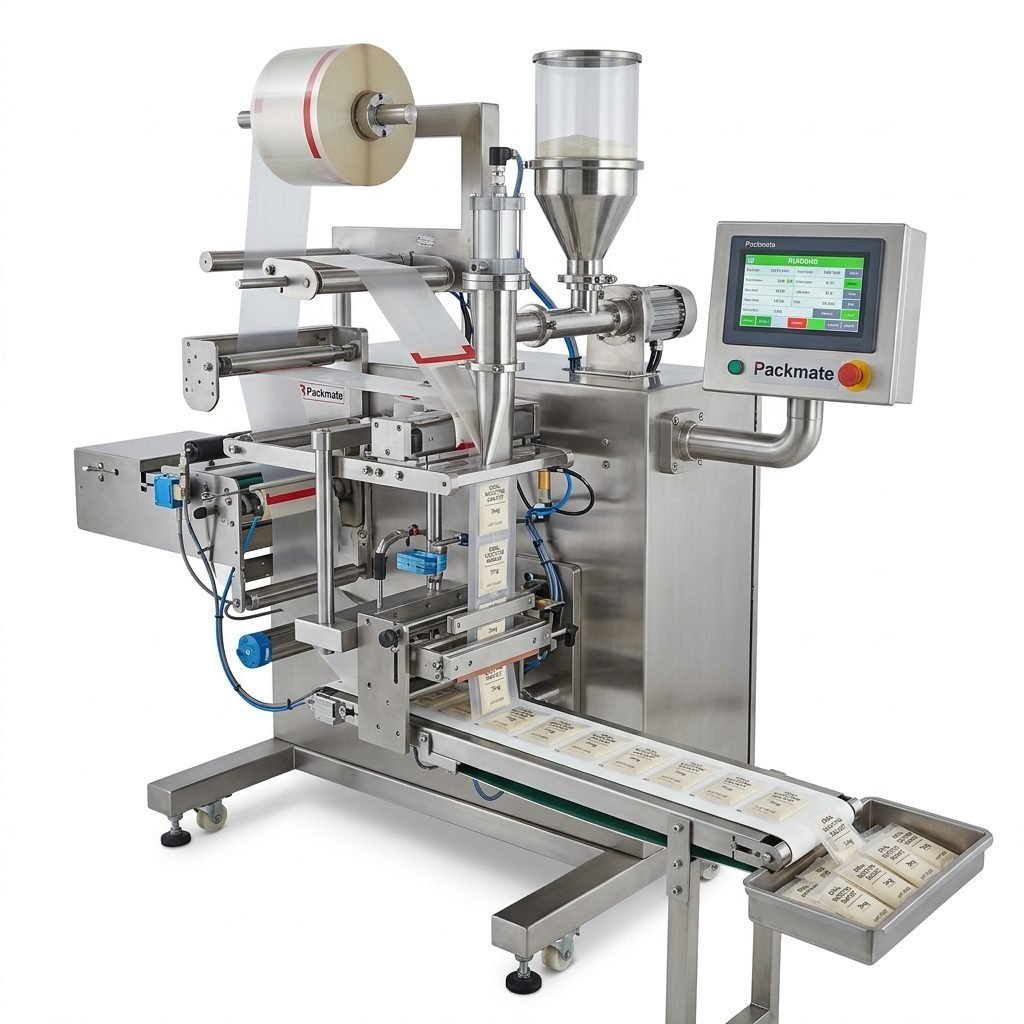
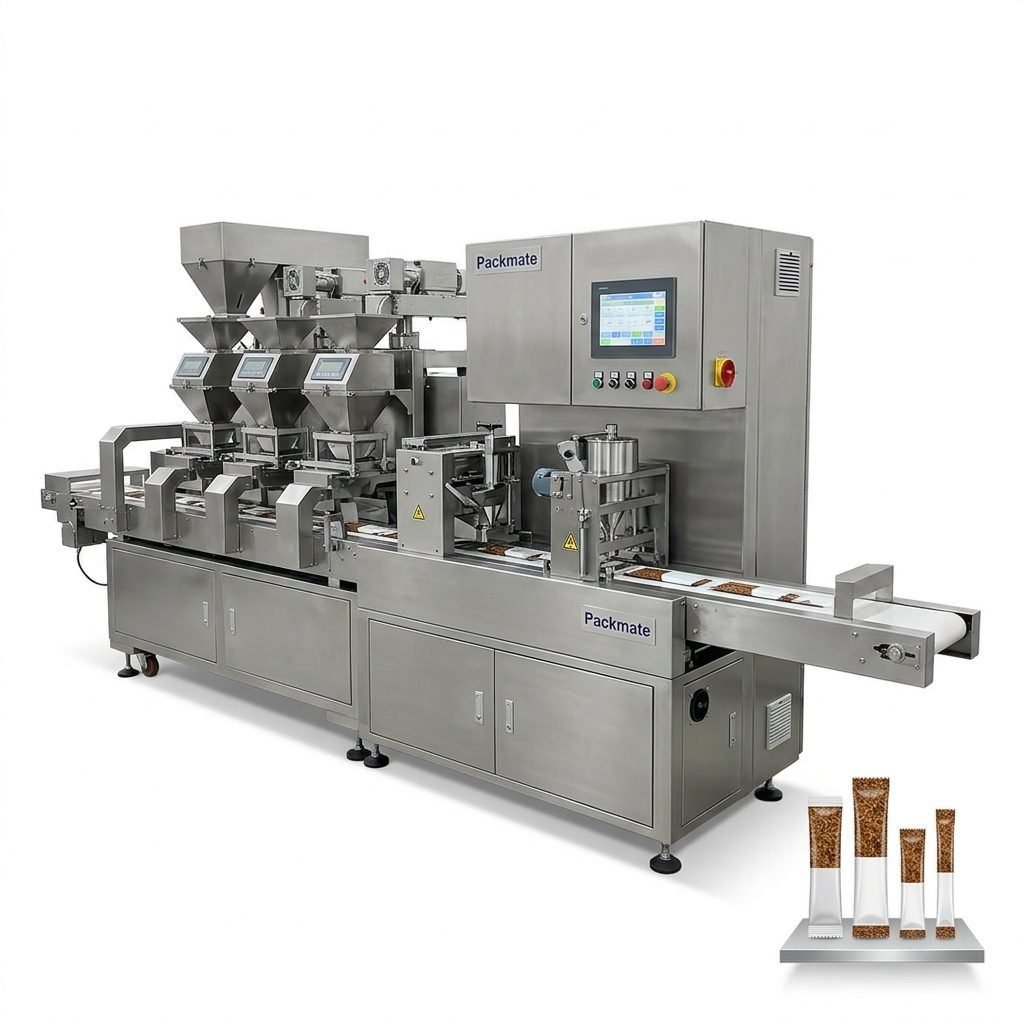
Sachet & Stick Pack Machines
Flexible for single-serve portions, suitable for flavored sachets or single-dose snus. These machines are widely used and reliable for straightforward formats.
🔧 Good for small-to-medium batches with simple product shapes.
Technical Specifications to Prioritize
When evaluating machines, focus on practical specs that affect uptime, consistency, and compliance.
Accuracy & Weighing: Look for consistent portion weight control, ±% deviation appropriate to your product. Integrated dosing or precise auger/volumetric systems reduce rejects.
Speed & Throughput: Machine speed defined in pouches/min or portions/min. Match rated speed to realistic production (allow 60–80% of rated speed for continuous operation).
Material Compatibility: Can the machine handle your blend moisture and texture? Machines designed for powder, granules or sticky formulations differ.
Hygiene & Maintenance: Choose machines with easy-access covers, hygienic frames, and modular components to simplify cleaning and reduce downtime.
Controls, Automation and Integration
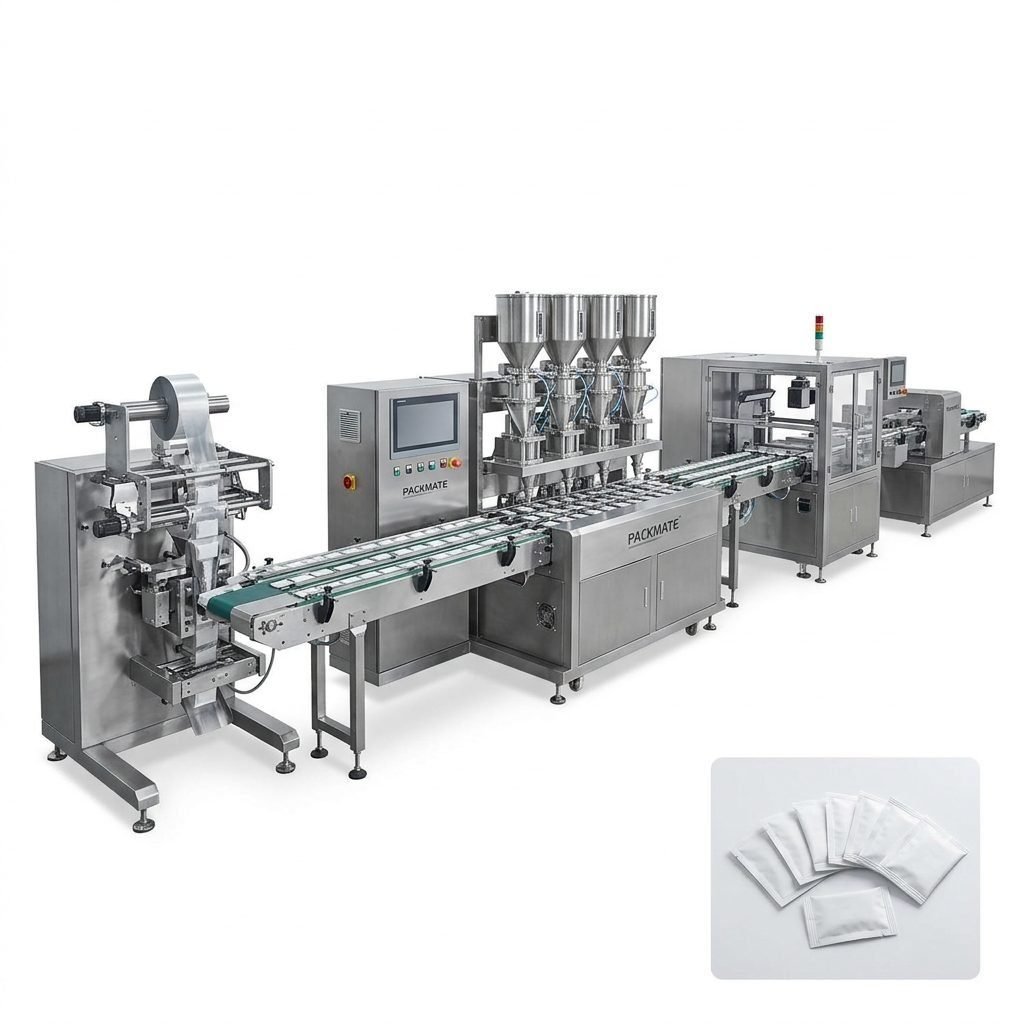
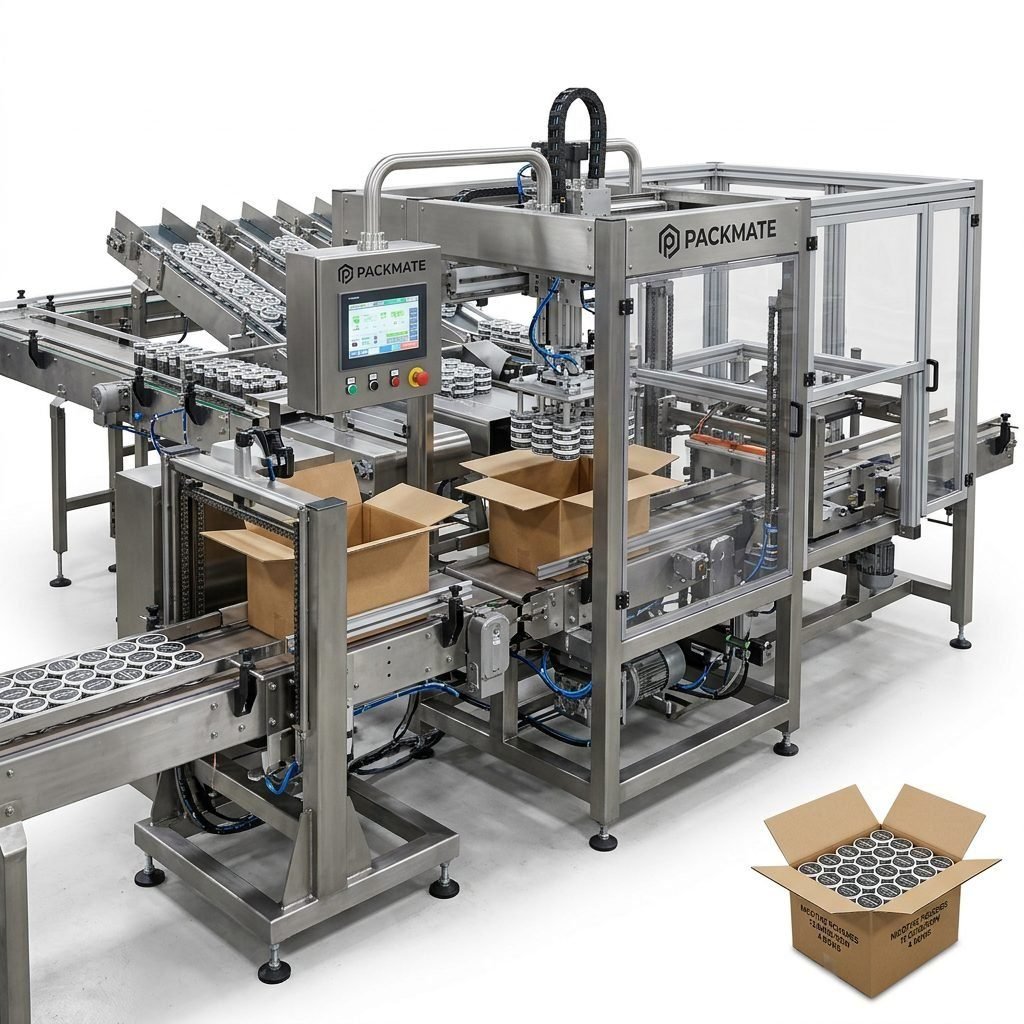
Modern machines use PLC and HMI systems for recipe management, remote diagnostics, and integration with upstream/downstream equipment like grinding, mixers, or carton machines. Ask about spare parts, training, and local technical support options.
Compliance, Certification and Local Regulations
For producers in Uganda, ensure equipment supports safety and hygiene standards. International certifications like CE and ISO signal quality manufacturing. If you plan to export, confirm the machine and materials meet target market regulations.
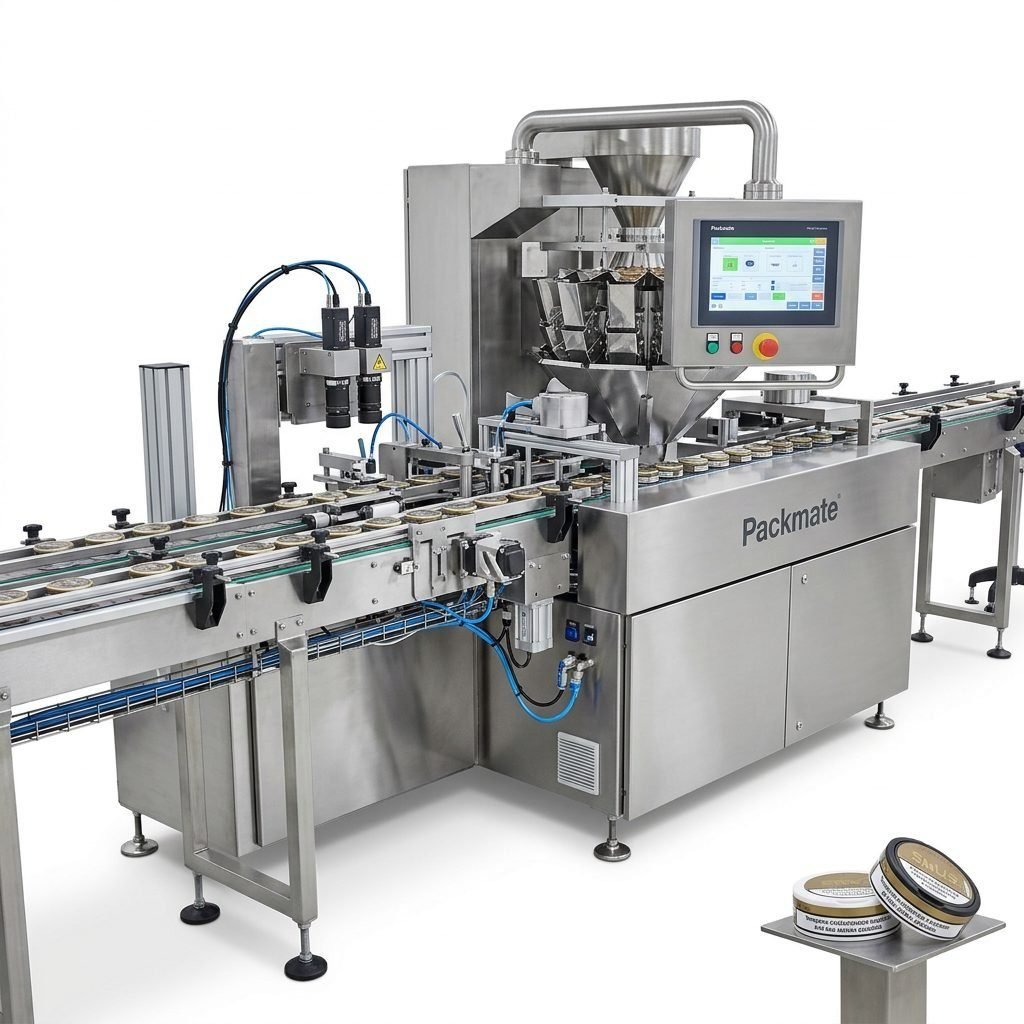
Packmate Snus Machine, for example, lists CE and ISO compliance for its lines — a useful indicator when comparing suppliers.
Budget, Total Cost of Ownership and ROI
Purchase price is only one part of the equation. Consider spare parts availability, energy consumption, maintenance intervals, operator training and expected life span. A slightly higher capital investment in a reliable machine often pays back via lower downtime and consistent yield.
⚖️ Tip: Calculate projected output, reject rate and operator costs to estimate payback period. A target payback of 2–4 years is realistic for many packaging investments.
Local Support, Installation and After-Sales Service
Local technical support is crucial. Confirm that your supplier offers installation, on-site commissioning, and remote service. Training for operators and maintenance staff should be included or available as a service package. Check references and case studies to confirm the supplier’s track record.
For additional confidence, review case examples and exhibition presence — these indicate a supplier that actively demonstrates machines and builds client relationships.
Supplier Selection Checklist
✅ Manufacturing experience (look for decades, not months)
✅ Local or regional service options and spare parts availability
✅ Clear warranty terms and spare parts list
✅ On-site commissioning and operator training offered
✅ Positive customer references and machine demonstrations
Practical Considerations for an Ugandan Facility
Infrastructure constraints and operating environment in Uganda should guide your purchase:
• Power stability: Verify machine tolerances for voltage variations and consider UPS for control systems.
• Compressed air quality: Many machines require dry, oil-free air. A good air treatment system reduces breakdowns.
• Dust and humidity: Choose machines with appropriate IP ratings and corrosion-resistant finishes for tropical climates.
• Spare parts strategy: Import lead times can be long — keep critical spares locally or negotiate consignment stock.
How to Validate a Supplier Before Purchase
Arrange factory visits (or virtual tours), request performance videos of the same machine model, and ask for client references in similar markets. Review the full spec sheet and request an on-site test run with your product if possible.
🔗 Helpful resources:
• Explore machine families: Snus & Nicotine Packaging Machines
• Check sachet and stick pack options: Sachet & Stick Pack Machines
• Learn about related bag and pouch systems: Bag & Pouch Packaging Machines
Installation, Validation and Operator Training
Proper installation and validation help avoid production delays. Ensure the supplier provides:
• A detailed installation checklist (power, air, floor leveling).
• A commissioning plan with performance tests at target speeds.
• Operator training covering safety, routine maintenance, and troubleshooting.
Spare Parts and Consumables Planning
Create a spare-parts list for wear items: sealing jaws, belts, sensors, and dosing components. Negotiate lead times and local stocking options so parts don’t become the production bottleneck.
Final Buying Checklist for Ugandan Producers
1. Product compatibility and portion accuracy confirmed.
2. Throughput aligned with business targets and realistic uptime.
3. Local service and spare parts availability validated.
4. Compliance certifications and export requirements checked.
5. Training, installation, and warranty included in the contract.
📞 Need more help? Visit Contact Us for tailored advice and machine quotes.
Conclusion
Selecting the right snus packaging machine in Uganda involves balancing product needs, throughput goals, compliance, and total cost of ownership. Prioritize machines with proven performance, accessible service, and clear upgrade paths. Doing thorough due diligence — including supplier validation, factory demonstrations, and spares planning — ensures you invest in a production asset that supports long-term growth.
Frequently Asked Questions
Q1: What machine type is best for starting small in Uganda?
A1: For small starters, a reliable sachet or single-lane stick pack unit is cost-effective, easy to operate and maintain. Look for modular designs that allow upgrades to multi-lane setups as demand grows.
Q2: How important is local after-sales support?
A2: Extremely important. Local or regional support reduces downtime and logistic costs for spare parts. Confirm service coverage and response time before purchase.
Q3: Can machines be customized for local formulations?
A3: Yes. Manufacturers with experience in snus packaging typically offer customization for dosing systems, material handling, and sealing configurations. Request trials with your actual product.
Q4: Which certifications should I look for?
A4: CE and ISO certifications are common indicators of quality and safety. If exporting, verify specific destination country standards as well.
Q5: Where can I compare machine models and case studies?
A5: Explore product pages and case studies on supplier websites for model comparisons and real-world examples. Recommended starting pages include Snus machines and Case studies.