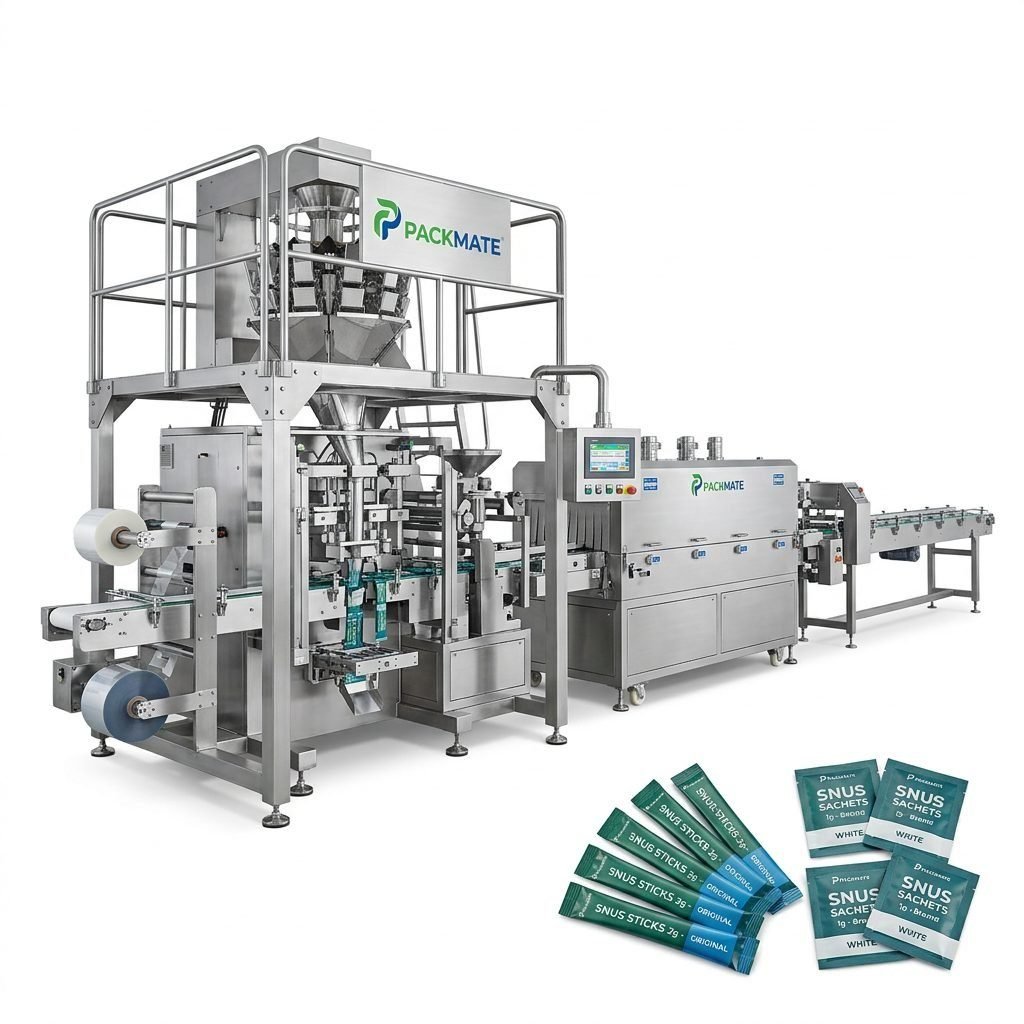
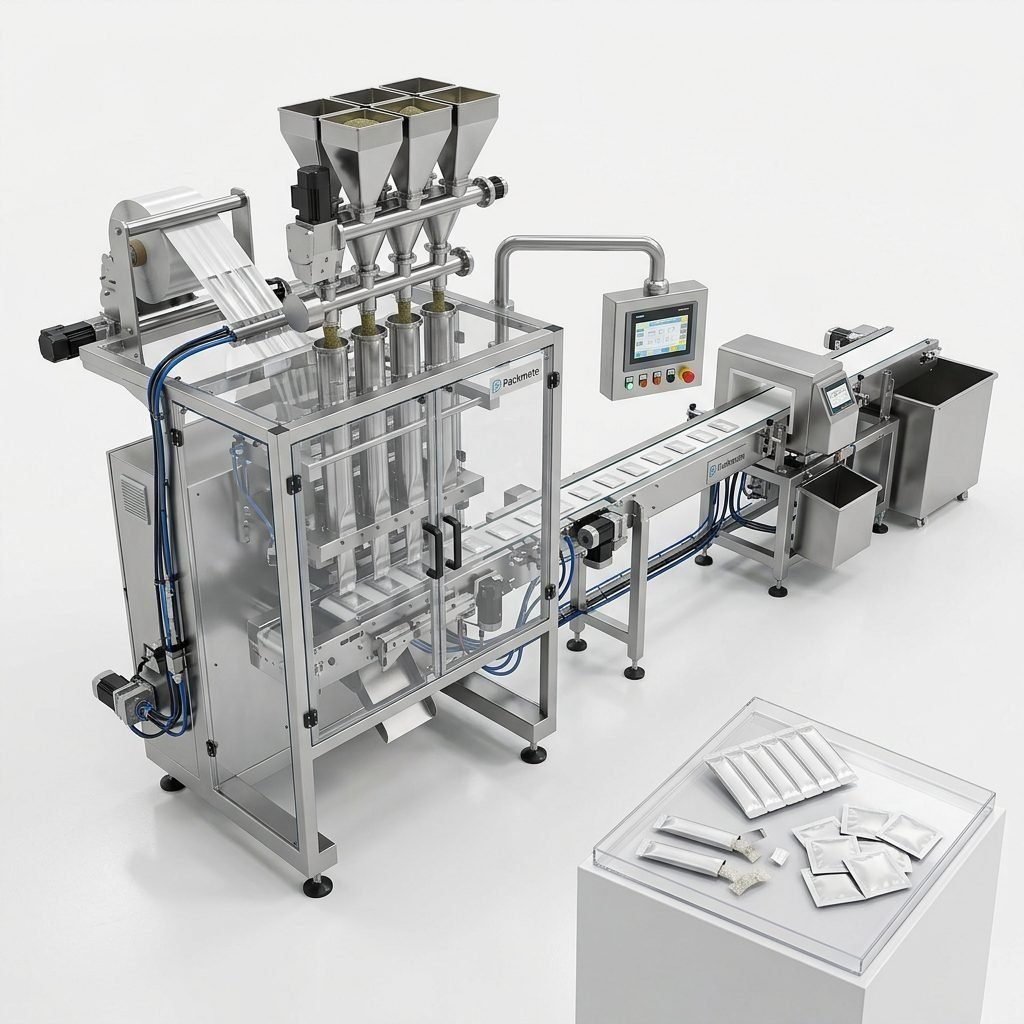
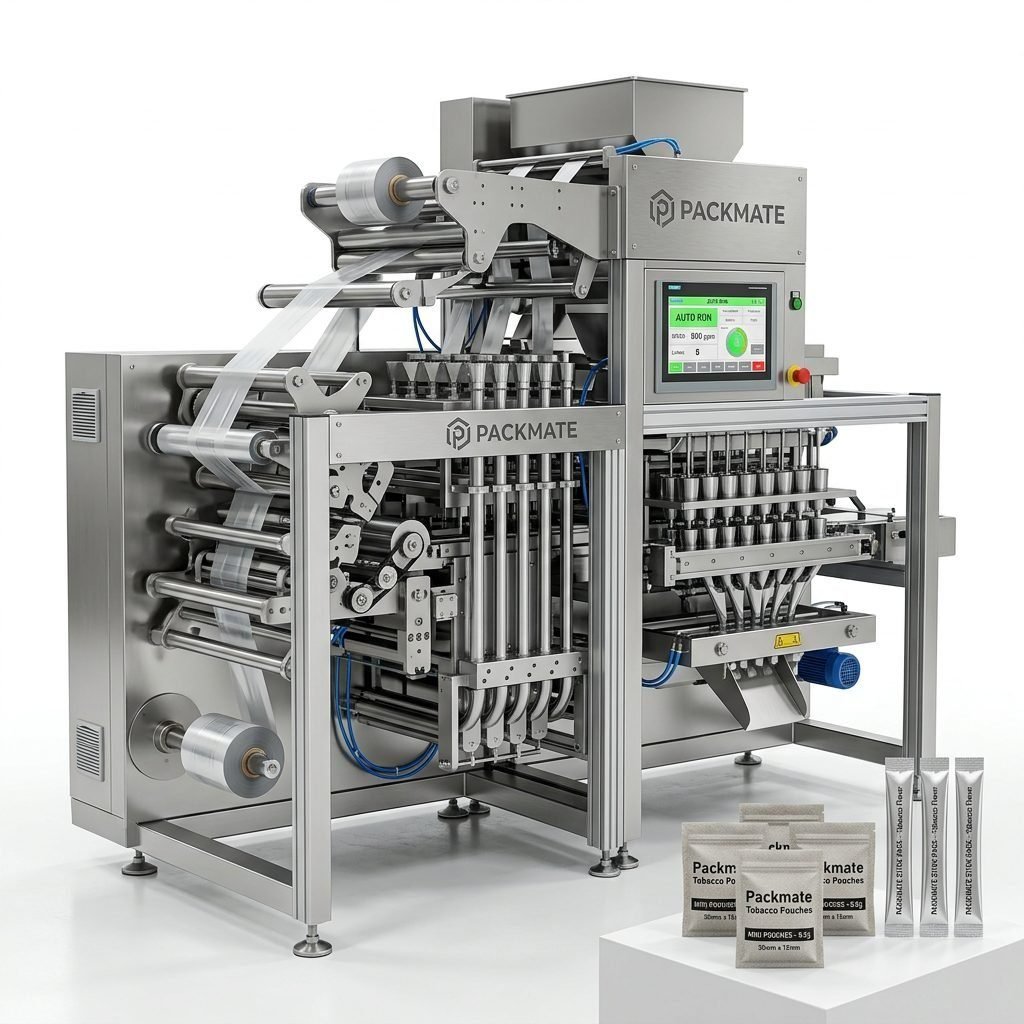
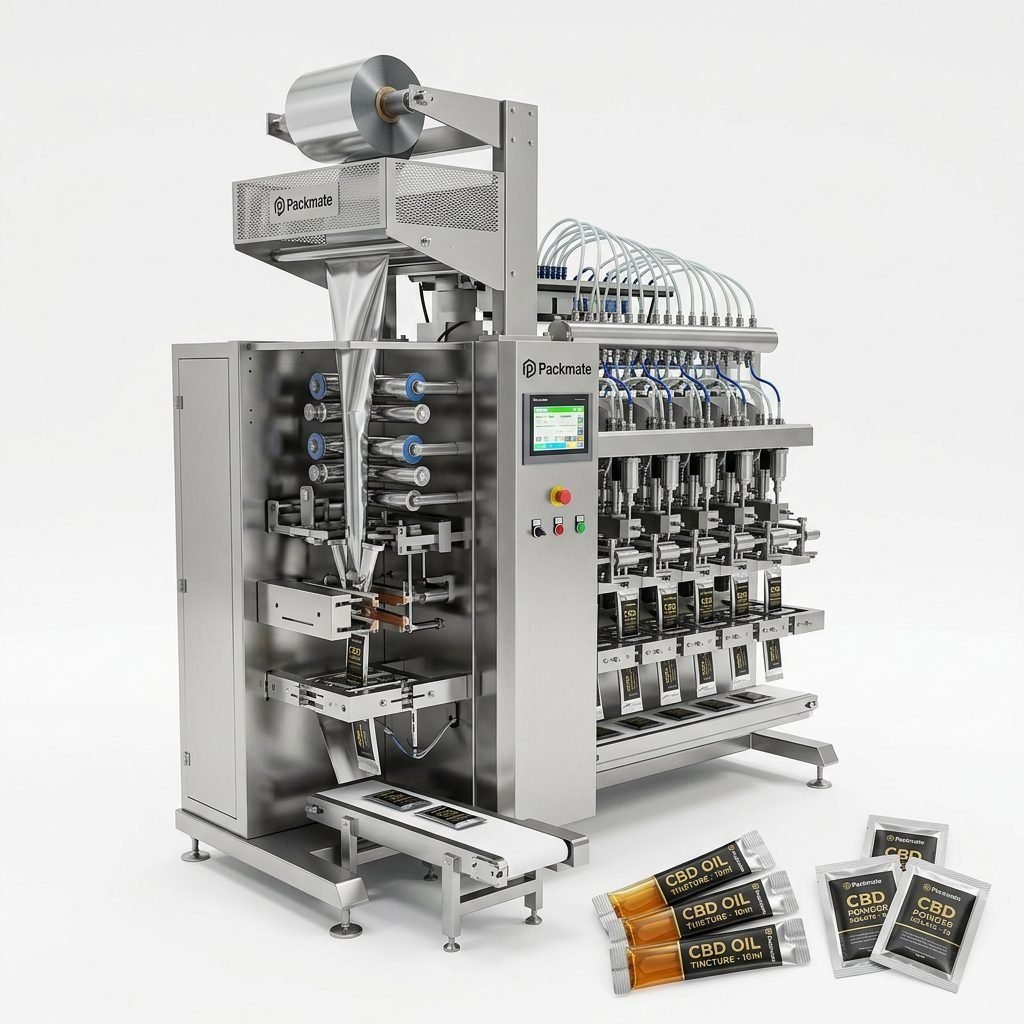
Choosing the right nicotine packaging machinery for your North American production line is a critical decision that impacts product quality, regulatory compliance, throughput, and long-term profitability. This guide helps operations managers, packaging engineers, and business owners evaluate machines and suppliers, compare technologies, and create a step-by-step selection plan tailored to nicotine pouch and snus manufacturing.
Market context and why machine choice matters ⚙️
The nicotine pouch and snus market in North America is rapidly evolving: demand for small-dose pouches, multi-flavor SKUs, and strict labeling requirements is rising. Selecting the wrong equipment can result in recurring downtime, product waste, or compliance risks. Choose a machine designed for small-dose accuracy, multi-lane throughput, and easy changeovers to future-proof your line.
Key performance drivers to evaluate 📦
When comparing manufacturers and models, focus on:
- Production capacity and scalability (pouches per minute and multi-lane options)
- Filling accuracy and dosing range for nicotine formulations
- Flexibility: bag/sachet/stick or dedicated snus pouch formats
- Hygiene and cleanability for regulatory compliance
- Ease of integration with weighing, metal detection, and packaging lines
Understand machine types and their fit 🔍
Nicotine packaging equipment spans a few core categories. Choose based on product format, dose size, and desired output.
Stick pack and sachet machines
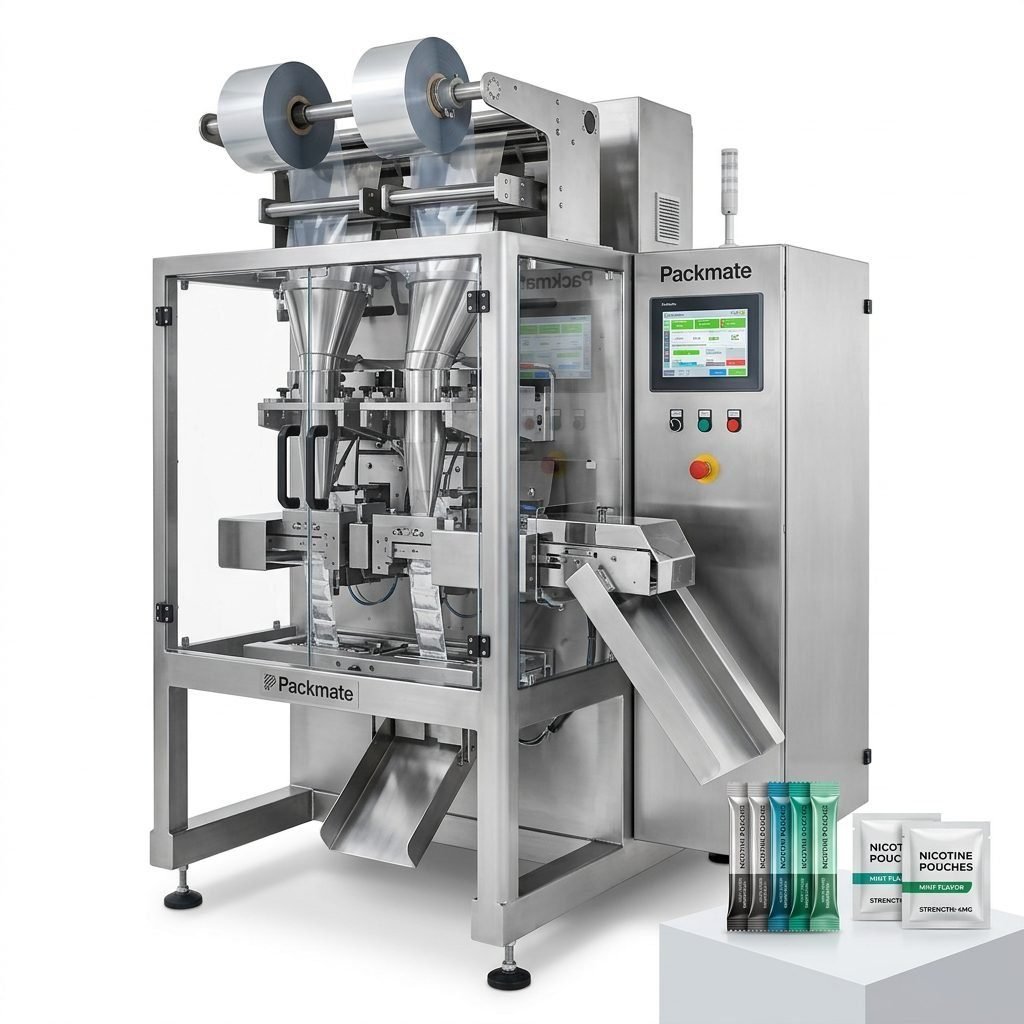
Stick pack and sachet machines are ideal for single-serve dosing. They work well if you need a high-speed, continuous packaging solution for powders or granules used in nicotine pouches. Look for systems with precise servo control for consistent weight and sealing.
Multi-lane snus & nicotine pouch systems
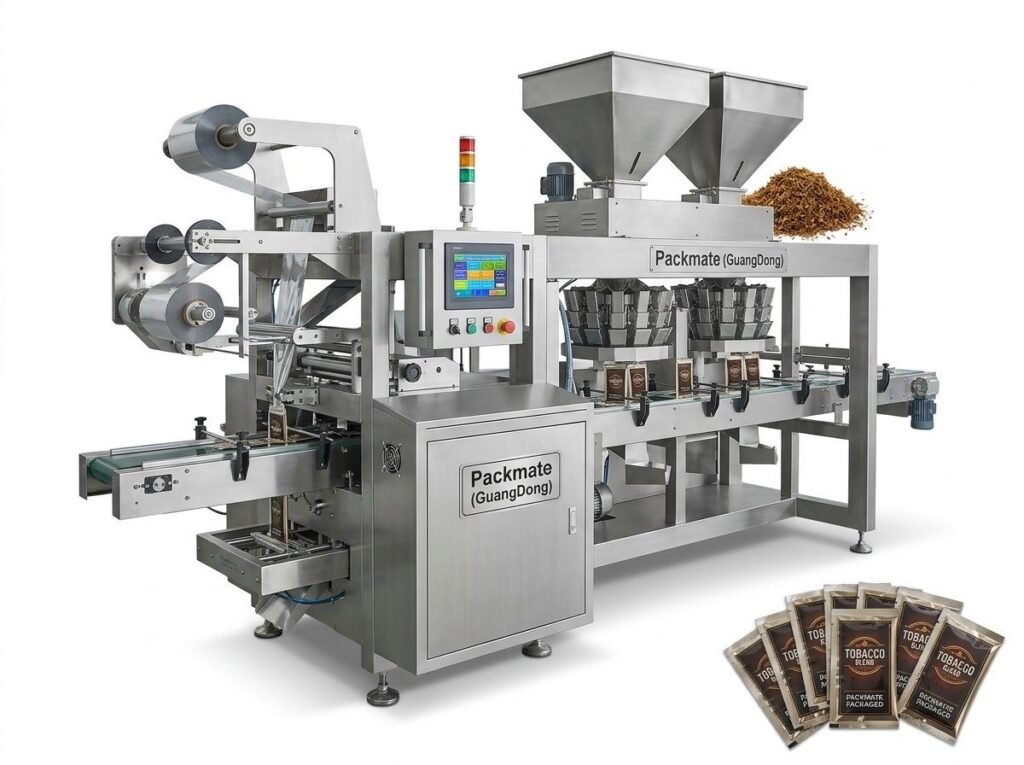
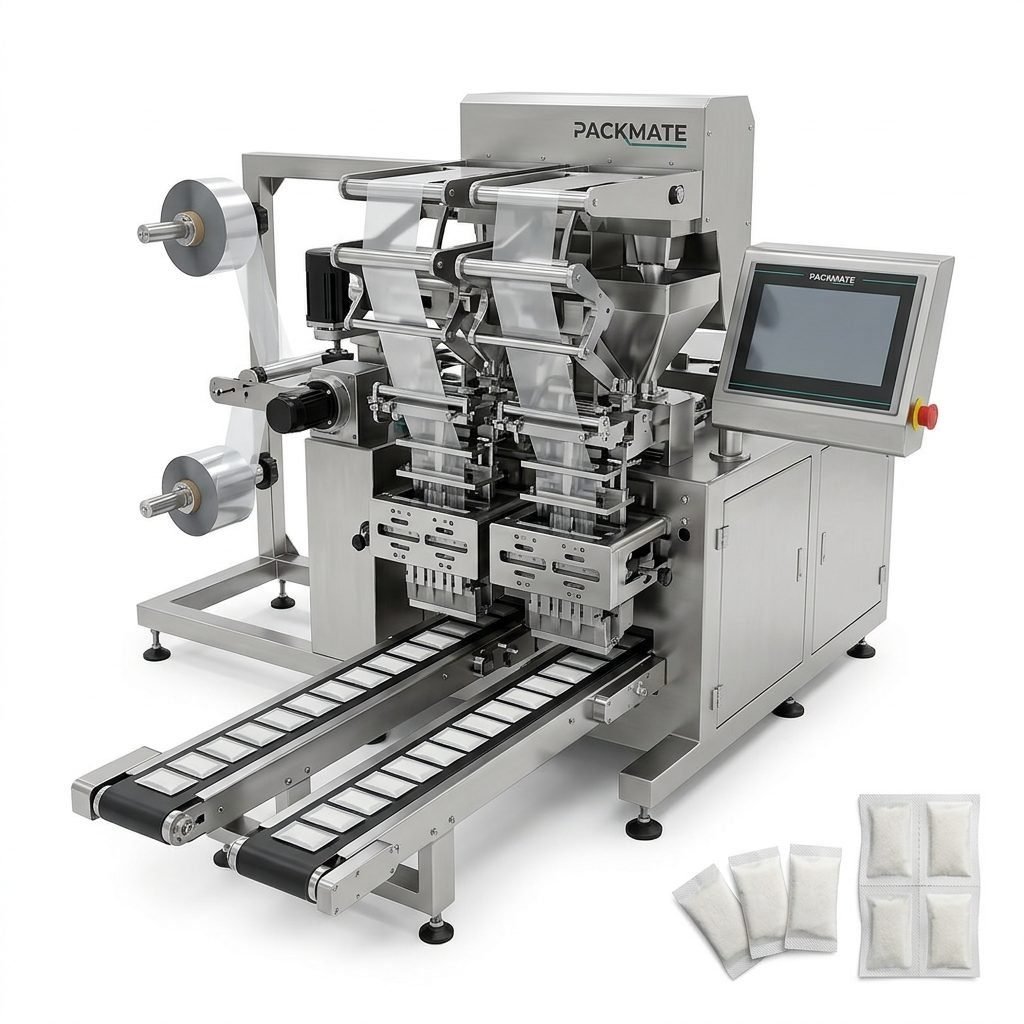
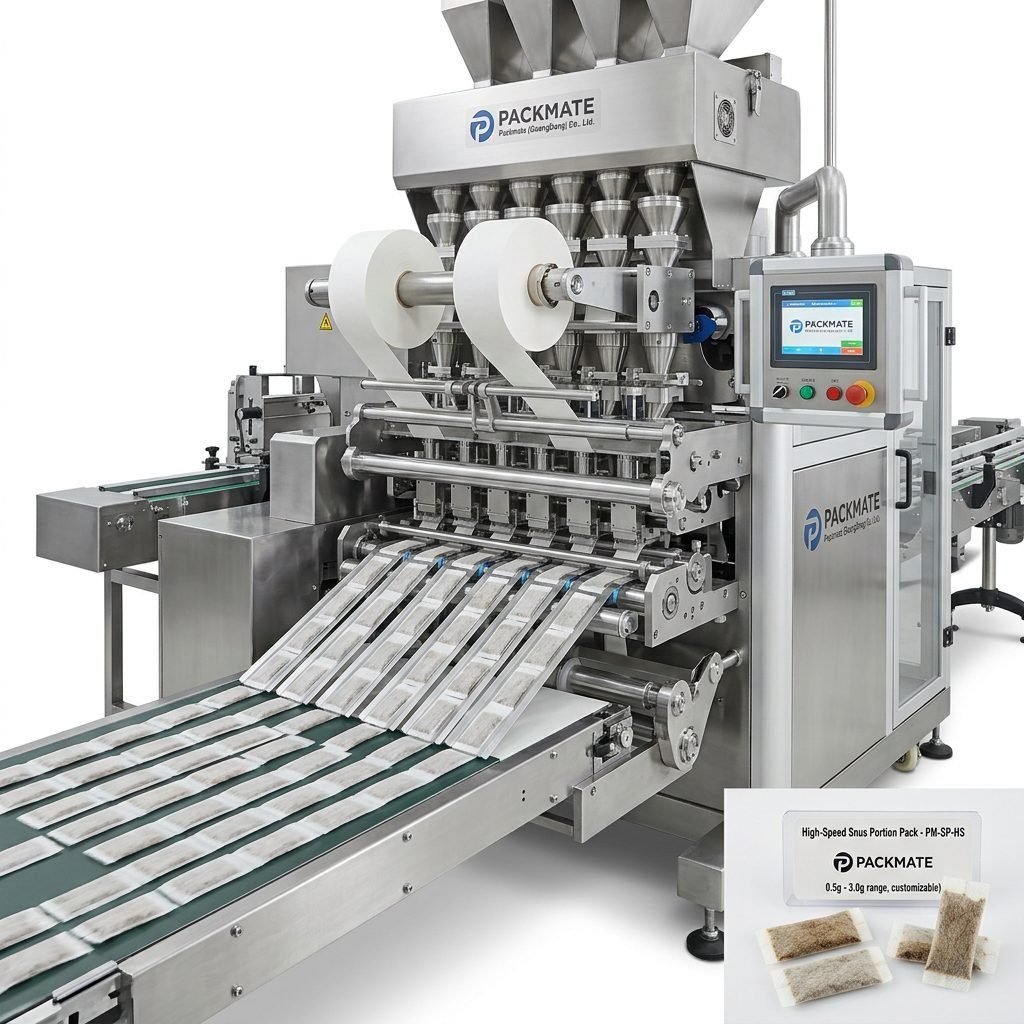
Multi-lane designs significantly increase throughput while maintaining small-dosage accuracy. These systems are a go-to for manufacturers scaling from pilot to full production. Consider models with independent lane control to minimize product loss during lane-specific interruptions.
Custom pouch and bag machines
If your business uses unique materials or non-standard pouch shapes, a customizable bag & pouch packaging line may be required. These machines allow broader format options at the cost of additional engineering and higher initial investment.
Calculate production capacity and choose the right lane count 📈
Base your selection on realistic volume forecasts, SKU mix, and desired redundancy. Key steps:
- Determine required pouches per minute (PPM) per SKU and per shift.
- Multiply by lanes: a 4-lane machine running 30 PPM per lane yields 120 PPM total.
- Factor in efficiency (OEE) — expect 75–85% realistic uptime after start-up.
- Plan for future expansion: choose machines that allow lane add-ons or modular upgrades.
Material compatibility and handling 🧪
Packaging film, pouch material, and nicotine formulation characteristics influence equipment choice. Important checks:
- Film thickness and sealing temperatures — does the machine support your laminate?
- Powder flow and anti-caking needs — does the filler include agitation or vibration?
- Hygienic design — stainless steel contact parts, easy-to-remove sections for cleaning
Manufacturers often list material compatibility; if not, request trials with your film and product to verify performance.
Automation, controls, and integration 🛠️
Modern packaging lines require reliable control systems and seamless integration with upstream/downstream equipment.
Look for PLC and HMI systems with clear diagnostics, recipe management, and remote support capability. Integration points include:
- Weighing systems and feeders — ensure compatibility with your selected Weighing & Packaging Systems.
- Metal detection and quality inspection tools.
- Case packing and palletizing modules for finished goods.
Quality assurance and regulatory compliance ✅
North American markets often require adherence to strict safety and labeling standards. Verify:
- CE, ISO, and other relevant certifications that indicate manufacturing quality and safety.
- Traceability features: batch coding, date printing, and data logging for audits.
- Clean design to support sanitary cleaning and reduce cross-contamination risk.
If regulatory compliance is a major concern, request documentation and factory audits before finalizing a purchase.
Supplier evaluation: beyond price 🔎
A low upfront price can be outweighed by poor support or frequent spare part needs. When vetting suppliers, consider:
- After-sales service network and local support responsiveness
- Availability of spare parts and mean time to delivery
- Training, documentation, and on-site commissioning assistance
- References and case studies from similar nicotine pouch customers — review Case examples
Cost of ownership and ROI modeling 💲
Evaluate total cost of ownership (TCO) rather than purchase price alone:
- Energy consumption and maintenance intervals
- Spare parts costs and common wear items
- Operator training time and ease of changeover
- Downtime history and warranty coverage
Build a simple ROI model: expected revenue per pouch × expected uptime — subtract operating expenses and annualized machine cost. Machines built with modular, high-quality components often yield better long-term ROI.
Installation, commissioning, and ramp-up 🏁
Realistic planning for installation reduces start-up risk. Key steps:
- Prepare site utilities: power, compressed air, vacuum, and floor capacity
- Schedule manufacturer-led commissioning and operator training
- Run production trials with real product and packaging film
- Set KPIs and a troubleshooting plan for the first 90 days
Why pilot runs matter
Pilot runs uncover real-world issues such as film sealing variation, material stickiness, and dosing fluctuation. Insist on factory acceptance testing (FAT) and on-site validation as contract milestones.
Customization and future-proofing 🔧
Packaging demand shifts quickly. Look for platforms that allow:
- Modular add-ons (lanes, labeling, vision systems)
- Upgradeable control software and remote diagnostics
- Swappable tooling for new pouch shapes or sizes
A manufacturer with a broad product line and R&D history — such as established snus packaging specialists — is often better positioned to support future product changes. See Bag & Pouch Packaging Machines and Sachet & Stick Pack Machines for examples.
Checklist: steps to selecting the best machine 📝
Use this condensed checklist as you evaluate options:
- Define current and 3–5 year production requirements (PPM, SKUs, formats)
- Test your product and film on candidate machines (FAT & SAT)
- Verify certifications and hygiene-friendly design
- Confirm spare parts availability and service coverage in North America
- Request references and review Case studies from similar deployments
- Obtain a detailed TCO and ROI projection
- Agree on acceptance criteria, training, and commissioning schedule
Why work with experienced snus and nicotine packaging suppliers 🛡️
Specialized suppliers bring decades of domain knowledge: correct dosing strategies, anti-static handling, tailored sealing jaws for specialized films, and regulatory familiarity. When you partner with an experienced manufacturer you reduce design surprises and speed time-to-market.
To evaluate a potential partner, review their company profile, factory capabilities, and exhibition presence to confirm they have a professional manufacturing footprint and global project experience. If you’re researching vendors, About Packmate and Our Exhibition pages are useful starting points.
Final recommendations before you buy ✅
1) Prioritize accuracy and hygiene over marginal cost savings — quality machines reduce rejects and regulatory risk.
2) Insist on product trials and transparent performance guarantees.
3) Choose machines with modular growth paths so capacity can grow with demand.
4) Negotiate clear service SLAs and spare parts lead times for North American support.
Conclusion
Selecting the best nicotine packaging machinery in North America requires a balance of capacity, accuracy, hygiene, and supplier support. Prioritize machines built for the unique demands of snus and nicotine pouches, verify material compatibility through trials, and choose a partner with turnkey capabilities and strong after-sales service to secure long-term production success.
Frequently Asked Questions
Q1: What throughput should I target for a new line?
A1: Base your target on sales forecasts and shifts. A common mid-size installation aims for 50–300 PPM depending on lane count; multi-lane systems scale higher.
Q2: How important are factory acceptance tests (FAT)?
A2: FATs are critical — they validate performance with your product and film before shipment, minimizing surprises during site commissioning.
Q3: Can I integrate existing weighers or do I need new ones?
A3: Often you can integrate existing weighing systems, but confirm electrical and communication compatibility. For seamless integration, consider vendors offering complete Weighing & Packaging Systems.
Q4: What certifications should a reputable supplier have?
A4: Look for CE and ISO certifications as baseline indicators, along with documented quality control procedures and positive case histories.
Q5: How do I get started with a supplier conversation?
A5: Share your SKU details, target throughput, product samples, and preferred packaging film. Request FATs, references, and a detailed TCO. For direct contact and further information visit Contact Us or Service.