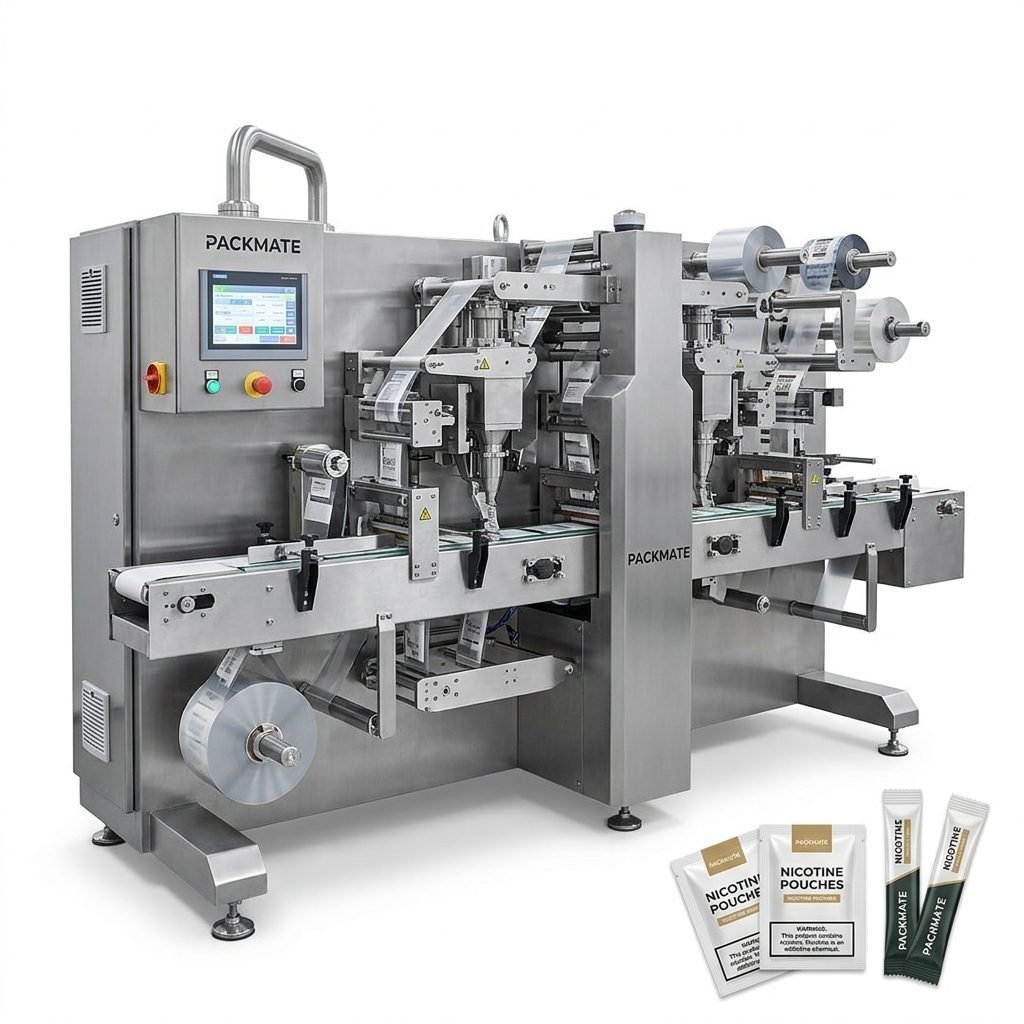
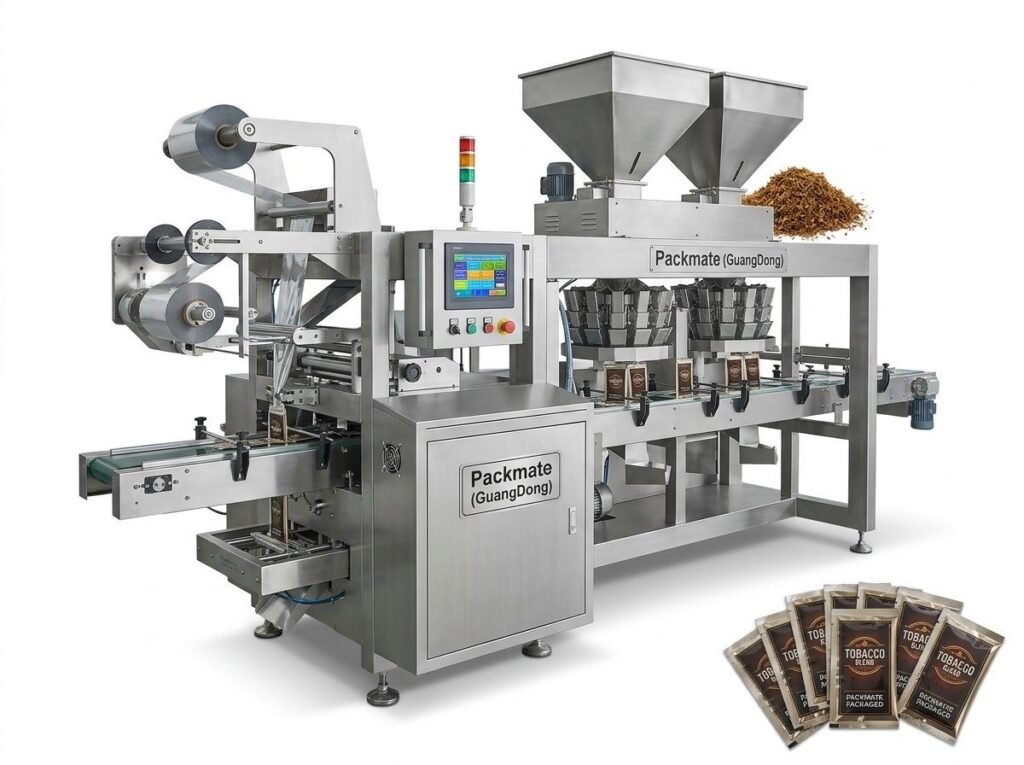
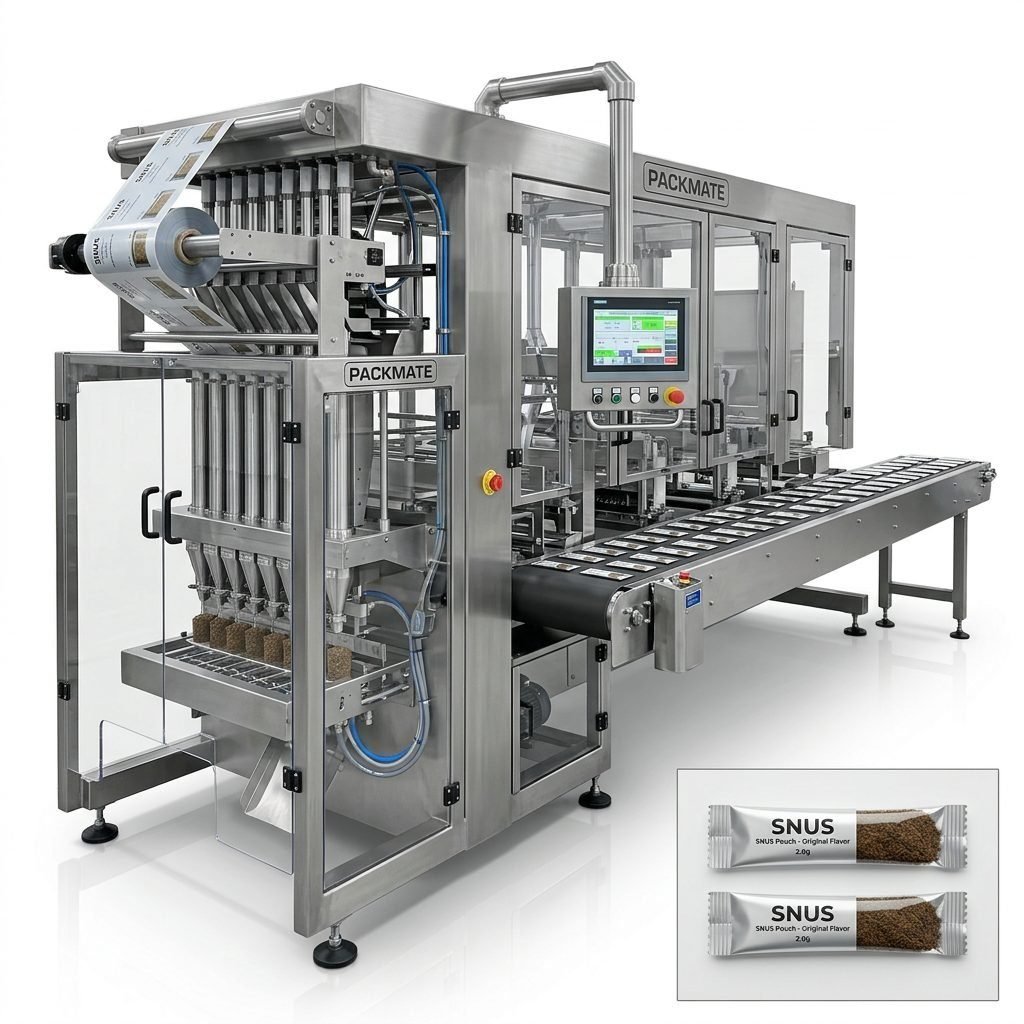
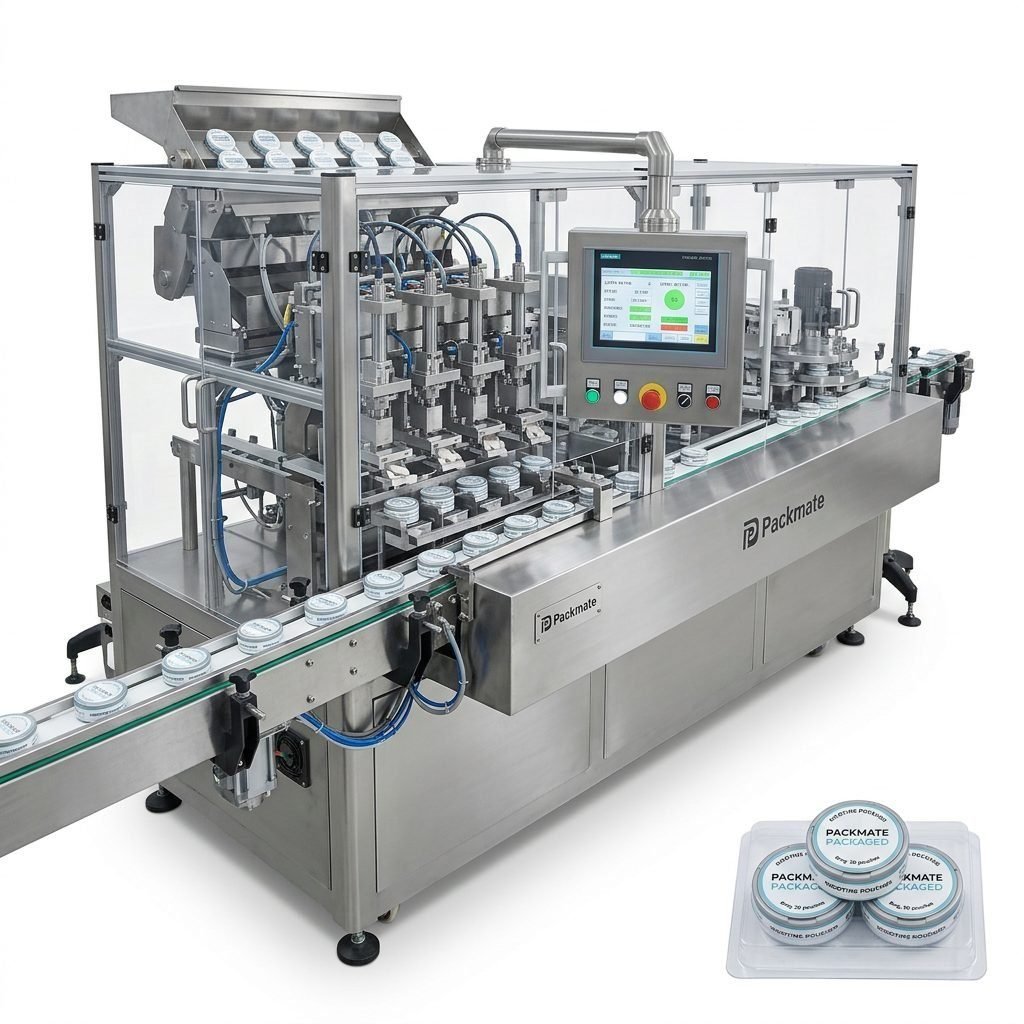
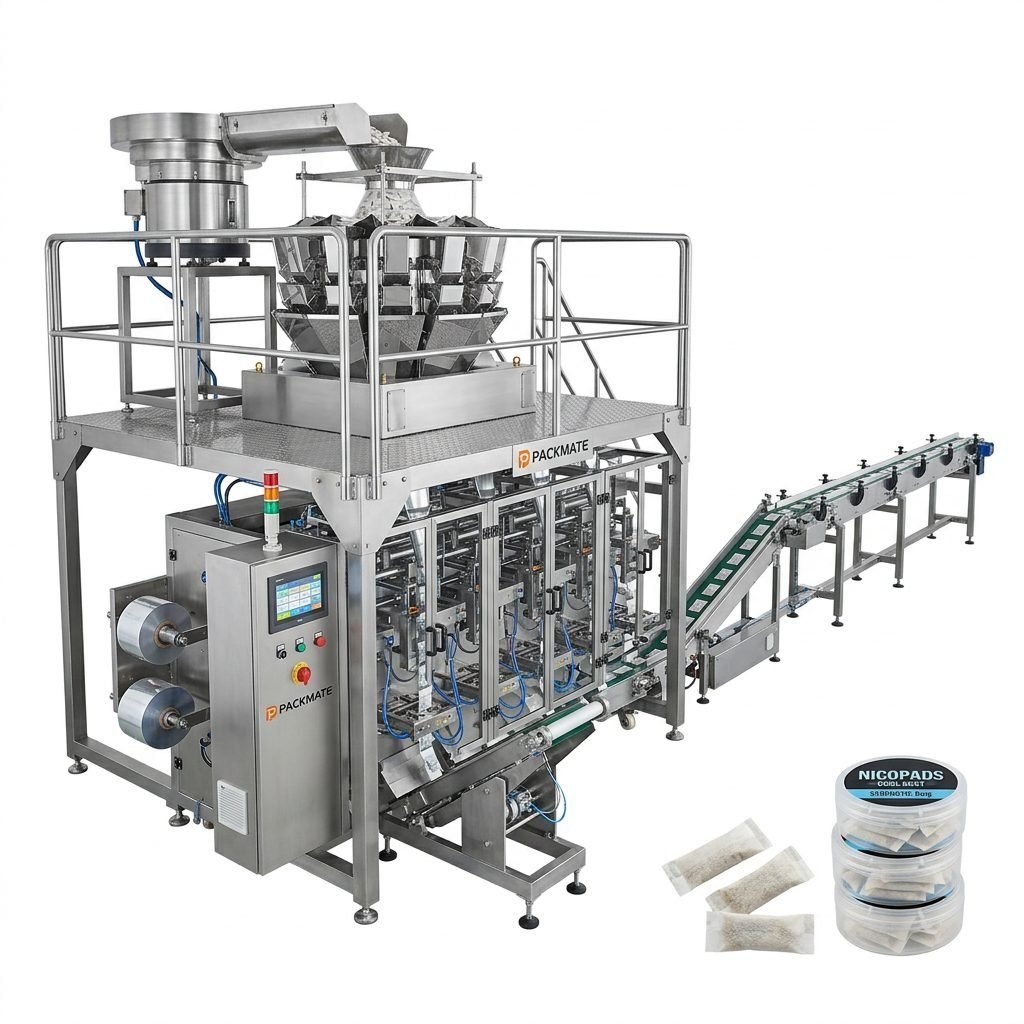
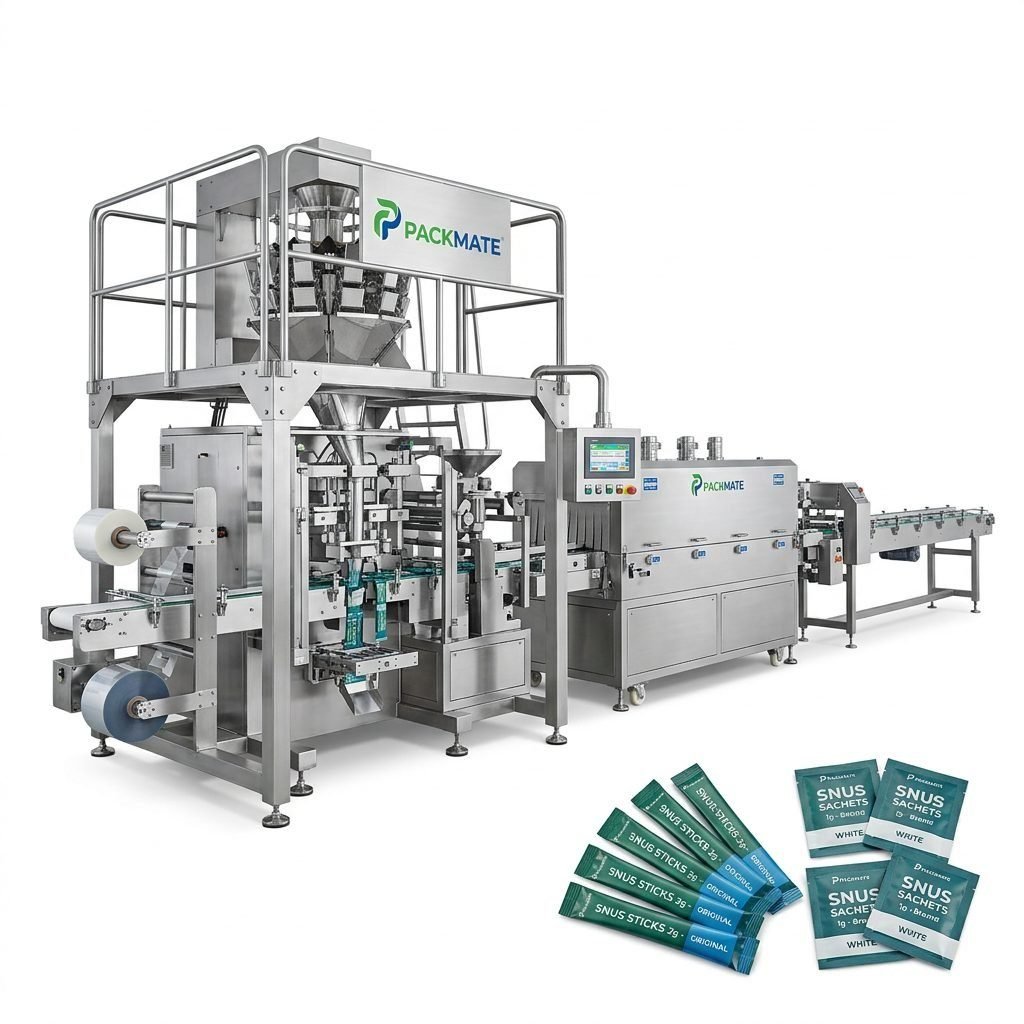
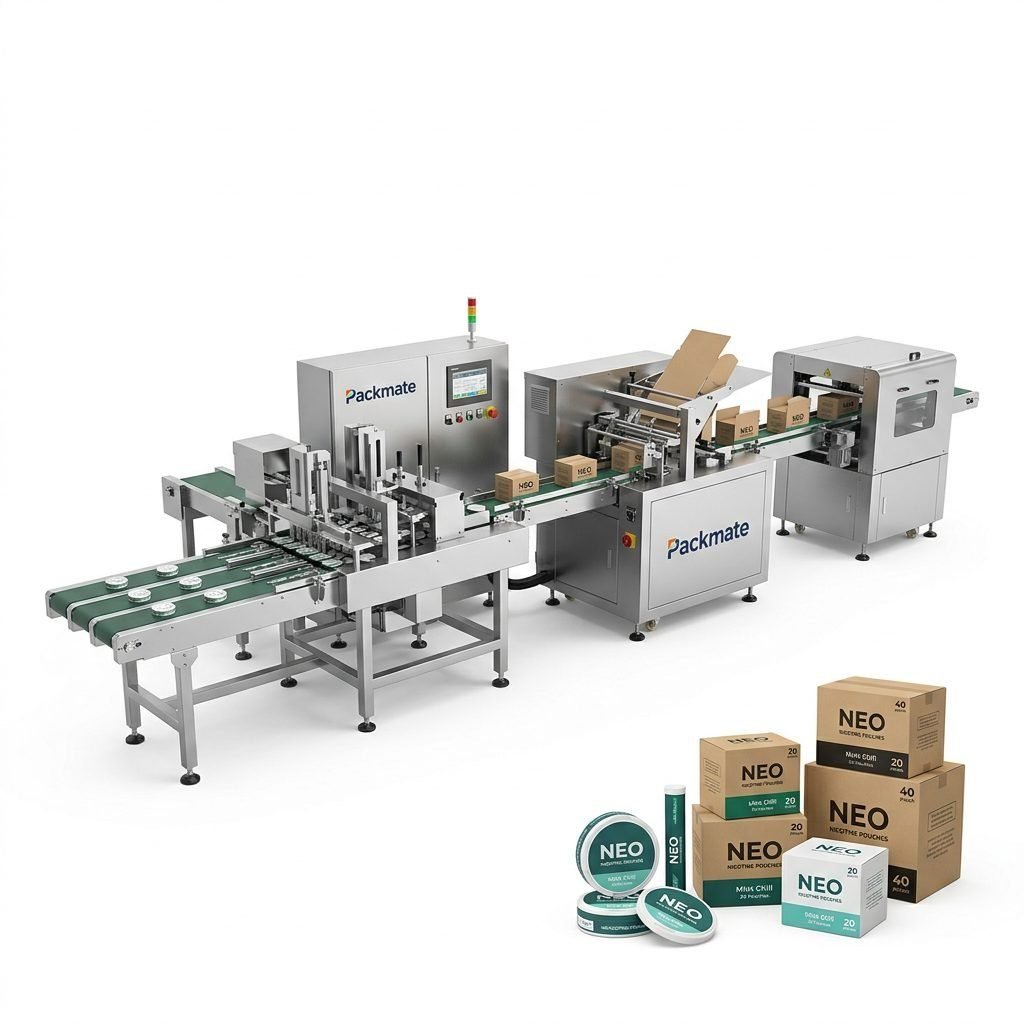
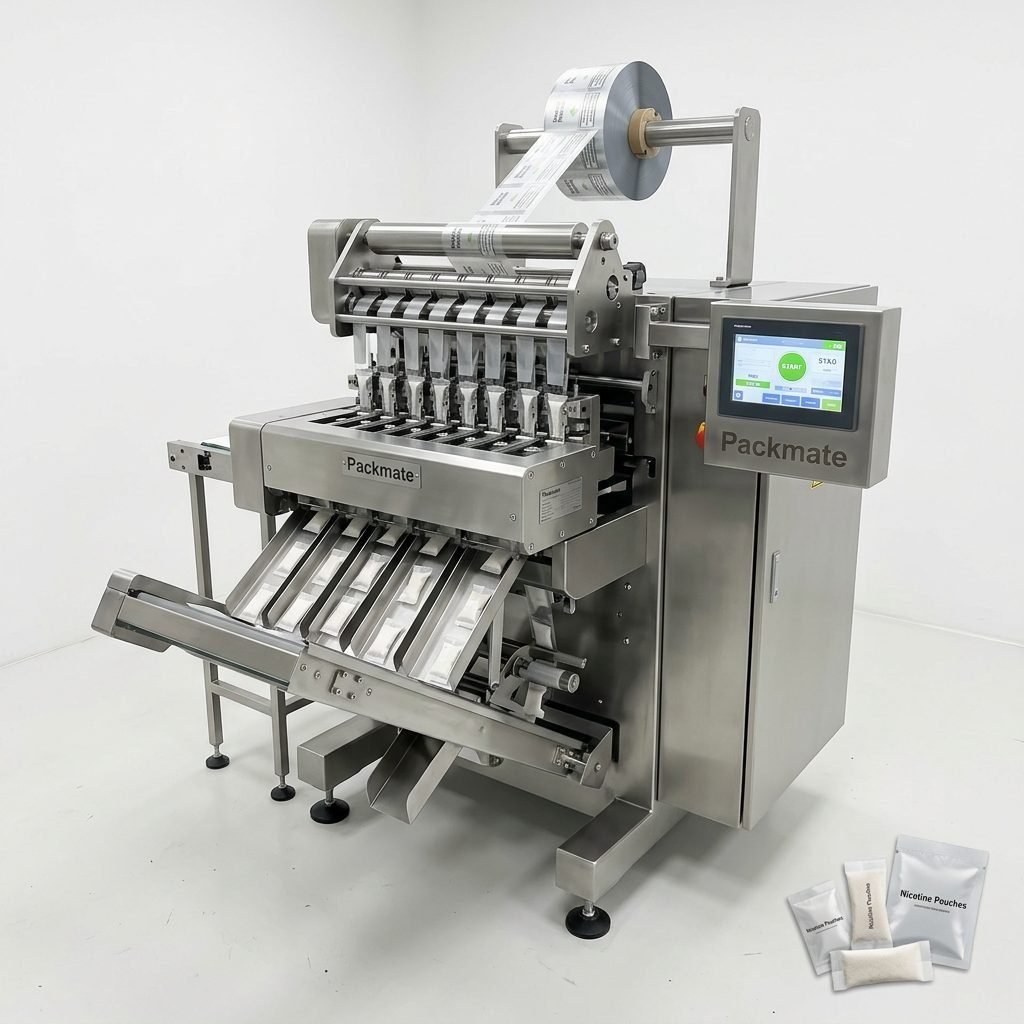
Choosing the right snus packaging machinery in Nepal is a strategic decision that affects product quality, production efficiency, regulatory compliance, and long‑term profitability. This guide explains the key factors manufacturers and brand owners should evaluate when selecting equipment for nicotine pouches, snus sachets, stick packs, and related formats. It combines practical buying criteria, machine types, local considerations for Nepal, and tips to evaluate suppliers and total cost of ownership.
Understand Your Product and Packaging Formats
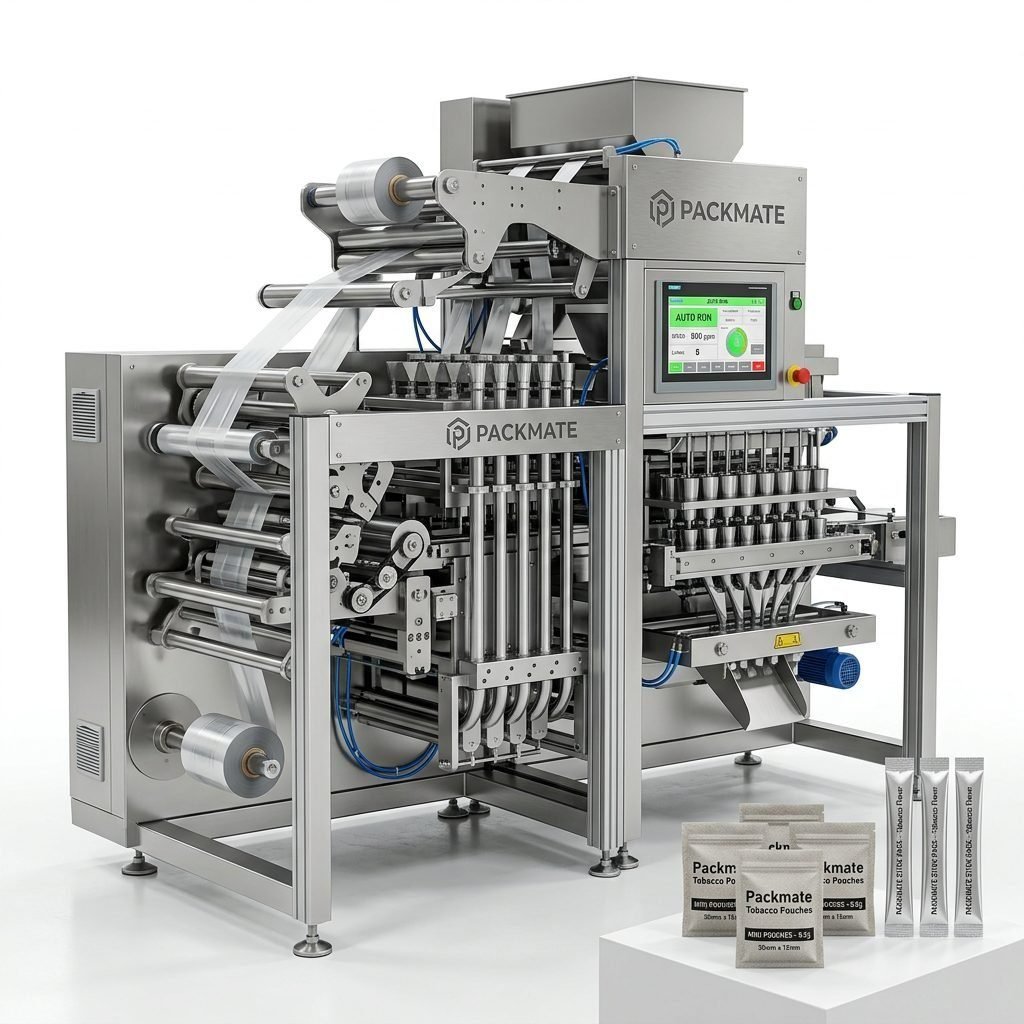
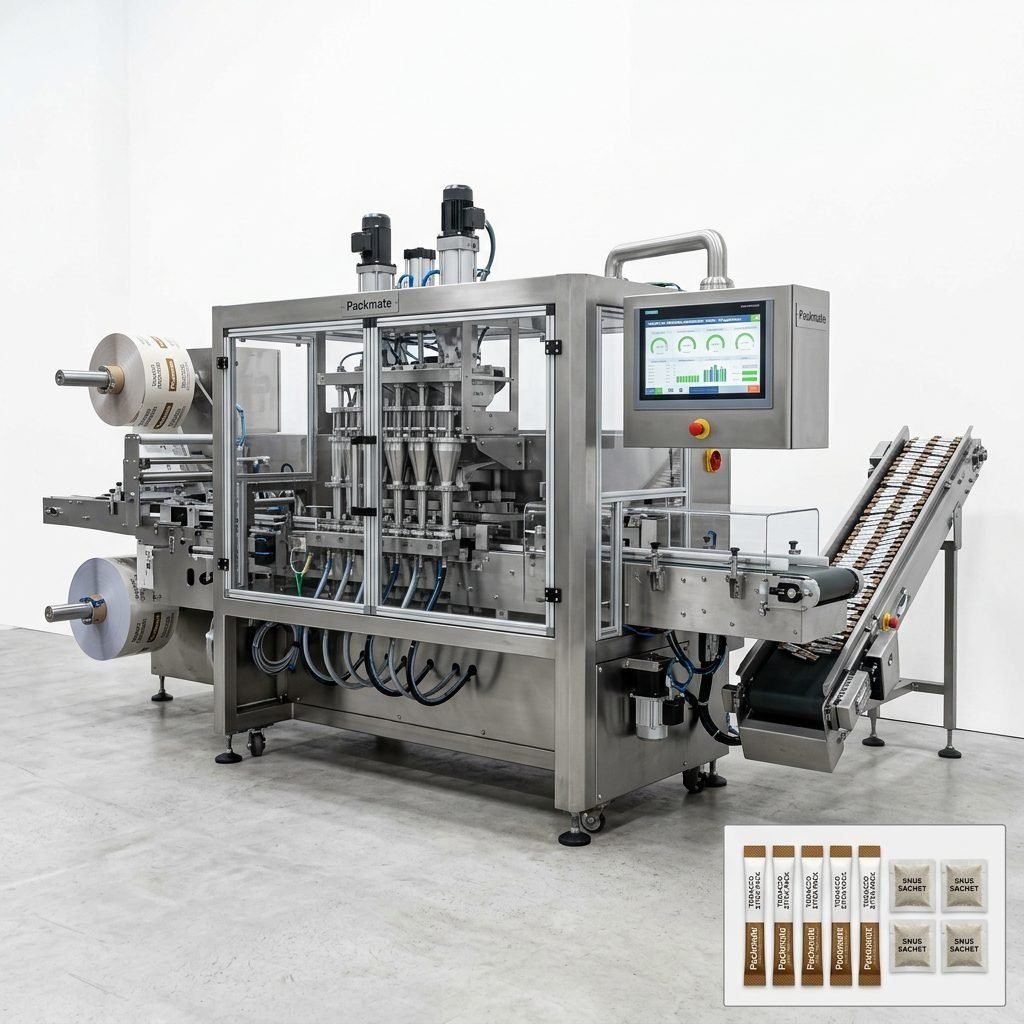
Start with a clear definition of the product you will produce. Different snus and nicotine pouch products require specific filling, sealing and pouch forming capabilities. Key product variables include moisture level, particle size (powder vs. granule), pouch material (paper, non‑woven, polymer), pouch size, and single‑serve vs. multi‑dose formats. Machines tailored to stick packs and sachets behave differently from multi‑lane stick pack or sachet systems designed for high throughput.
Why format matters
If you plan to shift between sachets, stick packs, and pouches, choose flexible systems or modular lines. For dedicated single‑format production, a specialized machine often gives better speed and stability. Consider machines that handle nicotine pouch delicate filling and sealing requirements precisely to avoid spillage or inconsistent dosing.
🔎 Quick checklist: product type, pouch material, dose accuracy, target pack size, and format changeover time.
Determine Required Production Capacity
Define your peak and average daily output in pouches per minute and per shift. Machines are rated by speed (packs/min) and lanes; a single high‑speed lane machine may be ideal for small facilities, while multi‑lane systems massively increase throughput without doubling floor space. Remember that rated speeds often assume ideal conditions — include a margin for maintenance, changeovers, and operator learning curves.
Capacity planning tips
Consider growth over a 3–5 year horizon. A machine with modular expansion or an extra lane option allows capacity scaling without full replacement. Evaluate OEE (overall equipment effectiveness) targets and ensure the chosen machine achieves the throughput you need under realistic OEE assumptions.
⚙️ Capacity rule of thumb: plan for 20–40% headroom beyond current demand to accommodate future growth and reduce downtime pressure.
Automation Level and Integration Requirements
Automation ranges from semi‑automatic machines requiring significant manual feeding to fully automated, inline filling and packing lines. Decide how much human intervention you can support and whether you need integration with upstream weighing and dosing systems, labeling, cartoning, and end‑of‑line palletizing systems. Fully integrated lines reduce labor and variability but require higher upfront investment.
Integration considerations
If accuracy is crucial (nicotine dosing), integrate with high‑precision weighing and dosing solutions. Look at compatible interfaces and PLC/SCADA options for data collection and traceability. For example, Packmate offers complete lines including weighing and packaging systems which can simplify procurement and commissioning.
See detailed machine categories and options: Snus & Nicotine Packaging Machines, Sachet & Stick Pack Machines.
Material Compatibility and Pack Integrity
Packaging material selection affects seal integrity, barrier properties, and machine compatibility. Confirm the machine supports your chosen laminates, films, or paper substrates, including forming temperatures and sealing pressures. Validate that the sealing system prevents leaks and maintains shelf life, especially for moisture‑sensitive snus pouches.
📦 Important: request sample runs with your actual packaging film to confirm sealing, cut quality, and appearance before purchase.
Precision, Dosing and Quality Control
Accurate dosing is critical for nicotine pouches and regulated products. Choose machines with precise dosing modules (volumetric, auger, or combination systems) and consider in‑line metal detection, weight verification and reject systems for quality assurance. Look for real‑time monitoring and data logging to support traceability and regulatory reporting.
QC features to look for
Built‑in checkweighers, vision inspection for seal integrity and print quality, and automated reject gates improve compliance and reduce manual inspection burden. These options pay off quickly by reducing waste and preventing recalls.
Supplier Credentials, Certifications and After‑Sales Support
Selecting a reputable supplier affects uptime, regulatory compliance and lifecycle cost. Check factory capabilities, certifications (CE, ISO), and real customer references. Packmate Snus Machine, with over 30 years of experience and a 20,000㎡ facility, demonstrates the kind of manufacturing scale and quality control you should seek. Also verify supplier participation in global exhibitions and case studies to assess real‑world performance.
Explore factory and certification details: About Packmate, Certificate.
🔧 Service matters: confirm spare parts availability, local service partners or remote diagnostic support, and training programs for operators and maintenance staff.
Total Cost of Ownership (TCO) and Return on Investment
Upfront machine cost is just one component. Calculate TCO including installation, tooling, spare parts, preventive maintenance, downtime costs, energy consumption, consumables, and operator labor. High‑precision machines with automation may have higher initial prices but lower operating costs and waste, improving ROI over time.
Cost calculation elements
Estimate expected production volumes and model scenarios with differing uptimes. Ask suppliers for real life OEE figures and energy consumption metrics. Consider financing and leasing options if available.
Installation, Commissioning and Local Considerations for Nepal
Import logistics, electrical standards, floor loading and factory layout are practical considerations when importing machinery into Nepal. Confirm the supplier provides installation and commissioning support, either on‑site or via certified local partners. Training local teams reduces long‑term dependency and ensures quicker fault resolution.
Consider customs clearance, duty, and local certifications if required. Request detailed packing lists and technical documents for smoother import processing.
Customization, Upgrades and Future Proofing
A flexible supplier will offer modular upgrades, extended functionality, and spare parts kits. Decide whether you need features like multi‑lane conversion, additional dosing heads, or options for other product lines (e.g., powders, liquids). Look for controllers that support firmware upgrades and third‑party integrations.
📈 Future proofing tip: opt for open interfaces and standard PLCs to simplify later upgrades and system integrations.
Factory & Manufacturing Strength to Trust
Verify the supplier’s manufacturing capabilities. A 20,000㎡ facility, advanced CNC machining centers and assembly lines indicate strong production capacity and quality control. Suppliers that comply with international standards and exhibit in global events likely have mature engineering and QA processes.
Check case studies to see similar installations and performance: Case.
Performance Guarantees and Acceptance Testing
Request factory acceptance testing (FAT) and site acceptance testing (SAT) protocols. FAT with your materials and recipe confirms machine performance before shipping. Ensure warranty terms, performance guarantees and KPIs (speed, accuracy, downtime) are contractually defined.
What to include in a contract
Delivery schedule, installation and commissioning scope, spare parts kit, training hours, warranty period, and defined acceptance criteria. Include penalties or remediation clauses if guaranteed KPIs are not met.
✅ Must‑have: FAT with your material and SAT post‑installation — do not accept machines without these tests.
Where to Buy and Trusted Product Lines
Work with manufacturers that specialize in snus and nicotine pouch equipment. Packmate offers a wide range of product lines including snus packaging machines, stick pack and sachet systems, weighing and filling lines, and auxiliary equipment. Their experience in multi‑lane systems is especially relevant for small‑dose pouch manufacturers targeting high throughput.
Explore product categories: Bag & Pouch Packaging Machines, Weighing & Packaging Systems, Auxiliary Packaging Equipment.
Making the Final Decision
Summarize priorities: product compatibility, capacity, automation level, TCO, supplier reliability, and local service. Compare quotes not only on price but on technical scope, spare parts included, acceptance testing, and warranty. Ask for references and, when possible, visit installations or exhibitions to see machines running. Packmate regularly participates in industry exhibitions where you can view live demos and discuss turnkey line options.
Contact and service information: Contact Us — use direct communication to confirm lead times and commissioning support in Nepal.
📣 Final purchase checklist: product trials, FAT & SAT, spare parts list, training plan, warranty terms, and documented KPIs.
Conclusion
Choosing the right snus packaging machinery for Nepal requires a balance of technical fit, production capacity, supplier reliability and lifecycle costs. Prioritize machines that match your product characteristics, offer scalable capacity, include QC and dosing precision, and have robust after‑sales support. Factory acceptance testing, supplier certifications and clear contractual guarantees reduce risk and accelerate time‑to‑market.
Need more help?
If you want tailored recommendations, review full product offerings and request machine trials from experienced suppliers to validate performance under real conditions. For more product details and turnkey solutions, visit Packmate product pages and contact their team for sample runs and quotations.
Helpful links: Filling & Packaging Lines, Our Exhibition.
Common Questions
Q: How do I test a snus packaging machine before purchase?
A: Request a Factory Acceptance Test (FAT) with your actual packaging material and product. Ask the supplier to run target speeds and doses, document output quality, and provide video or live stream if you cannot attend in person.
Q: What spare parts should I stock for a snus packaging line?
A: Essential spares include sealing jaws, cutting knives, belts, sensors, PLC fuses, and critical pneumatic parts. Suppliers usually provide a recommended spare parts kit tailored to the machine model.
Q: Can one machine handle multiple pouch formats?
A: Some modular machines and multi‑format systems can switch between pouch sizes and types with quick changeover kits. For maximal flexibility, discuss format changeover time, tooling costs and operator training with the manufacturer.
Q: How important is supplier certification for export and regulatory compliance?
A: Certifications like CE and ISO are important indicators of quality and safety. They also help with customs and market acceptance in many regions. Verify certificates and ask for copies relevant to the machine you intend to buy.
Q: Where can I see live demos or real installations?
A: Attend industry exhibitions or request site visits to customer installations. Many manufacturers also offer recorded demos and virtual factory tours; check exhibition pages and case studies for opportunities to view machines in operation.