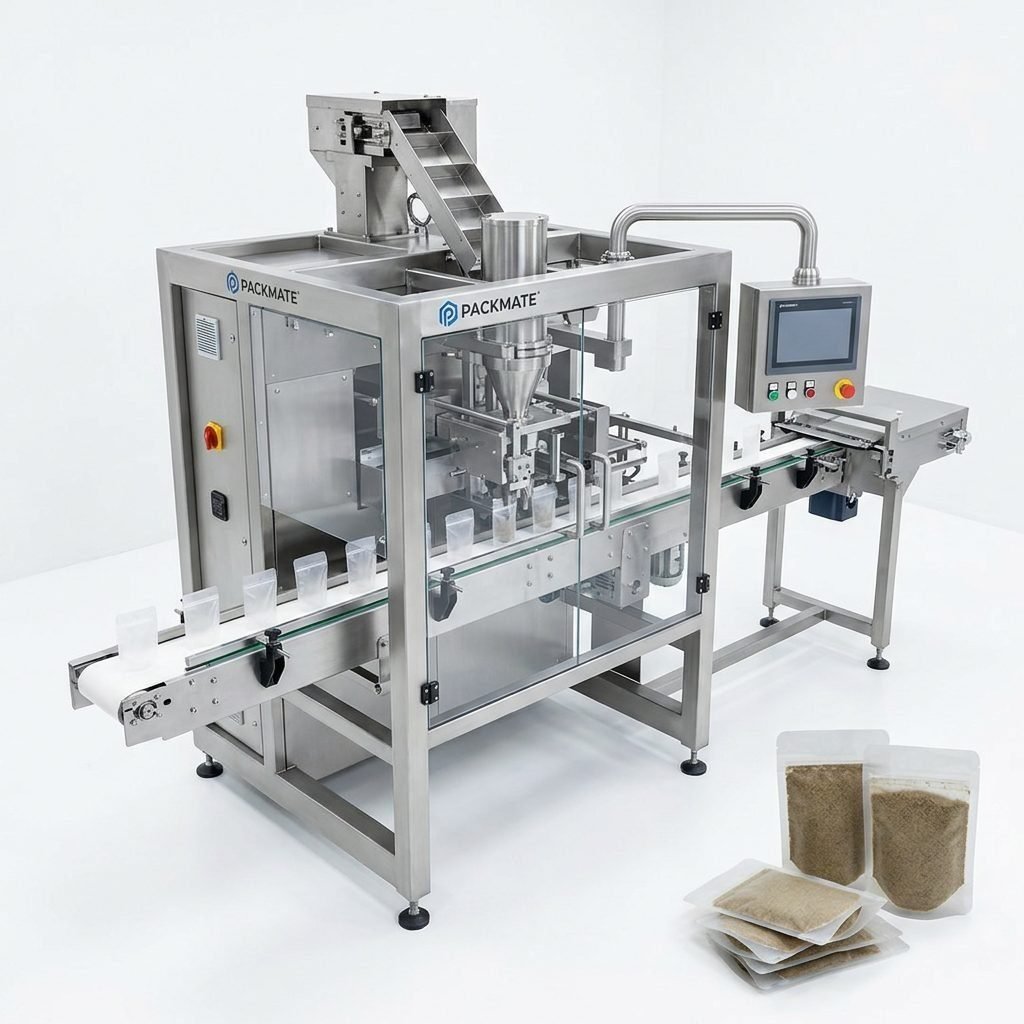
Choosing the right snus packaging machine manufacturer for your factory in Tanzania is a decision that affects production efficiency, product consistency, compliance, and long-term operational costs. This guide walks you through practical considerations — from machine types and technical capabilities to after-sales service and factory compatibility — so you can make an informed investment that scales with your business.
Understand the core machine types and what they do
Before evaluating suppliers, know the machines commonly used for snus and nicotine pouches. Each format impacts product presentation, speed, and material use:
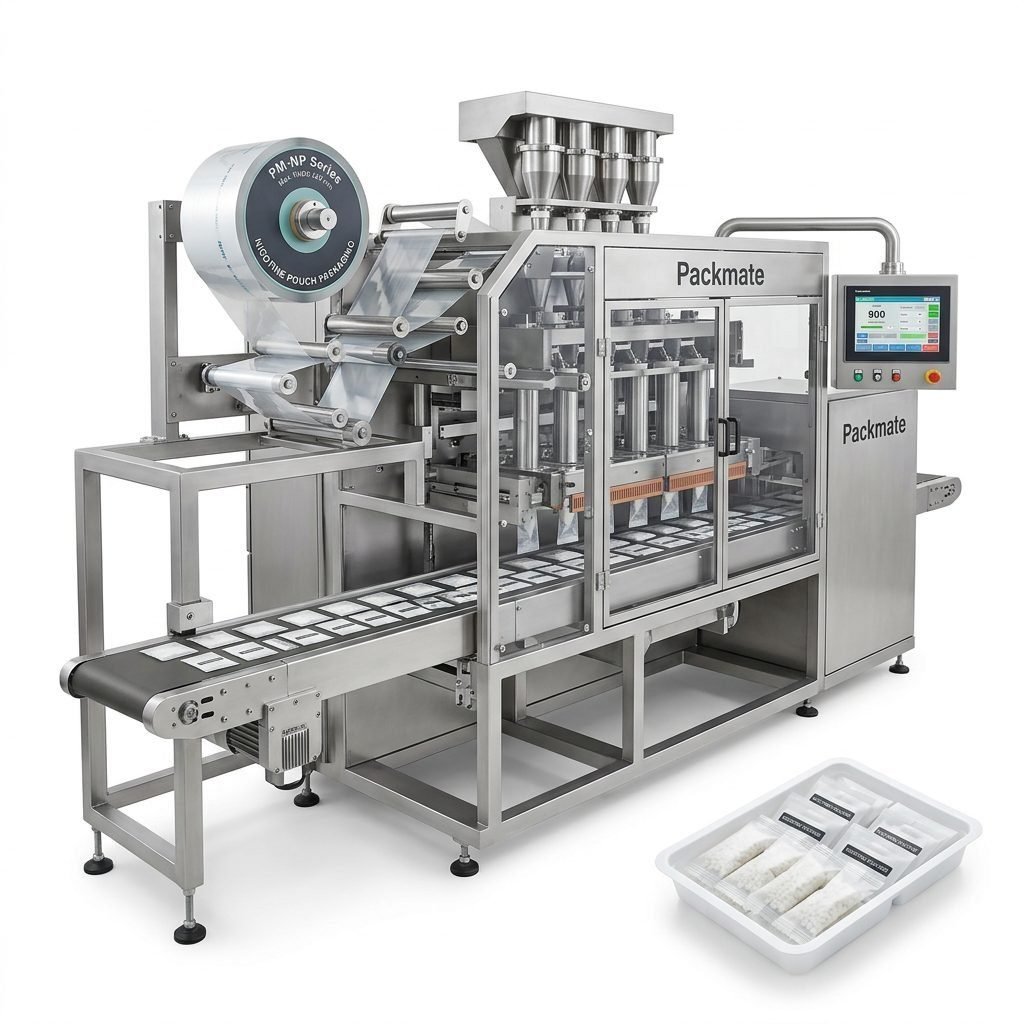
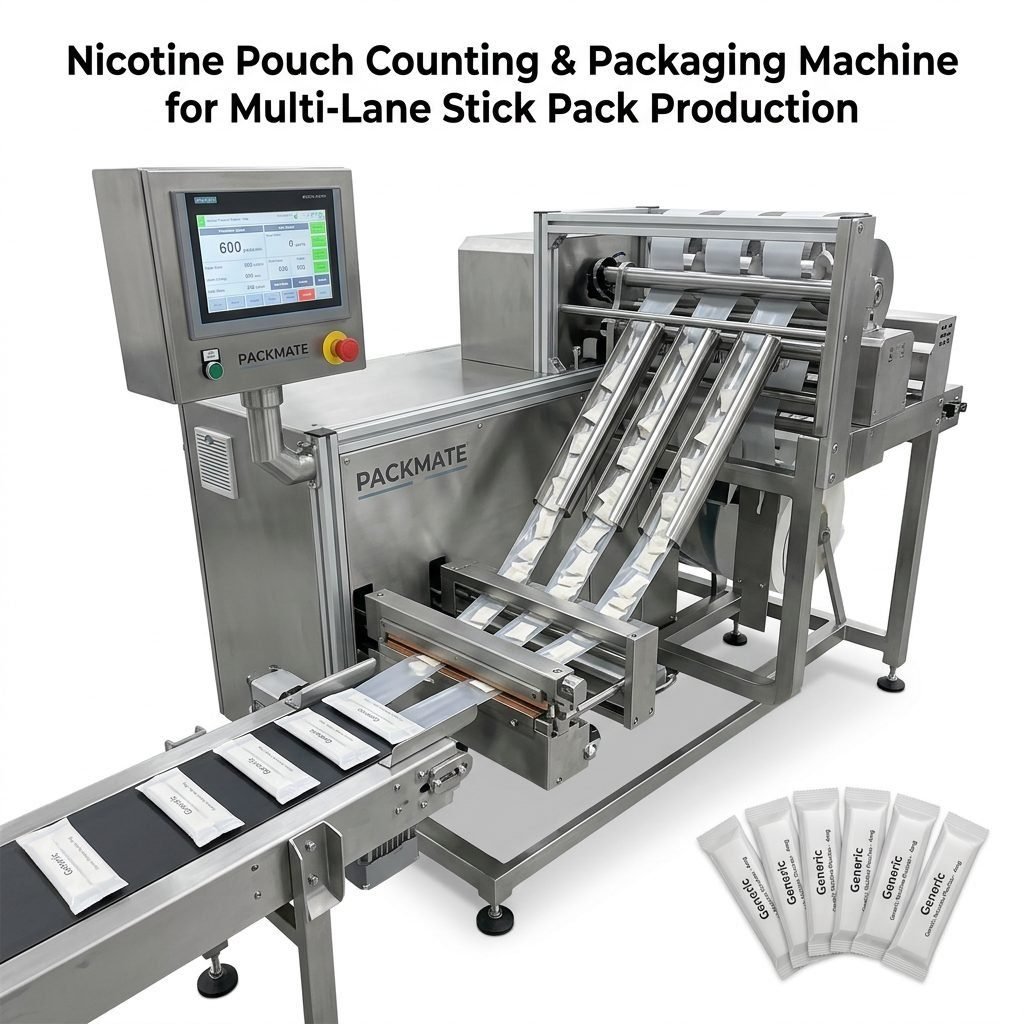
- Stick pack machines — ideal for single-dose portions with high-speed horizontal packaging;
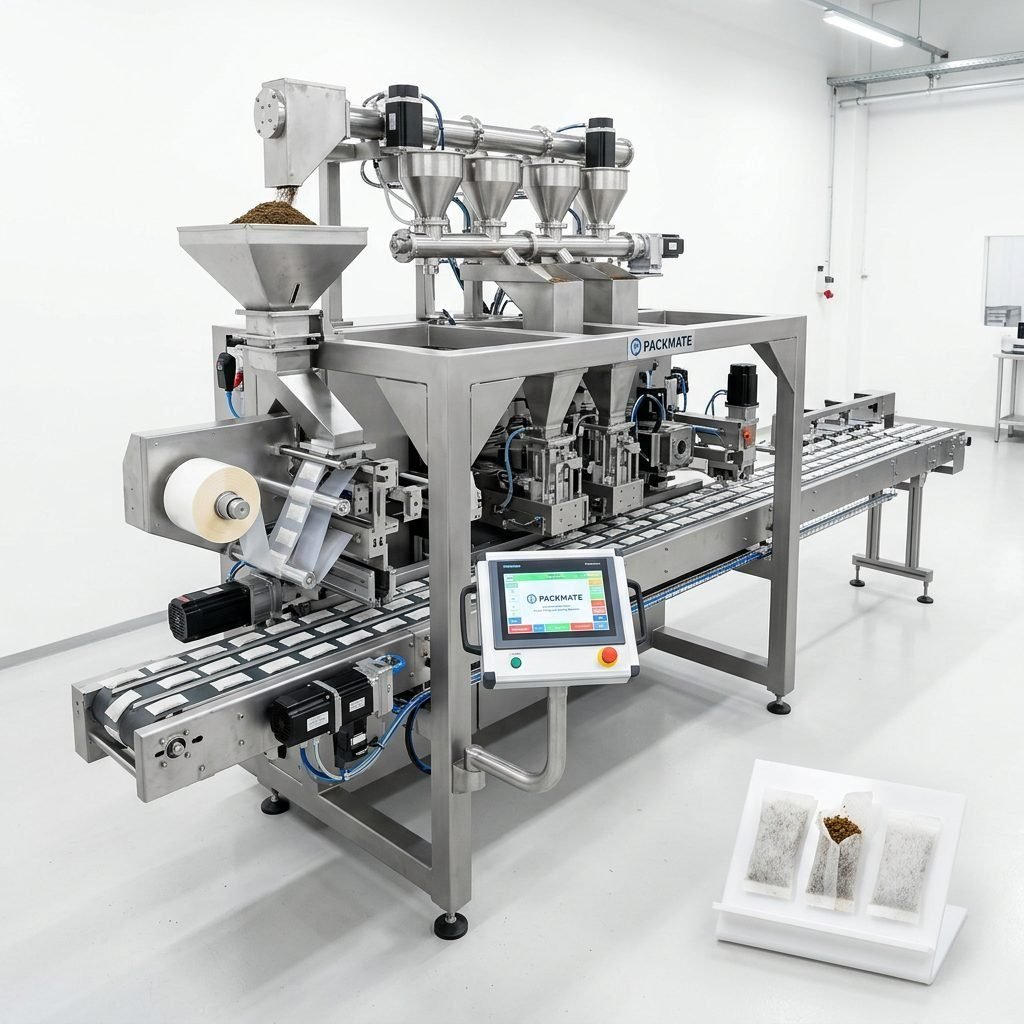
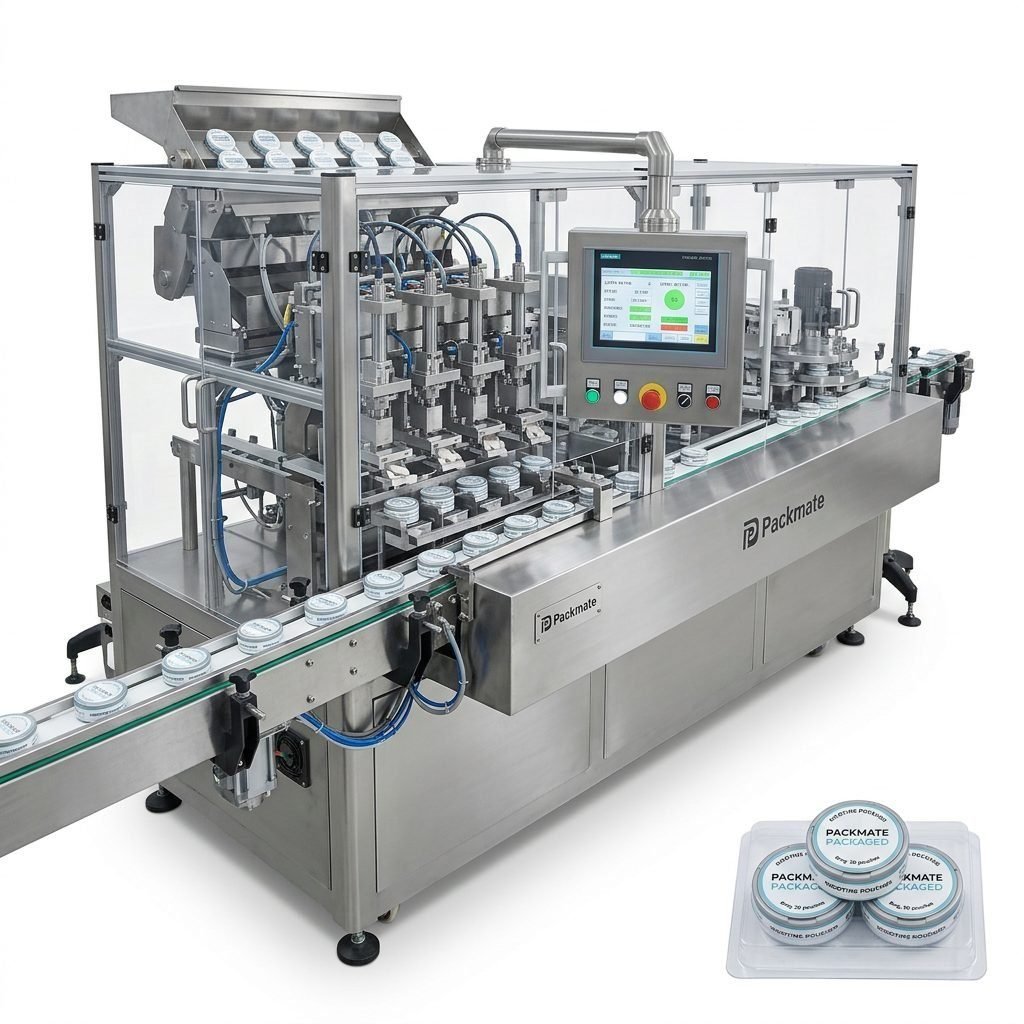
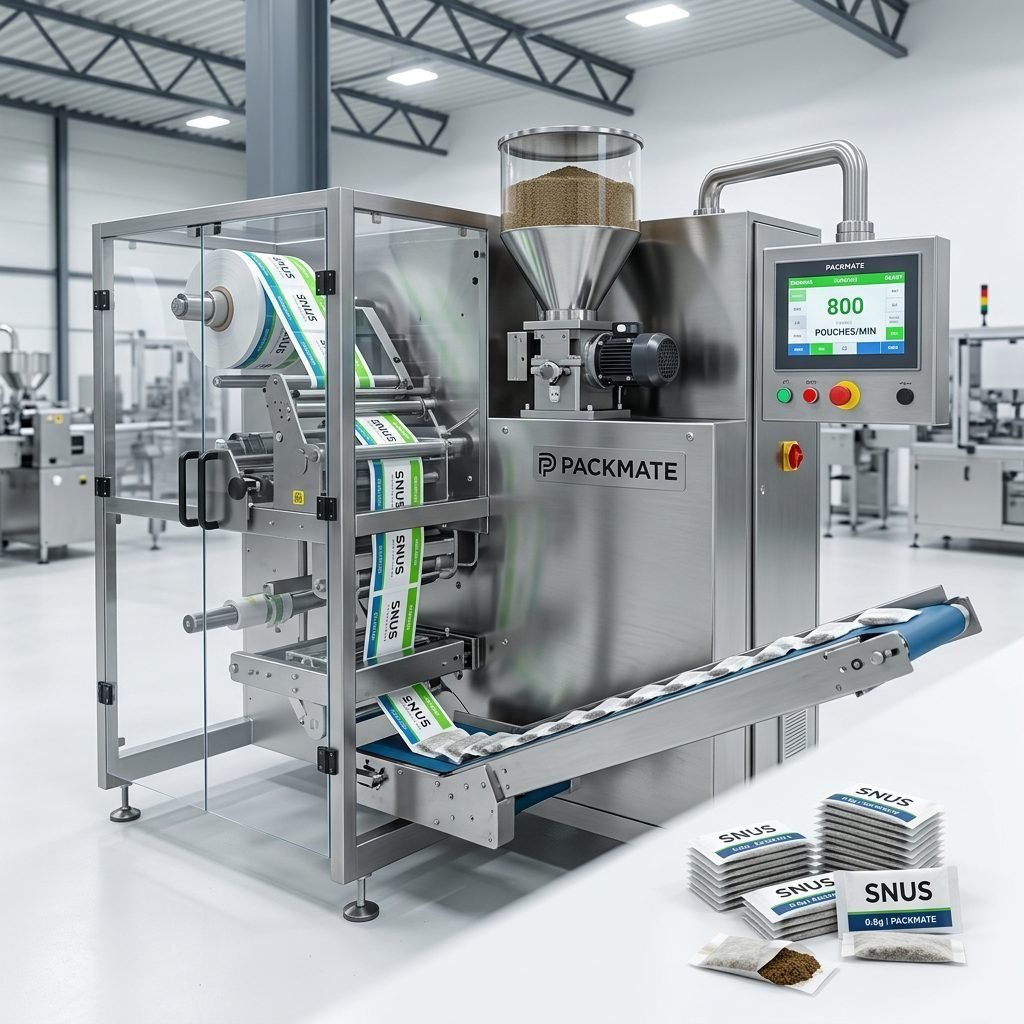
- Sachet and pouch machines — flexible for various shapes and sizes used in premium snus packaging;
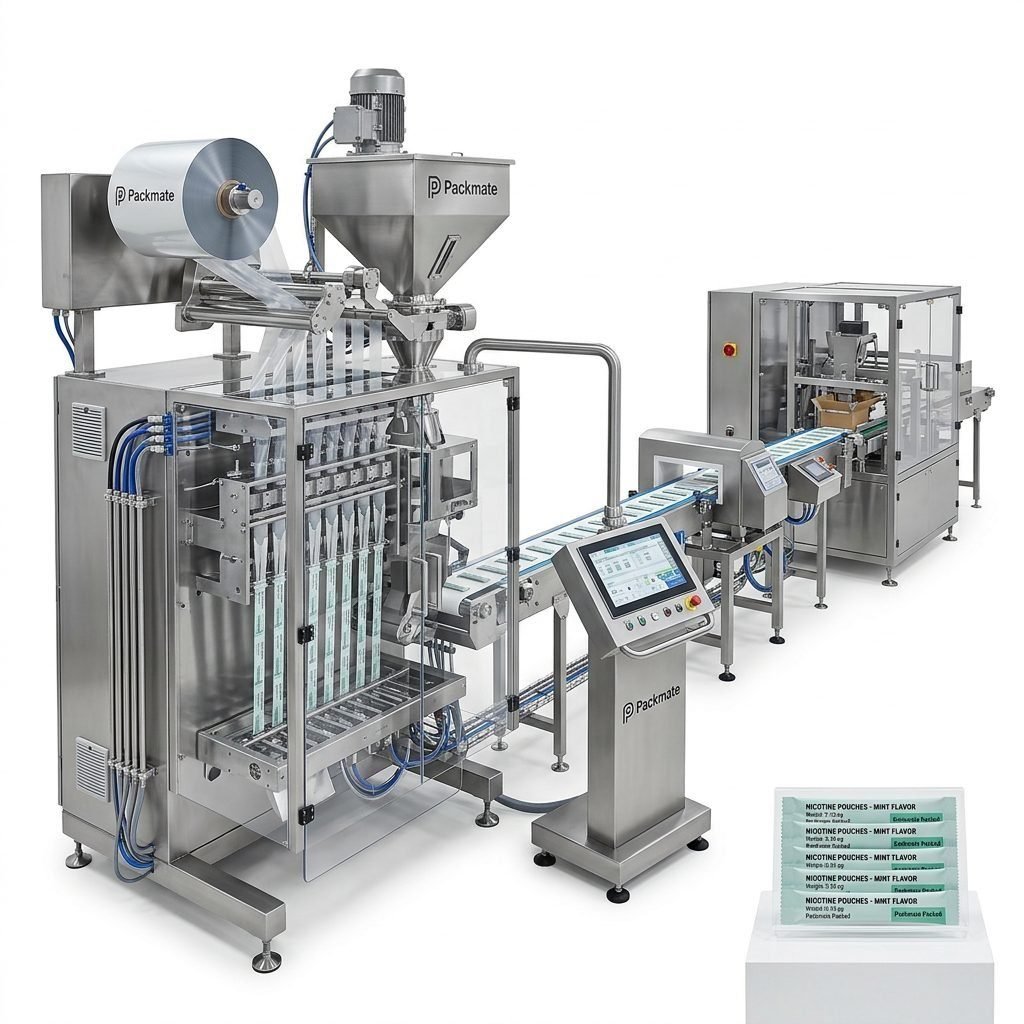
- Multi-lane systems — increase throughput for small-dose pouches while keeping footprint efficient;
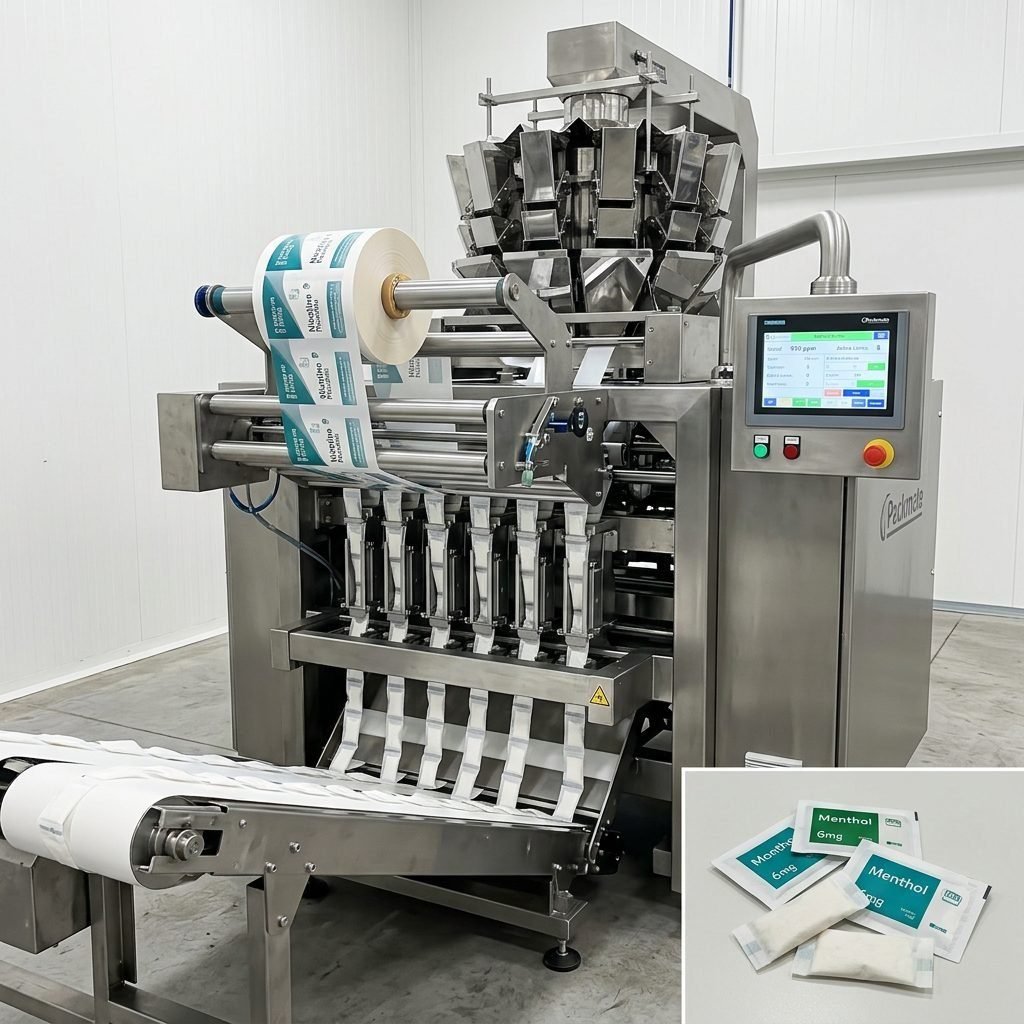
- Integrated filling and weighing systems — ensure accurate doses for nicotine pouches and reduce waste.
Manufacturer specialization matters
A supplier who focuses on snus or nicotine pouch equipment will better understand the dosing, sealing, and material handling challenges unique to your product. Look for companies with a track record in nicotine pouch lines, stick packs, or sachets rather than general-purpose packagers. For example, detailed product pages like Snus & Nicotine Packaging Machines showcase specialized solutions and often include technical specs and case studies.
Evaluate engineering & factory capabilities
Technical strength and manufacturing capacity directly affect machine quality, lead time, and customization flexibility. When assessing manufacturers, ask about:
- Years of engineering experience and industry focus — long-term R&D presence indicates mature designs;
- Factory size and production capacity — larger workshops (e.g., 20,000㎡) typically support advanced machining, assembly, and strict quality workflows;
- Availability of CNC machining centers and precision assembly lines — essential for parts tolerance and long-term stability;
- Range of models — a broad model range (50+ models) signals modular platforms you can adapt to your needs.
A manufacturer with strong in-house capabilities can rapidly develop turnkey lines and manage complex projects such as multi-lane snus pouch lines or combined filling-and-sealing systems.
Certifications and quality control
Ensure machines comply with international standards (CE, ISO) and that the supplier runs documented quality tests. Certification helps when exporting or selling into regulated markets and reassures you on safety and electrical compliance.
Production performance: speed, accuracy and materials
Match machine performance metrics to your production targets. Key performance indicators include:
- Throughput (packs per minute) — choose machines that meet your daily output with headroom for growth;
- Weighing and filling accuracy — crucial for nicotine pouch dosing; integration with Weighing & Packaging Systems improves precision;
- Material compatibility — verify compatibility with your chosen film, laminate, or biodegradable substrates;
- Changeover and tooling — rapid, tool-less changeovers reduce downtime for multiple SKUs.
- Target production rate and spare capacity;
- Target pouch size and fill weight tolerances;
- Primary packaging material specifications;
- Required in-line quality checks (metal detection, weight verification, vision inspection).
Customization, turnkey lines and integration
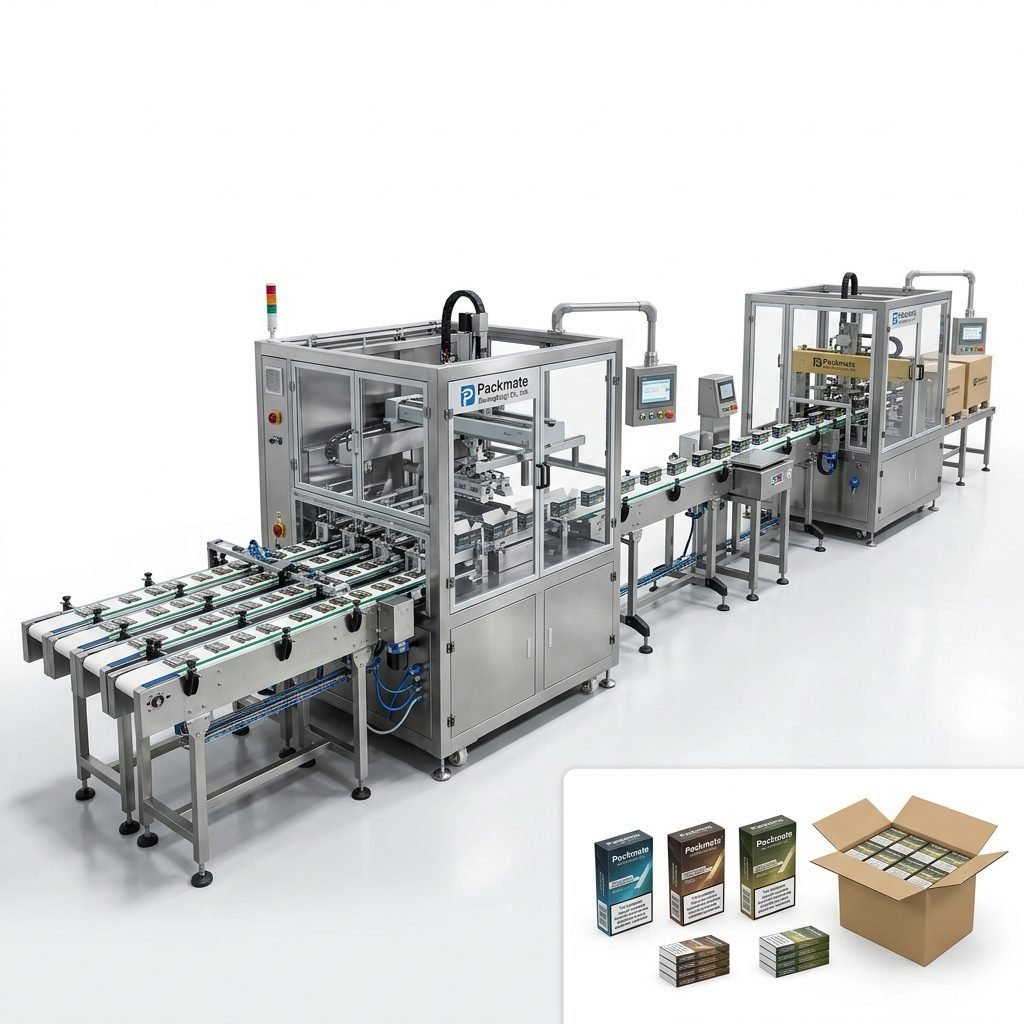
If you need an end-to-end production line — from dosing and sealing to case packing and palletizing — choose a manufacturer who offers turnkey solutions and systems integration. A single-source provider reduces interface issues and shortens commissioning time.
Look for examples of integrated projects (search their Case pages) and ask for references where multiple subsystems were delivered as a single project.
Automation and Industry 4.0 readiness
Modern snus lines can include automated feeding, robotic handling, vision systems, and PLC/SCADA controls. Ask about remote monitoring, predictive maintenance features, and data logging for traceability. These functions help reduce downtime and enable quicker fault diagnosis.
Service, spare parts and training — the long game
Machinery is a long-term investment. Evaluate the manufacturer’s after-sales support, local representation, spare parts availability, and training programs. Key questions:
- Do they provide on-site installation and commissioning support?
- Is there a local service partner or remote technical assistance available?
- How quickly can they ship critical spare parts to Tanzania?
- Do they offer operator and maintenance training for your staff?
A manufacturer that offers comprehensive service packages and clear escalation paths will reduce the risk of long downtimes that can erode margins.
Financials: cost vs. value
Purchase price is important, but total cost of ownership (TCO) matters more:
- Initial capital cost — machine and installation;
- Operating costs — energy use, consumables, routine maintenance;
- Downtime cost — lost production during repairs or changeovers;
- Longevity and resale value — reliable machines retain value and reduce replacement frequency.
Ask vendors for TCO estimates based on your expected production schedule and energy prices. Request references from customers in similar markets to validate claims.
Regulatory compliance and documentation
Nicotine and snus products are regulated in many jurisdictions. Ensure your supplier can provide documentation needed for compliance, such as CE declarations, wiring diagrams, control software versions, and material safety data where relevant.
Manufacturers with established export experience often provide complete technical file packages that simplify local approvals.
Factory acceptance tests and commissioning
Before shipment, request a Factory Acceptance Test (FAT) with your product or a close simulation. A proper FAT proves performance, allows you to verify quality parameters, and reduces issues during on-site commissioning.
After delivery, on-site commissioning should include: mechanical alignment, control tuning, validation runs, operator training, and delivery of as-built documentation.
Choosing a supplier you can trust
Evaluate manufacturers on objective evidence: plant tours, machine demonstrations at exhibitions, references, and published case studies. Visit their exhibition appearances online (Our Exhibition) or request live demos to observe machine reliability in real use.
- Decades of experience in packaging automation;
- Comprehensive model ranges and turnkey solutions;
- Advanced machining & assembly infrastructure for consistent quality;
- Transparent case studies and certifications that back claims (see About Packmate and Certificate pages).
Negotiation and procurement tips
When you’re ready to buy, structure the agreement to protect your interests:
- Define acceptance criteria in the contract (FAT outcomes, performance metrics);
- Include warranties and a clear spare-parts supply timeline;
- Set milestones for delivery, installation, and training;
- Consider staged payments tied to delivery and acceptance to mitigate risk.
Work with legal and technical advisors to ensure the documentation covers intellectual property and software ownership if you will be running custom recipes or integrations.
Practical checklist before placing an order
Use this quick checklist to validate suppliers:
- Have you reviewed FAT documentation and seen live demonstrations?
- Are technical specifications matched to your product and capacity needs?
- Is spare parts logistics and local service clarified?
- Does the vendor provide training and installation support?
- Have you checked references and case studies (see Case)?
Next steps
Start by shortlisting 2–3 vendors that specialize in snus and nicotine packaging equipment. Request detailed proposals, FAT schedules, and references. Visit their factory if possible or arrange a live video demonstration. Compare proposals not only on price but on the total delivery package: integration, service, and documentation.
Contact and further information
For direct enquiries, product catalogs, and to arrange demos or factory visits, use the manufacturer’s contact channels to request tailored proposals and schedules: Contact Us. If you need to review product families and technical details first, browse the Sachet & Stick Pack Machines and Filling & Packaging Lines pages for specifications.
Frequently Asked Questions
Q1: How do I know which machine capacity I need for my factory?
A1: Calculate your daily production target in units, then divide by operating hours to estimate packs per minute. Add a margin for future growth and downtime. Share these numbers with potential vendors so they recommend suitable single- or multi-lane configurations.
Q2: What are typical delivery lead times for snus packaging lines?
A2: Lead times vary by customization and factory schedule. Standard machines may ship in a few months, while turnkey or highly customized lines can take 6–12 months. Confirm FAT dates, component sourcing, and shipping timelines during negotiation.
Q3: Can I get local training and spare parts in Tanzania?
A3: Many reputable manufacturers provide on-site training and can arrange spare parts logistics to international locations. Confirm whether they have local partners or can support rapid spare-part shipment; request a recommended spare-parts kit.
Q4: Are snus packaging machines easy to switch between SKUs?
A4: Modern machines are designed for fast changeovers, especially when modular tooling and recipe-driven controls are provided. Clarify expected changeover times and whether tool-free adjustments are supported.
Q5: Where can I view real-world examples of installations?
A5: Check case studies and exhibition pages on manufacturer websites to view installation photos, videos, and customer testimonials. Request references for installations similar to your product type and capacity.