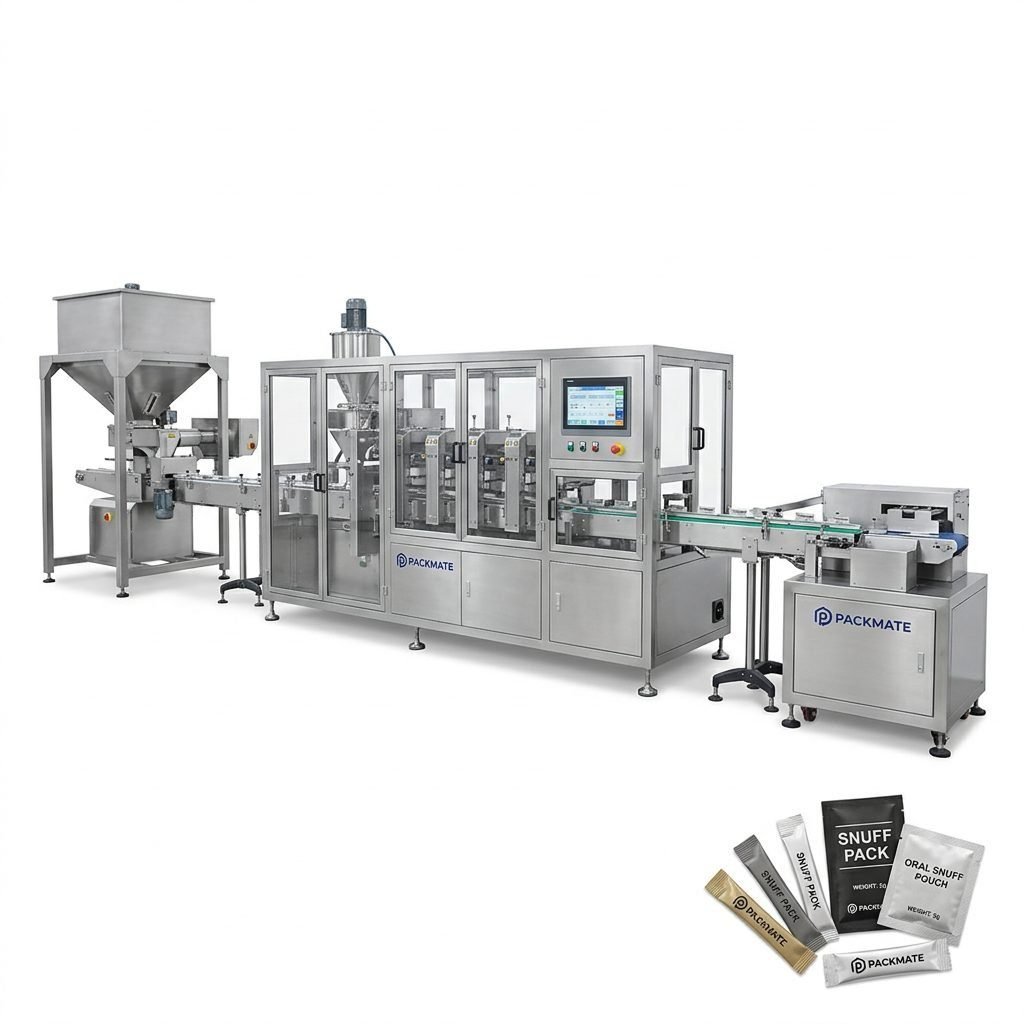
Selecting the right partner for snus packaging equipment can make or break your production plans in Peru. From machine reliability to regulatory compliance and after-sales support, each factor influences efficiency, cost and product quality. This guide walks you through how to choose the best snus packaging machine manufacturer for your business needs, with actionable criteria, practical checks and useful resources.
Why the Manufacturer Choice Matters
A reputable manufacturer delivers machines that run consistently, scale with demand, and comply with local and international standards. Poor equipment choices lead to downtime, high maintenance costs and inconsistent pouch quality — all of which hit margin and reputation. Look for companies with transparent engineering practices, proven production facilities, and global track records.
Quick Manufacturer Snapshot — prioritize partners who combine deep packaging experience with modern manufacturing capacity.
📌 Industry Experience: 30+ years engineering background and proven R&D continuity is valuable for long-term product improvements.
✅ Factory & Scale: A 20,000㎡ manufacturing facility with advanced CNC and precision assembly reduces lead time and improves consistency.
🏷️ Model Variety: 50+ machine models and turnkey options mean better fit to your product format and line speed.
Key Criteria to Evaluate a Snus Packaging Machine Manufacturer
Use the checklist below to vet suppliers. Good answers across these areas indicate a partner that can help you scale reliably and meet both market and regulatory demands in Peru.
1. Machine Performance & Technology
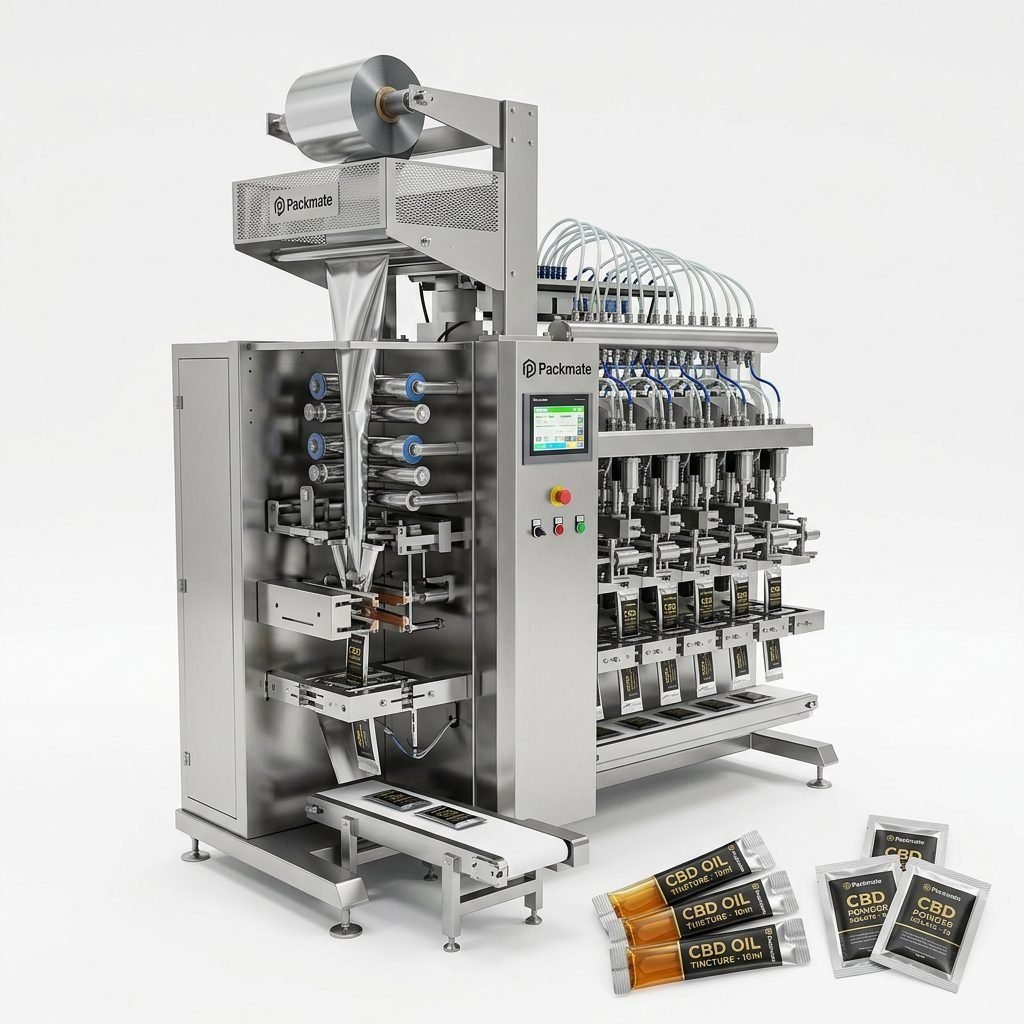
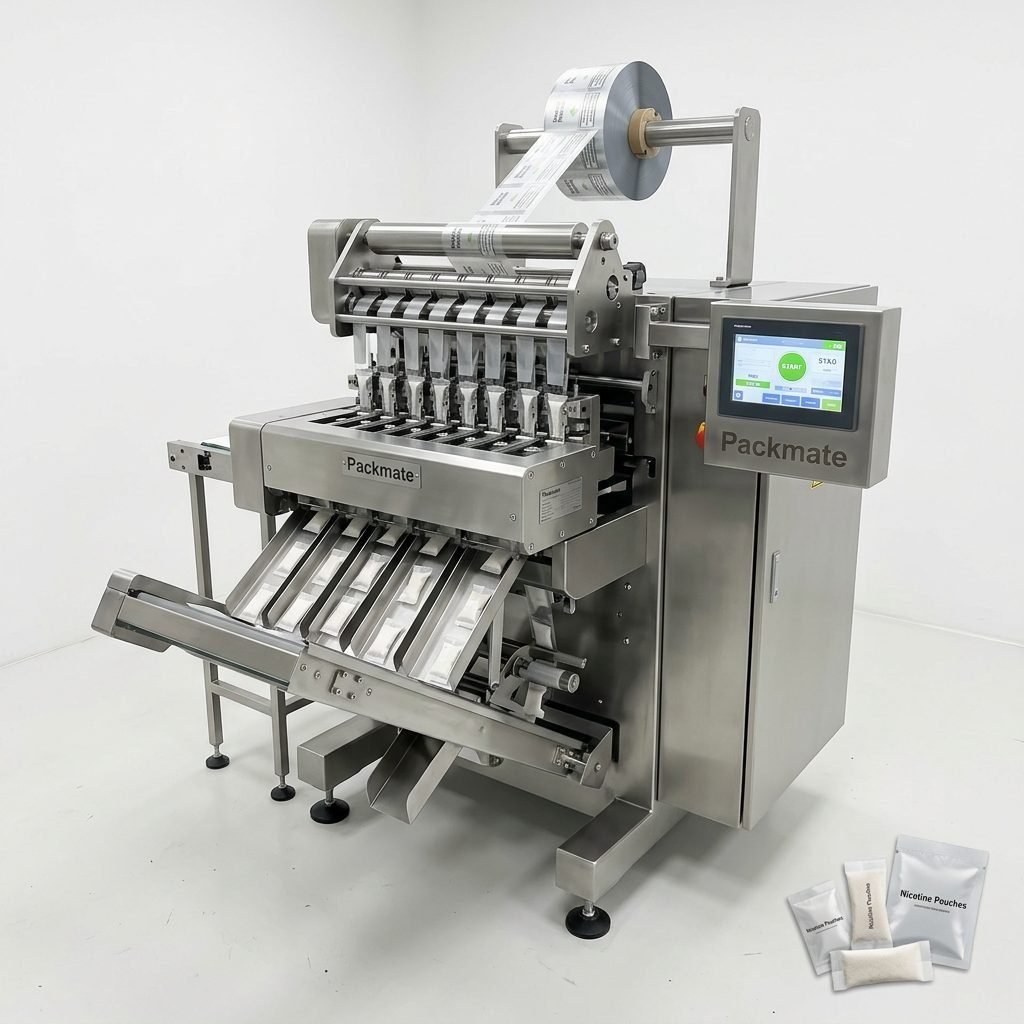
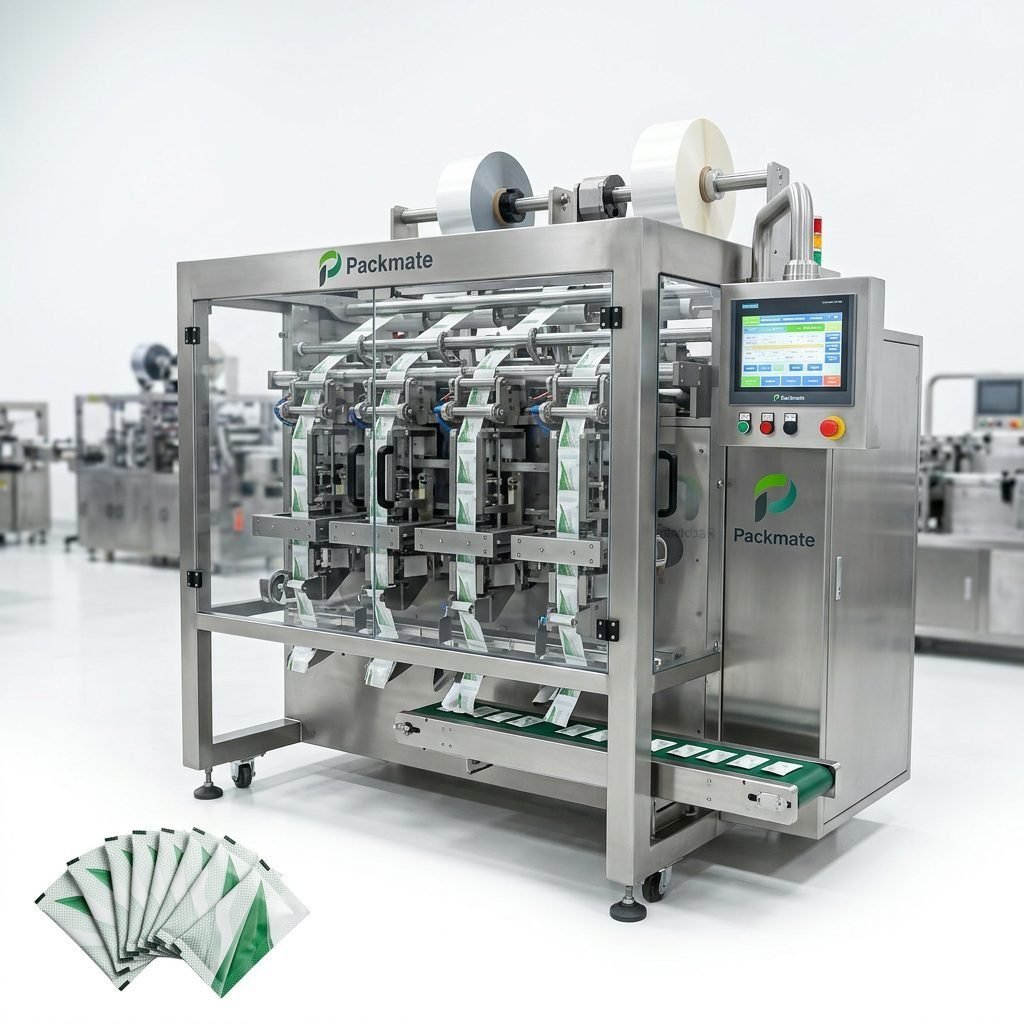
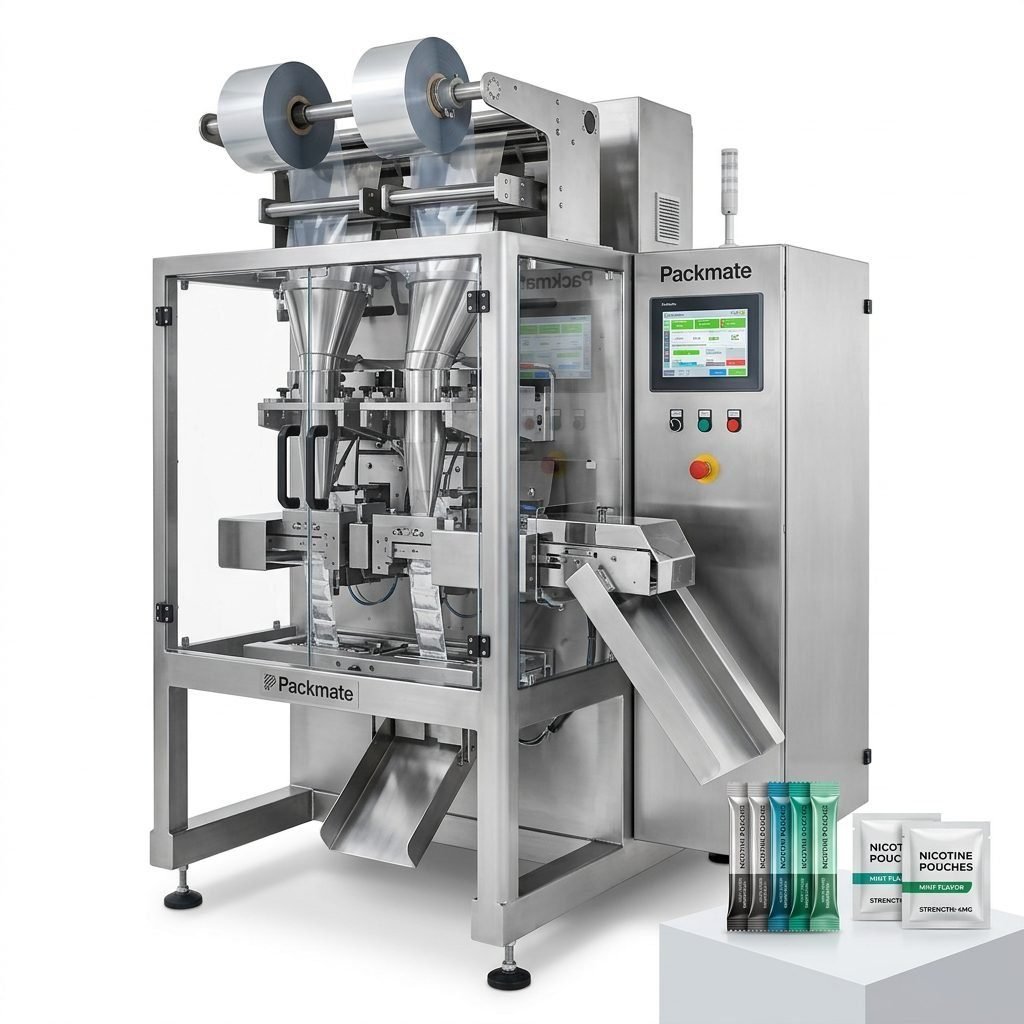
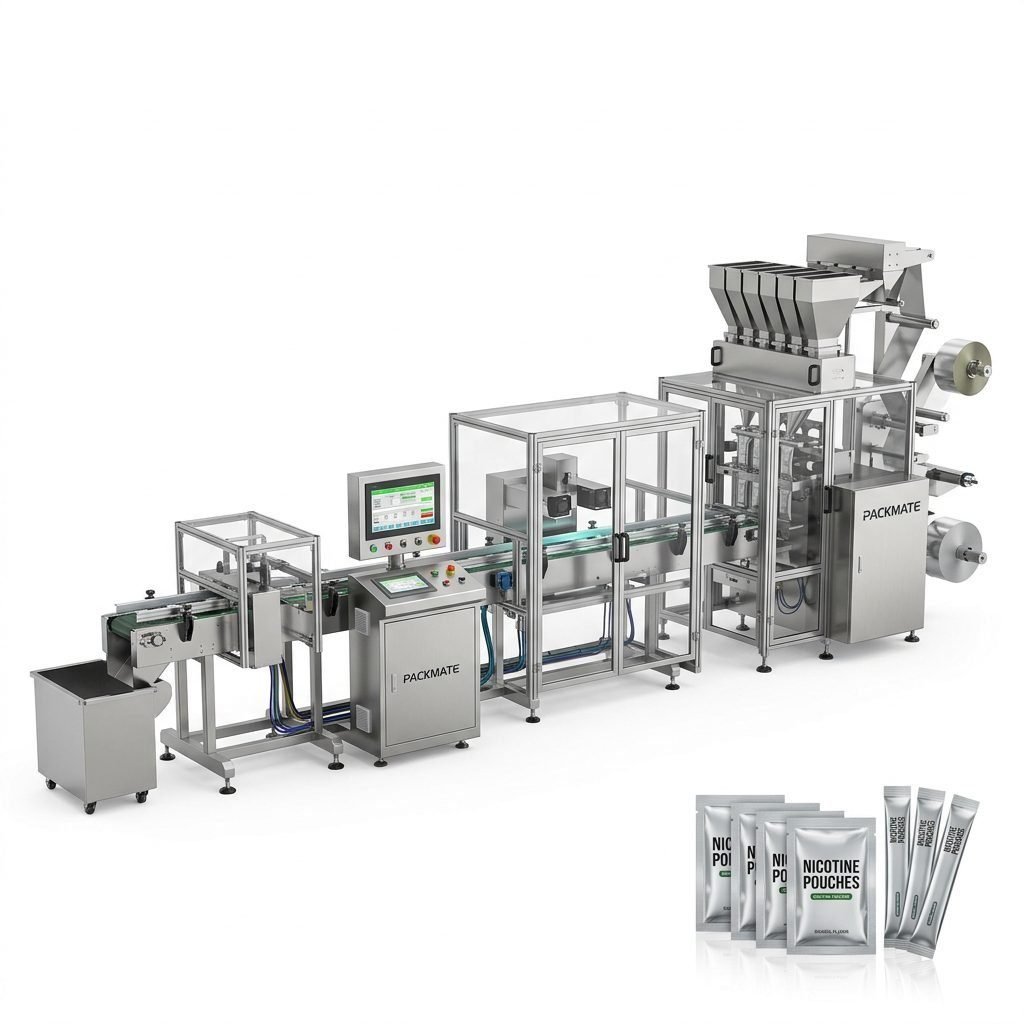
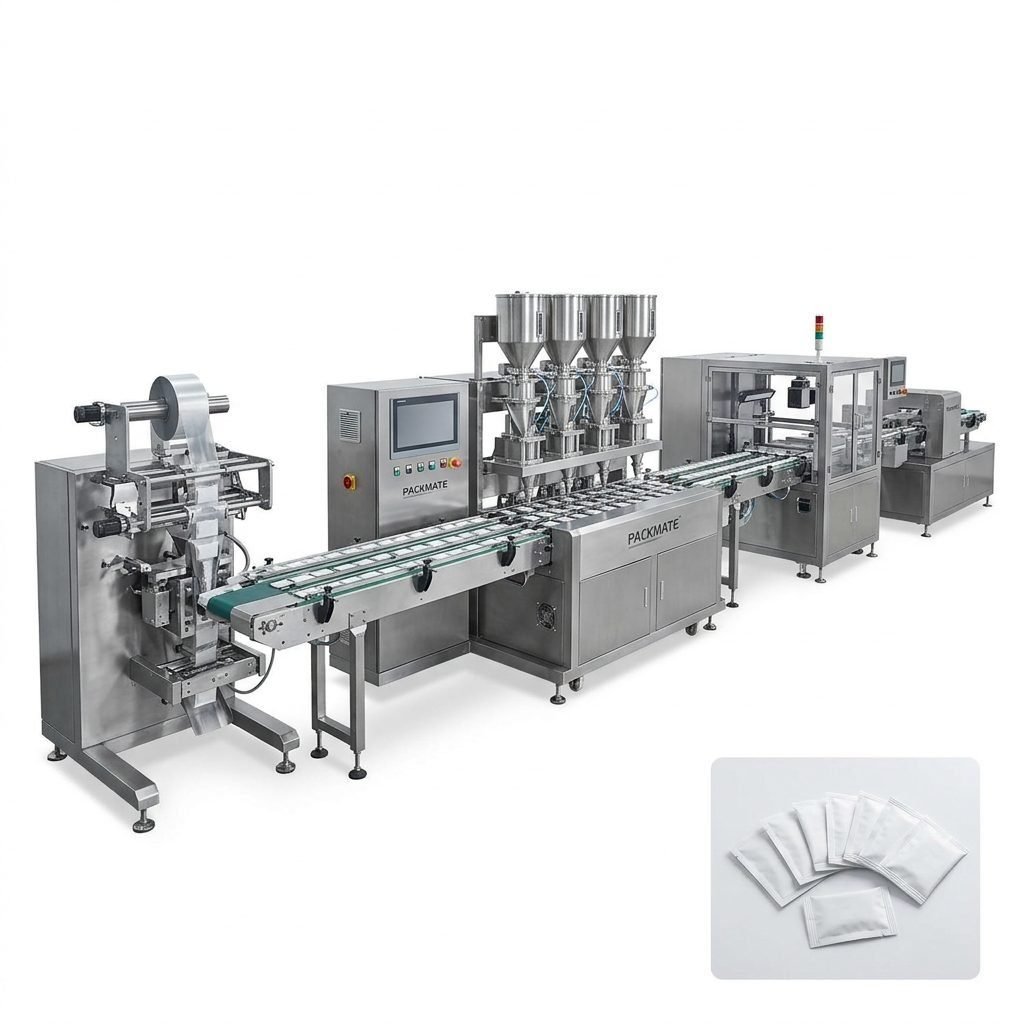
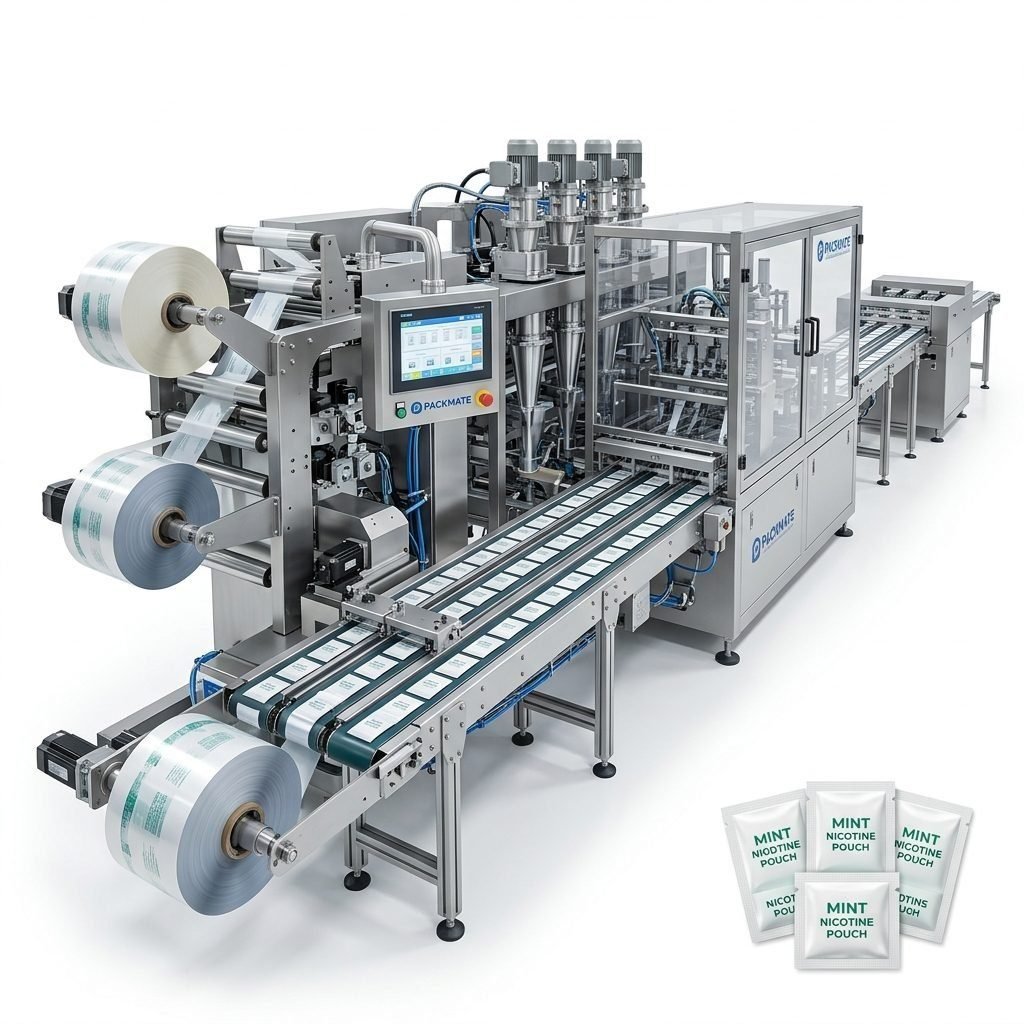
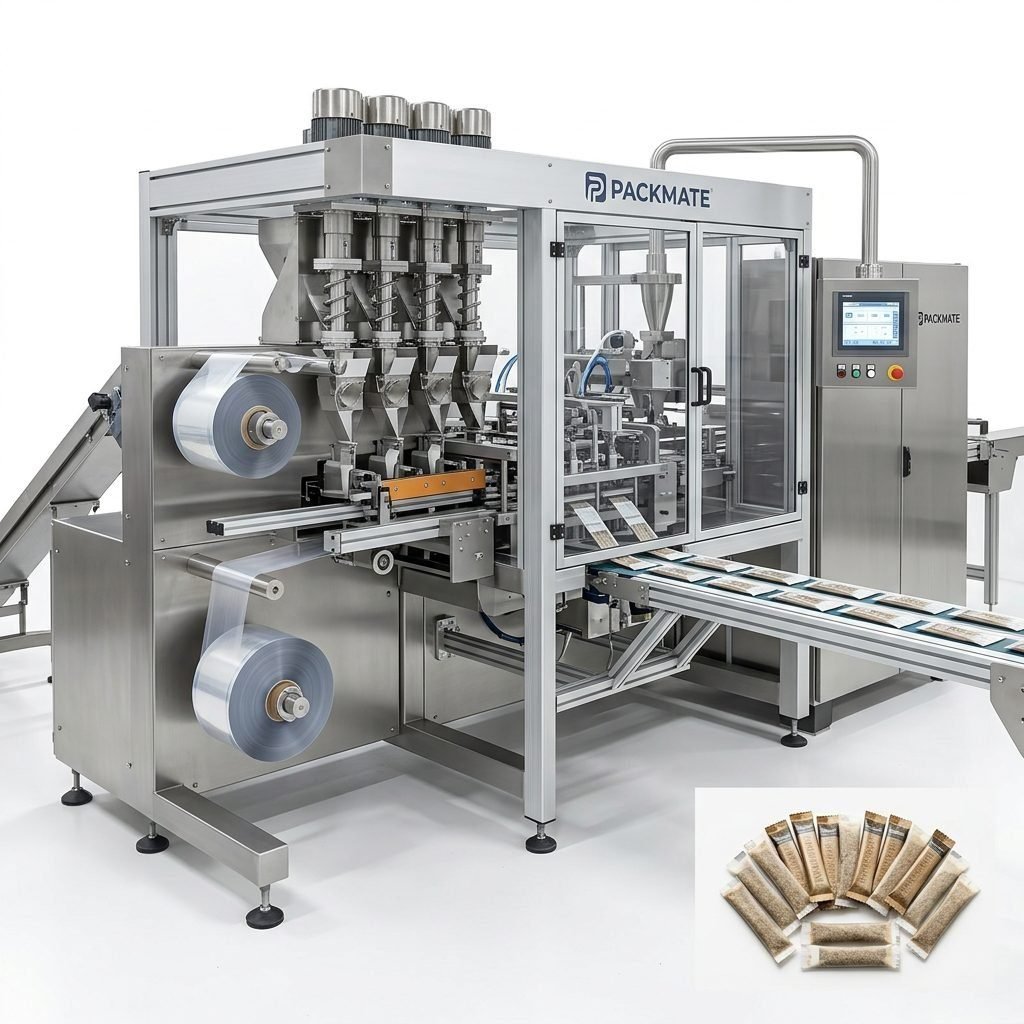
Look for high-performance snus pouch packaging technologies: stick pack, sachet, multi-lane systems and specialized nicotine pouch lines. Confirm maximum line speeds, dosing accuracy, and lane scalability. Ask for real production videos or live demos to verify output under realistic product conditions.
2. Customization & Turnkey Solutions
Your snus format, pouch material and regulatory labeling needs may require customization. Choose a manufacturer that offers tailored machine configurations and turnkey lines including filling, weighing, capping and secondary packaging. Example product lines and modular options can be found in the manufacturer’s catalog and product pages.
Explore product categories: Snus & Nicotine Packaging Machines, Bag & Pouch Packaging Machines, and Sachet & Stick Pack Machines.
3. Quality Assurance & Certifications
Verify CE, ISO and other relevant certifications. Ask for factory quality control protocols, inspection records and testing procedures. Certification indicates adherence to international safety and quality norms — crucial for import/export and local compliance in Peru.
4. After-sales Service & Spare Parts
Efficient on-site support, remote troubleshooting and rapid spare parts supply are vital. Confirm lead times for replacement modules and whether the supplier offers local technical training or certified partners in your region.
5. Total Cost of Ownership (TCO) & ROI
Evaluate machine price alongside energy consumption, downtime rates, maintenance needs and consumables. Higher initial cost can be justified by lower operating cost and higher uptime. Ask for real-world case studies and ROI calculations.
Checklist — Questions to Ask a Prospective Manufacturer
ℹ️ Can you provide machine performance data with my product type?
ℹ️ What certifications and QC steps does your factory follow?
ℹ️ Do you offer onsite installation and operator training in Peru or regional support?
ℹ️ What is the typical spare-part lead time and warranty coverage?
Technical Evaluation: What to Inspect During Factory Visits or Remote Audits
Whether you visit the factory or request a virtual tour, inspect machining capabilities, assembly areas, test benches and finished machine demonstrations. The presence of advanced CNC centers, controlled assembly lines and thorough testing rigs indicates a manufacturer capable of delivering precision equipment.
🔎 What to look for on-site:
• Real production runs with your materials or close analogues.
• Evidence of traceable component sourcing and calibration logs.
• A structured assembly line and final acceptance testing area.
• Trained engineers who can explain maintenance, spare parts and assembly tolerances.
Compliance and Market-Specific Considerations for Peru
Ensure the equipment and packaging materials meet Peruvian regulations on nicotine and tobacco-related products, including labeling, child-resistant packaging and import requirements. A manufacturer with export experience and global compliance knowledge will help you navigate certification and customs procedures.
Logistics, Lead Time & Installation
Understand shipping options, packaging protection for overseas freight, and whether the supplier offers installation supervision or certified local partners. Plan for acceptance tests after installation and verify who is responsible for commissioning and initial validation.
Real Examples & Resources
Review case studies and exhibition appearances to see real-world machine performance and client feedback. Useful resources include product pages and company information where machine specs, case studies and certifications are listed.
Reference pages: Case, Our Exhibition, and About Packmate.
Operational Tips Before You Buy
✔ Request FAT (Factory Acceptance Test) and SAT (Site Acceptance Test) protocols.
✔ Ask for local references or installations in similar markets.
✔ Confirm spare parts kit and recommended preventive-maintenance schedule.
✔ Negotiate training, warranty response times and extended-support options.
Negotiating a Smart Purchase Agreement
Include detailed acceptance criteria, delivery milestones, spare parts lists, training provisions and warranty terms in your contract. Define penalties or remediation steps for missed performance targets and clarify responsibilities for customs clearance and installation services.
Key Contract Items
• Acceptance test benchmarks (speed, yield, packaging integrity).
• Spare parts availability and response SLAs.
• Training scope and documentation delivery.
• Warranty scope and excluded items.
Final Checklist Before Making the Decision
Final Pre-Purchase Checklist
1. Factory demo with your product or close equivalent.
2. Clear spare-parts list and local supply plan.
3. Documentation — manuals, electrical drawings, and spare parts lists in your language.
4. Service & training commitments documented.
5. Confirm regulatory support for Peruvian import and compliance.
When you combine verified machine performance, robust manufacturing capacity, comprehensive after-sales service and clear contractual protections, you secure an investment that supports steady growth in the Peruvian snus and nicotine pouch market.
If You Need More Information
For detailed product categories and system configurations, visit the manufacturer’s product pages and contact their sales engineers for tailored proposals: Weighing & Packaging Systems and Contact Us.
Frequently Asked Questions
Q1: How long is the typical lead time for a turnkey snus packaging line?
A1: Lead times vary with customization and order backlog. With a well-equipped factory and available modules, standard lines often ship within 8–16 weeks; fully customized turnkey projects can require longer planning and delivery windows.
Q2: What certifications should I expect from a reliable manufacturer?
A2: Expect CE and ISO as baseline certifications. For nicotine-related packaging systems, also verify compliance with applicable electrical, safety and export standards relevant to Peru.
Q3: Does the supplier provide installation and operator training locally in Peru?
A3: Many experienced manufacturers offer installation supervision and operator training, either through their own engineers or via certified regional partners. Confirm the scope and whether it is included in the purchase or offered as an add-on.
Q4: How do I ensure fast spare-part support after purchase?
A4: Negotiate spare-part kits and a guaranteed lead time clause in the contract. Choose suppliers with documented logistics networks or local depots to minimize downtime.
Q5: Where can I see real-world examples of machines in operation?
A5: Review case studies and exhibition demonstrations on the manufacturer’s site and request reference installations. Useful pages include Case and Our Exhibition.