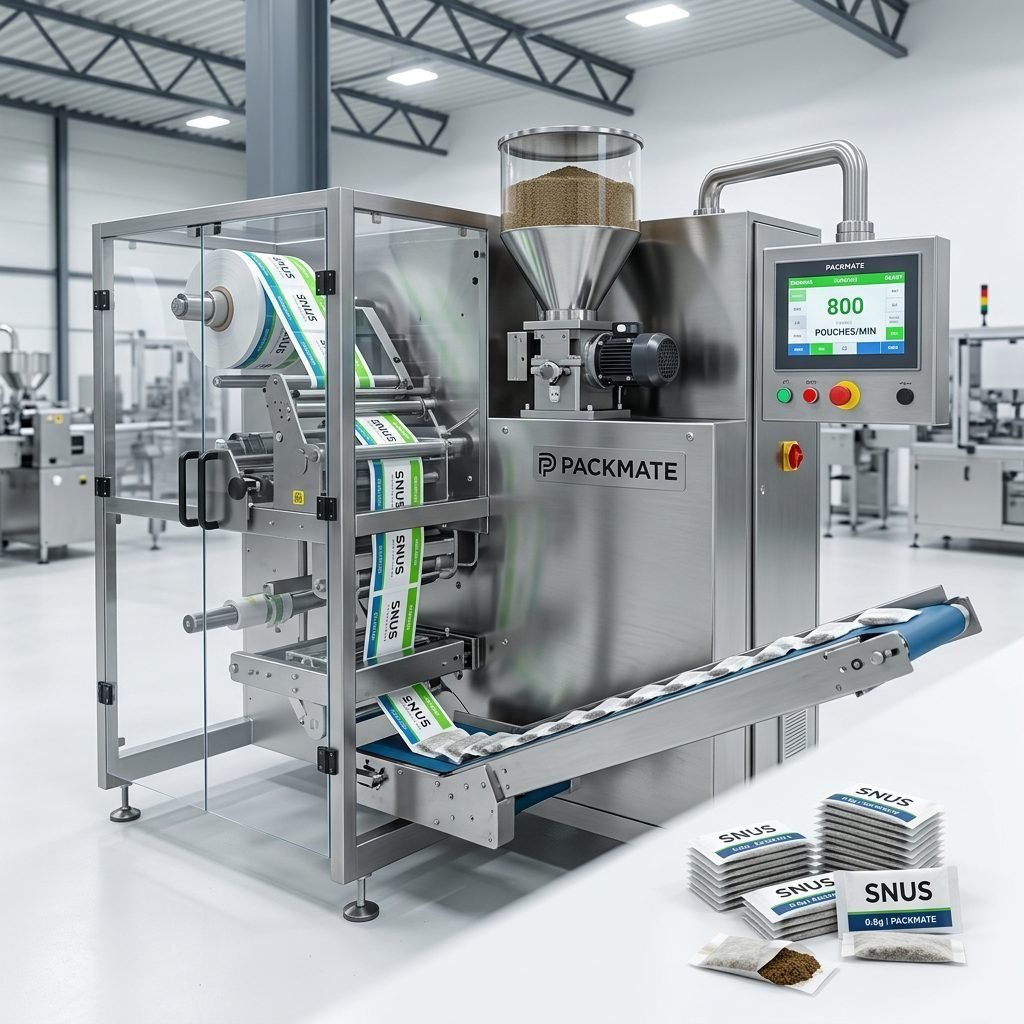
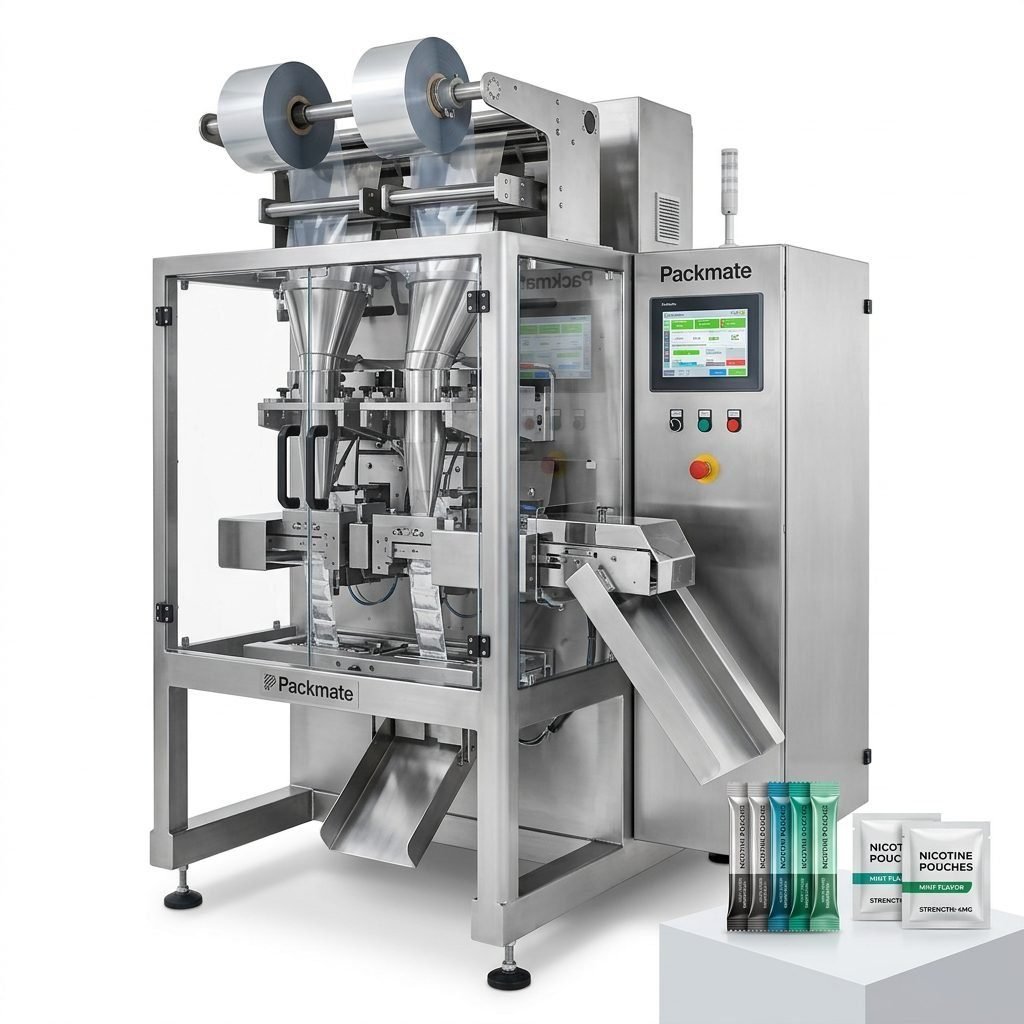
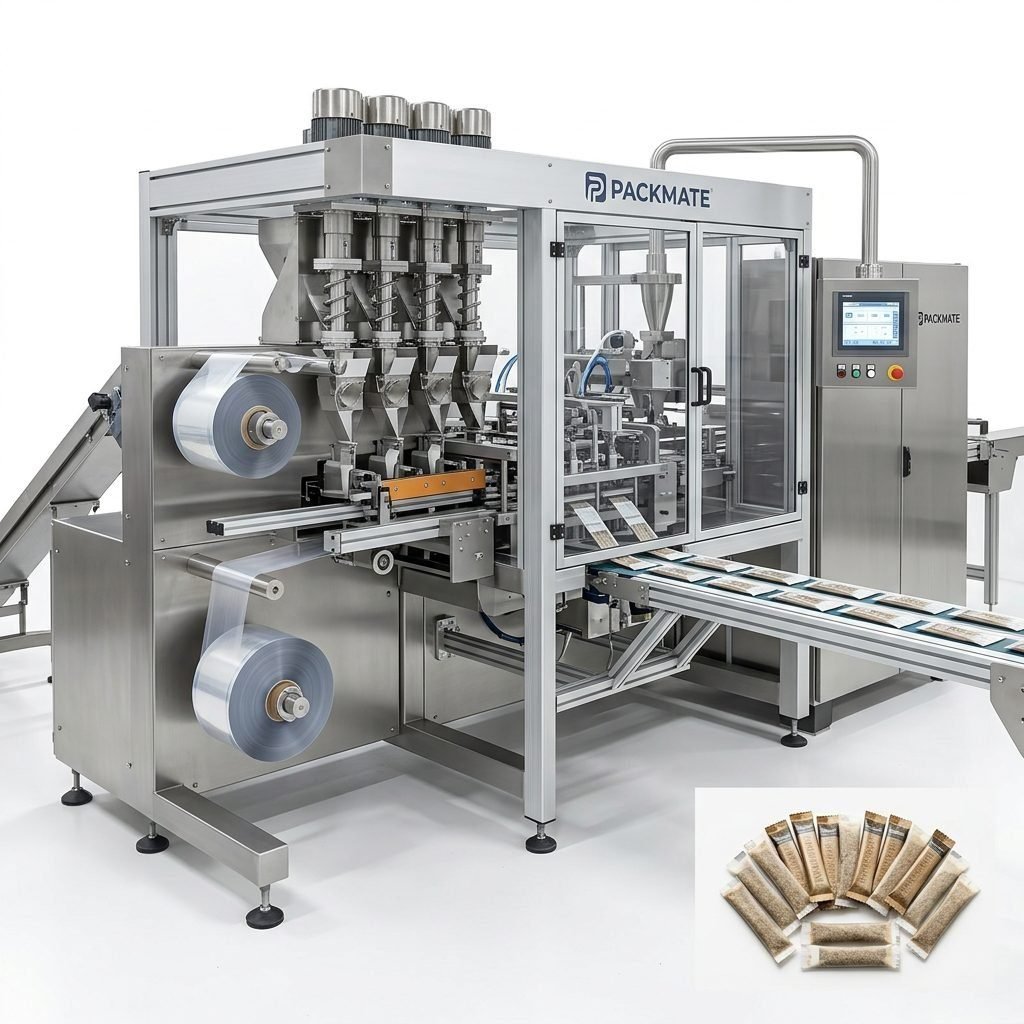
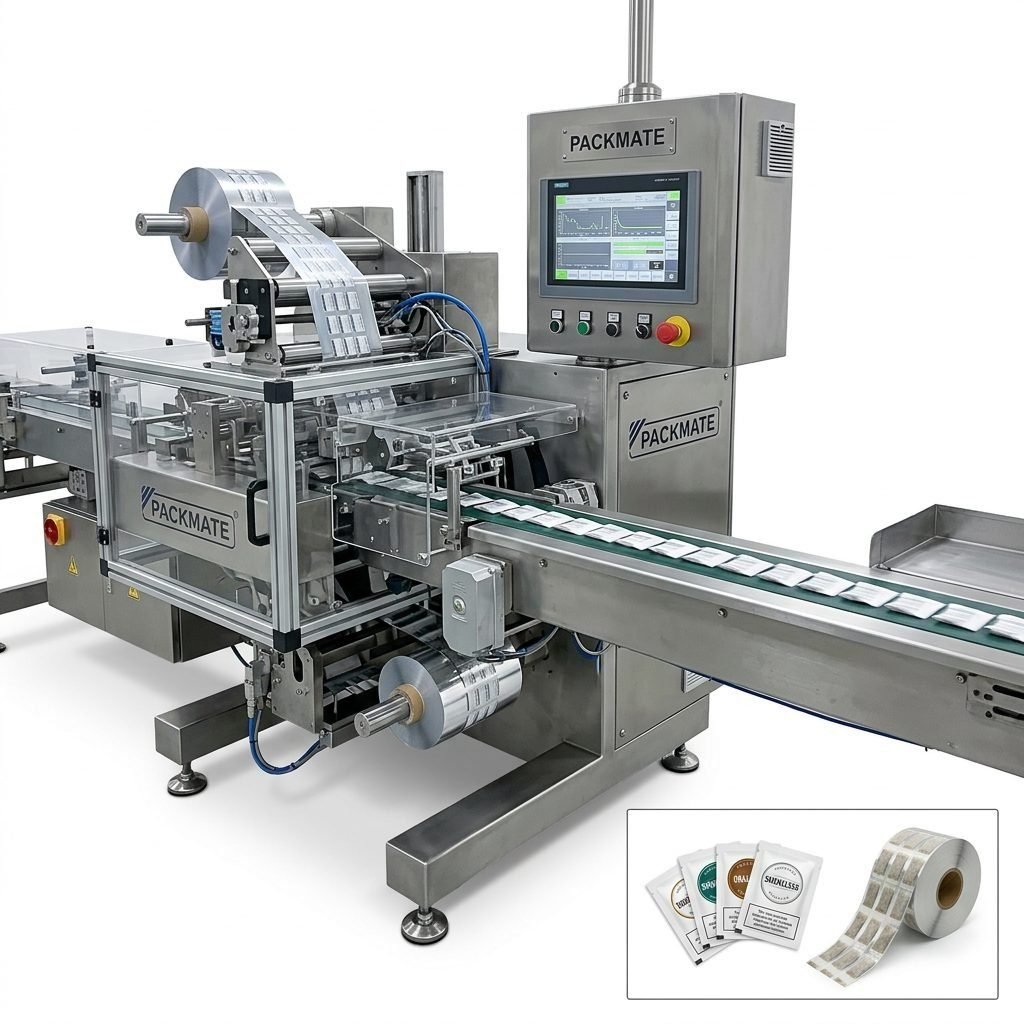
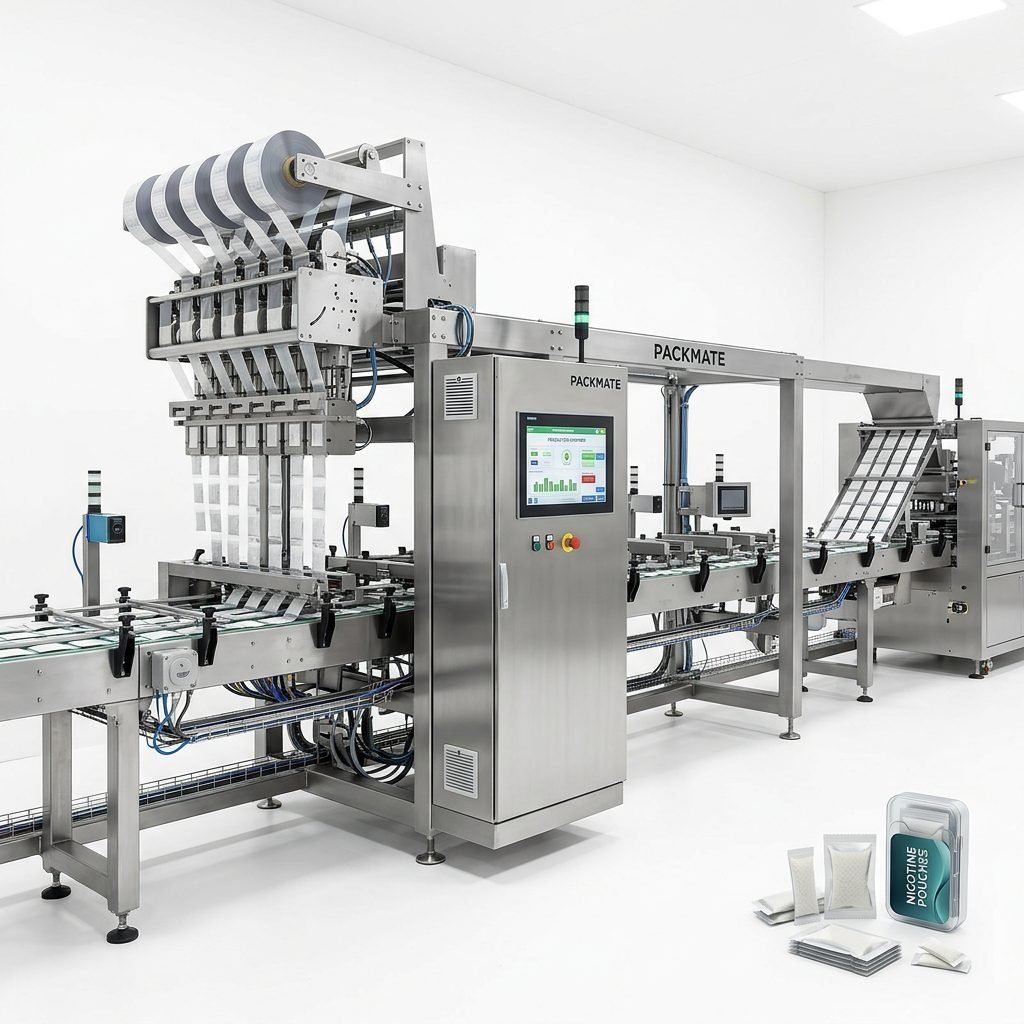
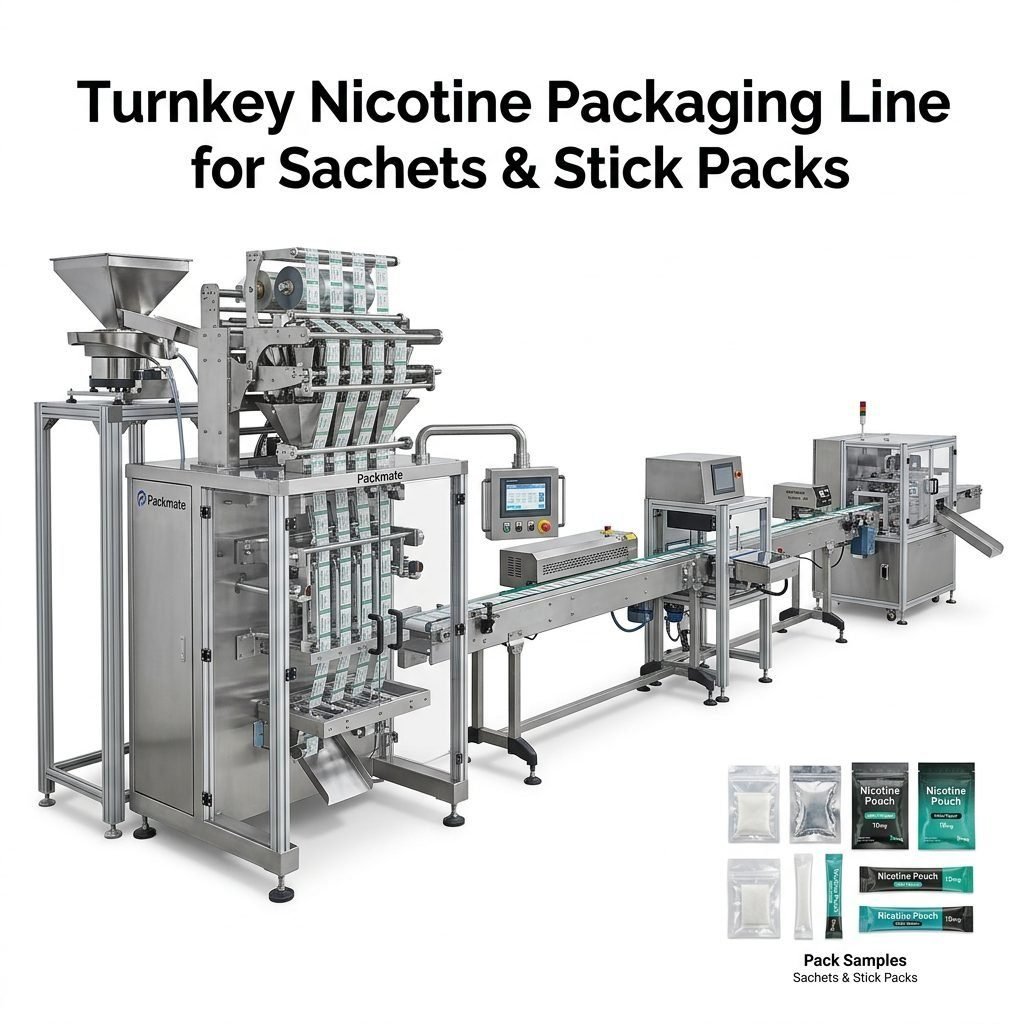
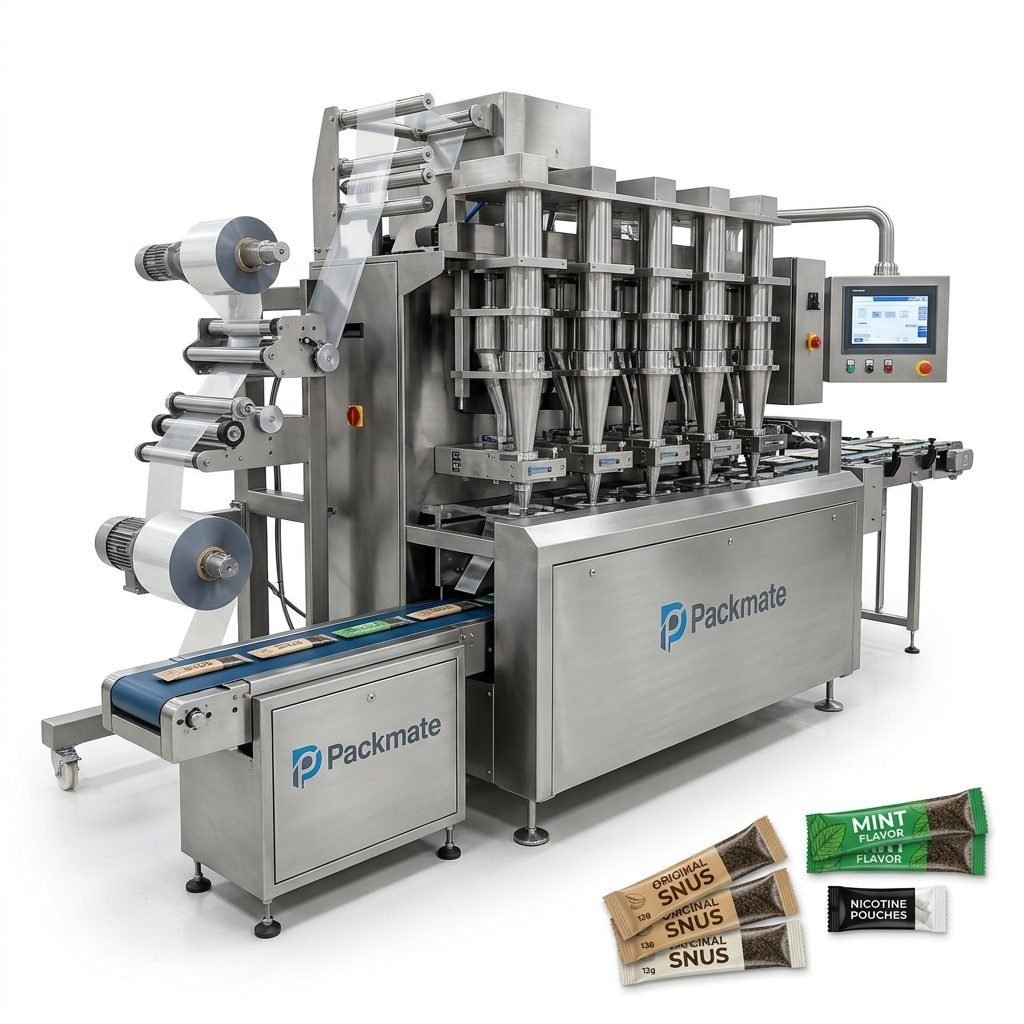
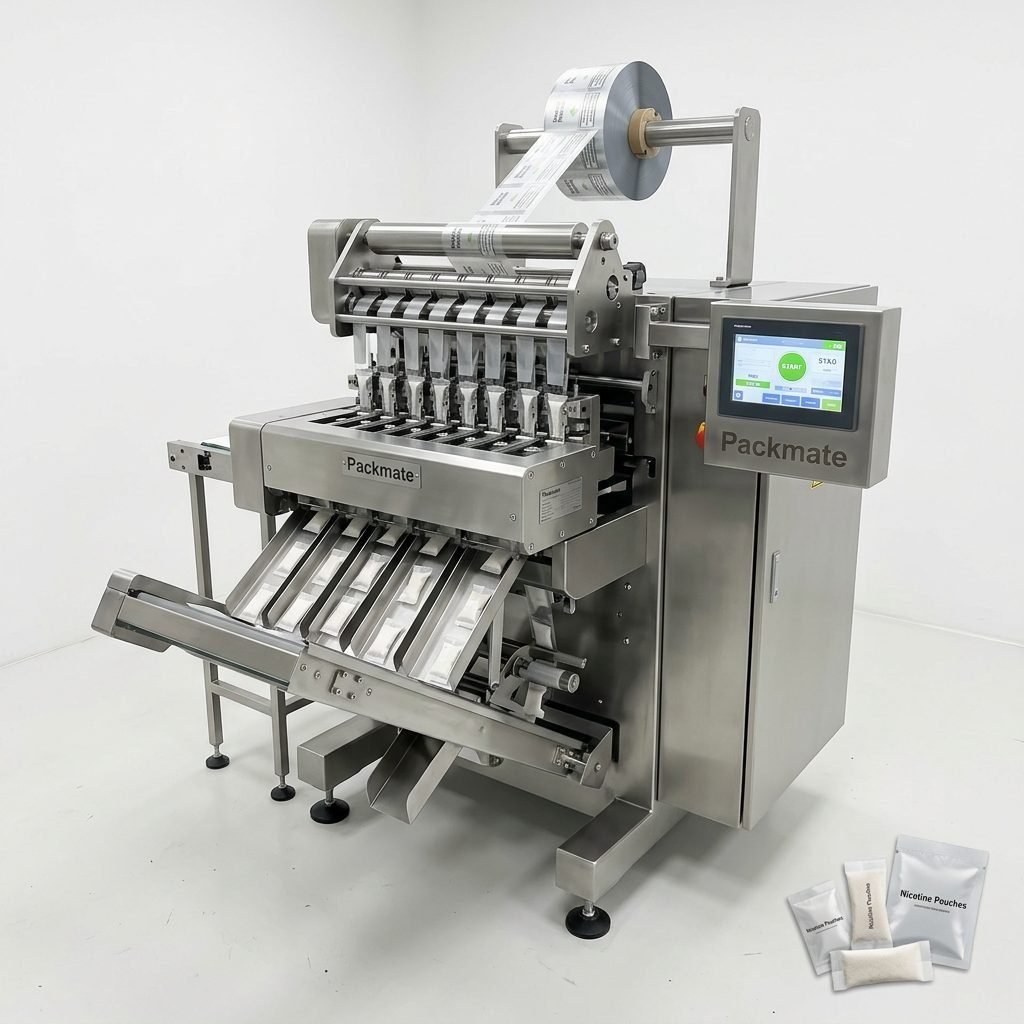
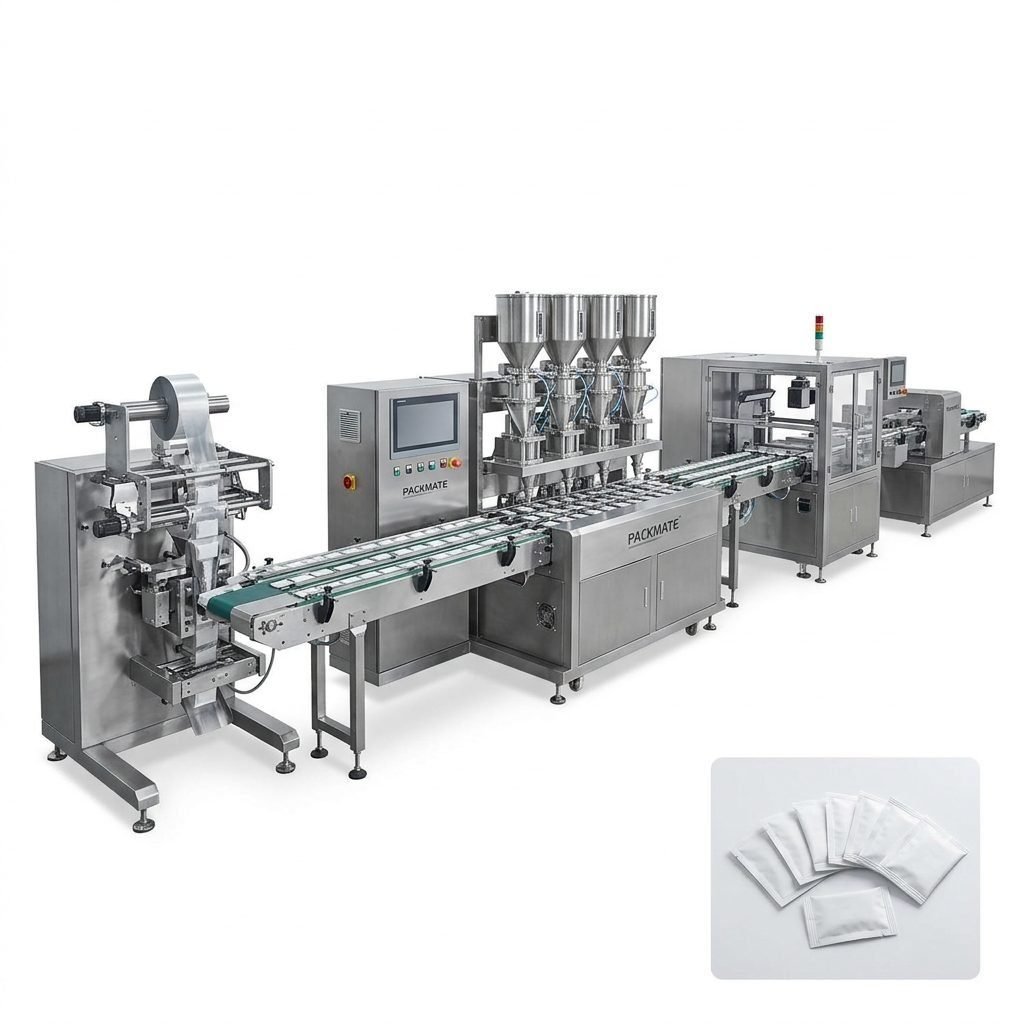
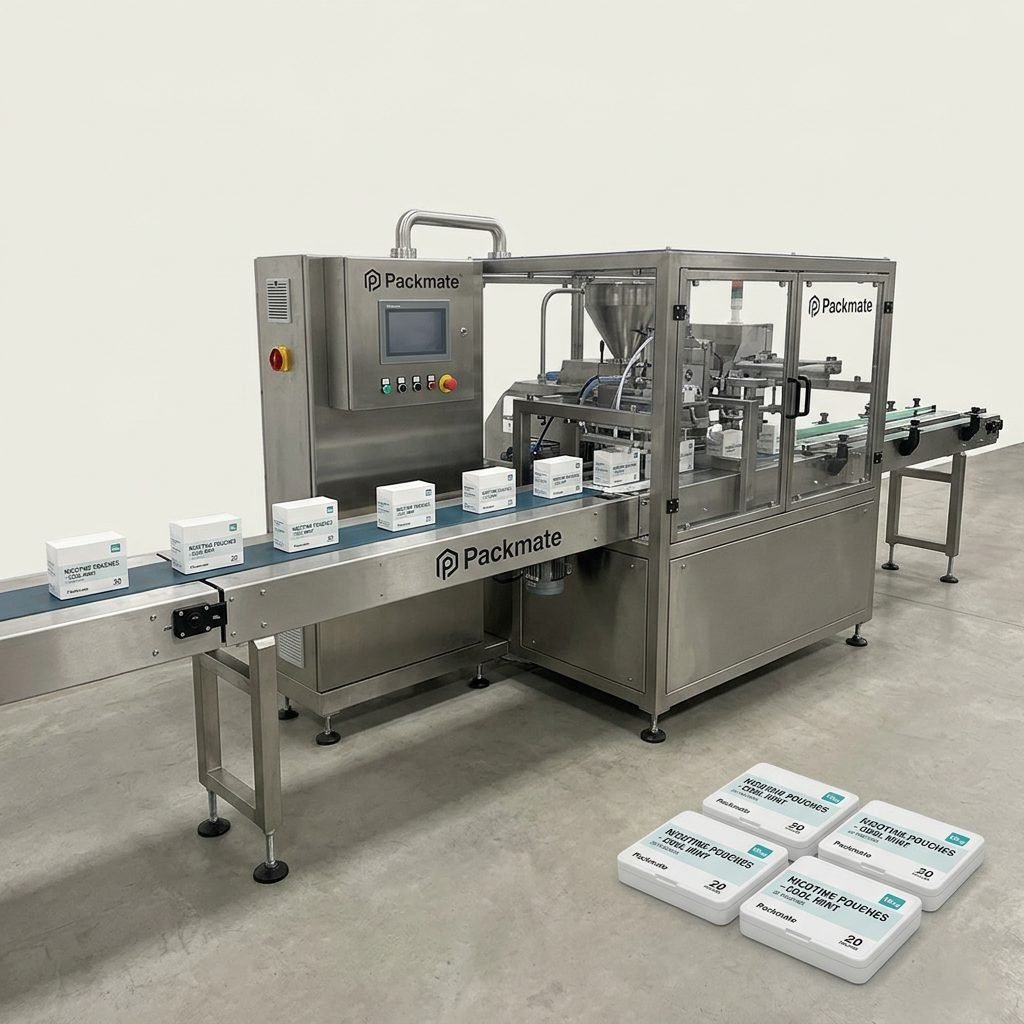
Choosing the right nicotine packaging machine manufacturer in Tanzania is a strategic decision that affects product quality, regulatory compliance, line efficiency, and long-term operational costs. This guide walks you through practical steps and technical checkpoints to help you select a reliable supplier who can deliver stable, compliant, and high-throughput snus and nicotine pouch packaging solutions for your business.
Why selecting the right manufacturer matters
A high-quality packaging partner ensures consistent pouch integrity, precise dosing, minimal downtime, and effective integration with upstream and downstream equipment. In an industry where small deviations in weight or seal quality can create customer complaints or regulatory issues, machine accuracy and supplier reliability are non-negotiable.
Immediate impacts on your business
Selecting the wrong equipment can result in frequent stoppages, increased waste, higher labor costs for manual adjustments, and longer commissioning times. Conversely, a well-chosen snus packing line reduces operational risk and accelerates time-to-market.
Key factors to evaluate
When reviewing manufacturers in Tanzania or those willing to export to the region, prioritize the following core elements.
1. Industry experience and technical pedigree
Look for manufacturers with decades of engineering and packaging expertise, especially in nicotine pouch and snus equipment. Companies with long-term R&D investments will have refined multi-lane systems, dosing mechanisms, and material handling designed for small-dose products.
Tip: prioritize partners that openly share their development history and factory capabilities — these indicators usually reflect long-term stability and engineering depth.
2. Product range and customization
A versatile supplier should offer a portfolio including stick pack, sachet, multi-lane snus packers, and full filling & packaging lines. Review their product pages and catalog to verify available models and customization options — for example, visit their snus-specific solutions like
Snus & Nicotine Packaging Machines
for detailed specs and case examples.
3. Factory capacity, machining and assembly
Verify the manufacturer’s workshop area, CNC machining centers, assembly lines, and testing capabilities. A robust facility with advanced equipment (e.g., a 20,000㎡ plant and precision CNC centers) indicates they can consistently produce high-quality machines at scale.
4. Quality control and certifications
Certified equipment reduces import and market risk. Confirm whether machines meet CE, ISO, or other international standards. Certification demonstrates attention to safety, electrical standards, and manufacturing consistency.
Technical and operational considerations
Machine performance metrics to request
Request data on OEE (Overall Equipment Effectiveness), target throughput (pouches/min), dosing accuracy (mg tolerance), reject rates, changeover time, and average MTTR (mean time to repair). These figures let you compare claims against realistic operational expectations.
Checklist snippet: Request demonstrated throughput data, spare parts lists, recommended preventive maintenance schedule, and a breakdown of consumables.
Material compatibility and flexibility
Nicotine pouches and snus products use specialized substrates and small volumetric dosing. Ensure the equipment supports the film materials, pouch thickness, and filling weights you plan to use. Machines designed for multi-lane small-dose production can dramatically improve output compared with single-lane solutions.
Integration with upstream and downstream systems
Evaluate how the packaging machine will integrate with your weighers, feeders, conveyors, cartoners, or case packers. A supplier that offers full lines and auxiliary equipment can reduce integration headaches — check complementary products like
Weighing & Packaging Systems
and
Auxiliary Packaging Equipment.
After-sales support and lifecycle services
After-sales service is as important as machine performance. Confirm the supplier’s spare parts lead time, remote diagnostics capability, and availability of field service technicians in your region. A manufacturer with global service experience and exhibition presence often has structured support channels.
Red flag: Suppliers who cannot provide clear spare parts lists, service contracts, or remote support options may create long-term maintenance risks.
Training, commissioning and documentation
Proper commissioning and operator training reduce initial setup time and production losses. Ensure the supplier includes on-site commissioning, operator manuals, preventive maintenance guides, and electrical/mechanical drawings. Request video demonstrations or factory acceptance test (FAT) reports when possible.
Cost vs. value: how to compare proposals
The lowest bid isn’t always the best choice. Focus on total cost of ownership (TCO): machine uptime, spare part availability, energy consumption, warranty length, and expected lifecycle. Investing more initially in a proven multi-lane snus line can pay off through lower per-unit costs and fewer interruptions.
Request a transparent quotation
A detailed quotation should list machine models, key components (PLC, servo drives, vision systems), warranty terms, spare parts included, training scope, shipping and installation, and optional extras. Compare line items rather than lump-sum numbers.
Verifying credibility and references
Request references, case studies, or client lists. A strong manufacturer will share installation records across continents and industries. Review sample case pages or success stories to confirm real-world performance; explore documented projects like those found in their case section:
Case.
If visiting in person isn’t possible, ask for a live video factory tour and FAT demonstration. During virtual tours, look for organized workstations, calibration equipment, and functional test areas.
How to conduct a factory visit or virtual audit
Prepare a checklist before your visit: confirm factory size, CNC capabilities, assembly lines, quality control labs, spare parts inventory, and safety standards. Meet the engineering team to discuss customization capabilities and long-term R&D plans.
Must-see items during a visit:
🏭 Modern CNC machining center and assembly lines
🧪 Quality inspection stations and test reports
👥 Engineering and service teams available for discussion
Negotiation and contracting tips
Negotiate clear acceptance criteria tied to FAT and SAT (site acceptance test) results. Include penalties or remediation pathways for missed performance targets. Ensure intellectual property issues, software ownership, and control system licenses are explicitly stated.
Warranty and spare part commitments
Ask for guaranteed lead times on critical spares and a parts availability matrix for the first 3–5 years. A credible manufacturer will commit to stocking key wear parts or offering regional distribution.
Evaluating long-term partnerships
Packaging equipment is a long-term asset. Choose suppliers that provide continuous improvement programs, regular updates, and are open to iterative enhancements. A manufacturer with global turnkey experience and exhibition participation is often better positioned to support scale-up plans — learn more about their company profile and mission at
About Packmate.
Sustainability and energy usage
Inquire about energy consumption per hour, recyclable materials used in production, and opportunities to reduce packaging waste. Sustainable designs can improve brand perception and reduce operational costs long-term.
Practical purchasing checklist
Use this concise checklist when you review proposals:
✅ Technical specifications: throughput, dosing accuracy, lane count, film types.
✅ Delivery & commissioning: lead time, shipping terms, on-site setup.
✅ Service & spares: spare parts list, response time, warranty.
✅ References & demos: factory acceptance test, video demos, client cases.
Why Packmate-style partners are often a safe choice
Manufacturers with deep experience in snus and nicotine pouch equipment typically provide a broad range of machines, advanced machining capabilities, and global turnkey experience. Firms that emphasize multi-lane solutions, precision dosing, and global certifications can help expedite production scale-up while minimizing common pitfalls.
If you want to explore product lines or request technical consultations and catalogs, useful references include their product categories such as
Bag & Pouch Packaging Machines
and
Sachet & Stick Pack Machines.
Final selection flow (quick)
Step 1: Collect 3–5 suppliers and request detailed specs and FAT videos. Step 2: Compare TCO, not just capital cost. Step 3: Verify factory capabilities and references. Step 4: Negotiate acceptance tests and spare parts agreements. Step 5: Arrange commissioning, training, and documented handover.
Next steps and contact
Start by defining your target daily output, pouch format, and material specifications. Reach out to shortlisted manufacturers with this information to receive tailored proposals and FAT scheduling. For direct engagement, use the manufacturer’s official contact channel:
Contact Us.
Summary: making a confident choice
Choosing the best nicotine packaging machine manufacturer in Tanzania or for shipment to Tanzania hinges on rigorous technical evaluation, transparent performance data, credible factory capabilities, and strong after-sales support. Focus on total cost of ownership, verifiable references, and clear contractual acceptance criteria to protect your investment.
Commonly asked questions
Q1: How long does it typically take to install a snus packaging line?
A1: Installation time varies by line complexity. A compact single-line may be commissioned within 2–4 weeks after delivery, while multi-lane turnkey lines can take 6–12 weeks including on-site setup and process validation.
Q2: What certifications should I require for machines imported into Tanzania?
A2: CE and ISO certifications are commonly requested for safety and quality assurance. Additionally, ensure electrical components meet local import and safety requirements, and request documentation that supports customs clearance.
Q3: Are virtual FATs (factory acceptance tests) reliable for final purchase decisions?
A3: Virtual FATs can be very effective when combined with detailed test protocols, live demonstrations, and follow-up documentation. For higher-value systems, consider combining virtual FAT with contract terms that allow for additional acceptance checks upon arrival.
Q4: How do I ensure spare parts availability over the machine lifecycle?
A4: Require a spare parts matrix in your procurement contract, negotiate guaranteed lead times, and consider stocking critical wear items locally. Choose suppliers with global distribution or regional warehouses to shorten lead times.
Q5: Can suppliers support full turnkey solutions including weighing and secondary packaging?
A5: Many experienced packaging machine manufacturers offer integrated solutions that include weighing, filling, and downstream packing. Review their product range like
Filling & Packaging Lines
to evaluate combined solutions and reduce integration efforts.