Choosing the right snus packaging machinery manufacturer is a critical decision for any nicotine pouch or snus producer aiming to scale up, improve consistency, and protect product quality. This guide walks you through practical, production-focused criteria to evaluate manufacturers in Moldova and beyond, so you can match machine capabilities to your specific output, budget, and regulatory needs.
🔎 Understand Your Production Needs
Before contacting manufacturers, document your current and future production goals. Key parameters to define include estimated daily output, target package formats (loose snus tubs, sachets, portion pouches, nicotine pouches), pouch weight tolerance, and required lanes (single vs multi-lane). Also note any special requirements such as modified atmosphere packaging (MAP), nitrogen flushing, or specific tracking and coding systems.
A clear spec sheet will help you compare offers objectively. If you plan to expand volumes quickly, prioritize modular or multi-lane designs that can scale without full line replacement.
⚙️ Common Machine Types for Snus & Nicotine Pouches
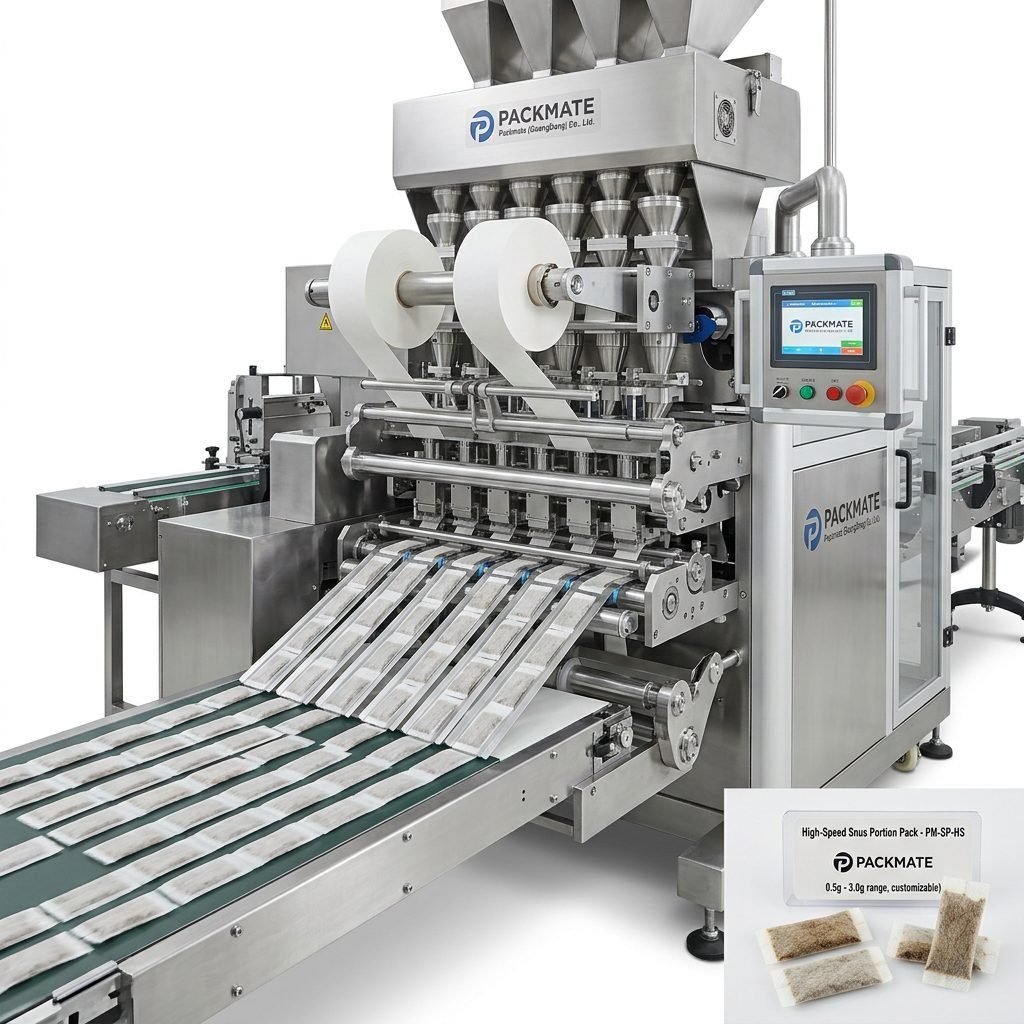
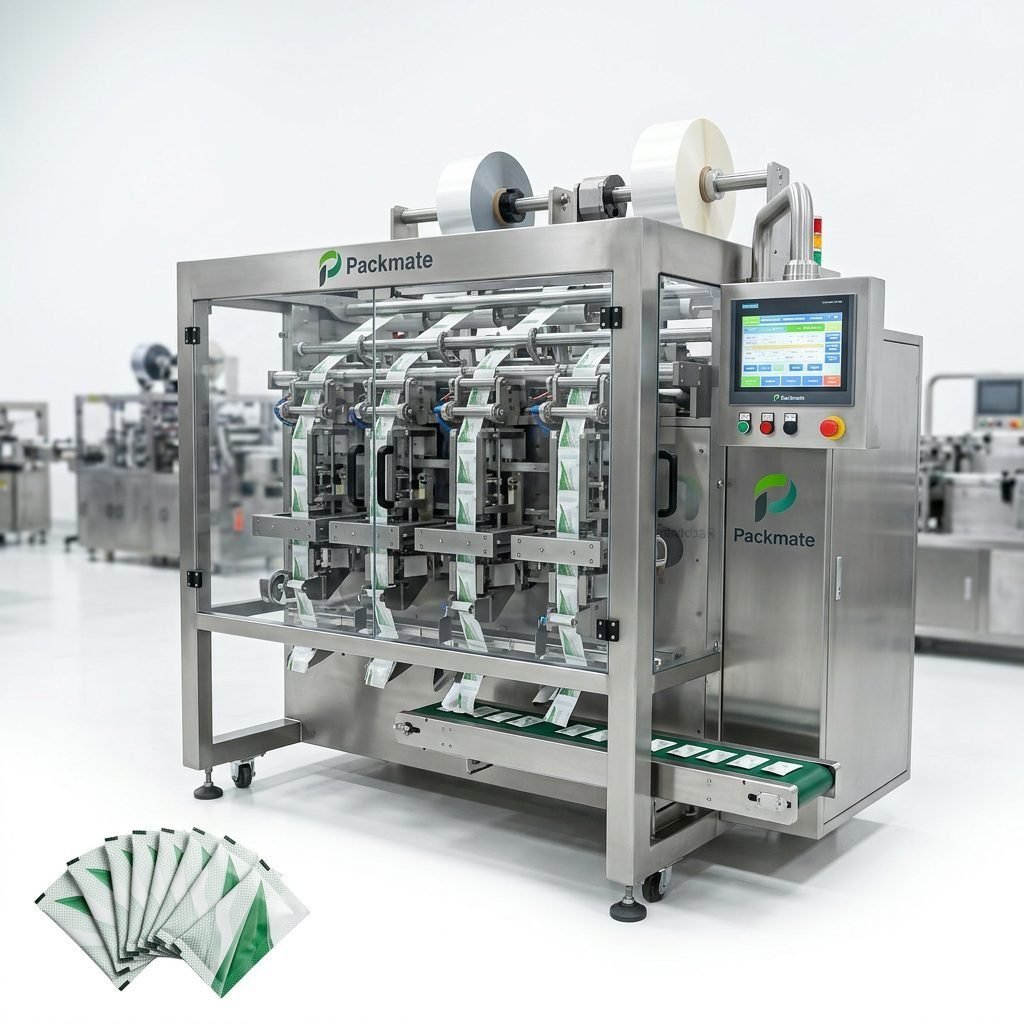
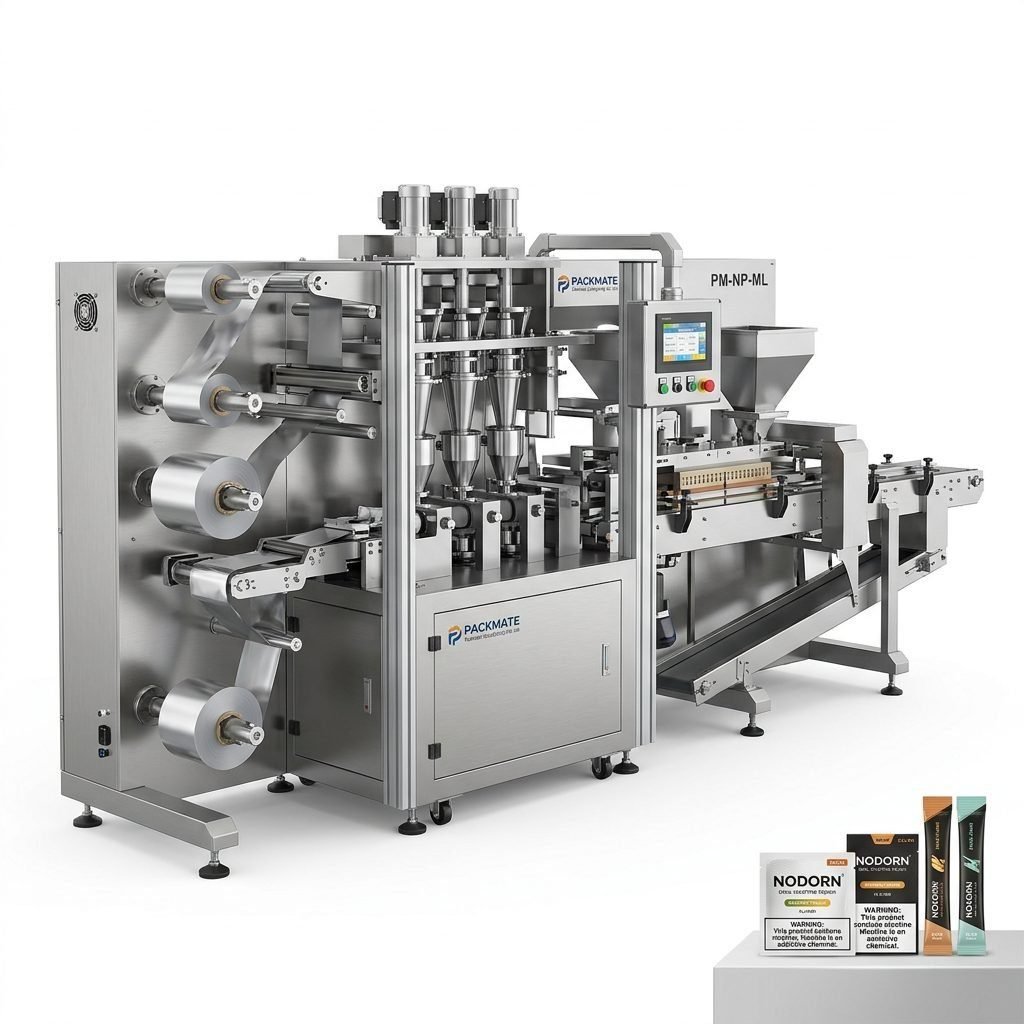
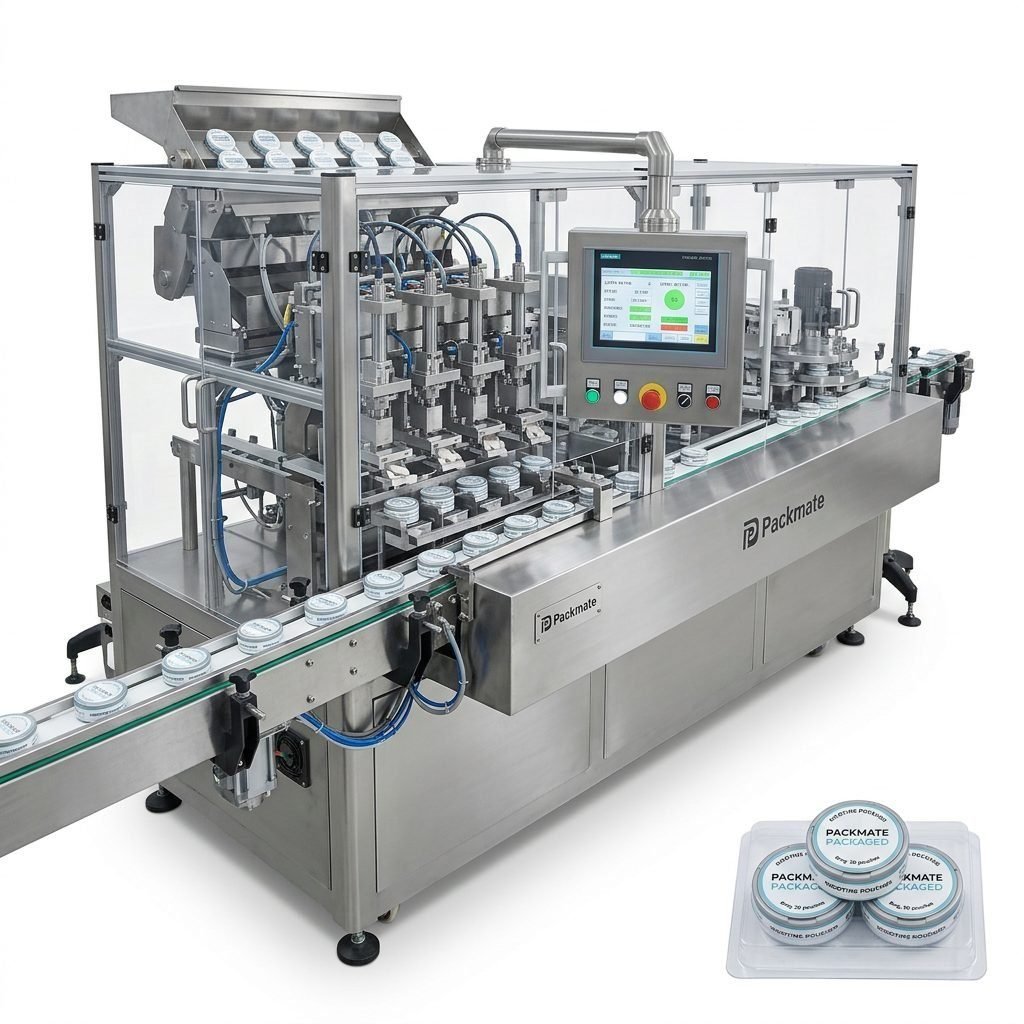
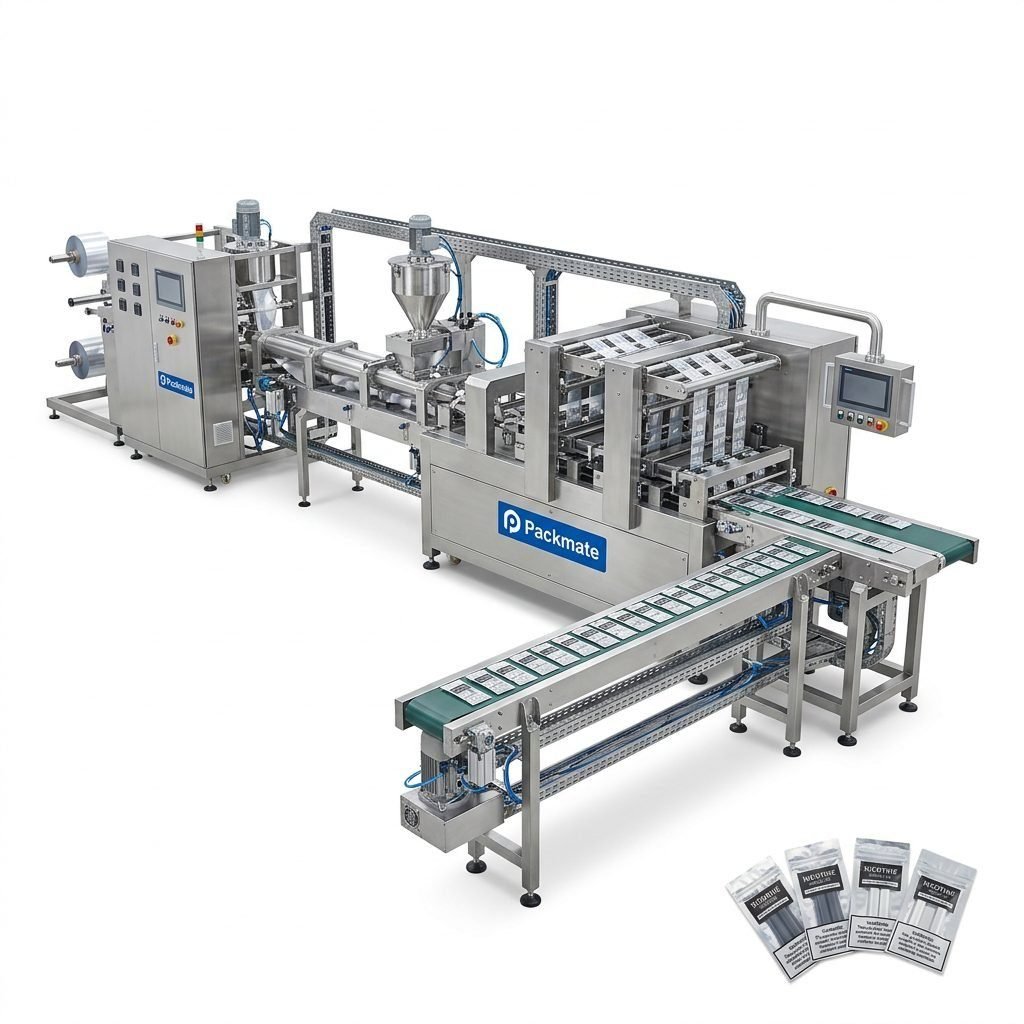
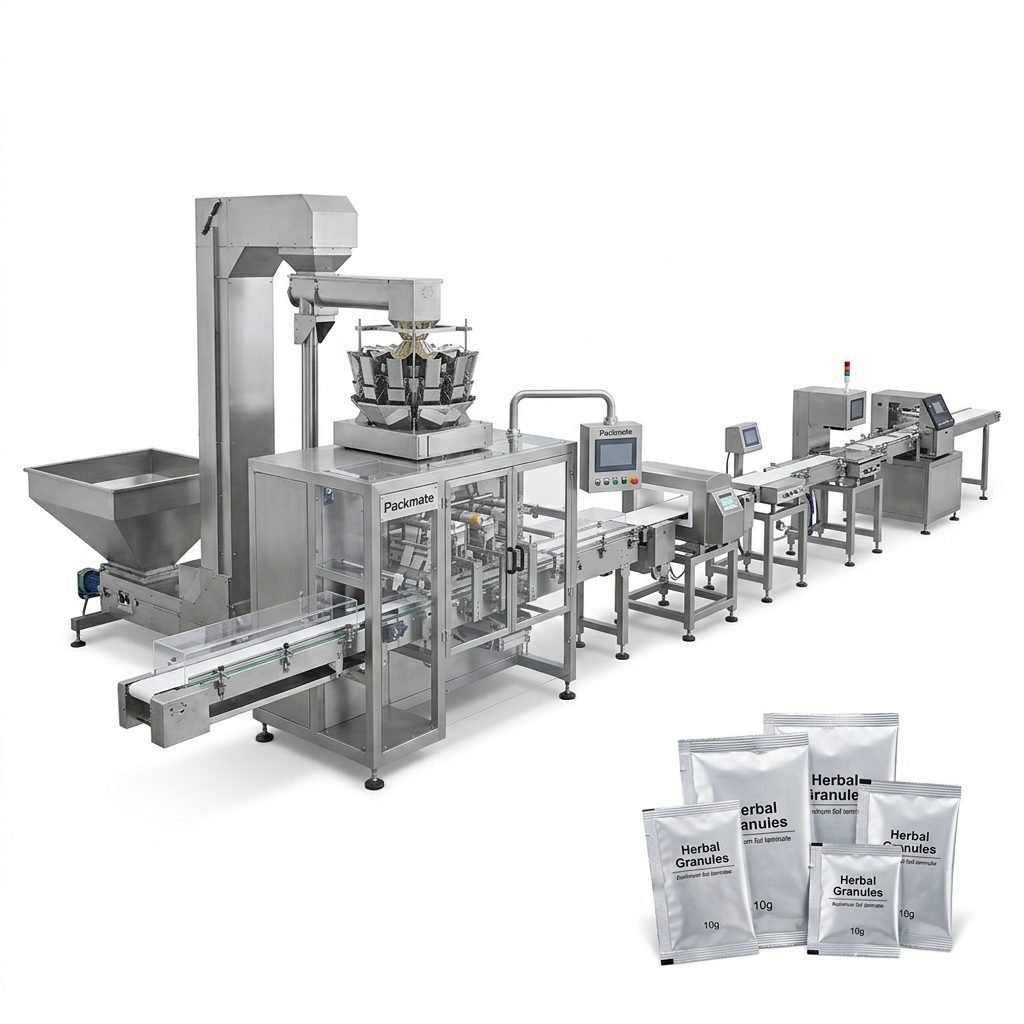
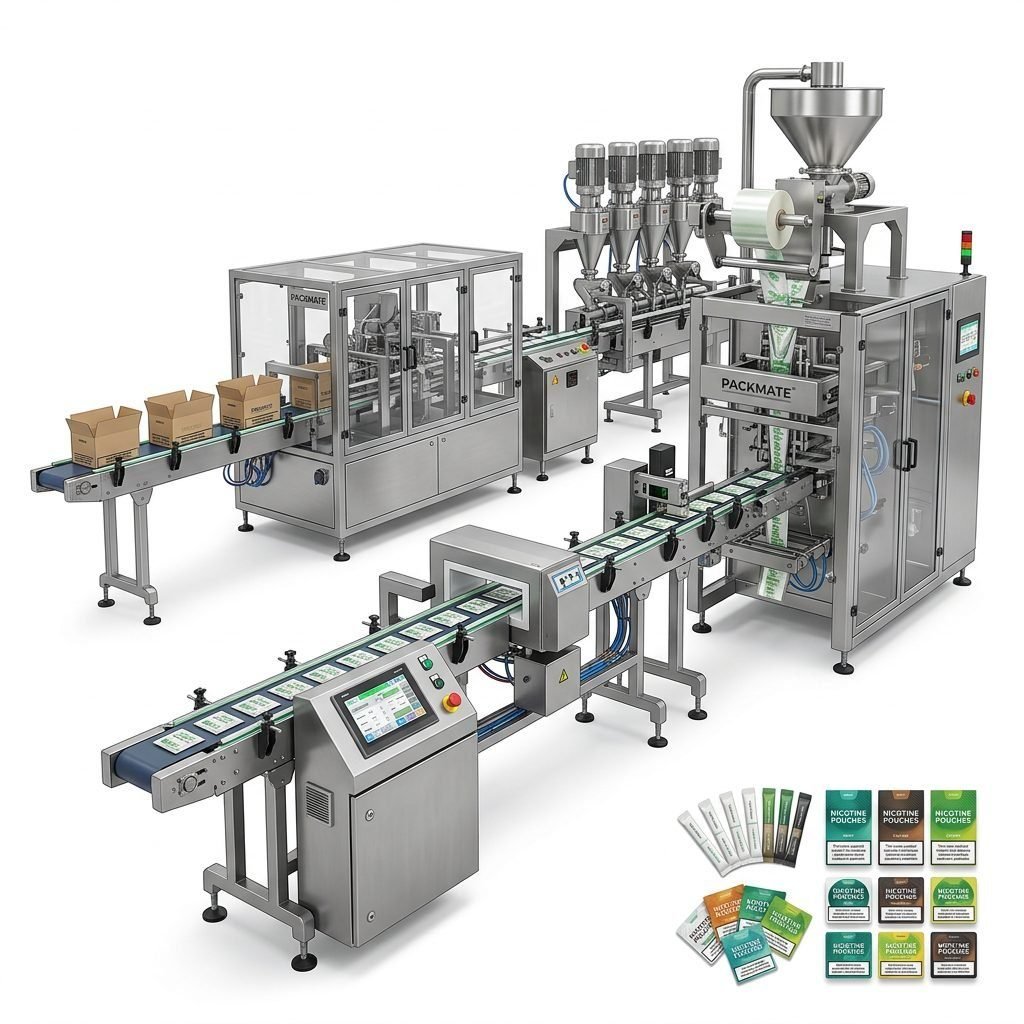
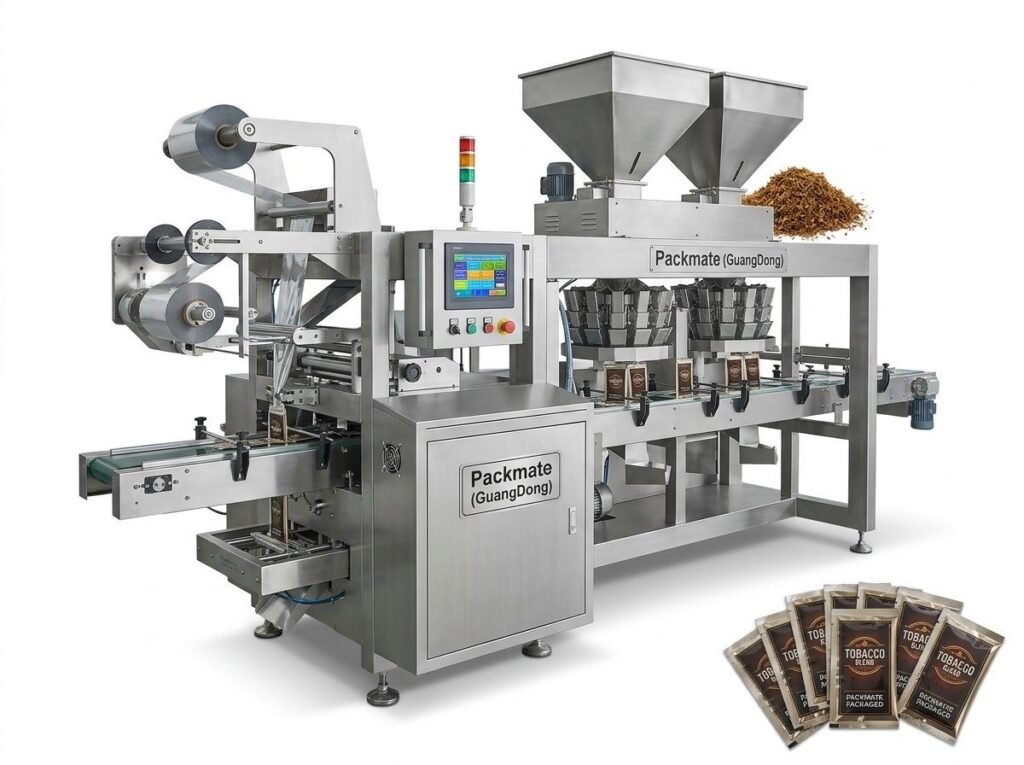
Familiarize yourself with the machine categories so you can ask precise questions: pouch forming and filling machines, stick pack and sachet machines, multi-lane pouch lines, filling & packaging lines for powders or granules, and auxiliary equipment such as feed hoppers and conveyors. For product examples and detailed models, review suppliers’ product pages like
Snus & Nicotine Packaging Machines and
Sachet & Stick Pack Machines.
✅ Key Selection Criteria
1. Industry Experience & Track Record
Look for manufacturers with a proven history in snus and nicotine pouch packaging. Experience in this niche indicates familiarity with small-dose accuracy, hygiene requirements, and regulatory compliance. Packmate Snus Machine, for example, brings 30+ years of engineering experience and a dedicated focus on snus packing machinery that reduces risk for buyers seeking maturity and stability.
2. Factory Capacity & Manufacturing Strength
Verify the manufacturer’s facility size, machining capabilities, and testing processes. A modern plant with CNC machining centers and strict quality control, plus a large manufacturing footprint (for instance, a 20,000㎡ facility), typically correlates with better parts quality, faster lead times, and more reliable assembly.
Pro tip: ask for factory photos, an equipment list, and examples of CNC or precision processes. Manufacturers with visible investments in machining and inspection are more likely to deliver machines that run consistently over time.
3. Machine Performance & Technical Specs
Compare machine outputs (packs per minute), filling accuracy (± tolerance), power consumption, and changeover times. For multi-lane systems, check lane synchronization, pouch sealing quality, and lane-level rejection systems. Ask for performance curves under real product conditions — not just theoretical maximums.
4. Customization & Turnkey Solutions
Many producers need tailored solutions — whether it’s integrating a custom feeder, labeling station, or automated cartoning. Suppliers that offer turnkey packaging lines and customization services reduce integration risk. If you need a full line, check specialized pages like
Filling & Packaging Lines.
5. Certifications & Compliance
Ensure the manufacturer adheres to international standards such as CE and ISO when supplying to regulated markets. Certifications reflect attention to safety, electrical standards, and quality management — critical for export and insurance purposes.
6. After-Sales Service, Spare Parts & Training
Evaluate service networks, spare parts lead times, and whether the supplier provides on-site commissioning and operator training. Ask how spare parts are shipped (air vs sea) and whether they provide kits for critical wear items. Suppliers that commit to long-term partnerships reduce downtime and operating costs.
Red flag: vendors who cannot provide references, site acceptance testing (SAT), or clear spare parts policies may leave you exposed to long outages.
💡 Commercial & Logistical Considerations
Price vs Total Cost of Ownership
Don’t make decisions based solely on initial purchase price. Calculate the total cost of ownership: energy usage, predicted maintenance, parts replacement, operator hours, and expected lifetime. Sometimes a higher upfront cost yields lower operating expenses and a better ROI.
Lead Times & Delivery
Confirm production lead times, packing for shipment, and customs documentation. Especially for international orders, clear delivery terms (FOB, EXW, CIF) and realistic lead times matter. If the supplier has experience exporting globally, they can usually provide smoother logistics; consider viewing the supplier’s case studies at
Case.
Warranty & Performance Guarantees
Agree on warranty scope and what constitutes acceptable performance during warranty. A clear Service Level Agreement (SLA) specifying response times for critical failures is essential for high-volume operations.
📋 Pre-Purchase Checklist
Use this checklist when evaluating manufacturers:
🔸 Request machine demo videos and factory acceptance test (FAT) reports.
🔸 Ask for client references, especially from similar product lines.
🔸 Get detailed spare parts lists and estimated annual consumption.
🔸 Confirm CE/ISO documentation, electrical schematics, and software backup policies.
Checklist highlight: insist on a FAT and commissioning plan with real product testing. This ensures the machine performs under your operating conditions before shipment.
🔧 Integration, Training & Ongoing Support
Smooth integration requires coordination between your process engineers and the supplier. Clarify electrical interface needs, PLC communication protocols, and floor space/layout constraints. Confirm whether the supplier offers remote diagnostics or local technical partners to shorten repair times. For more on company background and support, explore
About Packmate and their service offerings at
Service.
⏱️ Timeline from Inquiry to Production
Typical milestones include initial inquiry and specification alignment, proposal and commercial terms, deposit and manufacturing start, FAT and acceptance, shipping, onsite installation and training, and final acceptance. Lead times vary widely by complexity; discuss realistic schedules and contingency plans for delays.
📦 Final Considerations Before Signing
Before committing, ensure clarity on spare parts lead times, escalation contacts for critical failures, IP ownership for any custom automation, and a clear training schedule for operators and maintenance personnel. If possible, visit the factory to see production standards first-hand or request a virtual factory tour.
Why choose a specialized supplier? Suppliers focused on snus and nicotine pouch lines bring specific process knowledge — from dosing small grams consistently to hermetic sealing — which general packaging vendors may lack.
📞 Next Steps & Contacting Suppliers
Prepare a clear RFP that includes product specs, target speed, required uptime, regulatory needs, and layout constraints. Send this to shortlisted manufacturers and ask for itemized quotations, lead times, and FAT plans. If you need help starting the conversation or want to see solutions for various packaging formats, the supplier’s catalog and exhibition pages can be helpful references:
Catalog and
Our Exhibition.
Frequently Asked Questions
Q1: How long does it typically take to deploy a snus pouch packaging line from order to production?
A1: Delivery time ranges from a few weeks for simple retrofits to several months for fully customized multi-lane turnkey lines. Expect 8–16 weeks for many custom systems plus additional time for FAT and commissioning.
Q2: What certifications should I insist upon when buying from an international manufacturer?
A2: Request CE marking for Europe, ISO quality management documentation, electrical schematics, and material-contact compliance where applicable. If exporting to regulated markets, ensure documentation meets local import requirements.
Q3: Can machines be tested with our actual product before shipment?
A3: Reputable suppliers offer FAT using your product or a close simulant. This test demonstrates performance, accuracy, and sealing characteristics and is highly recommended.
Q4: What after-sales support should I expect?
A4: Expect spare parts availability, remote troubleshooting, optional onsite technician visits for commissioning, and training for operators and maintenance teams. Clarify spare parts delivery methods and response times in the purchase contract.
Q5: How do I assess true long-term costs beyond the purchase price?
A5: Calculate energy usage, maintenance intervals, spare parts consumption, expected downtime, and operator labor. Compare warranties and service responsiveness to estimate total cost of ownership and ROI.
For direct inquiries or to discuss turnkey solutions tailored to nicotine pouch production, you can reach out to the manufacturer’s contact page:
Contact Us.