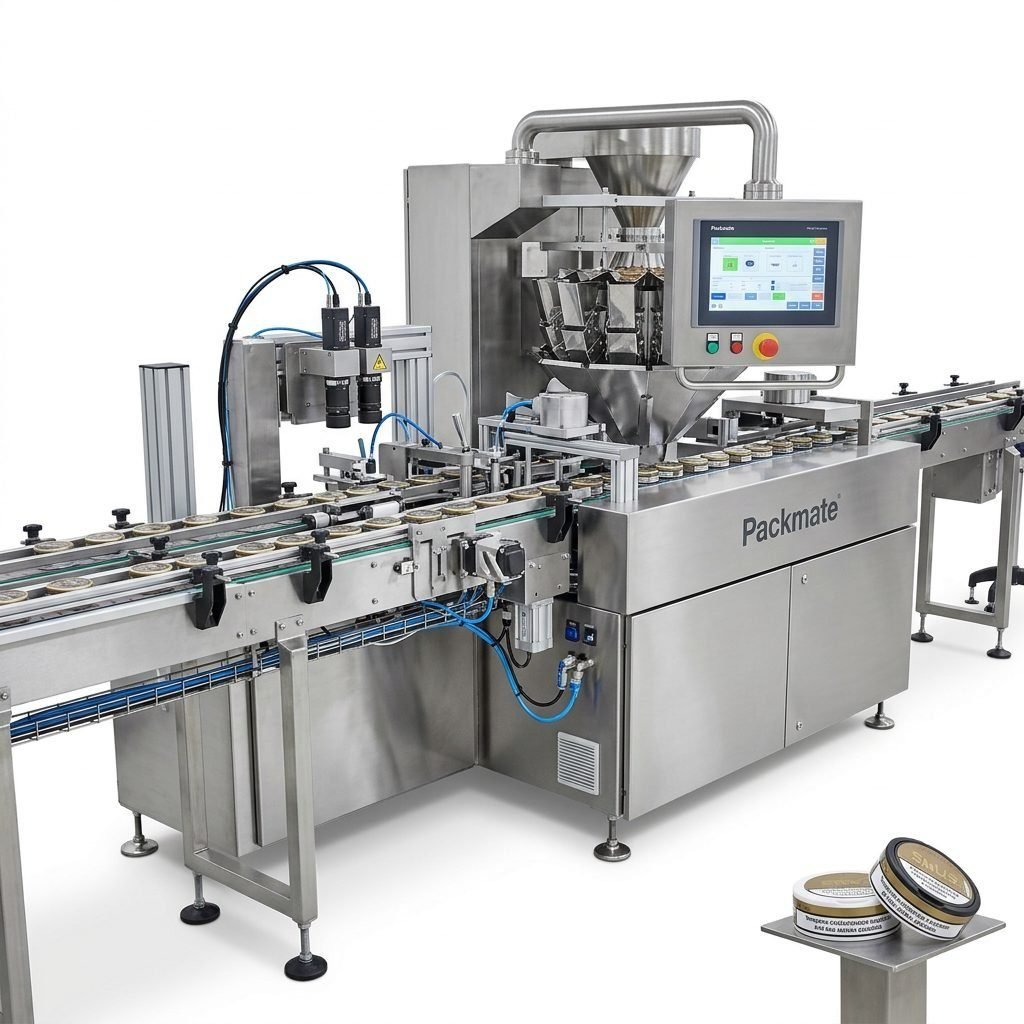
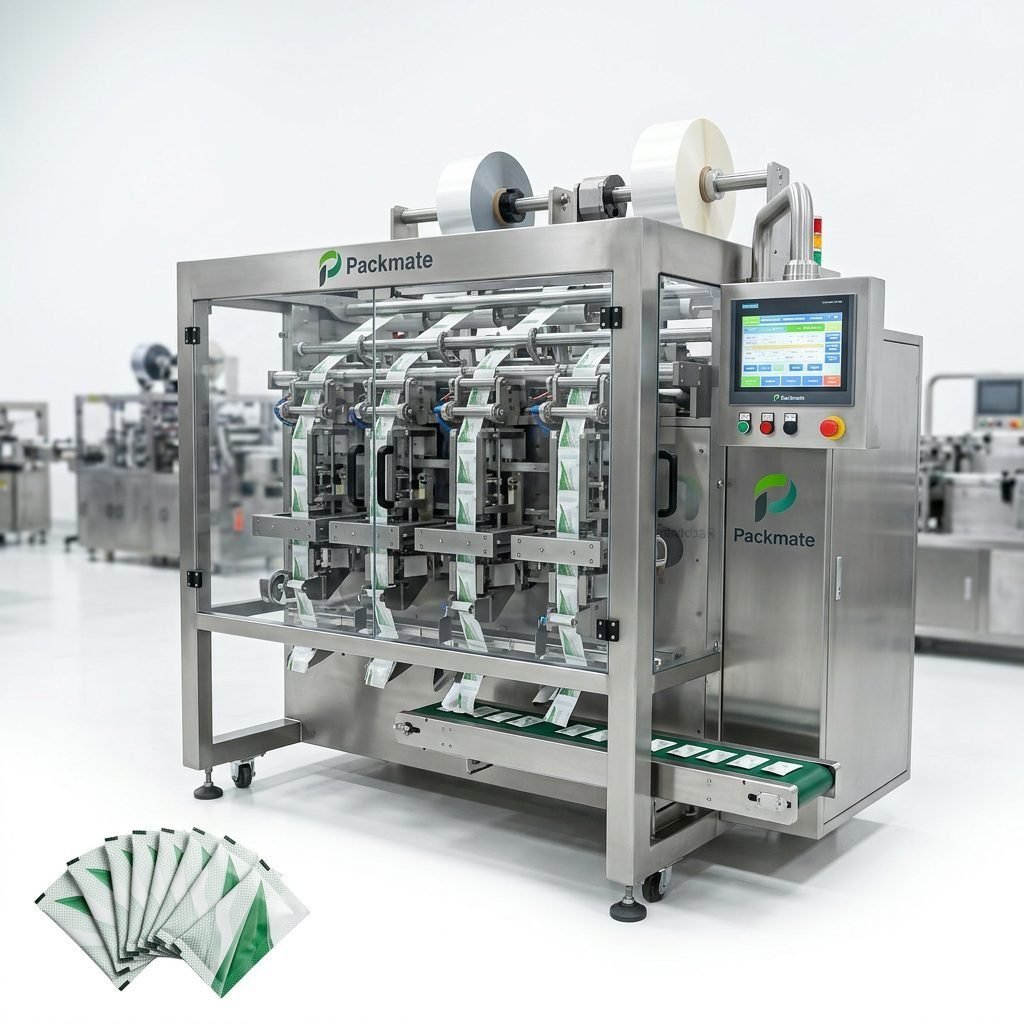
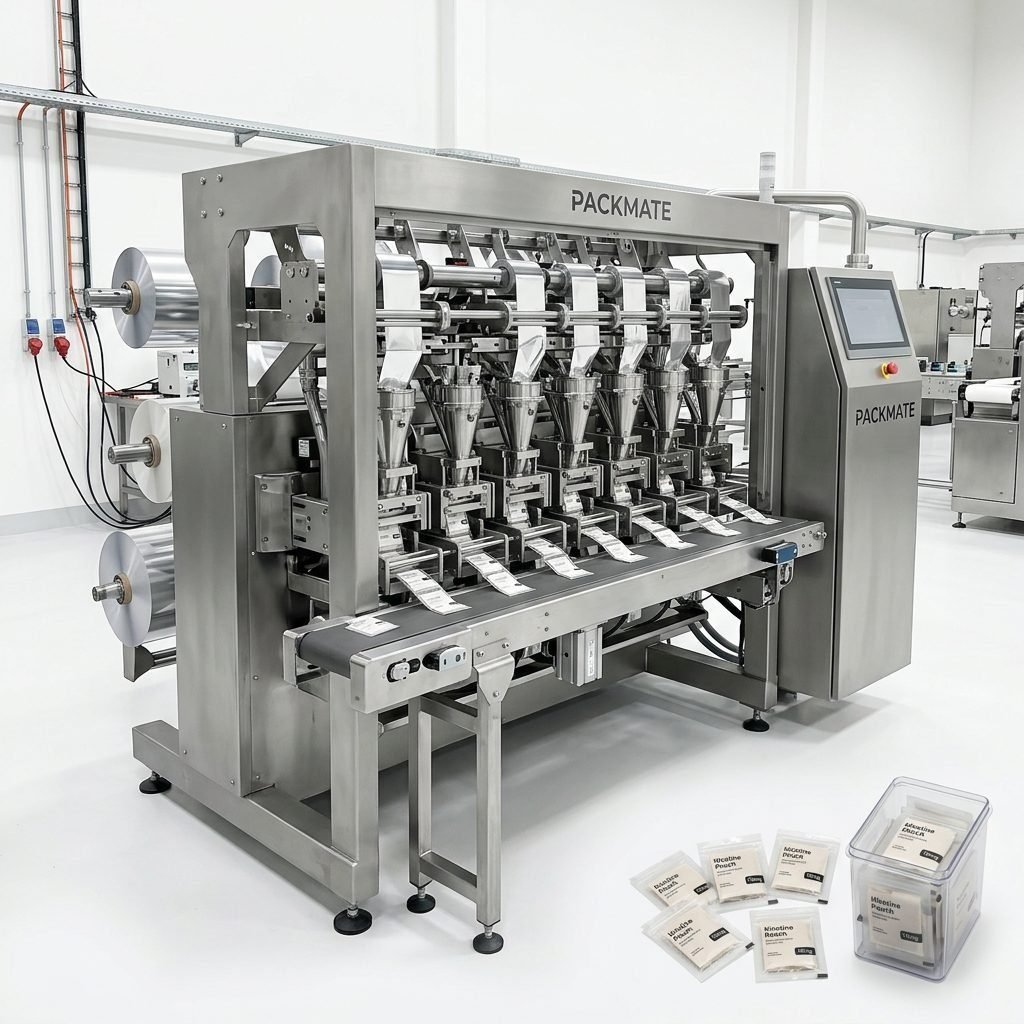
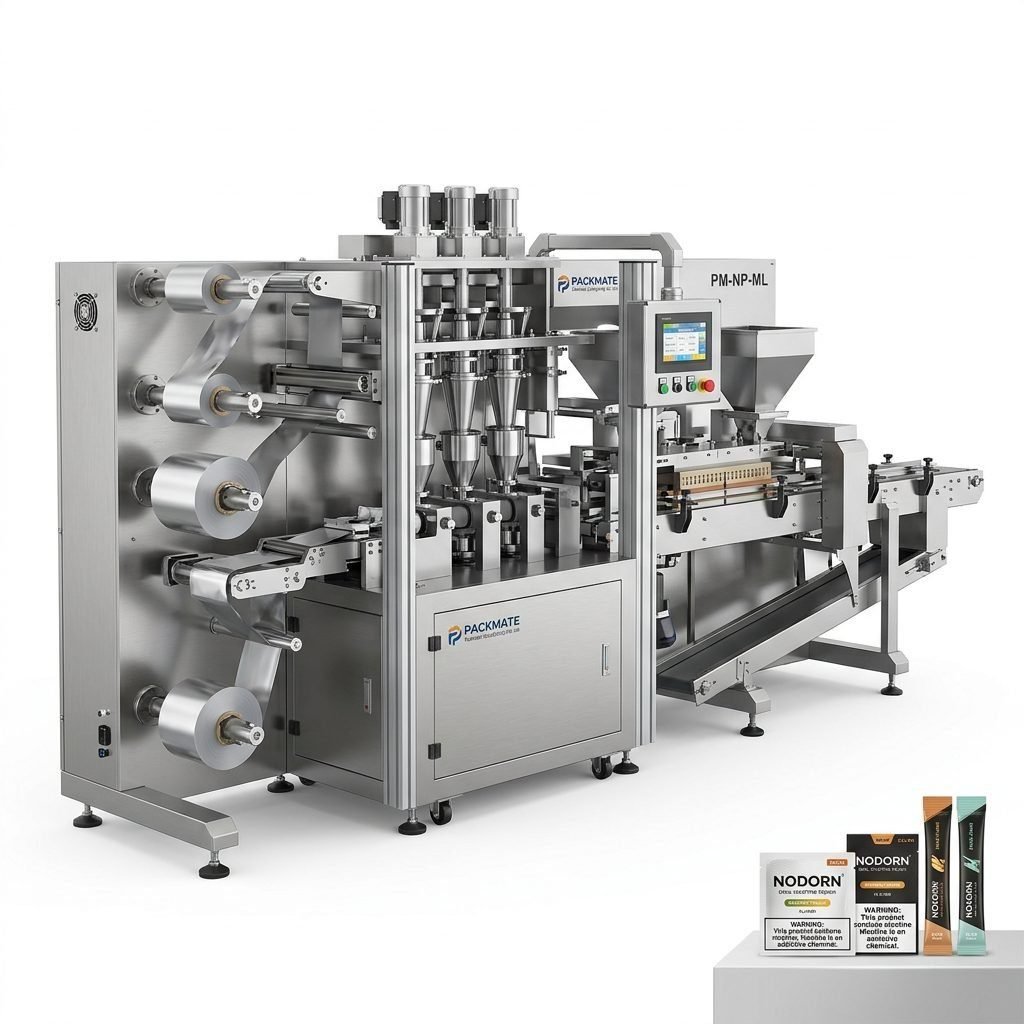
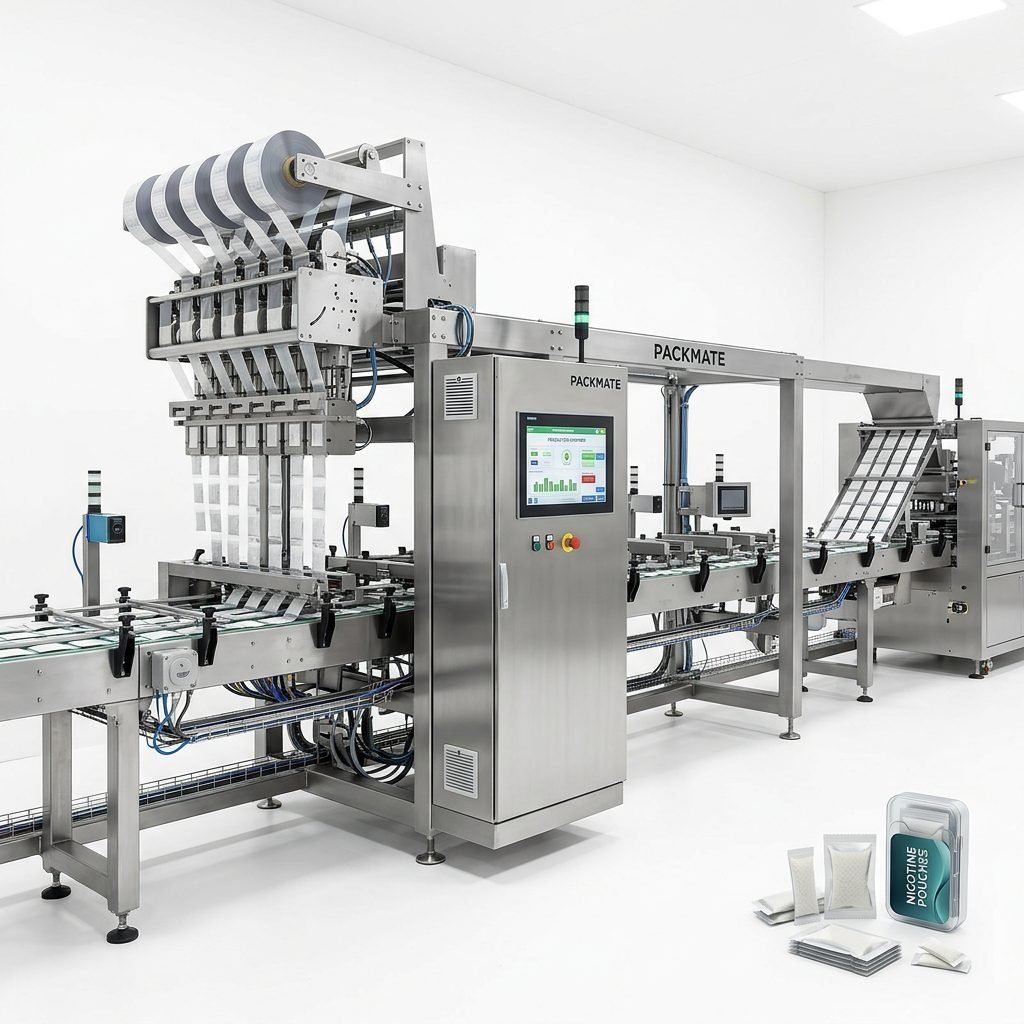
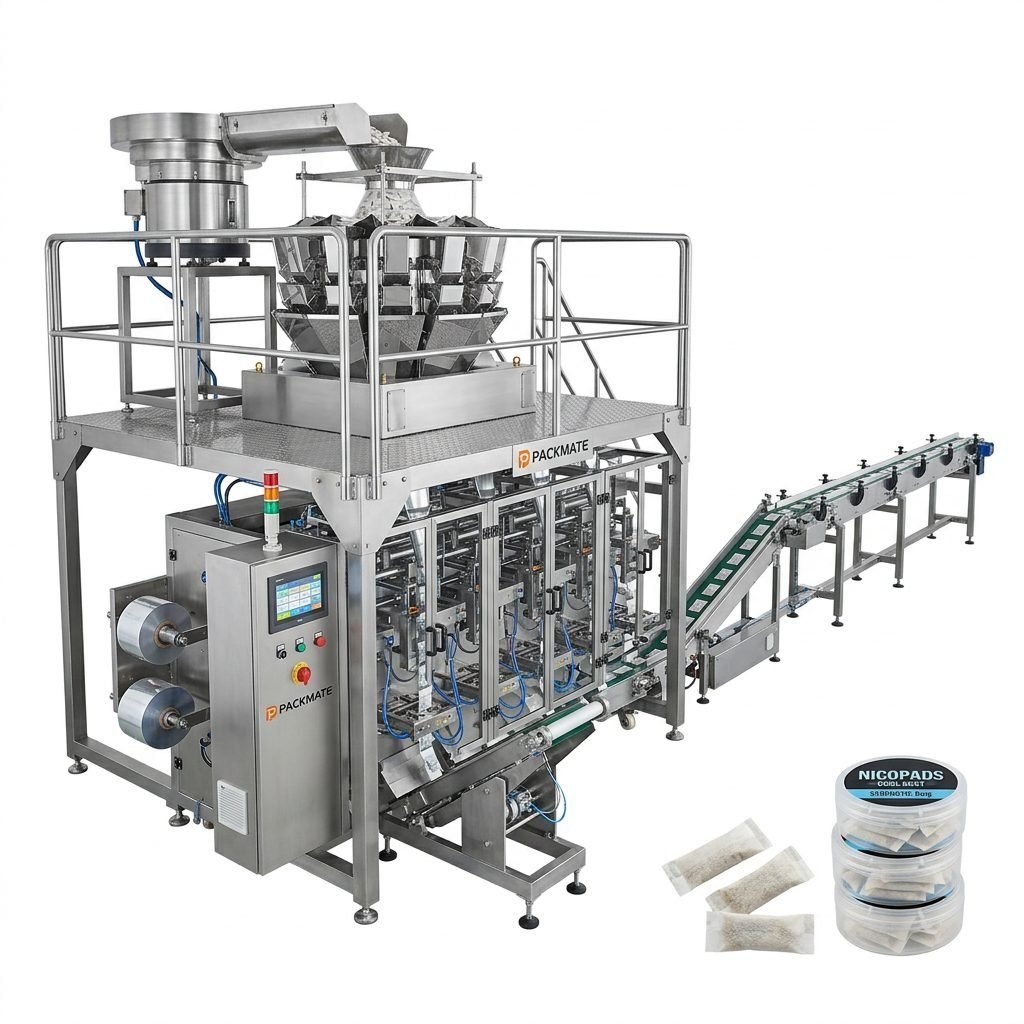
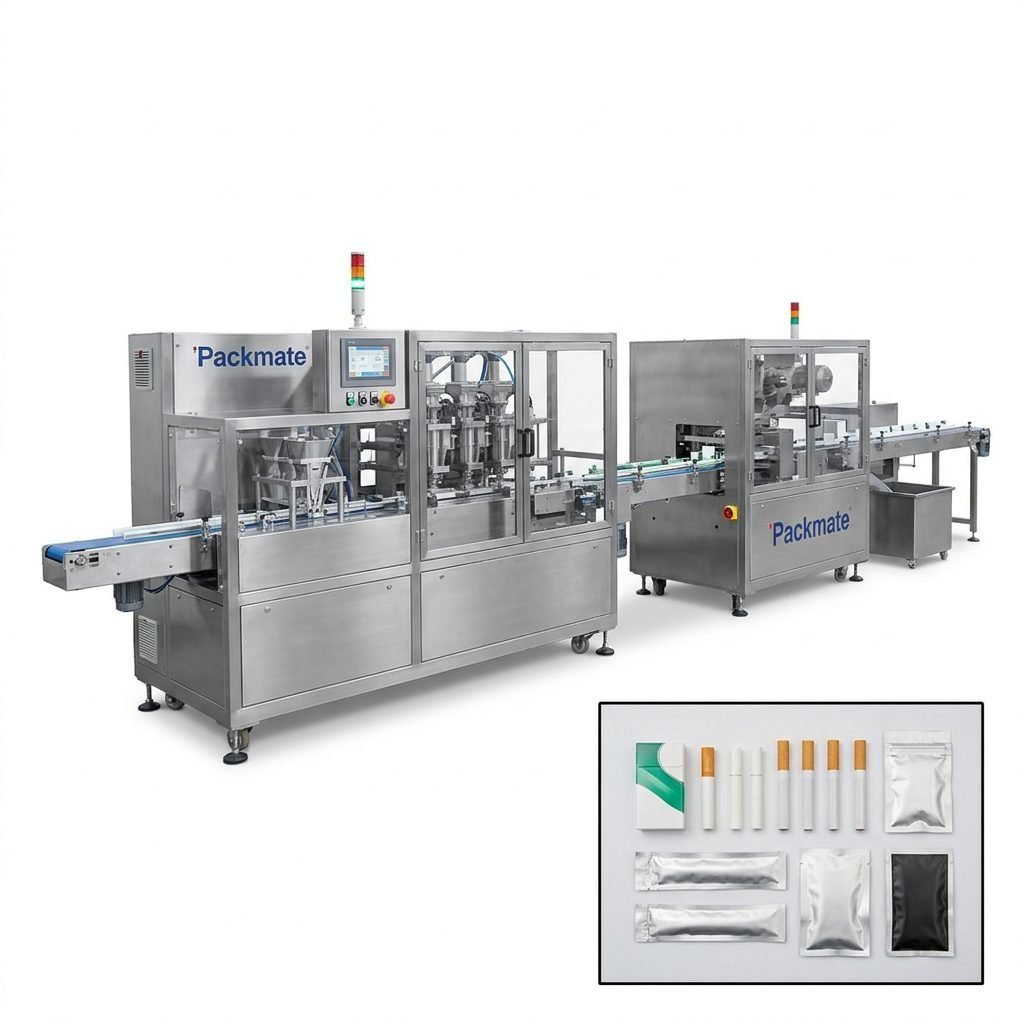
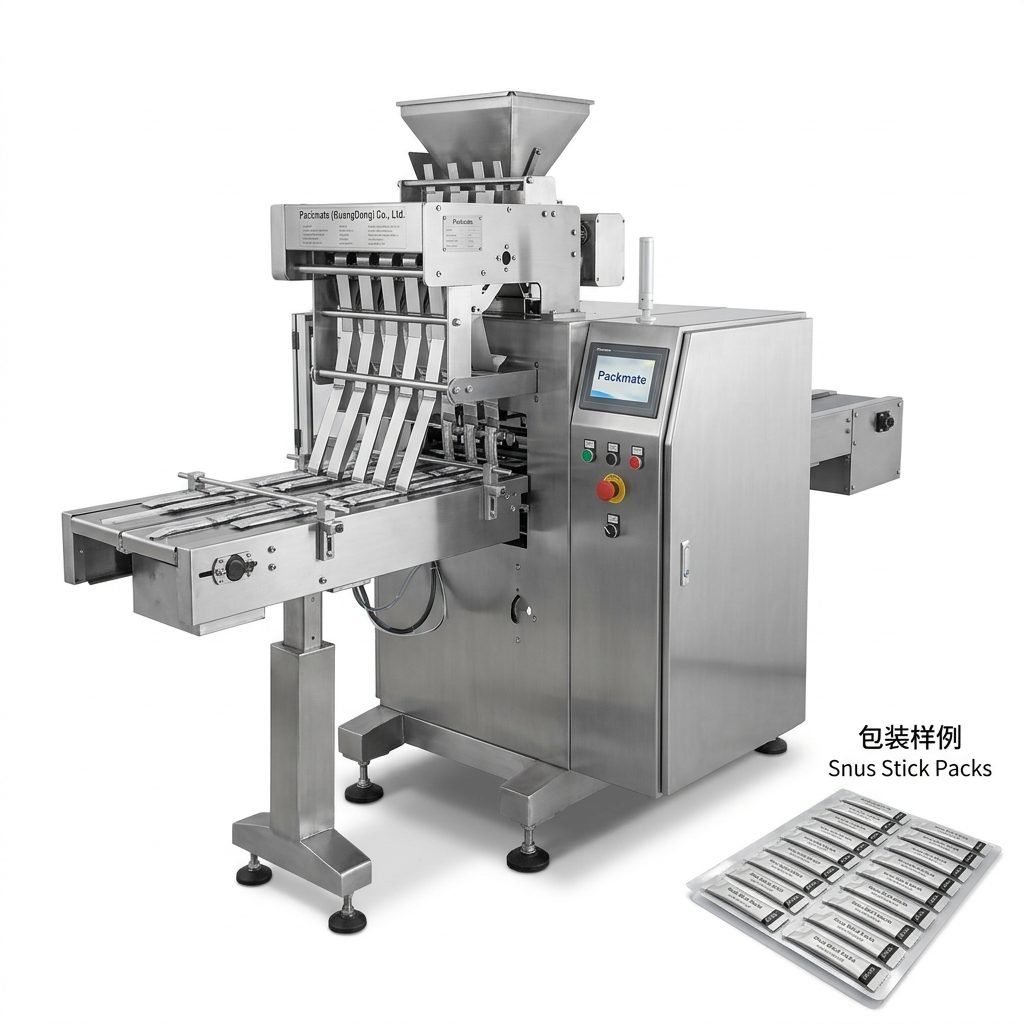
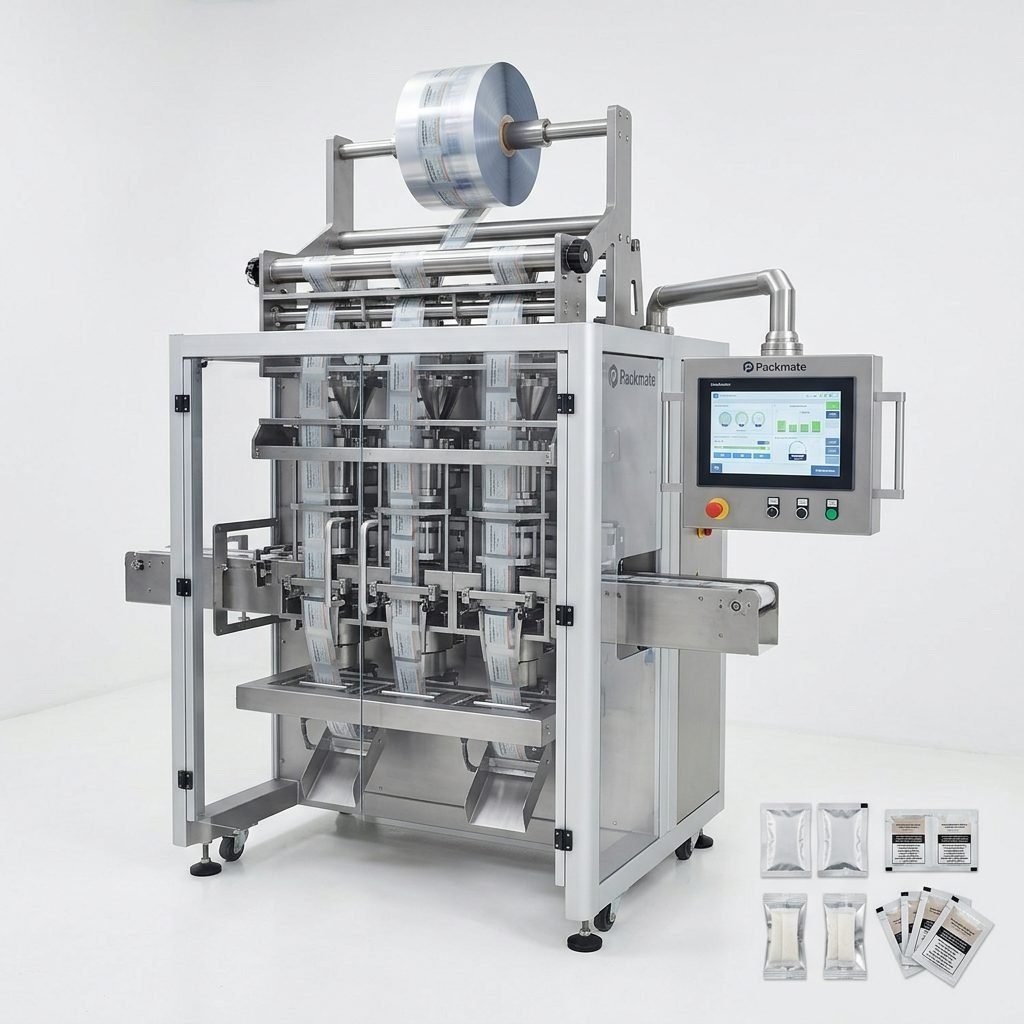
Choosing the right nicotine packaging machinery manufacturer is a strategic decision that affects product quality, regulatory compliance, production uptime, and long-term costs. For businesses operating in Canada, the right partner should combine technical expertise, proven production capacity, compliance with international standards, and reliable after-sales support. This guide walks you through practical criteria and questions to ask when selecting the best manufacturer for snus and nicotine pouch packaging lines, with actionable tips to evaluate suppliers efficiently.
1. Understand Your Production Requirements
Before contacting manufacturers, map out your product specifications and production targets. Consider:
- Target output (units per minute / per hour)
- Pouch types: stick pack, sachet, multi-lane nicotine pouches, or specialized snus formats
- Filling materials: powder, granules, liquid, or blended nicotine pouches
- Automation level: standalone machine, integrated production line, or turnkey solutions
Why this matters
Matching a manufacturer’s capabilities to your product mix prevents costly retrofits and reduces ramp-up time. For example, high-speed multi-lane systems are essential for small-dose nicotine pouch production at scale.
Tip: Ask prospective suppliers whether they have experience with snus & nicotine packaging machines specifically — not all packaging manufacturers have niche expertise in nicotine pouch formats.
2. Evaluate Engineering Experience & Factory Strength
Engineering pedigree matters. Look for manufacturers with decades of R&D and a well-equipped facility. Key evidence of factory strength includes:
- Size of manufacturing area and dedicated assembly lines
- Advanced CNC machining centers and precision fabrication
- Number of machine models and customization options
- Quality control processes and a documented testing regimen
For instance, suppliers with a large manufacturing footprint and multiple machine models can offer better lead times, scalability, and tailored solutions when your product mix changes.
3. Check Certifications & Regulatory Compliance
Regulatory compliance is non-negotiable for nicotine products. Confirm that the manufacturer adheres to international standards:
- CE certification for machine safety
- ISO systems for quality management
- Documentation and traceability for parts and materials
Important: Request copies of certificates and ask about the frequency of compliance audits. You can also review manufacturer certifications online — for example, visit their certificate pages when available.
4. Assess Product Range & Customization Capabilities
A flexible product range ensures you can adapt to market changes. Core considerations:
- Availability of snus / nicotine pouch-specific machines
- Multi-lane systems for small-dose pouch production
- Ability to supply integrated solutions like weighing, filling, and packaging lines
- Support for auxiliary equipment and full automation
Manufacturers that provide turnkey production lines and auxiliary equipment reduce integration risks. Explore their product categories such as filling & packaging lines and weighing & packaging systems to verify fit.
5. Review Real-World Case Studies and References
Case studies reveal how manufacturers tackle real challenges. Ask for:
- Project examples similar to your product and scale
- Client references and site visits (virtual or in-person)
- Documentation on uptime, OEE, and performance metrics
🔎 Pro tip: Request to see the manufacturer’s case library or customer success stories. Many reputable manufacturers publish examples online — check their case page for real deployments.
6. After-Sales Support & Spare Parts Availability
Downtime can be costly. Prioritize manufacturers offering:
- Comprehensive training programs for operators and maintenance teams
- Fast access to spare parts and consumables
- Remote diagnostics and local service partners
- Documented SLAs and warranty terms
Confirm lead-times for critical spare parts and whether they maintain local stock in or near Canada to shorten service response times.
7. Factory Visits, Demonstrations, and Exhibitions
Seeing machines run in real-time is invaluable. Schedule:
- Factory acceptance tests (FAT)
- On-site or virtual machine demonstrations
- Meetings at industry exhibitions where the supplier demonstrates machines
Exhibitions are a great opportunity to compare equipment side-by-side; review the manufacturer’s exhibition schedule or contact them to meet at relevant trade shows — many publish this on their exhibition page.
8. Total Cost of Ownership (TCO) vs. Initial Price
While price matters, prioritize long-term value. Evaluate:
- Energy consumption and maintenance frequency
- Mean time between failures (MTBF) and parts lifetime
- Training and integration costs
- Resale value and upgrade paths
✅ Remember: The lowest quote may hide higher operating costs. Ask for a detailed TCO analysis and sample calculations based on your projected volumes.
9. Intellectual Property, Custom Tooling & Confidentiality
Protect your product designs and formulations by ensuring the manufacturer respects IP:
- Willingness to sign NDAs and protect proprietary processes
- In-house tooling and controlled outsourcing for sensitive components
- Clear ownership terms for custom machinery or special attachments
10. Communication, Project Management & Lead Times
Smooth project execution depends on transparent communication and realistic schedules. Assess:
- Assigned project manager and frequency of progress updates
- Clarity in delivery milestones and acceptance criteria
- Typical lead times and options for expedited delivery
A reliable manufacturer will present a project timeline and risk mitigation plan, including contingency actions for supply-chain disruptions.
Quick Checklist Before Signing
🔧 Checklist:
- Verify certifications (CE, ISO) and request copies
- Request FAT and machine performance guarantees
- Confirm spare parts lead-times and service SLA
- Validate references and recent case studies
- Ensure NDA/IP protection if needed
Why Some Buyers Choose Specialized Suppliers Like Packmate
Specialized manufacturers with decades of experience in snus and nicotine pouch systems offer unique advantages:
- Deep know-how in multi-lane, small-dose pouch production
- Proven turnkey solutions across filling, weighing and packaging
- Extensive R&D history and production capacity demonstrated by large-scale facilities
- Global service networks and presence at international exhibitions
To evaluate a specific supplier, review their company background and capabilities — for example, read more about the company and their mission and development timeline.
Negotiation Tips & Contract Clauses to Consider
Protect your investment by negotiating clear and fair terms:
- Acceptance testing criteria and remediation steps for failures
- Warranty scope and duration for mechanical, electrical, and control systems
- Penalties for late delivery or poor performance (where appropriate)
- Training and documentation deliverables
Final Steps: Pilot Runs and Scaling Production
After machine delivery and acceptance, run pilots to validate output quality and throughput. Use pilot data to:
- Optimize recipes and machine settings for consistent pouch weight and seal integrity
- Train operators on changeover and cleaning procedures
- Establish spare parts inventory and preventive maintenance schedules
Successful scaling often involves iterative improvements; a responsive manufacturer will offer upgrade paths and modular expansions to match growth.
📦 Resource link: Explore related equipment categories to plan your full line: Bag & Pouch Packaging Machines, Sachet & Stick Pack Machines, and Auxiliary Packaging Equipment.
Summary
Selecting the best nicotine packaging machinery manufacturer in Canada (or a supplier able to support Canadian operations) requires a balanced review of technical fit, factory capability, compliance, after-sales service, and long-term value. Prioritize suppliers who demonstrate domain-specific experience with snus and nicotine pouches, provide transparent certifications and case studies, and commit to strong service-level agreements to keep your line productive.
Common Questions
Q1: How do I verify a manufacturer’s quality claims?
Request certificates (CE, ISO), ask for FAT reports, and contact references from similar projects. Factory visits or virtual tours are highly recommended.
Q2: What lead time should I expect for a turnkey nicotine pouch line?
Lead times vary by customization and capacity, but manufacturers with large facilities and established models typically offer shorter lead times. Confirm schedules early and include milestones in contracts.
Q3: Can a manufacturer provide regulatory support for Canadian markets?
Many experienced suppliers can advise on packaging and equipment standards, but regulatory approvals for nicotine products are jurisdiction-specific. Confirm what regulatory assistance the manufacturer offers and seek local regulatory counsel as needed.
Q4: How important is the availability of spare parts?
Extremely important — fast spare parts access minimizes downtime. Confirm stock locations, typical lead-times, and whether the supplier has local partners or distribution centers.
Q5: Where can I learn more about specific machine models and support?
Visit the manufacturer’s product and service pages for detailed specs and contact information. For example, check their snus & nicotine packaging machines listings and contact them directly for quotes and technical discussions.