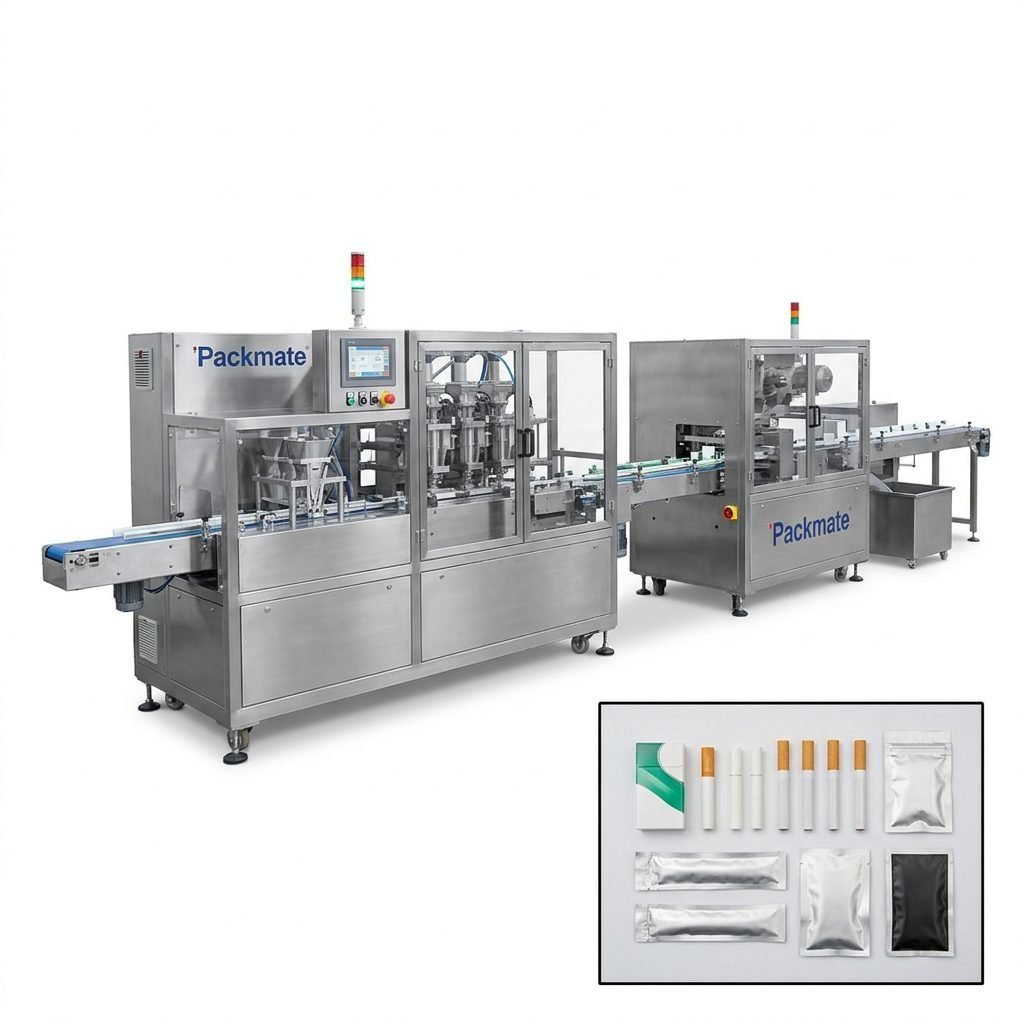
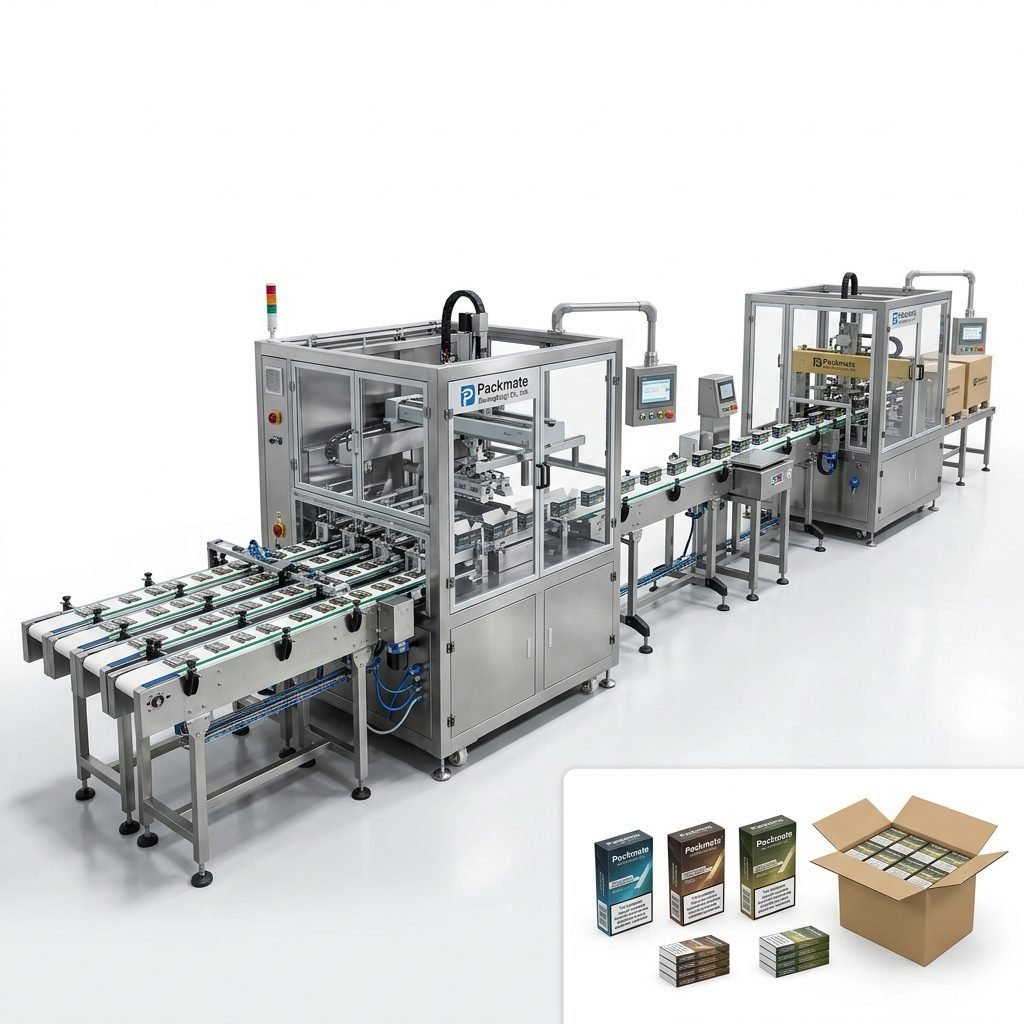
The cost of setting up a complete snus production line varies widely depending on product format, throughput, automation level, and local requirements. Whether you’re evaluating a compact starter line for nicotine pouches or a high-speed multi-lane snus plant, understanding the components and true total cost is essential for budgeting and achieving a quick return on investment. This guide breaks down realistic cost ranges, the major cost drivers, and practical tips for optimizing the investment while maintaining quality and compliance.
Why Knowing the Total Cost Matters
Planning only for the purchase price of a single machine can lead to significant budget overruns. A complete snus manufacturing system usually requires multiple machines and subsystems, plus commissioning, consumables, installation, and regulatory compliance. Accurately forecasting the total upfront and recurring costs helps manufacturers avoid surprises and make better decisions on capacity, automation, and future expansion.
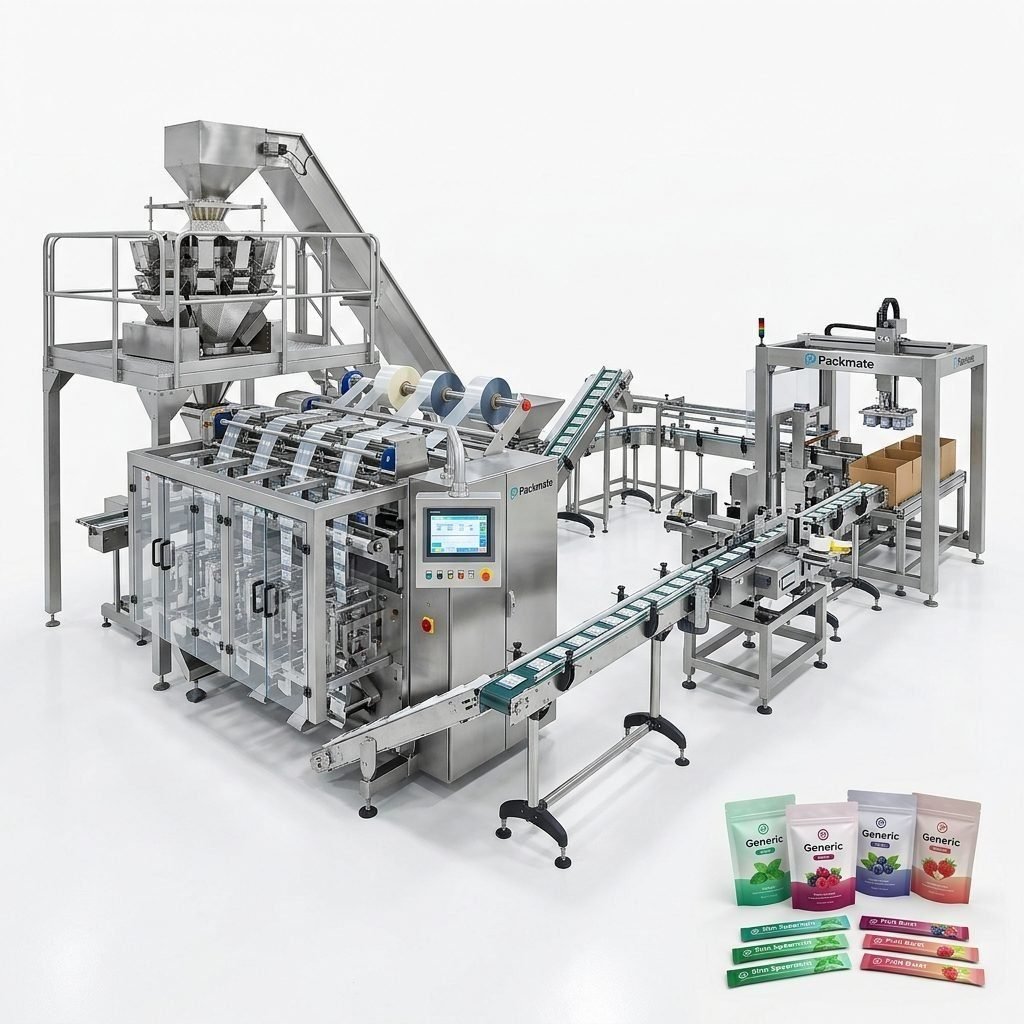
Key Components of a Snus Production Line
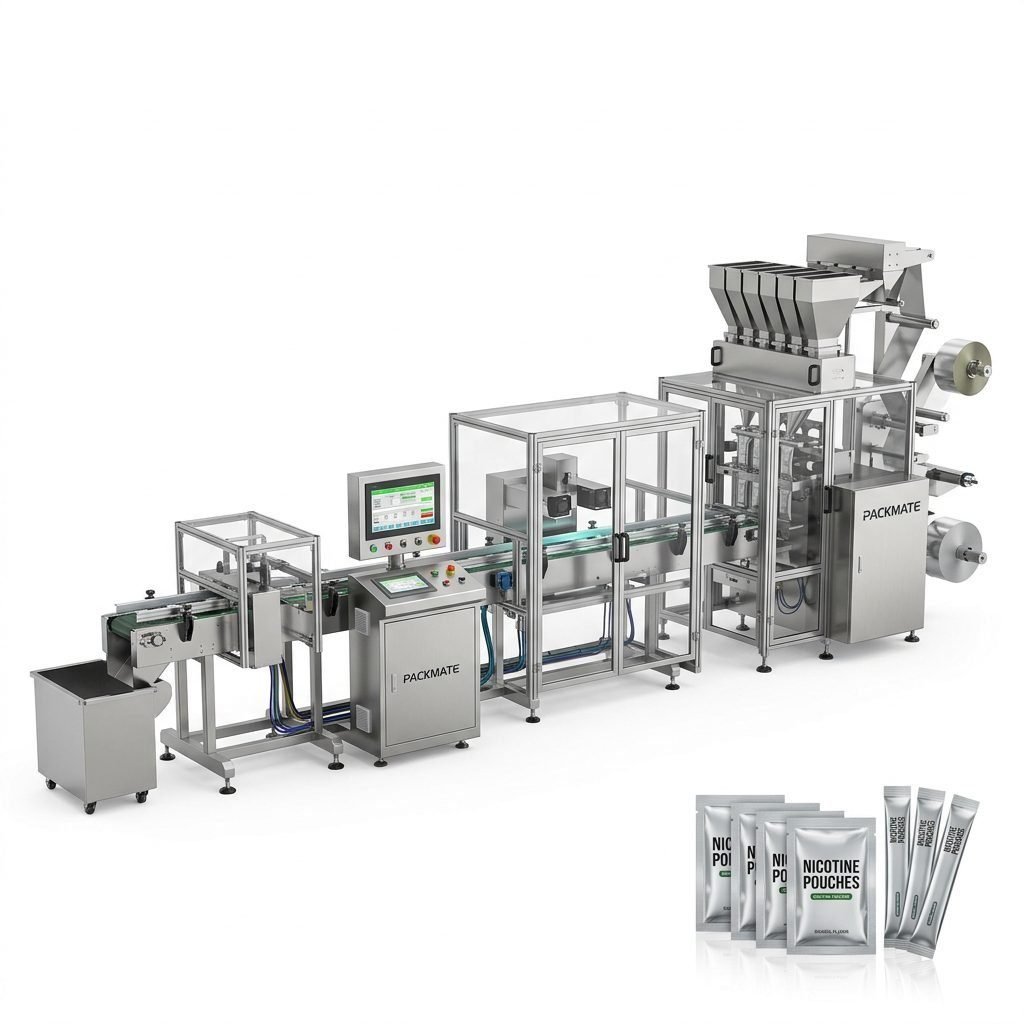
A turnkey snus line generally includes several key parts. Each has its own cost band and technical considerations:
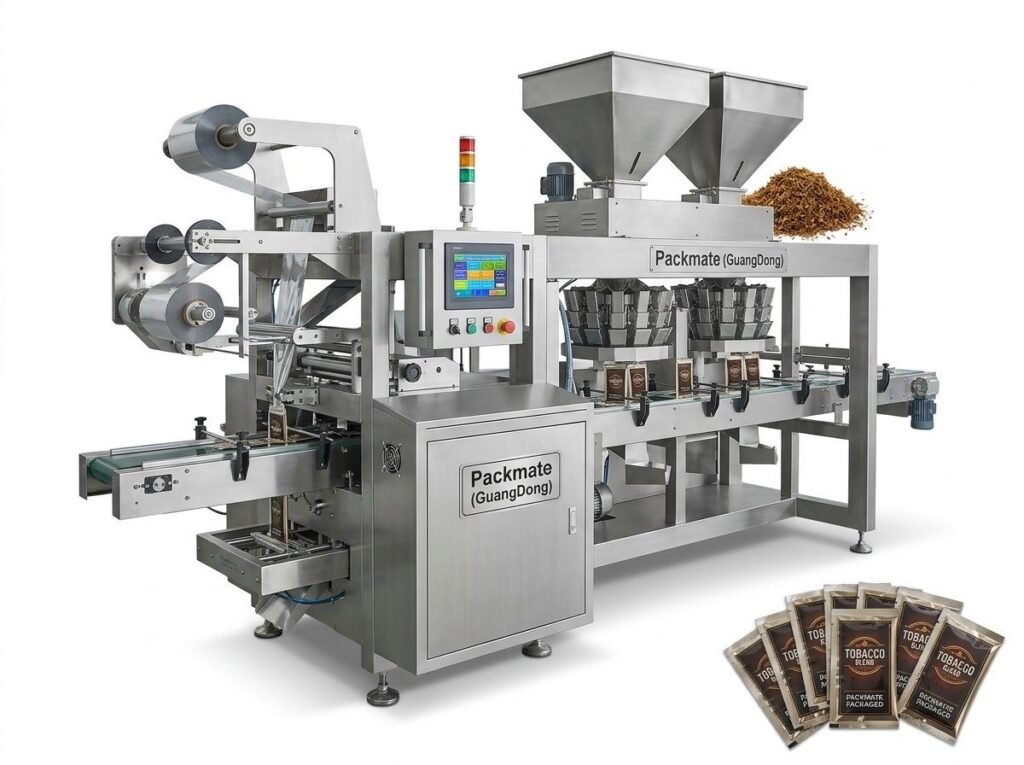
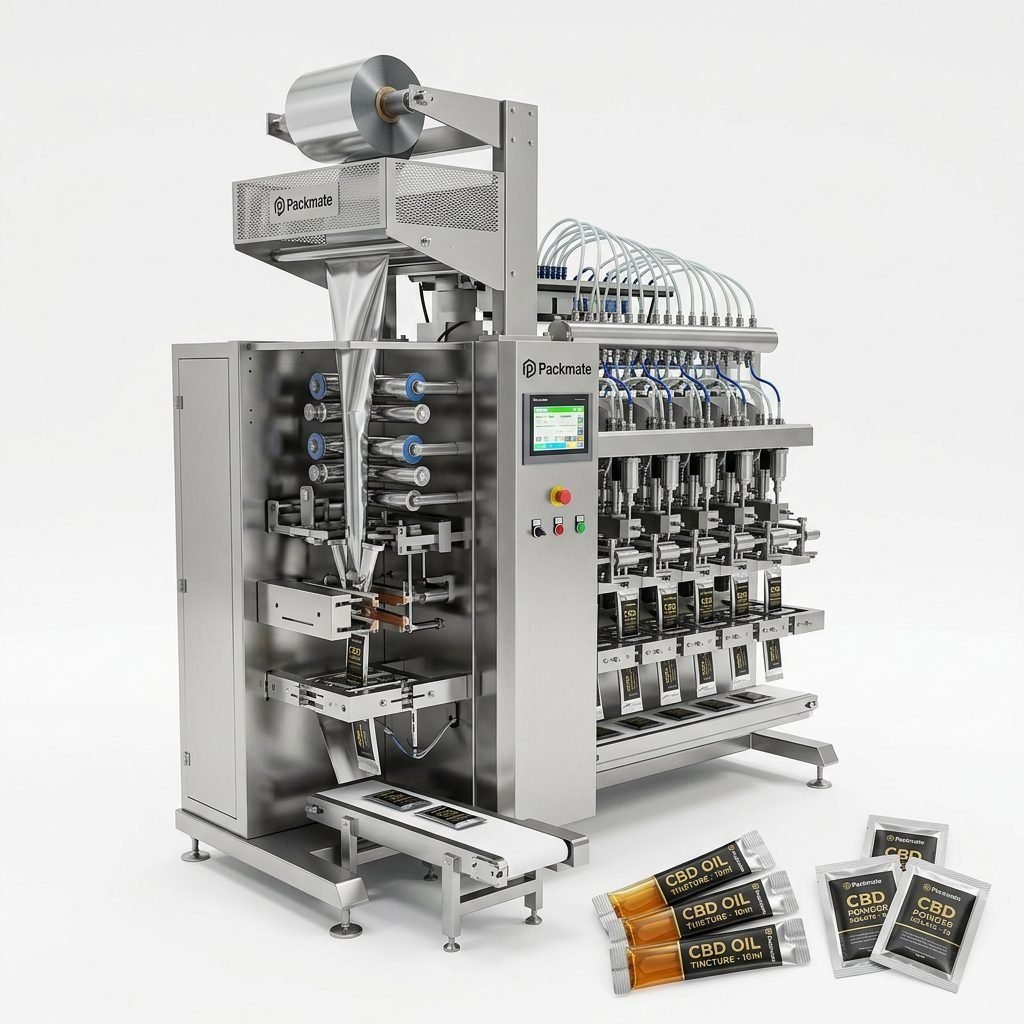
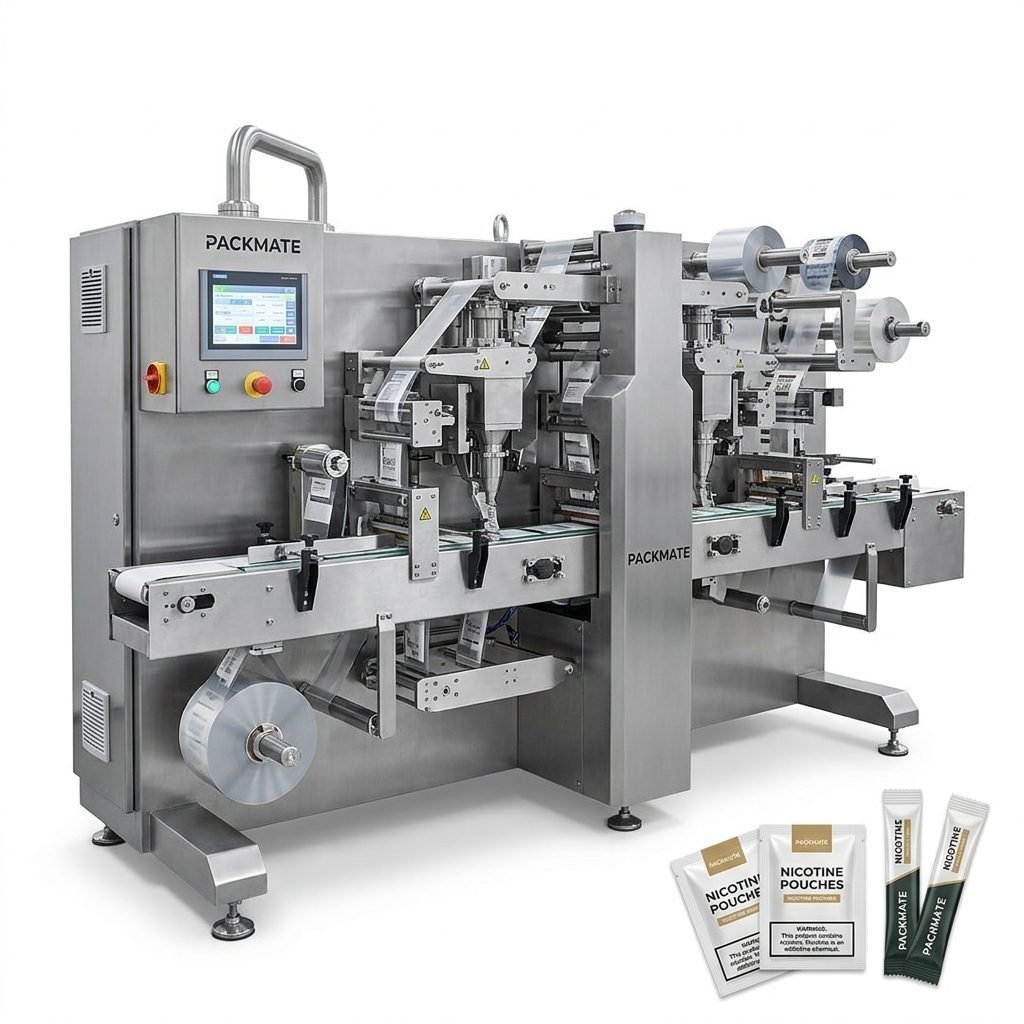
- 🔧 Primary packing machines — stick pack, sachet, or multi-lane snus/nicotine pouch machines.
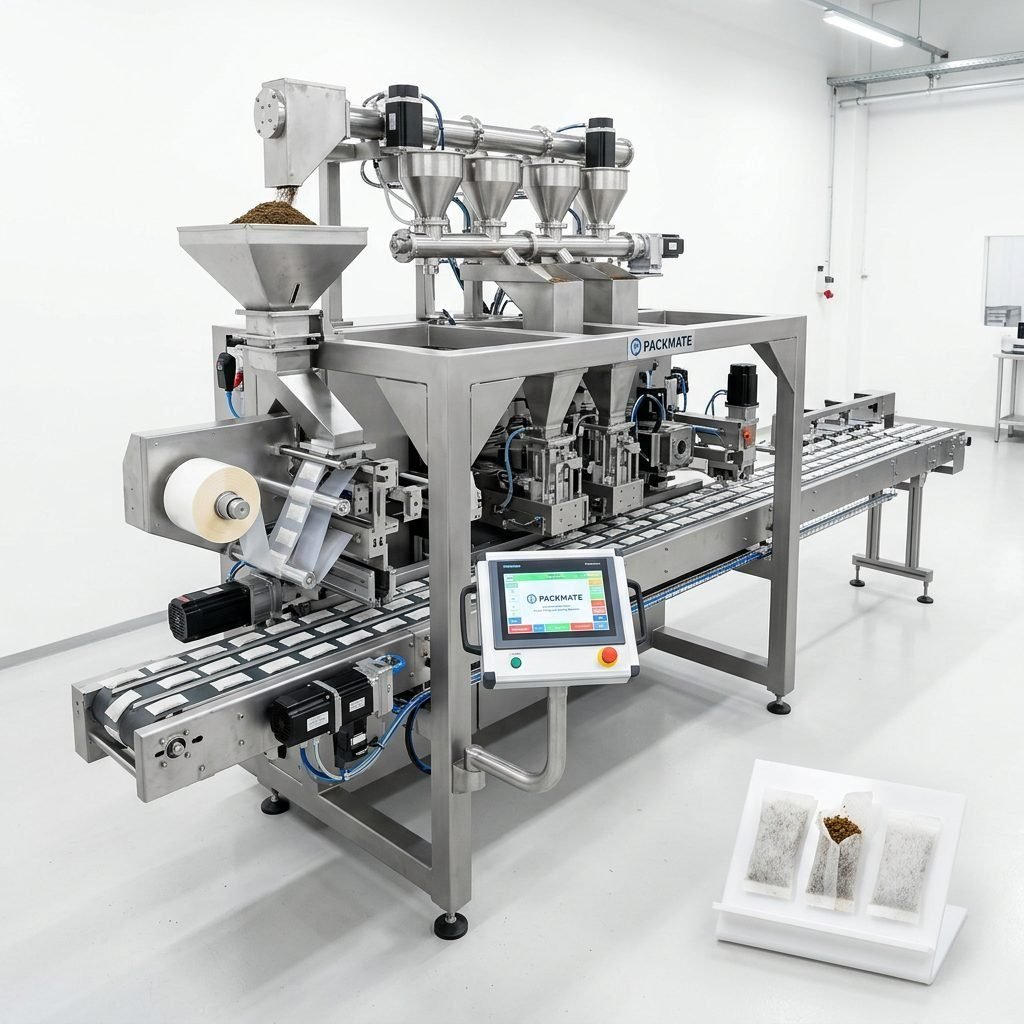
- ⚙️ Filling and feeding systems — dosing, augers, vibratory feeders, or volumetric/gravimetric dosing for powders and granules.
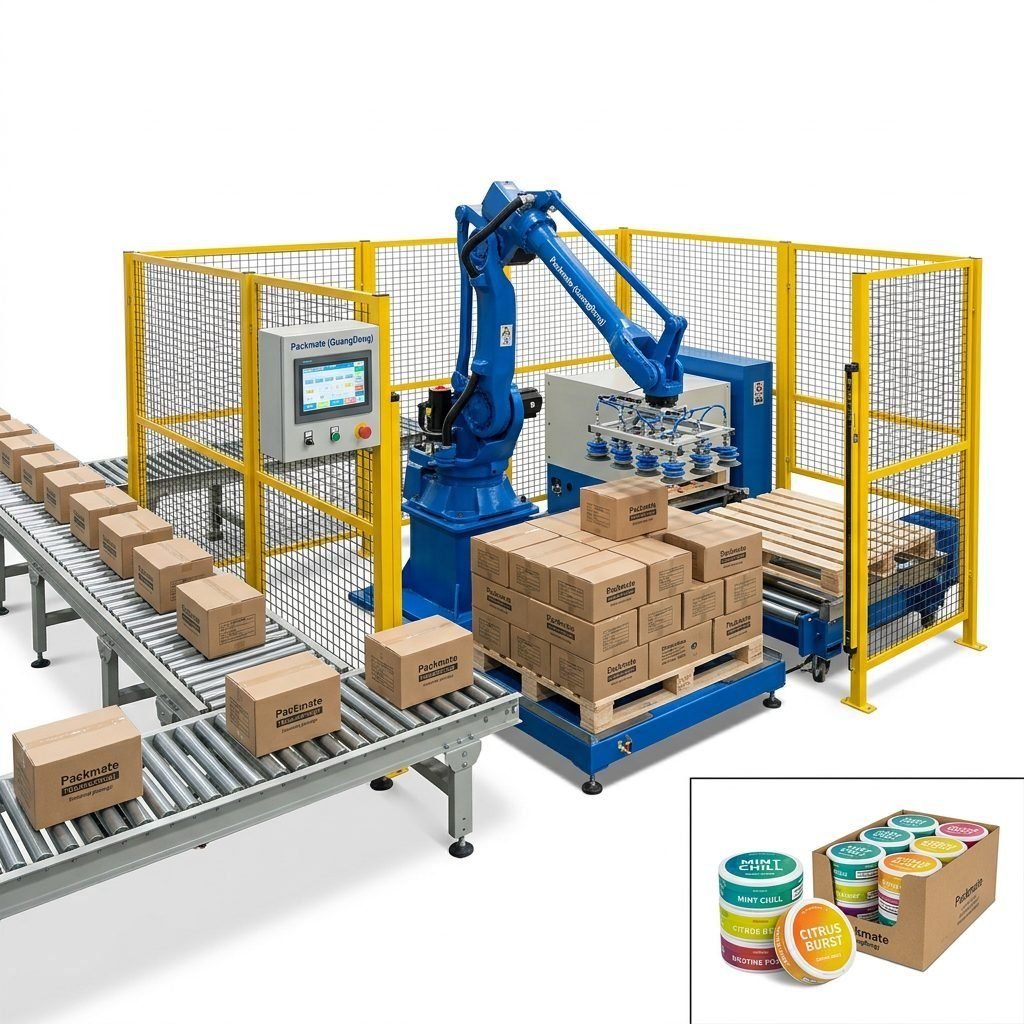
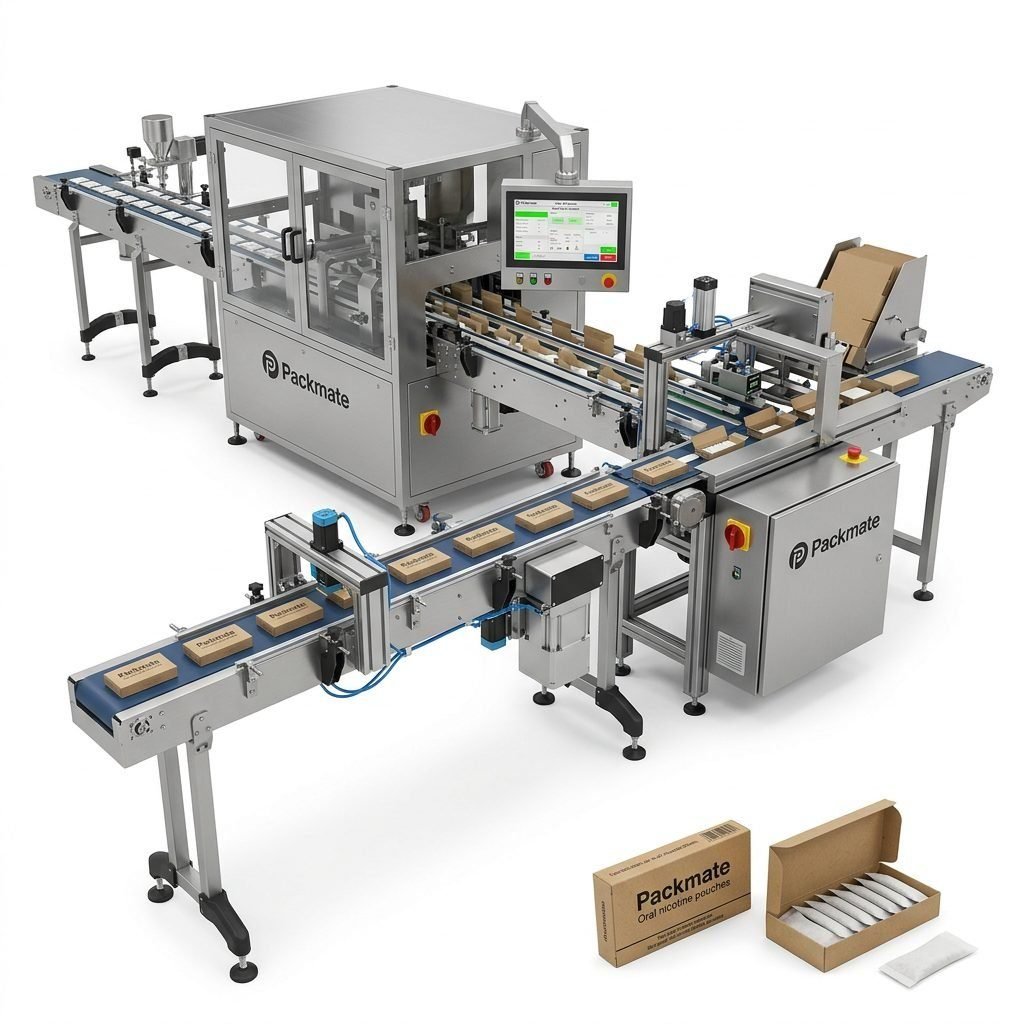
- 📦 Secondary equipment — conveyors, labeling, cartoning, and case packers.
- 🔌 Utilities and automation — PLCs, HMI, sensors, and electrical panels.
- 🧾 Installation, commissioning & training — on-site setup and operator training.
- 📦 Packaging materials and tooling — pouches, films, blanks, and change parts.
- 🛠️ Spare parts, testing & certifications — CE/ISO compliance, validation testing.
Typical Price Ranges (Estimated)
Below are sensible cost ranges to use as a planning reference. These figures are illustrative and intended to guide budgeting and supplier discussions.
Entry / Pilot Line (compact, single-lane): $80,000 – $200,000
Mid-range Line (higher throughput, mixed automation): $200,000 – $600,000
Turnkey Multi-lane Plant (fully automated, multi-lane): $600,000 – $2,000,000+
Why ranges are wide
Price spreads depend on throughput (pouches per minute), number of lanes, dosing precision, custom engineering, local support, and additional services like validation and custom packaging development. For an accurate quote, share product specs (weight, particle size, moisture), target speed, and desired level of automation with suppliers such as Packmate Snus Machine.
Detailed Cost Breakdown
1. Primary Packing Machines
– Single-lane stick pack or sachet machines: $30,000 – $120,000
– Multi-lane snus pouch machines (specialized for nicotine pouches): $150,000 – $600,000
– Fully-custom high-speed lines may exceed these ranges when including advanced inspection and servo systems.
2. Filling & Dosing Systems
Accurate dosing matters for consistency and regulatory compliance. Volumetric or gravimetric systems cost between $20,000 and $150,000 depending on capacity and precision.
3. Auxiliary Equipment
Conveyors, vision inspection, metal detectors, labellers, case packers, and in-line weighing: typically $10,000 – $150,000 depending on automation and integration complexity.
4. Packaging Materials & Tooling
– Initial tooling and format parts: $3,000 – $30,000 per format.
– Films, pouches, and supplies depend on material quality and volumes — budget for ongoing purchase agreements.
5. Installation, Commissioning & Training
On-site setup, software tuning, and operator training generally represent 5%–15% of equipment value but can vary by distance and complexity. For international shipments, expect travel and lodging costs for engineers.
6. Shipping, Customs & Local Duties
Ocean freight, insurance, import duties, and local handling can add $5,000 – $100,000+, influenced by machine size, weight, and destination country tariffs.
7. Facility Upgrades & Utilities
Civil works, foundations, HVAC, compressed air, electrical upgrades, and cleanroom requirements range from a few thousand dollars for a simple retrofit to $50,000 – $200,000+ for extensive factory upgrades.
8. Certification, Testing & Quality Control
CE/ISO documentation, product testing, and validation can add $5,000 – $50,000. Strict nicotine product regulations in some regions may require additional lab testing and legal costs.
Typical Budget Scenarios
Starter Business — small-scale single-lane line for R&D or niche production: purchase + setup typically $100k – $250k.
Commercial Launch — medium capacity with some automation: $300k – $800k.
How to Get Accurate Quotes
To obtain realistic quotations from manufacturers, prepare a specification package including:
- Target hourly/daily/monthly output (pouches per minute and lanes)
- Product form (powder, granule, paste, liquid) and target pouch weights
- Preferred pack styles (stick, sachet, pre-made pouch)
- Required certifications and local regulations
- Factory layout, utilities available, and site constraints
Suppliers such as Packmate will customize solutions and provide turnkey pricing based on these details. For a closer look at machine families, review product ranges like Snus & Nicotine Packaging Machines, Sachet & Stick Pack Machines, and Filling & Packaging Lines.
Cost Optimization Strategies
Consider these practical steps to control capital and operating expenses:
- 📈 Scale to demand — avoid overinvesting in excess capacity at launch.
- 🔁 Modular upgrades — buy a core line now and add lanes or automation later.
- 🤝 Negotiate service & spare parts packages to reduce downtime costs.
- 🧪 Prototype and validate packaging at pilot scale before full tooling investment.
- 🚢 Factor consolidated shipping and local install agreements to lower logistics spend.
Tip: Work with manufacturers that provide transparent turnkey quotes and post-sale support. Long-term relationships with suppliers can reduce spare part costs and improve line uptime.
Financing & Return on Investment (ROI)
Financing options may include equipment loans, leasing, or vendor financing. When calculating ROI, include these factors:
- Gross margin per pouch and expected sales volumes
- Operating costs: energy, labor, maintenance
- Depreciation and tax incentives for capital equipment
- Time to market and ramp-up yield losses
With careful planning, many operations recover equipment cost within 12–36 months depending on margins and utilization.
Choosing the Right Supplier
When evaluating suppliers, prioritize proven performance, global support, and manufacturing capability. Packmate Snus Machine highlights include a 20,000㎡ factory, 30+ years of engineering experience, and 50+ machine models — factors that can lower delivery risk and improve customization options. See more about the company’s scope and credentials on their About Packmate and Certificate pages.
Final Checklist Before You Buy
– Confirm throughput and product specs.
– Request a full turnkey quote including installation, training, and spare parts.
– Review references and live demonstrations (exhibitions or factory visits).
– Clarify warranty terms and after-sales support SLA.
– Plan for packaging supply chain and initial inventory of tooling/spares.
Need More Details or a Quotation?
For machine models, case studies, and live demos, visit product catalogs such as Snus & Nicotine Packaging Machines and Case pages, or get in touch via the Contact Us page to request a tailored proposal.
Common Questions (FAQ)
Q1: How much does a basic snus pouch packing machine cost?
A1: A single-lane entry machine typically ranges from $30,000 to $120,000, but true project costs should include auxiliaries, installation, and materials.
Q2: Is a multi-lane system worth the investment?
A2: For high-volume production, multi-lane systems reduce unit costs and footprint per pouch. Expect higher upfront CAPEX ($150k+) but improved throughput and lower operating cost per unit.
Q3: What ongoing costs should I budget for?
A3: Plan for packaging materials, spare parts, routine maintenance, utilities, and periodic certification — typically 5%–15% of equipment value annually depending on usage.
Q4: Can I start with a pilot line and expand later?
A4: Yes. Many manufacturers offer modular solutions that allow you to add lanes, automation, or secondary equipment over time to match market growth.
Q5: How do I get a precise quote?
A5: Provide detailed product specs, target output, desired pack types, and regulatory needs to your vendor. A site assessment and product trial (or sample evaluation) will enable an accurate turnkey quote.