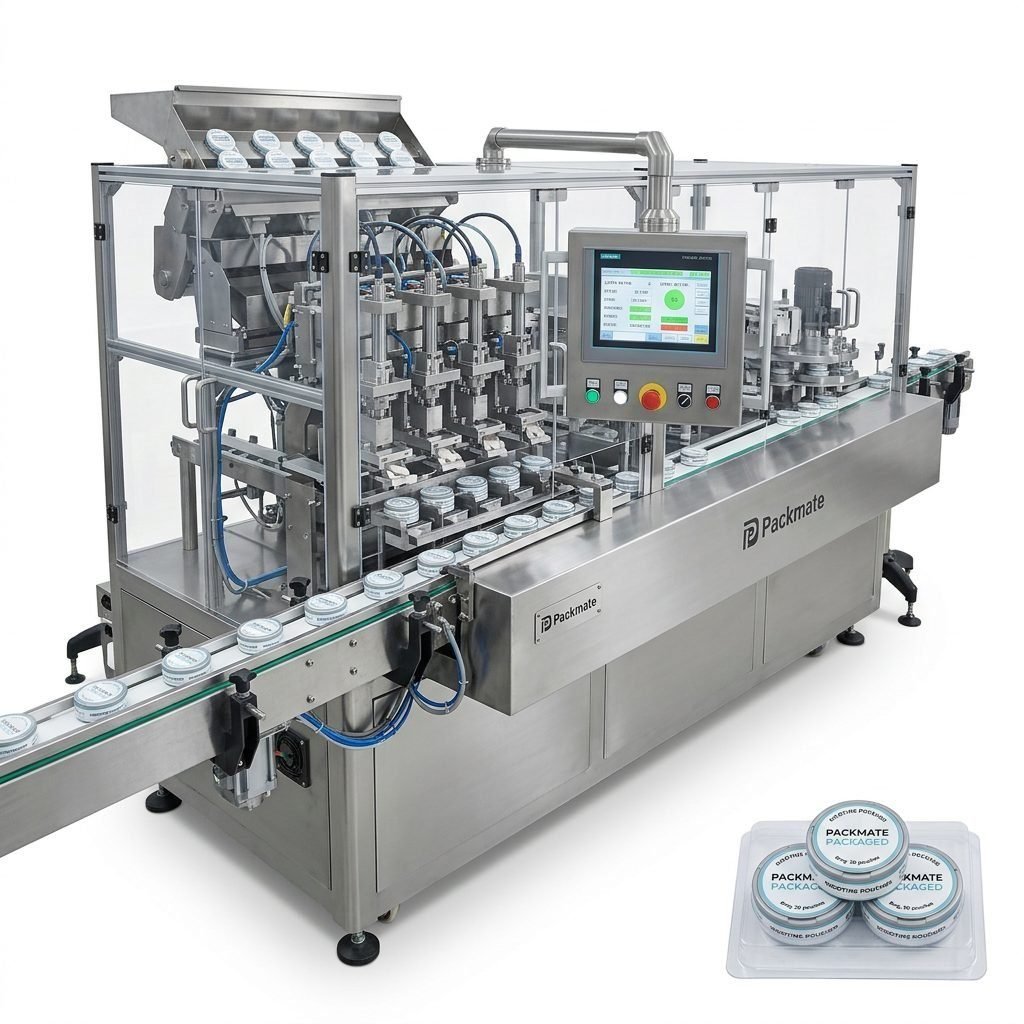
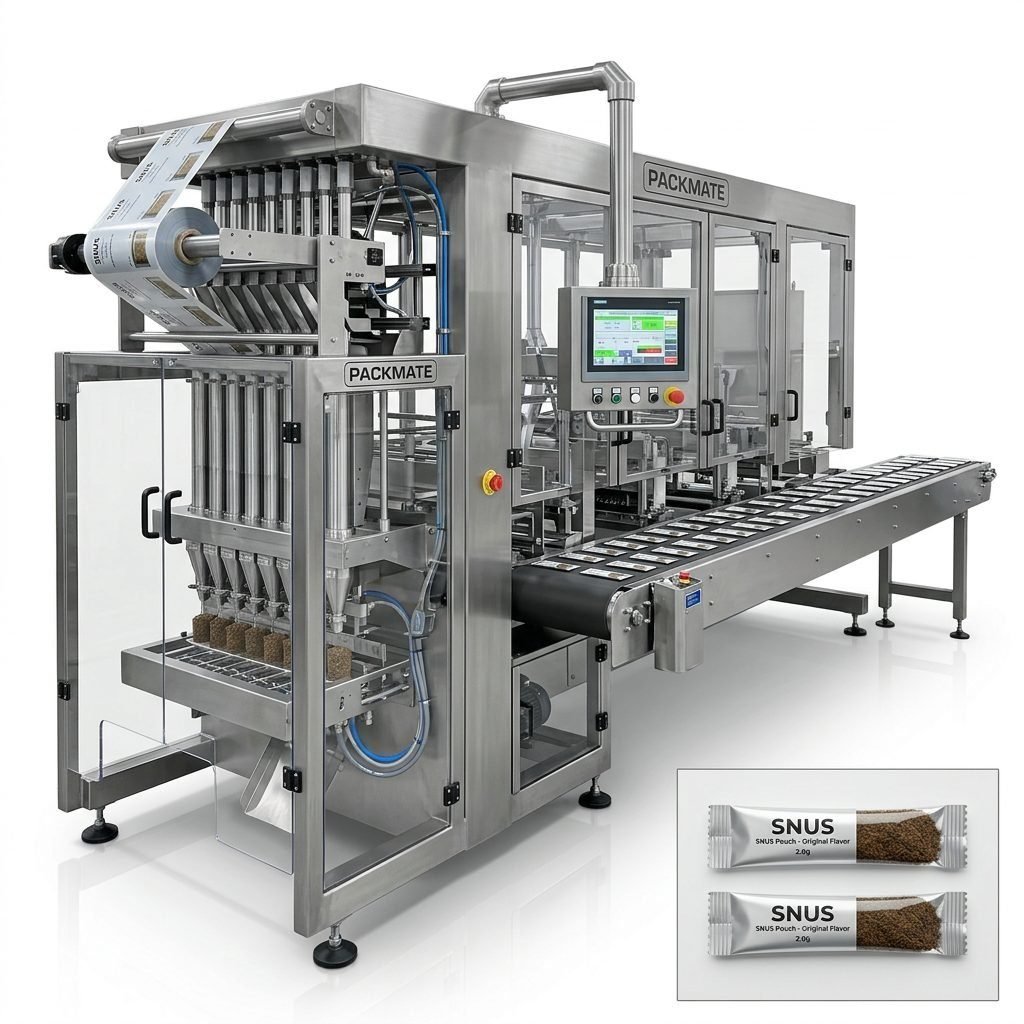
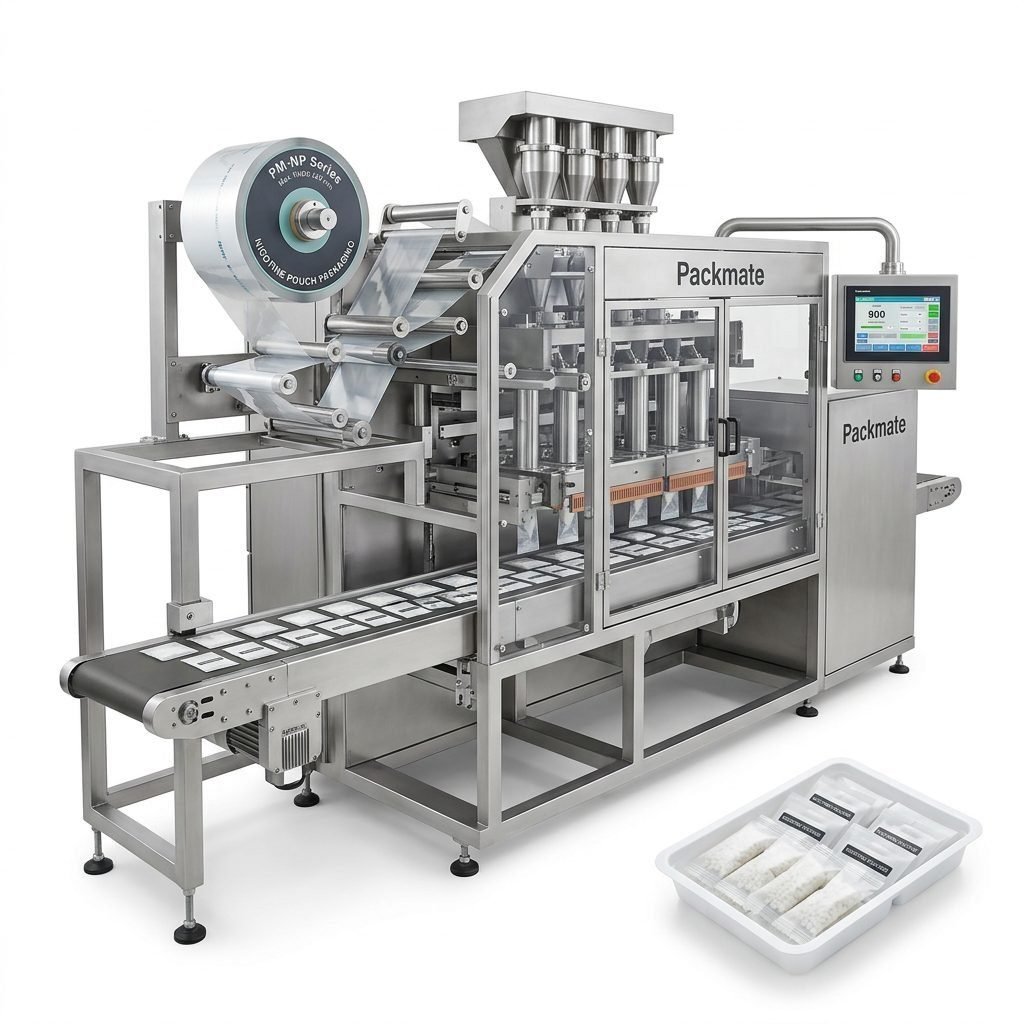
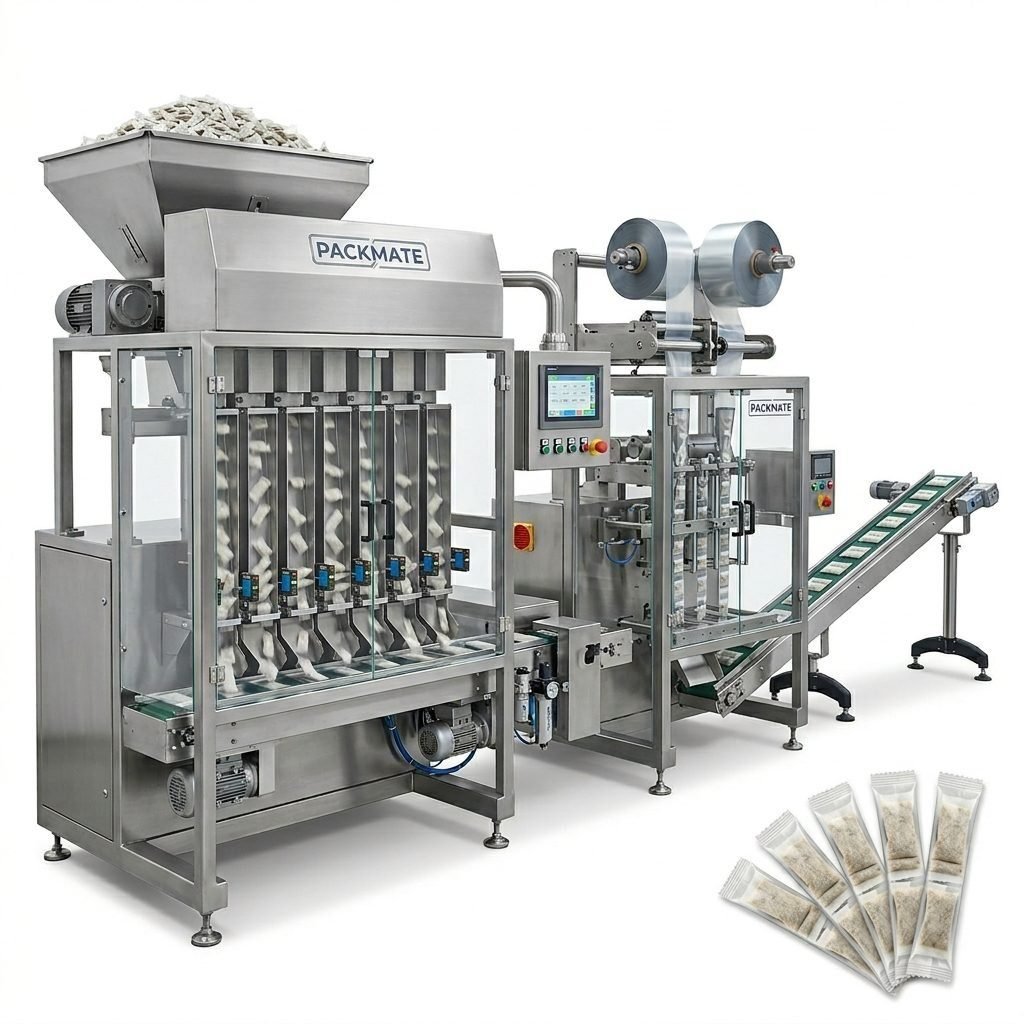
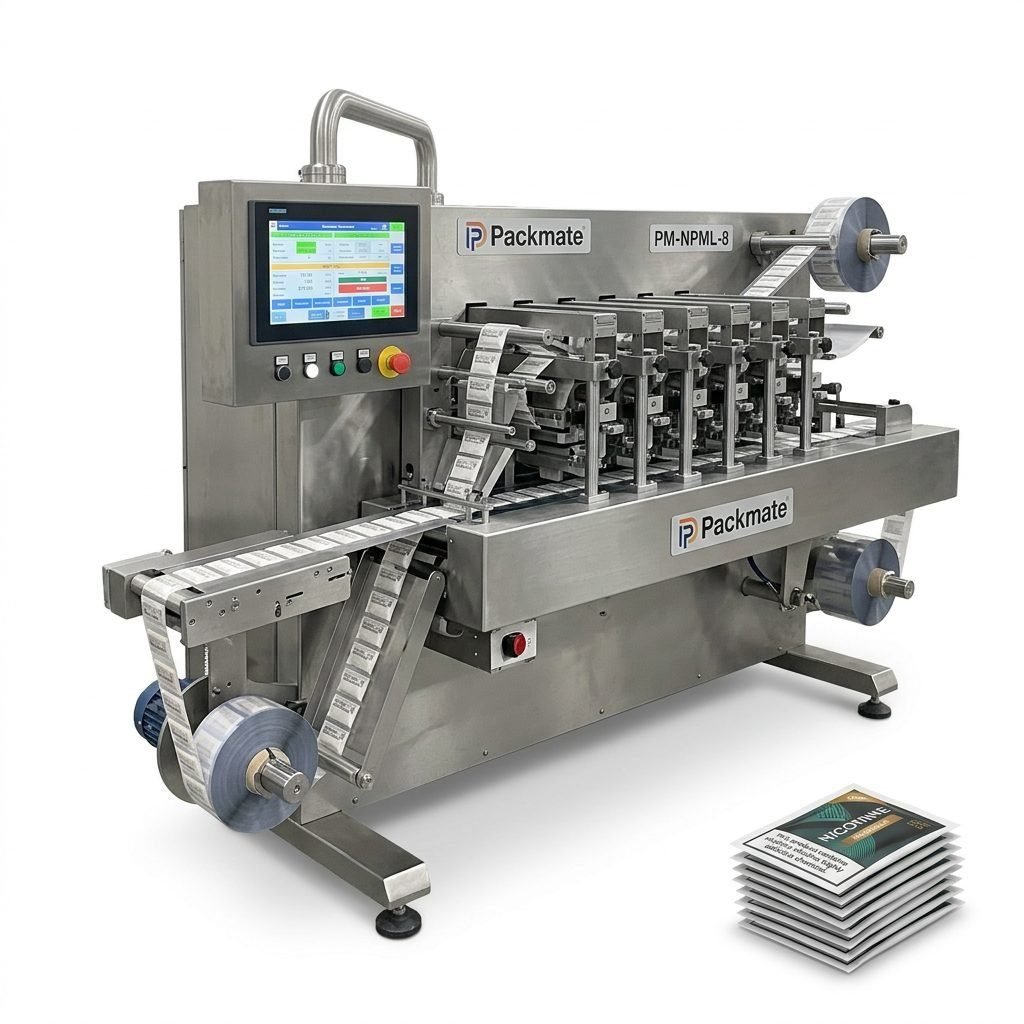
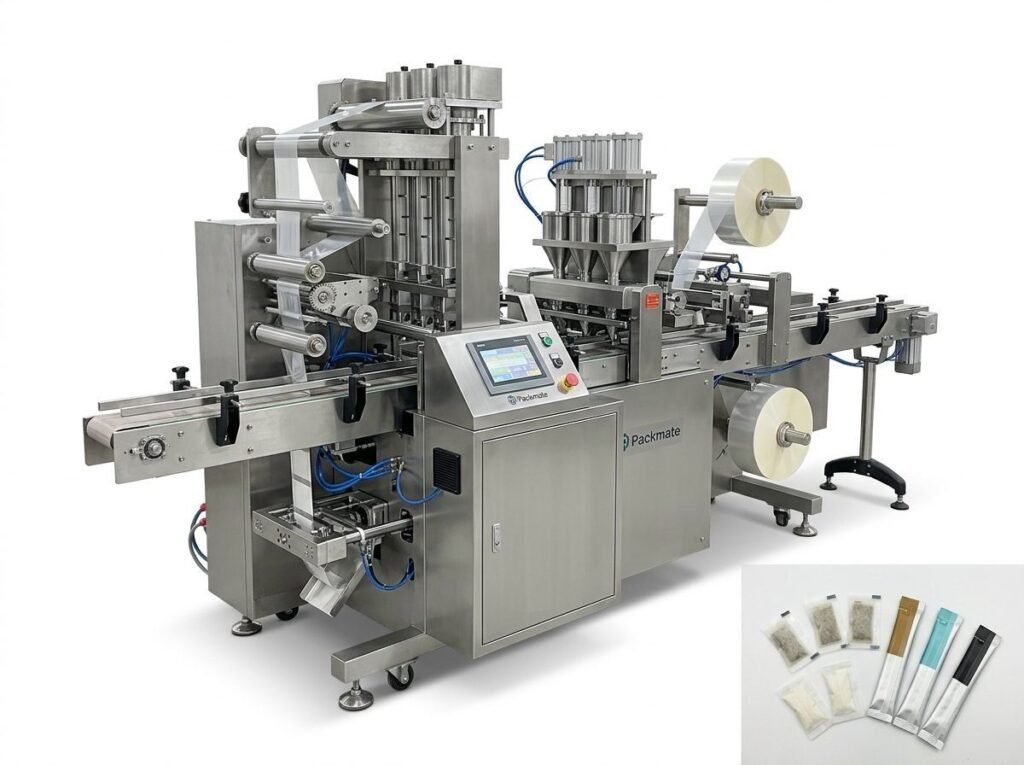
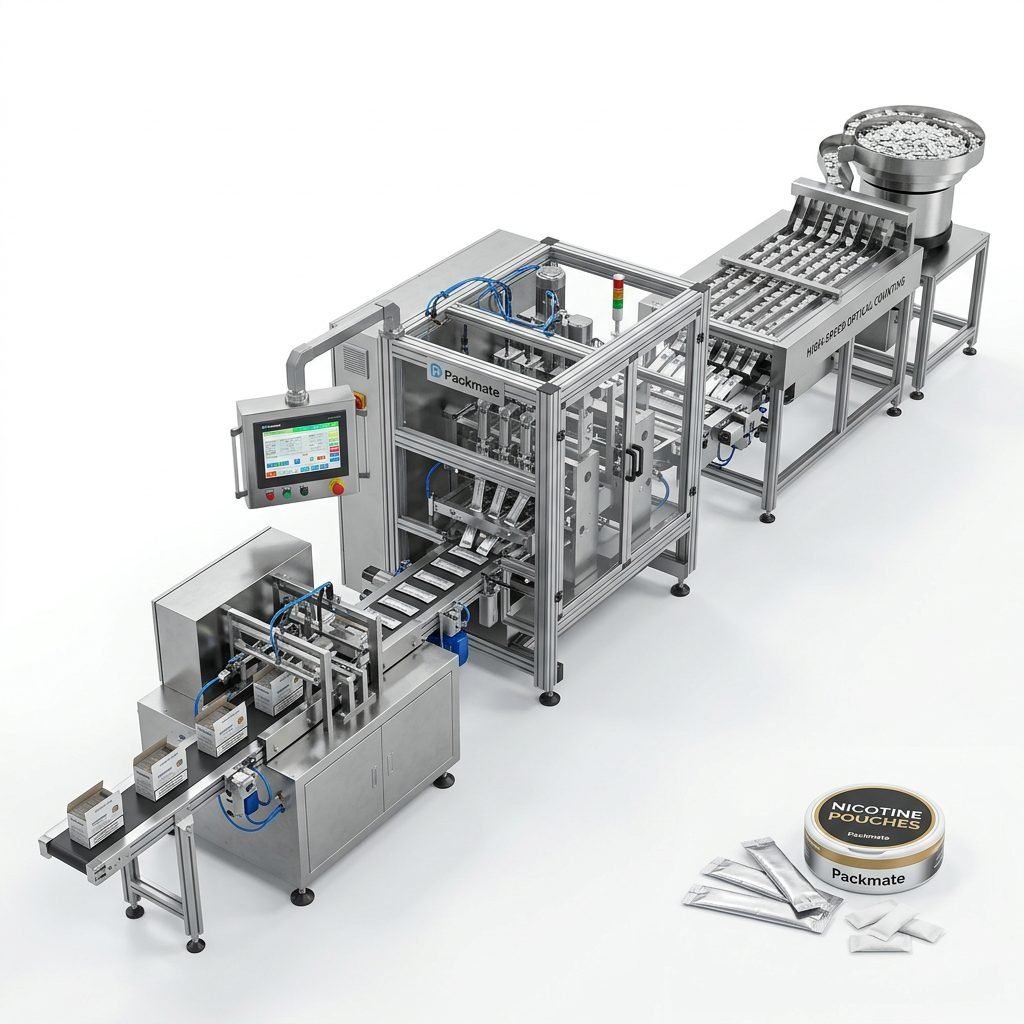
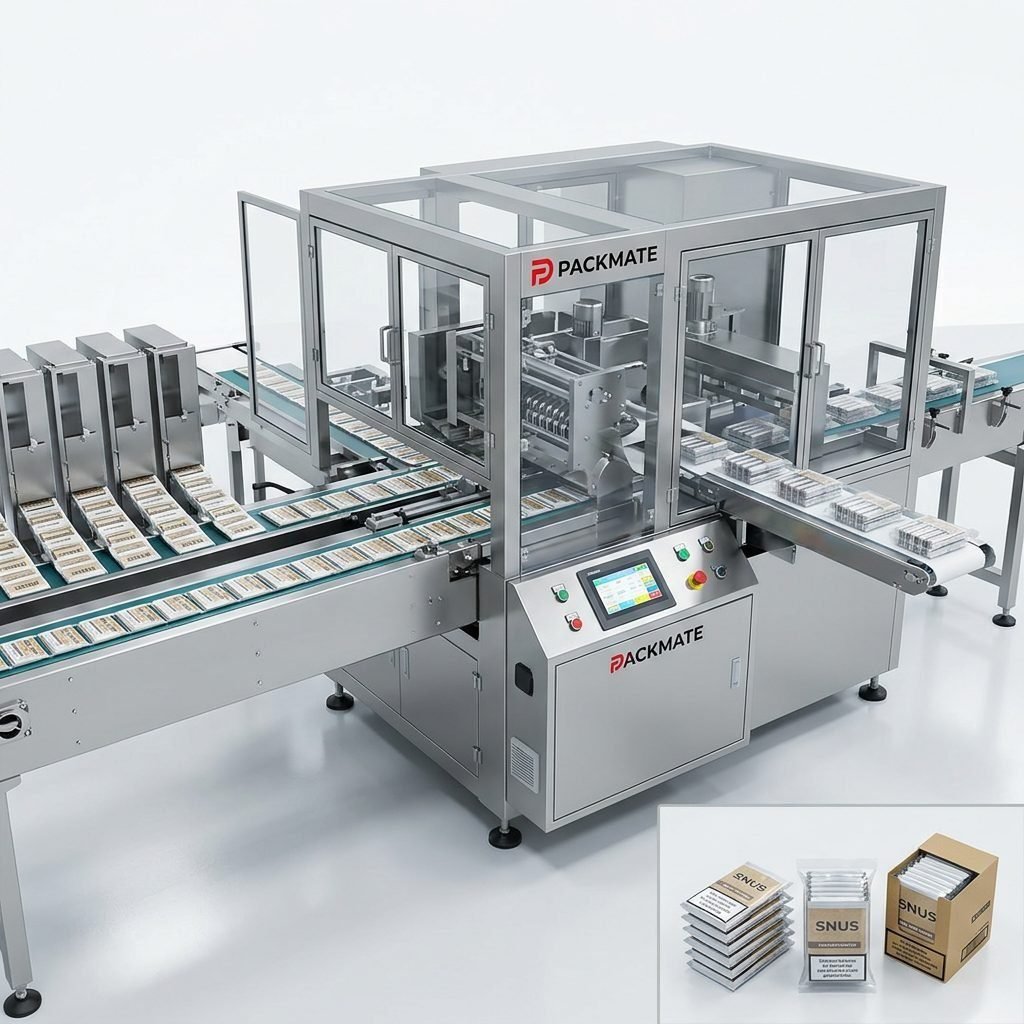
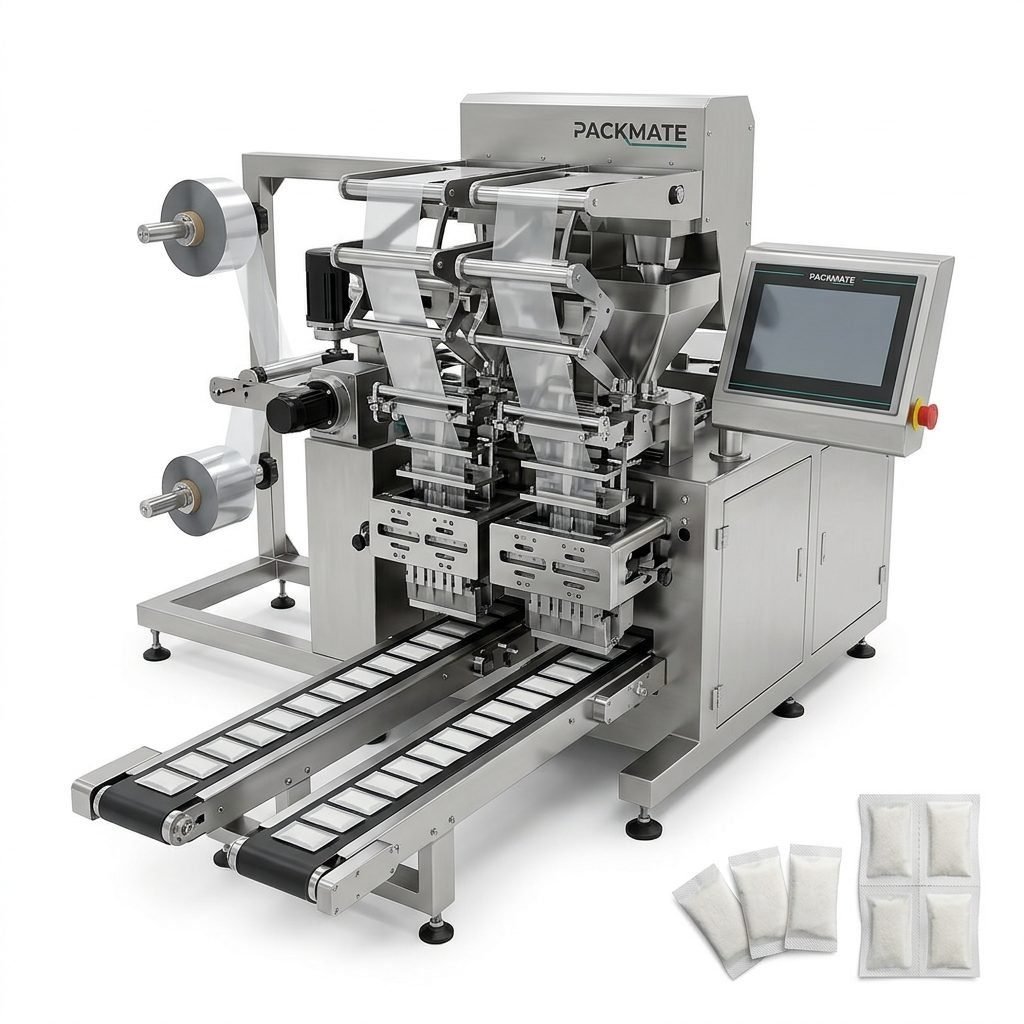
Improving production efficiency on a snus machine is a multi-faceted task that combines precise machine settings, disciplined maintenance, optimized material flow, and trained operators. Whether you run single-lane stick packers or high-speed multi-lane nicotine pouch lines, focusing on a few high-impact areas will significantly increase throughput, reduce downtime, and improve product consistency. This guide presents practical strategies, specific settings to check, and maintenance tips tailored for snus and nicotine pouch packaging equipment.
Why Production Efficiency Matters for Snus Machines
High-efficiency lines reduce cost per pouch, increase on-time delivery capability, and improve overall equipment effectiveness (OEE). For manufacturers of snus and nicotine pouches, consistent dosing, sealing quality, and lane synchronization are critical. Small improvements—like trimming a few seconds from changeover or cutting scrap by a few percent—can translate directly into higher margins and better customer satisfaction.
Key Performance Indicators to Track
Focus on a few KPIs: OEE, uptime, changeover time, scrap rate, and pouch weight variation. Regularly reviewing these metrics helps you prioritize which process step yields the biggest benefit when optimized.
Machine Settings: The Foundation for Stable High-Speed Production
Correct machine settings are essential for repeatable results. Below are settings and checks to perform during setup and periodic audits.
1. Dosing and Weighing Accuracy
Calibrate dosing systems regularly. On multi-lane pouch systems, ensure each lane’s feeder is adjusted so pouch weight variation stays within target tolerance. For gravimetric or volumetric feeders, verify feed rate, vibration amplitude, and hopper flow settings. Inconsistent dosing increases scrap and reduces customer trust.
2. Sealing Temperature, Pressure and Time
Sealing is one of the most sensitive parameters. Use a controlled temperature profile and consistent pressure. Too low temperature or pressure causes leakers; too high damages films. Document setpoints for each film type and ambient condition to speed changeovers.
3. Web Tension & Film Tracking
Proper tension reduces wrinkling and misaligned cuts. Check dancer arms, tension brakes, and guide rollers. Use registration sensors and confirm encoder feedback is synchronized with cutting units.
🔧 Tip: Keep a job recipe library in the machine HMI for each product type (film, pouch size, fill weight). Loading a saved recipe reduces setup time and prevents manual errors.
Material Handling and Supply Chain Optimization
Reliable material supply and correct upstream handling prevent line stops. Confirm film quality, core winding, and pallet handling are consistent. For powders or bulk snus materials, ensure feeders and conveyors are sized to maintain steady supply without frequent refills.
Packaging Film & Auxiliary Components
Use approved film stocks and test a sample roll before a full production run. For snus & nicotine packaging machines, manufacturer recommendations about film thickness and seal layers are crucial. Keep spare slitting blades, film cores, and sealing dies in the tool kit.
Maintenance: Scheduled, Predictive and Clean
A rigorous maintenance program prevents unexpected downtime and extends machine life. Combine scheduled preventative maintenance with predictive checks using simple diagnostics.
Daily Checks
Operators should run a quick checklist: lubrication points, loose fasteners, belt conditions, and the cleanliness of sensors and photoeyes. Keep a log to spot trends.
Weekly & Monthly Tasks
Inspect motor couplings, servo tuning, gearbox oil levels, and heater bands. Replace worn parts proactively—servos and encoders are expensive replacements if neglected.
✅ Maintenance priority: Bearings > Seals > Drive belts > Electrical connectors. Address any abnormal vibration or noise immediately to avoid catastrophic failure.
Operator Training and Standard Operating Procedures
Skilled operators reduce errors and improve uptime. Develop clear SOPs for changeovers, daily checks, and emergency stops. Use a mentorship system where experienced technicians train new hires on best practices for multi-lane synchronization and gentle handling of delicate films.
Changeover Reduction Techniques
Plan materials and tools before a changeover. Use quick-release fixtures and store job-specific tools together. Document a step-by-step changeover checklist to cut setup time.
Quality Control & Real-Time Monitoring
Integrate in-line checks: weight checkers, vision systems, and seal detection. A real-time dashboard showing lane performance helps engineers intervene before a defect run escalates into a large batch of scrap.
Use Data to Drive Improvements
Track rejects by root cause and frequency. Often, a single recurring issue (e.g., a misaligned cutter or a weak heater zone) will account for the majority of scrap. Fix the root cause and measure the before/after impact on OEE.
Upgrades and Automation Opportunities
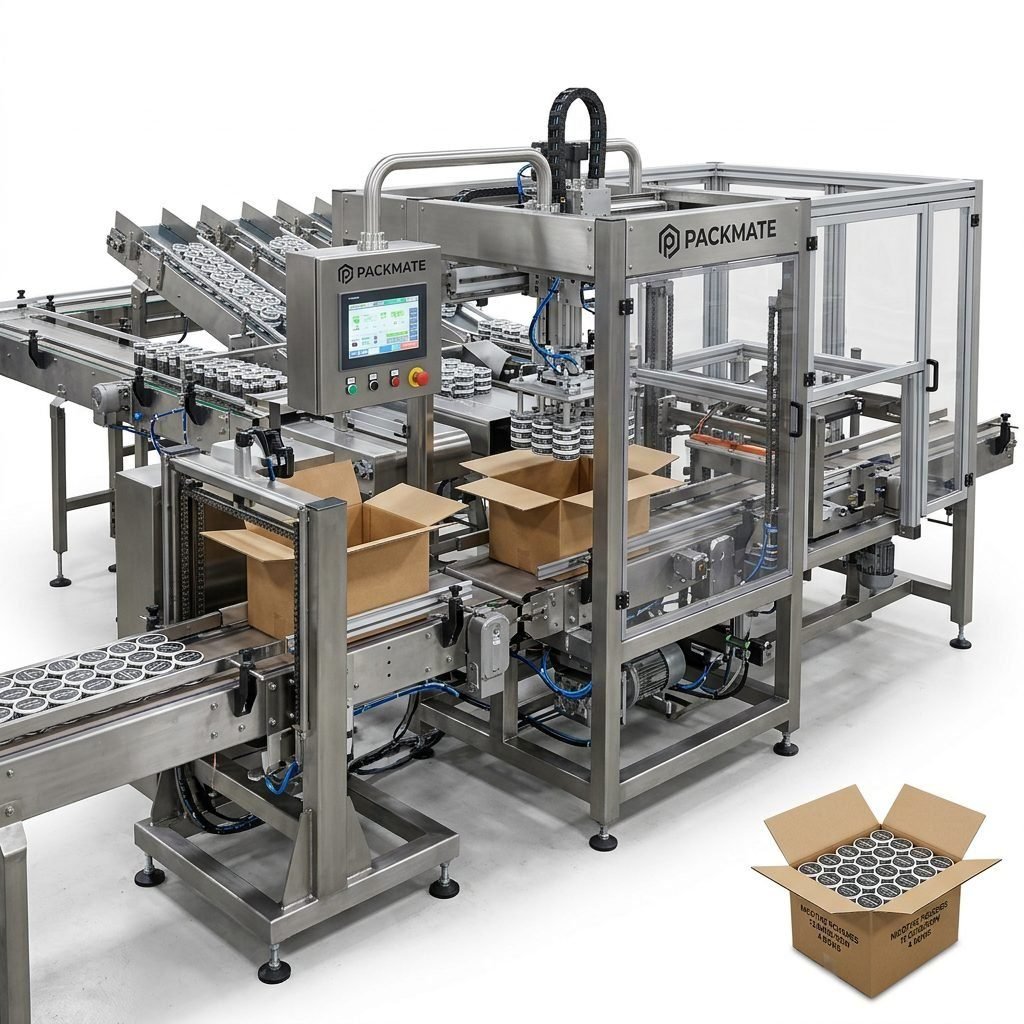
Upgrading to synchronized multi-axis servo drives, adding automatic reel splicing, or integrating robotic case packing can boost throughput and reduce labor. Evaluate ROI: sometimes modest automation pays back quickly via higher speed and fewer stoppages.
For turnkey solutions and complete lines, consider reviewing options from proven suppliers. Explore product lines like sachet & stick pack machines and weighing & packaging systems to match automation modules to your production objectives.
Common Troubleshooting Scenarios
Below are quick diagnostic tips for frequent issues on snus lines:
Pouches Out of Registration
Check encoder feedback, tighten web tension, and verify the registration sensor position. Replace worn sprockets or timing belts.
Seal Failures or Leakers
Verify heater band uniformity, replace worn sealing bars, and ensure correct film combinations are used. Confirm pressure settings and that jaws are clean.
Inconsistent Fill Weights
Inspect feeder calibration, hopper flow, and any obstruction in feed paths. For multi-lane systems, balance feed across lanes and check vibratory feeder amplitudes.
⚙️ Pro Tip: Implement a small “run-in” procedure after any adjustment—operate the line at reduced speed for a few minutes while monitoring weight and seal stability before ramping back to full speed.
Measuring Impact and Continuous Improvement
After changes, track the key metrics for at least one production cycle. Look for improvements in OEE, reduced changeover time, lower scrap, and more predictable maintenance intervals. Continuous improvement cycles using small experiments yield more reliable gains than large speculative upgrades.
Case & Supplier Support
Work closely with machine manufacturers for firmware updates, spare parts, and operator training. Refer to manufacturer case studies and support pages for specific line recommendations—see this case page for real-world examples.
Final Recommendations for Sustained High Efficiency
– Keep a documented recipe for every SKU and update it after meaningful adjustments.
– Implement a visual dashboard for real-time OEE and lane performance.
– Train operators regularly and maintain a prioritized spare parts inventory.
– Schedule predictive maintenance and address abnormal vibrations and temperatures quickly.
– Consider incremental automation to reduce manual touchpoints and improve consistency.
Where to Learn More
For full line solutions, product details and technical support, check relevant product pages such as bag & pouch packaging machines and About Packmate to understand available configurations and turnkey options.
Common Questions
Q1: How often should I calibrate dosing systems?
A1: Calibrate dosing weekly for high-speed runs and immediately after material change or if weight variance exceeds acceptable tolerance.
Q2: What is the simplest way to reduce changeover time?
A2: Use standardized job recipes, quick-release fixtures, and a pre-packed changeover kit with the required tools and spare parts.
Q3: When should I consider automation upgrades?
A3: Consider upgrades when manual operations limit throughput, when labor costs are high, or when quality variation is most commonly caused by human error.
Q4: How do I reduce seal failures on flexible films?
A4: Verify correct film pairing, maintain heater uniformity, keep sealing jaws clean, and document optimal temperature/pressure settings for each film type.
Q5: Who can help with advanced troubleshooting or retrofits?
A5: Work with your machine manufacturer or an experienced packaging systems integrator. For vendor support and certified parts, see the manufacturer’s service resources.