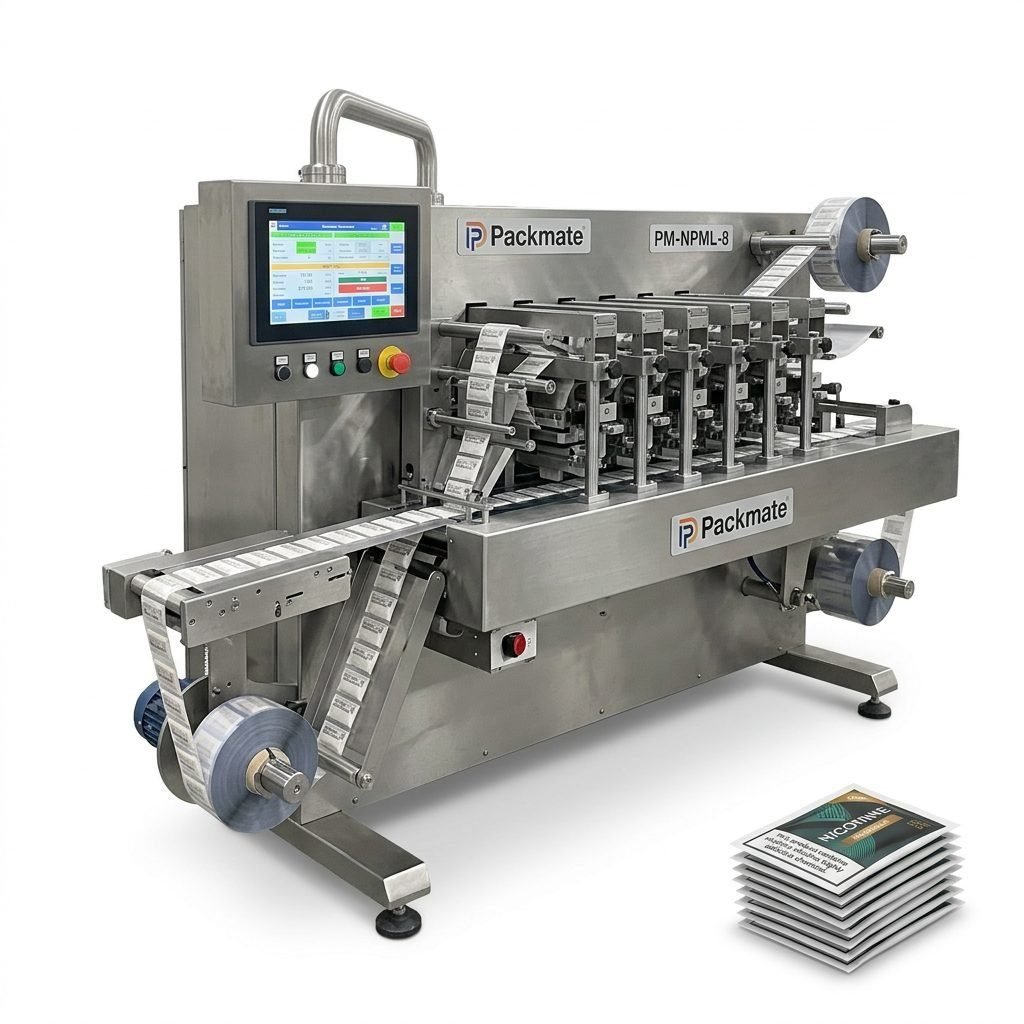
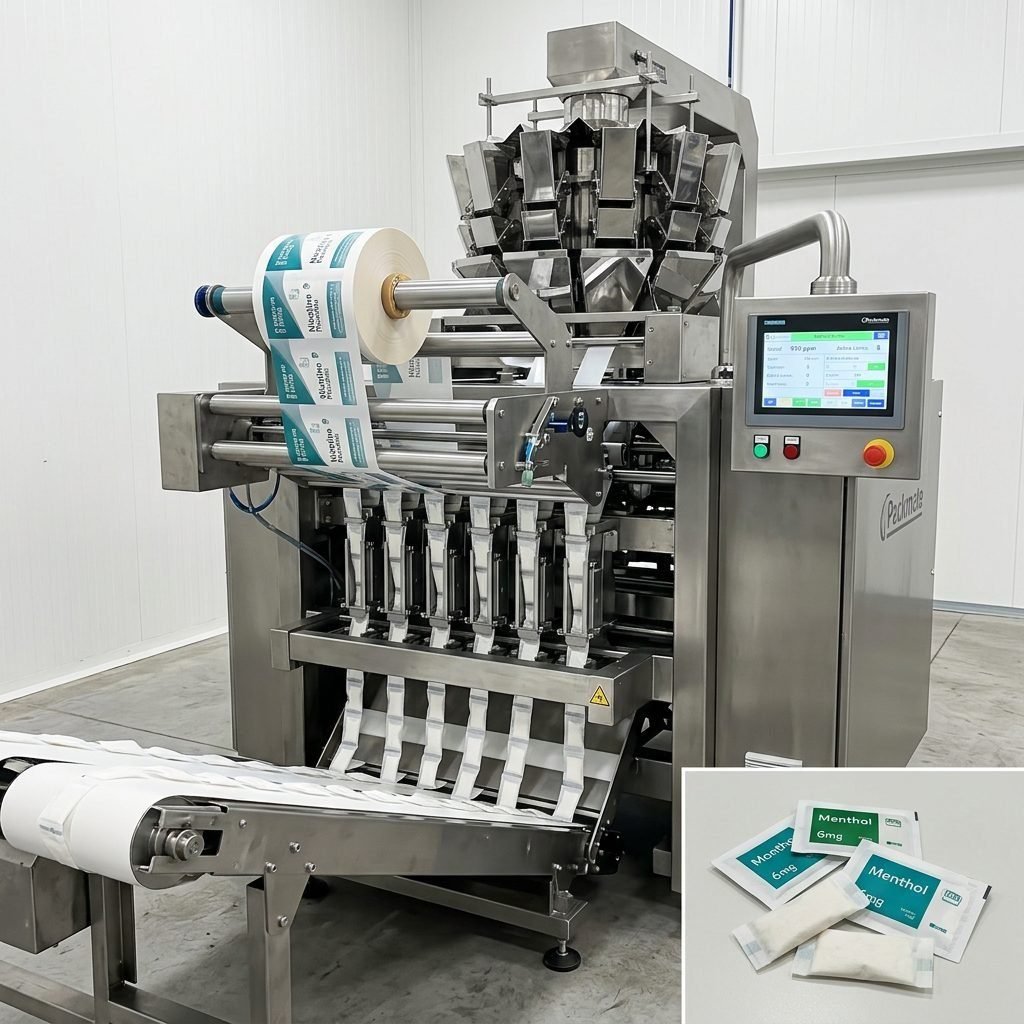
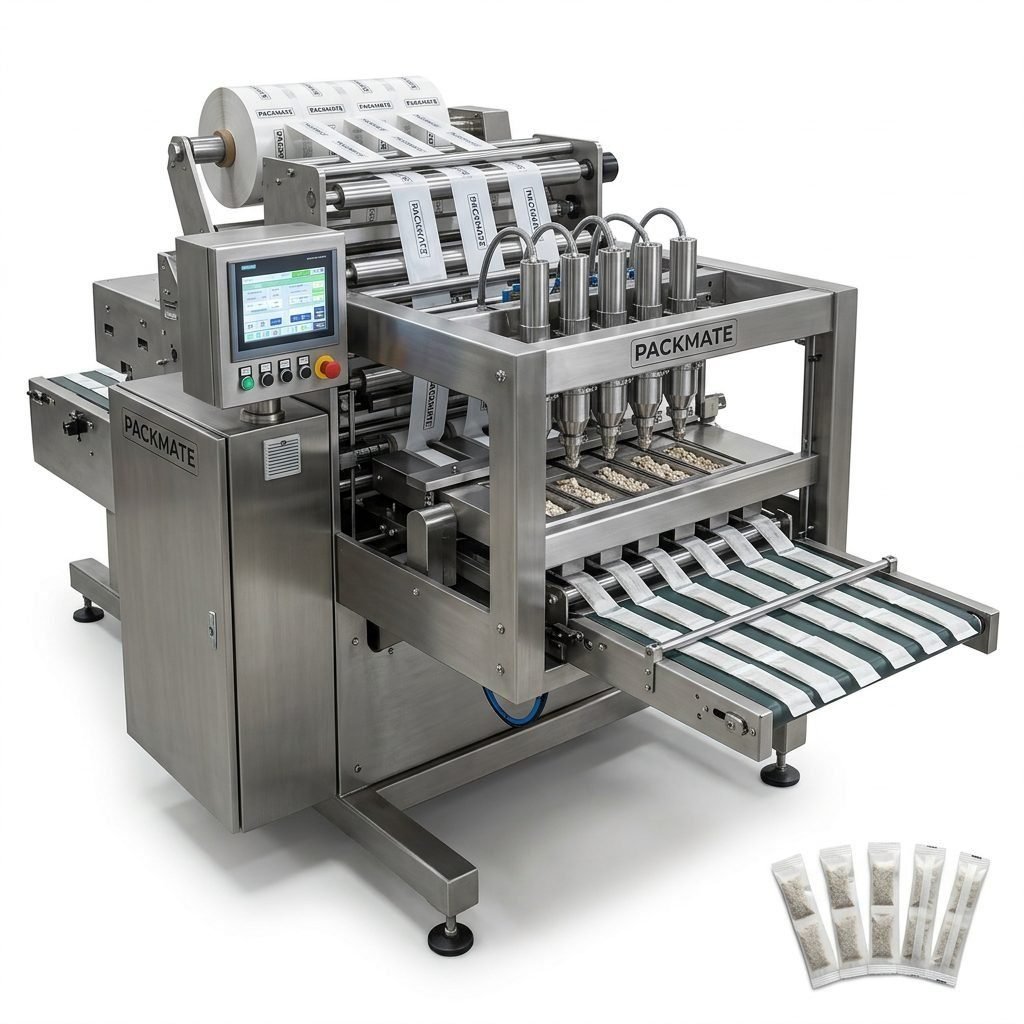
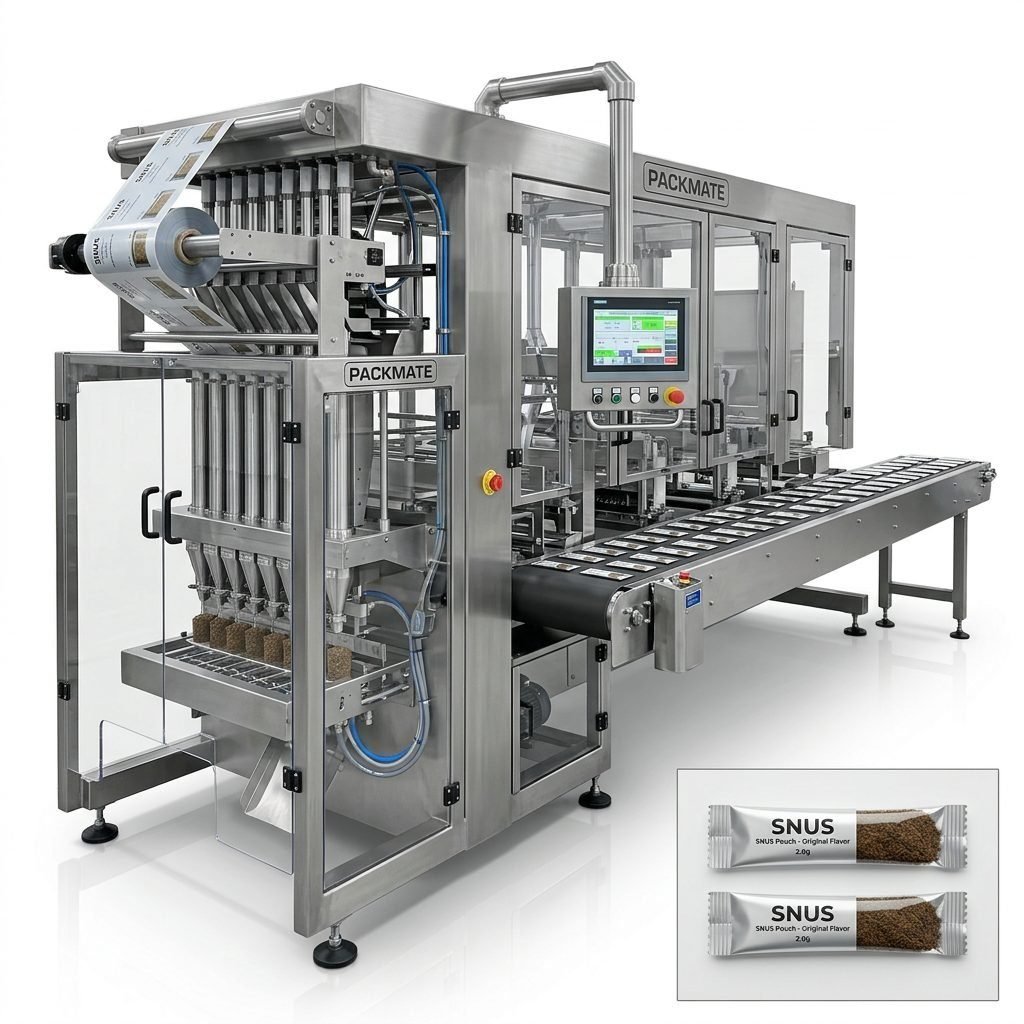
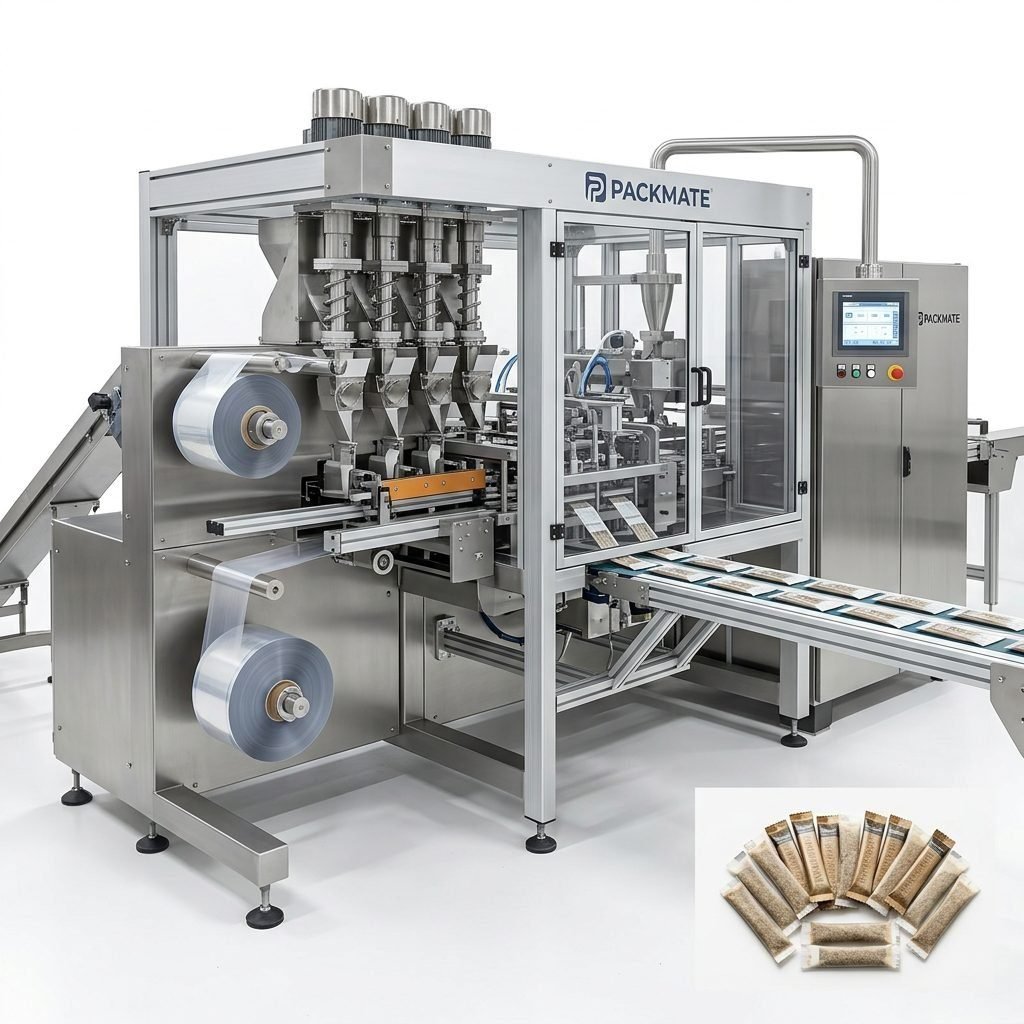
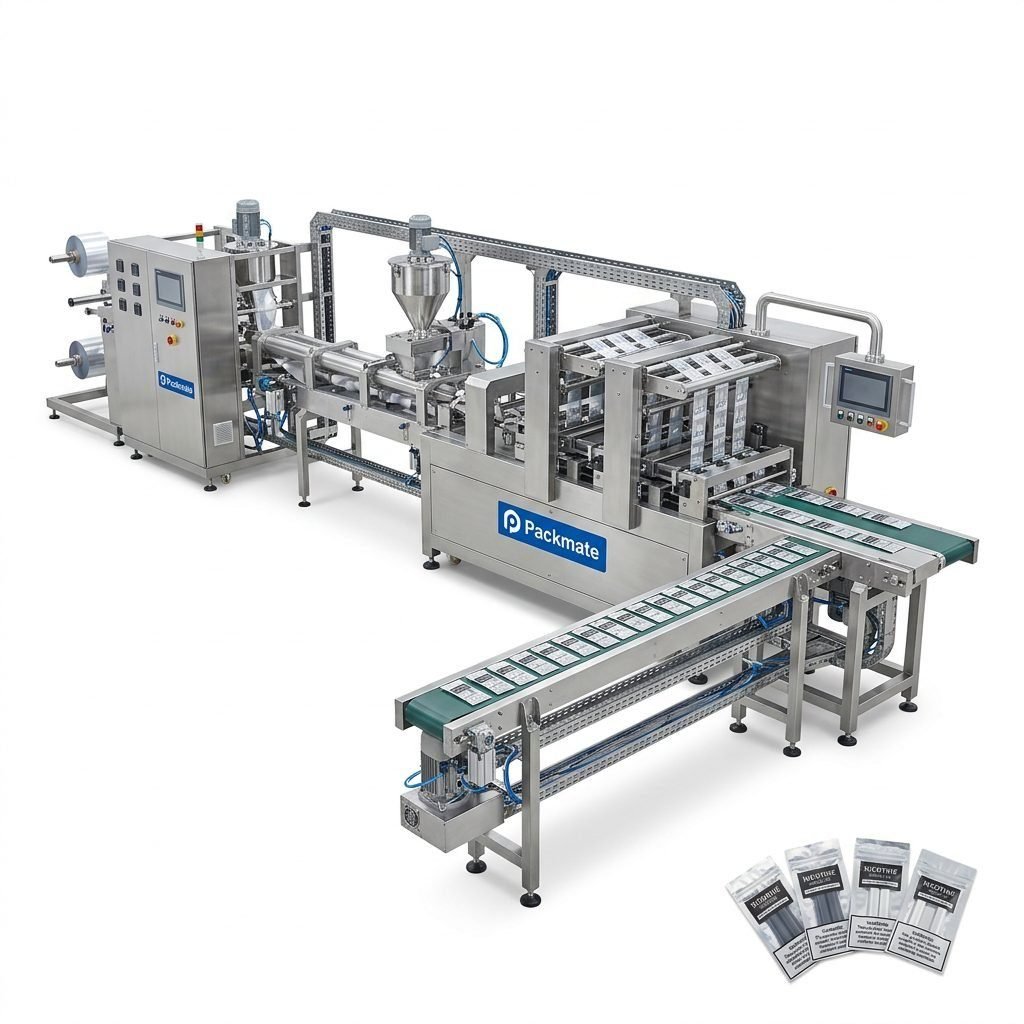
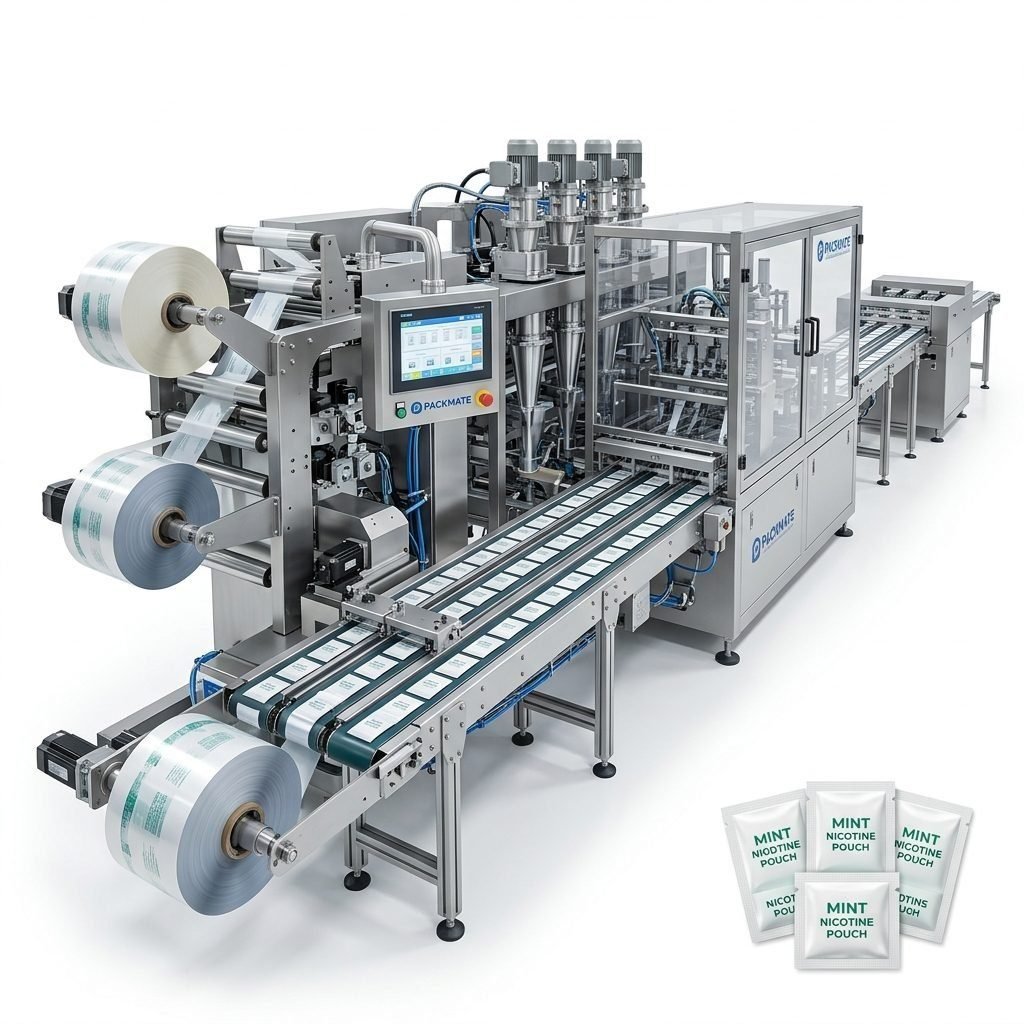
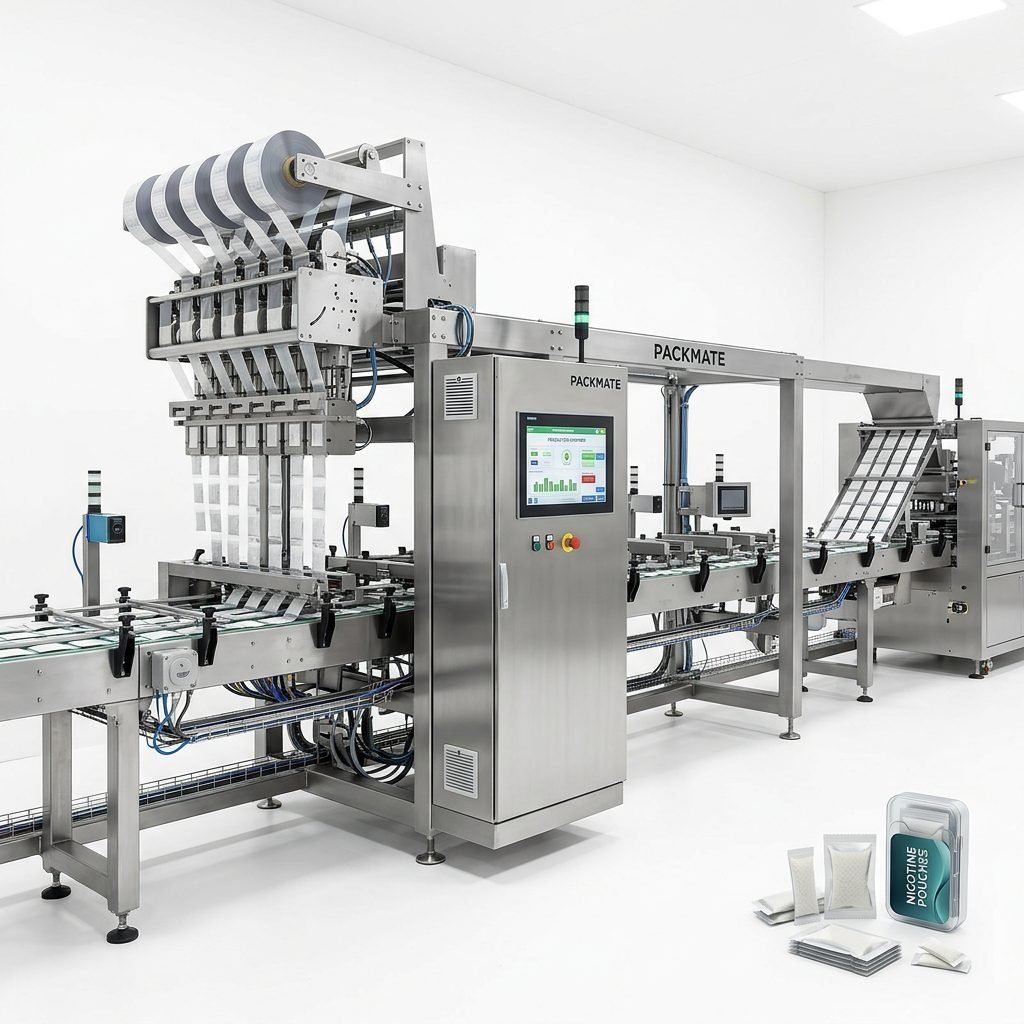
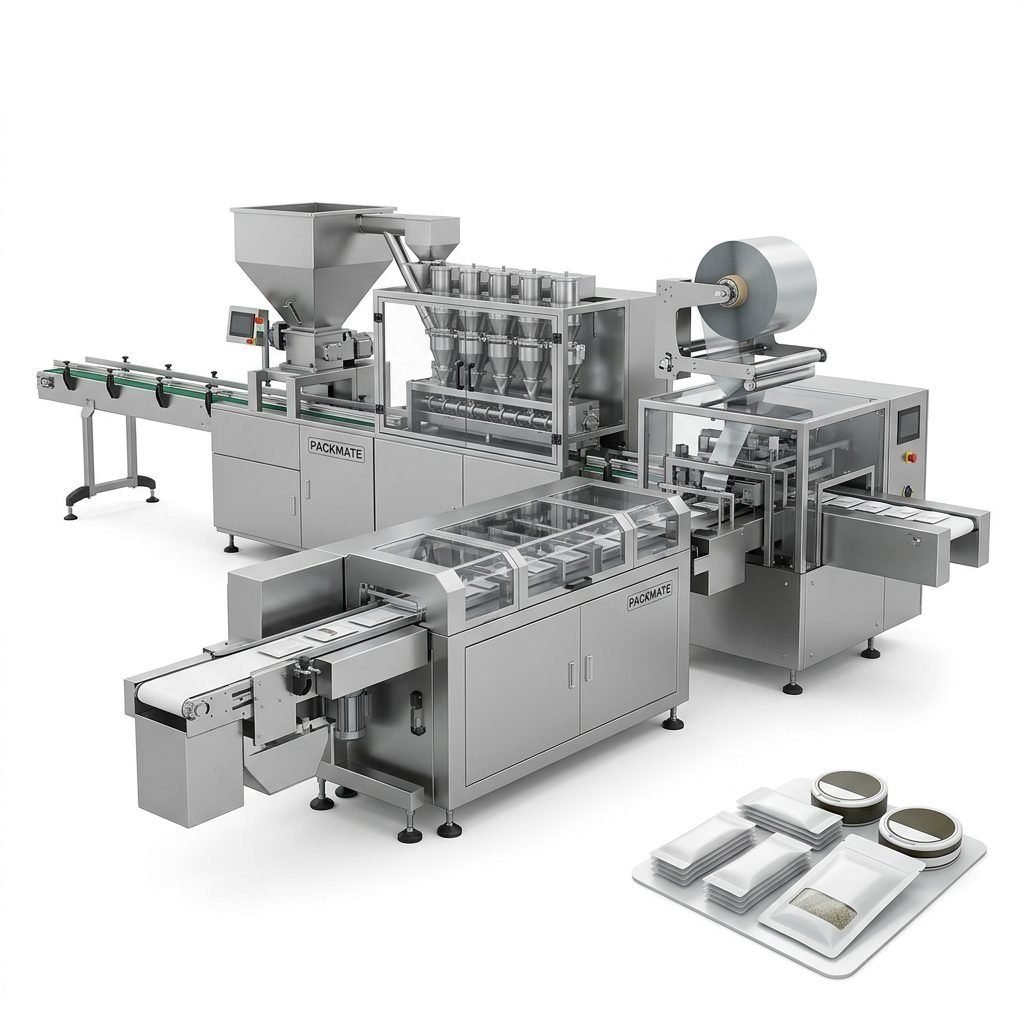
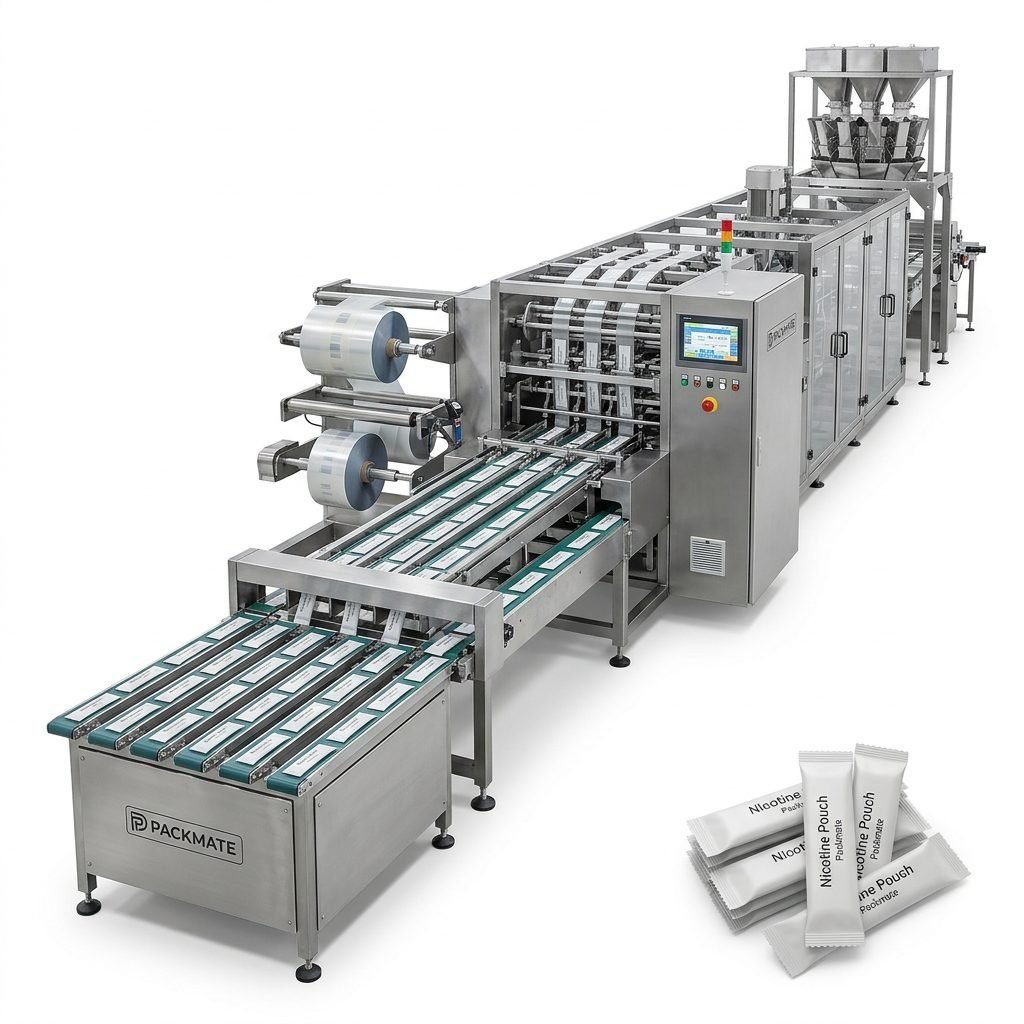
In the modern packaging landscape, advanced automation technologies for snus and nicotine pouch production are transforming how manufacturers achieve higher throughput, improved product consistency, and stronger regulatory compliance. This article explores the core technologies, operational benefits, implementation considerations, and real-world outcomes associated with next-generation snus machine automation. Whether you manufacture small-dose nicotine pouches, sachets, or multi-lane stick packs, understanding these systems helps you make data-driven decisions to boost productivity and product quality.
⚙️ Why Automation Matters for Snus Production
Automated snus packaging lines reduce manual intervention and standardize every step—from dosing and filling to sealing and final inspection. For manufacturers confronted with small-dose formats and strict hygiene requirements, automation delivers three immediate benefits: higher throughput, repeatable accuracy, and traceable processes. In practice, automated systems enable manufacturers to scale output without compromising product integrity or regulatory requirements.
📦 Key Business Drivers
Manufacturers adopt advanced snus automation to address rising market demand, reduce labor costs, and minimize packaging defects. Consistent pouch weight, accurate dosing, and high-speed multi-lane output are essential metrics that determine a line’s commercial success. Investing in modern control systems and precision components results in faster changeovers, lower scrap rates, and improved overall equipment effectiveness (OEE).
🔬 Core Automation Technologies in Advanced Snus Machines
Advanced snus packaging lines combine multiple subsystems to form a cohesive automated solution. The most impactful technologies include machine vision, servo-driven motion, precision weighing and dosing, centralized PLC/HMI control, and smart data logging for traceability. These modules work together to ensure each pouch or stick pack meets tight tolerances and packaging aesthetics required by global markets.
🎯 Multi-lane Servo Systems
Multi-lane designs multiply throughput by allowing simultaneous formation, filling, and sealing of multiple pouches. High-precision servo motors deliver synchronized motion across lanes, enabling uniform fill volumes and accurate cutting/ sealing positions. Advanced control algorithms reduce mechanical shock and lower wear, resulting in reliable 24/7 operation.
👁️ Machine Vision & Inspection
Vision systems inspect pouch integrity, print quality, label alignment, and fill position in real time. By rejecting non-conforming products automatically, vision reduces customer complaints and rework. Many systems integrate barcode reading for batch traceability and automated reporting to MES or ERP systems.
✔️ Precision Dosing & Weighing
Accurate dosing systems use high-speed weighers or auger fillers with closed-loop feedback to maintain tight weight tolerances. For nicotine pouches where regulatory compliance is critical, weight accuracy ±1–2% is achievable with modern weighing heads and smart feeders. Integration with weighing systems is essential for low-dose products to ensure batch uniformity.
📈 Measurable Benefits: Efficiency, Quality, and Traceability
Switching from manual or semi-automatic lines to fully automated snus packaging systems yields measurable benefits. Typical outcomes include significant increases in throughput, lower per-unit labor costs, improved shelf presentation, and better product traceability. Below are the key performance improvements most customers experience.
- Higher throughput: multi-lane lines can multiply output by 3x–8x compared with single-lane systems.
- Reduced waste: precise dosing and accurate cutting/sealing lower scrap and customer returns.
- Improved quality: vision inspection eliminates packaging defects before shipping.
- Full traceability: integrated printing and data capture enable batch-level tracking.
⚠️ Key performance indicator to watch: OEE (Overall Equipment Effectiveness). A well-integrated automated line should see OEE improvements within the first production quarter, driven by reduced downtime and higher run rates.
🏭 Packmate’s Manufacturing Strength & Turnkey Solutions
With more than 30 years of engineering experience and a 20,000㎡ factory, Packmate Snus Machine designs and manufactures high-performance snus packing lines. The company’s portfolio spans multi-lane snus/nicotine pouch machines, stick pack and sachet equipment, and full filling & packaging lines. For details on specific product categories, view the Snus & Nicotine Packaging Machines and Sachet & Stick Pack Machines product pages.
Explore product families:
Snus & Nicotine Packaging Machines,
Sachet & Stick Pack Machines,
and complete Filling & Packaging Lines.
🏆 Certifications & Global Reach
Packmate equipment complies with international standards such as CE and ISO, enabling global shipment and installation. The company’s global cases demonstrate adaptability across markets from Europe to the Americas and Asia, with complete turnkey solutions tailored to local regulations.
🛠️ Implementation Considerations for Automated Snus Lines
Implementing automation requires cross-functional planning: mechanical integration, control system compatibility, hygienic design, and operator training all play a role. Early-stage validation and FAT (Factory Acceptance Test) reduce commissioning time. Below are practical topics to address when planning a new line.
🔗 Integration with Existing Systems
Ensure PLC/HMI and data interfaces are compatible with your MES/ERP. Standard communication protocols (OPC-UA, Modbus, Ethernet/IP) simplify data exchange and support enterprise-level traceability. Discuss connectivity during the quote phase to avoid later retrofits.
🧼 Hygiene & Cleanability
Materials and design must allow routine cleaning without compromising electronics or precision mechanisms. For nicotine pouch production, closed hoppers, sealed bearings, and easily removable contact parts reduce contamination risk and shorten cleaning cycles.
🧩 Spare Parts & Local Support
Fast access to spare parts and local service partners ensures minimal downtime. Packmate supports global customers with technical documentation, training, and aftermarket service—key factors in maintaining long-term line performance.
📊 Calculating ROI for Automation Projects
Return on investment depends on throughput increases, labor reduction, waste reduction, and improved yield. A basic ROI model compares incremental revenue from higher production capacity against capital and operating expenses. Common payback periods for medium-scale snus lines range from 12 to 36 months, depending on utilization and product mix.
💡 Practical ROI Example
If you increase line output by 4x while reducing labor headcount by 50% and lowering scrap by 30%, the combined savings and incremental sales typically offset the investment within the first two years for mid-volume manufacturers. Detailed line simulations and sample production runs during FAT provide the most reliable ROI forecasts.
🧾 Real-World Case Studies & Resources
Manufacturers worldwide have deployed turnkey lines from Packmate that include snus/nicotine pouch packaging machines, weighing & packaging systems, and auxiliary equipment. For more detailed project references and published case studies, see Packmate’s Case and About pages to review successful installations and exhibition demonstrations.
Useful links:
Case,
About Packmate,
and the hidden (internal reference).
🧑🔧 Maintenance, Training, and Long-Term Support
A strong maintenance plan combines preventive tasks, condition monitoring, and operator training. Remote diagnostics and spare-part kits help reduce MTTR (mean time to repair). Packmate’s service offerings include commissioning support, operator certification, and scheduled maintenance contracts to ensure lines operate at peak efficiency.
📌 Pro tip: Schedule training during FAT and commissioning to shorten the operator learning curve and capture best practices directly from the engineering team.
🔍 Regulatory & Compliance Considerations
Compliance with local regulations for nicotine-containing products is paramount. Automated lines can incorporate required labeling, batch codes, and tamper-evidence features at high speeds while maintaining records for audits. Discuss compliance requirements early with suppliers to ensure built-in capabilities meet legal obligations.
📚 Technical Documentation
Comprehensive documentation—electrical schematics, maintenance manuals, and software change logs—supports safe operation and regulatory evidence. Make sure documentation is delivered in your preferred language and include spare-parts lists to streamline inventory management.
💬 Conclusion
Advanced snus machine automation is central to achieving higher throughput, consistent product quality, and reliable traceability in nicotine pouch production. By integrating servo-driven multi-lane systems, precision dosing, machine vision, and robust control architectures, manufacturers can significantly improve OEE and deliver products that meet stringent regulatory standards. Partnering with an experienced supplier who offers turnkey solutions, global support, and proven case results shortens time-to-market and maximizes long-term value.
Frequently Asked Questions
Q1 How quickly can a multi-lane snus line be commissioned?
Commissioning time depends on factory readiness and scope. Typical onsite commissioning for a multi-lane line ranges from 2 to 6 weeks after shipment, including installation, FAT, and operator training. Early planning and clear interfaces shorten the schedule.
Q2 What accuracy can I expect from dosing systems for small-dose pouches?
Modern dosing and weighing systems can achieve weight accuracy within ±1–2% for many small-dose formats, provided the feed material is consistent and the line is properly tuned. Closed-loop control and regular calibration improve long-term accuracy.
Q3 Can automation support regulatory labeling and traceability?
Yes. Automated lines integrate printers, vision verification, and data capture to ensure each batch is labeled correctly and traceable. Integration with MES/ERP systems further centralizes batch records for audits and recalls.
Q4 Where can I see examples of installed snus lines?
Visit Packmate’s case history and exhibition pages for live demos and project summaries: Case and Our Exhibition.