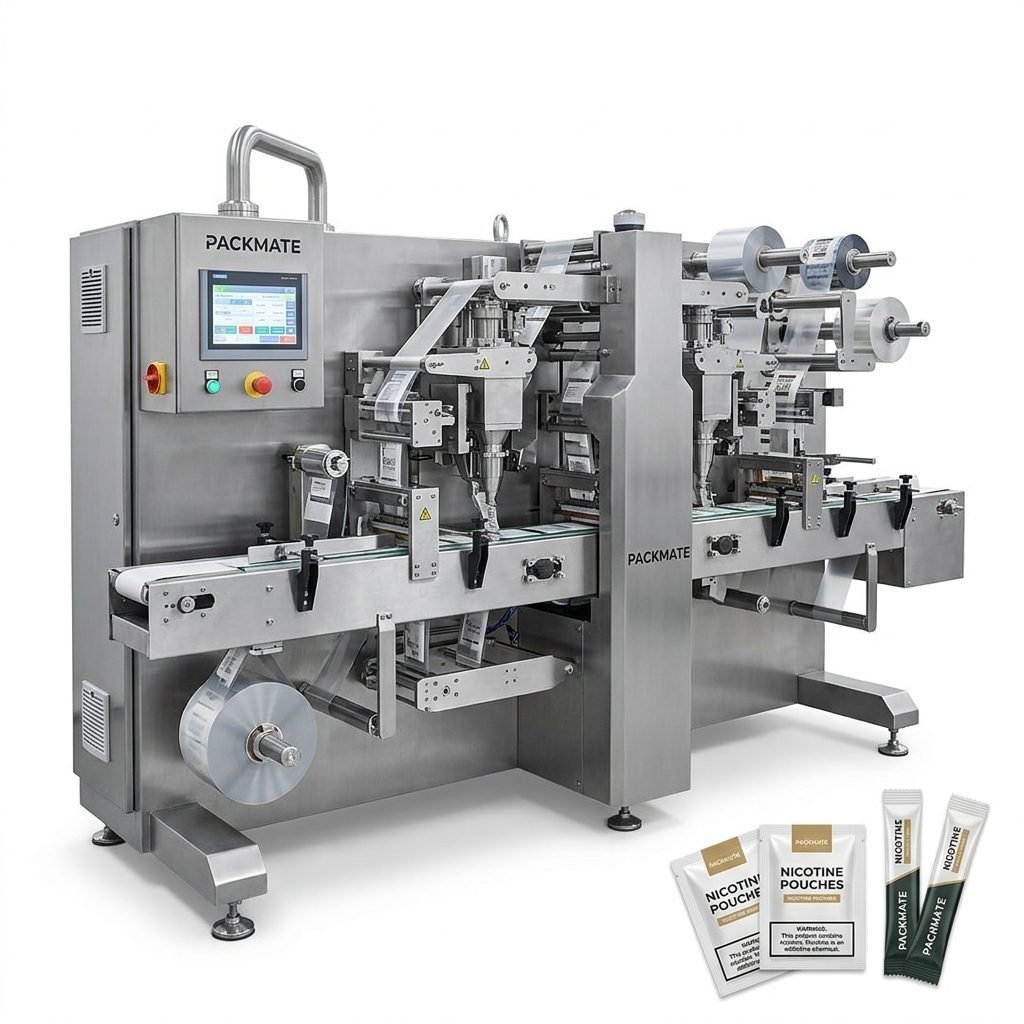
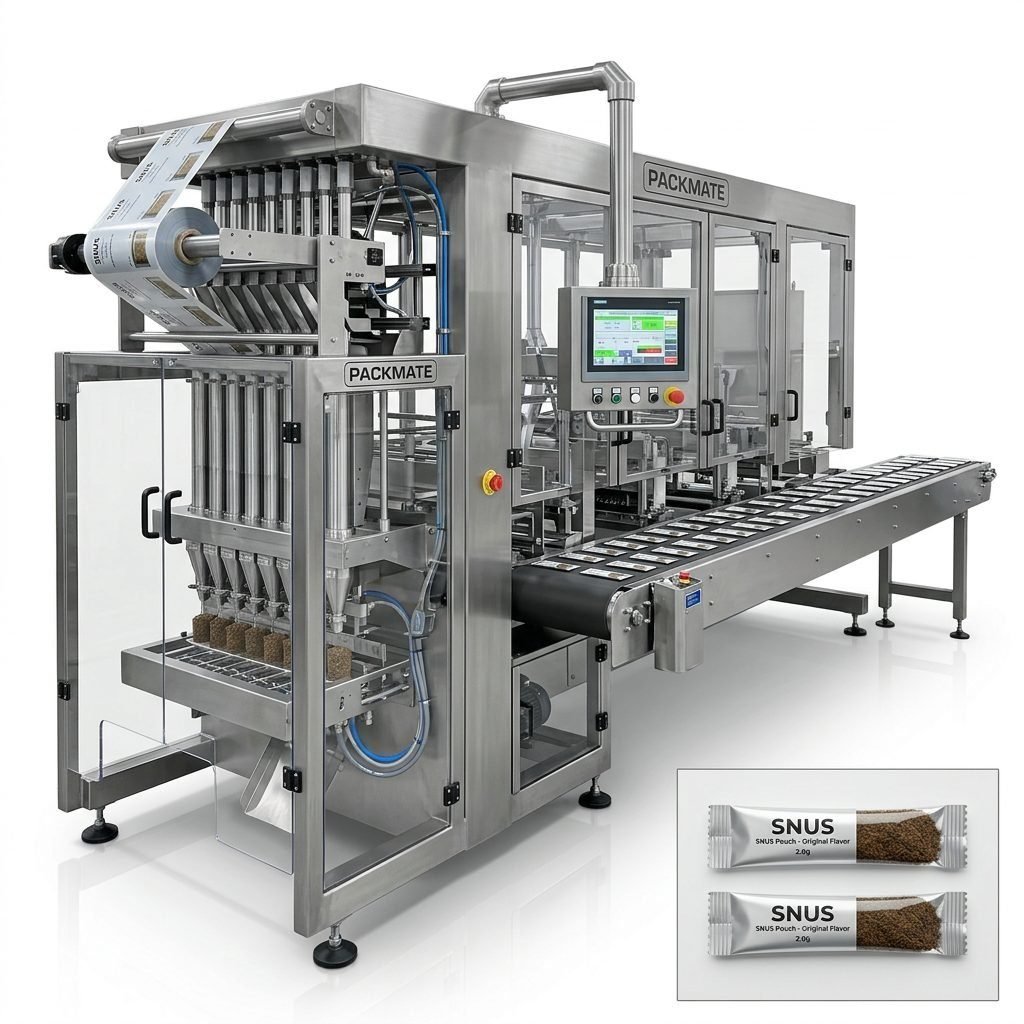
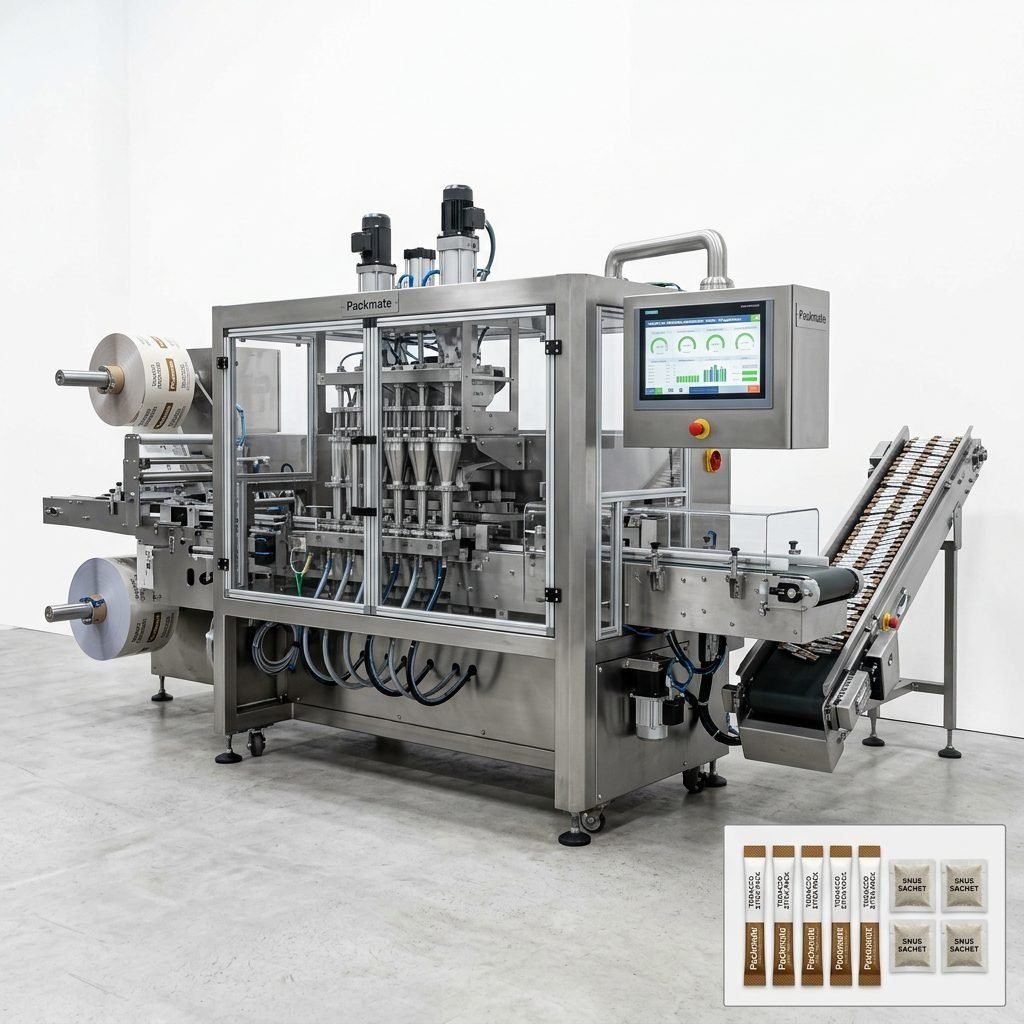
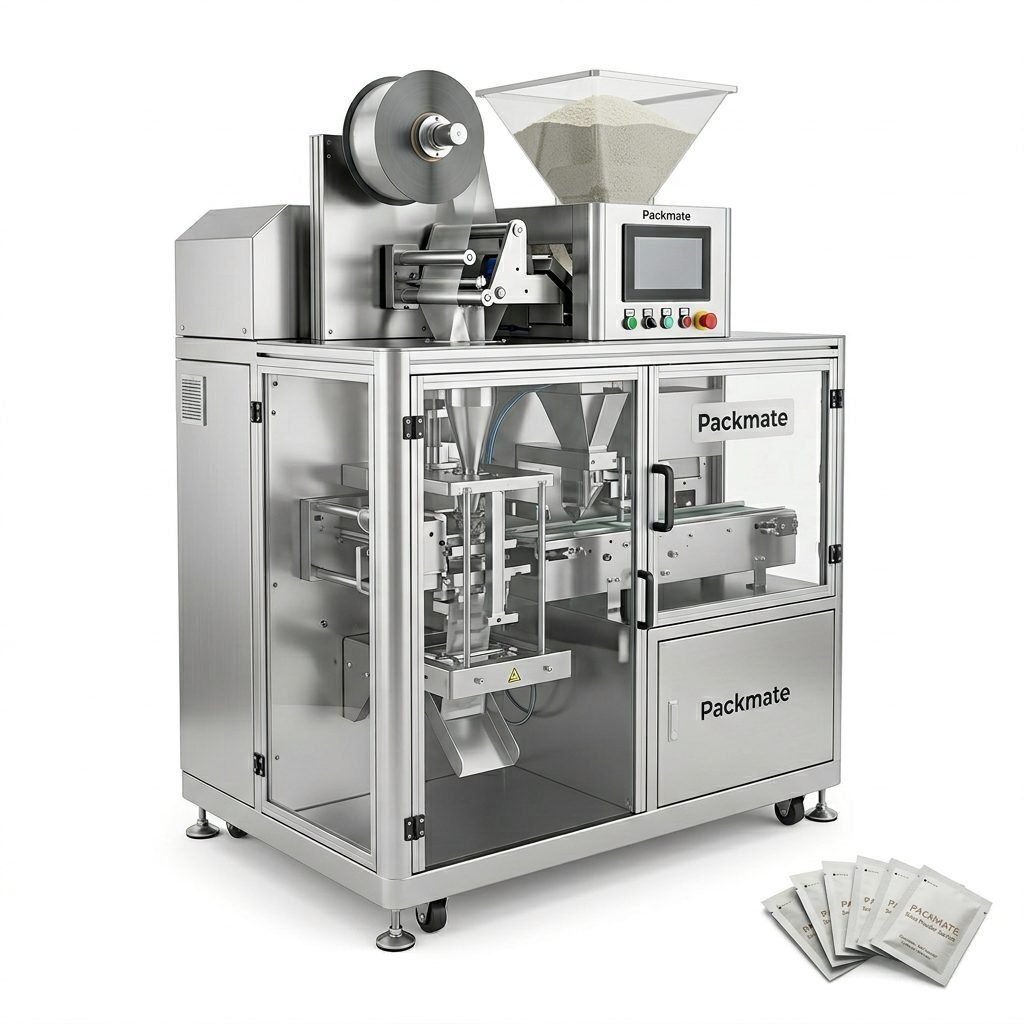
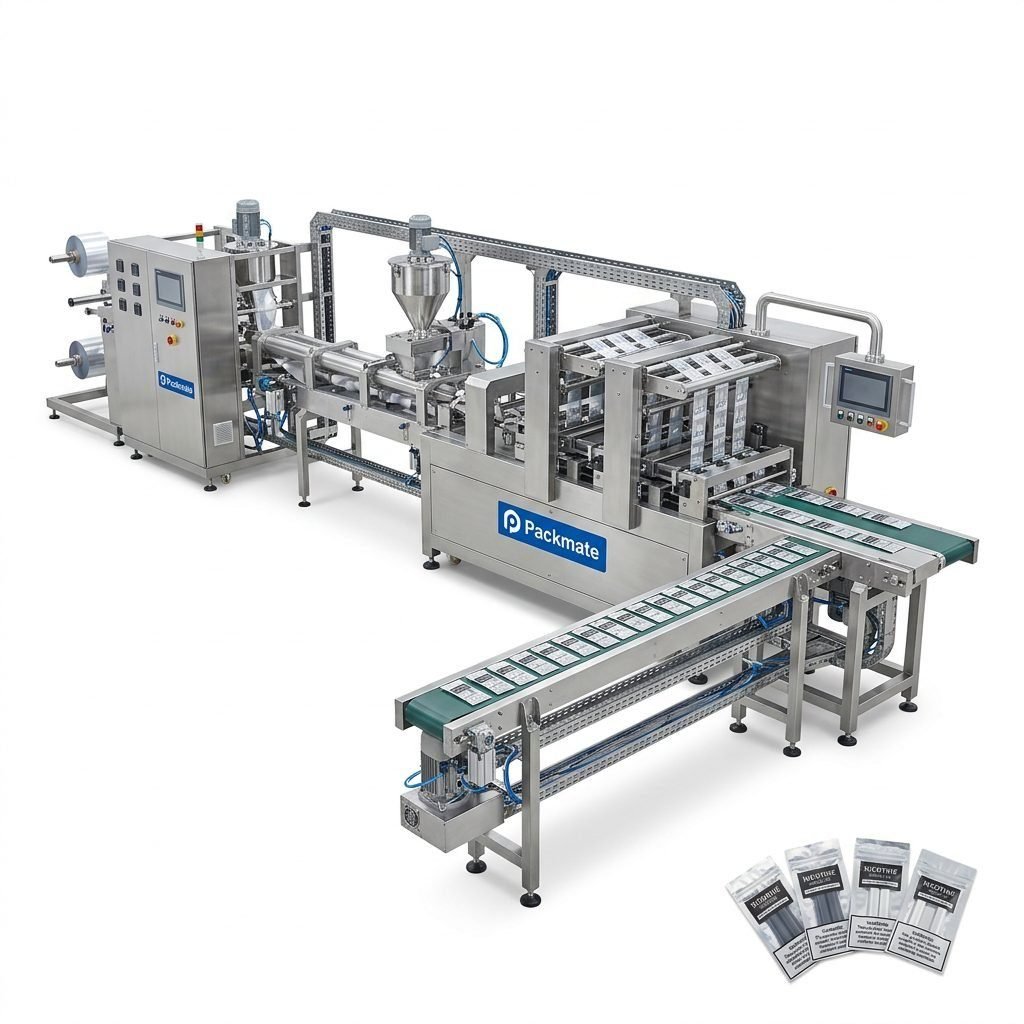
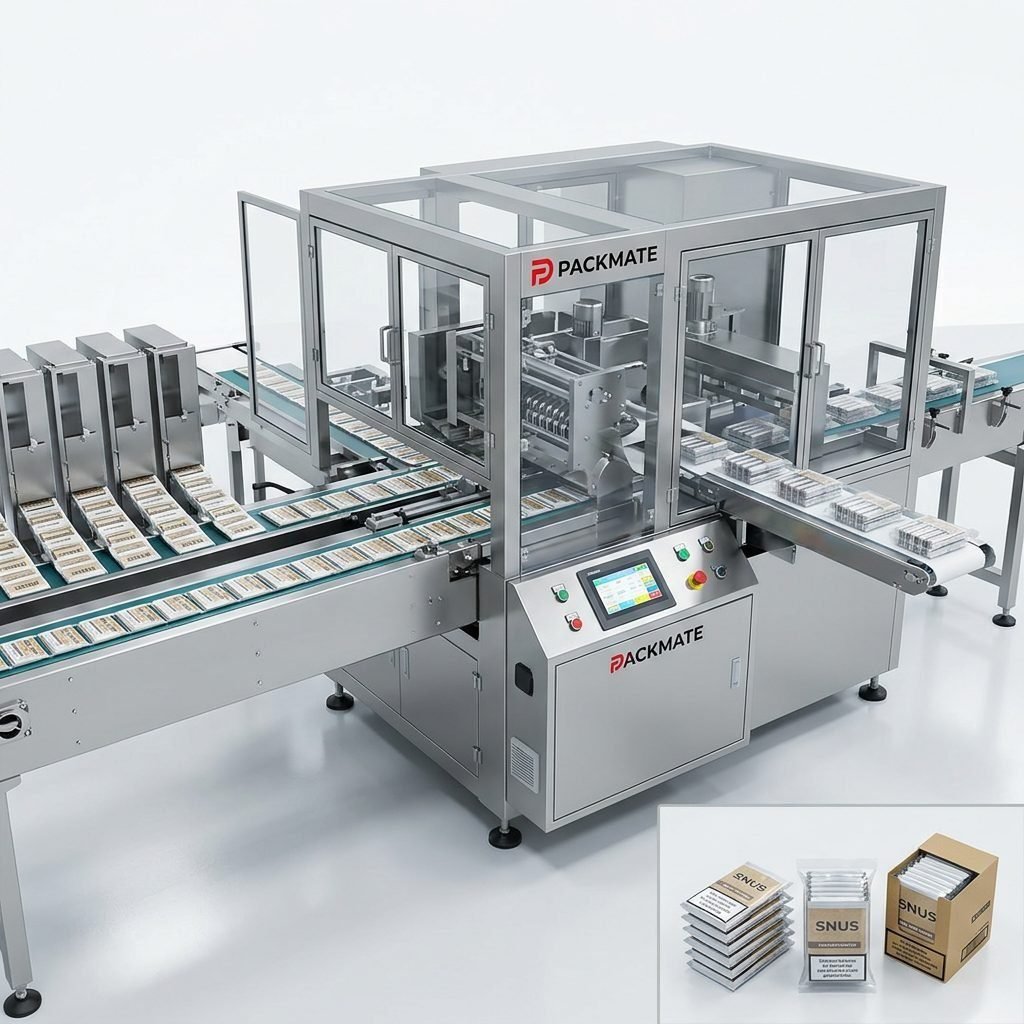
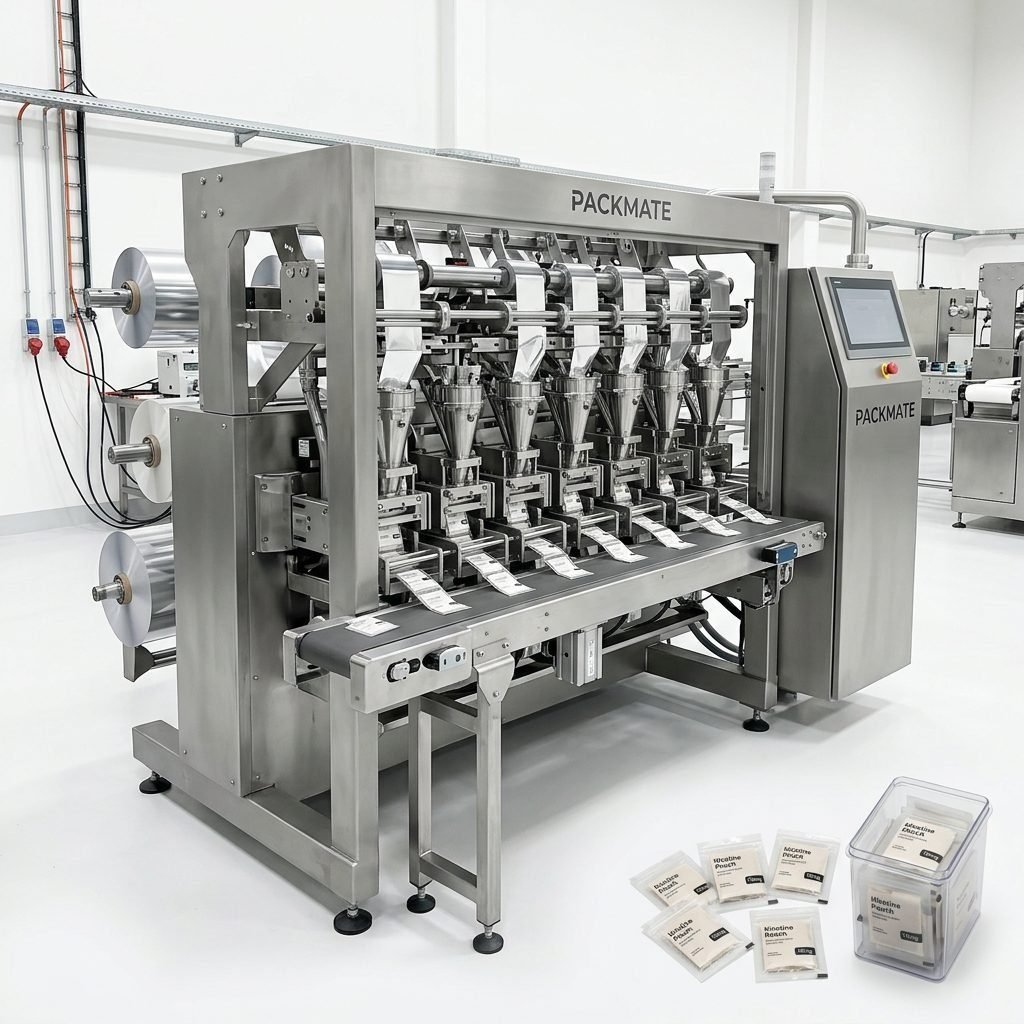
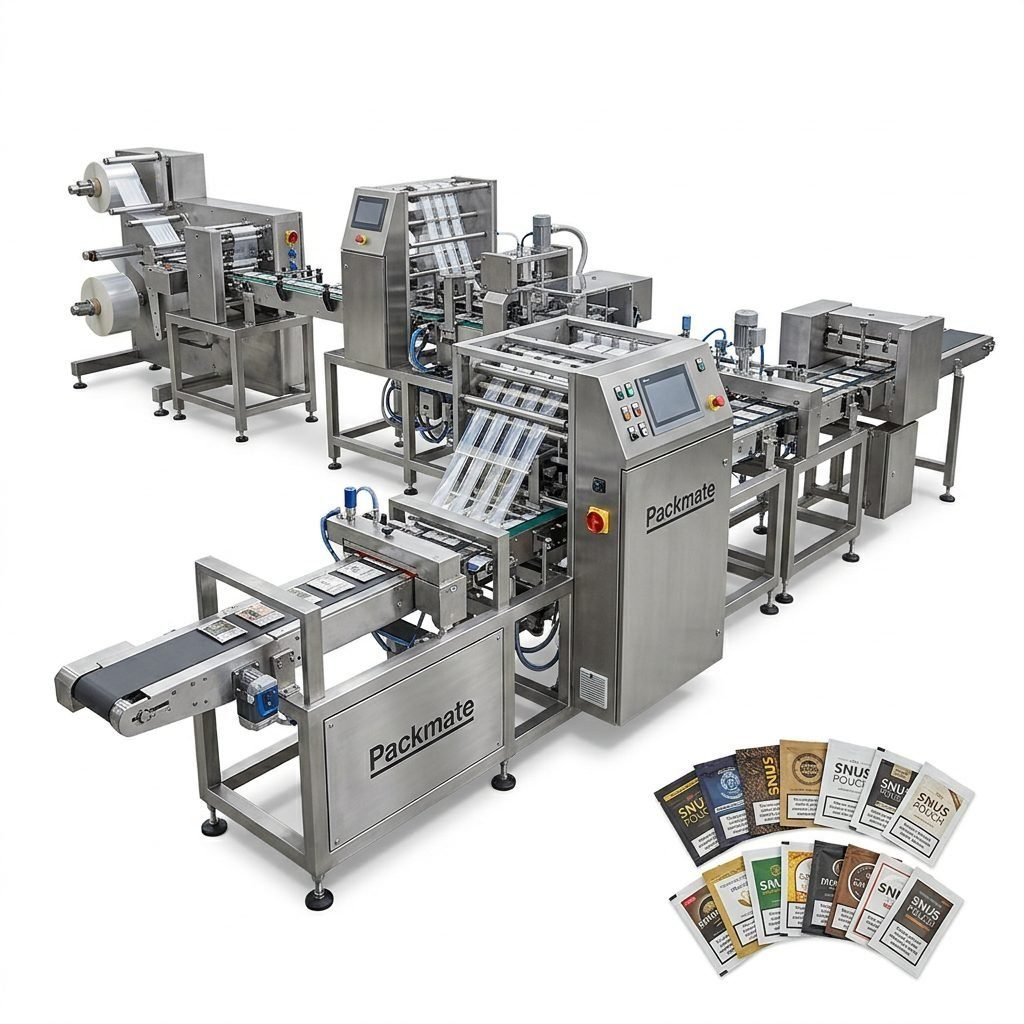
Choosing the right nicotine packaging machinery manufacturer for your business in Comoros is a strategic decision that affects product quality, regulatory compliance, operational uptime, and long-term costs. This guide walks you through the most important factors to evaluate — from machine types and factory capabilities to certifications, support, and logistics — so you can make an informed choice and secure a partner that scales with your business.
Understand Your Packaging Needs
Before you shortlist manufacturers, define your product and production profile. Important variables include:
Product format: nicotine pouches, snus, sachets, stick packs, or multi-dose pouches. Different machines specialize in distinct pouch geometries and sealing methods.
Output requirement: hourly throughput expectations and whether you need single-lane or multi-lane systems for higher capacity.
Product characteristics: powder vs. granular vs. moist pouches, hygroscopic materials, or delicate ingredients that require special handling.
Match Machine Types to Your Goals
When evaluating machinery, consider the core technologies commonly used for nicotine pouch production. Reliable suppliers offer a family of machines so you can scale without vendor fragmentation:
- Form-fill-seal pouch systems for individual nicotine pouches.
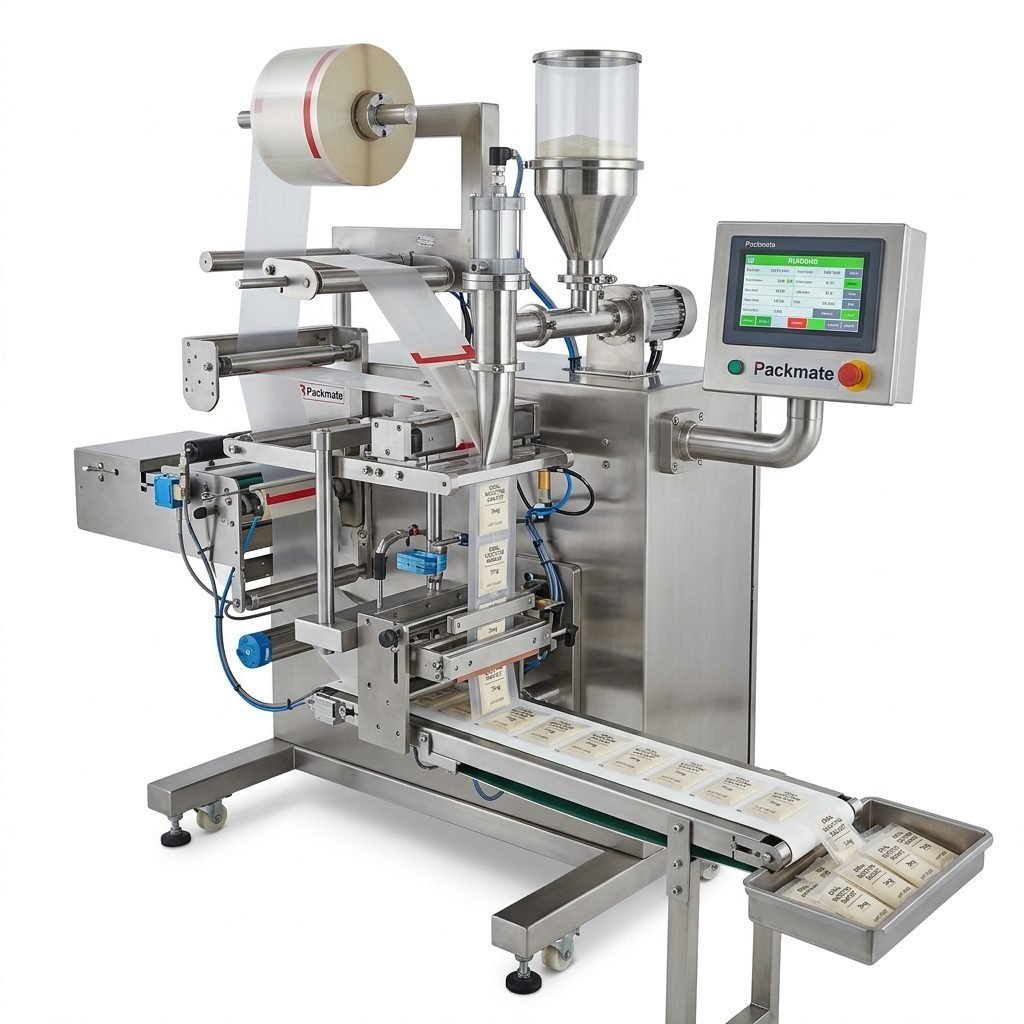
- Stick pack and sachet machines for consumer sampling sizes — see examples at Sachet & Stick Pack Machines.
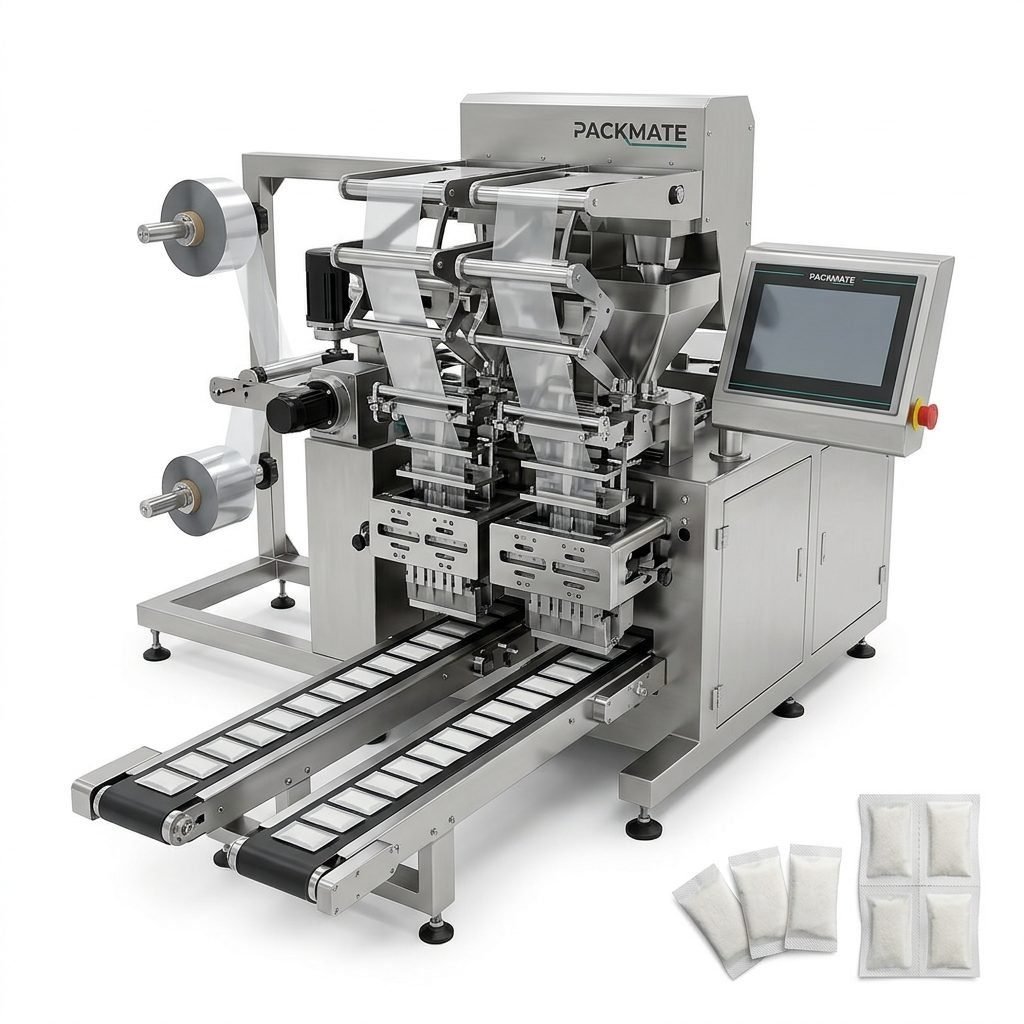
- Multi-lane snus packaging systems for compact, high-throughput lines — explore Snus & Nicotine Packaging Machines for reference.
Tip: Favor manufacturers that offer modular platforms so you can add lanes or integrate upstream weighers and downstream cartoners without a complete replacement.
ability to handle small-dose nicotine pouches with consistent fill accuracy and gentle handling to preserve product integrity.
Evaluate Manufacturer Experience and Factory Strength
Longevity and manufacturing scale matter. A partner with decades of engineering experience and a sizable production facility is more likely to deliver reliable machinery and quick spare parts supply. Look for:
- Proven track record in snus or nicotine packaging markets (years in R&D and production).
- Large factory area, advanced CNC machining, and precision assembly lines — this reduces variability between units.
- Availability of multiple machine models and turnkey solutions to support growth.
Packmate Snus Machine, for instance, highlights a 20,000㎡ facility with advanced CNC systems and 30+ years of engineering background — useful indicators when comparing suppliers. Learn more at About Packmate.
Quality, Certifications, and Compliance
Regulatory compliance and international certifications are essential, especially if you plan to export products or operate in tightly regulated markets. Verify:
• CE and ISO certifications — these confirm adherence to international safety and quality standards. See manufacturer certificates at Certificate.
• Detailed technical documentation, spare parts lists, machine drawings, and QC reports for FAT and SAT (Factory and Site Acceptance Testing).
CE/ISO certification, electrical safety labels, calibration certificates for weighing systems, and hygienic design for food-contact parts.
Assess After-Sales Support and Spare Parts Supply
A machine is only as good as the service backing it. For a remote market like Comoros, fast support and spare parts availability are crucial. Ask manufacturers for:
- Local or regional service partners, or documented remote-support procedures.
- Standard stocking policy for critical spare parts and guaranteed lead times.
- Training programs for operators and maintenance technicians — both on-site and at factory.
Contact channels and service options are often listed on the manufacturer’s service pages — review details at Service and reach out via Contact Us.
Customization, Turnkey Solutions and Case Studies
If your project requires a complete line — from weighing and filling to packaging and cartoning — prioritize manufacturers that deliver turnkey systems. Benefits include single-source responsibility, optimized integration, and simplified commissioning.
Request case studies or references for similar nicotine pouch lines. Real-world examples of multi-lane snus lines and turnkey installations demonstrate practical competence. View global case examples at Case.
whether the supplier can integrate weighing and dosing (see Weighing & Packaging Systems) and provide a full GMP-compliant layout.
Factory Acceptance Testing (FAT) and Training
Insist on FAT to validate machine performance before shipment. FAT should include:
- Performance verification at specified speeds and uptime metrics.
- Sample production with your actual materials and packaging films.
- Operator and maintenance training with documented manuals and spare parts kits.
Well-run FAT reduces surprises during commissioning in Comoros and ensures operators are ready for first production runs.
Logistics, Shipping and Local Installation
Consider the logistical pathway from factory to Comoros: sea freight, customs clearance, inland transport, and final installation. Key items to confirm:
- Packing and crating standards for long sea transit.
- Clear shipping documentation and HS codes to avoid customs delays.
- Local installation support or detailed remote commissioning plans.
For island nations, include buffer time for customs and possible transshipment; confirm whether the manufacturer has prior shipments to Comoros or similar ports.
Commercial Terms and Warranty
Negotiate commercial terms that protect your investment:
- Clear warranty scope, duration, and response times for on-site service.
- Payment milestones tied to FAT completion, shipment, and successful commissioning.
- Spare parts kit included or offered as an optional add-on with lead times spelled out.
A trustworthy partner will be transparent about lead times, spare parts pricing, and predicted MTTR (mean time to repair) for critical components.
Why Choose a Proven Supplier for Nicotine Pouch Lines?
A proven supplier brings predictable machine performance, validated recipes for filling and sealing, and documented uptime figures. Additional advantages:
- Faster ramp-up with established parameter sets for nicotine pouch formats.
- Access to upgrades and retrofits as product formats evolve.
- Participation in industry shows where you can see live demonstrations — check upcoming events at Our Exhibition.
Checklist: Questions to Ask Potential Manufacturers
• How many lines have you delivered for nicotine/snush pouch production in the last 5 years?
• Can you provide references and on-site performance metrics?
• What spare parts are critical and what are their lead times?
• What training, remote support, and documentation are included?
• Do you offer turnkey solutions including weighing, filling, and cartoning?
Ask for a live demo video of the exact model running your product format — seeing the machine in action reveals details that paperwork cannot.
Selecting the Best Fit for Comoros
Make the final choice based on a balance of technical match, supplier credibility, after-sales service, and total cost of ownership. For Comoros, prioritize suppliers who can reliably support shipping and spare parts logistics and who demonstrate experience exporting to island markets.
When you evaluate manufacturers against these criteria, you reduce risk and improve the chances of a smooth production launch. A partner with a wide model range and turnkey capability — including pouch machines, stick and sachet lines, and weighing systems — will be more valuable as your product portfolio grows.
Browse product categories to match your needs — Snus & Nicotine Packaging Machines, Sachet & Stick Pack Machines, and Weighing & Packaging Systems.
Frequently Asked Questions (常见问题):
Q1: How long does it typically take to receive and install a nicotine pouch packaging line in Comoros?
A1: Typical lead times vary by model and customization but expect factory production and testing to take several weeks to a few months, plus sea freight and customs clearance. Plan for additional time for on-site installation and validation, especially for turnkey solutions.
Q2: What certifications should I require from a packaging machinery supplier?
A2: Require CE and ISO certifications as a minimum, plus documentation for electrical safety, hygienic design for food-contact parts, and calibration certificates for weighing systems. Request copies of certificates and recent quality audits.
Q3: How can I ensure spare parts and technical support are available locally?
A3: Ask the supplier for their spare parts stocking policy, typical lead times, and whether they have regional partners or distributers. Negotiate an initial spare parts kit and remote support clauses in the service agreement.
Q4: Should I choose single-lane or multi-lane machines for nicotine pouches?
A4: Single-lane machines are simpler and lower-cost to start; multi-lane systems offer higher throughput per footprint and better scalability. Your choice depends on current and forecasted volumes, available floor space, and budget for capital investment.
Q5: What warranties and training should be included?
A5: Insist on a clear warranty period covering mechanical and electrical faults, with defined response times. Include operator and maintenance training during FAT or commissioning and provide comprehensive manuals and spare parts lists.