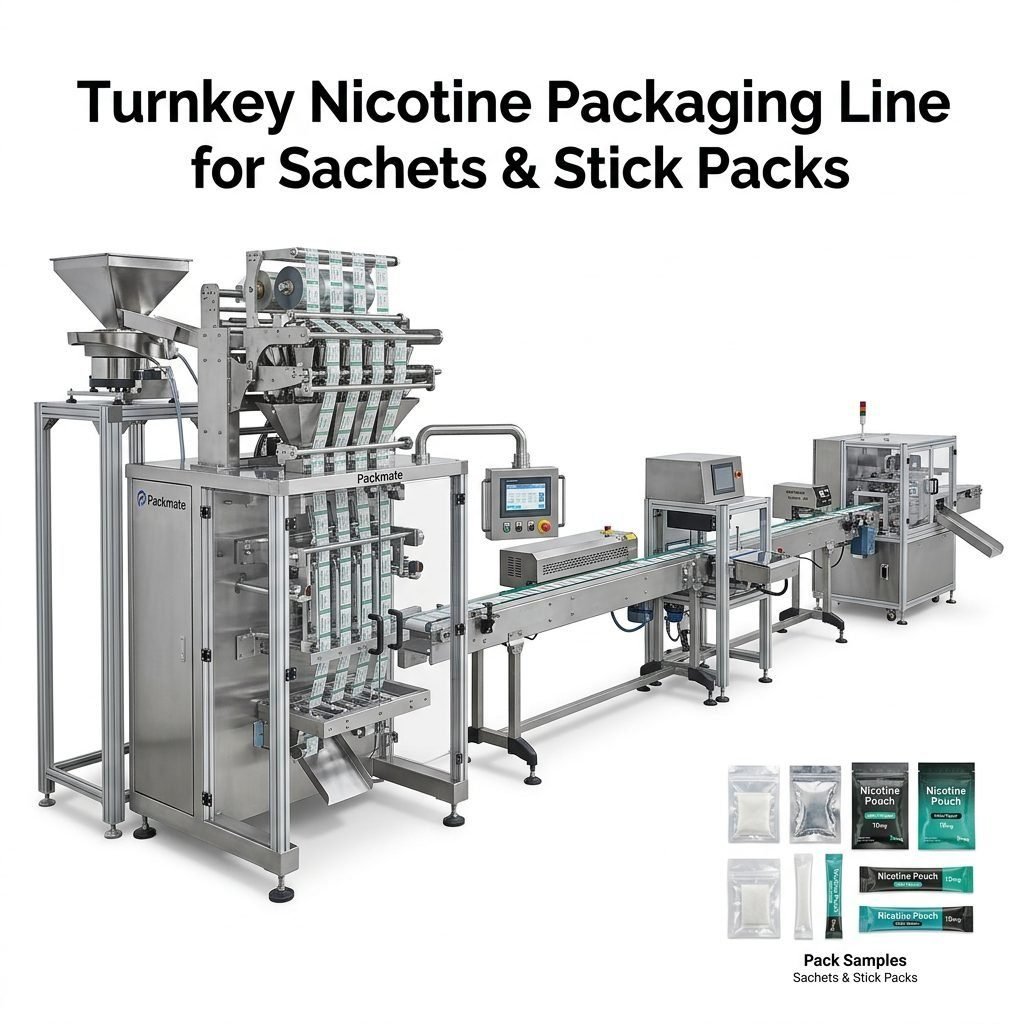
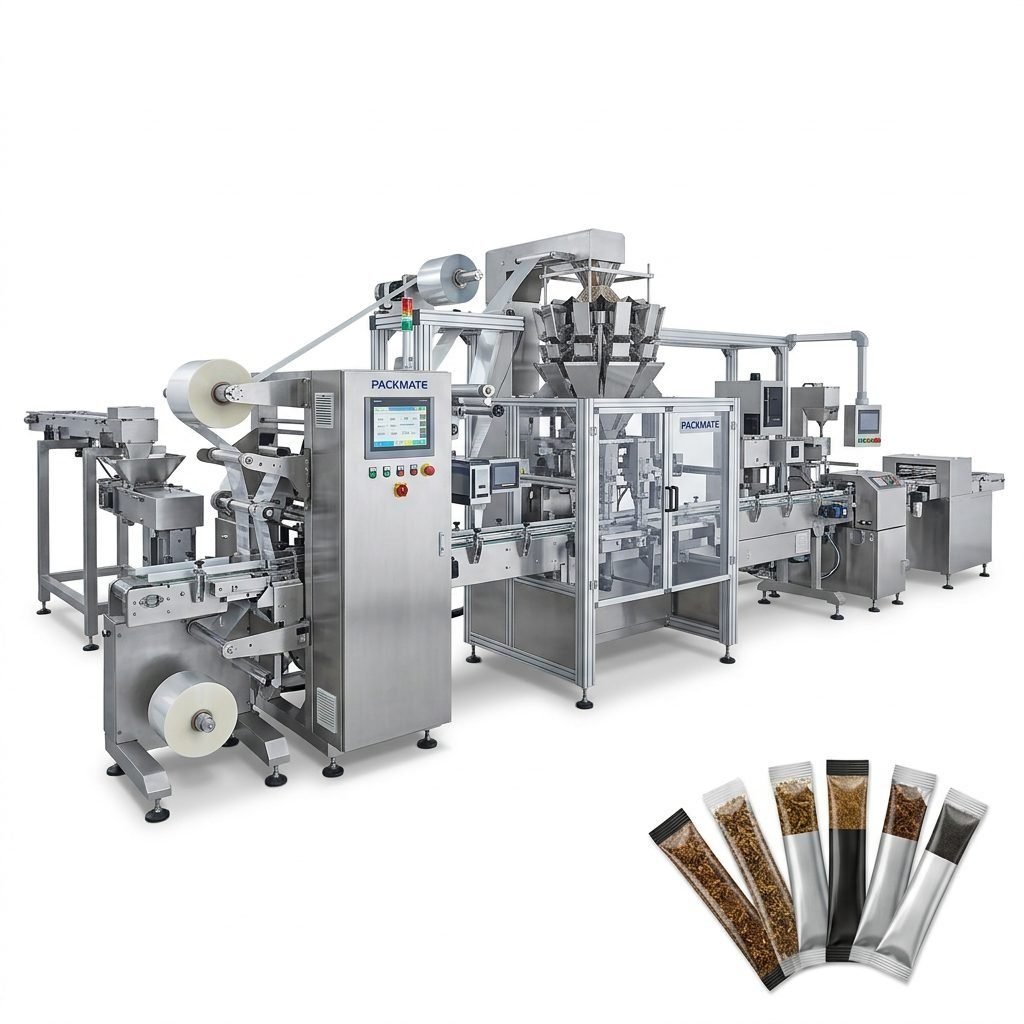
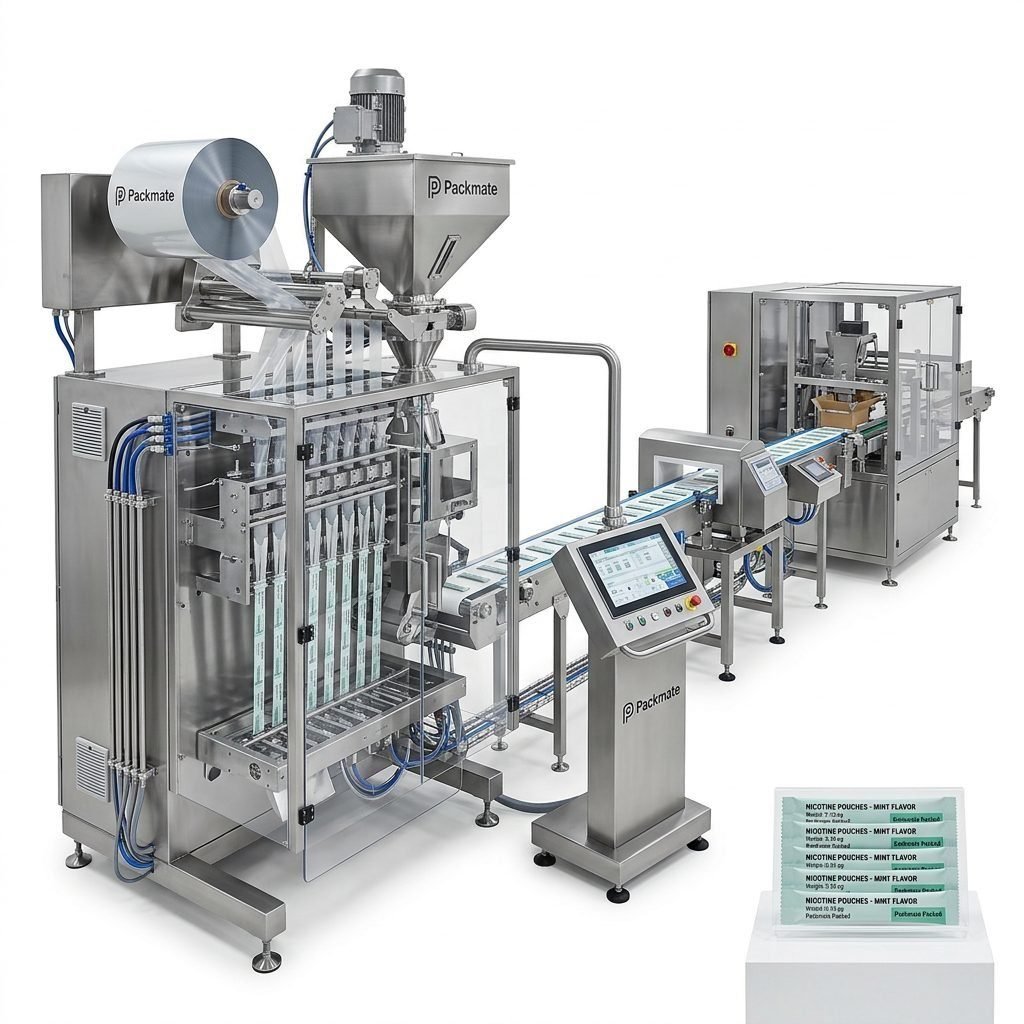
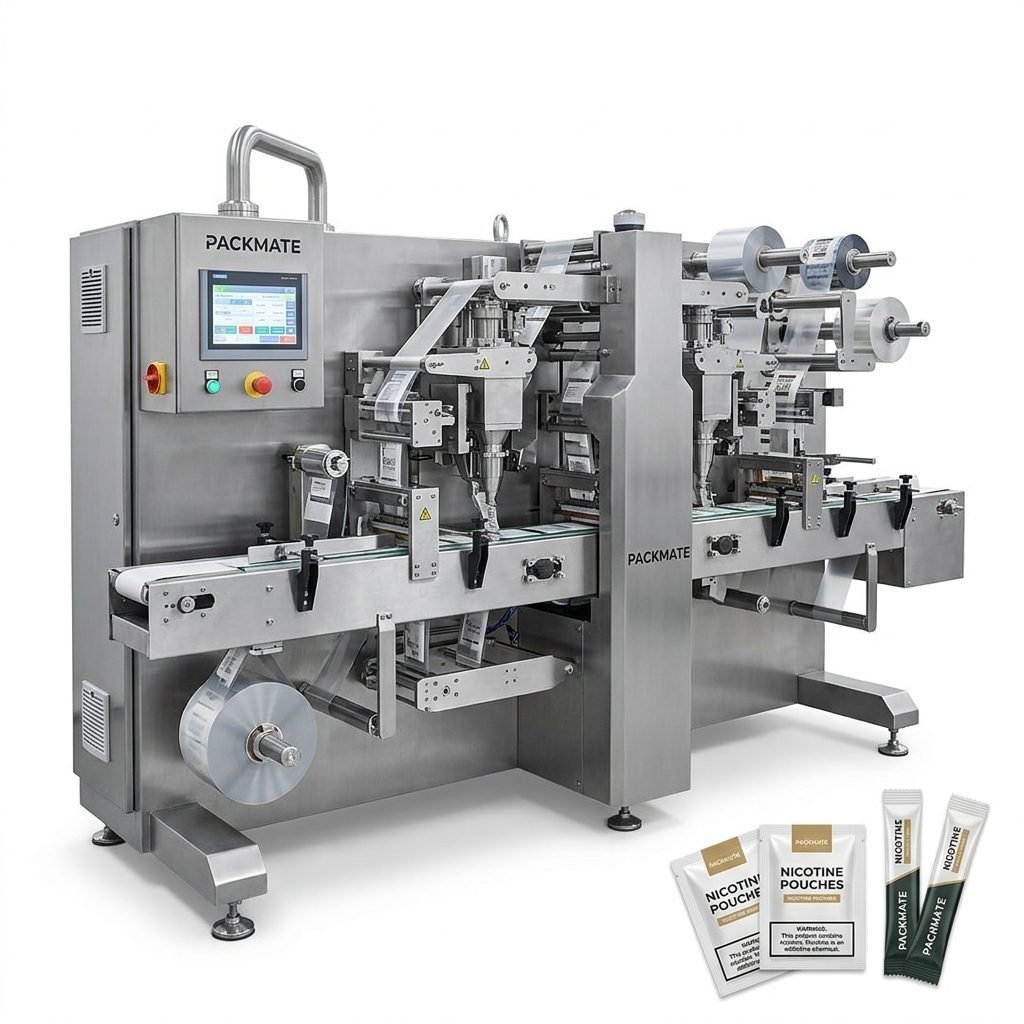
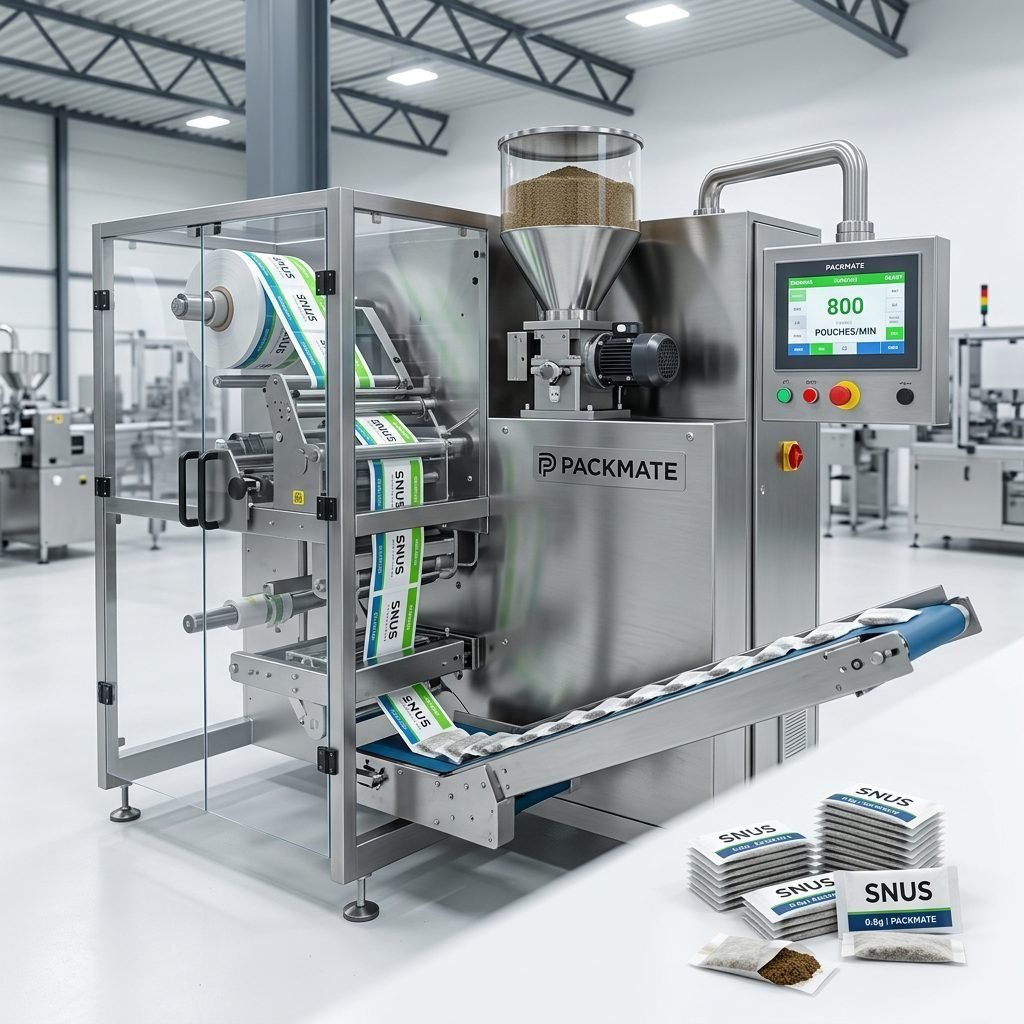
Entering the nicotine pouch and snus market in Gabon requires not only a strong business plan and regulatory know-how, but also the right packaging partner. Choosing the best nicotine packaging machine manufacturer can determine your production efficiency, product quality, compliance, and long-term profitability. This guide walks you through the practical steps, technical criteria, and commercial considerations to help you select a reliable snus and nicotine pouch packaging equipment supplier for your Gabon-based operation.
Understanding the Gabon Market and Your Production Goals
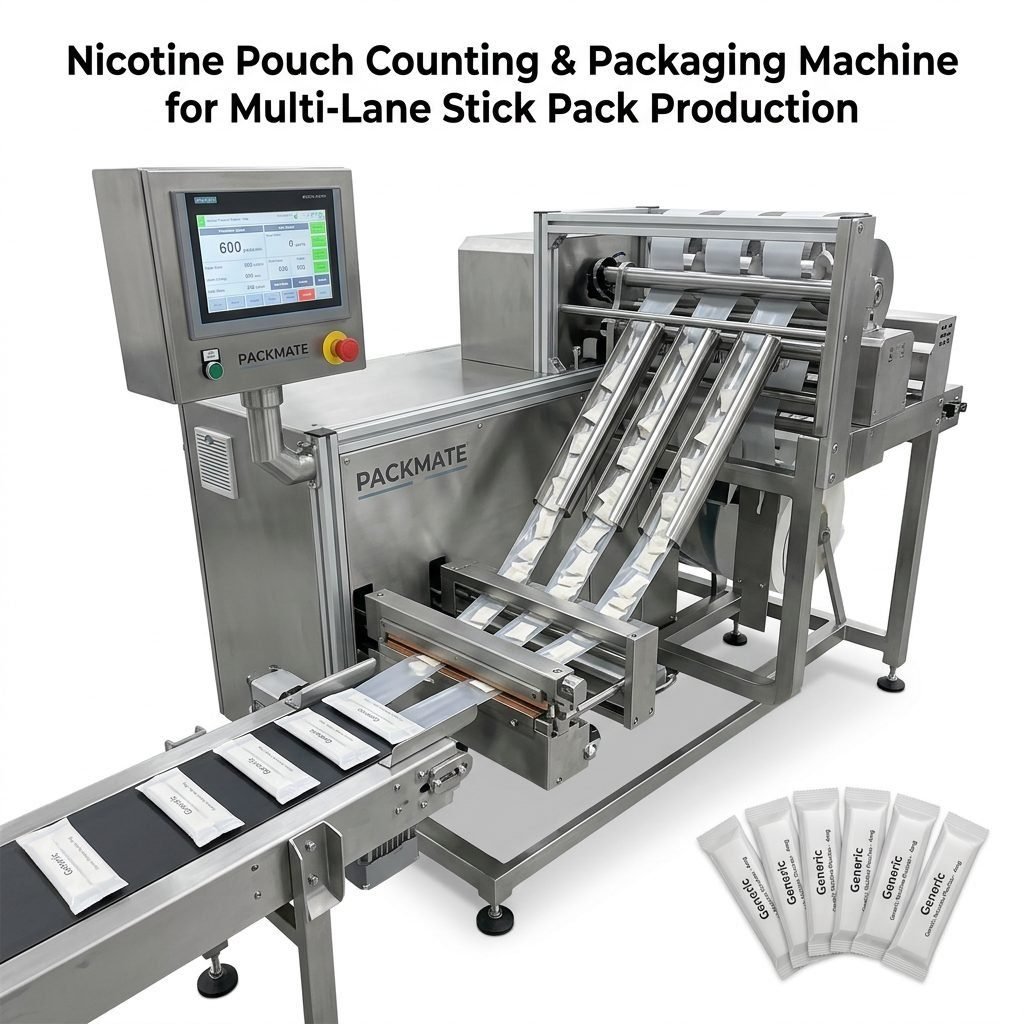
Before evaluating machine makers, clarify your product format, target volumes, and distribution channels in Gabon. Nicotine pouches and snus come in varied pack sizes (single-dose sachets, multi-pouch cans, stick packs), and each format needs different packaging approaches. Ask yourself: are you launching a premium brand aimed at retail stores or producing high-volume value packs for distribution? Your answer will shape the ideal machine class: high-speed multi-lane systems for volume, or compact precision models for specialty small-dose pouches.
Why Manufacturer Reputation and Experience Matter
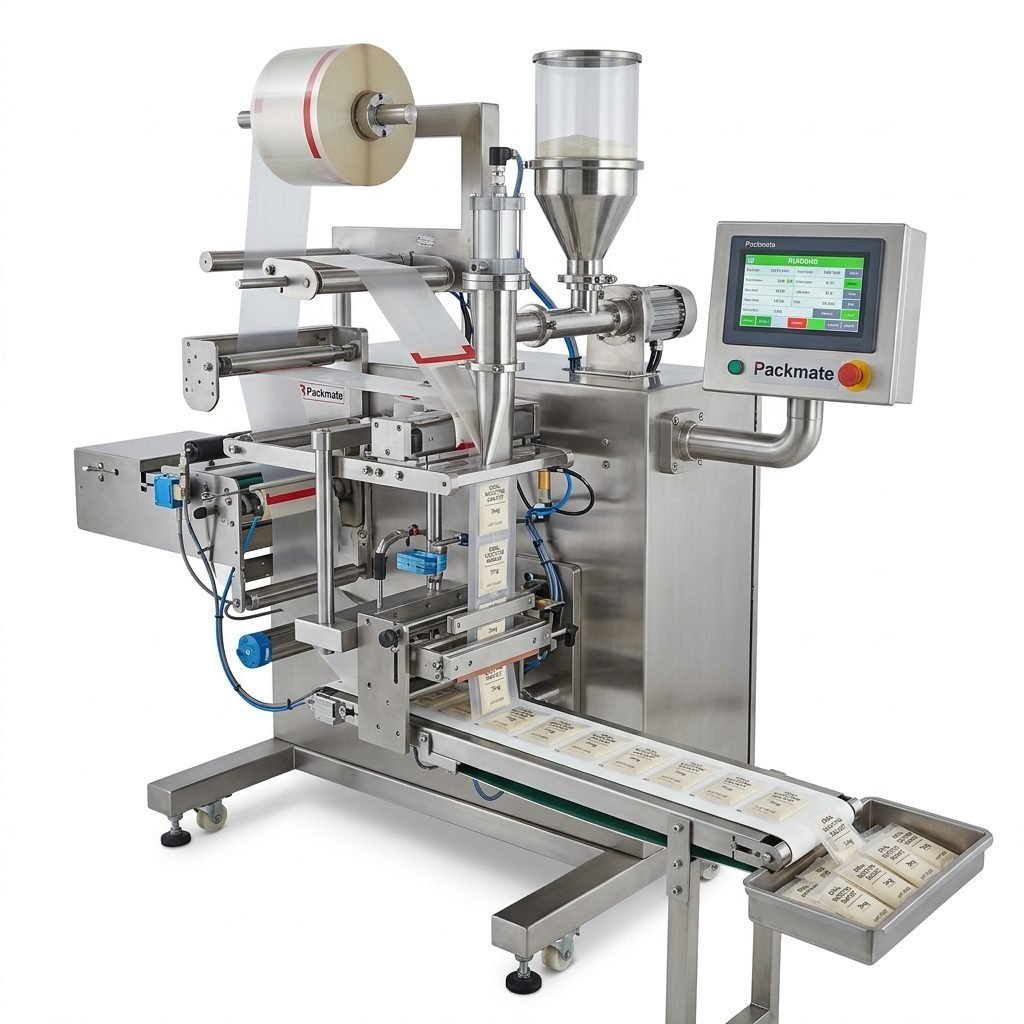
In a technically demanding sector like snus packaging, manufacturer experience is a key risk mitigator. Look for suppliers with proven track records in nicotine pouch lines and a strong product portfolio. For example, Packmate Snus Machine emphasizes over 30 years of engineering experience and a full range of packaging lines — from stick pack to multi-lane sachet systems — which demonstrates mature design capability and long-term service capacity.
Key trust indicators to check:
✓ Factory size and machining capability (e.g., advanced CNC centers)
✓ Years of industry experience and model range (50+ machine models is a strong sign)
✓ International certifications such as CE and ISO
✓ Global customer cases and exhibition presence
Technical Criteria: What to Inspect on the Machine Specification
Technical specifications determine whether a machine will meet your daily production target and maintain consistent quality. Key metrics include cycle speed (packs/min), lanes (single vs multi-lane), pouch size range, filling accuracy, and downtime for changeovers. Also evaluate electrical and pneumatic standards — compatibility with Gabon’s power and air systems reduces integration cost.
Essential technical features
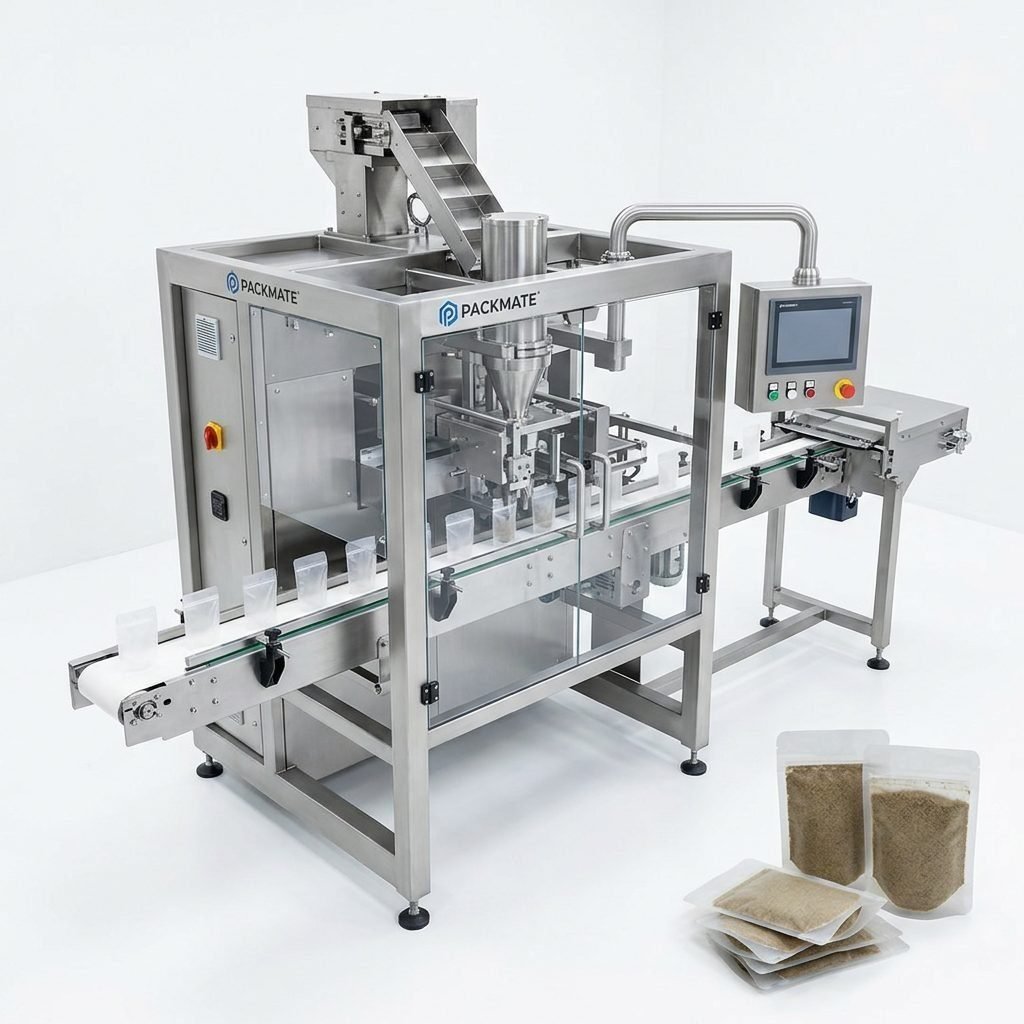
– Robust dosing systems for micro-dose nicotine pouches or powders.
– Servo-driven film feeding and seal control for precise pouch shaping.
– Multi-lane synchronization for high throughput without cross-lane variation.
– Easy-change tooling or modular format parts to support multiple SKUs.
– Hygienic design and materials compatible with nicotine handling and cleaning.
Quality, Compliance and Certifications
Compliance with global standards reduces importer friction and reassures partners. Request copies of CE and ISO certificates, and ensure the manufacturer performs rigorous quality testing and validation. A supplier that documents electrical safety, mechanical endurance testing, and validation reports for line accuracy will save you surprises during commissioning.
Tip: ask for case studies or references from customers in similar markets — real-world performance matters more than marketing claims.
Service, Spare Parts and Local Support in Gabon
After-sale service is often the differentiator between a good supplier and a great one. Evaluate lead times for spare parts, availability of remote diagnostics, and the manufacturer’s willingness to provide on-site support during commissioning. If the supplier has partners or agents in Africa, or a history of supplying nearby markets, that can reduce response time and freight costs.
Support checklist
– Clear spare parts list and pricing.
– Remote monitoring capability and PLC access.
– Training for your operators and maintenance staff.
– Comprehensive installation and commissioning plan.
Factory Capability, Customization and Turnkey Solutions
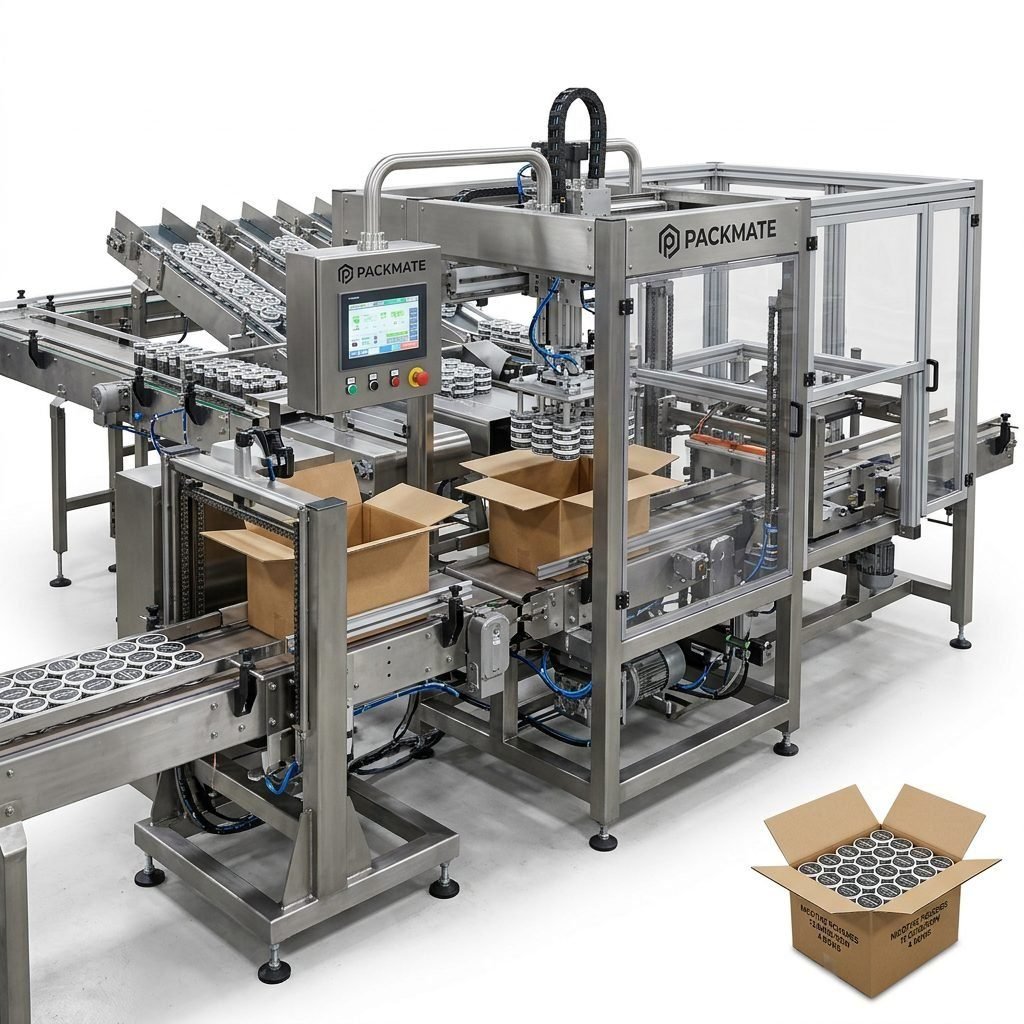
A manufacturer with in-house CNC machining, assembly lines, and quality control can offer deeper customization and faster turnaround. If you need a fully integrated production line — for example, filling, weighing, pouch forming, and cartoning — prefer suppliers who provide complete turnkey solutions and can integrate auxiliary equipment into a cohesive line.
Learn about the supplier’s customization capabilities: can they adjust pouch dimensions, accommodate specific fillers, or add automatic canning modules? Packmate’s catalog includes multi-lane systems and various filling options — a vendor with diverse offerings reduces the need for multiple suppliers.
Total Cost of Ownership (TCO) vs. Initial Price
Choosing on purchase price alone is risky. Consider the full lifecycle cost: energy consumption, spare parts, mean time between failures (MTBF), maintenance labor, and potential product waste from inconsistent seals or dosing. A slightly higher upfront price for a well-engineered multi-lane machine can pay back quickly through reduced downtime and higher throughput.
Cost comparison pointer: request energy consumption data and recommended spare parts list for the first 2 years to estimate operating costs.
Logistics, Delivery and Installation in Gabon
International deliveries require careful coordination: packing for ocean freight, customs documentation, and on-site installation. Confirm who manages freight forwarding, customs clearance, and local installation. Prefer suppliers who can provide detailed mechanical and electrical drawings beforehand and a step-by-step commissioning schedule to minimize delays once equipment arrives in Gabon.
Factory Visits, Virtual Demos and Acceptance Testing
Whenever feasible, visit the manufacturer or request a live demo. Seeing machines run with your product (or a similar product) is the best validation. If travel is not possible, insist on a virtual demonstration and a detailed FAT (Factory Acceptance Test) with performance criteria recorded. Document expected output, sealing quality, and changeover times in the contract.
Commercial Terms, Warranties and Payment Structure
Negotiate warranties that cover major components (servo systems, PLCs, gearboxes) and clarify the warranty process for shipments to Gabon. Typical terms include partial deposit, balance before shipment, and retention until successful FAT or SAT (Site Acceptance Test). Seek a supplier willing to provide parts kits and optional service contracts for the first year.
How to Compare Manufacturers — A Practical Checklist
Use a side-by-side checklist to compare potential suppliers. Key columns should include: throughput, lane configuration, changeover time, available SKUs supported, energy usage, warranty terms, spare parts availability, training and commissioning services, and references.
Quick checklist (must-haves):
🔧 Reliable dosing and sealing mechanism
📦 Clear spare parts roadmap and service SLA
⚙️ Factory validation and FAT documentation
📄 CE/ISO certificates and real customer references
Where to Find Reliable Manufacturers and More Resources
Start with suppliers who specialize in snus and nicotine packaging machines. For further details on machine types, product lines and case studies you can visit dedicated product pages and company information: Snus & Nicotine Packaging Machines, Sachet & Stick Pack Machines and the Case section to review customer implementations. For company background and contact details, see About Packmate and Contact Us.
Common Pitfalls to Avoid
– Choosing machines only on price rather than long-term reliability.
– Skipping FAT or accepting verbal performance claims without documented tests.
– Underestimating spare parts lead times for imported machines.
– Ignoring local installation requirements (power, compressed air, floor strength).
– Not securing operator and maintenance training before shipment.
A Practical Roadmap: From Inquiry to Running Line in Gabon
1) Define product formats and target throughput.
2) Shortlist manufacturers with relevant experience and certifications.
3) Request datasheets, spare parts lists, and FAT videos.
4) Negotiate commercial terms, warranty and commissioning plans.
5) Finalize a trial run or FAT acceptance criteria and sign a contract.
6) Arrange logistics, customs, and on-site preparation in Gabon.
7) Execute installation, training and SAT; secure spare parts inventory.
Pro tip: include performance acceptance criteria (e.g., 98% sealing integrity, ±2% filling accuracy) in your purchase contract to avoid disputes on delivery.
Final considerations before you sign
Make sure the supplier can scale with you — whether adding lanes, integrating new filling modules, or supplying auxiliary equipment. Consider a partner who offers a broad product range like bag/pouch machinery or auxiliary equipment to keep future expansions smooth: see Bag & Pouch Packaging Machines and Auxiliary Packaging Equipment.
Summary
Selecting the best nicotine packaging machine manufacturer for Gabon is about aligning technical capability, service reliability, and regulatory compliance with your business objectives. Prioritize proven experience in snus and nicotine lines, robust factory capabilities, documented testing, and accessible spare parts. A well-documented FAT and clear warranty/support agreements will protect your investment and ensure a smooth start-up.
Frequently Asked Questions
Q1: What is the typical lead time for a snus packaging line tailored for nicotine pouches?
A1: Lead times vary by customization and factory workload, but a typical delivery window for a customized multi-lane snus line is 12–20 weeks including FAT and pre-shipment acceptance.
Q2: How do I ensure the machine performs with my specific nicotine pouch formulation?
A2: Request a live FAT or product trial where the manufacturer runs your actual formulation. Document acceptance criteria for fill accuracy, sealing integrity, and throughput before shipment.
Q3: What spare parts and consumables should I stock in Gabon?
A3: Keep critical items on-hand: sealing jaws, belts, bearings, sensors, spare PLC modules, and a basic tool kit. Ask the manufacturer for a recommended 6–12 month parts kit tailored to your expected runtime.
Q4: Can manufacturers support remote troubleshooting?
A4: Many modern suppliers offer remote diagnostics and PLC access for troubleshooting. Confirm remote access protocols and whether additional service contracts are needed.
Q5: Where can I find more details about specific machine models and company credentials?
A5: You can review detailed product lines and company information via the manufacturer’s product pages and corporate pages for model specs, certifications and case studies.