Choosing the right snus packaging machinery manufacturer is one of the most important decisions for a business entering or expanding in the nicotine pouch market. Whether you’re launching a local brand in Cambodia or planning exports to ASEAN and beyond, the machinery you select will determine product quality, production costs, speed to market, and regulatory compliance. This guide explains practical steps to choose the best snus packaging machinery manufacturer in Cambodia, highlights local considerations, and shows how to assess technical capabilities, certifications, after-sales support, and ROI.
Why Cambodia Matters for Snus Packaging
Cambodia’s strategic location in Southeast Asia, improving logistics links, and pro-business policies make it an interesting base for nicotine pouch operations aimed at regional markets. Local labor costs can be competitive and there is growing interest from regional distributors seeking novel nicotine alternatives. However, nicotine products face regulatory scrutiny in different ASEAN countries, so selecting machinery that helps you maintain consistent dosing, tamper-evident seals, and precise weight control is essential.
Local business culture and regulatory habits
In Cambodia, personal relationships and trust remain important in B2B purchasing. Visiting suppliers, seeing factory operations, and building a direct relationship with engineers and after-sales teams can significantly reduce risk. Also consider language and labeling habits: Cambodian authorities and many regional buyers may prefer or require Khmer or bilingual labels, so packaging machinery that supports custom label printing and adaptable pouch formats is valuable.
📌 Key local points to remember:
– Build supplier relationships through visits and demonstrations. (Trust first)
– Ensure machines support local labeling and language flexibility.
– Factor in customs, import duties, and regional certification needs when planning CAPEX.
Technical Considerations: Match Machine Types to Product Needs
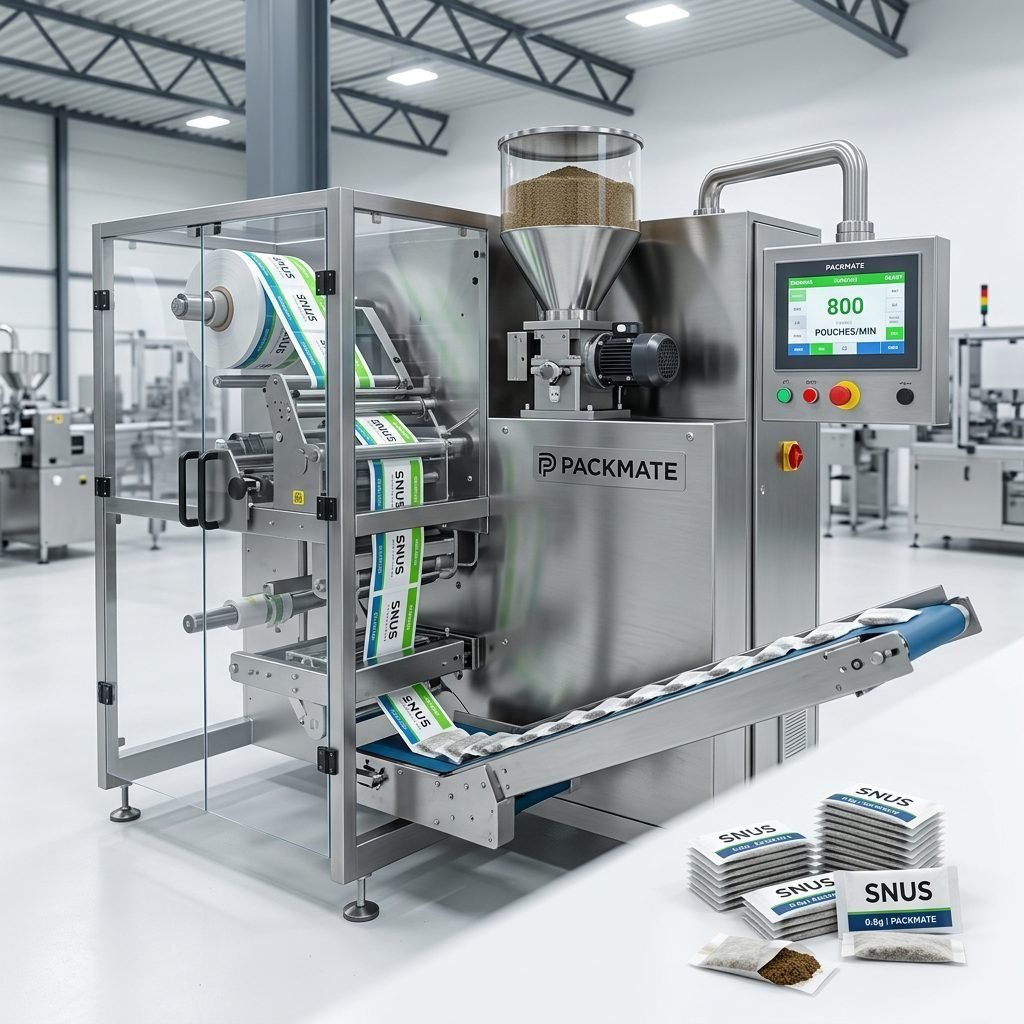
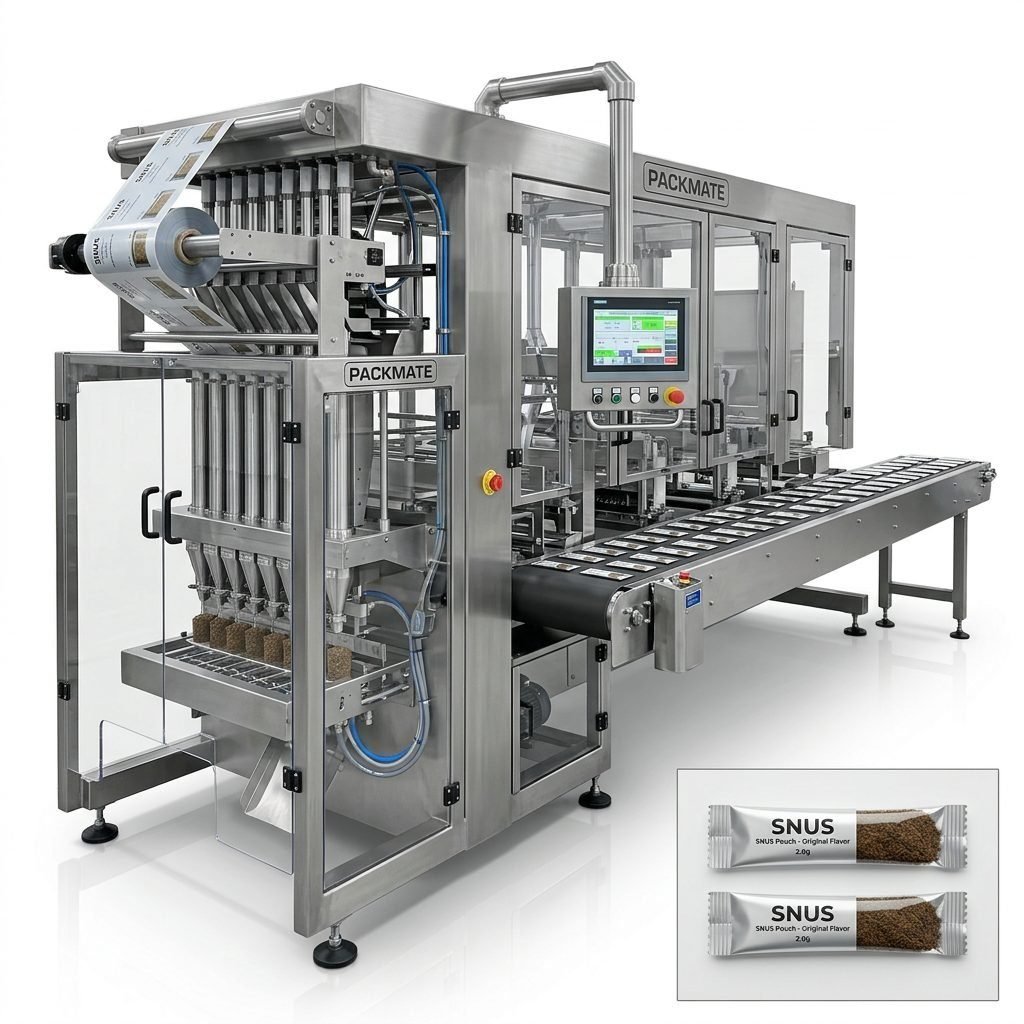
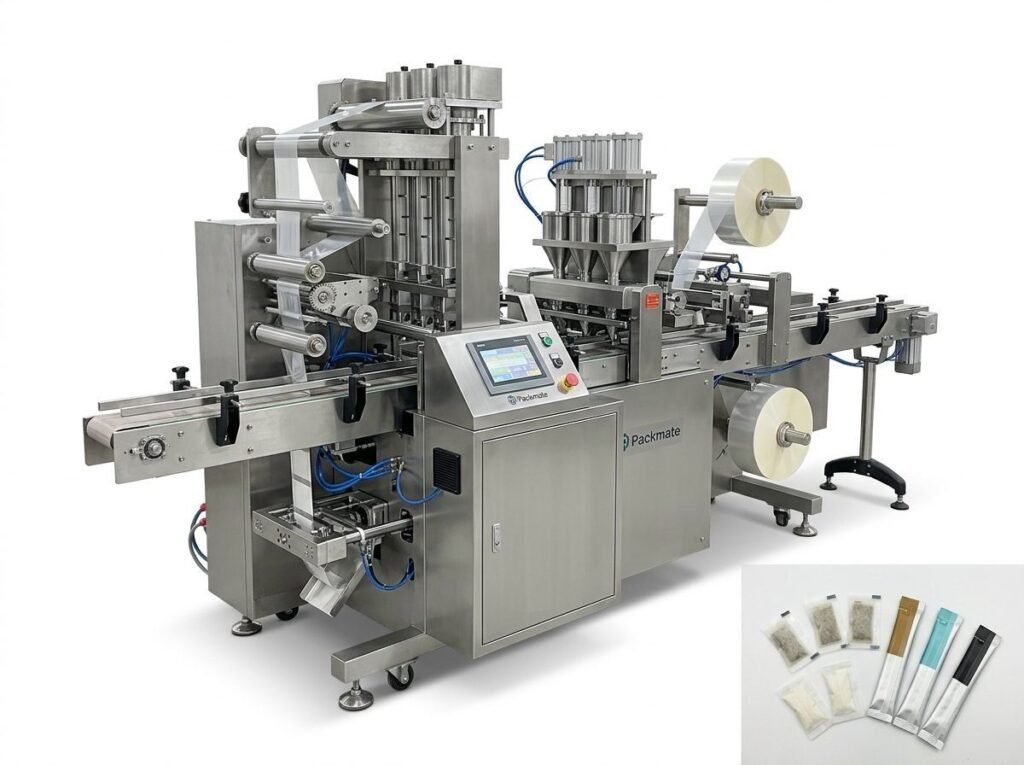
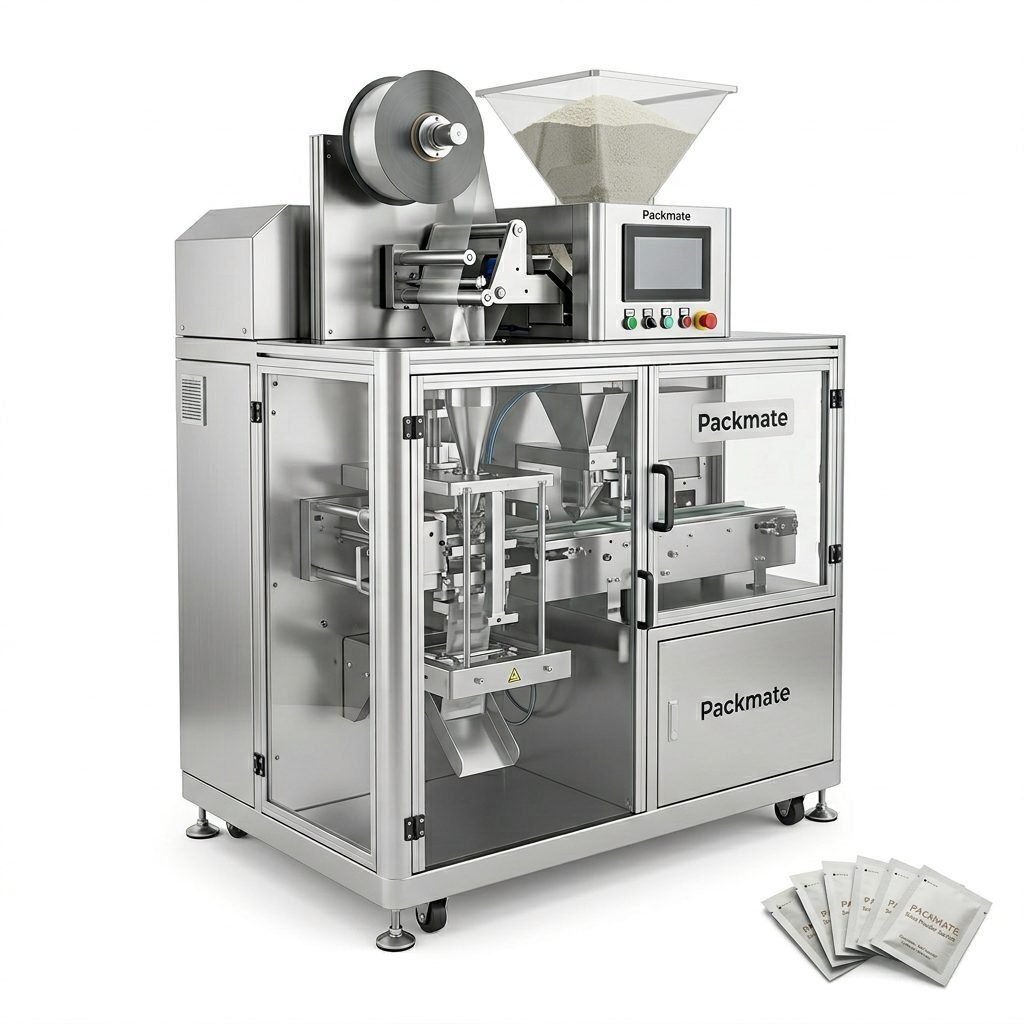
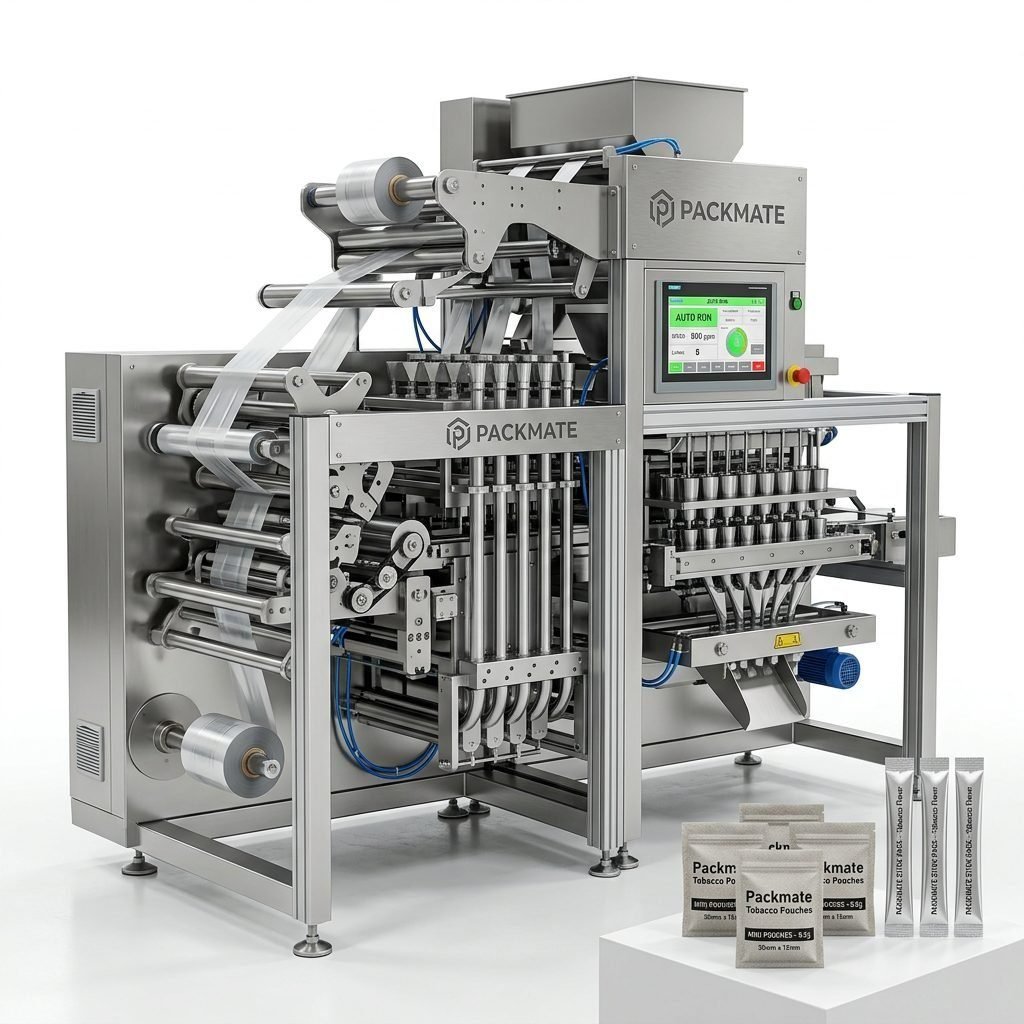
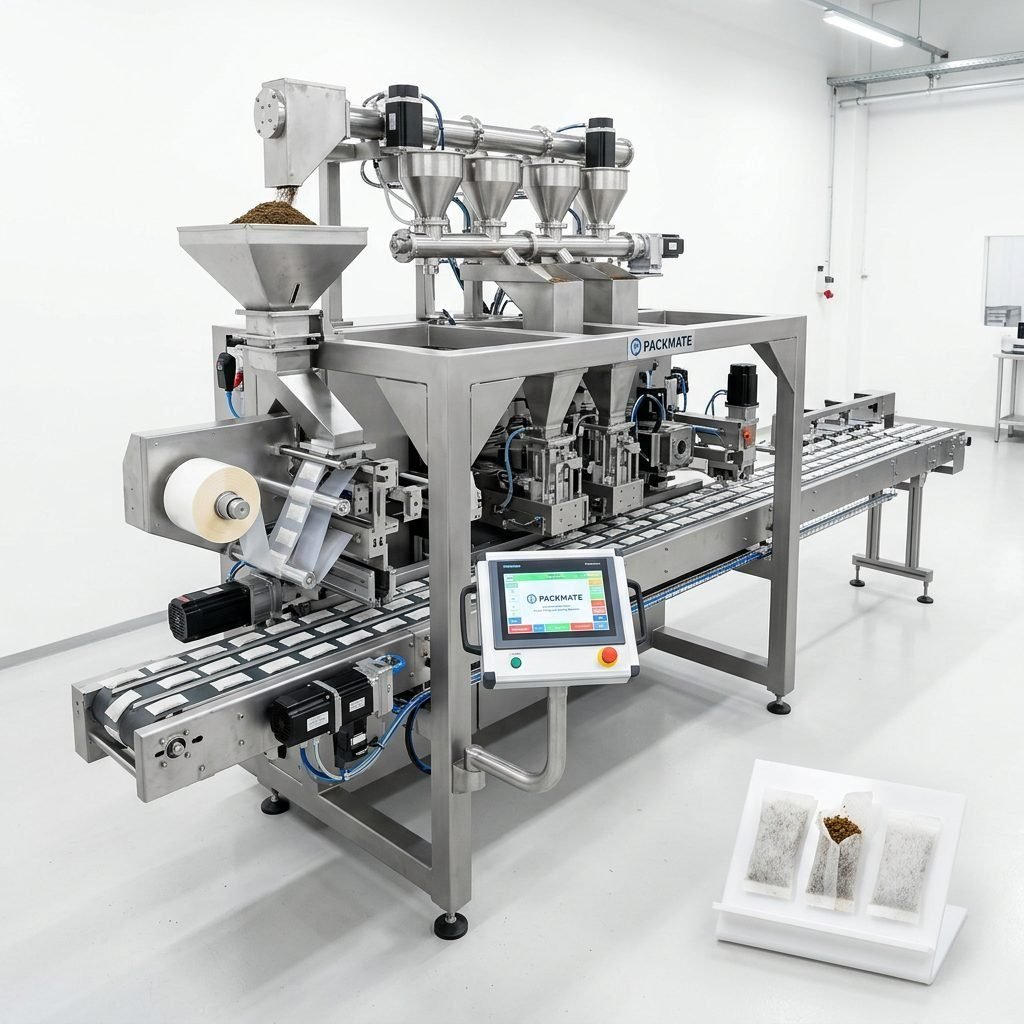
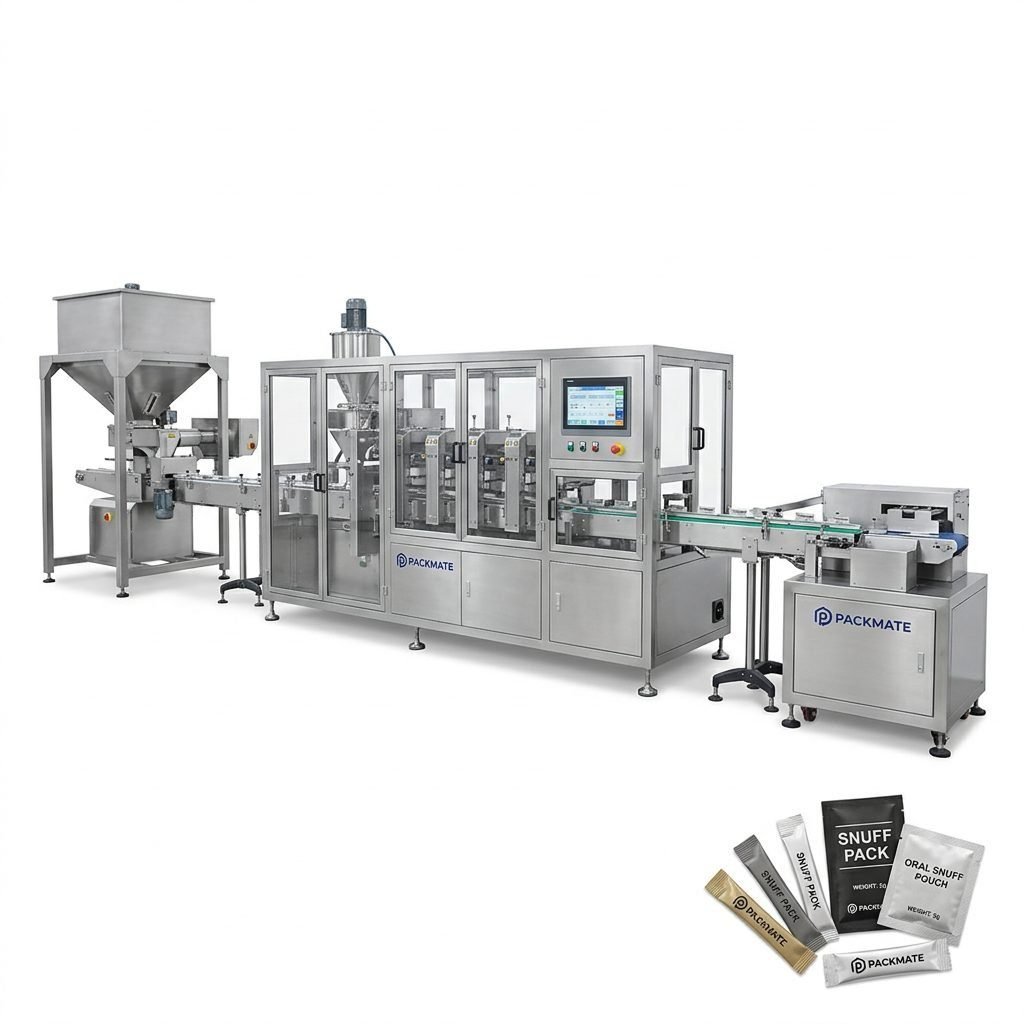
Snus and nicotine pouches come in a variety of formats: single-dose sachets, multi-lane small-dose pouches, stick packs, and flow-packed pouches. Choosing the right machine family depends on your product format, throughput targets, and expansion plans. Look for manufacturers with a broad portfolio (sachet, stick pack, multi-lane pouches) and strong R&D experience in low-dose high-precision systems.
For a deep dive into machine families and to compare models, review specialized product lines like Snus & Nicotine Packaging Machines which show examples of multi-lane and stick-pack solutions that are optimized for nicotine pouches.
Important machine capabilities to verify:
- Precision dosing and weight control (critical for nicotine dosing compliance).
- Multi-lane capabilities for small-dose pouches to increase throughput.
- Flexible pouch formats and fast changeover systems.
- Integration ability with upstream and downstream equipment (weighers, conveyors, cartoners).
- Durability and ease of maintenance—stainless contact parts and modular spares.
Manufacturer capabilities — what to ask for
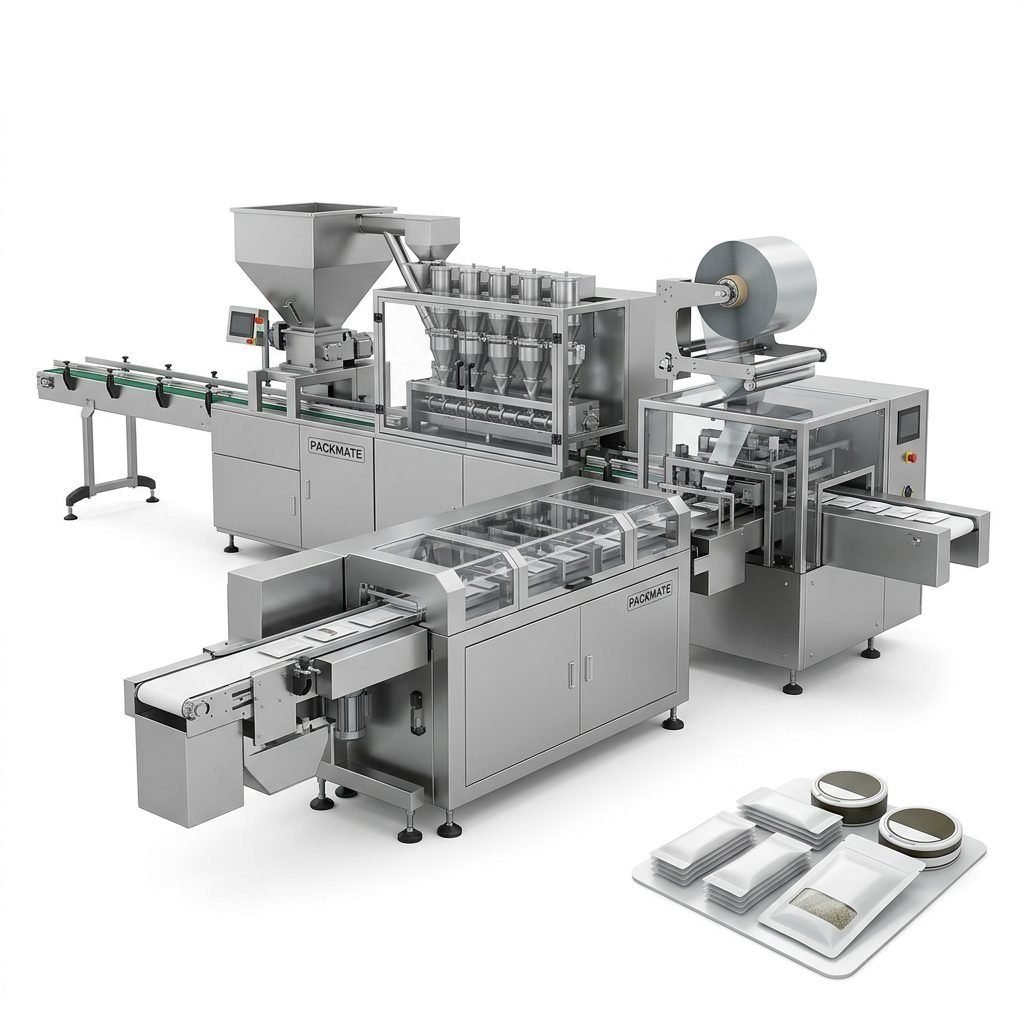
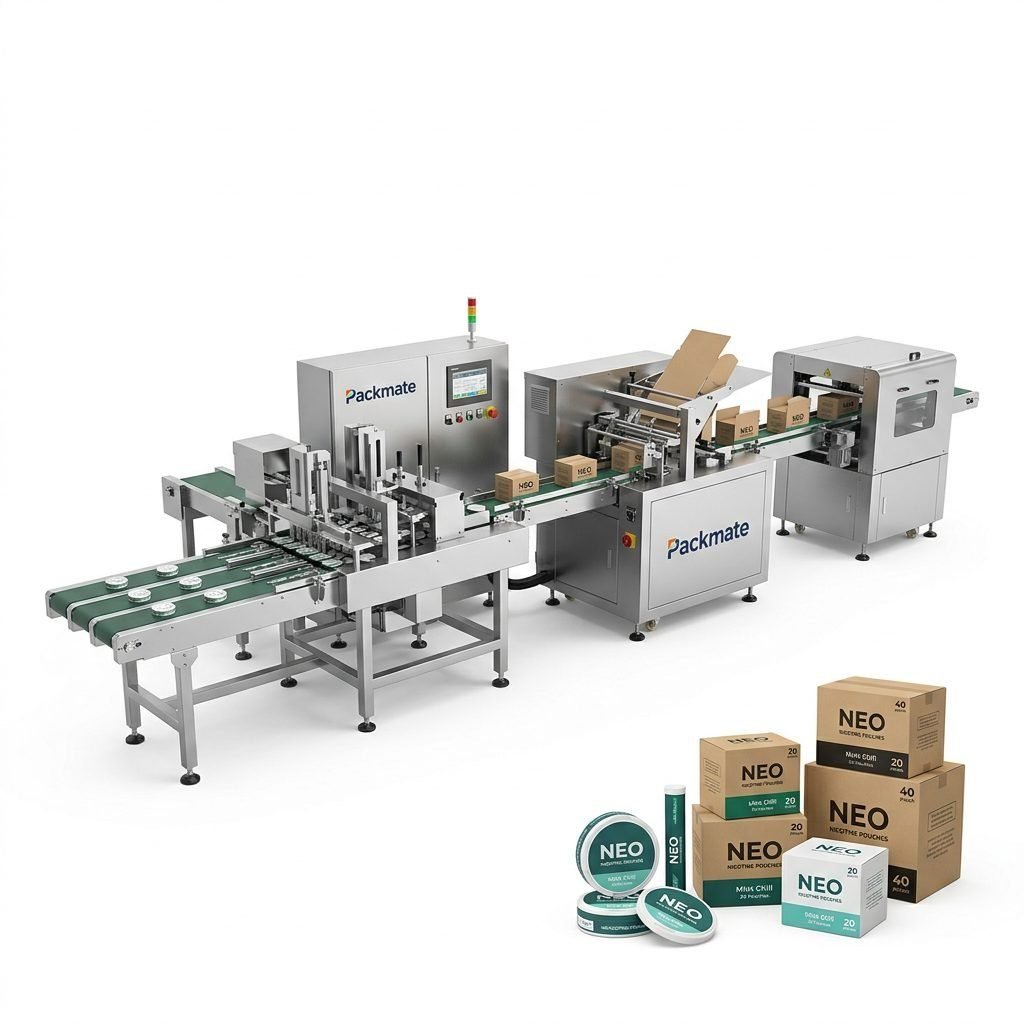
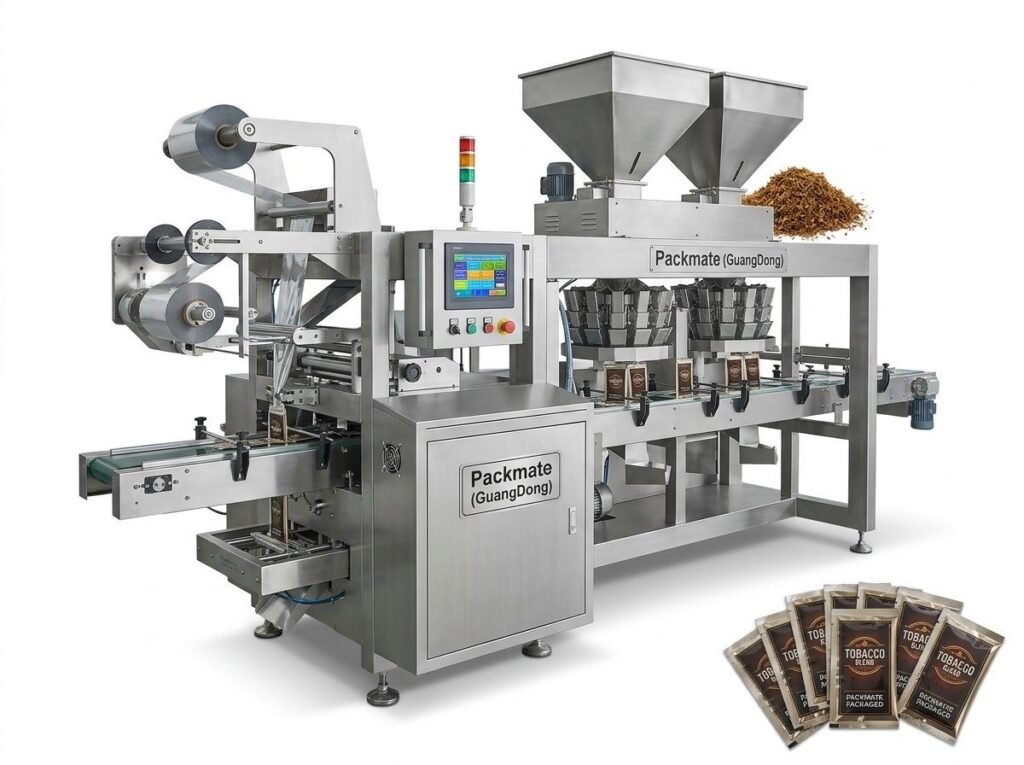
Ask the manufacturer about their machine models, customization services, and whether they can provide turnkey solutions. Packmate Snus Machine, for example, offers a wide range of packaging machines and turnkey production lines — information you can explore on their product pages like Bag & Pouch Packaging Machines and Filling & Packaging Lines. Vendors that provide complete lines (including weighing and auxiliary equipment) reduce integration risk and shorten commissioning time.
⚙️ Must-have technical checklist:
– High-precision dosing system for consistent nicotine content.
– Multi-lane options if you plan high-volume small-dose pouches.
– Fast tool-free changeovers to handle multiple SKUs.
Quality, Certifications and Factory Strength
Quality and proven manufacturing capacity are non-negotiable. Certified factories with robust QC systems, advanced CNC machining and precision assembly lines produce more reliable machines. Verify CE and ISO compliance, and ask for test reports and factory acceptance tests (FAT).
For manufacturers with extensive backgrounds, review their company profile and credentials — information similar to what’s available on About Packmate or Certificate pages — to confirm they have the engineering depth and production footprint to support long-term cooperation.
Factory visit and quality verification
Whenever possible, visit the factory or request a live virtual tour. Look for:
- Advanced CNC equipment and precision jigs.
- Dedicated assembly lines for packaging machinery.
- Structured testing — FAT reports for each machine pre-shipment.
- Inventory of critical spare parts and documented QA procedures.
After-sales Service, Spare Parts and Training
Fast, transparent after-sales support is essential — especially if you operate in Cambodia where on-site spare parts delivery may take longer. Key service elements include remote troubleshooting, local spare parts inventory, installation and commissioning support, operator training, and clear warranty terms.
📦 Service & support essentials:
– 24/7 remote support and online diagnostics.
– Comprehensive training for operators and maintenance staff.
– Clear spare parts lists and fast delivery channels. See Service and Contact Us pages for service structures.
Local partners and third-party support
Consider whether the manufacturer has local agents or regional partners who can provide quicker site visits, spare parts, or training in Khmer or English. This reduces downtime and helps adapt the equipment to local operational practices.
Customization, Turnkey Solutions and Integration
If you’re scaling production, turnkey solutions that include upstream and downstream equipment (weighing, conveyors, cartoners, case packers) are preferable. A single-source integrator reduces compatibility issues and shortens commissioning times. Packmate and similar suppliers often provide turnkey lines; check detailed examples in Filling & Packaging Lines and Weighing & Packaging Systems.
Customization can include:
- Special dosing heads for low-volume nicotine pouches.
- Custom sealing formats for humidity-sensitive products.
- Label printing and serialization modules for traceability.
- Integration with weight-check/metal-detection systems.
Turnkey benefits
Turnkey suppliers often deliver validated lines with documented performance metrics, which makes it easier for Cambodian businesses to demonstrate compliance to local and export regulators and to reduce time-to-market.
Cost, ROI and Total Cost of Ownership
Initial machine price is only part of the investment. Evaluate total cost of ownership: spare parts consumption, energy usage, operator labor, maintenance frequency, and expected production uptime. High-quality machines with better precision can reduce product giveaway and regulatory risk — directly improving margins.
Calculate ROI by modeling real yield improvements and reduced rework from better dosing accuracy and more stable seals. Multi-lane machines may have higher upfront costs but deliver lower per-unit costs at volume.
Financing and phased investment
If budget is constrained, consider phased buys: start with a flexible single-lane machine and upgrade to multi-lane as market demand grows. Some manufacturers and local banks offer financing options for equipment purchases — always assess warranty and service terms under financed deals.
How to Validate a Manufacturer: Questions to Ask
When evaluating suppliers, ask for:
- Detailed FAT reports and video demonstrations of the exact model you will buy.
- References from other nicotine pouch customers and real case studies — look for Case examples.
- Lead times, spare parts lists, and recommended maintenance schedules.
- Certifications (CE, ISO) and compliance documentation.
- Standard warranty terms and extended support packages.
✅ Quick vendor validation checklist:
– Video of machine running your SKU, FAT report, and customer references.
– Spare parts lead times and local stocking options.
– Clear training and warranty commitments.
Practical Steps to Purchase and Commission in Cambodia
1. Shortlist suppliers by capabilities and regional experience. 2. Request machine demos and FAT documentation. 3. Negotiate delivery, installation, and training timelines. 4. Confirm spare parts packages and create a local inventory plan. 5. Plan for regulatory labeling, testing, and packaging validations before full production.
If you need proven examples of installed lines and case studies to assess real-world performance, explore the manufacturer’s Case page and contact their team to arrange demonstrations or factory visits.
Logistics and customs tips for Cambodia
Plan for import documentation (commercial invoice, packing list, certificate of origin). Work with a freight forwarder familiar with machinery imports to handle port clearance and inland transport. Clarify on-site requirements (crane, platform) and electrical standards before shipment.
Final Recommendations
Selecting the best snus packaging machinery manufacturer for your Cambodian operation means balancing technical fit, manufacturer reliability, and after-sales support. Prioritize vendors with a strong track record in snus and nicotine pouch packaging, full turnkey capabilities, and certified quality systems. Ensure transparent FAT processes, robust spare parts strategies, and accessible service channels. For comprehensive packaging solutions and to review machine portfolios, consider detailed product resources such as Snus & Nicotine Packaging Machines, Bag & Pouch Packaging Machines, and Weighing & Packaging Systems. When in doubt, request references and live demonstrations — seeing the machines run your SKUs is the most persuasive evidence.
Useful links
Explore manufacturer resources for product details, company background, service and contact information:
Frequently Asked Questions (FAQs)
Q1: What certifications should a snus packaging machine have?
A: Prioritize machines and manufacturers with CE and ISO certifications, documented FAT procedures, and material contact compliance (e.g., food-grade stainless steel). Ask for certificates and test reports during the evaluation.
Q2: Should I buy single-lane or multi-lane equipment?
A: If your target is high-volume small-dose pouches, multi-lane machines reduce per-unit costs and increase throughput. Start with single-lane if demand is uncertain but choose modular designs that allow future scaling.
Q3: How important is after-sales service in Cambodia?
A: Extremely important. Fast spare parts delivery, remote diagnostics, and trained local technicians minimize downtime. Prefer manufacturers with clear service commitments and regional support options.
Q4: Can manufacturers support regulatory labeling for Cambodia and neighboring markets?
A: Many modern packaging systems support flexible label printing and serialization modules. Confirm that the supplier can adapt printing modules for Khmer and other regional labeling requirements.
Q5: How do I verify a supplier’s real-world performance?
A: Request FAT videos running your specific SKU, customer references, and case studies. Where possible, visit the factory or request a live demonstration of the exact model under expected production conditions.