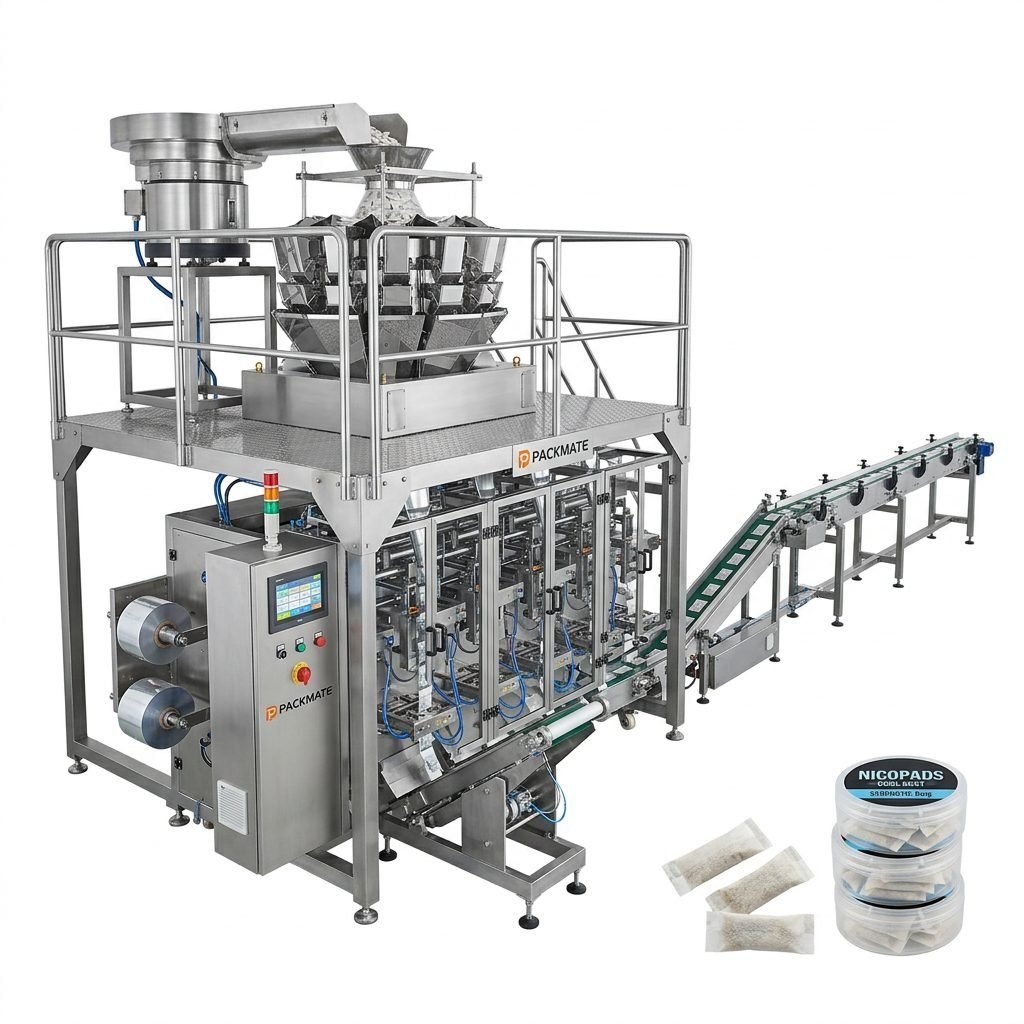
Choosing the right snus packaging machinery manufacturer for your factory in Nicaragua is a strategic decision that affects product quality, production efficiency, regulatory compliance, and long-term costs. This guide walks you through the practical steps and criteria to evaluate manufacturers, with actionable advice on technical capabilities, factory audits, after-sales support, and cost calculations so you can make a confident purchase that scales with your business.
Understand Your Production Needs
Before contacting manufacturers, map out your production requirements: target daily output, pouch formats (single-dose nicotine pouches, snus sachets, stick packs), material types (foil, paper, laminated films), and any special features such as child-proof seals or tamper-evident elements. Consider future expansion — selecting a modular system or multi-lane equipment can save retrofit costs later.
estimate both current and 3-year forecasted output to determine whether single-lane or multi-lane packing machines are appropriate for your Nicaragua plant.
Key Machine Types to Evaluate
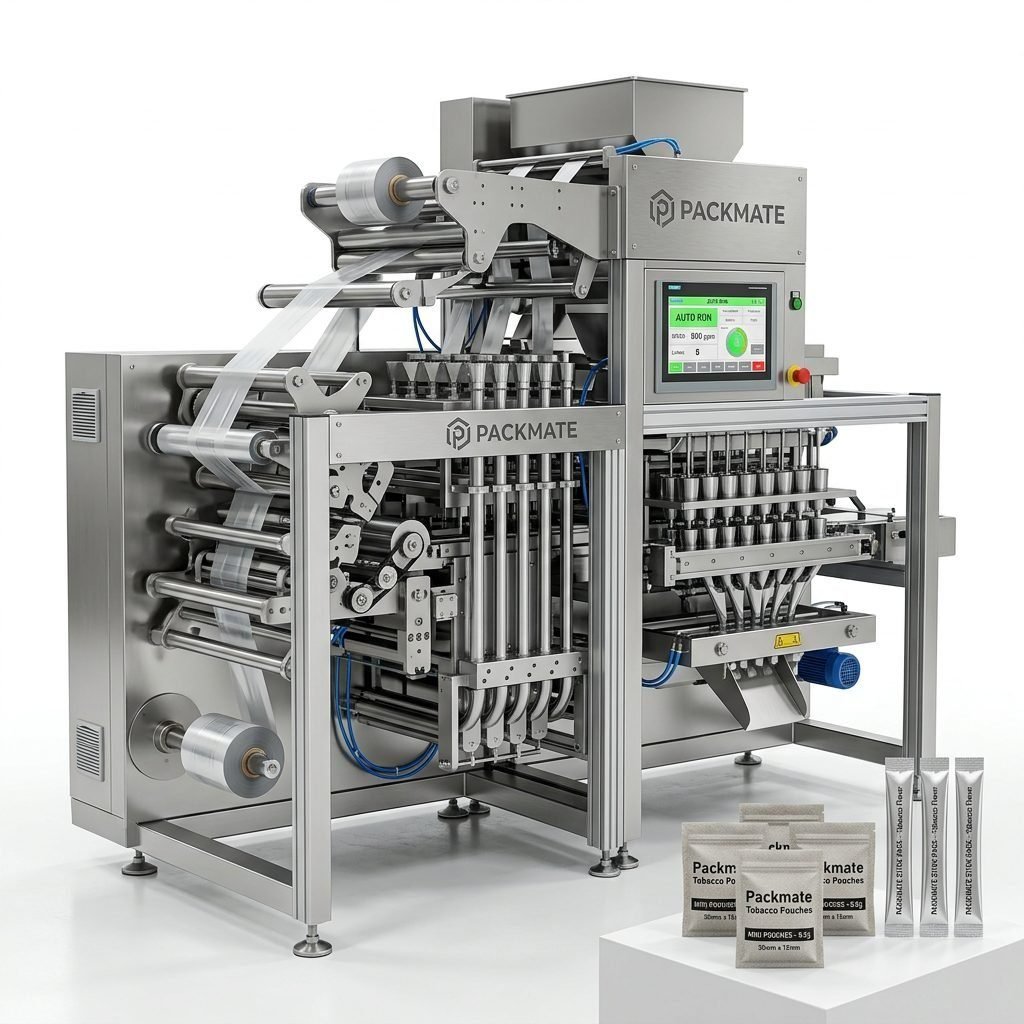
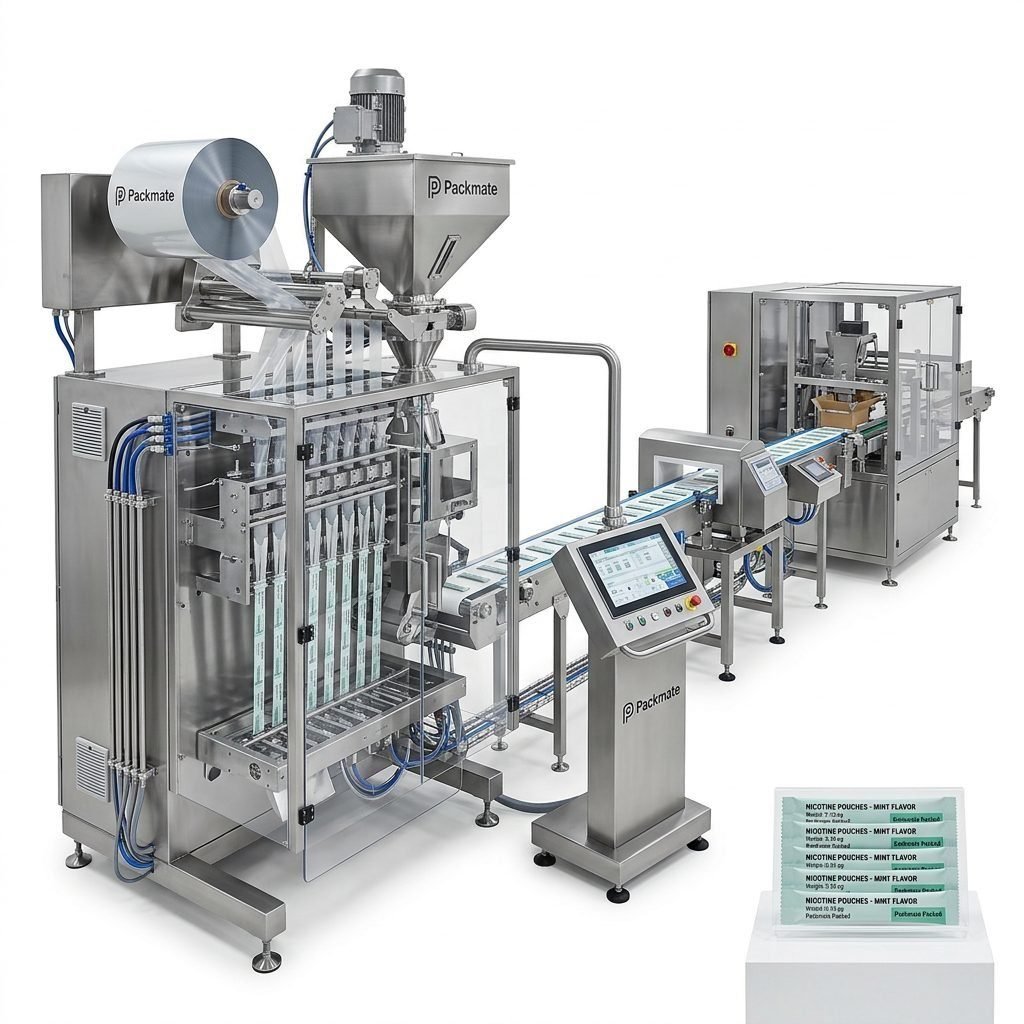
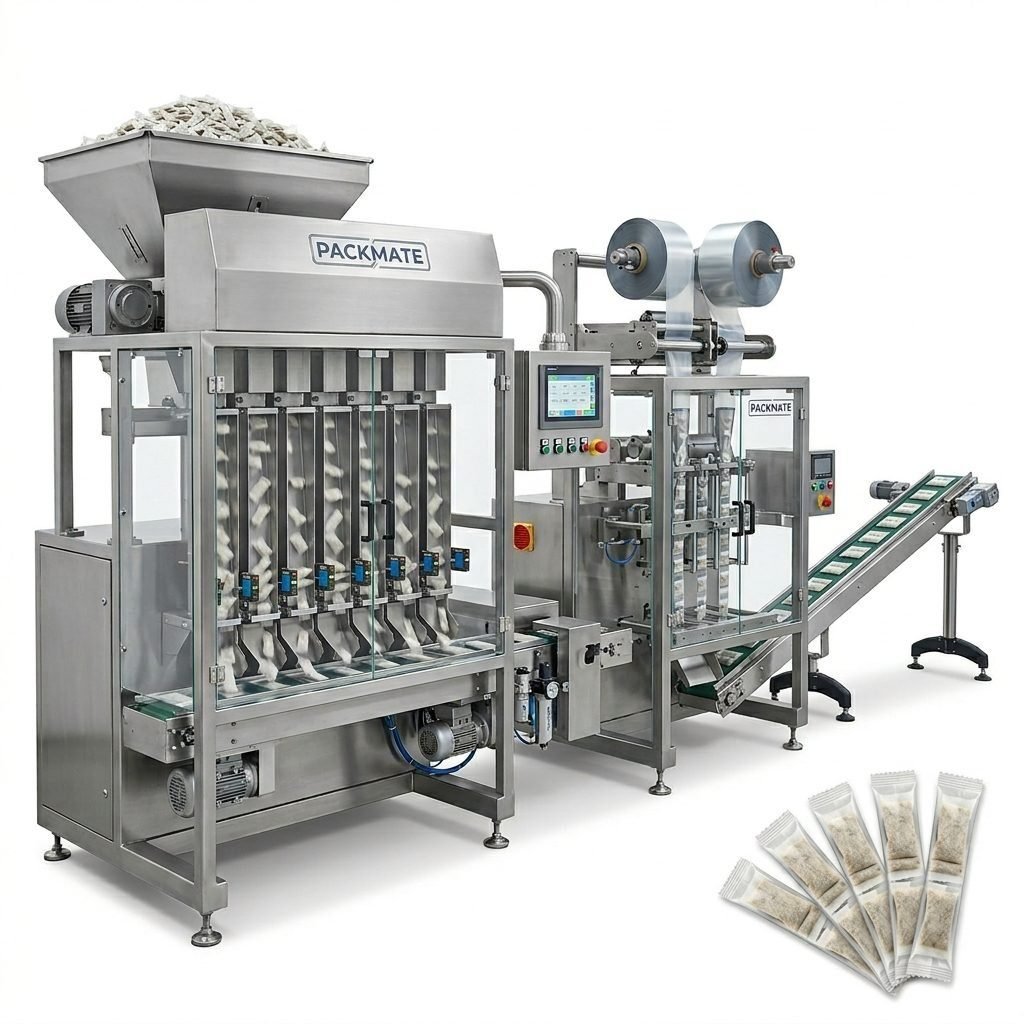
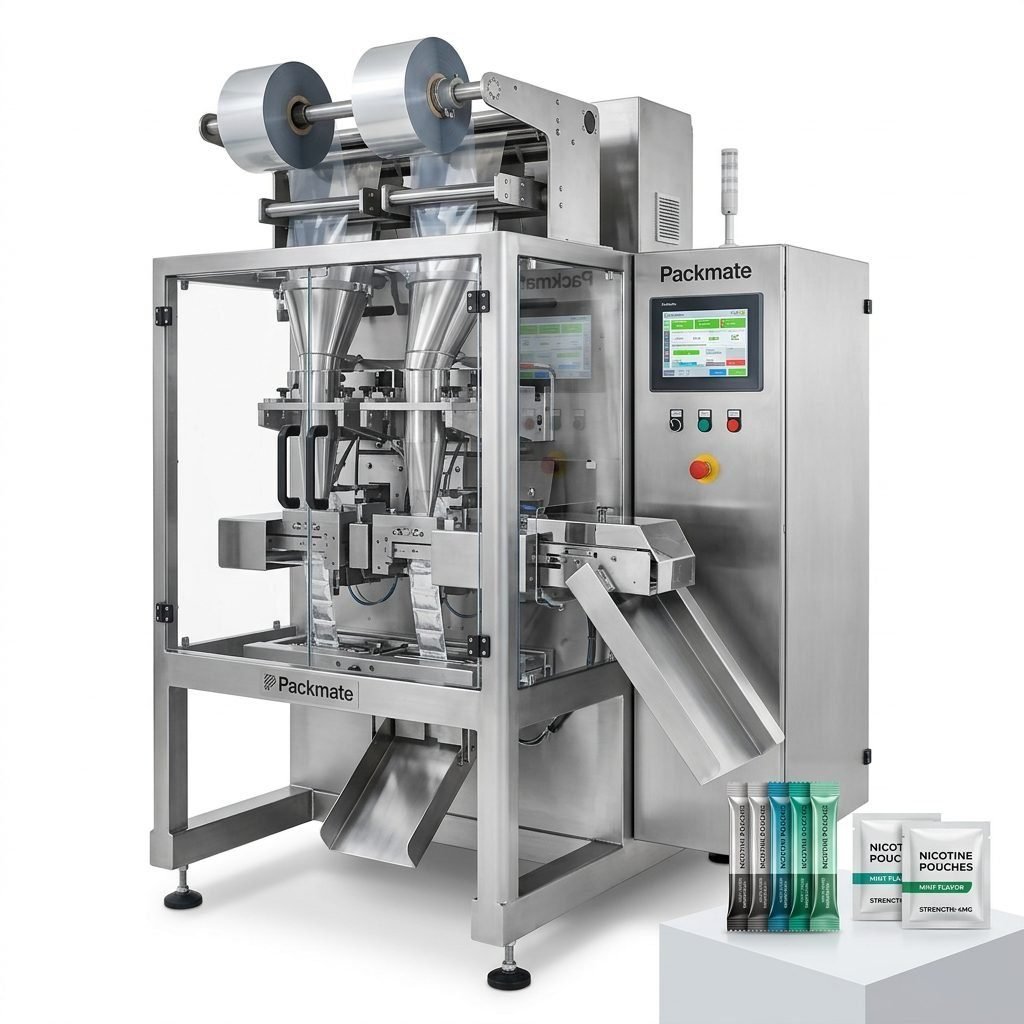
Familiarize yourself with the machines relevant to snus and nicotine pouch production. Look for suppliers offering a range from small benchtop units to integrated production lines:
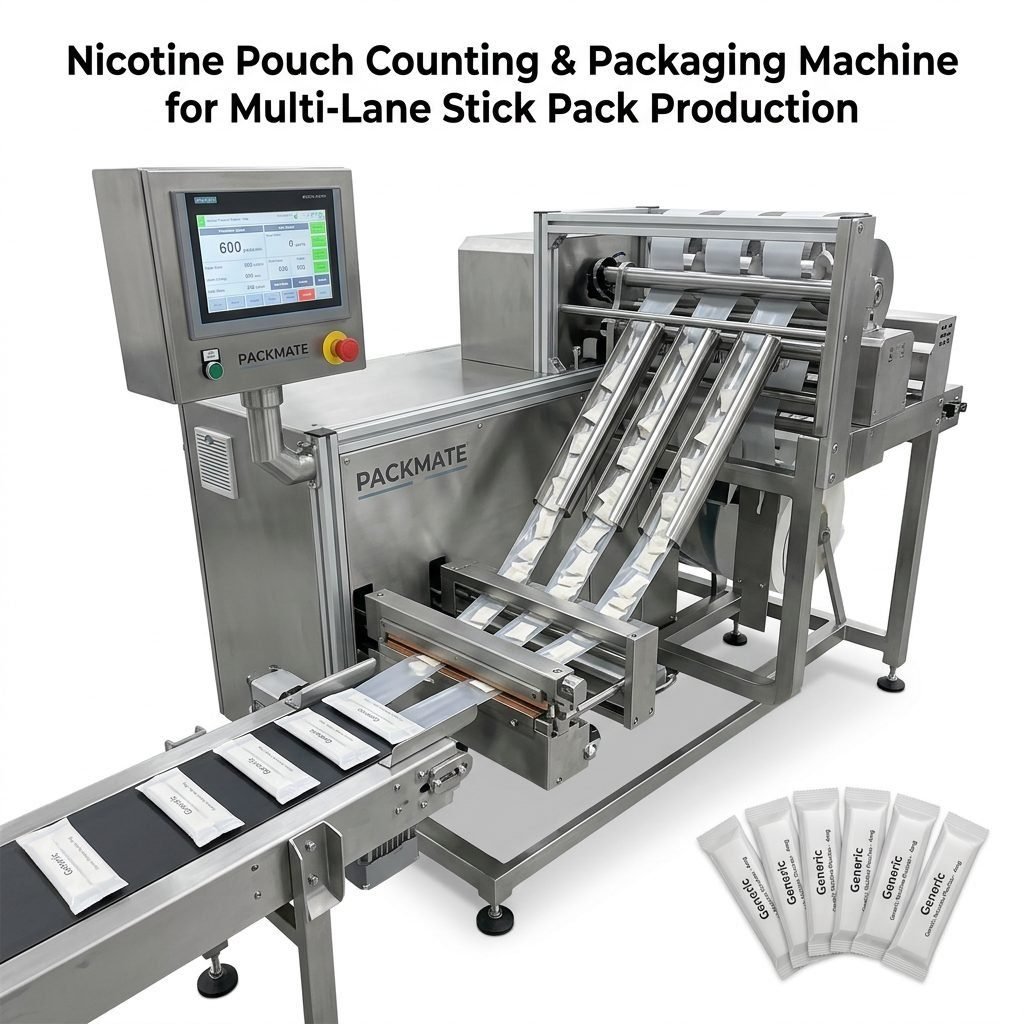
- Stick pack & sachet machines for fast, high-quality single-dose packaging.
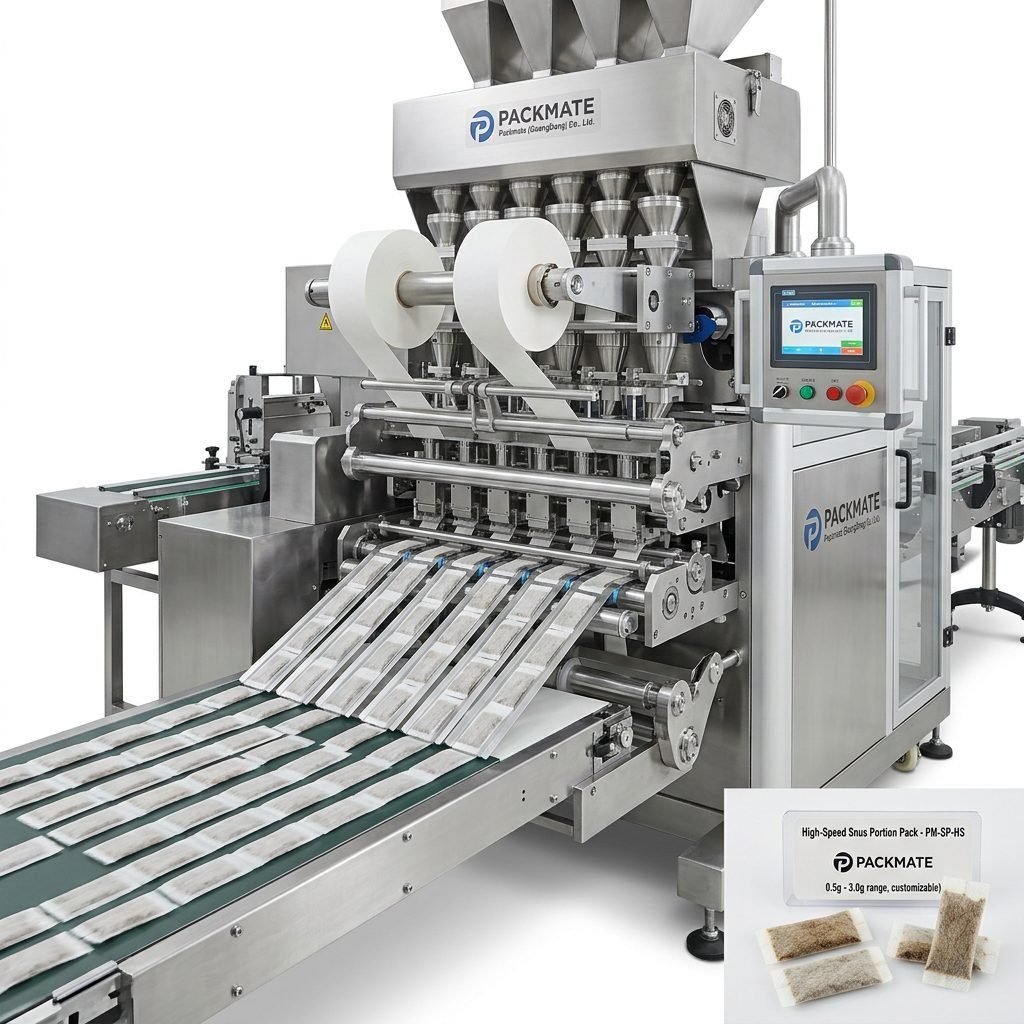
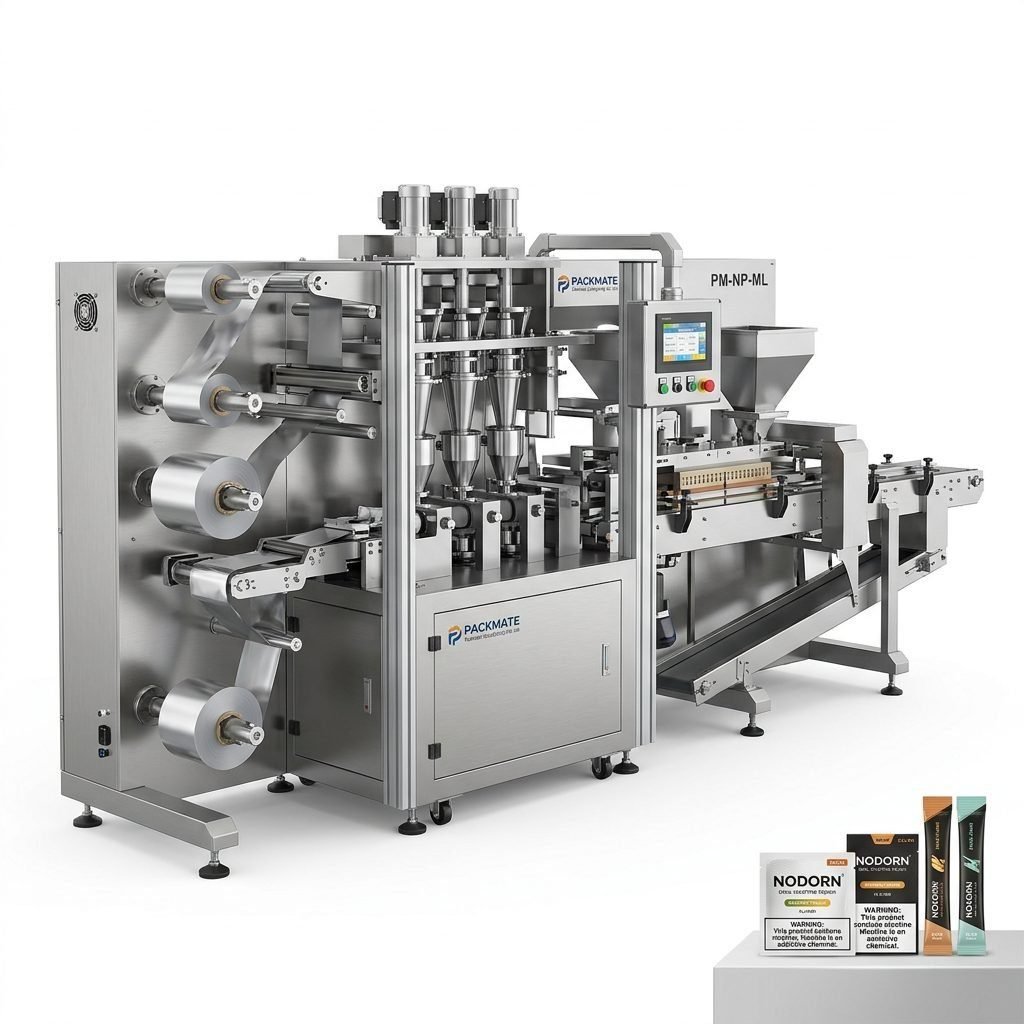
- Multi-lane pouch machines for compact, high-throughput nicotine pouch production.
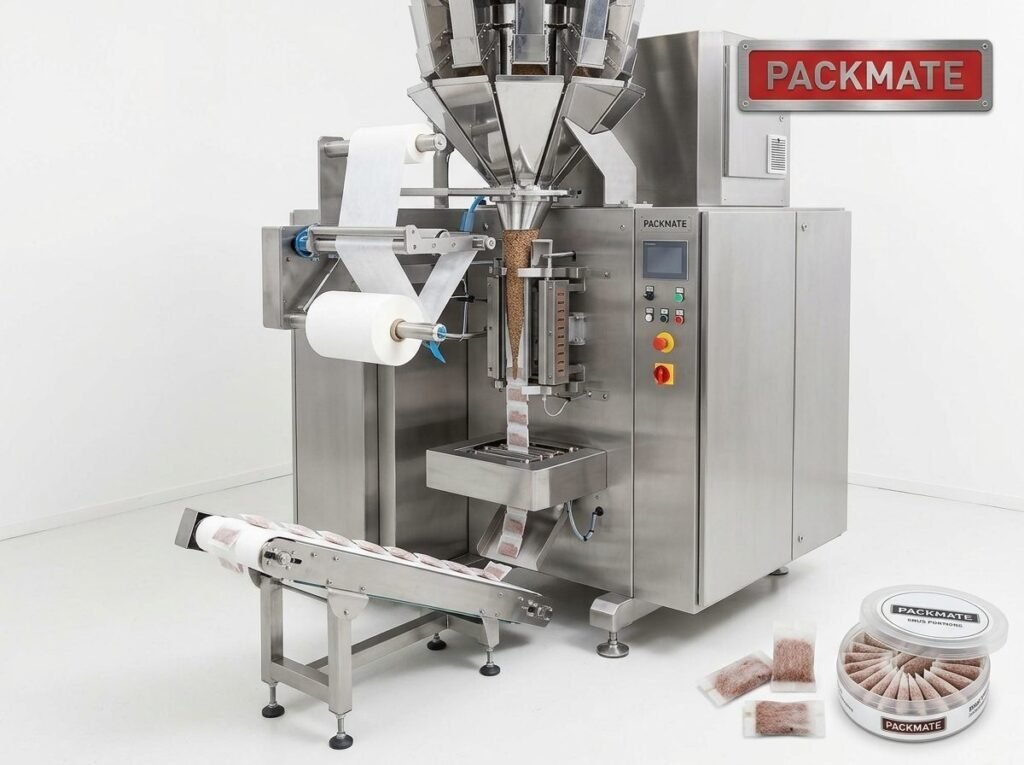
- Filling systems for powders, granules, and liquids that pair with pouch machines.
- Weighing and auxiliary equipment to automate feeding and quality control.
For an overview of specialized equipment, review manufacturers’ product portfolios such as
Snus & Nicotine Packaging Machines
and
Sachet & Stick Pack Machines.
Manufacturing Experience & Technical Capabilities
Evaluate a manufacturer’s engineering track record. Key indicators include years of R&D, range of machine models, in-house CNC machining, and custom engineering capabilities. A supplier with extensive experience in nicotine pouch lines and multi-lane designs can reduce development time and improve reliability.
manufacturing competence directly impacts machine uptime, consistency of sealing and dosing, and the availability of spare parts.
Factory Footprint & Capacity
Check the supplier’s production facilities and assembly lines. A larger factory area with precision assembly zones and CNC centers suggests strong capacity to deliver repeatable quality and handle custom machine builds. Ask for a virtual or in-person tour to validate claims.
For example, companies highlighting a 20,000㎡ production site and advanced machining often provide faster lead times and better quality control. Learn more about manufacturer history and capabilities on their
About Packmate
page.
Certifications & Compliance
International certifications such as CE and ISO confirm that equipment meets recognized safety and quality standards — essential when exporting or importing machinery into Nicaragua. Request copies of certificates and test reports.
Review the manufacturer’s compliance documentation and verify authenticity through their
Certificate
page if available.
Customization & Turnkey Solutions
A turnkey provider can deliver integrated lines including feeding, weighing, filling, packing, and inspection systems. Customization capabilities are crucial if your product requires unique pouch shapes, dosing profiles, or packaging materials.
ask for a turnkey quote that itemizes each module (filler, weigher, packer, metal detector) so you can compare component-level costs across suppliers.
After-Sales Service & Spare Parts
Reliable after-sales support is one of the most important selection criteria. Confirm response times for technical support, availability of spare parts, and options for remote troubleshooting. A service network near Central America or a partner authorized to provide local maintenance will be valuable for a Nicaragua factory.
Check whether the company offers training, commissioning, and ongoing maintenance services by visiting their
Service
page or contacting their sales team.
Quality Assurance & Testing
Ask how the manufacturer tests each machine before shipment. Standard tests include speed trials, seal integrity under environmental conditions, dosing accuracy, and run-time stability. Request video evidence or a witness test if possible.
document test parameters, target speeds, and acceptable tolerances in your purchase agreement.
Total Cost of Ownership (TCO) vs. Purchase Price
Don’t make decisions based solely on the initial machine price. Calculate TCO including installation, tooling, spare parts, downtime costs, energy consumption, and expected lifespan. A higher upfront investment can be justified by lower operating costs and higher reliability.
Logistics, Shipping & Lead Time to Nicaragua
Confirm estimated lead times and shipping options — sea freight to Nicaragua is common, so obtain detailed packaging, crating, and freight forwarding plans. Ensure the manufacturer provides clear instructions for customs documentation to avoid delays at arrival ports.
References, Case Studies & Live Demos
Ask for customer references and case studies relevant to nicotine pouch or snus production. Visiting an operating customer line or attending an exhibition where the supplier demos their machines gives you direct insight into real-world performance. Many suppliers maintain a case library for reference.
Explore examples on the supplier’s
Case
page and check their exhibition participation at
Our Exhibition.
Technical Proposal & Evaluation Matrix
When you receive proposals, evaluate each using a consistent matrix: throughput capacity, format flexibility, accuracy tolerances, automation level, spare parts lead time, warranty terms, and total price. Score each supplier and prioritize those with proven nicotine pouch experience.
Throughput (30%), Reliability (25%), Service (20%), Price/TCO (25%).
Negotiation & Contract Tips
Include acceptance criteria, performance guarantees, spare parts lists, training schedules, and a clear warranty clause in the contract. Define penalties or remedies for missed delivery dates or machine performance that fails to meet agreed specifications.
Factory Acceptance Test (FAT) & Site Acceptance Test (SAT)
Insist on a FAT to verify machine performance at the manufacturer’s site and an SAT after installation in Nicaragua. Document acceptance criteria and performance benchmarks in writing prior to FAT.
Spare Parts & Consumables Planning
Secure a spare parts kit for critical wear items and ask about lead times for replacement components. Keep a recommended spares list and reorder schedule to avoid production interruptions.
Local Regulations & Import Considerations
Confirm whether the equipment must meet any local electrical, safety, or environmental standards in Nicaragua. Work with a freight forwarder familiar with Central American customs to ensure smooth importation and compliance documentation.
How to Shortlist Suppliers — A Practical Checklist
Use this shortlist process to narrow options quickly:
- Confirmed experience in snus/nicotine packaging and multi-lane systems.
- Valid CE/ISO certificates and verifiable references.
- Factory capacity and on-site testing procedures (FAT/SAT).
- Clear spare parts strategy and local service access.
- Detailed proposal with TCO breakdown and lead times.
Vendor Due Diligence — Questions to Ask
When speaking with sales and engineering teams, ask direct questions: What’s your machine uptime for similar customers? How do you handle product changeovers? Can you provide traceable test reports? What support is offered during the first production runs?
For full product categories and solutions, review the manufacturer’s catalog and systems such as
Filling & Packaging Lines
and
Weighing & Packaging Systems.
Final Selection & Implementation Roadmap
After selecting a supplier, collaborate closely on an implementation plan: schedule FAT, shipping, customs clearance, installation, SAT, and production ramp-up. Allocate time for operator training and process validation to ensure consistent product quality from day one.
document the commissioning protocol and accept no less than the agreed throughput and quality performance during SAT before final acceptance and final payment.
Conclusion
Selecting a snus packaging machinery manufacturer for your Nicaragua factory requires a blend of technical evaluation and practical due diligence. Prioritize suppliers with proven nicotine pouch experience, comprehensive testing processes, robust after-sales support, and transparent TCO. A well-chosen partner will accelerate your time-to-market, reduce operational risk, and support long-term growth.
Frequently Asked Questions
Q1: What certifications should a snus packaging machine have?
Look for CE and ISO certifications as a minimum. Additionally, request machine-specific test reports showing sealing strength, dosing accuracy, and electrical safety. Authentic certificates and quality documentation help with customs clearance and regulatory compliance.
Q2: How long is the typical lead time for a turnkey nicotine pouch line?
Lead time varies by complexity and customization. Standard machines may ship in 8–12 weeks, while fully customized turnkey lines can take 16–24 weeks including FAT. Shipping, customs, and installation add additional weeks, so plan accordingly.
Q3: What ongoing support should I expect after installation?
Expect commissioning support, operator training, a warranty period that covers parts and workmanship, and options for remote diagnostics. Confirm spare parts availability and response times for onsite support if needed.
Q4: Can manufacturers help with product format changes and scalability?
Reputable manufacturers provide modular machines and changeover solutions to handle multiple pouch formats. Discuss scalability early — multi-lane systems and modular add-ons are common ways to increase capacity without replacing core equipment.
Q5: Where can I find more product and service details from proven suppliers?
For detailed product listings, technical specifications, and service offerings, consult the manufacturer’s product pages such as
Bag & Pouch Packaging Machines
and reach out via their
Contact Us
channel to request proposals and arrange a factory visit.