Choosing the right snus packaging machine in Peru can make the difference between a stable production line and constant downtime. This guide walks local producers step-by-step through the selection process — from understanding machine types and technical specs to installation, compliance, and supplier evaluation — so you can invest with confidence and scale your snus or nicotine pouch business effectively.
Understand the Local Market Needs
Before evaluating machines, map out your product variants: pouch size, fill weight, packaging material, and daily production targets. Peruvian producers often balance artisan quality and cost-efficiency. Ask: will you focus on small-batch premium snus or high-volume nicotine pouches? Your answer determines whether you need a multi-lane high-speed system or a single-lane, flexible sachet/stick pack setup.
Key questions to define requirements
✔ Production target: units/hour or units/day?
✔ Product format: powder, granule, paste, or liquid?
✔ Material: laminated film, foil, compostable film? These variables steer your machine type and auxiliary equipment.
📦
Tip: If you plan to experiment with multiple pouch sizes, prioritize machines with quick changeover features and modular tooling to reduce downtime.
Types of Snus Packaging Machines
There are several machine families you will encounter. Each serves different needs — speed, format, and budget. Below are the most common options and when to choose them.
Sachet & Stick Pack Machines
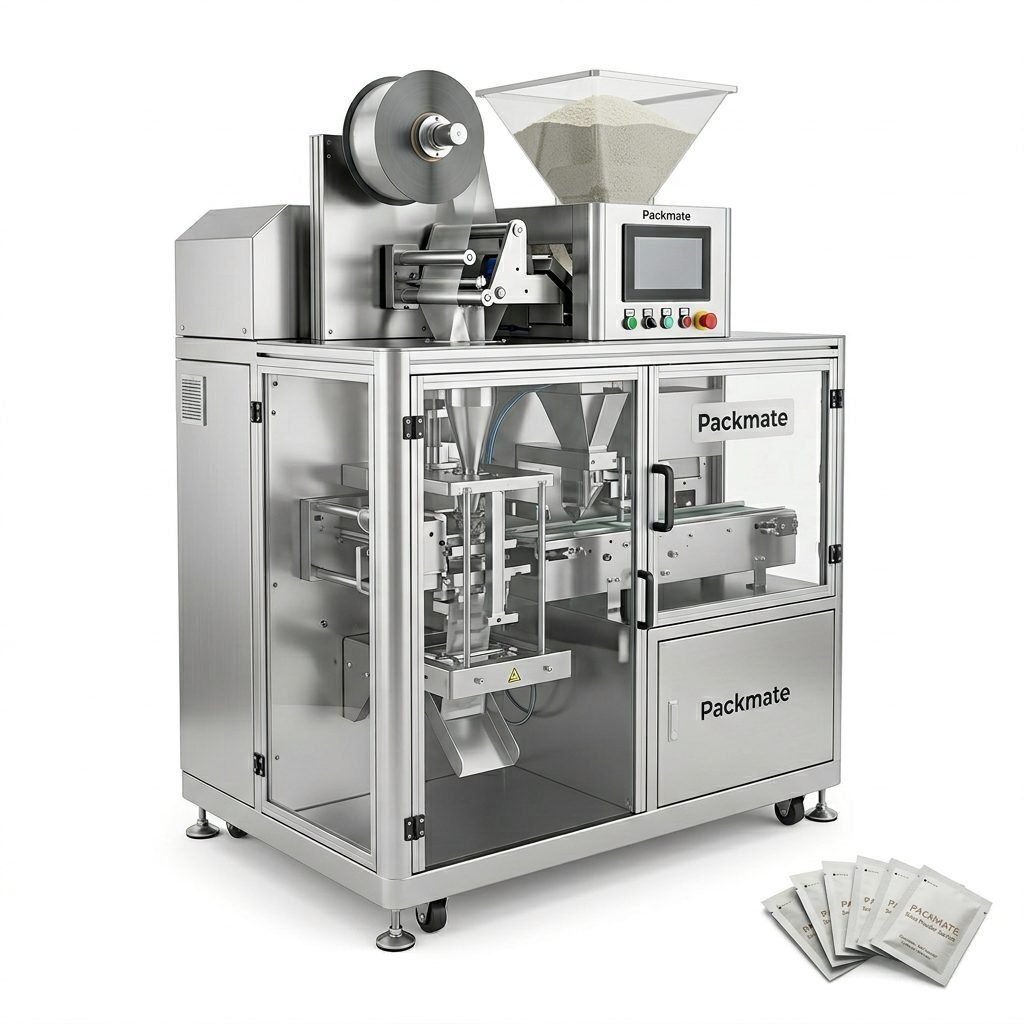
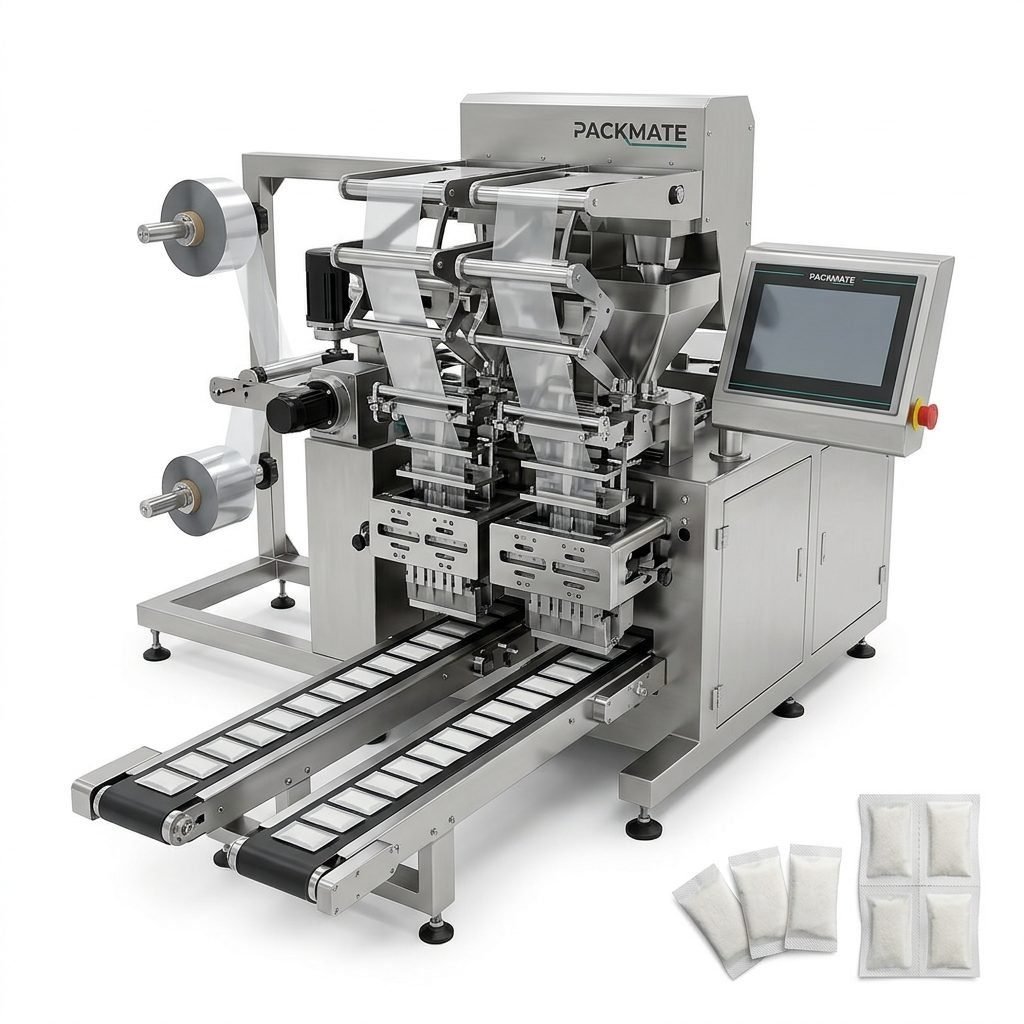
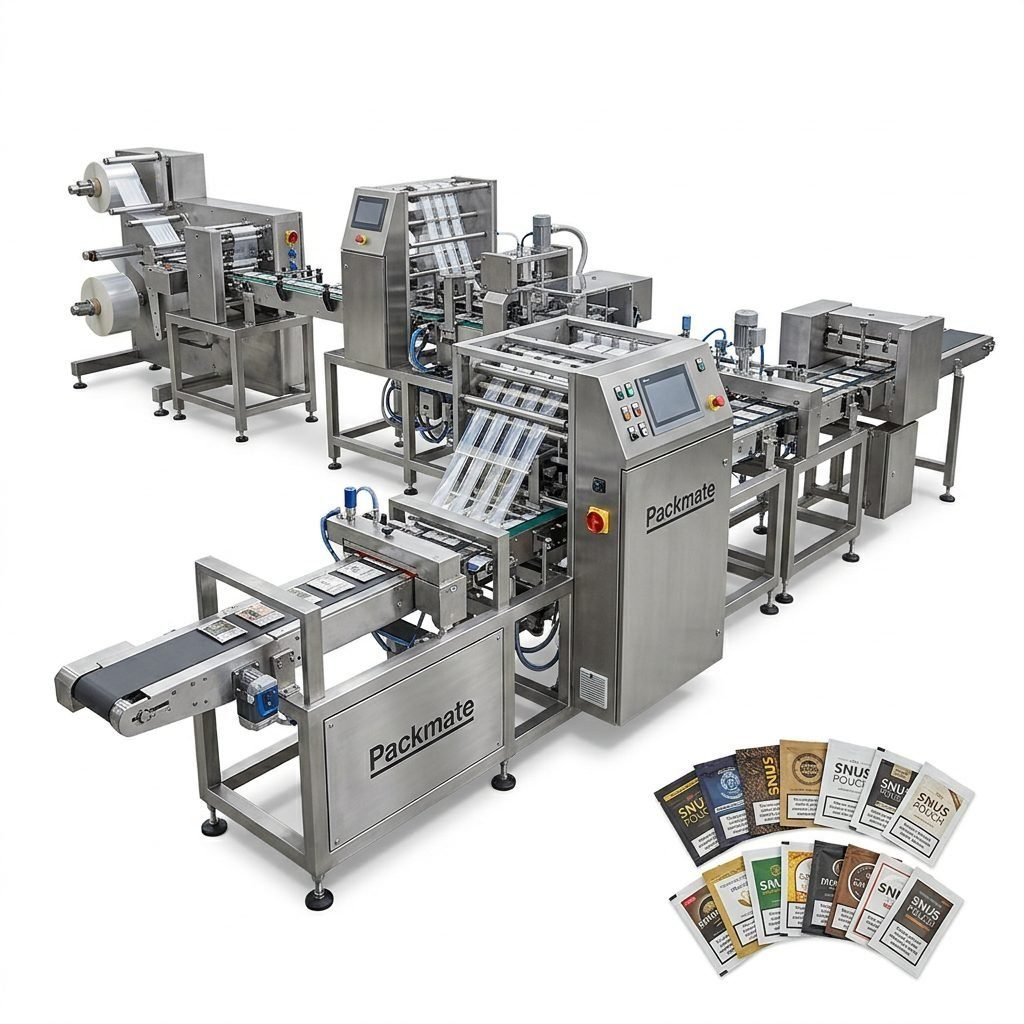
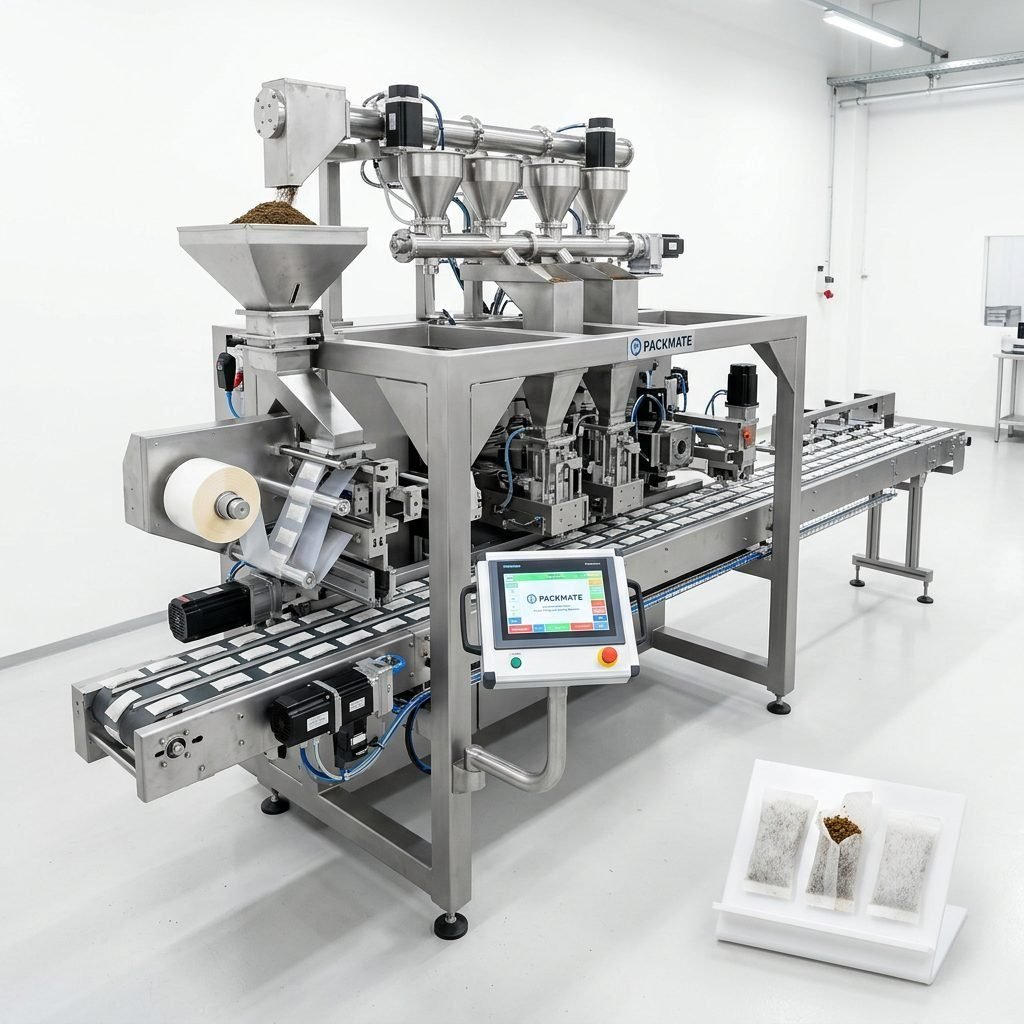
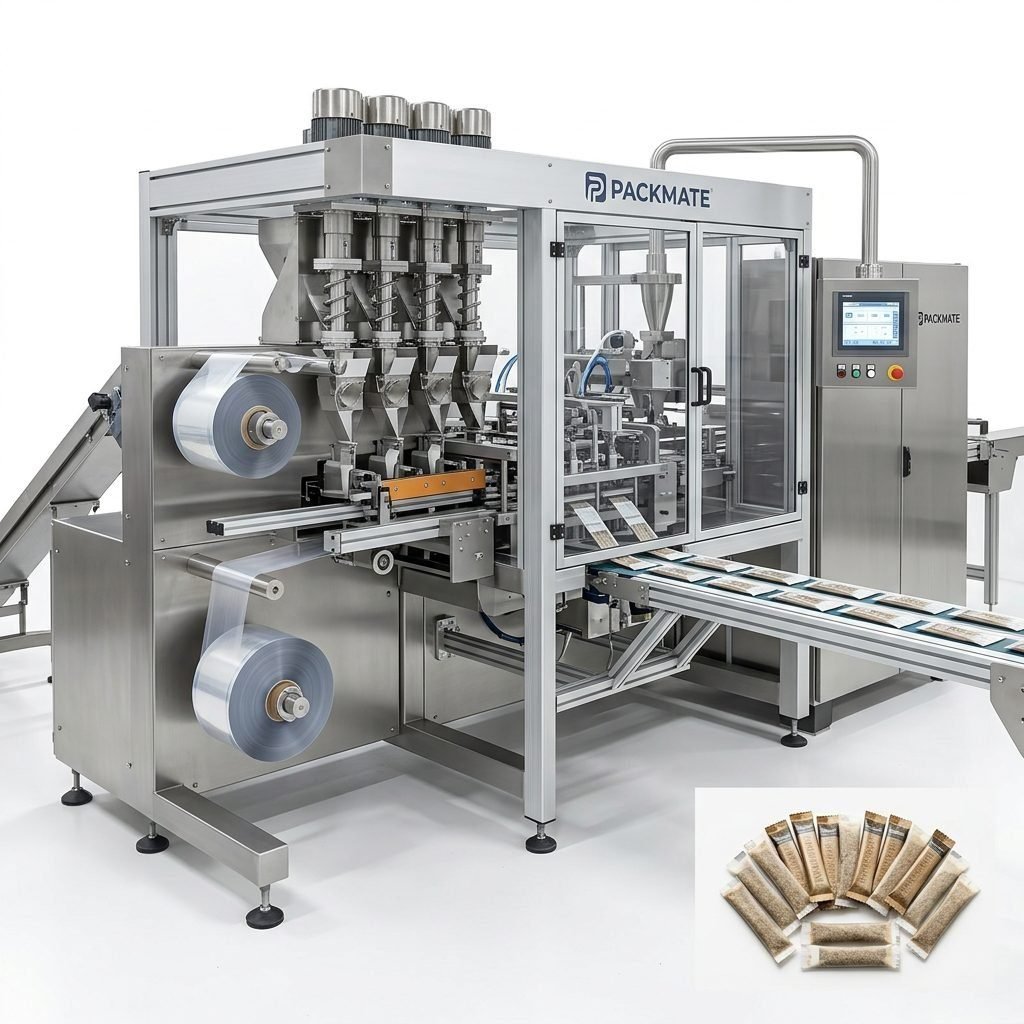
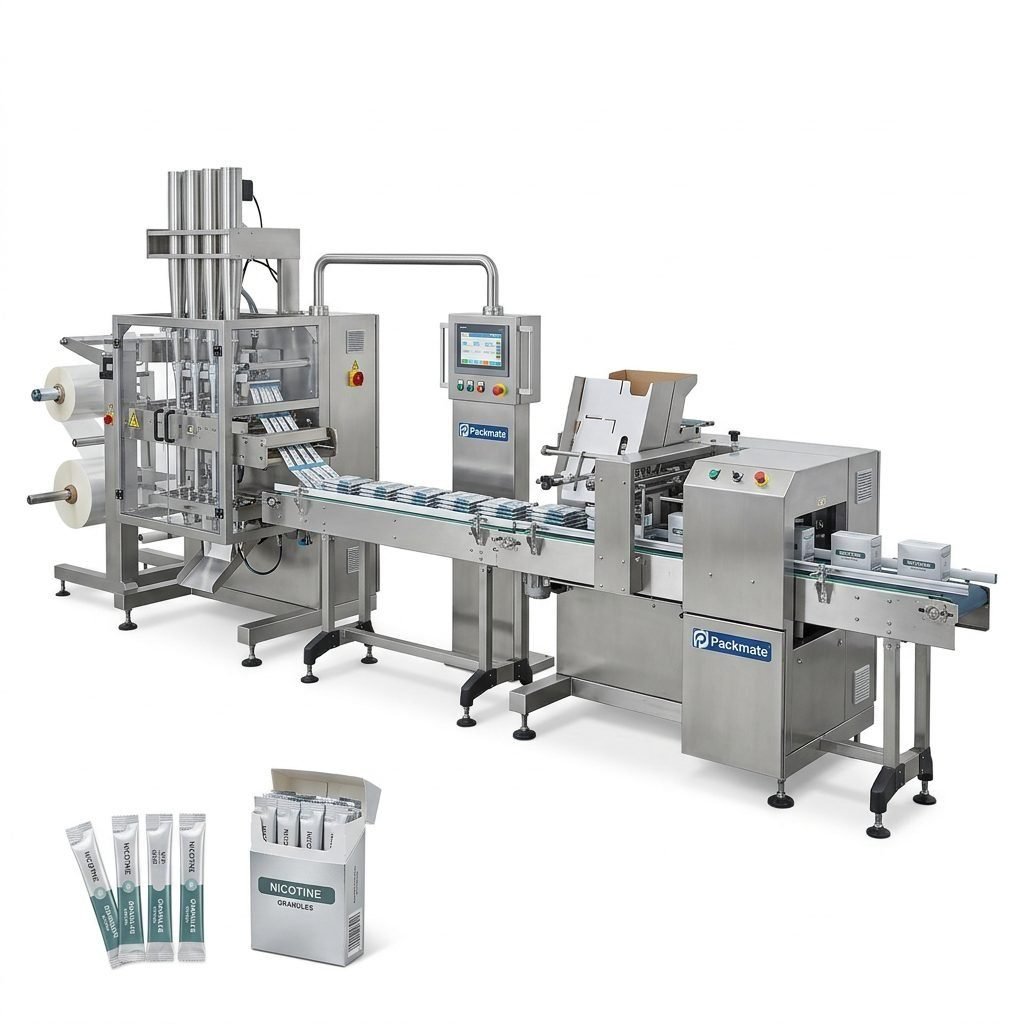
Sachet and stick pack systems are versatile for single-serve portions and are suitable for flavored nicotine pouches. They can handle powders and granules and are easy to operate. Consider this family for smaller lines and flexible product ranges — see more models on the Sachet & Stick Pack Machines page.
Multi-lane High-speed Systems
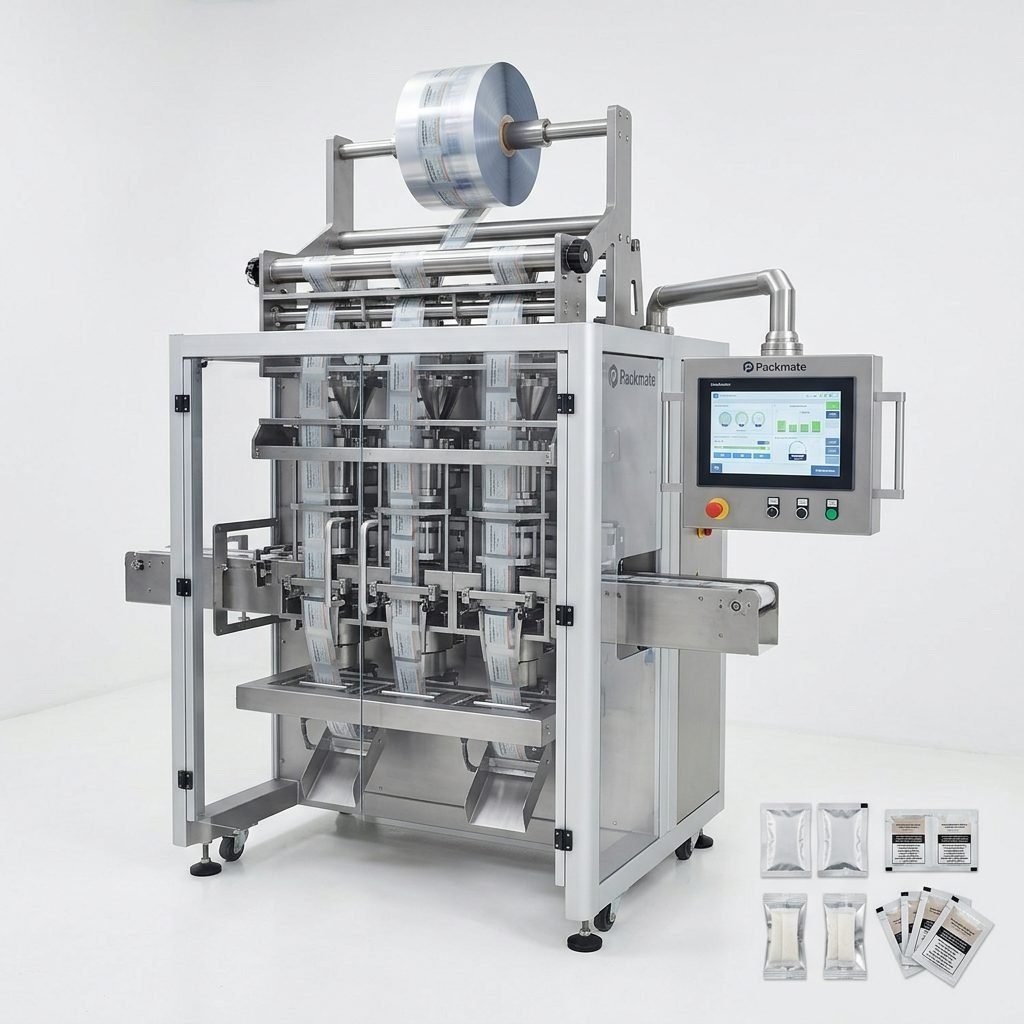
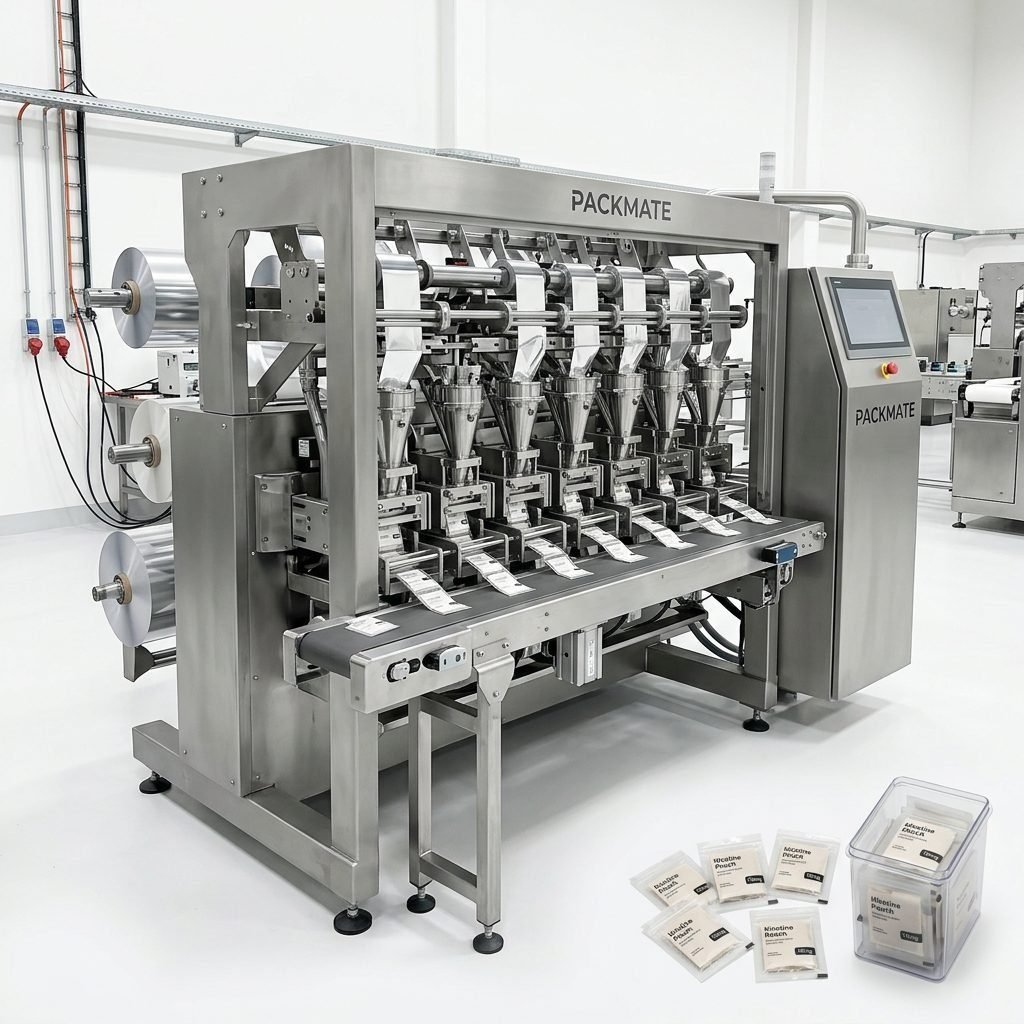
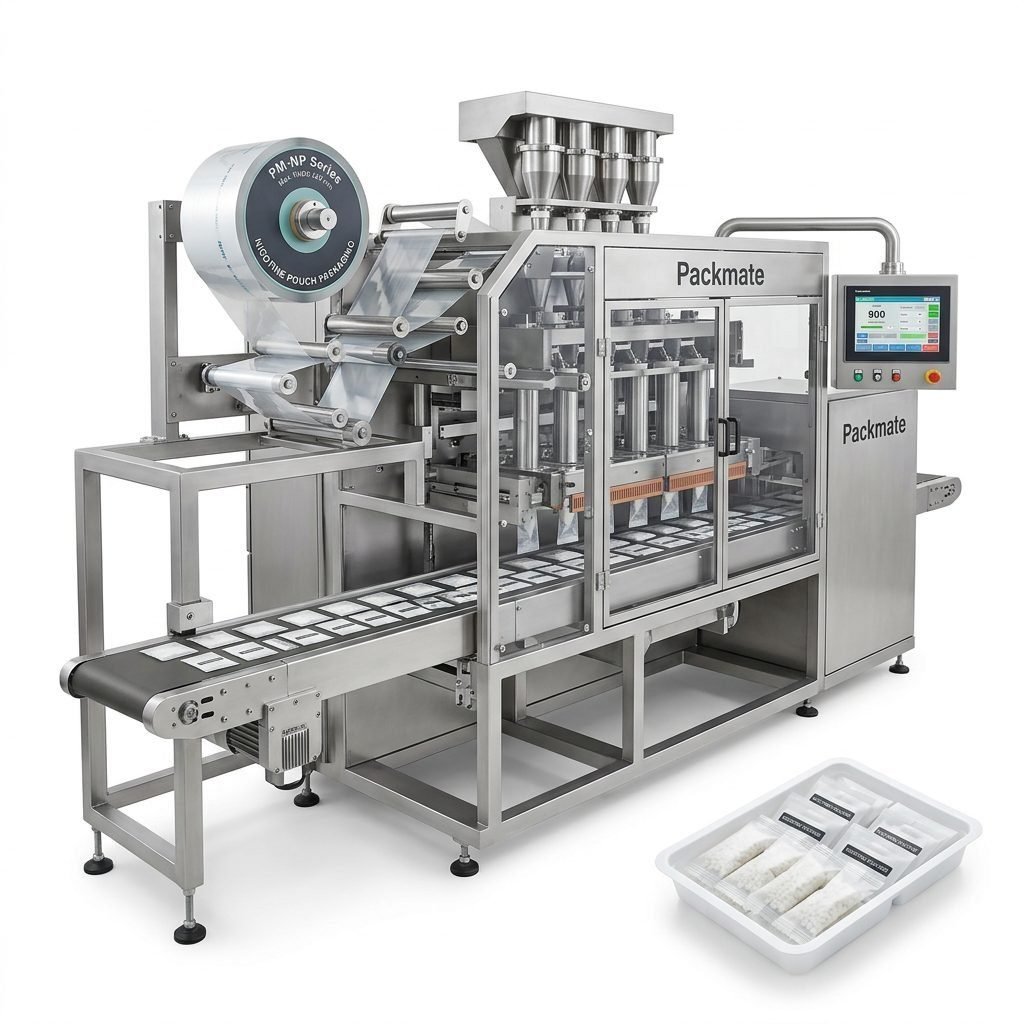
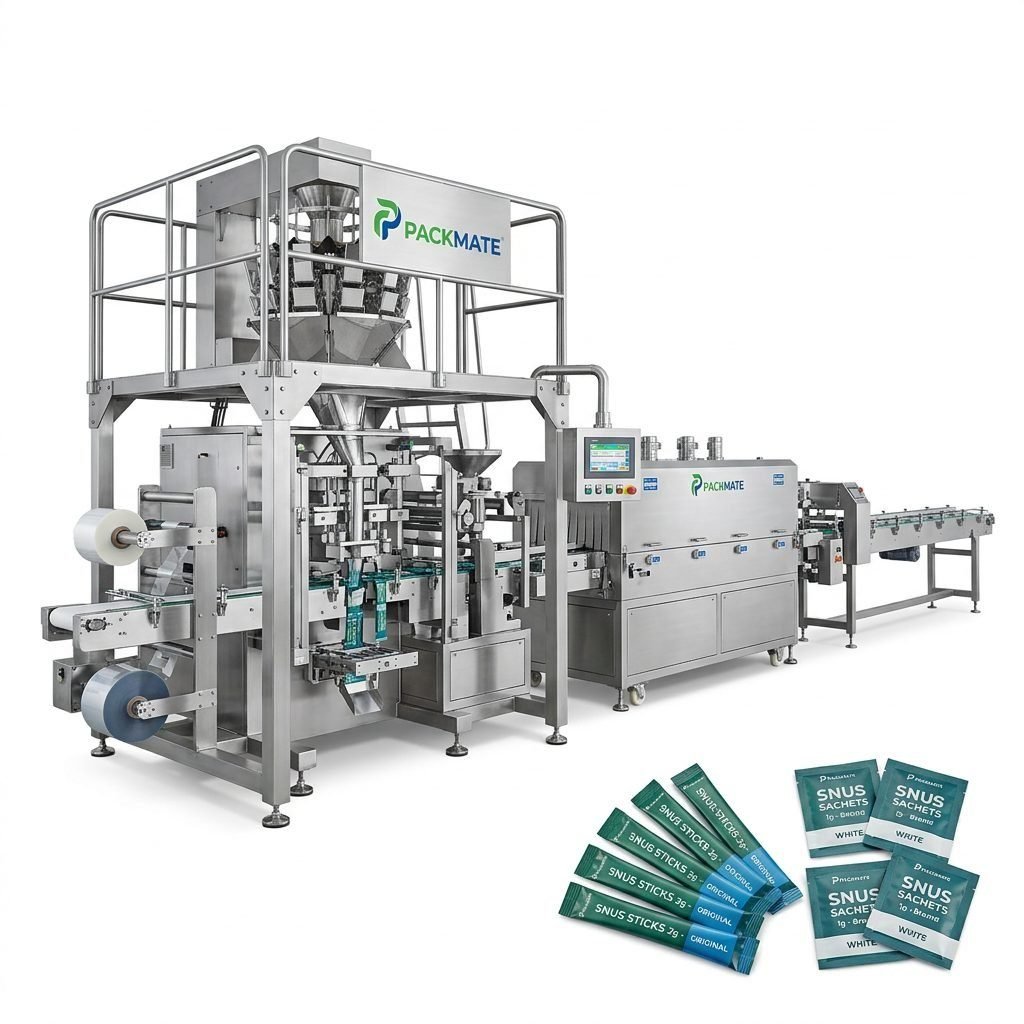
For producers targeting high throughput, multi-lane systems multiply output by running several lanes in parallel. They require higher initial investment and precision engineering but drastically reduce unit cost at scale. Look for manufacturers with proven multi-lane experience.
Stick/Block Routers & Specialty Machines
If your snus product uses a particular block or tablet form, specialized filling systems and cutting/stacking modules may be necessary. These systems are often custom-configured; verify supplier capability to deliver turnkey lines.
Critical Technical Features to Compare
When evaluating models, compare technical data carefully. The following features directly impact product quality, throughput, and long-term costs.
Speed & Throughput: expressed as units/min or pieces/hour. Match nominal speed to real-world operation (consider downtime and maintenance).
Number of Lanes: single vs. multi-lane affects footprint and output.
Filling Accuracy: critical for nicotine content compliance — look for precision dosing systems and reliable weighing modules.
Material Compatibility: ensure the machine supports your selected film types and thicknesses.
Sealing Technology: heat seal vs. ultrasonic vs. adhesive — each affects packaging integrity and shelf life.
🔧
Must-have: PLC control with touch-screen HMI, recipe storage, and servo-driven film handling for repeatable accuracy and fast changeover.
Compliance, Safety and Certifications
Regulatory compliance matters — both for machine safety and product regulation. Machines with CE and ISO certification indicate manufacturer commitment to international standards. If you plan to export, prioritize suppliers whose equipment meets global norms.
Supplier credentials to check
Look for documented CE/ISO certificates, factory tour capability, and references from international customers. For a detailed supplier overview, review the About Packmate page to learn about manufacturing scale and background.
Factory & After-sales Support — Why It’s Critical
Machines are a long-term investment. Local producers in Peru should verify a supplier’s after-sales support, spare parts availability, and remote assistance options. Quick access to replacement parts and remote troubleshooting reduces downtime significantly.
Ask suppliers: Do they provide installation and commissioning? Is training included? What are lead times for spare parts? Are there local partners or a distributor network in South America?
Budgeting, ROI and Total Cost of Ownership
Purchase price is only part of the equation. Calculate total cost of ownership (TCO) including installation, spare parts, consumables (films, inks), utility consumption, operator training, and routine maintenance. A higher-quality machine can reduce per-unit costs through reliability and lower scrap rates.
📈
ROI example: a mid-range multi-lane system may cost more upfront but can cut labor and unit cost significantly over 18–36 months if production demand is steady.
Layout, Utilities and Installation in Peru
Plan your factory layout early. Multi-lane lines often need more power and stable compressed air. Check the machine footprint and install access for maintenance. Verify whether the supplier offers on-site commissioning and remote guidance — this saves time for teams unfamiliar with advanced PLC systems.
Ensure utilities (power voltage, phase, compressed air pressure, water if needed) match Peruvian standards or plan for converters. Discuss packaging material storage and a clean environment for hygiene-sensitive products.
Maintenance, Spare Parts and Training
A preventive maintenance schedule keeps machines running at peak performance. Ask for a recommended maintenance checklist, availability of critical spare parts, and training packages for operators and technicians. Remote diagnostics and firmware updates are valuable features.
Spare parts strategy
Keep a core stock of belts, seals, bearings, sensors, and heating elements. Confirm lead times from the manufacturer or regional warehouses. Packmate Snus Machine’s factory capability and global support network are useful factors when evaluating long-term availability.
Choosing the Right Supplier — Checklist
Select a supplier using a structured checklist:
• Factory capability: size, CNC equipment, assembly lines, testing facilities.
• Track record: years in business, product cases and exhibition presence.
• Certifications: CE, ISO and compliance documentation.
• Turnkey solutions: ability to provide auxiliary systems like weighing, filling, and packaging lines.
• Local support: partners, training, spare parts strategy.
Explore supplier offerings and product families such as Snus & Nicotine Packaging Machines, Bag & Pouch Packaging Machines, and Filling & Packaging Lines to ensure compatibility with your production roadmap.
Case Studies & Real-world Examples
Look for case studies that match your scale and product type. Practical examples show how suppliers solved layout constraints, improved dosing accuracy, and delivered ROI. You can view sample customer cases and demonstrations under the Case and Our Exhibition resources when evaluating suppliers.
✅
Reality check: ask for machine run videos, factory acceptance test (FAT) reports, and client references — these reduce uncertainty before purchase.
How to Request Accurate Quotes
Provide detailed specifications when requesting quotes: product type, fill weights, pouch dimensions, expected speed, film type, and utilities available. A clear RFQ reduces back-and-forth and uncovers optional add-ons like automatic feeding, metal detection, or nitrogen flushing.
For a broader product view and technical options, review product categories like Sachet & Stick Pack Machines, Weighing & Packaging Systems, and Auxiliary Packaging Equipment.
Final Checklist Before Purchase
Before signing, confirm:
• Detailed technical specification including true throughput and power consumption.
• Warranty and after-sales terms including spare parts lead times.
• Acceptance testing plan (FAT/SAT) and performance guarantees.
• Training and documentation in English and preferably Spanish.
• Delivery and installation schedule with logistics for shipment to Peru.
Where to Find Trusted Suppliers and Resources
Suppliers with extensive industry experience and global turnkey solutions are preferred. For more details about manufacturing background, certifications, exhibitions, and specific machine lines, see the About Packmate, Certificate, and Our Exhibition pages. To request personalized support, use Contact Us for direct communication.
Conclusion — Make a Data-driven Decision
Selecting the right snus packaging machine in Peru requires balancing production goals, budget, compliance, and supplier reliability. Prioritize technical fit, robust after-sales support, and clear contractual terms. A careful RFQ, factory validation, and a strong spare-parts strategy will protect your investment and enable sustainable growth.
Quick links to explore
Explore product families and company resources to continue your research:
Snus & Nicotine Packaging Machines
Sachet & Stick Pack Machines
About Packmate
Contact Us
Case
Frequently Asked Questions
Q1: Which machine type is best for small Peruvian startups?
A1: For startups focused on flexibility and modest volume, sachet and single-lane stick pack machines are often the best fit. They have lower capital cost, require less floor space, and support rapid product changes.
Q2: How important are CE and ISO certifications?
A2: Certifications provide assurance of manufacturing quality and safety standards. They are especially important if you plan to export or need to comply with formal procurement requirements.
Q3: What add-ons should I consider?
A3: Common add-ons include automatic feeding systems, nitrogen flushing for shelf-life extension, inline metal detection, and in-line weighing systems for precision dosing. These increase initial cost but improve product quality and compliance.
Q4: Can I get remote support and training?
A4: Many modern suppliers offer remote commissioning, firmware updates, and virtual training. Confirm the availability and language options with the supplier before purchase.
Q5: What is a safe spare parts inventory to keep?
A5: Start with consumables and wear parts: belts, seals, heaters, sensors, and key electronics. Maintain a core inventory sufficient for weeks to months depending on lead times from your supplier.