Introduction: Why Choosing the Right Nicotine Packaging Machinery Manufacturer Matters
Selecting the best manufacturer for nicotine pouch and snus packaging machinery in Thailand is more than a purchase decision — it’s a long-term investment in production consistency, regulatory compliance, and future scalability. Machines must deliver precise dosing, high uptime, easy maintenance, and robust after-sales support. This guide walks you through practical evaluation criteria and actionable steps to choose a partner that aligns with your production goals.
Understand Your Production Requirements First ⚙️
Before evaluating vendors, define your needs in clear terms: target throughput (pouches/min), pouch formats (stick, sachet, multi-lane), product characteristics (moist snus, dry nicotine pouches, powders or granules), accuracy requirements, and packaging materials. Also consider future growth — do you need modular machines that can be upgraded to multi-lane systems?
Key production specs to document:
● Throughput targets — hourly and daily volumes; ● Pouch formats — single-lane vs multi-lane; ● Dosing accuracy — tolerance in mg/gram; ● Material compatibility — films, laminates, and foil.
Evaluate Machine Types and Technological Fit 🧩
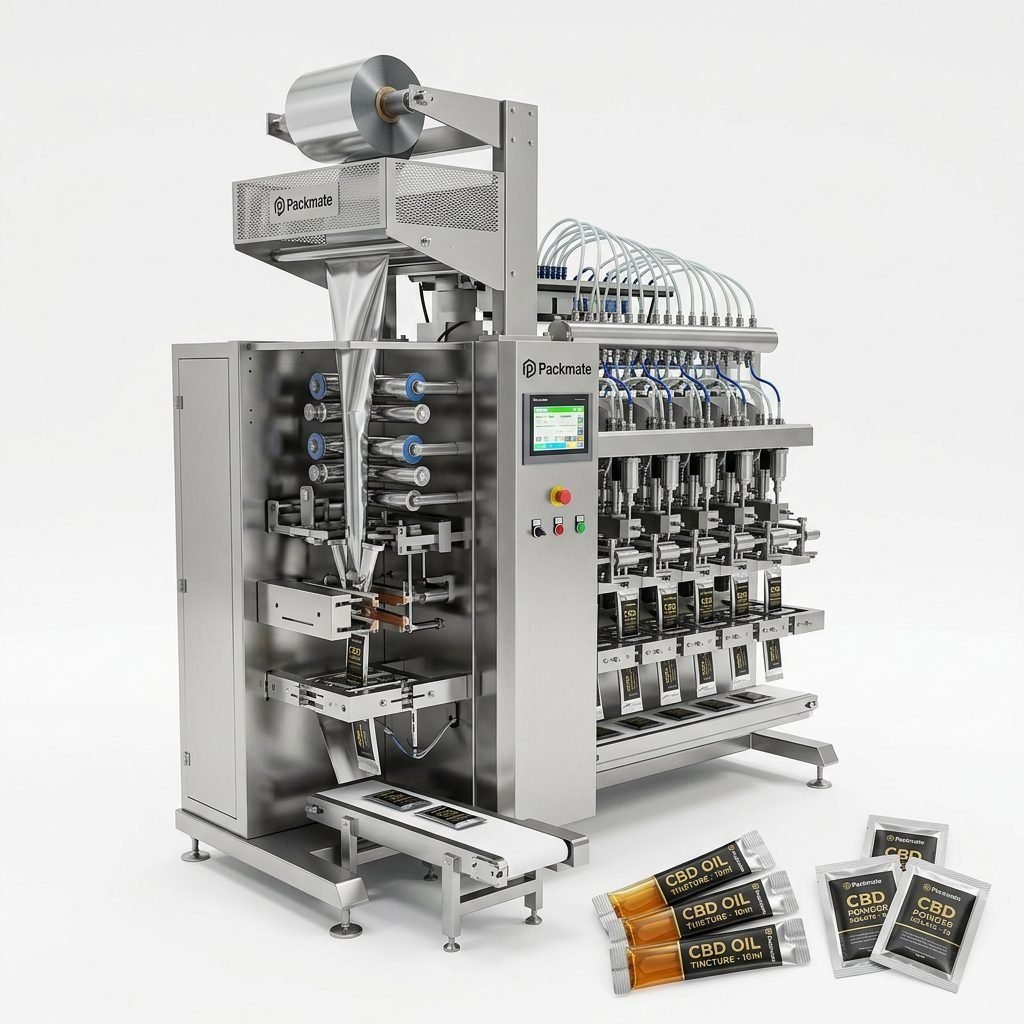
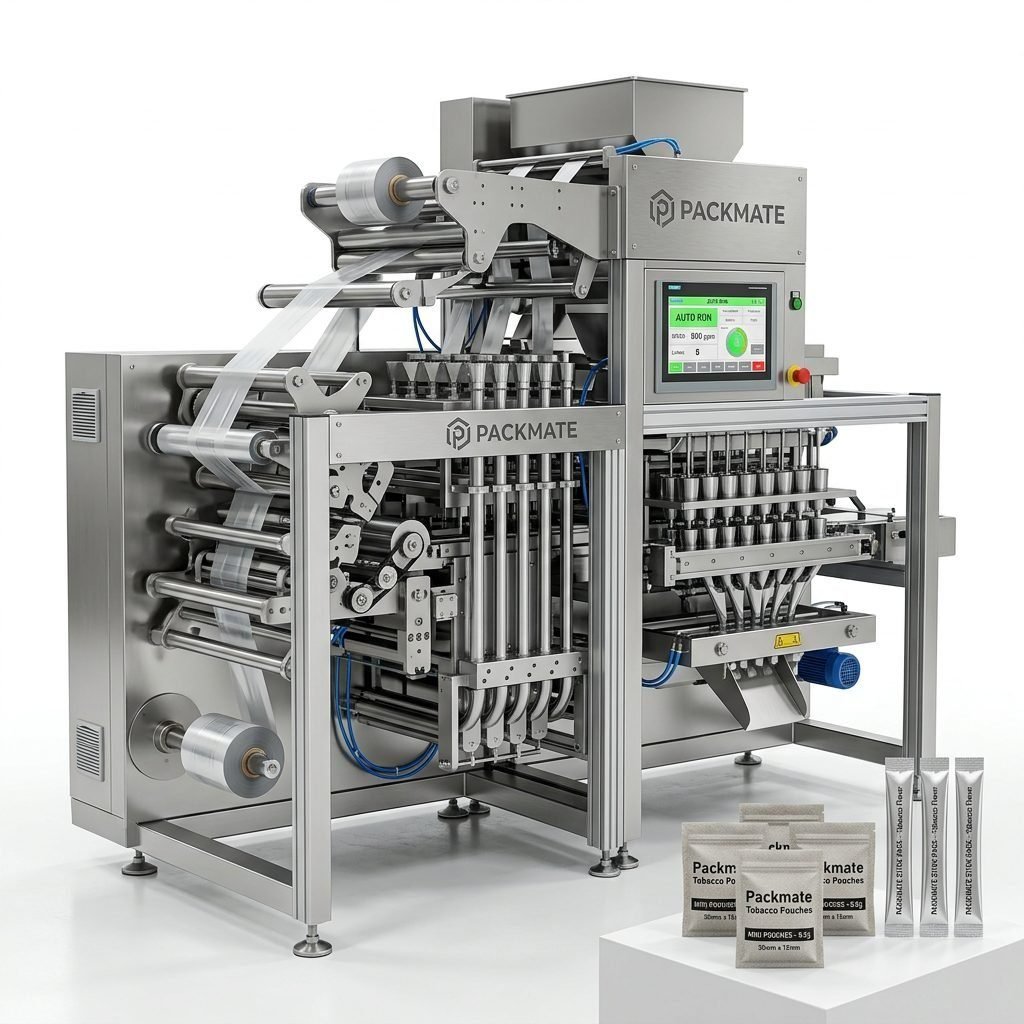
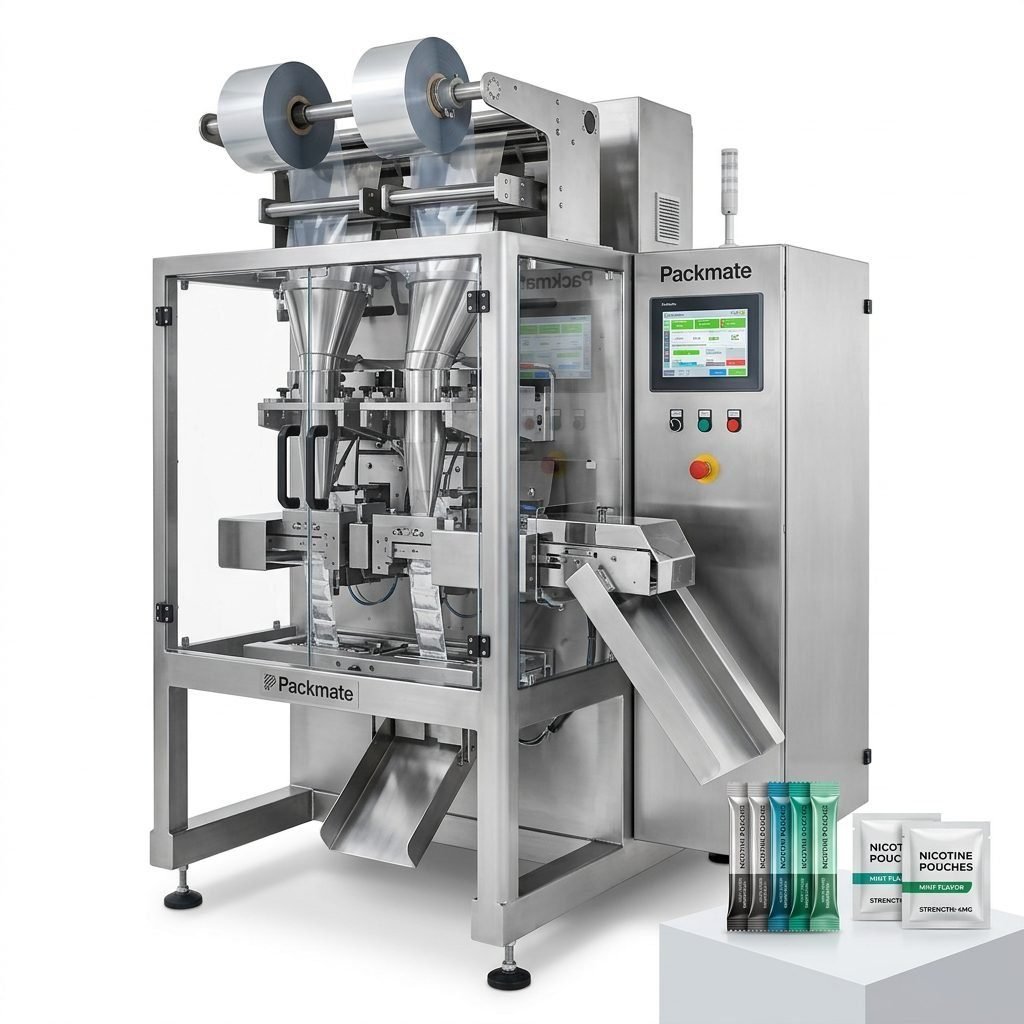
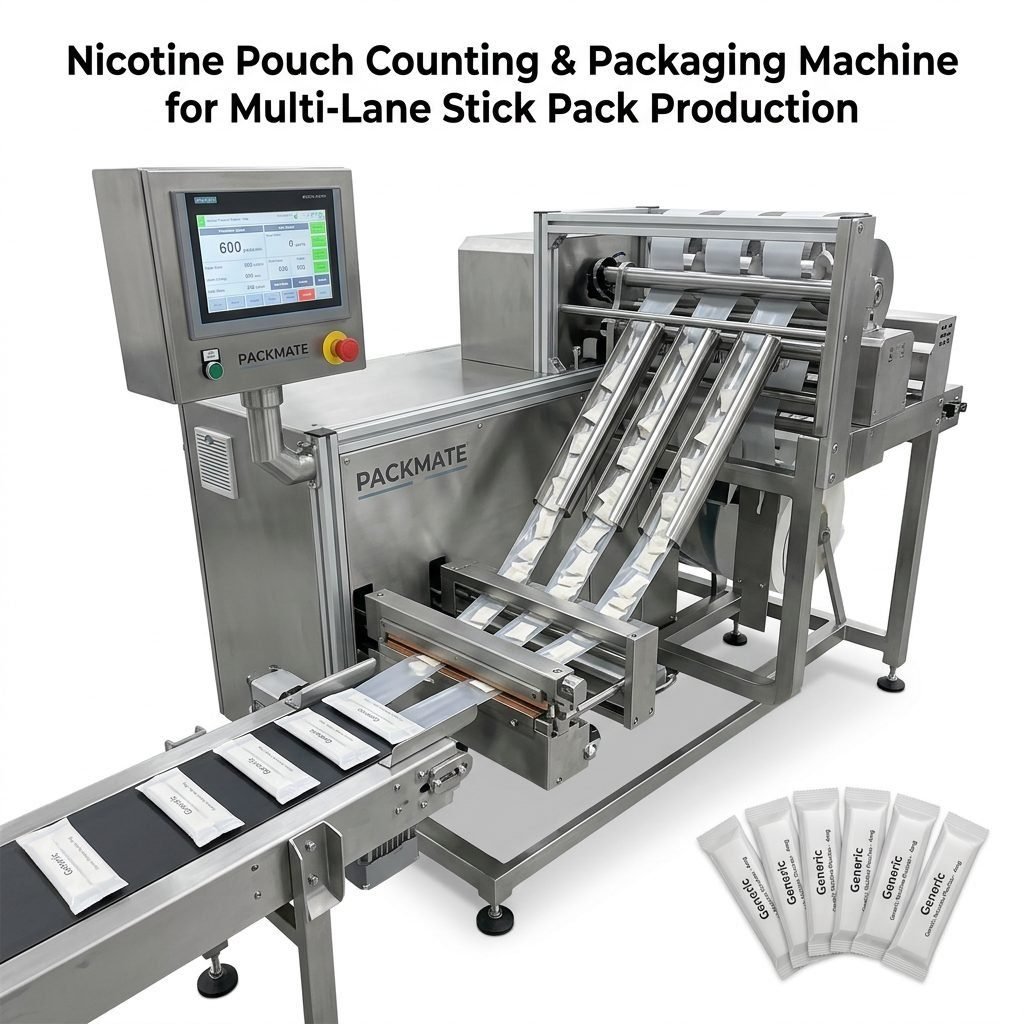
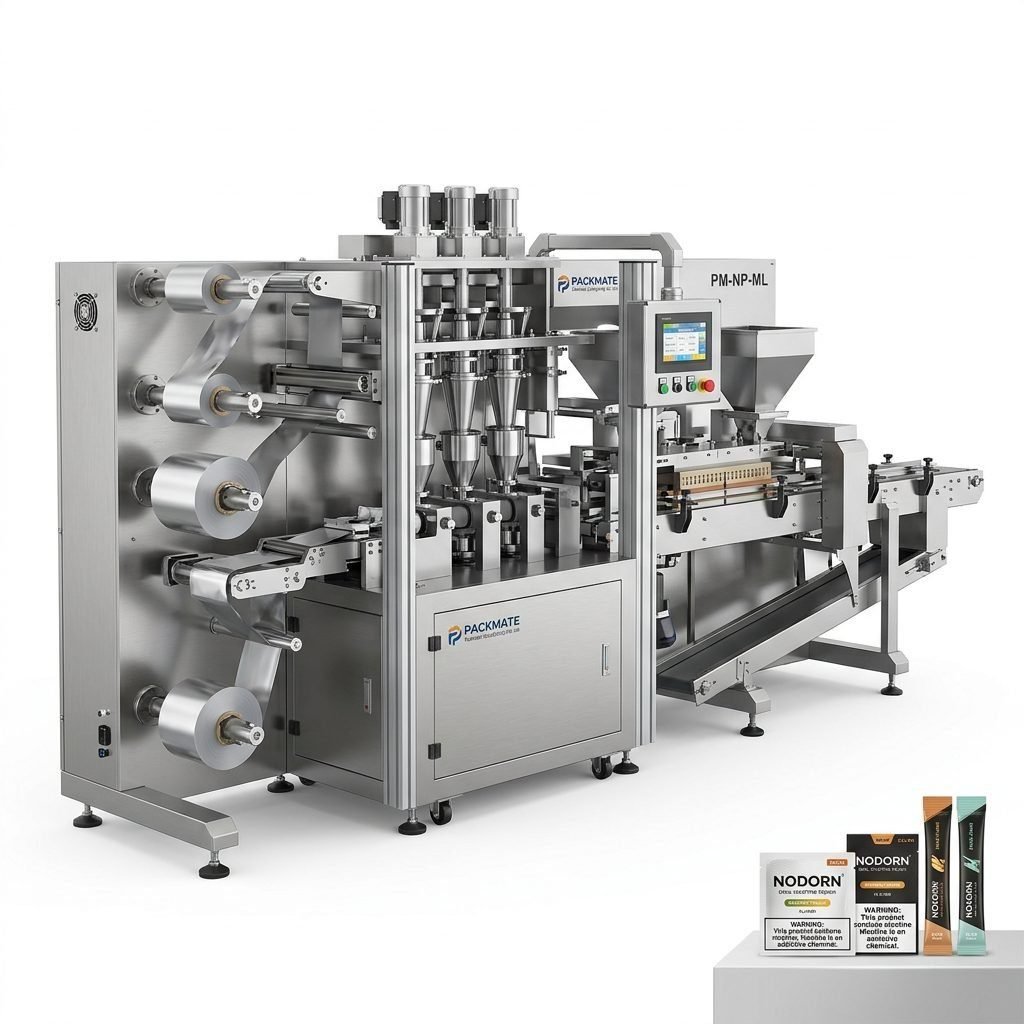
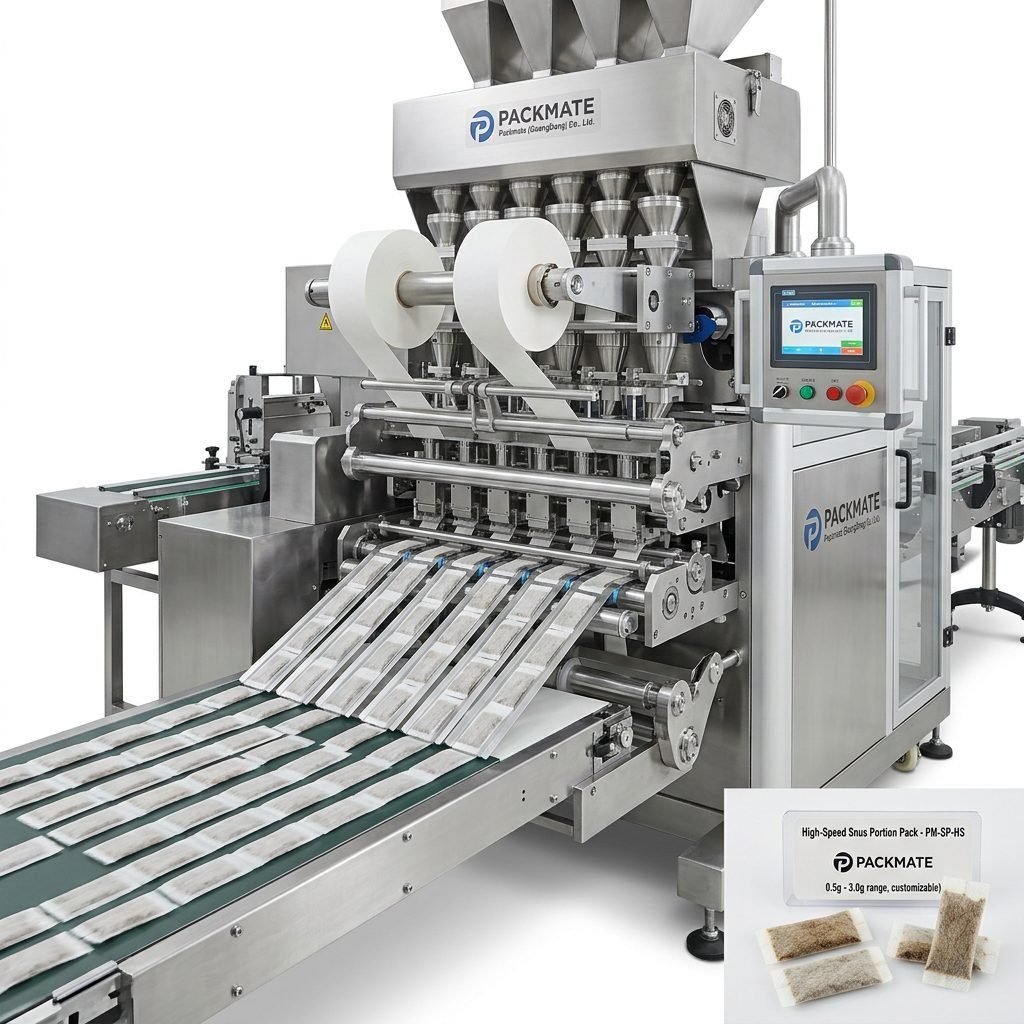
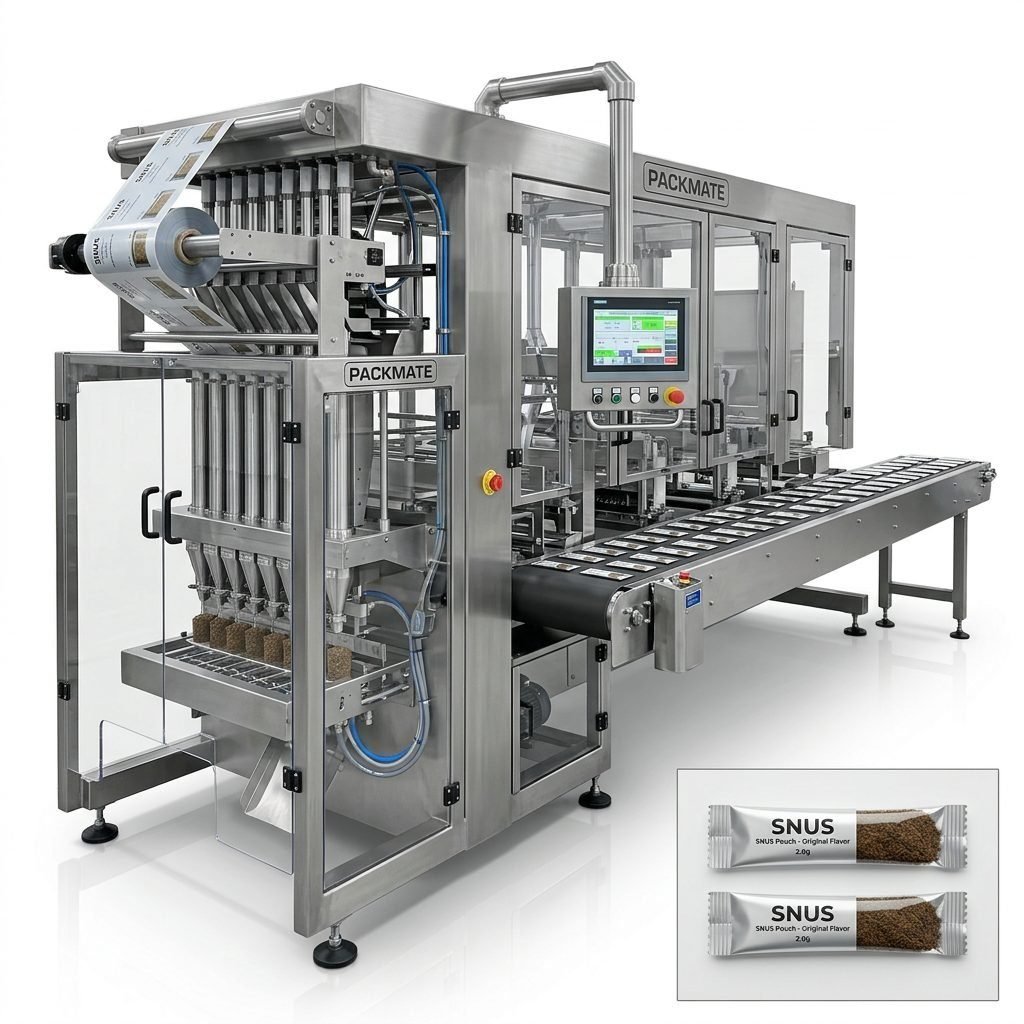
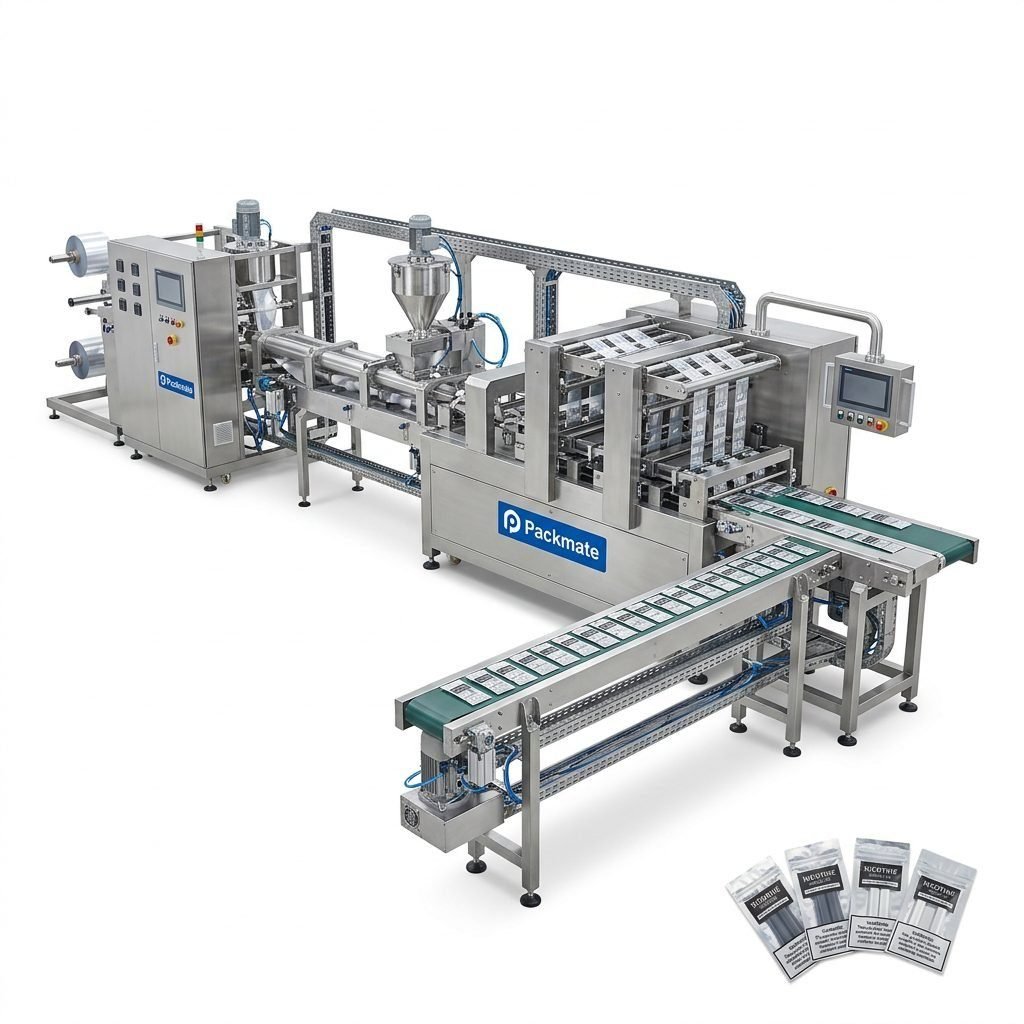
Different machine types serve different business models. For nicotine pouches and snus, common options include stick pack machines, sachet machines, and specialized multi-lane snus packaging systems. Assess whether a manufacturer offers the exact machine category you need and whether their platform supports quick format changes.
If you are scaling or need small-dose multi-lane production, prioritize vendors experienced in high-precision multi-lane systems. For examples of machine categories and configurations, review product lines such as Snus & Nicotine Packaging Machines and Sachet & Stick Pack Machines.
Assess Manufacturer Experience and Factory Capabilities 🏭
Manufacturer experience is a reliable indicator of engineering maturity. Look for companies with decades in packaging equipment development, advanced manufacturing facilities, and a track record across industries (food, pharma, daily chemicals). For instance, manufacturers with 30+ years of experience, a large factory area, and CNC machining centers are better positioned to deliver precision and durability.
✅ Dedicated CNC machining centers and precision assembly lines
✅ Large manufacturing footprint (e.g., 20,000㎡) and multiple models available
✅ Demonstrable turnkey solutions across filling, weighing, and packaging
Check Certifications and Compliance 🔒
Regulatory compliance is essential for nicotine products. Ensure that machines and manufacturing processes comply with relevant international standards. CE and ISO certifications are common markers of credible manufacturers. Ask for certificate copies and whether the machines meet safety and electronic standards required by your local regulators.
Quality, Reliability and Performance Validation ✅
Request performance data and acceptance criteria: mean time between failures (MTBF), mean time to repair (MTTR), accuracy validation reports, and endurance testing records. If possible, visit the manufacturer or request virtual/onsite demonstrations and Factory Acceptance Tests (FAT) so you can see machines running with products similar to yours.
What to ask for during demonstrations:
• Live running of target pouch formats under realistic speeds.
• Accuracy reports from dosing and weighing subsystems.
• Video of format changeovers and cleaning procedures.
• Evidence of consistent sealing quality and package integrity.
Customization and Turnkey Integration 🔧
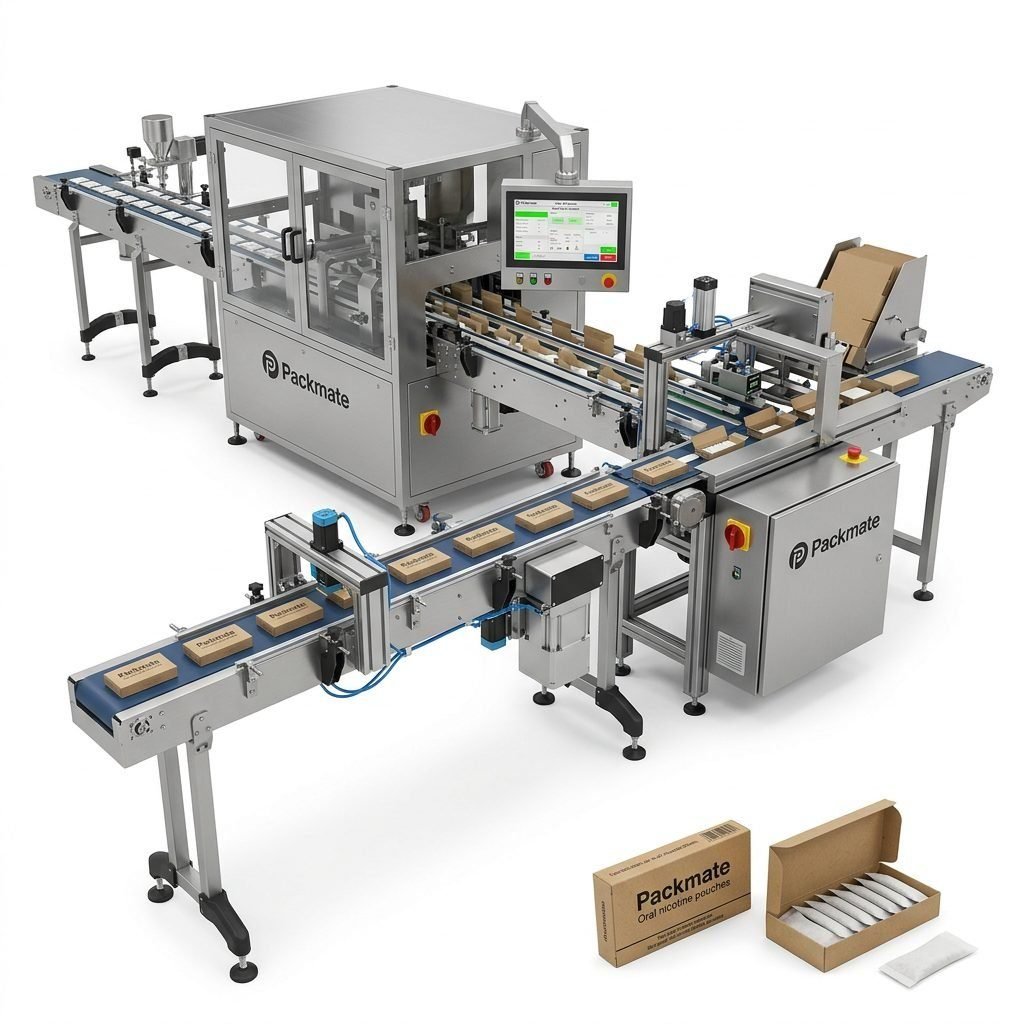
Your production may require tailored solutions — multi-lane feeding, automated feeding systems, weighing and dosing options, or integration with upstream and downstream equipment. Choose a manufacturer that offers turnkey lines and the ability to customize machines to your workflow. Manufacturers that provide integrated weighing & packaging systems and auxiliary packaging equipment reduce integration risks.
Explore related offerings like Weighing & Packaging Systems and Auxiliary Packaging Equipment to ensure smooth end-to-end lines.
After-Sales Service, Spare Parts and Local Support 📞
After-sales support can make or break operations. Verify the manufacturer’s spare parts strategy, warranty terms, response times for technical support, and availability of local service partners in Thailand. Ask how they handle remote troubleshooting, training for operators and maintenance teams, and availability of replacement components.
Service red flags to avoid:
⚠️ No clear parts supply chain or long lead times for critical spares
⚠️ Lack of training programs or insufficient documentation
⚠️ No local representation or slow remote support procedures
Pricing, Total Cost of Ownership and Financing 💰
Compare initial purchase price but place strong emphasis on total cost of ownership (TCO). TCO includes energy consumption, spare parts, maintenance labor, downtime costs, and consumables. Financing options, leasing, and phased payment plans may be available from established manufacturers.
Ask for transparent breakdowns and lifetime cost estimates and consider vendors who provide robust documentation for lifecycle costs.
References, Case Studies and Proven Installations 📂
Request references and case studies in comparable markets. A reputable manufacturer can share client cases, factory photos, and performance statistics. Reviewing prior installations, particularly those in Southeast Asia or similar regulatory environments, confirms real-world capability. See sample case references and project details from manufacturers’ portfolios to gauge consistency and customer satisfaction.
For more reference materials and demonstration examples, consult their case pages such as Case and an overview about the company at About Packmate.
Logistics, Installation, and Commissioning 🚚
Consider lead times for manufacturing, shipping logistics to Thailand, customs handling for industrial equipment, and installation timelines. Thorough commissioning and on-site calibration are essential for precise nicotine dosing. Ensure the vendor includes clear installation scopes, FAT/SAT (Site Acceptance Test) plans, and operator training in the contract.
Warranty, Upgrades and Long-Term Relationships 🔁
A productive vendor relationship goes beyond warranty. Inquire about upgrade paths, software updates, retrofitting options, and lifecycle support. Manufacturers with broad product ranges and modular portfolios can adapt to changing production needs without complete line replacement.
Why factory size and model variety matter
Manufacturers offering 50+ machine models and large facilities typically have more engineering resources, faster customization capability, and better spare parts inventory. For example, a company with a 20,000㎡ factory and advanced assembly systems will usually deliver faster turnaround and higher build quality.
Practical Steps to Finalize Your Choice 📝
1) Shortlist 3–5 manufacturers based on product fit and credentials.
2) Request detailed proposals with technical specs, performance metrics, and TCO.
3) Schedule demos or factory visits and run FAT with your product if possible.
4) Check references and review case studies.
5) Negotiate terms that include installation, training, warranty, and clear SLA for support.
Tip: If you want a single-source solution that covers snus production lines, look for suppliers that provide integrated filling & packaging lines — see Filling & Packaging Lines.
Local Presence vs. Exported Equipment — Pros and Cons 🌍
Buying from a local Thai distributor can shorten lead times and simplify service. Buying directly from an experienced overseas manufacturer often gives access to a broader product range and deeper engineering. Evaluate support agreements, parts availability, and language/communication abilities carefully when dealing with overseas suppliers.
Final Checklist Before Signing a Contract ✔️
• Confirm guaranteed throughput and dosing accuracy under contract.
• Define spare parts list and lead times in writing.
• Include FAT and SAT acceptance criteria.
• Agree on warranty coverage and response SLAs.
• Ensure training, documentation, and spare tooling are included.
Conclusion
Choosing the best nicotine packaging machinery manufacturer in Thailand requires a clear understanding of production needs, a critical evaluation of machine types and factory capabilities, and firm agreements on after-sales support. Prioritize vendors with proven experience, certifications, comprehensive service offerings, and the ability to deliver turnkey solutions. A well-chosen partner will not only supply equipment but will support your product quality, regulatory compliance, and production growth.
Frequently Asked Questions
1) What certifications should a reliable nicotine packaging machine manufacturer have?
A reliable supplier should provide international certifications like CE and ISO, plus machine-specific safety and electrical compliance documents relevant to your market.
2) How important is after-sales support and spare parts availability in Thailand?
Extremely important — prompt parts supply and rapid technical response minimize downtime. Confirm local stocking options or expedited shipping agreements to Thailand.
3) Should I prefer multi-lane machines for nicotine pouch production?
If you expect high volumes and multiple small-dose pouches, multi-lane systems often provide superior throughput and lower per-unit labor, but require higher initial investment and careful calibration.
4) Can manufacturers provide turnkey lines including weighing and filling?
Yes. Many experienced suppliers offer complete lines — you can review product categories like Bag & Pouch Packaging Machines and related systems to evaluate options.
5) How can I verify a manufacturer’s real-world performance before purchase?
Arrange a Factory Acceptance Test with your product, visit installed customer sites, check case studies, and request performance logs to validate uptime, accuracy, and sealing integrity.