Choosing the right snus packaging machine for your production needs in Suriname is a strategic decision that affects product quality, regulatory compliance, cost-efficiency, and long-term scalability. This guide walks you through the practical steps, technical considerations, and supplier-evaluation tips to help you select a high-performance snus or nicotine pouch packaging solution that fits your business goals, factory constraints, and growth plans.
Understand the Surinamese Market and Regulatory Environment
Before you evaluate machines, assess market demand in Suriname: target daily volumes, pouch formats, flavors, and shelf life requirements. Regulatory requirements for nicotine products and tobacco alternatives vary—ensure your equipment can support labeling, lot-coding, tamper-evidence features, and traceability. A machine supplier experienced with international standards (CE, ISO) can simplify compliance.
Key considerations:
🔍 Production scale in units per minute, weekly capacity, and planned product lines.
🔍 Regulatory labeling and packaging constraints specific to nicotine pouches.
🔍 Cold chain or moisture control needs for snus storage and packaging.
Choose the Right Machine Type for Your Product
Different packaging formats demand different machines. Identify the format you will produce today and any formats you may add later.
Popular machine categories:
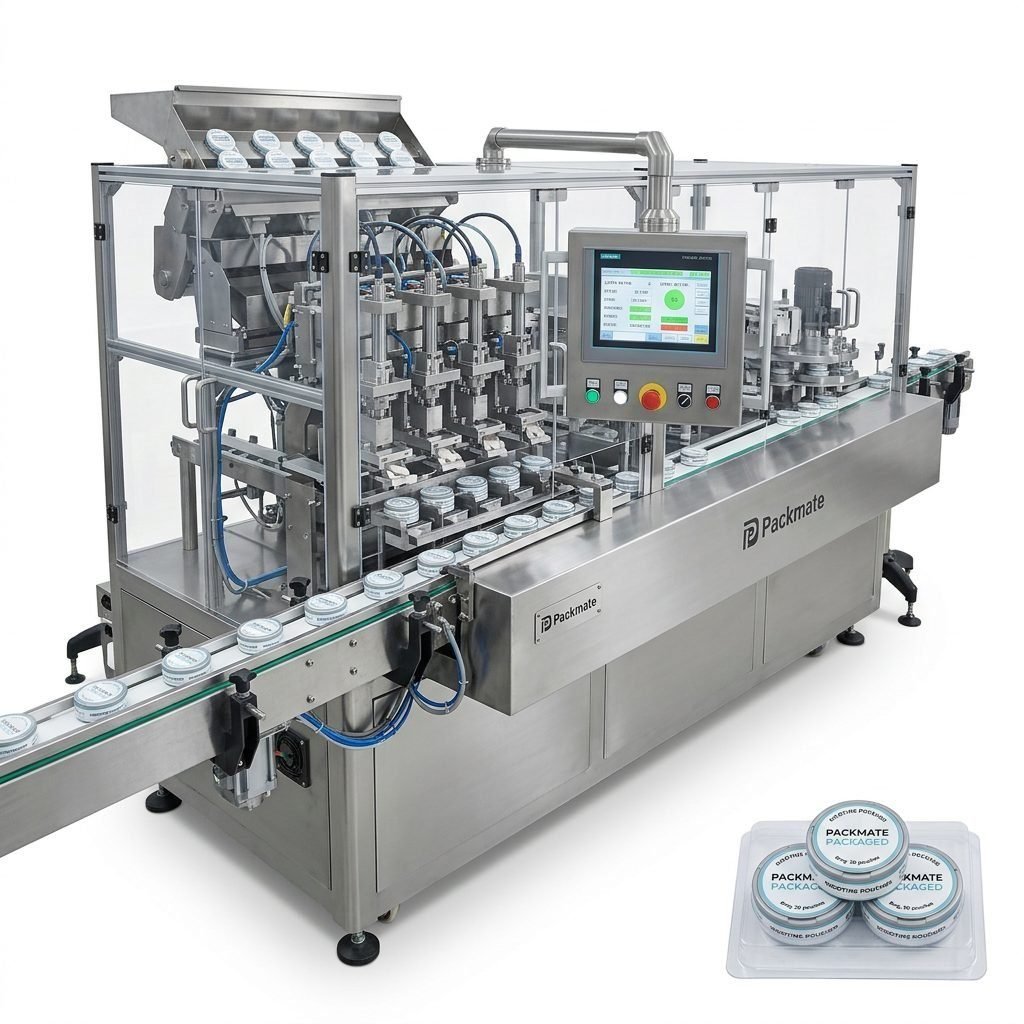
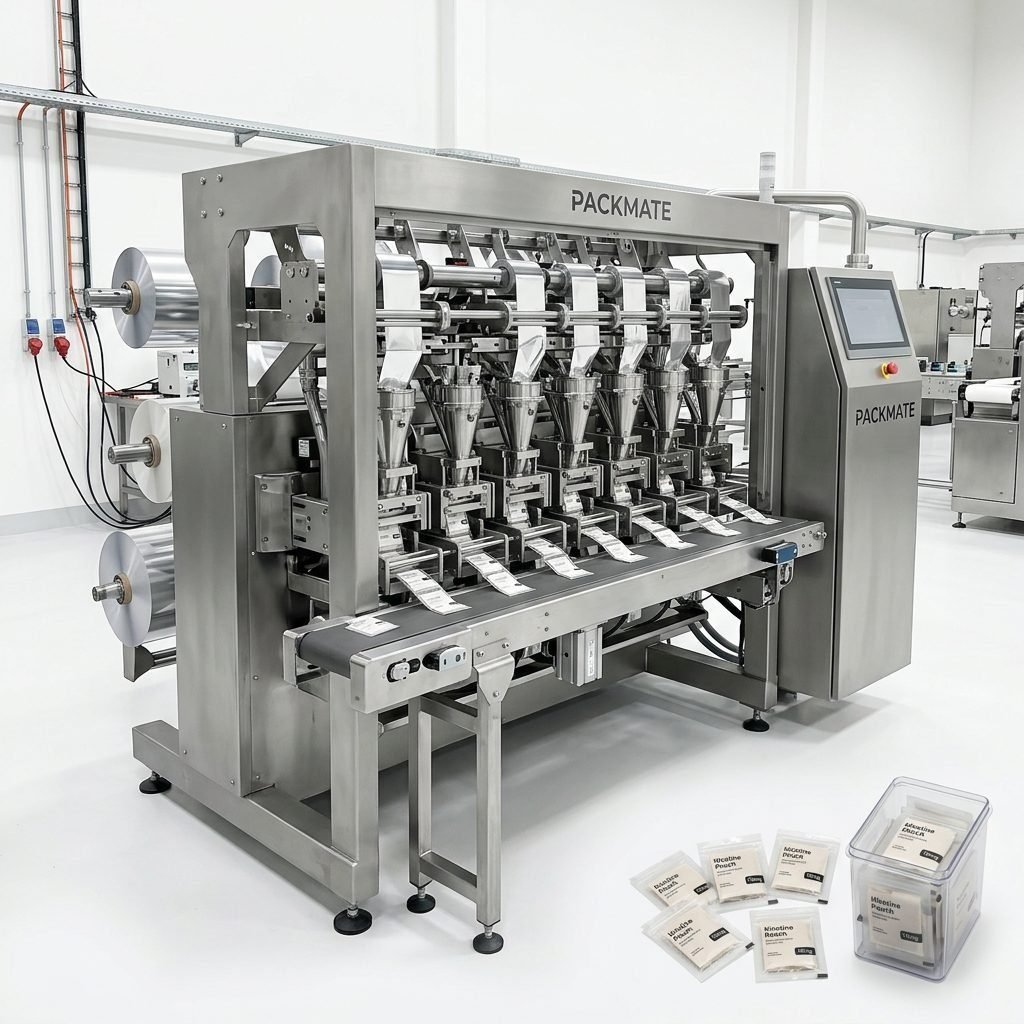
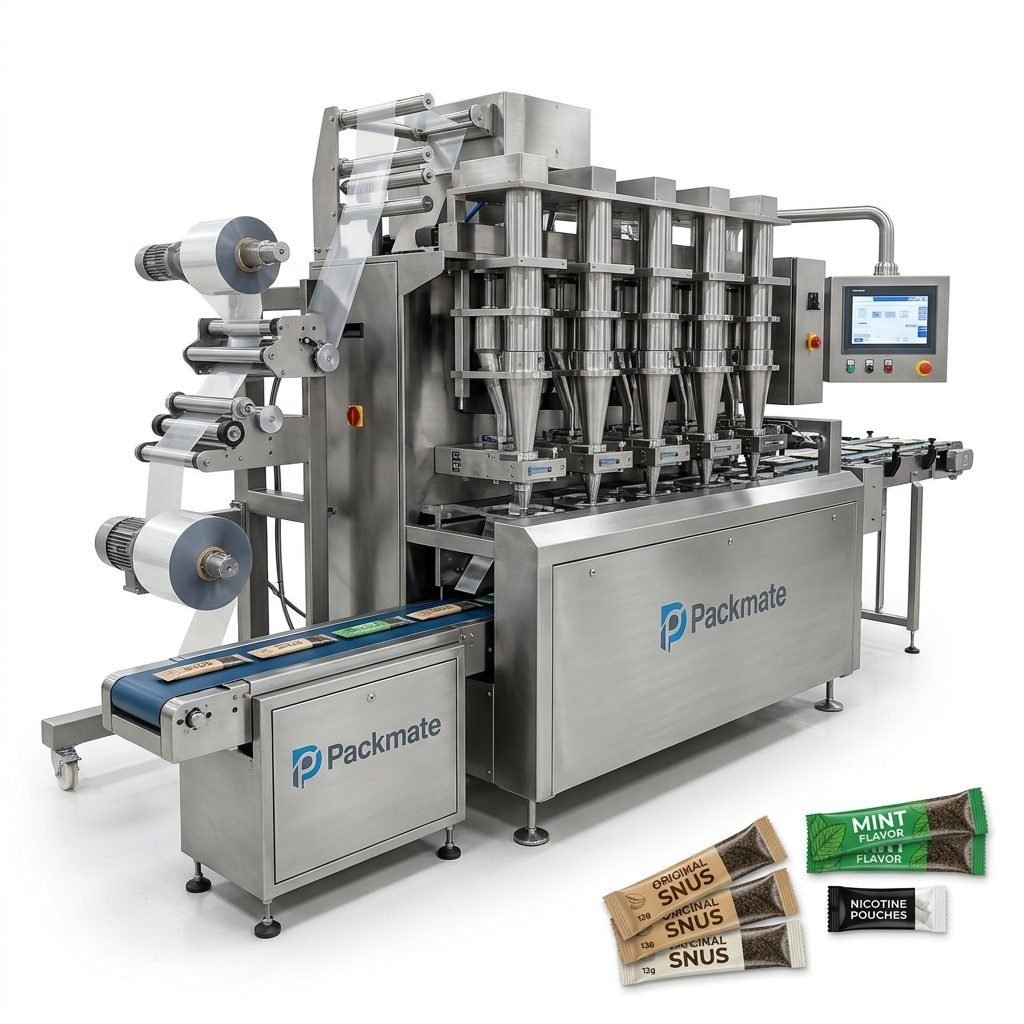
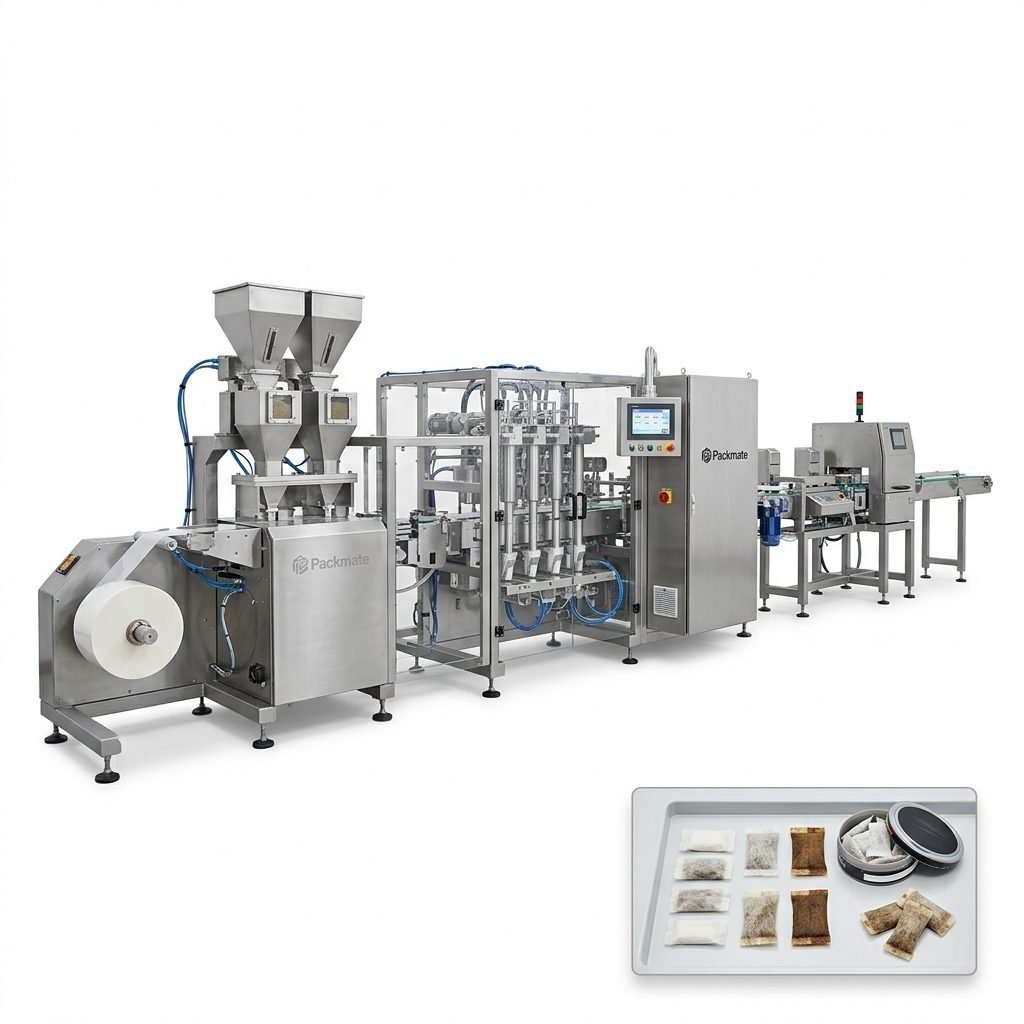
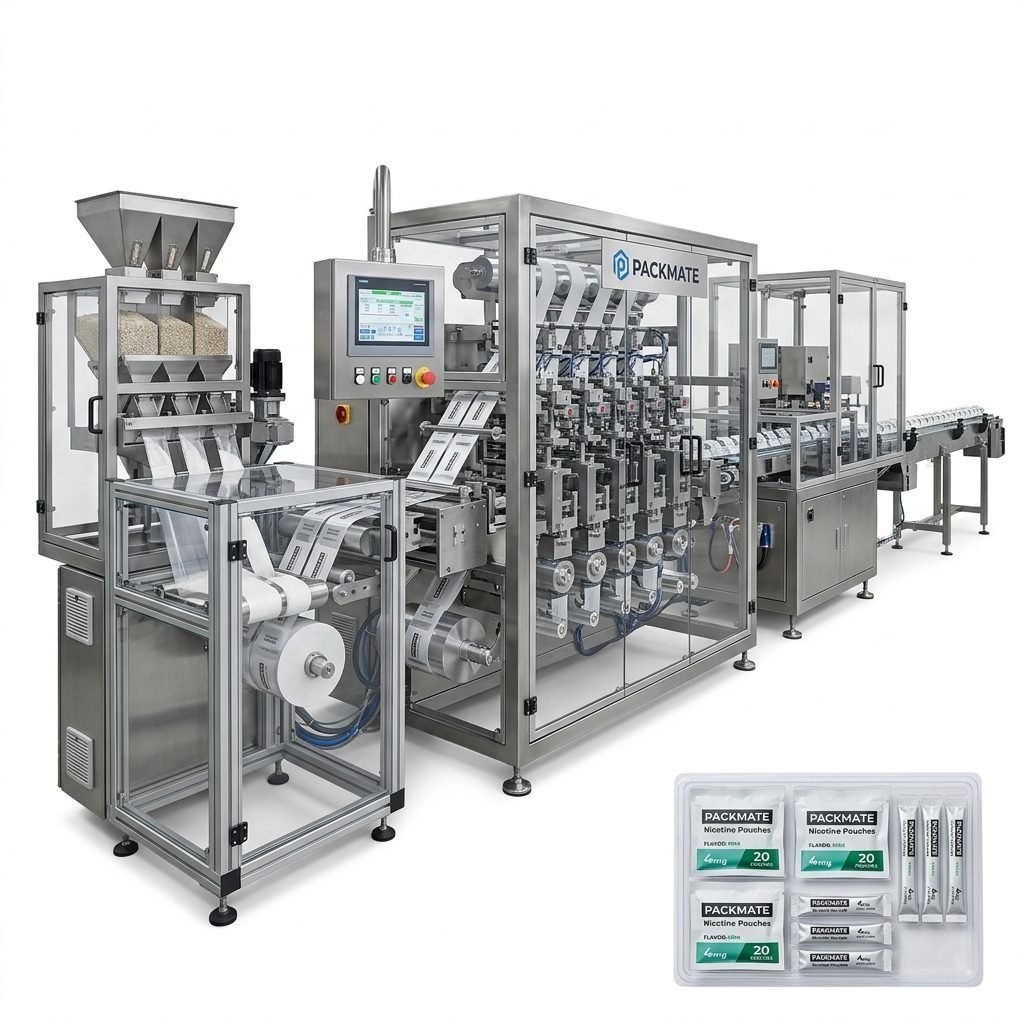
📦 Snus & Nicotine Pouch Machines: Specifically designed for small-dose pouches with precision filling and gentle handling.
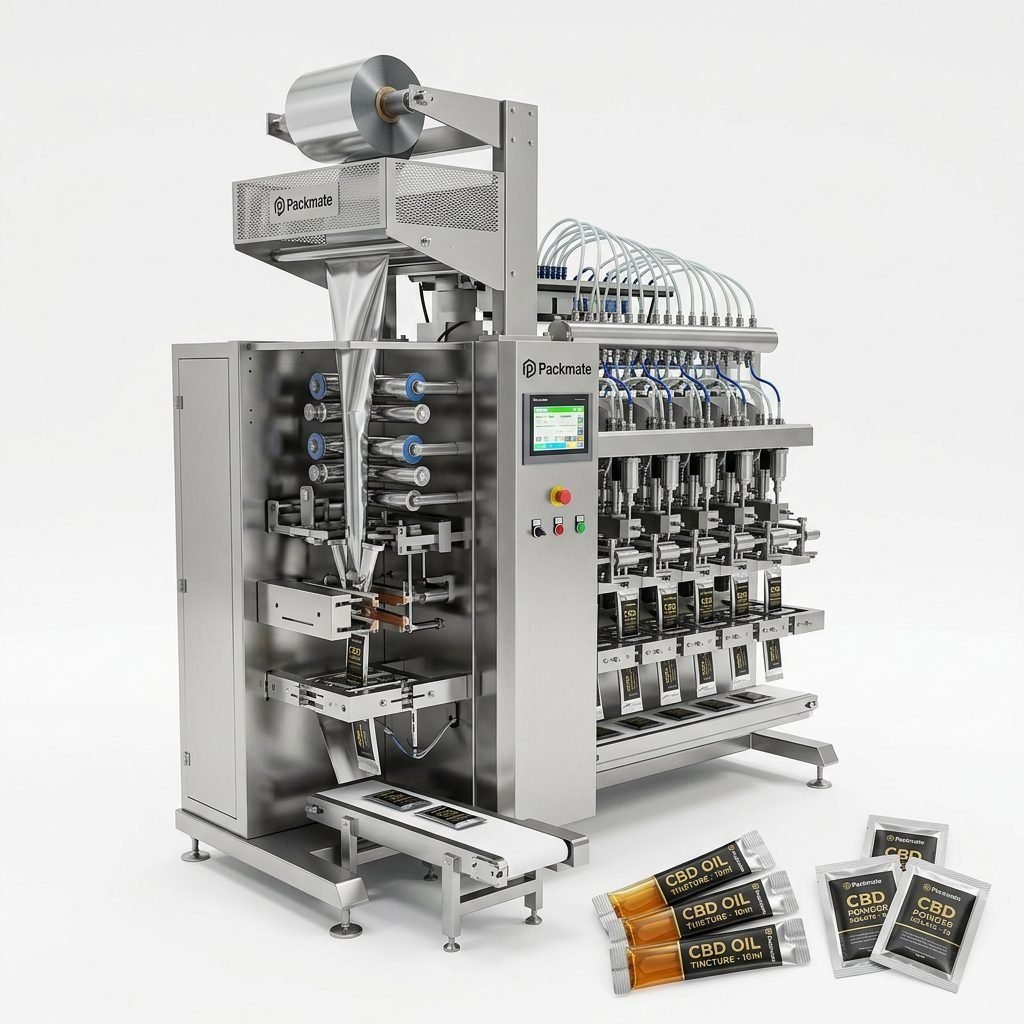
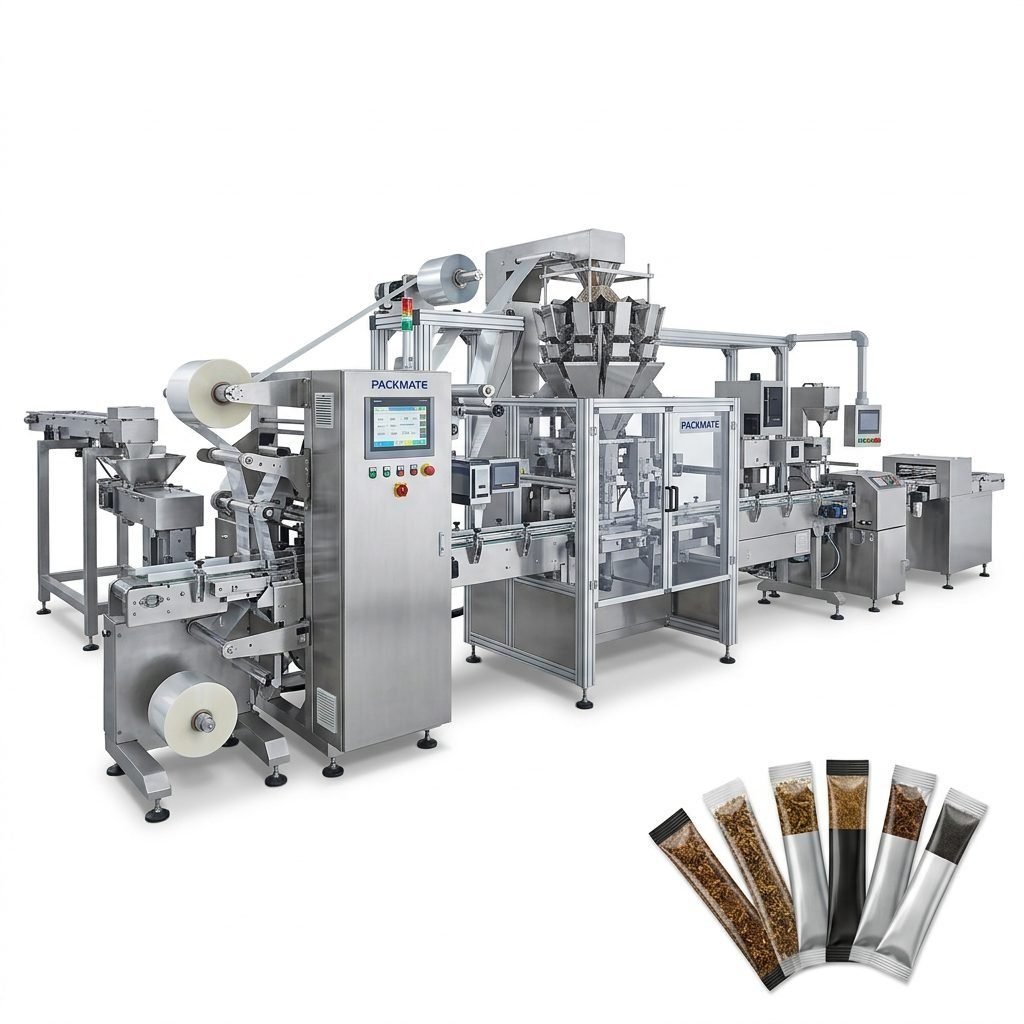
📦 Sachet & Stick Pack Machines: For single-dose stick or sachet formats—useful if you plan sachets or novel portion shapes. See options: Sachet & Stick Pack Machines.
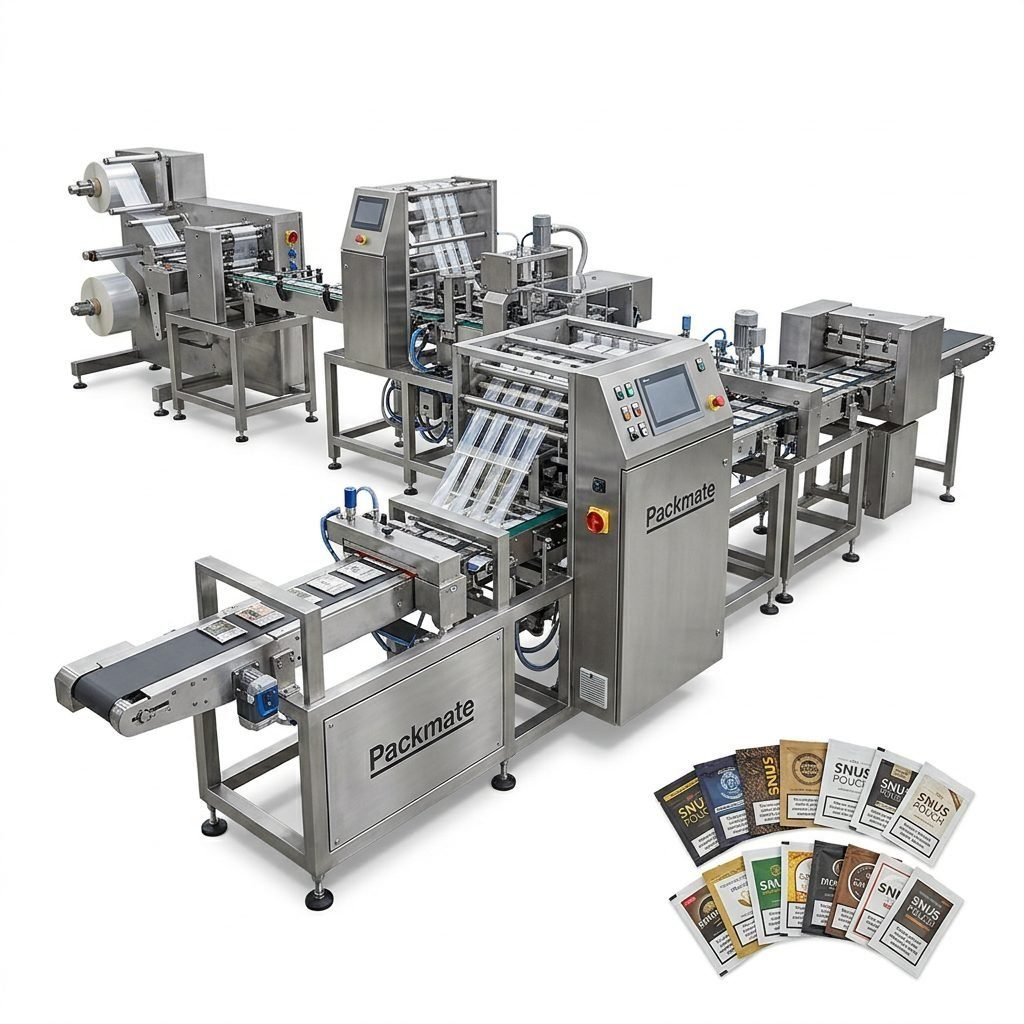
📦 Filling & Packaging Lines: Fully integrated systems that combine dosing, filling, sealing, and secondary packaging. Explore turnkey lines: Filling & Packaging Lines.
Production Capacity and Speed
Capacity planning is critical. Choose a machine whose nominal speed matches your current requirements but leaves headroom for growth. Consider true throughput (after changeovers and quality checks), not just theoretical maximum RPM.
⚙️ Guideline: Select a machine that covers 70–80% of your peak forecasted demand to avoid early obsolescence while maintaining efficiency.
Product Compatibility: Materials, Fill Types, and Pouch Designs
Ensure the machine supports the substrates you plan to use (foil, paper laminate, biodegradable films) and the fill characteristics (moist snus paste, powder, granules). Multi-lane systems are ideal for high-volume, small-dose pouches; single-lane machines are suitable for low-volume or multiple-format testing.
Important checks:
✅ Compatibility with hygroscopic materials and dust control features.
✅ Precise dosing systems and weight control modules to ensure consistent portion weight.
✅ Gentle pouch transfer and sealing to maintain product integrity.
Automation, Integration, and Industry 4.0 Readiness
Automation reduces labor cost and variability. Look for PLC controls, HMI touchscreens, recipe management, and remote diagnostics. Integration with upstream weighing systems and downstream cartoning or case packing lines is essential for a smooth, high-efficiency production flow.
📊 Tip: Machines that support data logging and remote support can dramatically shorten troubleshooting time and lower downtime.
Quality, Accuracy, and Waste Reduction
Pouch weight consistency, seal integrity, and minimal rejects protect brand reputation and margins. Choose machines with accurate dosing (load cells or auger systems depending on product), in-line metal detection or inspection capabilities, and quick-change tooling to reduce waste during SKU shifts.
Reliability, Maintenance, and Spare Parts Availability
Downtime in Suriname can be costly if spare parts and technical support are far away. Prioritize suppliers that provide local or regional spare parts stock, preventive maintenance plans, and on-site training. A robust warranty and fast remote support are key.
What to ask suppliers:
🔧 Average MTBF (mean time between failures).
🔧 Availability of critical spare parts within 1–2 weeks.
🔧 Training packages, routine maintenance schedules, and optional service contracts.
Space, Utilities, and Site Preparation
Measure your available footprint, ceiling height, floor load capacity, power supply (phase, voltage), compressed air, and environmental controls. Many packaging lines require precise floor leveling and vibration-free installations for best performance.
📦 Checklist: Confirm footprint, power specs, compressed air requirements, and environmental controls before purchase to avoid delays.
Compliance, Certifications, and Safety Features
Select machines designed and tested to meet international safety standards (CE, ISO) and food-contact requirements if applicable. Safety interlocks, lockable guards, and ergonomic access for cleaning should be part of the specification.
For verified examples and solutions, review manufacturer case studies and certifications to ensure consistent quality: Case and Certificate.
Customization and Turnkey Solutions
If you need a tailored line—multi-lane snus pouch machines, integrated weighing, and cartoning—work with suppliers who offer turnkey installations and project management. Complete lines from a single vendor reduce integration risk and speed commissioning.
⚙️ Vendor advantage: A manufacturer with in-house engineering, CNC machining, and assembly (20,000㎡ facilities and 30+ years of experience) can deliver faster customization and reliable quality.
Supplier Reputation, After-Sales Support, and Local Presence
Evaluate supplier track records, global projects, and exhibition participation. Suppliers who attend industry events and maintain global cooperation cases usually provide better technical documentation and longevity. Learn about the manufacturer and support options: About Packmate and their exhibition presence: Our Exhibition.
Price, Total Cost of Ownership (TCO), and ROI
Evaluate upfront price, commissioning, shipping, taxes, spare parts inventory, energy consumption, and maintenance labor. A cheaper machine may cost more over time if it has lower efficiency, higher scrap rates, or limited support.
Calculate ROI
📊 Estimate payback by comparing additional daily output, reduced labor costs, scrap reduction, and improved packaging speed. Consider financing, leasing, or phased purchases for rapid scale-up.
Factory Acceptance Test (FAT), Commissioning, and Training
A FAT at the supplier factory reduces onsite surprises. Insist on test runs using your actual materials and SKUs. Plan for onsite commissioning, operator training, and a handover period where the supplier supports initial production.
✅ Must-have: FAT with your product, onsite commissioning, and operator plus maintenance training before final acceptance.
Making the Final Decision: A Practical Checklist
Use this concise checklist when comparing final quotes:
🔹 Production capacity and real throughput.
🔹 Compatibility with materials, fillings, and pouch sizes.
🔹 Automation level, recipe control, and data logging.
🔹 Certifications (CE/ISO) and safety features.
🔹 Warranty, spare parts lead times, and service agreements.
🔹 FAT results, training, and commissioning plan.
🔹 TCO estimates and ROI timeline.
Where to Find Proven Snus Packaging Equipment
Reputable manufacturers showcase machines for snus, nicotine pouches, and multi-format lines. Review product pages to match machine models to your needs: Snus & Nicotine Packaging Machines, Sachet & Stick Pack Machines, and Filling & Packaging Lines.
After Purchase: Best Practices for Long-Term Success
Implement routine preventive maintenance, track OEE (Overall Equipment Effectiveness), keep a critical spare parts kit onsite, and schedule refresher training for operators. Maintain close communication with your supplier for software updates, spare parts, and continuous improvement projects.
Conclusion
Selecting the best snus packaging machine in Suriname involves aligning technical specifications with business strategy: production volumes, product formats, regulatory needs, and budget. Prioritize reliability, serviceability, and a supplier with proven turnkey capabilities to reduce risk and accelerate market entry. A carefully chosen machine becomes a long-term asset that supports product quality and operational efficiency.
Helpful resources and contact
For more detailed product specifications and to discuss custom configurations, visit the manufacturer’s product and contact pages: Snus & Nicotine Packaging Machines, Filling & Packaging Lines, or get in touch directly: Contact Us.
Frequently Asked Questions (FAQs)
Q1: What machine speed should I choose for a new snus product in Suriname?
A1: Consider current demand and scale for 2–3 years. Choose a machine capable of 70–80% of peak demand to maintain efficiency and allow growth.
Q2: How important is local spare parts availability?
A2: Very important. Local or regional spare stock reduces downtime; confirm lead times for critical components before purchase.
Q3: Should I buy a single machine or a turnkey line?
A3: If you need integrated weighing, filling, and secondary packaging with minimal integration risk, a turnkey line is preferable. For small startups, a modular single machine allows flexible testing.
Q4: Are multi-lane machines suitable for small-dose nicotine pouches?
A4: Yes. Multi-lane systems increase throughput for small-dose products and often deliver better cost-per-unit when volumes rise.
Q5: What certifications should I expect from a trustworthy supplier?
A5: Look for CE, ISO, and clear documentation of electrical, mechanical, and safety compliance. Review case studies and factory capabilities for verification.