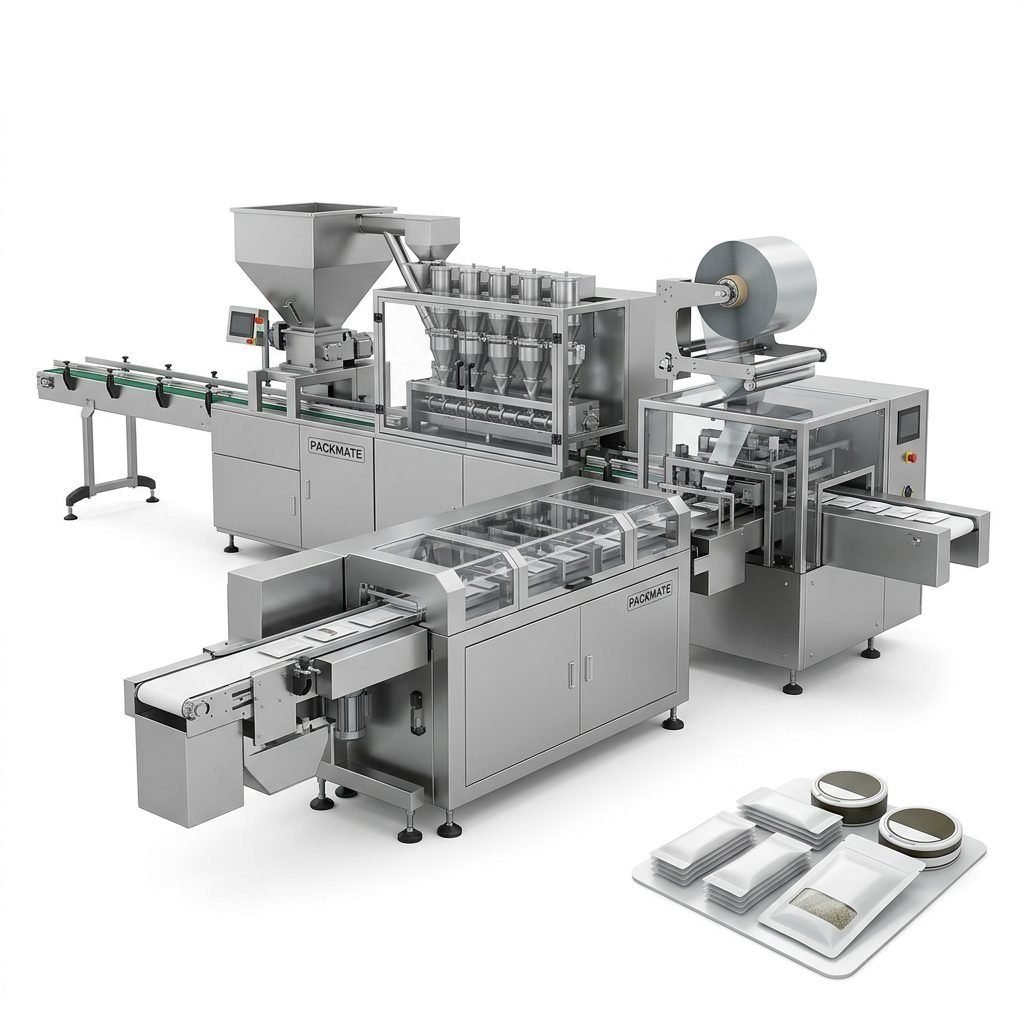
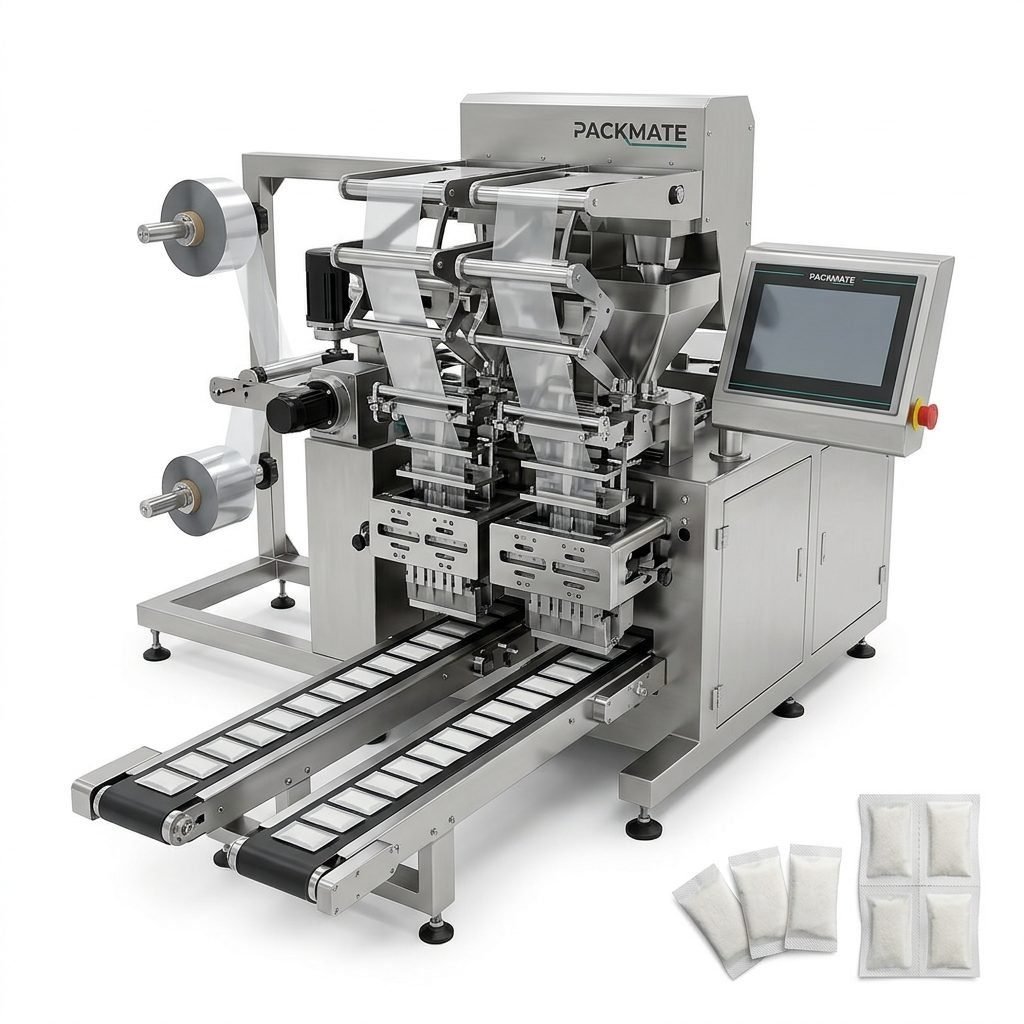
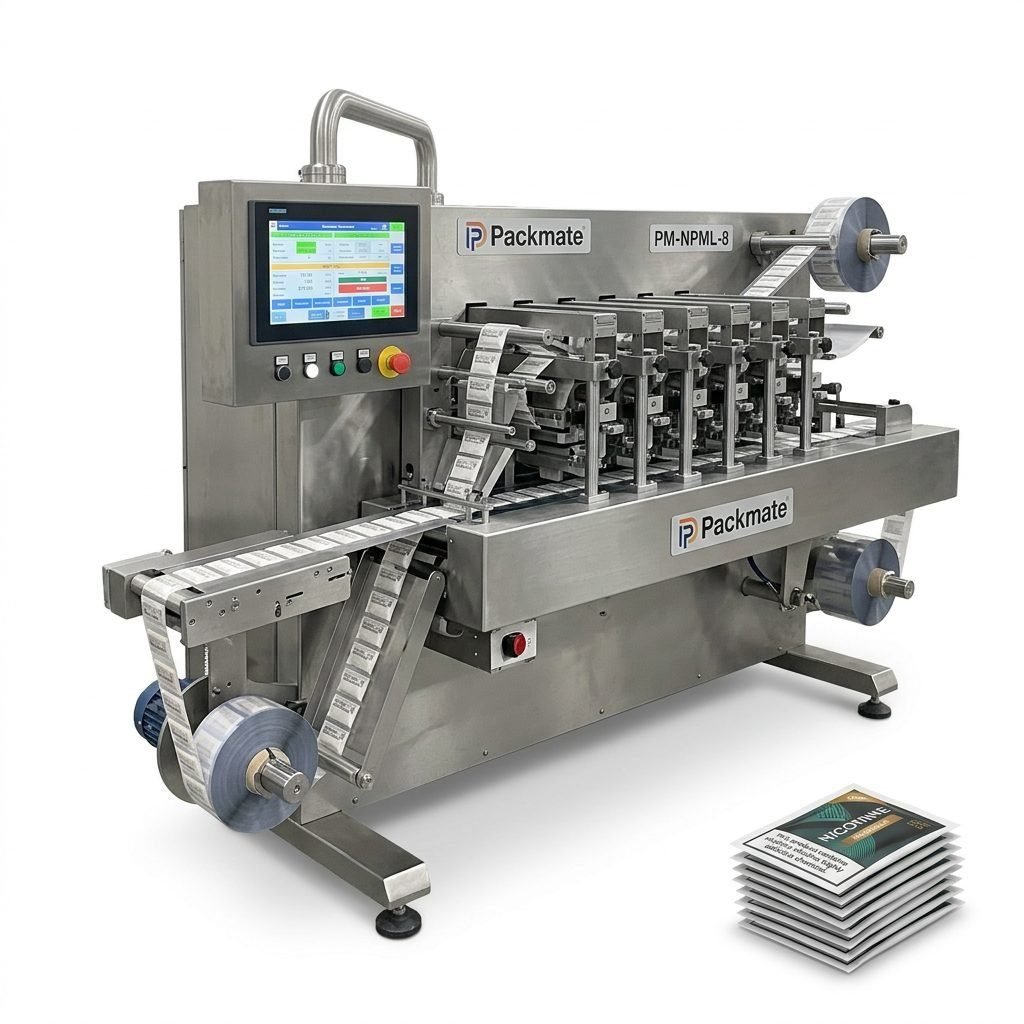
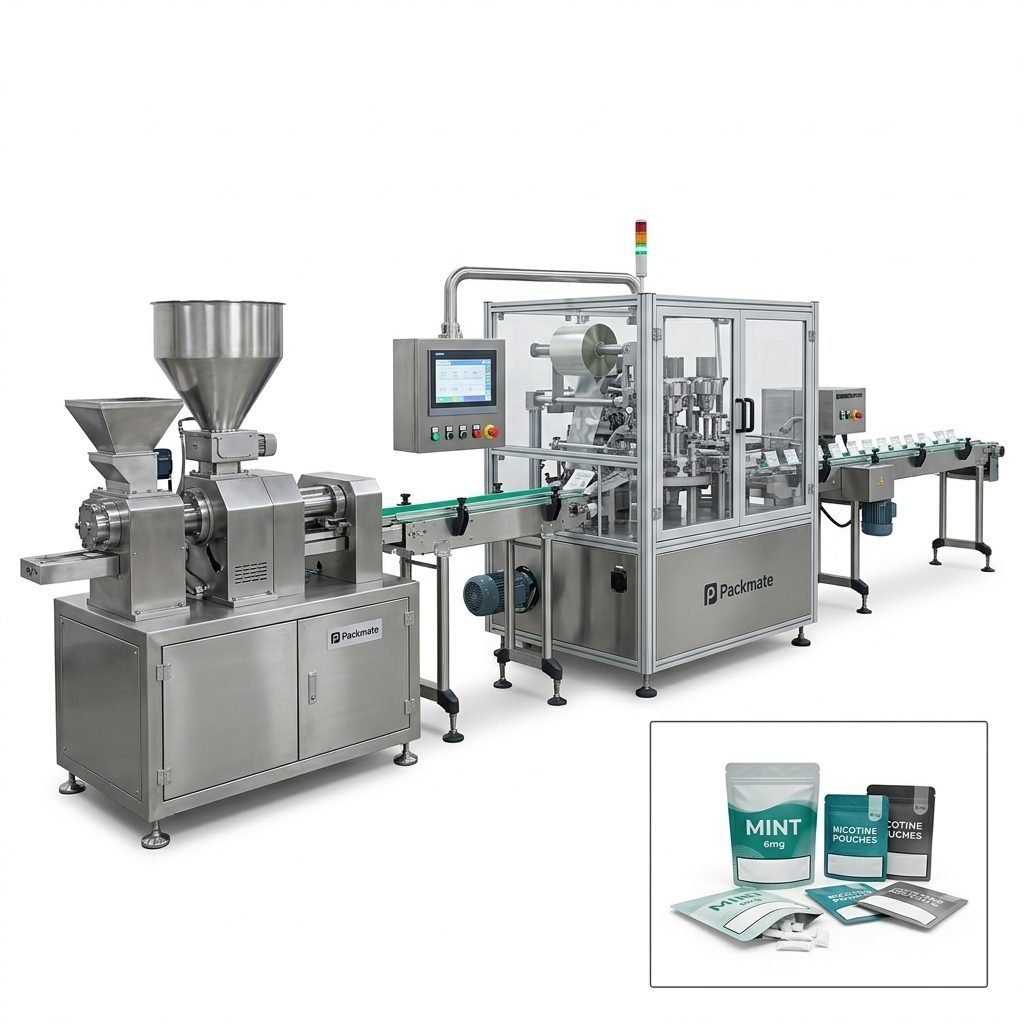
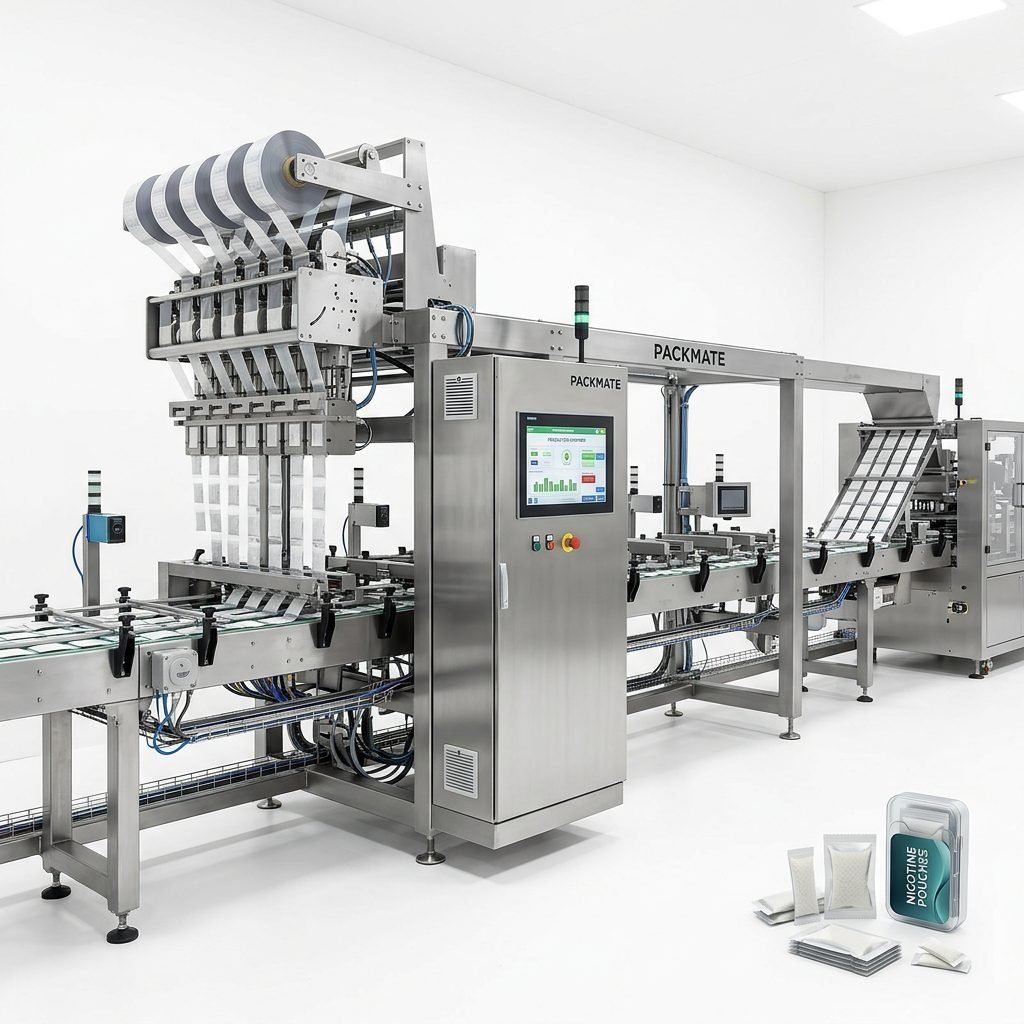
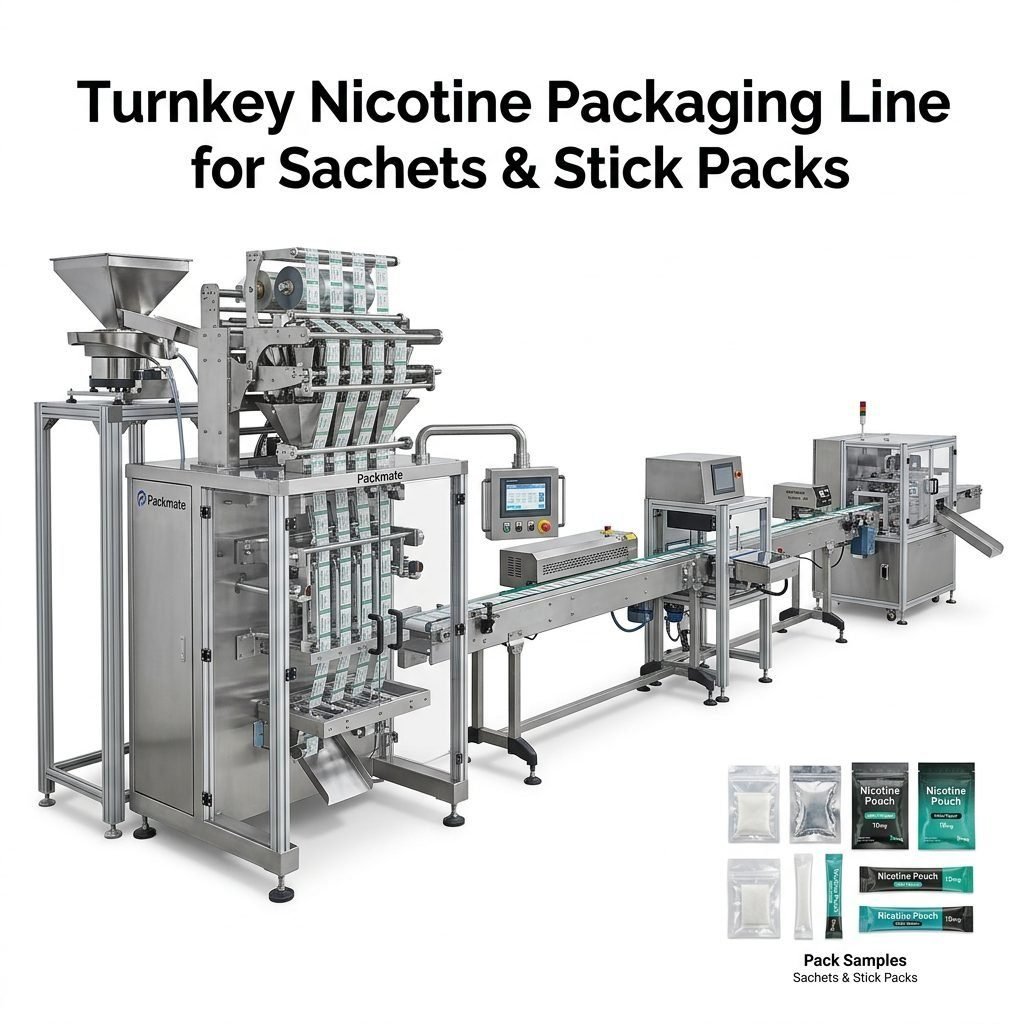
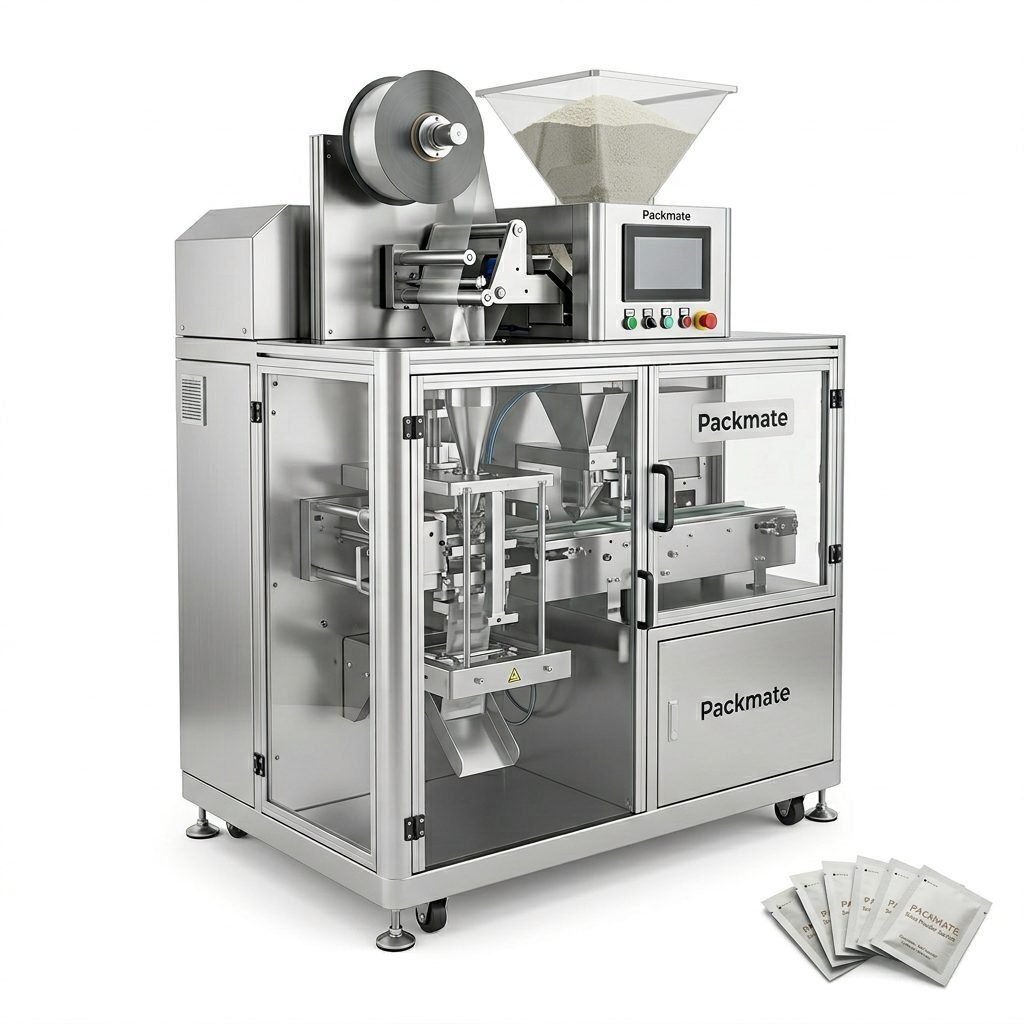
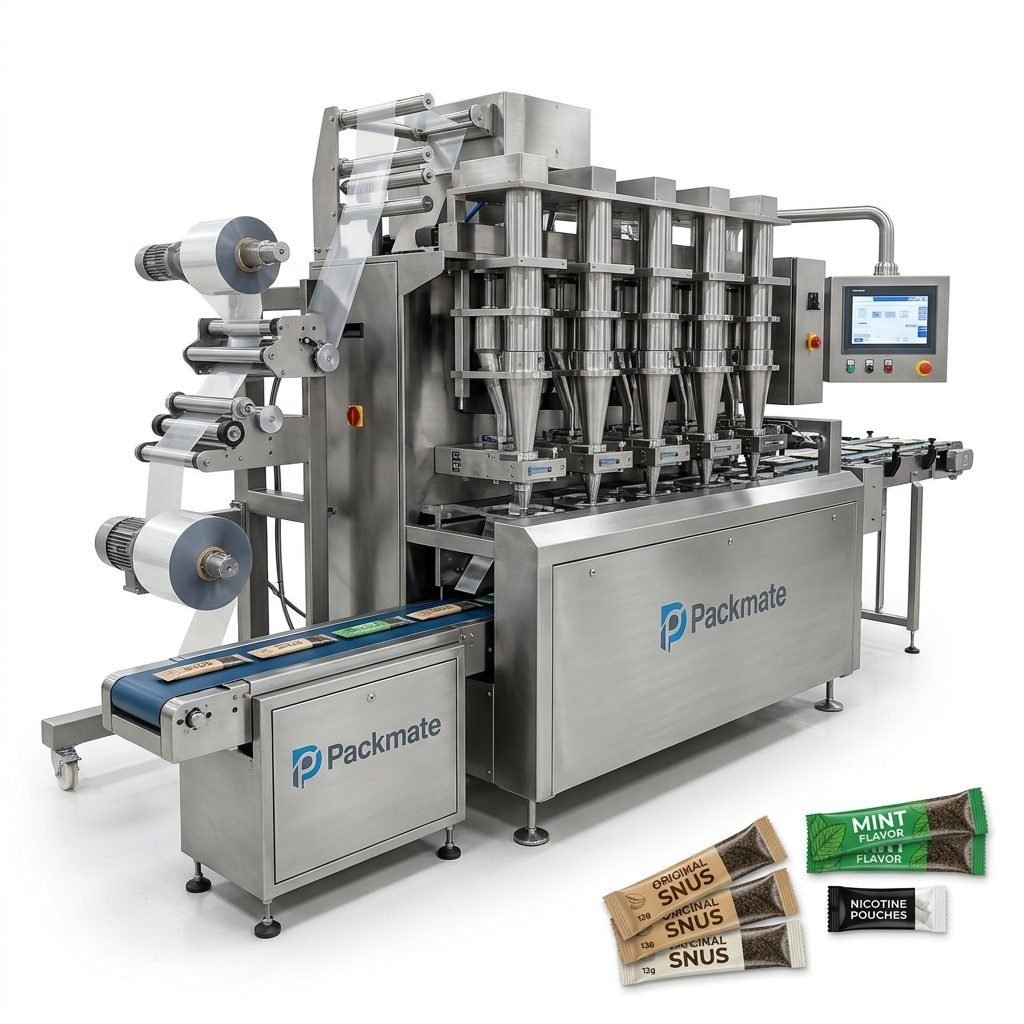
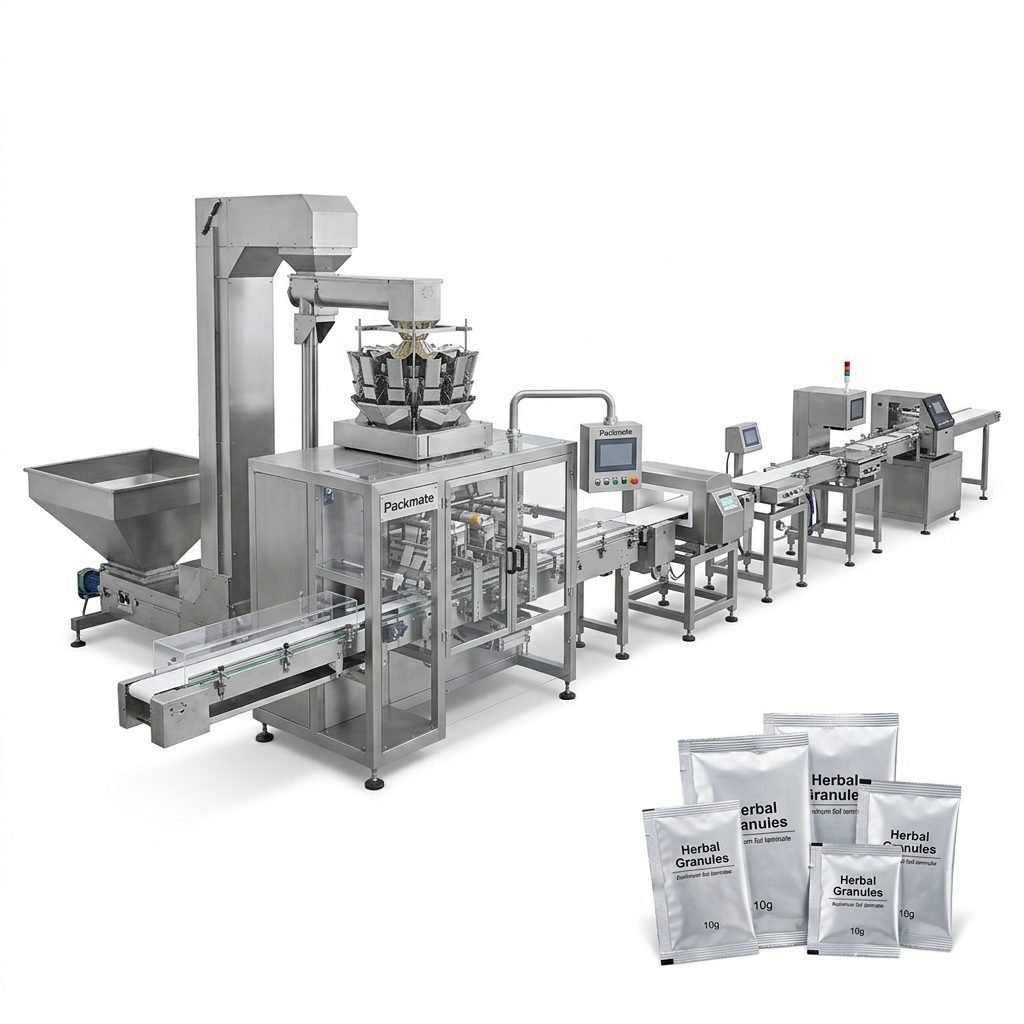
The modern small-scale snus producer needs lean, reliable, and easy-to-deploy equipment to bring nicotine pouches and snus products to market quickly. A Compact Snus Production Line combines precision mechanics, hygienic design, and modular automation to deliver efficient turnkey solutions for startups and established tobacco brands moving into the snus category. This article explores the technical layout, machine components, operational advantages, customization options, and after-sales support that make a compact snus line an excellent investment for small-scale production.
Why Choose a Compact Snus Production Line?
Small-scale snus manufacturing demands a balance between quality control, production speed, and footprint. A compact production line delivers on all three fronts by integrating:
- Space-efficient layouts that fit within smaller factory floors
- Lower capital expenditure compared with large, multi-lane lines
- Modular design for phased upgrades as production grows
- Rapid changeovers between pouch formats and flavors
Core Components of a Compact Line
A turnkey compact snus production line typically integrates several specialized machines. Each machine is engineered to ensure the integrity of nicotine pouches and meet hygiene and regulatory needs:
1. Feeding & Dosing System
Precision dosing is critical for nicotine pouches. The weighing and dosing system ensures each pouch receives an accurate portion of material — whether powder, granular tobacco, or blends. Accurate dosing improves product uniformity and reduces waste.
2. Pouch Forming & Filling Machine
The pouch forming and filling station prepares the pouch substrate (paper, fiber, or non-woven), fills the measured content, and ensures correct pouch shape and sealing. Multi-function designs allow a range of pouch sizes and formats.
3. Sealing & Cutting Unit
High-precision sealing and cutting protect product freshness and prevent leakage. The unit supports various sealing techniques compatible with common pouch materials and controls cut accuracy for consistent product appearance.
4. Secondary Packaging
Compact lines often pair with secondary packaging machines like stick pack and sachet systems or small case packers for retail-ready grouping. See our range on Sachet & Stick Pack Machines.
Design Considerations for Small-Scale Manufacturers
When specifying a compact snus production line, small manufacturers should evaluate:
- Product format flexibility (single-dose pouches, fiber pouches, etc.)
- Changeover time between SKUs
- Cleanability and GMP-compliant surfaces
- Scalability — the ability to add lanes or modules later
- Operator ergonomics and maintenance accessibility
Compliance, Certification & Safety
Compact lines from reputable manufacturers come with international certifications and quality assurance. For example, Packmate Snus Machine offers equipment that complies with CE and ISO standards, ensuring safety and global regulatory acceptance.
Integrated Turnkey Services
Turnkey solutions go beyond hardware. A true turnkey supplier delivers:
- Layout design and factory planning
- Process optimization and recipe development
- Installation, calibration, and commissioning
- Operator training and documentation
- Long-term service and spare parts support
Customization & Modular Upgrades
One of the biggest benefits of a compact line is modularity. As demand increases, manufacturers can upgrade capacity with minimal disruption:
- Add extra lanes or parallel dosing heads to increase throughput
- Introduce automatic feeding and palletizing modules
- Integrate serialization, vision inspection, and metal detection
Example configurations
Typical compact configurations range from single-lane systems for artisanal production to 2–4 lane systems for higher small-batch output. Each configuration focuses on minimized footprint and easy maintenance.
Real-World Applications & Case Studies
Compact snus lines supplied by market-leading manufacturers are widely used across regions — from Europe to Asia and the Americas. Successful case studies include:
- Startups launching niche nicotine pouch brands with limited SKUs
- Contract manufacturers offering short run production across varied flavors
- R&D centers developing new pouch formats and ingredient blends
Installation, Training & After-Sales Support
Reliable after-sales service is crucial for continuous production. Quality manufacturers provide:
- On-site installation and performance validation
- Comprehensive operator and maintenance training
- Global spare parts availability and rapid service response
- Remote support and preventive maintenance planning
Packmate’s global service network ensures customers receive local support and quick troubleshooting to minimize downtime.
Economic Benefits & ROI
A compact snus line is a strategic investment for small manufacturers. Economic benefits include:
- Lower initial CAPEX and reduced facility upgrade costs
- Improved yield and reduced material waste through accurate dosing
- Faster product launches and shorter production cycles
- Reduced labor costs through automation and simplified maintenance
How to Select the Right Supplier
Choosing the right supplier is as important as the machine specification. Evaluate potential suppliers on:
- Industry experience and proven track record in snus packaging
- Range of machine models and customization capabilities — see Snus & Nicotine Packaging Machines and Bag & Pouch Packaging Machines
- Factory manufacturing scale and CNC/assembly capabilities
- Certification, quality control, and exhibition presence
Why Packmate?
Packmate is a specialized manufacturer focusing on snus packing machines with over three decades of engineering experience. Highlights include:
- 20,000㎡ manufacturing facility with advanced CNC and assembly systems
- 50+ machine models and tailored turnkey solutions across industries
- CE and ISO compliance and global exhibition participation
- Comprehensive service network for installation, training, and maintenance
Practical Checklist Before Purchase
Use this checklist to ensure your compact snus line fits production goals:
- Confirm expected daily and monthly production targets
- Identify required pouch formats and allowable SKUs
- Assess facility utilities (air, power, compressed air) and floor loading
- Define required quality controls (metal detection, vision inspection)
- Plan for future expansion or additional lanes
Supplementary Equipment & Systems
Complementary systems improve efficiency and automation:
- Weighing & packaging auxiliary modules — see Weighing & Packaging Systems
- Automated feeding, conveying, and small-case packing
- Quality inspection and in-line rejection systems
Final Recommendations
For small-scale snus production, choose equipment that prioritizes dosing accuracy, hygienic design, and flexible modular upgrades. A compact turnkey line from an experienced supplier will not only optimize production efficiency but also reduce long-term operational risk. Evaluate suppliers on technical capability, factory strength, and global support presence to ensure a reliable long-term partnership.
Frequently Asked Questions
Q1: What throughput can a compact snus line achieve?
A1: Throughput varies by machine configuration and pouch format. Typical compact configurations range from a few thousand up to tens of thousands of pouches per hour depending on lanes and dosing systems. Consult the supplier for capacity maps tailored to your SKUs.
Q2: Can a compact line be upgraded later?
A2: Yes. Modular designs allow adding lanes, auxiliary modules, and inspection systems as demand grows. Planning for scalability during initial design reduces integration time and costs later.
Q3: What certifications should I look for in snus packaging equipment?
A3: Look for CE and ISO certifications, hygienic design features, and compliance with local regulatory requirements. A reputable supplier will provide documentation and support for audits.
Q4: How does Packmate support commissioning and training?
A4: Packmate offers on-site installation, commissioning, operator training, and long-term service packages. Remote support and spare parts availability are provided to minimize downtime.