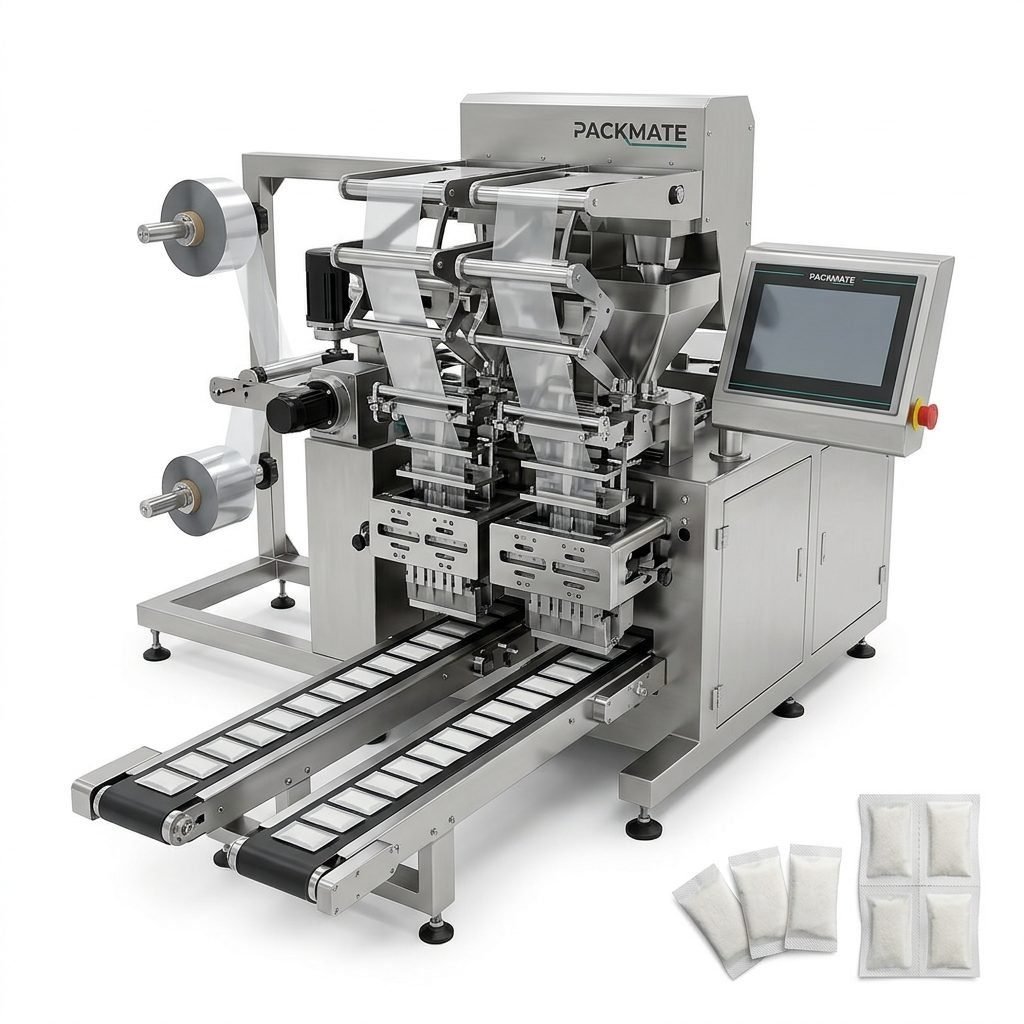
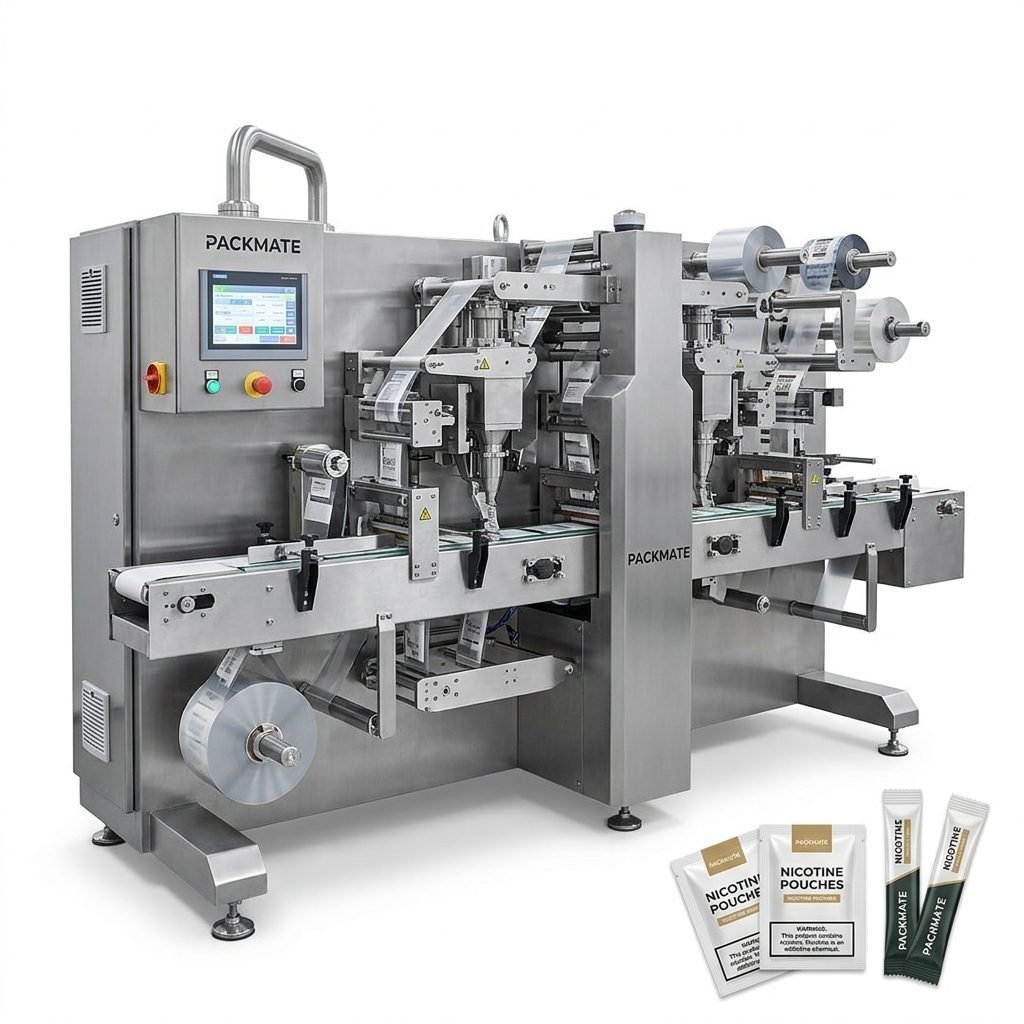
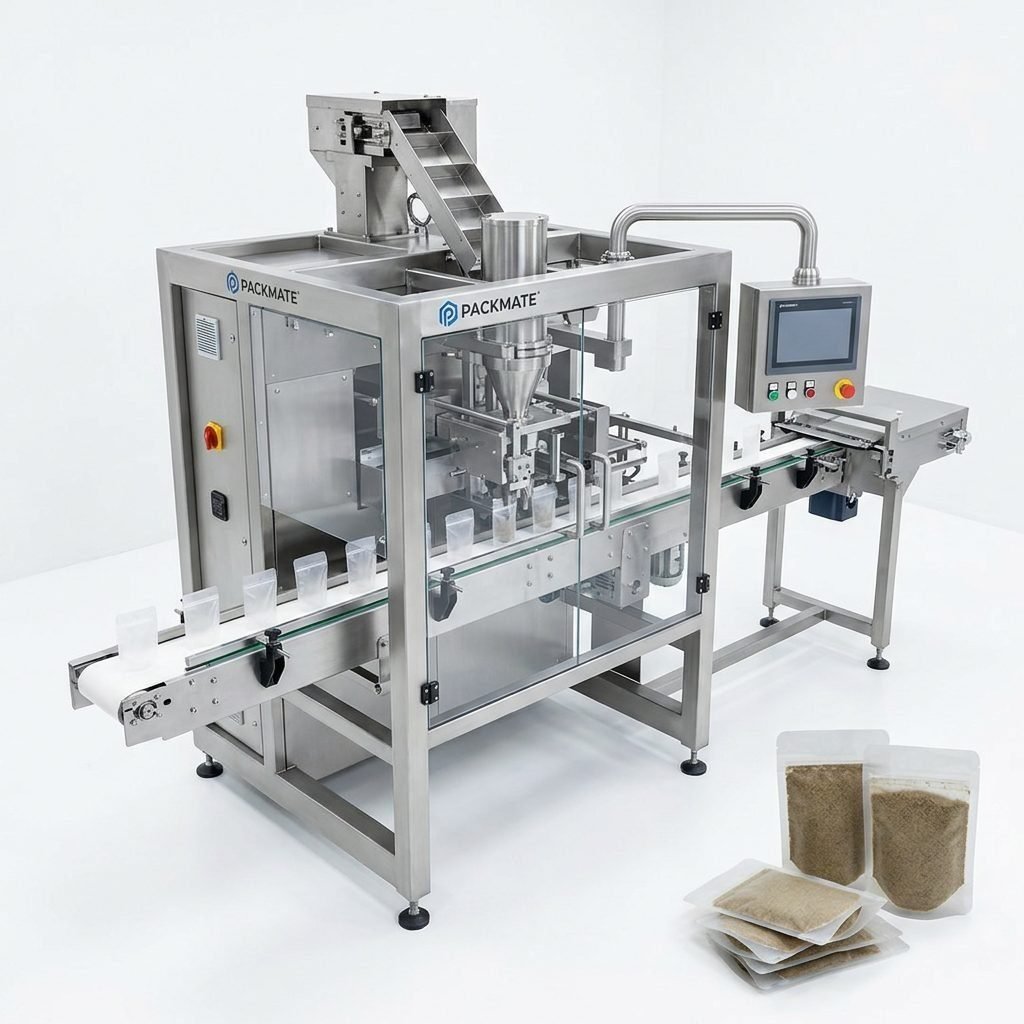
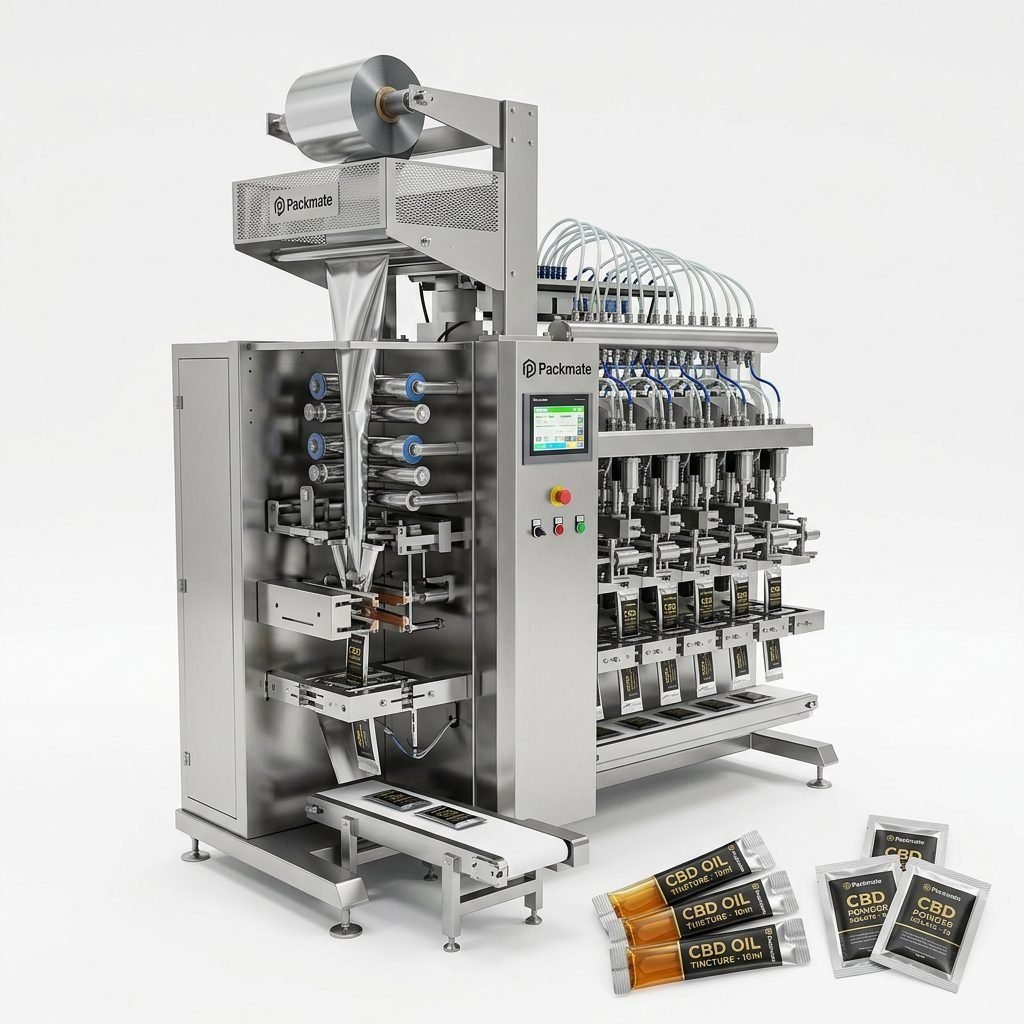
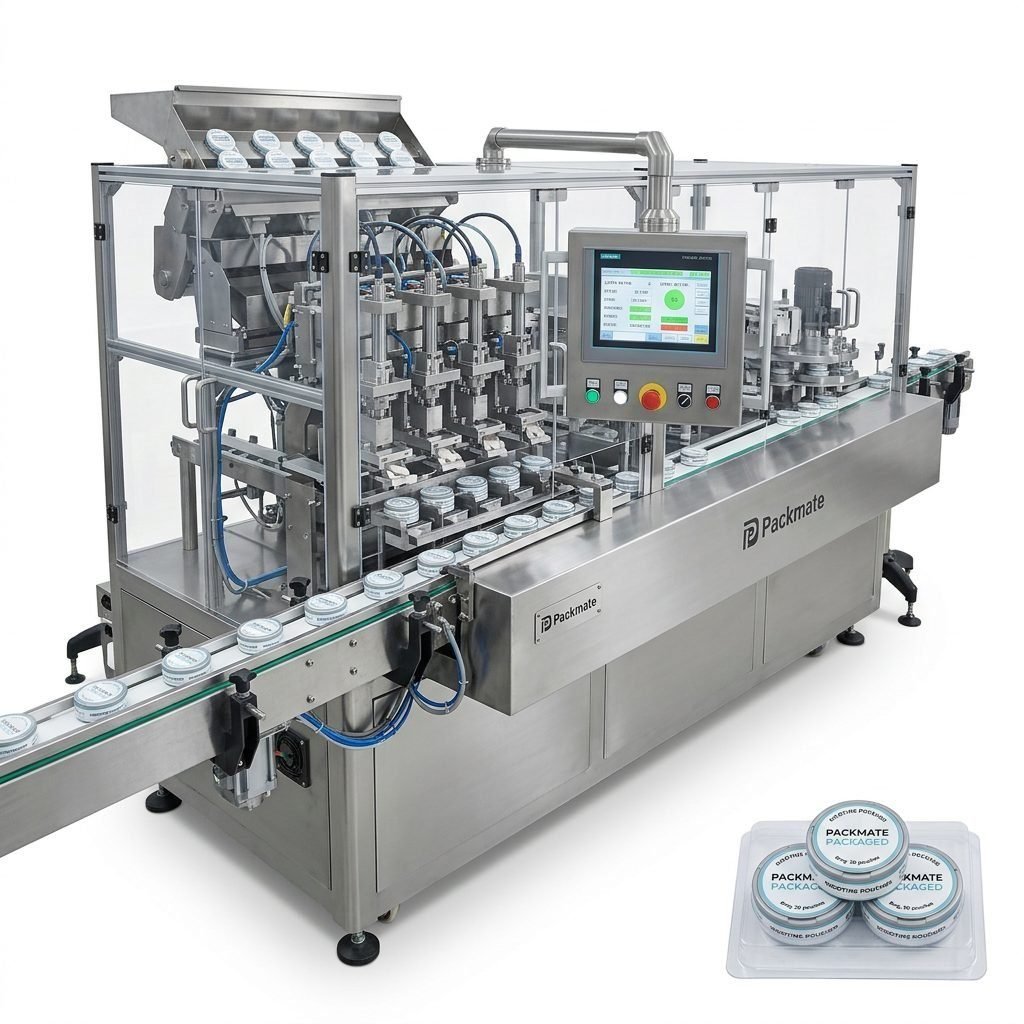
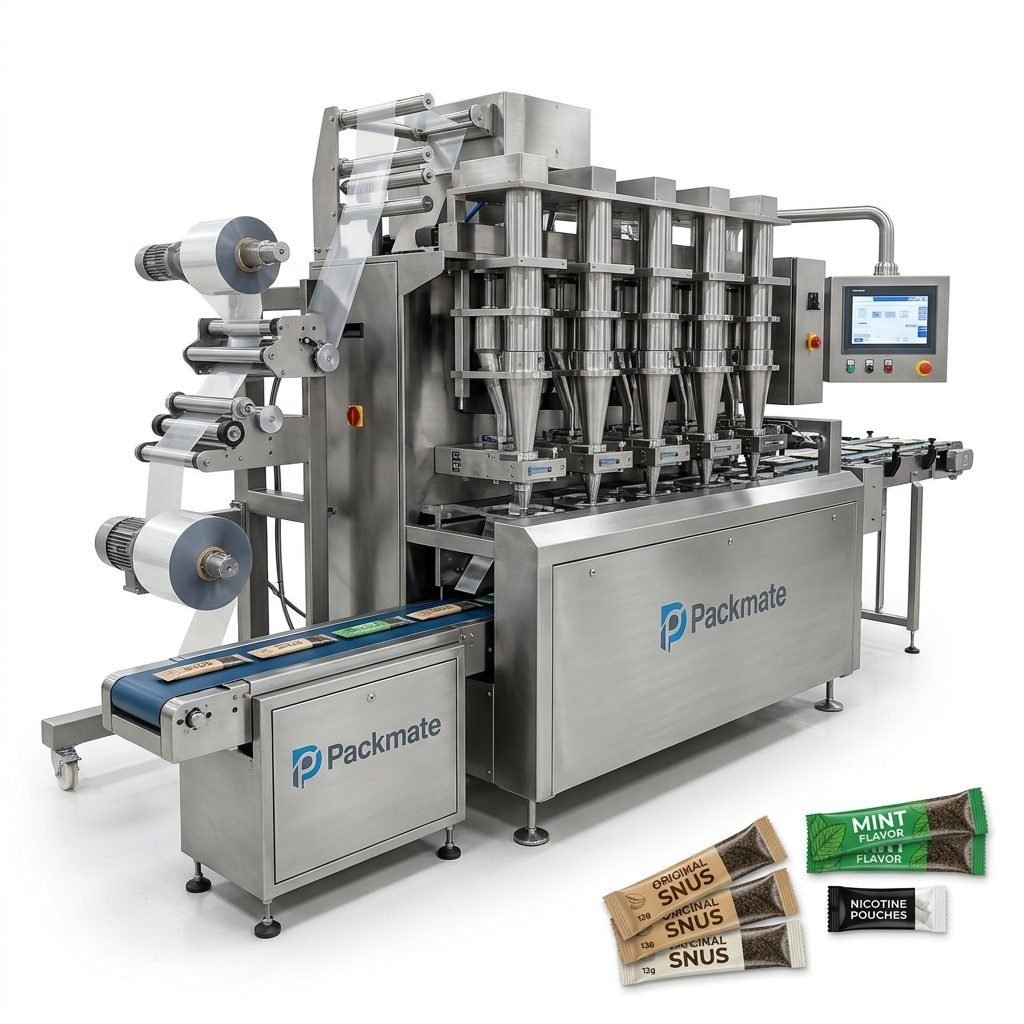
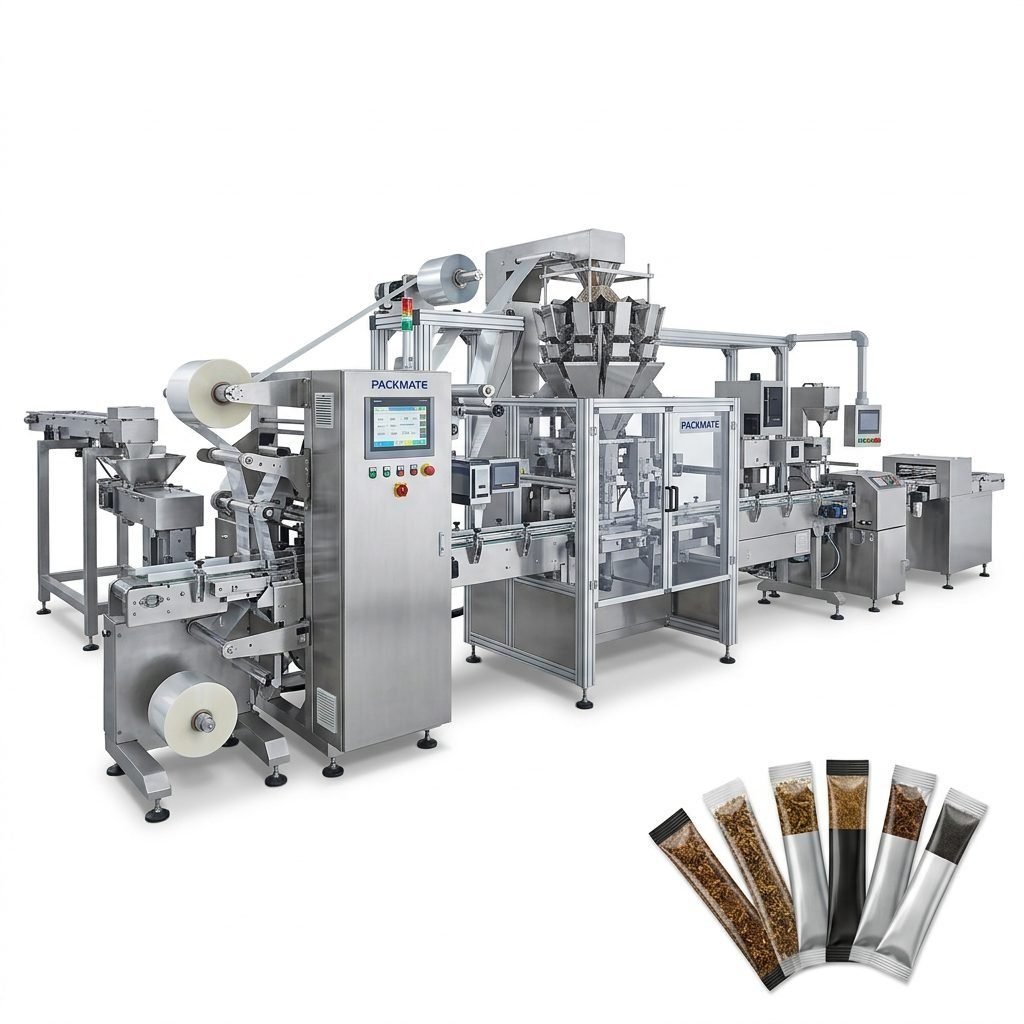
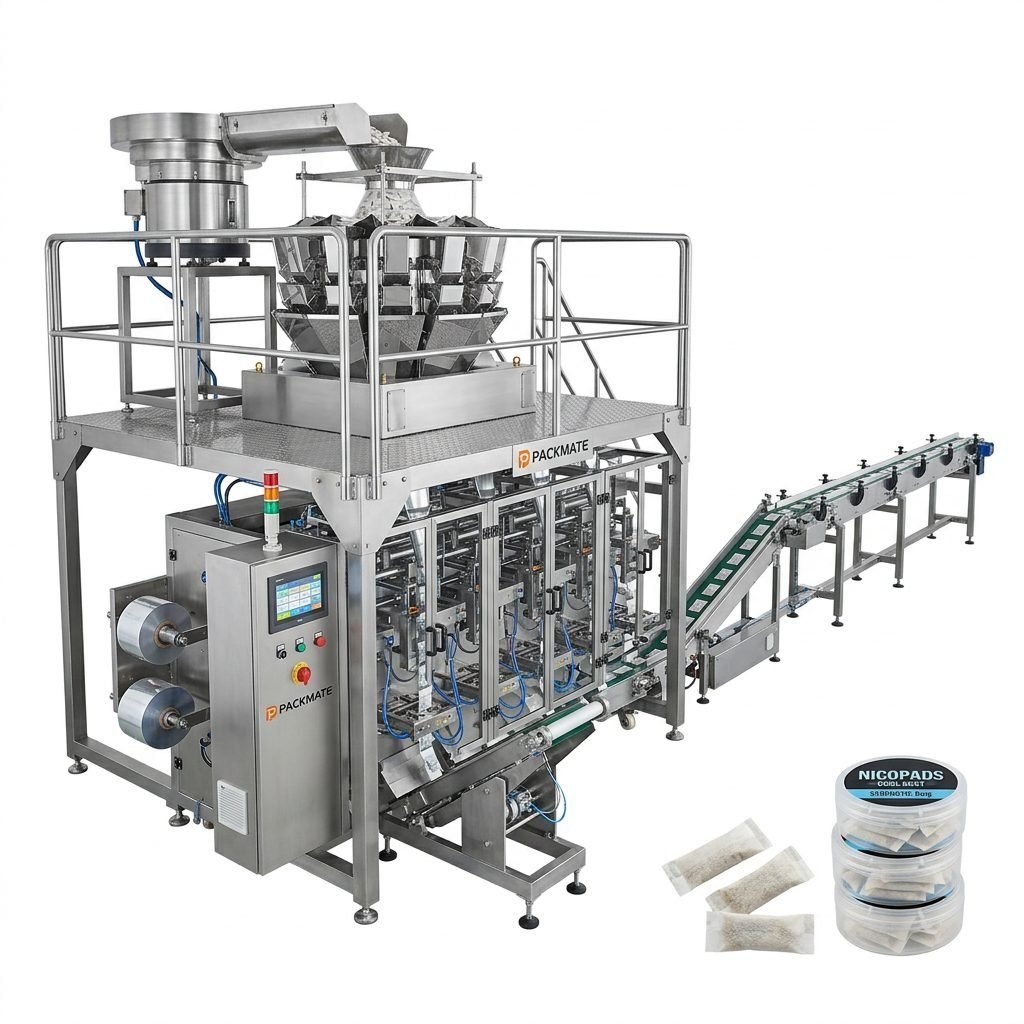
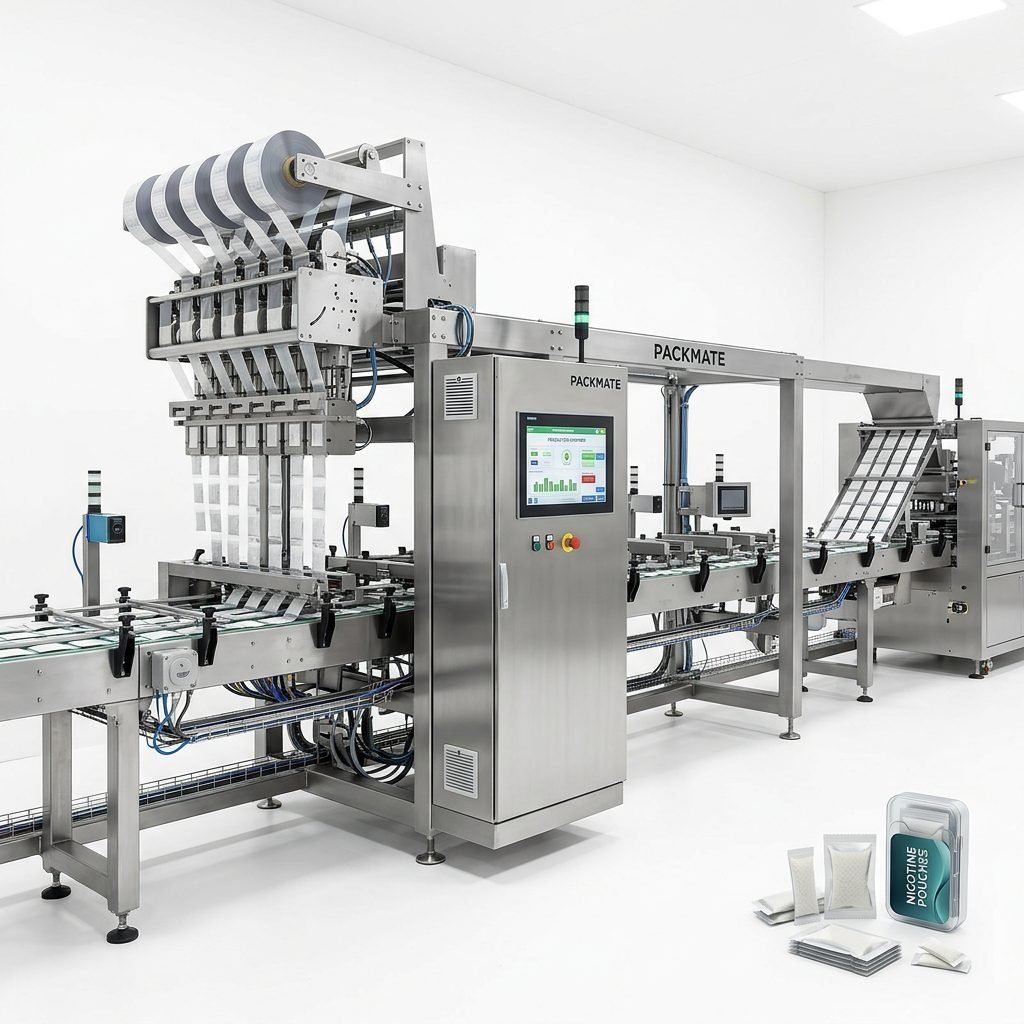
Choosing the right snus packaging machine manufacturer in Fiji can make or break your production plan. Whether you are launching a new nicotine pouch product or scaling up an existing line, the manufacturer you select will determine equipment uptime, yield, and long-term operational cost. This guide walks you through practical steps and selection criteria so you can confidently choose the best partner for your snus packaging needs.
Understand Your Production Requirements
Start by documenting your production targets: daily output (pouches per minute/hour), pouch formats (size, material, multi-lane), ingredients (powder, granule, moisture content), and packaging styles (stick, sachet, multi-lane). Clear requirements allow manufacturers to recommend the correct model and necessary customizations.
Key questions to answer
🔧 What is your target throughput per shift?
📦 Which pouch types do you plan to run (stick, sachet, pillow, or multi-lane nicotine pouches)?
⚙️ Do you require integrated weighing, filling, and secondary packaging lines?
Tip: If you need a complete turnkey solution, look for manufacturers that offer line integration services — from dosing and weighing to final case packing. Packmate Snus Machine provides combined solutions across multiple packaging types.
Evaluate Manufacturer Experience and Track Record
Industry experience matters. A manufacturer with decades of R&D and practical deployment will be better prepared to troubleshoot, offer proven designs, and deliver reliable spare parts. Look for evidence of:
✔️ Years of engineering history and product focus on snus/nicotine pouch equipment.
✔️ Factory size and capability (e.g., CNC centers, precision assembly lines).
✔️ A portfolio of machine models and case studies across different regions.
Example: A manufacturer with a 20,000㎡ factory and 30+ years of experience, offering 50+ machine models, typically signals strong R&D and production capabilities.
Performance: Throughput, Accuracy, and Flexibility
Evaluate the technical performance of machines based on three pillars:
Throughput
Higher lane counts and efficient mechanical design translate to increased output. Confirm real-world speeds for your product, not just theoretical maximums.
Filling & Weight Accuracy
Nicotine pouch dosing must be precise to meet regulatory and consumer expectations. Check the manufacturer’s weighing and dosing solutions — servo-controlled fillers or integrated weighing systems can reduce variability.
Format Flexibility
If you plan multiple SKUs, choose equipment capable of quick changeovers, easy tool-free adjustments, and programmable recipes stored in the HMI.
Quality, Certification, and Compliance
Machines used for nicotine and consumable products must meet high safety and hygiene standards. Ask for third-party certifications and quality controls.
✔️ CE or ISO certificates demonstrate compliance with international manufacturing standards.
✔️ Factory quality systems, acceptance testing records, and machine FAT (Factory Acceptance Test) procedures are essential to validate performance before shipment.
Service, Spare Parts, and Local Support in Fiji
After-sales service is critical for running 24/7 production lines. Confirm the manufacturer’s service model for Fiji:
📍 Do they provide local technicians or remote support?
🔁 How quickly are spare parts shipped and what parts are kept in stock?
🛠️ Are training programs, preventive maintenance schedules, and service contracts available?
Pro tip: Manufacturers with global delivery experience often have faster logistics and experience clearing specialized shipments into island nations like Fiji.
Customization and Turnkey Solutions
Your product may require special dosing, humidity control, or specific pouch formats. Confirm whether the manufacturer provides:
🔧 Custom tooling and change parts for unique pouch shapes.
🔁 Integration with upstream/downstream systems like feeders, sachet packers, sealing systems, or case packers.
📐 Engineering services for layout, utility requirements, and automation interlocks.
Why turnkey matters
Turnkey suppliers reduce integration risk and accountability gaps. When a single vendor delivers the full production line, troubleshooting and performance guarantees are simpler to manage.
Inspect Factory Capabilities and Quality Control
If possible, visit the manufacturer’s facility or request a virtual tour. Look for advanced machining centers, assembly areas, and dedicated test booths. Evidence of standardized FAT procedures and comprehensive QA documentation is a strong signal of reliability.
Compare Total Cost of Ownership (TCO)
Purchase price is only part of the equation. Estimate the TCO including spare parts consumption, energy use, downtime risk, maintenance labor, and expected machine lifespan. A slightly higher-capability machine can save far more over five years through higher yield and less downtime.
Ask for References and Case Studies
Request references from customers with similar production profiles. Case studies that include run speeds, uptime statistics, and ROI data are particularly valuable. Manufacturers with global clients and exhibition presence often publish these materials.
Explore official product pages and case examples for deeper insight:
Snus & Nicotine Packaging Machines,
Sachet & Stick Pack Machines,
About Packmate,
Contact Us.
Warranties, Lead Times, and Logistics
Confirm warranty terms, clearly defined acceptance tests (FAT/SAT), and realistic lead times including custom parts. For Fiji customers, ask about export packaging, shipping partners, and any assistance with customs documentation.
Important: Factor in installation support and on-site commissioning time when calculating the project timeline.
Negotiating the Purchase and Contract Terms
When you narrow down suppliers, negotiate detailed terms: delivery milestones, payment schedule, spare parts list, training scope, and acceptance criteria. Ensure responsibilities for installation, trial production, and performance guarantees are explicitly written.
Checklist for contracts
• Clear FAT and SAT procedures with pass/fail metrics.
• Spare parts package and lead times.
• Training days and documentation deliverables.
Making the Final Decision
Score vendors against your checklist: technical fit, factory strength, service capability, TCO, and contractual clarity. Select the partner that offers the best balance of reliability, local support for Fiji, and long-term value.
Final reminder: Prioritize vendors who provide real-world case references and robust after-sales support — these are the elements that ensure your production stays running.
Next Steps and Resources
Once you have shortlisted manufacturers, request detailed proposals and FAT demos. Consider visiting exhibitions or booking a virtual demonstration to observe machine behavior with comparable product samples. For more machine categories and technical specs, check the manufacturer’s product lines:
Explore complementary systems to complete your line: Filling & Packaging Lines, Weighing & Packaging Systems, and Auxiliary Packaging Equipment.
Quick summary
Evaluate producers based on production fit, factory capability, certifications, service network (especially for Fiji), and total cost of ownership. Prioritize vendors who demonstrate tangible case success and offer turnkey solutions to minimize integration risk.
Frequently Asked Questions
Q1: How quickly can a snus packaging line be delivered to Fiji?
A1: Lead times depend on customization and production backlog. Standard models may ship in a few months, while turnkey lines with custom tooling can take longer. Ask the manufacturer for a realistic delivery schedule and shipping plan, including customs assistance.
Q2: What level of local support can I expect in Fiji?
A2: Support varies by manufacturer. Many provide remote diagnostics, spare parts shipments, and scheduled training. For on-site support, confirm if local partners or contracted technicians are available and the expected response times.
Q3: Are nicotine pouch machines regulated differently than food packaging equipment?
A3: Regulatory requirements differ by region. While the machine itself is manufactured under industrial standards (CE/ISO), you must ensure the final product meets local nicotine and tobacco regulations in Fiji. Work with vendors familiar with regulatory documentation and traceability.
Q4: Can a single machine handle multiple pouch types?
A4: Many modern machines are multi-format capable with modular tooling. Verify changeover time and whether any additional modules are required for certain pouch styles or lane counts.
Q5: Where can I see real machine examples and case studies?
A5: Request case studies directly from manufacturers and view published examples on their site or at exhibitions. For detailed examples and exhibitions, visit the manufacturer’s case and exhibition pages to review real deployments.