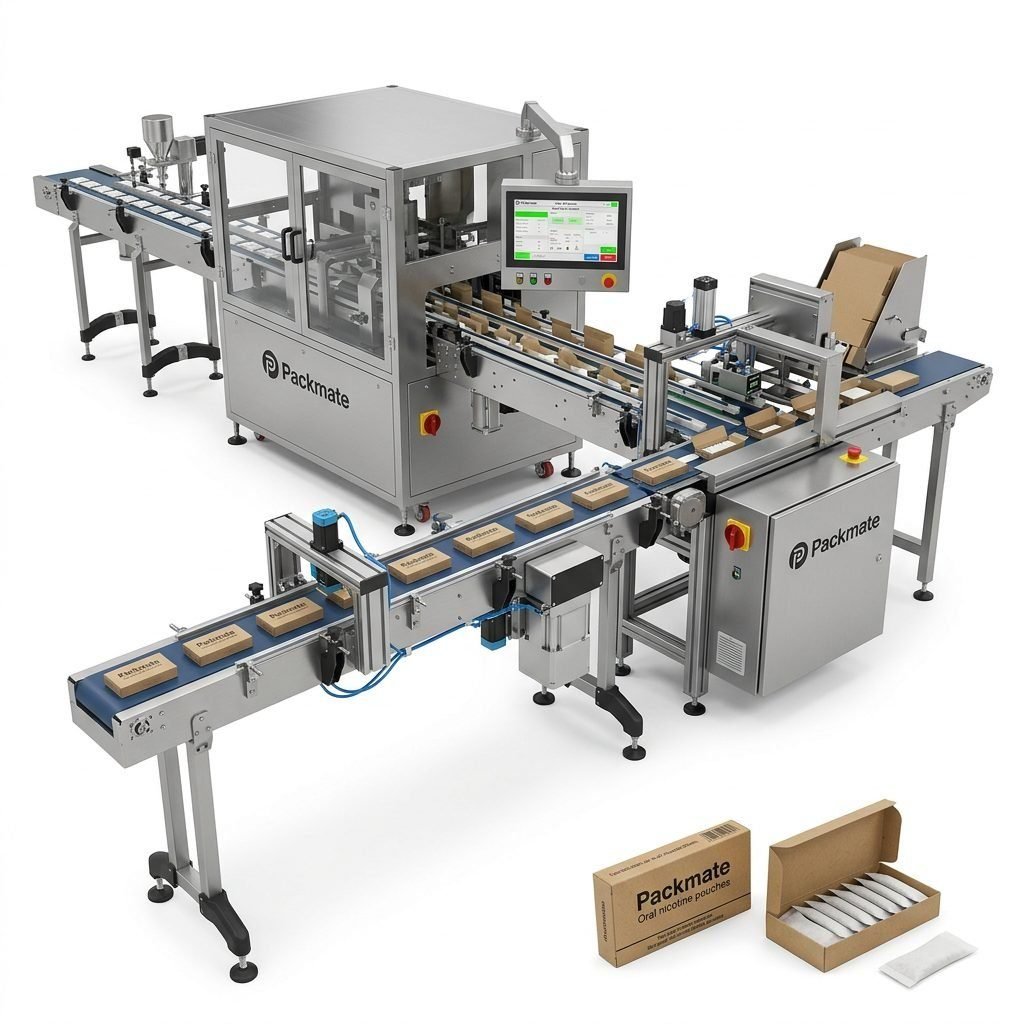
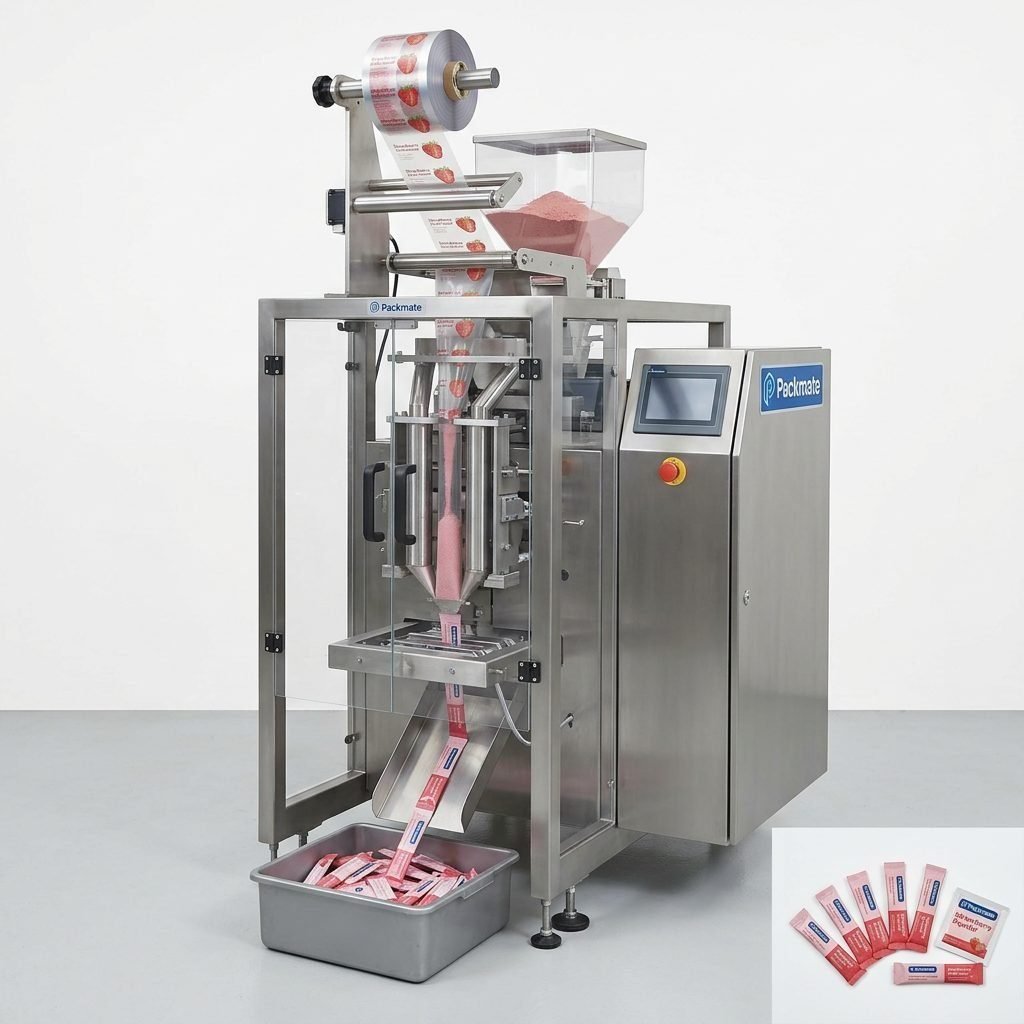
Choosing the right nicotine packaging machine for Ethiopia requires more than a quick price check. You need to match production capacity, regulatory compliance, material compatibility, and local service capabilities to build a reliable, profitable line. This guide walks you through every critical decision point—technical, commercial, and operational—so you can confidently select the packaging equipment that fits your product, budget, and growth plan.
Understand the Ethiopia Market & Regulatory Context
Ethiopia’s consumer market is evolving, with growing interest in alternative nicotine products in some segments. When specifying equipment, start by confirming local regulations for nicotine pouches and snus-style products—these affect labeling, batch traceability, and packaging tamper-evidence. Work with legal counsel or local authorities early to confirm allowable nicotine concentrations, import rules for machines, and requirements for CE/ISO-compliant equipment documentation.
Key reminder: choose machines backed by clear certification and documentation (CE/ISO) and ensure spare parts can be shipped quickly to Ethiopia. Suppliers with proven export experience reduce customs and commissioning delays.
Machine Types: Which One Fits Your Product?
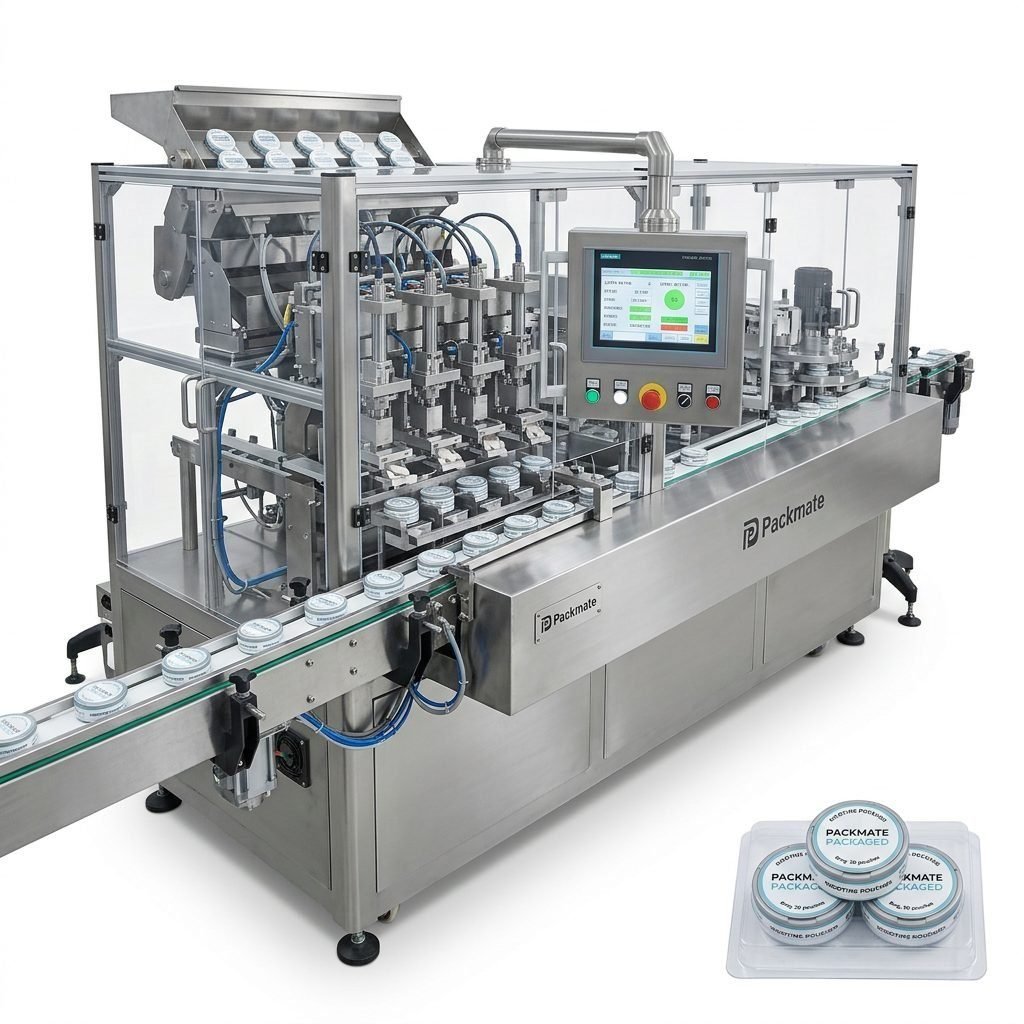
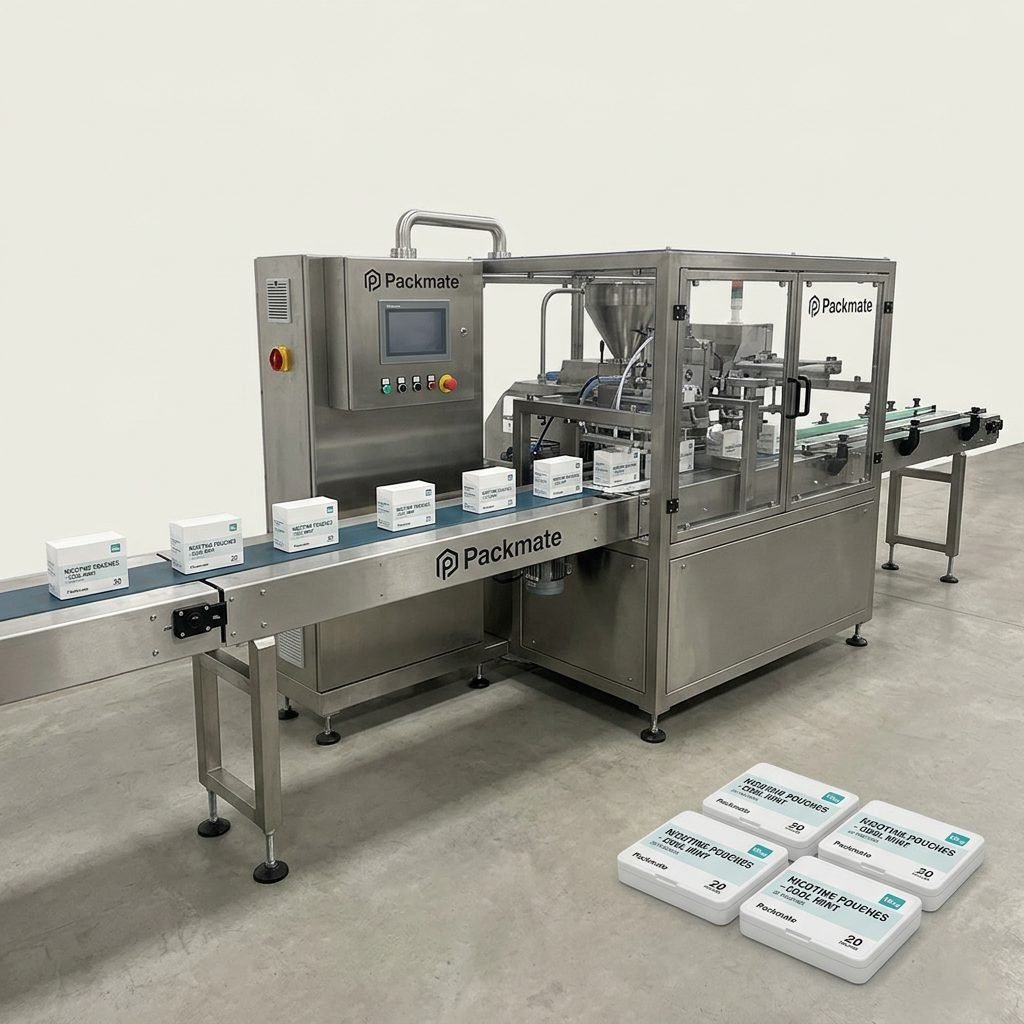
Nicotine pouch production commonly uses several machine families. Match the type to your product format and production targets:
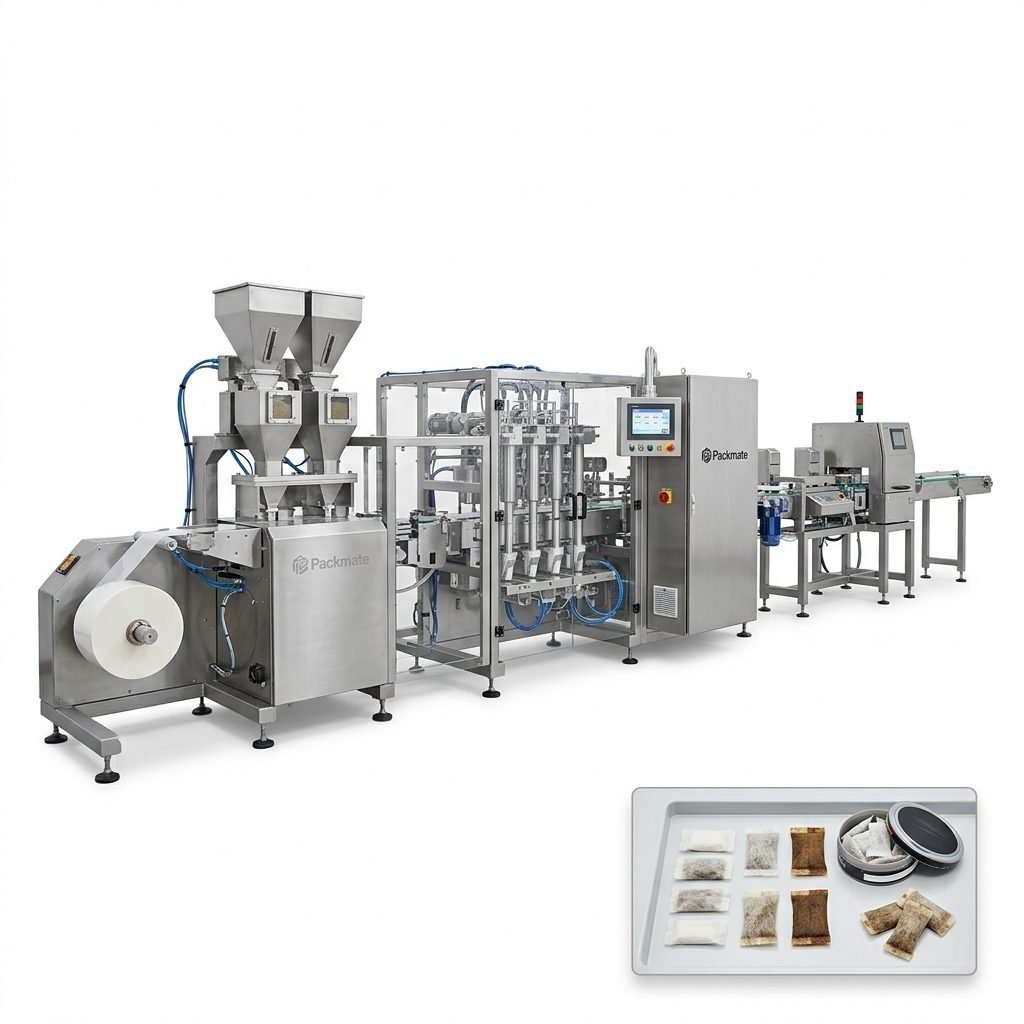
🔹 Single-lane snus / pouch machines — ideal for low-to-medium volumes and flexible product trials.
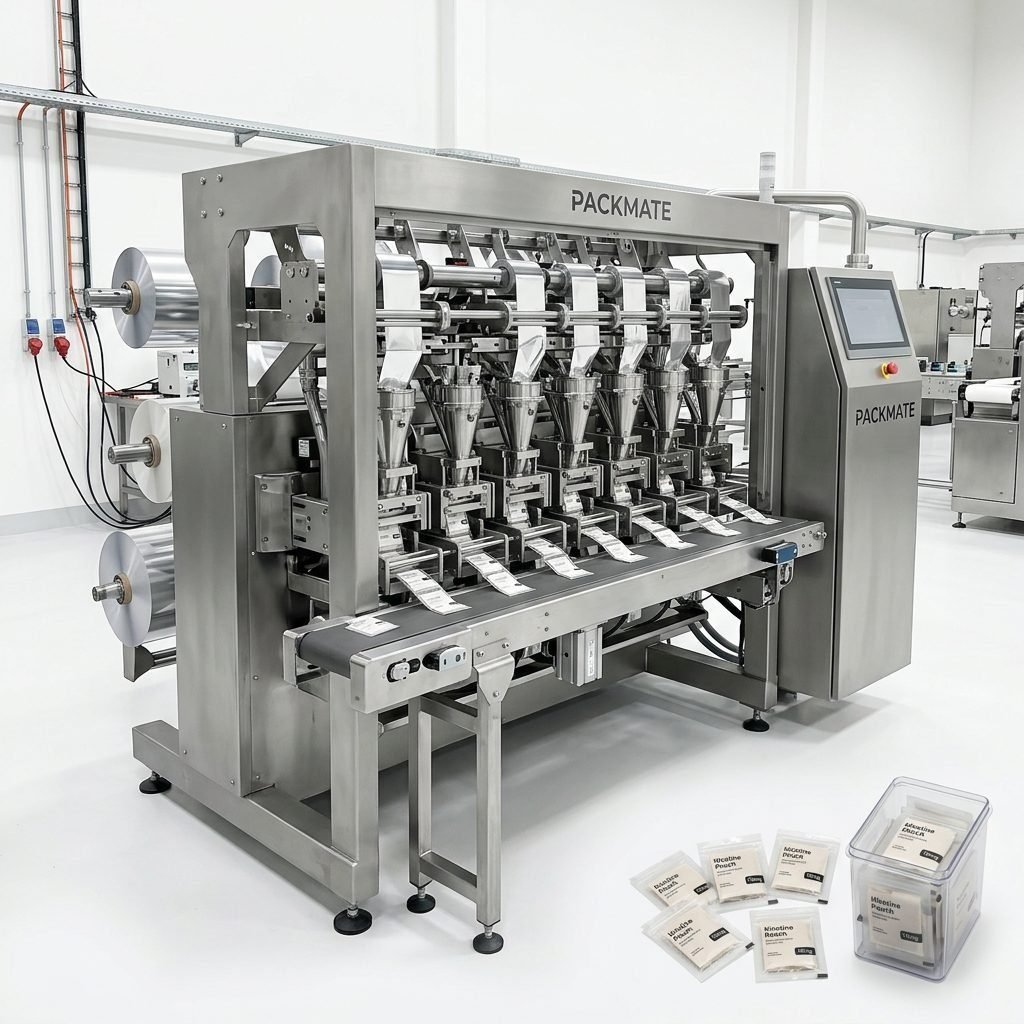
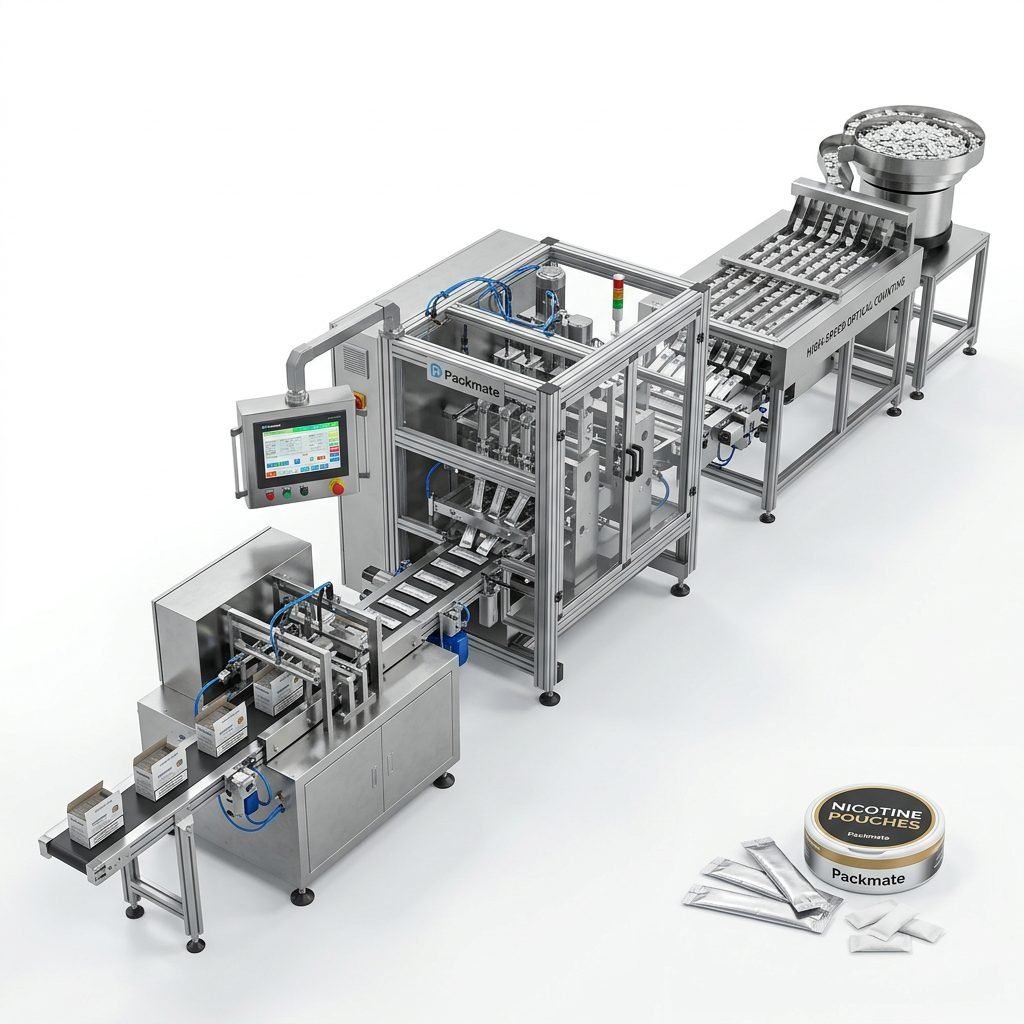
🔹 Multi-lane systems — designed for high throughput and consistent small-dose pouch output.
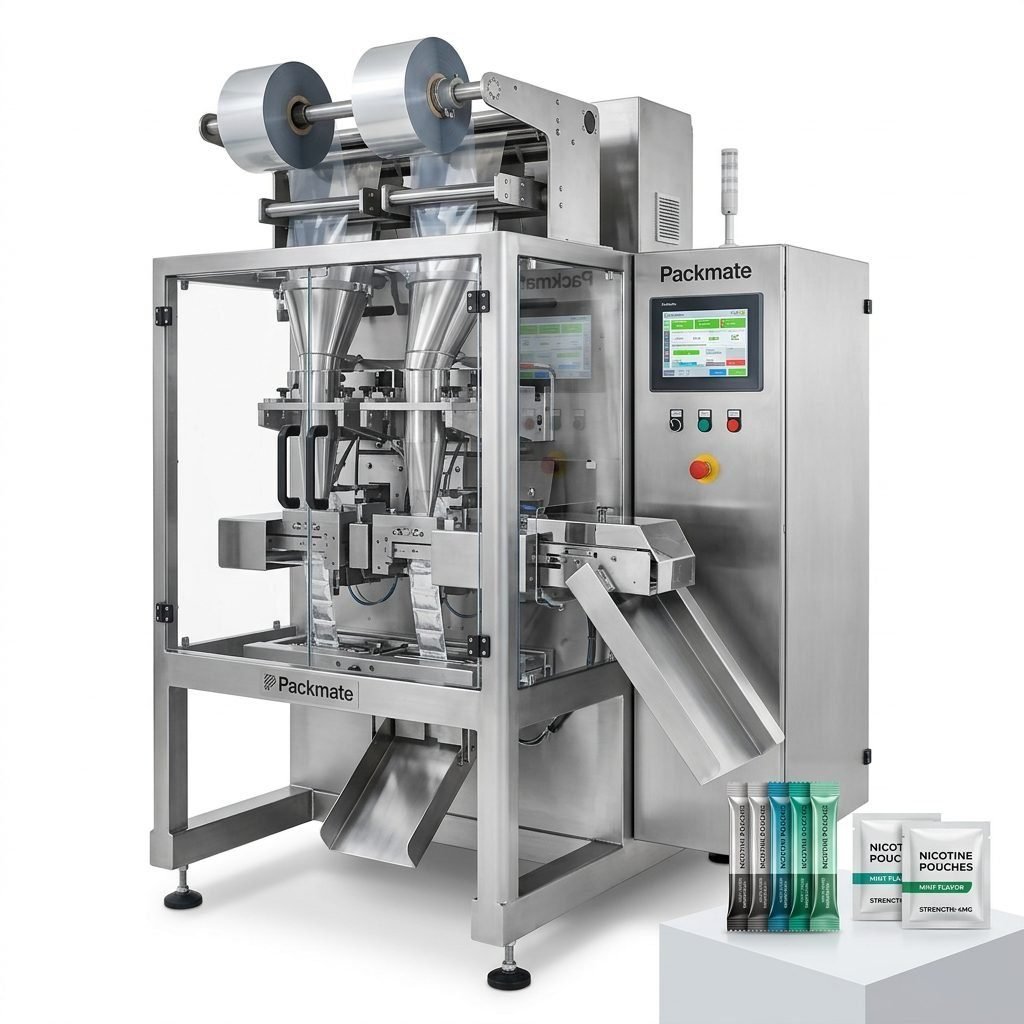
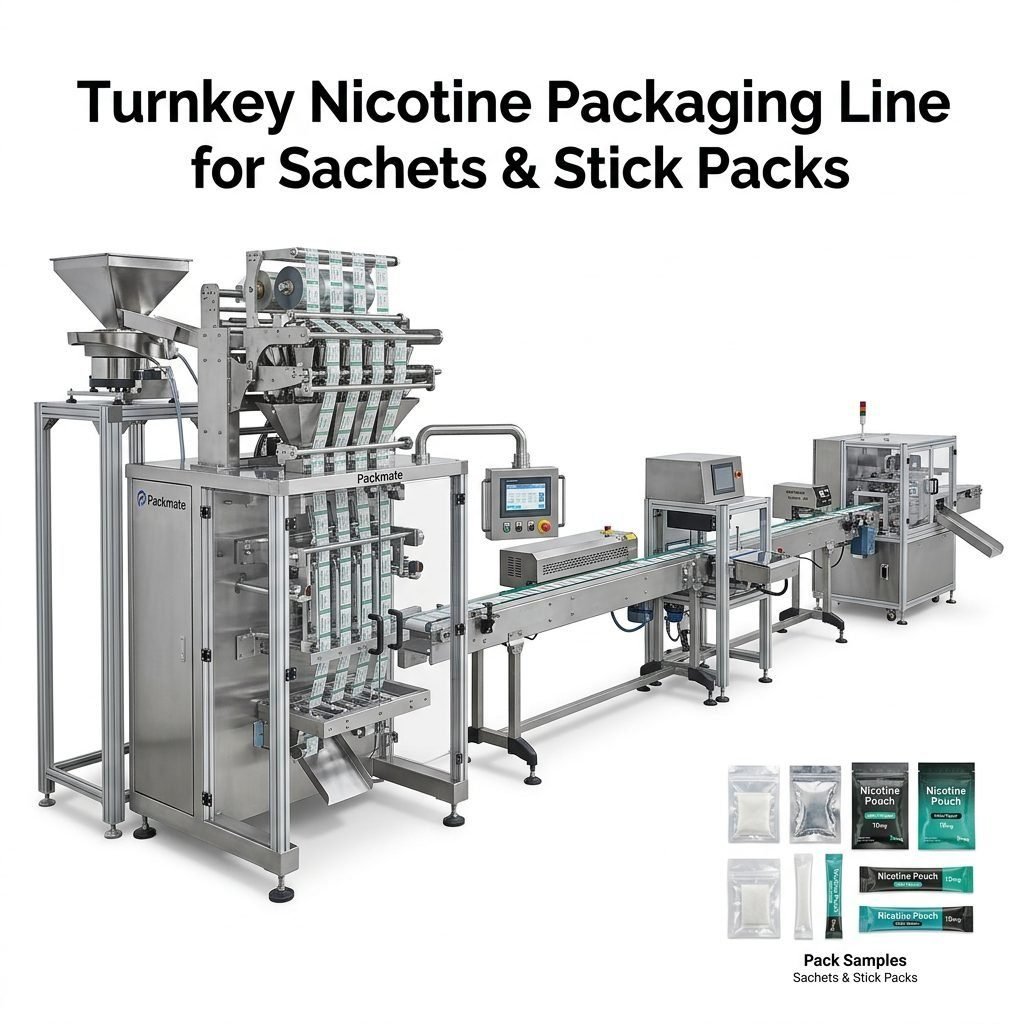
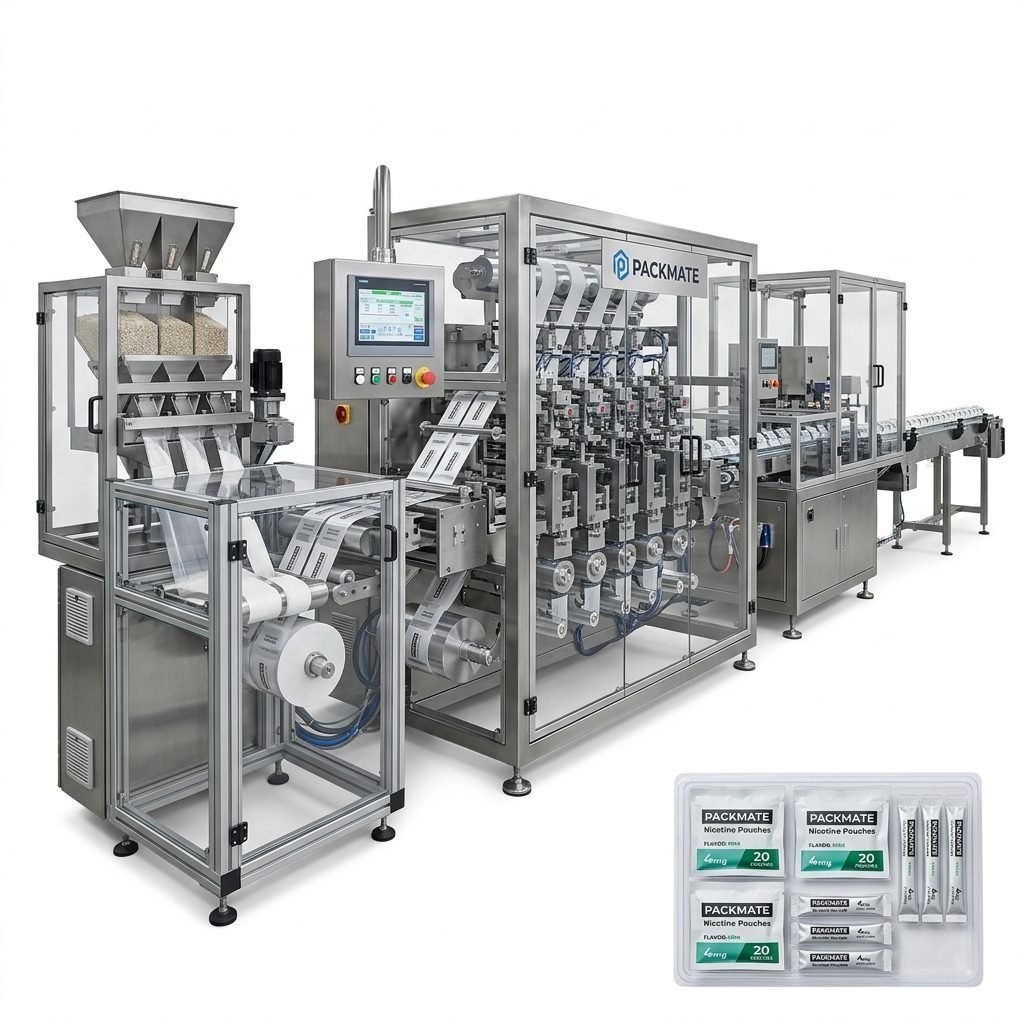
🔹 Sachet & stick pack machines — suitable if you plan rectangular sachets or stick packaging variants. See examples at Sachet & Stick Pack Machines.
🔹 Integrated filling and packaging lines — for powder, granule or liquid-based nicotine products that need synchronous dosing and sealing. Consider the modular Filling & Packaging Lines options for turnkey installations.
Performance Parameters to Compare
When reviewing machine specs, focus on these measurable parameters:
Throughput (pouches/min): Ensure the machine meets your daily output goals with headroom for growth.
Accuracy & dosing tolerance: For nicotine pouches, dosing precision is critical—look for machines with ±% dosing control and verify the weighing/filling system used.
Lane count & format flexibility: Multi-lane designs multiply output but require precise synchronization—choose lanes that match pouch size and dose variation needs.
Changeover time: Short changeovers reduce downtime when switching SKUs—ask for quick-change tooling and tool storage solutions.
Material Compatibility & Packaging Formats
Material choices (paper, laminated film, biodegradable blends) and pouch types (round pouches, oblong snus pouches, sachets) impact sealing temperature, forming technology, and post-processing. Confirm your supplier can handle the films and sealant layers you plan to use. If you intend to introduce new materials later, request samples run during FAT (Factory Acceptance Test).
🔍 Tip: bring final film samples and representative product to the supplier for a trial run. Real-world trials prevent costly specification mismatches.
Weighing, Filling & Quality Control Integration
High-precision nicotine dosing often requires integrated weighing or volumetric filling systems. Decide whether to use inline check-weighers, metal detectors, or vision systems for seal inspection. A line with modular weighing & packaging systems enables incremental upgrades as production scales.
Include spare capacity in PLC and I/O design to add future in-line QC devices. Verify data collection capabilities and whether the machine can export batch logs for traceability—critical for nicotine product recalls or regulatory audits.
Automation Level and Industry 4.0 Features
Decide on the automation level that matches your workforce and OEE targets. Advanced HMI, recipe storage, remote diagnostics, and predictive maintenance alerts reduce downtime and simplify operations. Ask if the machine supports remote support or cloud connectivity for faster troubleshooting from international suppliers.
Space, Utilities & Installation Considerations
Measure your factory floor and utility capacities before selecting a machine. Key checks:
⚠️ Power requirements and phases — ensure compatibility with local supply and consider stabilizers for voltage fluctuations.
⚠️ Compressed air quality and capacity — many packaging machines rely on consistent dry air.
⚠️ Floor loading and clean-room or GMP needs — verify machine footprint plus clearance for maintenance and material flow.
✅ Installation checklist: site electrical diagram, compressed air spec, floor plan with dimensions, and a nominated project manager for commissioning.
Supplier Selection: Questions to Ask
Selecting the right supplier is as important as selecting the machine. Use this checklist during RFQs and visits:
1) Track record: Do they have experience in nicotine pouch/snus machines? Can they share case studies? (See relevant examples under Case.)
2) Factory visit: Can you inspect CNC machining, assembly lines, and QoS procedures at their manufacturing site?
3) After-sales support: Is there local service partner coverage or rapid remote support? What are spare parts delivery times to Ethiopia?
4) Customization & upgrades: Are modular options and multi-lane upgrades supported without full replacement?
5) Documentation: Will they provide electrical layouts, PLC programs, spare parts list, and operational manuals in English?
Commercial Terms & Warranty
Negotiate clear warranty terms, scope of free spare parts, training days, and FAT procedures. Insist on acceptance criteria at FAT and SAT (site acceptance). A well-defined contract avoids disputes and clarifies responsibilities for shipping, installation, and performance guarantees.
Total Cost of Ownership (TCO) – Beyond Capital Price
Evaluate TCO, not just the machine price. Include:
• Spare parts inventory and lead times — critical for minimizing production risk.
• Consumables consumption (films, sealing jaws, filters).
• Energy & air consumption — energy-efficient designs reduce running costs.
• Downtime impact — calculate revenue lost per hour to justify higher-spec machines with faster changeovers and remote diagnostics.
Training, Documentation & Local Skill Development
Operational success depends on staff competence. Ensure the supplier provides:
• On-site operator and maintenance training during commissioning.
• Comprehensive manuals, wiring diagrams, and spare parts catalogues in English.
• Optional follow-up training sessions and local technician certification programs to reduce foreign dependence.
After-Sales Service & Spare Parts Strategy
Good after-sales service ensures uptime. Ask potential suppliers about:
• Spare parts shipping times to Addis Ababa and distribution partners in Africa.
• Remote troubleshooting services (video support, PLC remote access).
• Maintenance contracts and preventive maintenance schedules tailored to your production plan.
Proven Providers & Where to Start
Work with manufacturers that specialize in snus and nicotine pouch packaging. Suppliers with long industry experience and global turnkey projects are easier to work with when scaling. For detailed machine models geared specifically to snus and nicotine pouches, explore Snus & Nicotine Packaging Machines.
📌 Action plan: shortlist 2–3 suppliers, request FAT runs with your product samples, confirm spare parts lead times, and finalize installation & training timelines before signing.
Local Partnership & Logistics for Ethiopia
Consider local agents or third-party integrators to handle customs clearance, installation, and basic spare parts stock. A supplier with export and exhibition experience often helps speed logistic planning—check their exhibition history and client cases for similar African projects. See supplier credentials and global projects at their case studies page: Case.
Financing & Payment Terms
Negotiate staged payments tied to milestones: deposit, pre-FAT, FAT, and on-site acceptance. Include contingency for customs or local delays. Some suppliers offer financing solutions or leasing partners—compare the cost against capital purchase.
Final Checklist Before Purchase
– Confirm regulatory compliance documents and export certifications.
– Complete FAT with your product and film samples.
– Agree on spare parts list, lead times, and local stocking plan.
– Set training days and technical documentation delivery dates.
– Validate utility requirements and factory readiness for installation.
Need Help Shortlisting Machines?
If you want a turnkey snus or nicotine pouch packaging solution, suppliers like Packmate specialize in multi-lane snus systems, stick packs, and integrated filling lines. Explore product families and request a consultation via their product pages: Sachet & Stick Pack Machines and Filling & Packaging Lines. When ready to engage, use direct contact channels to accelerate quotations and FAT scheduling: Contact Us.
Conclusion
Selecting the right nicotine packaging machine for Ethiopia is a structured process: understand regulations, choose the right machine family, verify material compatibility, prioritize dosing accuracy and QC integration, and secure strong after-sales support. Taking time for FATs, final-sample trials, and clear contractual terms will pay dividends in uptime, product quality, and cost control.
Frequently Asked Questions
Q1: How long does it take to commission a snus packaging line in Ethiopia?
A1: Typical lead times vary: machine manufacturing 8–16 weeks, shipping and customs 2–6 weeks, and on-site installation 1–3 weeks depending on complexity and local readiness.
Q2: What spare parts should I stock locally?
A2: Stock critical wear parts (sealing jaws, belts, sensors), electrical components (fuses, contactors), and one set of common PLC spares. Confirm a supplier-specific recommended spare parts list.
Q3: Can one machine handle multiple pouch sizes and formulations?
A3: Many modern machines are modular with quick-change tooling to support multiple sizes, but extreme format changes may require additional tooling or lane adjustments. Run trials during FAT to validate flexibility.
Q4: How do I ensure dosing accuracy for nicotine pouches?
A4: Use precision weighing or volumetric dosing with feedback control, conduct frequent in-line check-weighing, and establish sampling protocols. Choose a machine with integrated dosing validation.
Q5: Where can I view real-world implementations of these machines?
A5: Review supplier case studies and exhibition records for demonstrations and client references to confirm performance in similar markets—see examples at Case.