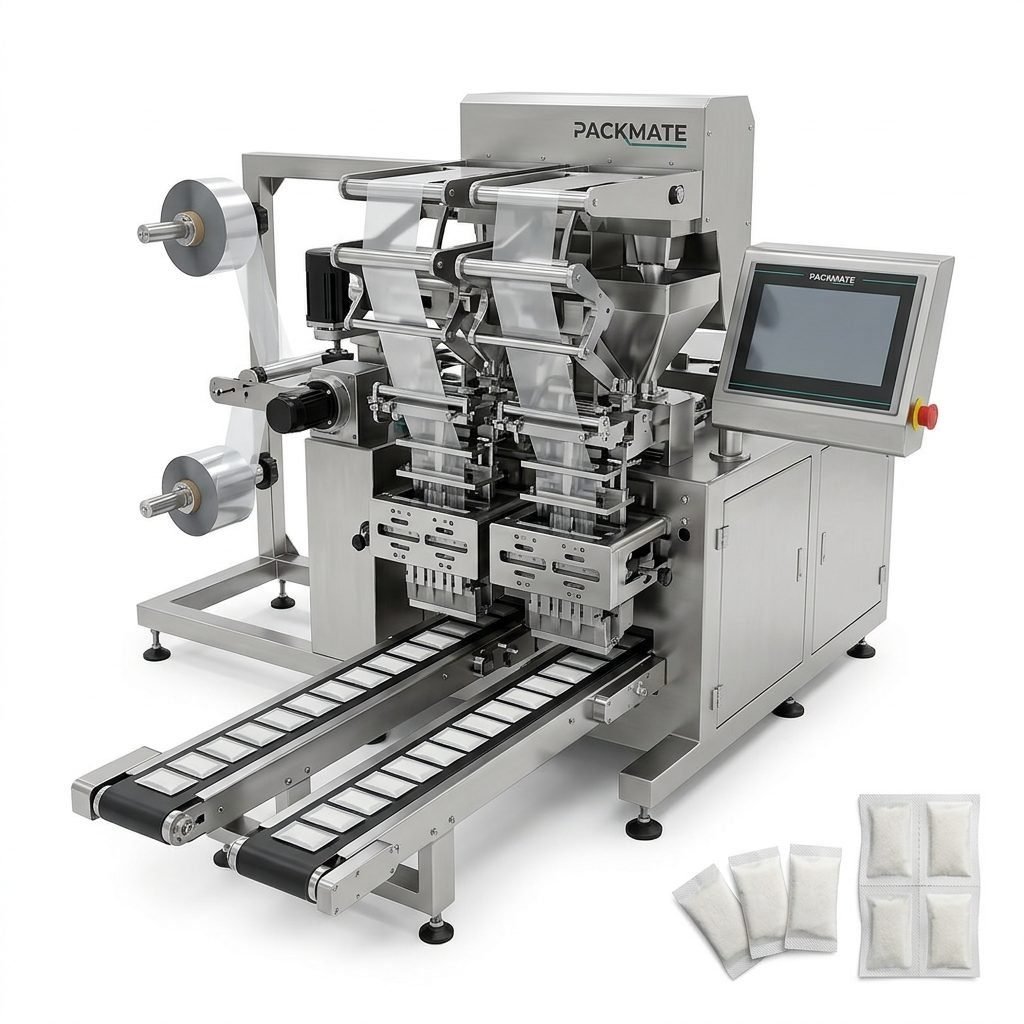
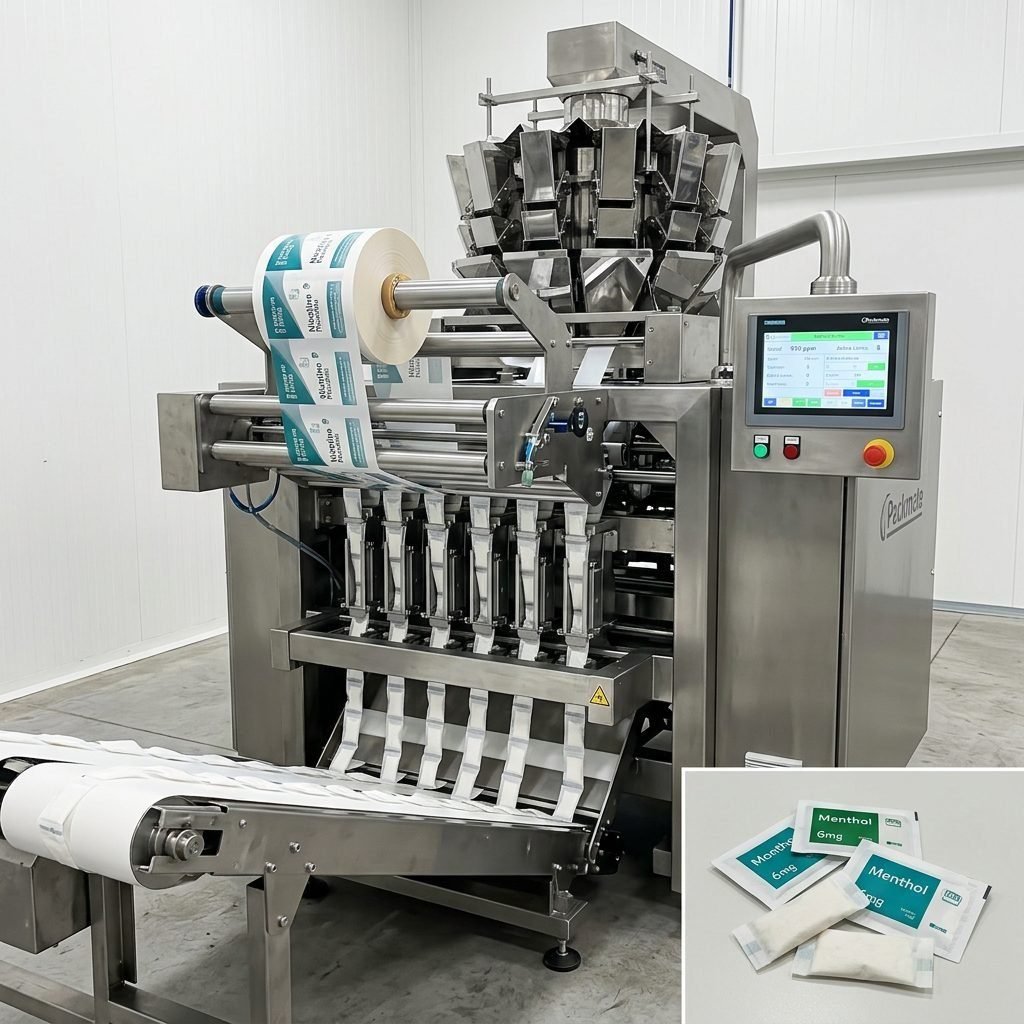
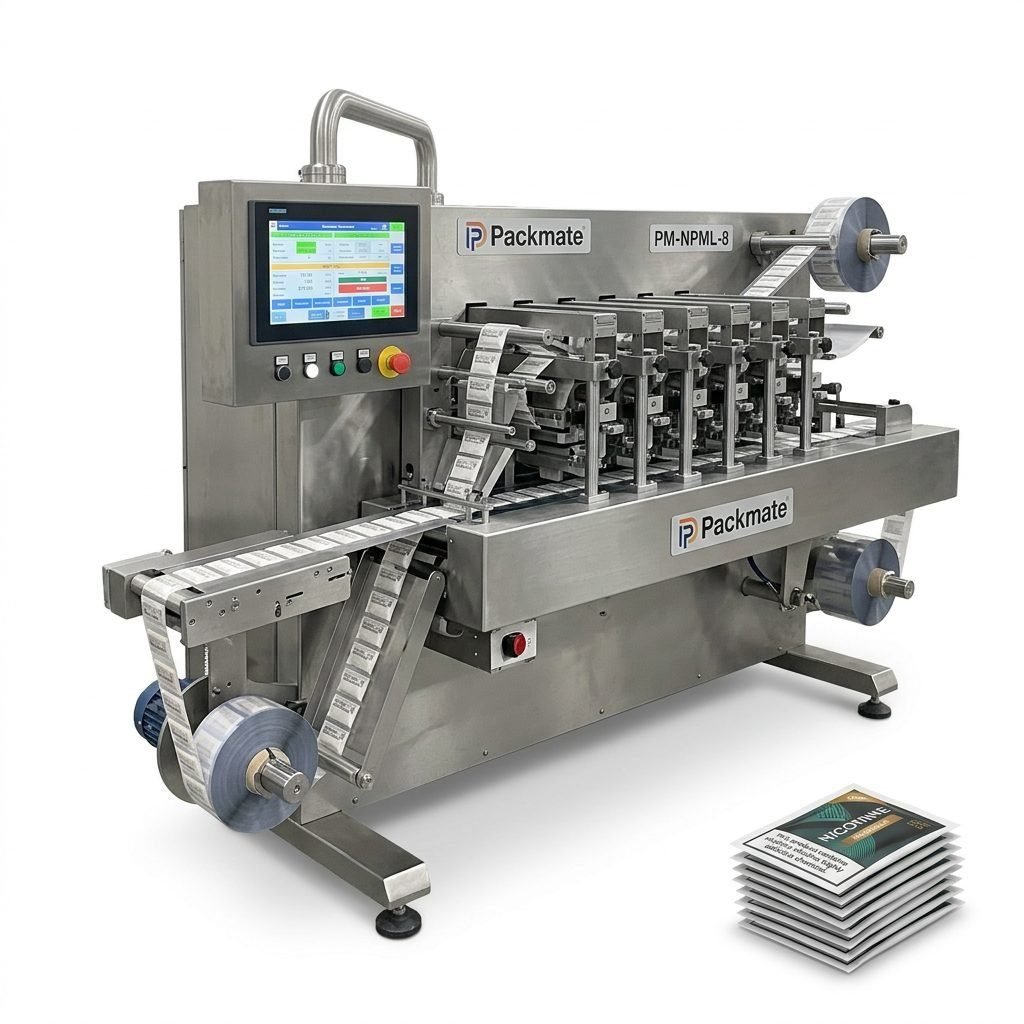
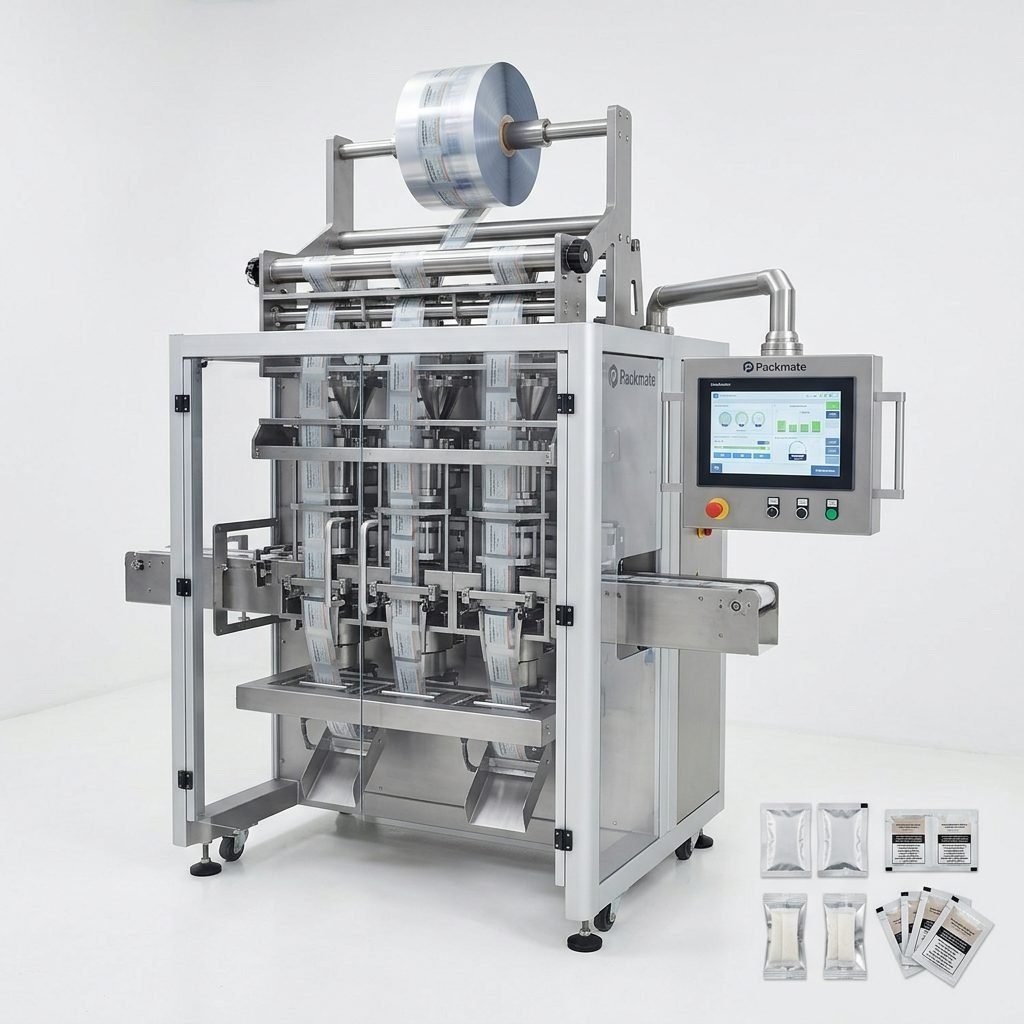
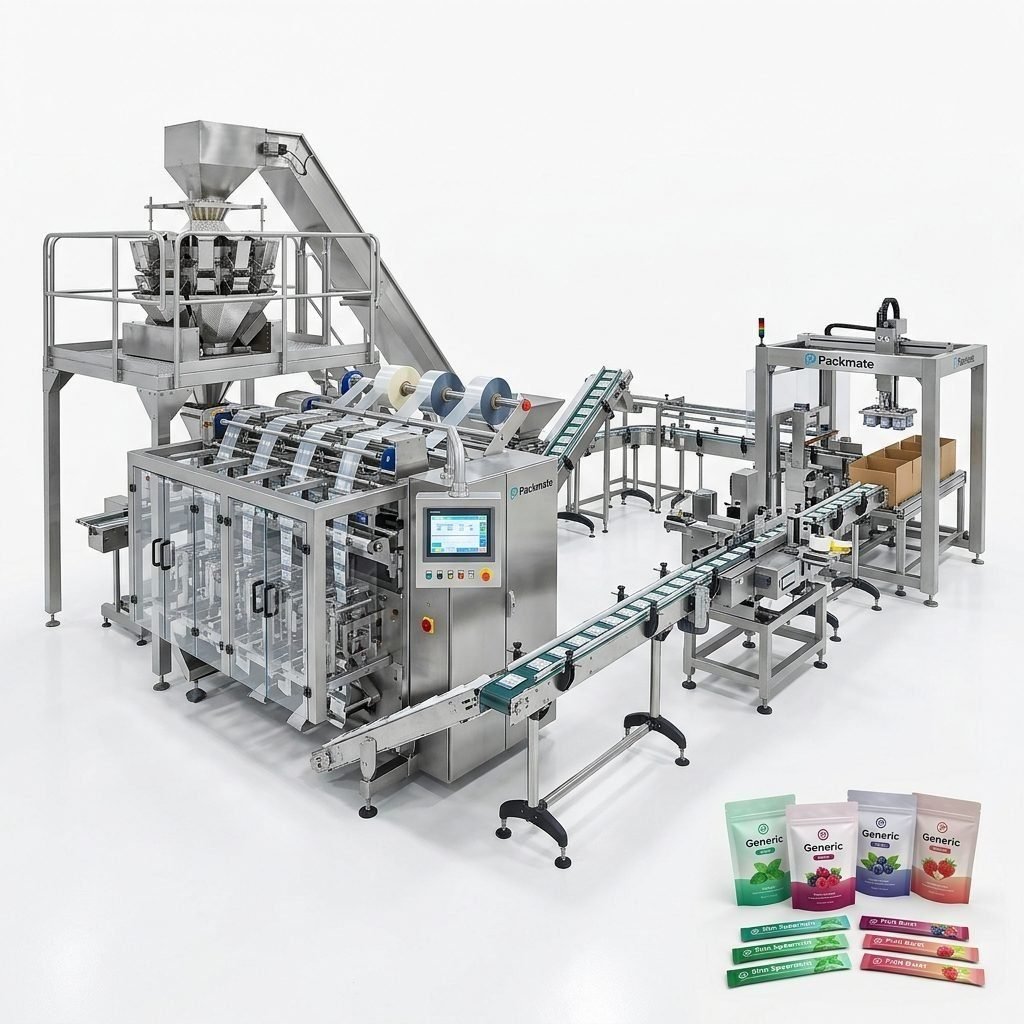
Choosing the right snus packaging machine manufacturer for your business in Kosovo is a strategic decision that affects product quality, compliance, cost-efficiency, and time-to-market. Whether you are launching a nicotine pouch brand or scaling up an existing snus production line, this guide walks you through practical, industry-specific criteria and actionable steps to select a manufacturer who delivers reliable machines and long-term service.
Understand Your Product and Production Needs
Before evaluating manufacturers, document the key specifications of your product: pouch type (portion/pellet/snus), pouch sizes, fill weight range, desired output speed (packs per minute), and any special handling for aromas or moisture-sensitive ingredients. These details determine the machine family you need — for example, stick pack, sachet, or multi-lane systems — and help suppliers provide accurate proposals.
Quick Product-to-Machine Mapping
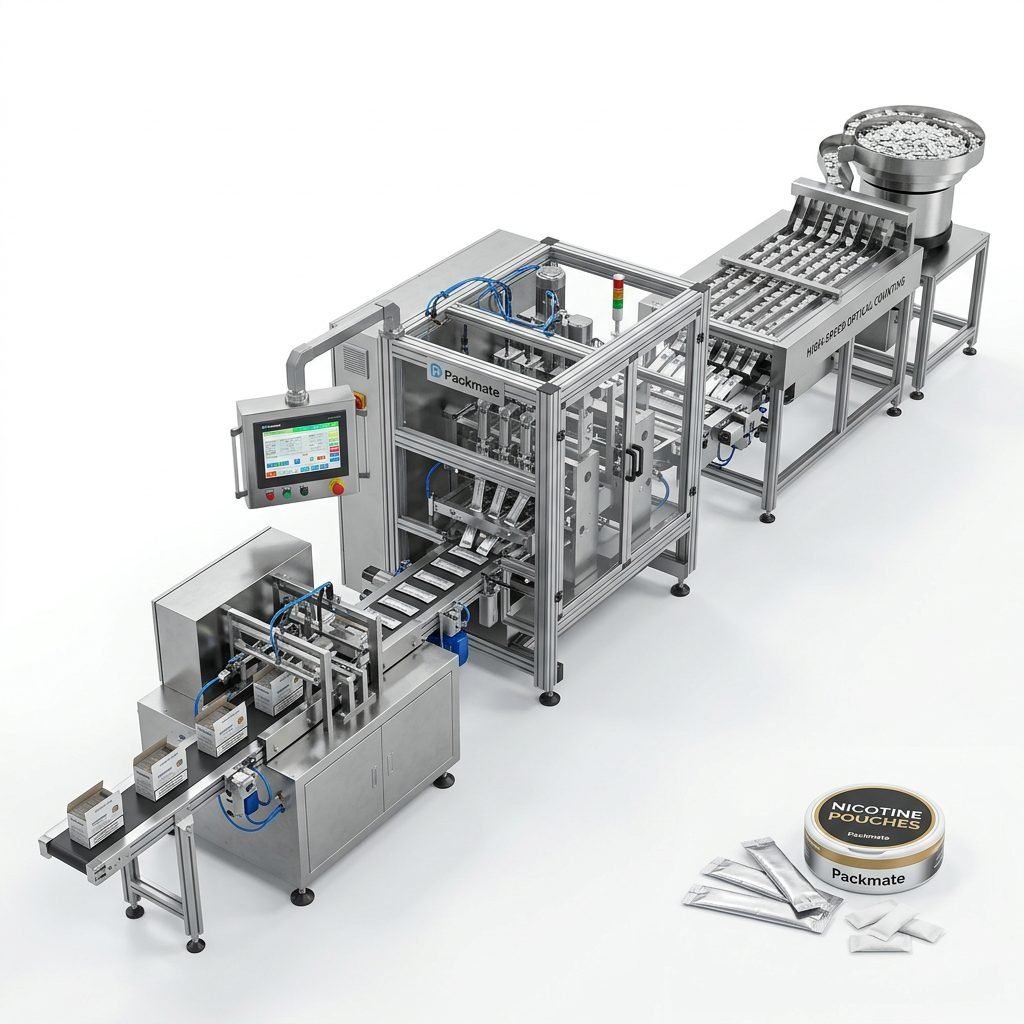
Tip: If you need high-speed multi-lane portioning for nicotine pouches, look for multi-lane snus lines. Explore product categories like
Snus & Nicotine Packaging Machines
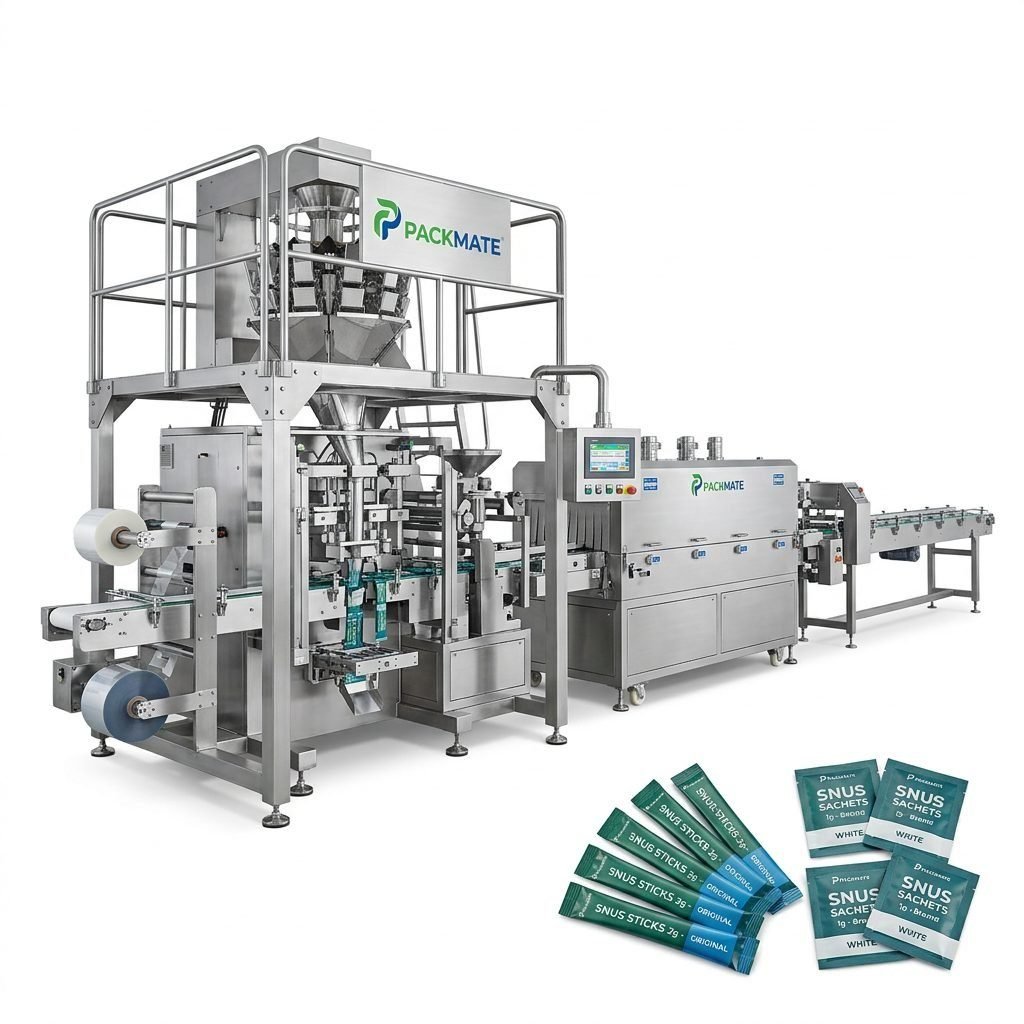
and
Sachet & Stick Pack Machines
to match features with your product.
Evaluate Manufacturer Experience and Technical Strength
Look for suppliers with proven experience in snus or nicotine pouch packaging. Manufacturers with decades of design and field experience typically provide more mature solutions. Key indicators include the number of machine models, years in R&D, and facility scale.
What to ask about engineering capabilities
✅ Does the manufacturer have a full factory with CNC machining centers and precision assembly lines?
✅ How many machine models and turnkey solutions do they offer?
✅ Do they provide customized systems and software integration for complete production lines?
Manufacturers like Packmate highlight 30+ years of engineering and a 20,000㎡ factory — indicators of robust production capabilities. See their company details at
About Packmate.
Check Compliance, Certifications and Safety Standards
Regulatory compliance is essential for nicotine products and machinery used in food-related processes. Confirm the manufacturer’s machines meet relevant international standards (CE, ISO). Ask for certificate copies and references from clients who export to regulated markets.
Key certification checklist
– CE conformity for electrical and machine safety
– ISO quality management system for consistent manufacturing
– Material traceability and hygienic design considerations for contact parts
Inspect Machine Performance and Quality Assurance
Machine specifications on paper can differ from real-world performance. Request technical data sheets, factory acceptance test (FAT) videos, and performance records (e.g., actual production speeds, downtime metrics). Ask whether the supplier offers on-site factory testing and third-party inspections.
Performance validation items
Must-have: FAT videos, sample packs produced on the line, vibration and electrical test reports, and warranty terms.
Assess Customization and Turnkey Capabilities
Your product or packaging style may require machine adaptations. Choose a manufacturer that offers flexible customization — from changeover kits and tooling to full multi-lane and mixing/filling integration. Suppliers providing complete automated solutions (weighing, filling, packaging, auxiliary equipment) reduce integration risk and project management overhead.
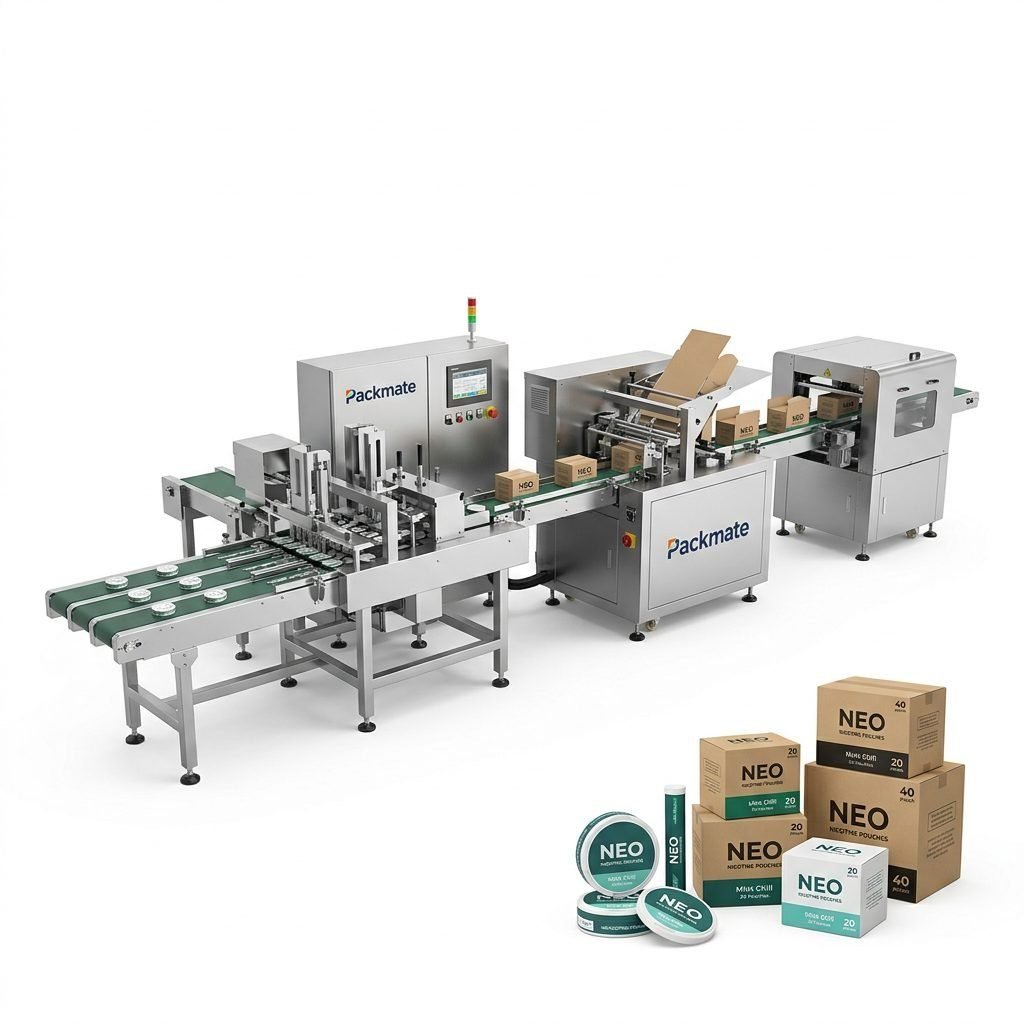
For end-to-end options, review product categories like
Filling & Packaging Lines and
Weighing & Packaging Systems.
Evaluate After-Sales Service and Spare Parts Support
After-sales service is a critical differentiator. Confirm response times for technical support, availability of remote diagnostics, spare parts lead times, and whether the supplier provides technician training locally or on-site. A manufacturer with global support experience is more likely to address issues quickly.
Service-level questions to ask
🔧 What is the standard warranty and what does it cover?
🔧 Is spare parts stocked regionally or shipped from the factory?
🔧 Do they offer commissioning, training, and preventive maintenance plans?
Analyze Total Cost of Ownership (TCO)
Purchase price is only one component. Include installation costs, tooling and format change expenses, energy consumption, spare parts pricing, expected uptime rates, and potential yield losses. A slightly higher-capacity machine with better efficiency can deliver lower TCO.
Visit the Factory or Request a Virtual Tour
If feasible, visit the manufacturer’s facility to inspect production practices, assembly quality, and quality control processes. If travel is not possible, request a live virtual factory tour and walk-through of the assembly line. During a visit, review machine documentation, spare parts storage, and machine testing workflows.
What to verify during a factory visit
– CNC and fabrication capabilities
– Assembly stations and clean working practices
– Final testing bench and FAT procedures
– Sample products and case studies from similar customers (ask for references)
Review Case Studies and Customer References
Strong reference cases in similar markets and product types provide confidence. Request case studies or references, and when possible, review published customer success stories and videos. Many manufacturers publish case libraries that show installed lines and production results.
Example resources: Case and exhibition demonstration pages such as Our Exhibition.
Negotiate Commercial Terms and Project Timelines
Clarify lead times for tooling and machine delivery, payment schedules, acceptance criteria, and penalties for missed deadlines. Ensure that the contract delineates responsibilities for installation, training, commissioning, and warranty support.
Contract essentials
– Delivery and acceptance criteria (FAT and SAT)
– Detailed spare parts and consumables list
– Clear warranty terms and field-support SLA
– Training scope and documentation delivery
Consider Local Support and Import Logistics for Kosovo
For Kosovo-based operations, factor in logistics and customs clearance. Confirm whether the supplier can support local import documentation, provide local service partners, or dispatch engineers for commissioning. Local regulatory knowledge for nicotine product handling and labeling is also valuable.
Why a Specialist Packaging Manufacturer Matters
Specialist manufacturers who focus on snus, nicotine pouches, and related flexible-pack systems bring domain-specific advantages: optimized dosing accuracy, humidity control, dedicated multi-lane options, and refined sealing technologies. If you need both pouch packaging and upstream filling/weighing, choose a supplier that delivers integrated systems to minimize compatibility issues.
Explore specialized equipment categories like
Bag & Pouch Packaging Machines
and
Auxiliary Packaging Equipment
when planning a complete line.
Final Checklist Before Signing
Key checklist:
• Technical fit: machine type, speed, and compatibility with your product
• Certifications and safety documentation
• FAT evidence and real production samples
• After-sales support, spare parts, and training provisions
• Clear warranty, timelines, and installation responsibilities
Why Packmate Could Be a Strong Option for Kosovo Businesses
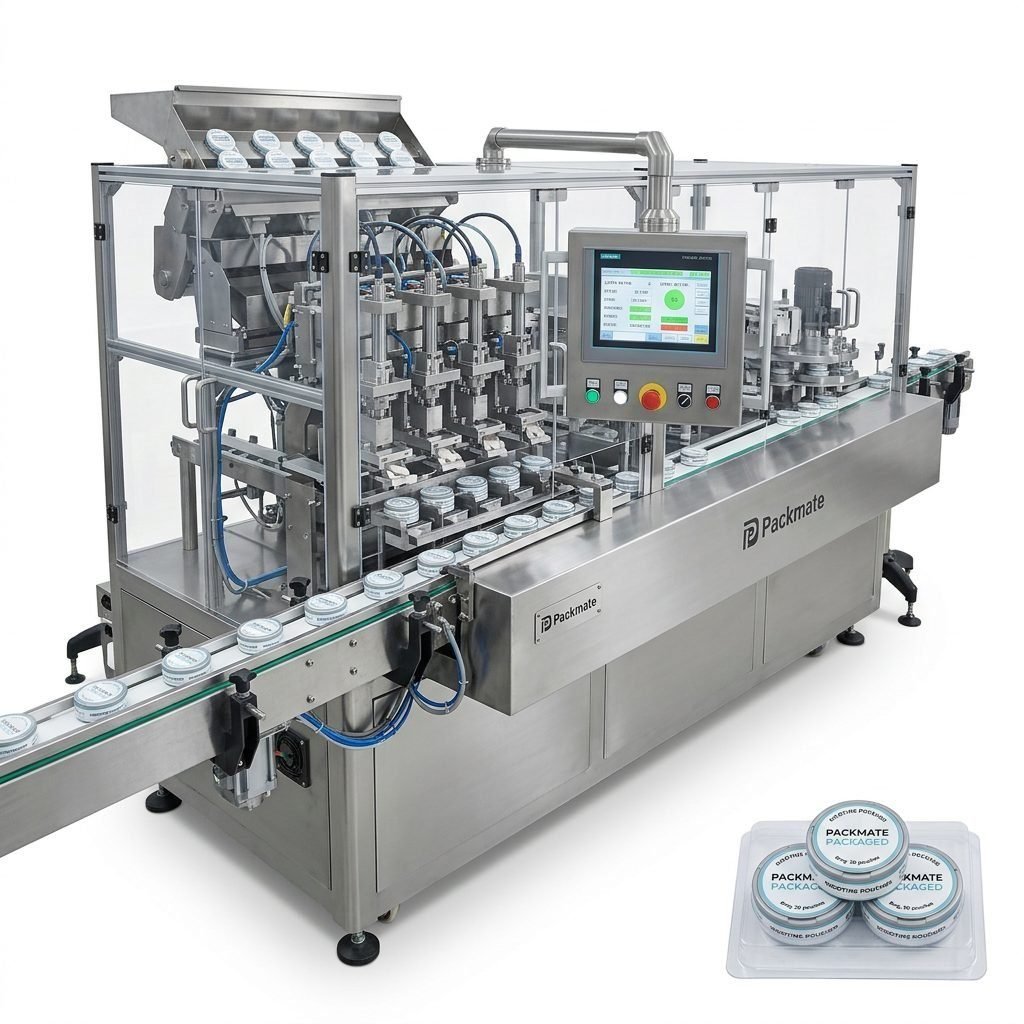
Packmate Snus Machine is an example of a specialist manufacturer with a long history in packaging engineering. With more than 30 years of experience, a 20,000㎡ factory, and a product portfolio covering snus and nicotine packaging, stick pack, sachet, and multi-lane systems, they can provide tailored lines and turnkey solutions. If you value deep domain knowledge, view their offerings and credentials at
Snus & Nicotine Packaging Machines
and consider contacting them via
Contact Us.
Final practical tips
❗ Always request references from clients producing similar products.
❗ Insist on FAT and sample production prior to final payment.
❗ Factor spare-parts logistics and remote-support capabilities into total cost.
Frequently Asked Questions
Q1: How long does it typically take from order to machine delivery?
A1: Lead times vary by machine complexity and customization. Standard machines may ship in 8–12 weeks, while turnkey lines and multi-lane systems often require 12–24 weeks. Confirm lead times in writing and include FAT milestones.
Q2: What after-sales support should I expect for a snus packaging line?
A2: Expect commissioning, operator training, spare parts lists, remote diagnostics, and a documented warranty. Regionally available spare parts and fast-response technical support are critical for minimizing downtime.
Q3: Are multi-lane machines necessary for small-batch producers in Kosovo?
A3: Not always. Small-batch producers may start with single-lane or two-lane machines to control investment. If you plan rapid scaling and high throughput, multi-lane systems deliver better per-unit costs and efficiency.
Q4: How do I ensure the machine meets local regulatory requirements for nicotine products?
A4: Request compliance documentation, ask for experience exporting to regulated markets, and engage local regulatory consultants to align labeling, packaging, and ingredient handling with Kosovo and EU rules where applicable.
Q5: Where can I find more resources and machine models to compare?
A5: Manufacturer product pages and catalogs are a good start. See categories such as
Sachet & Stick Pack Machines
and review catalogs and FAQs on the supplier site to compare models and technical specs.