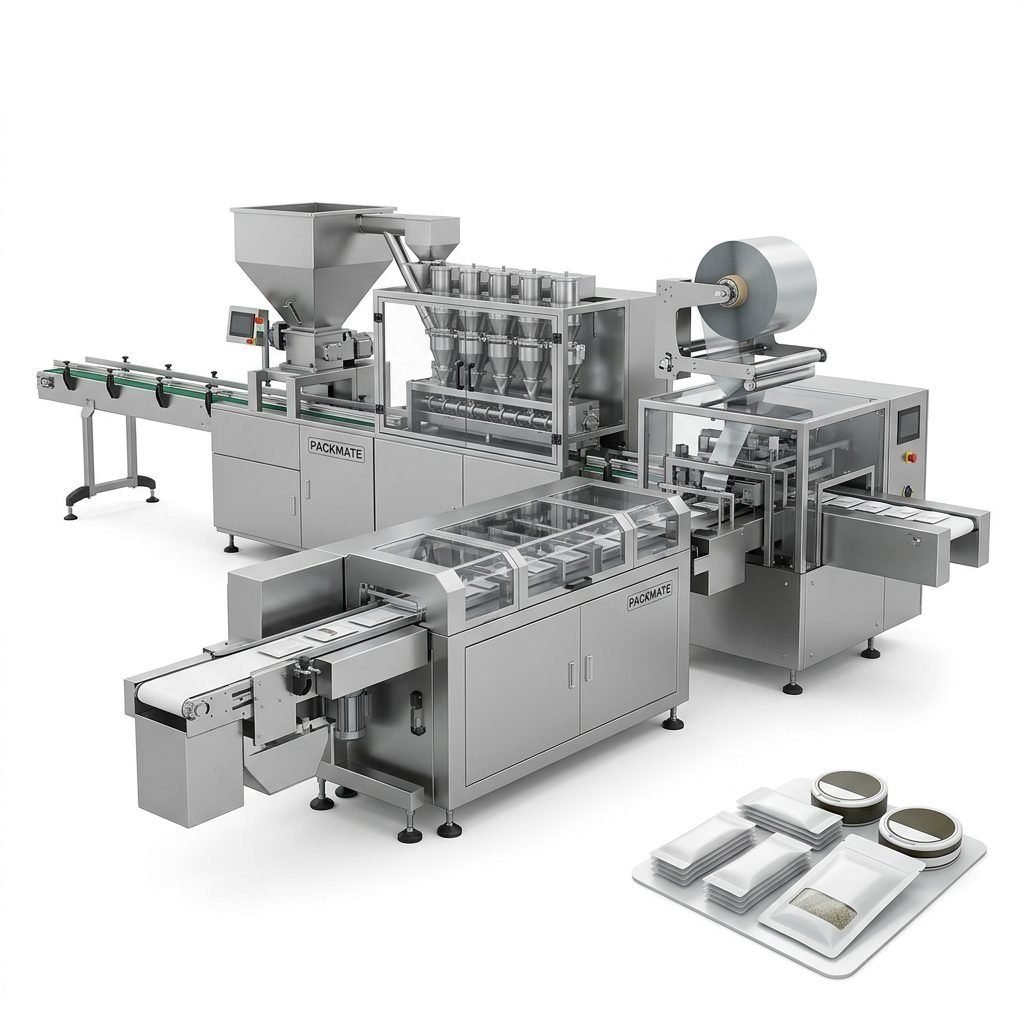
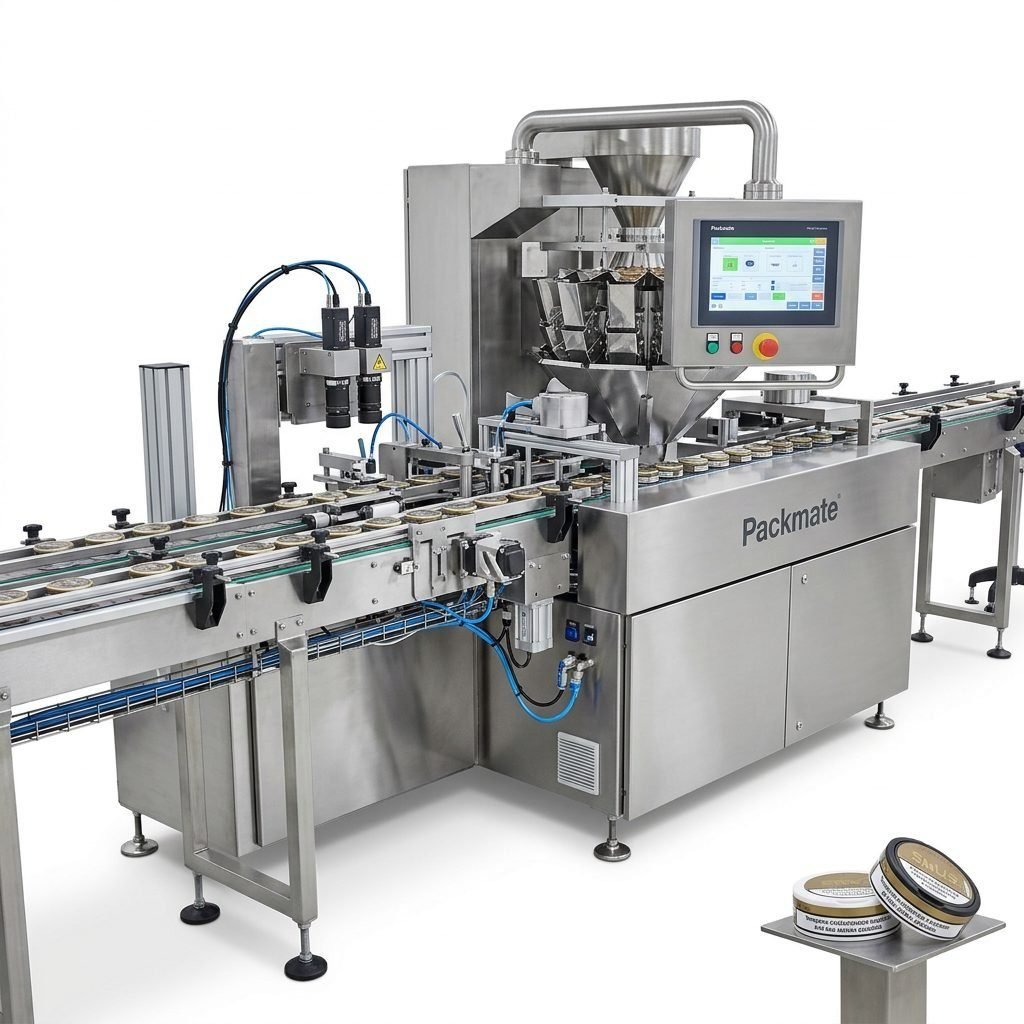
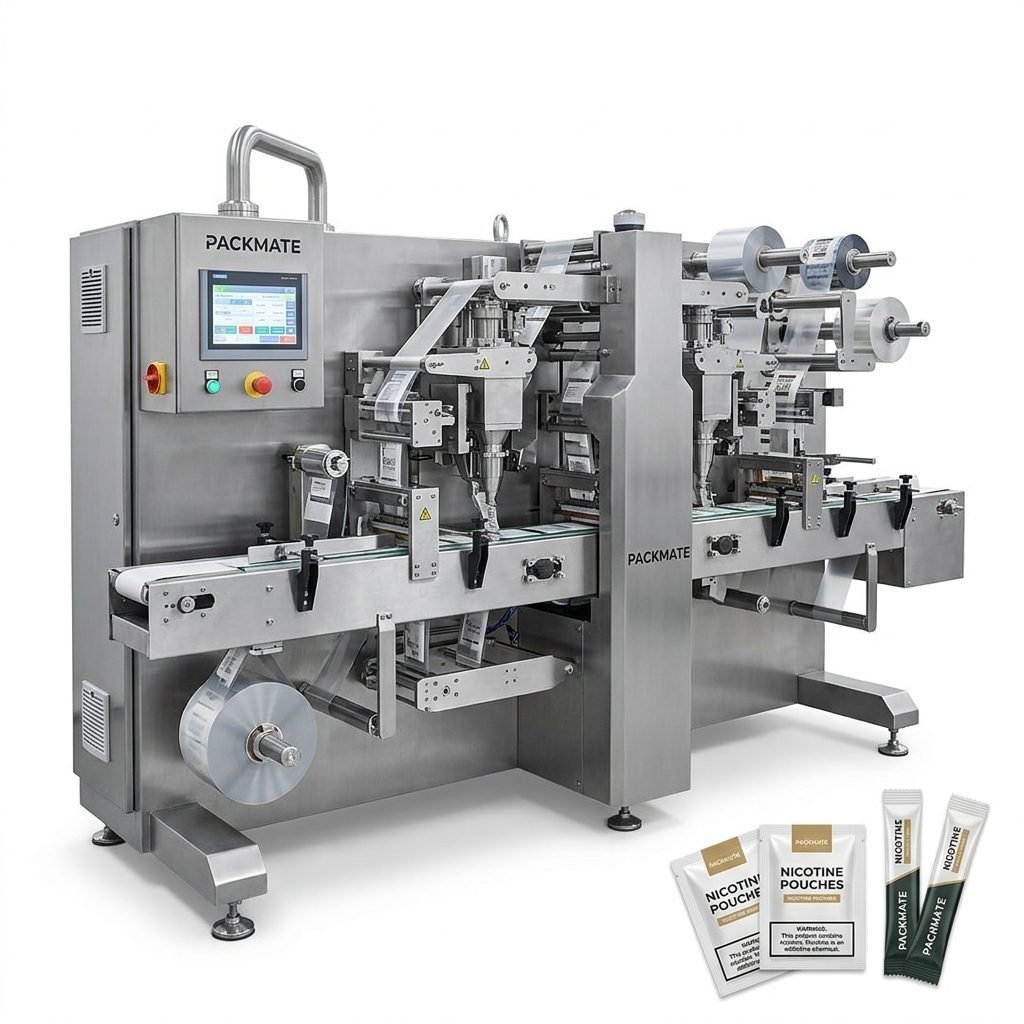
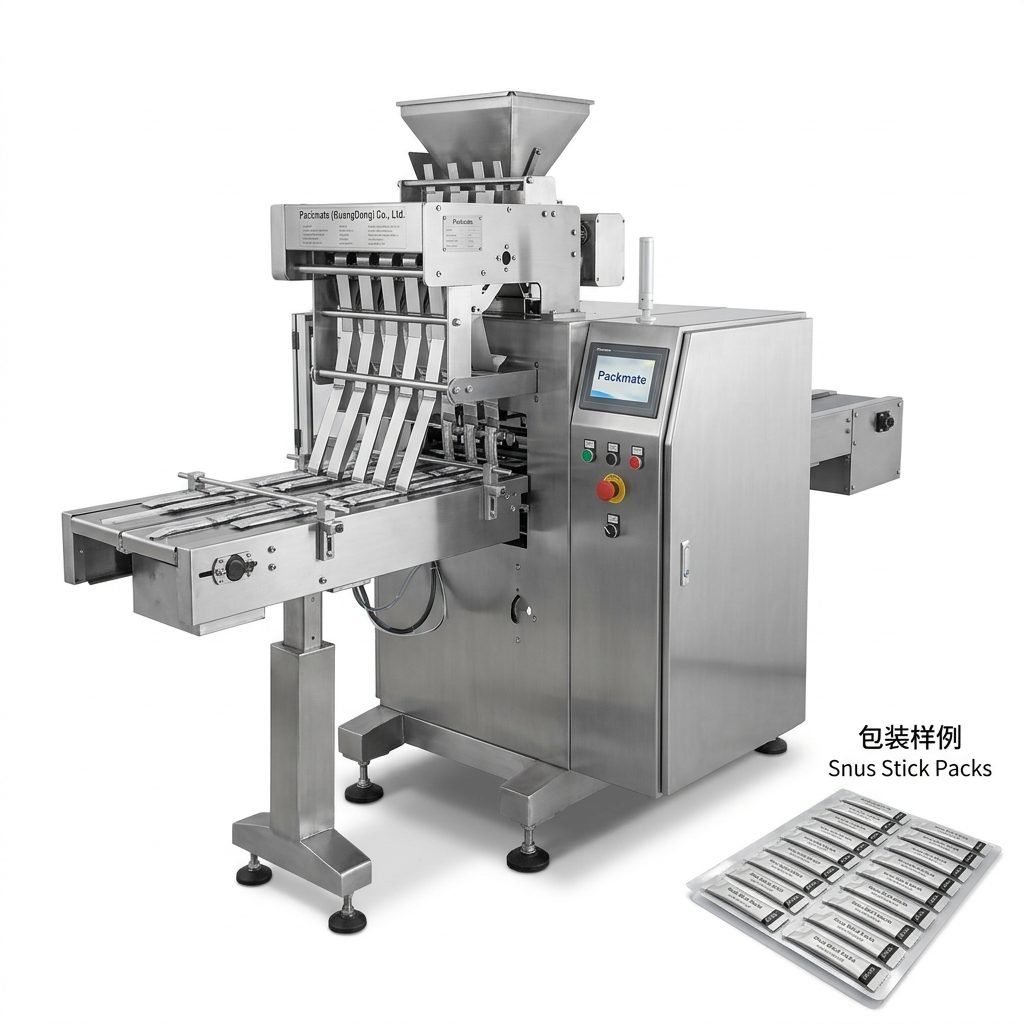
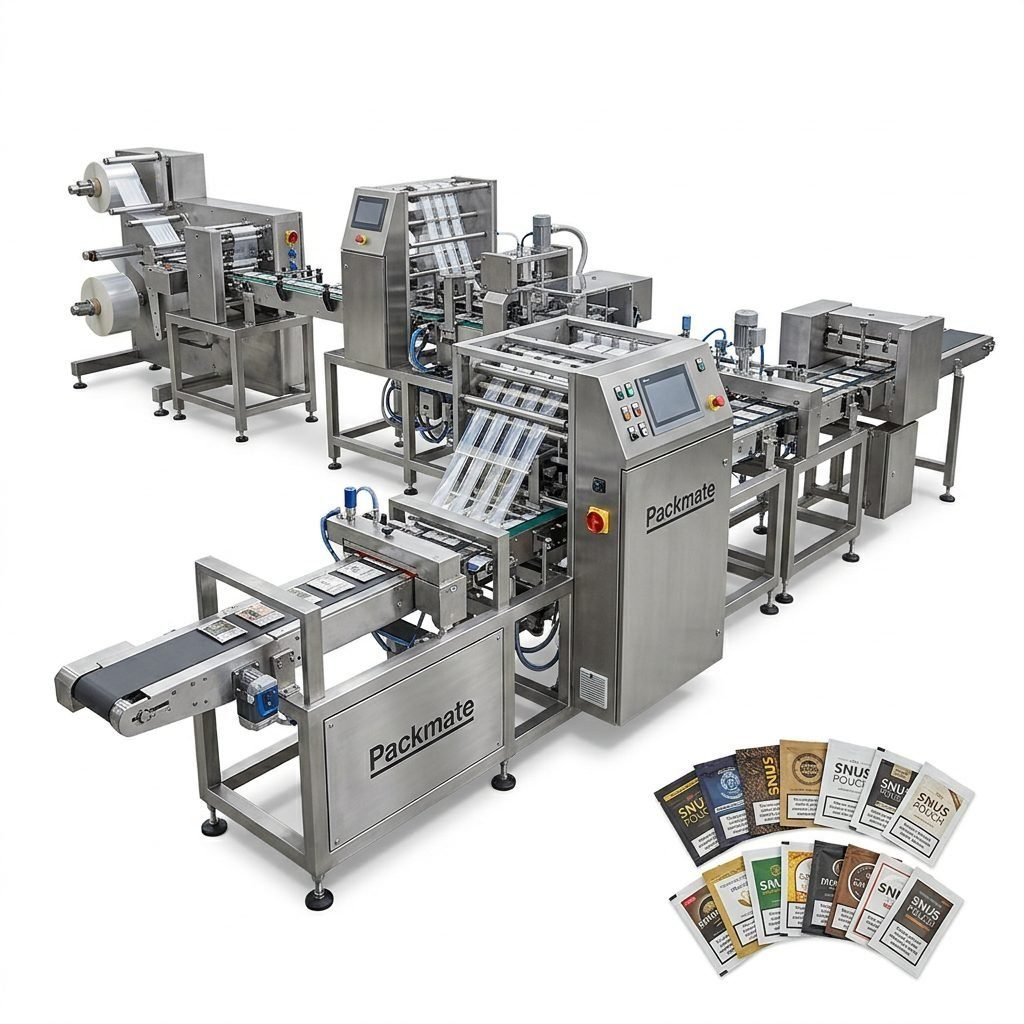
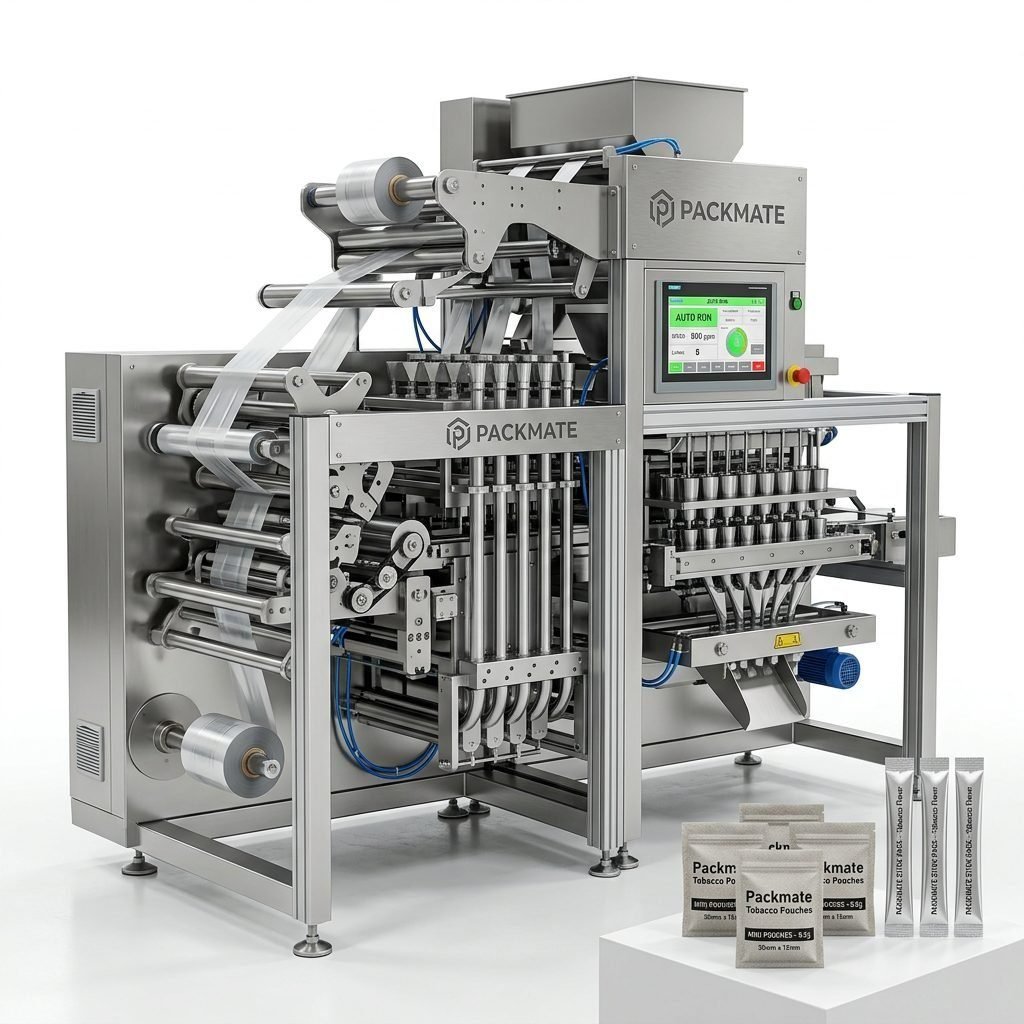
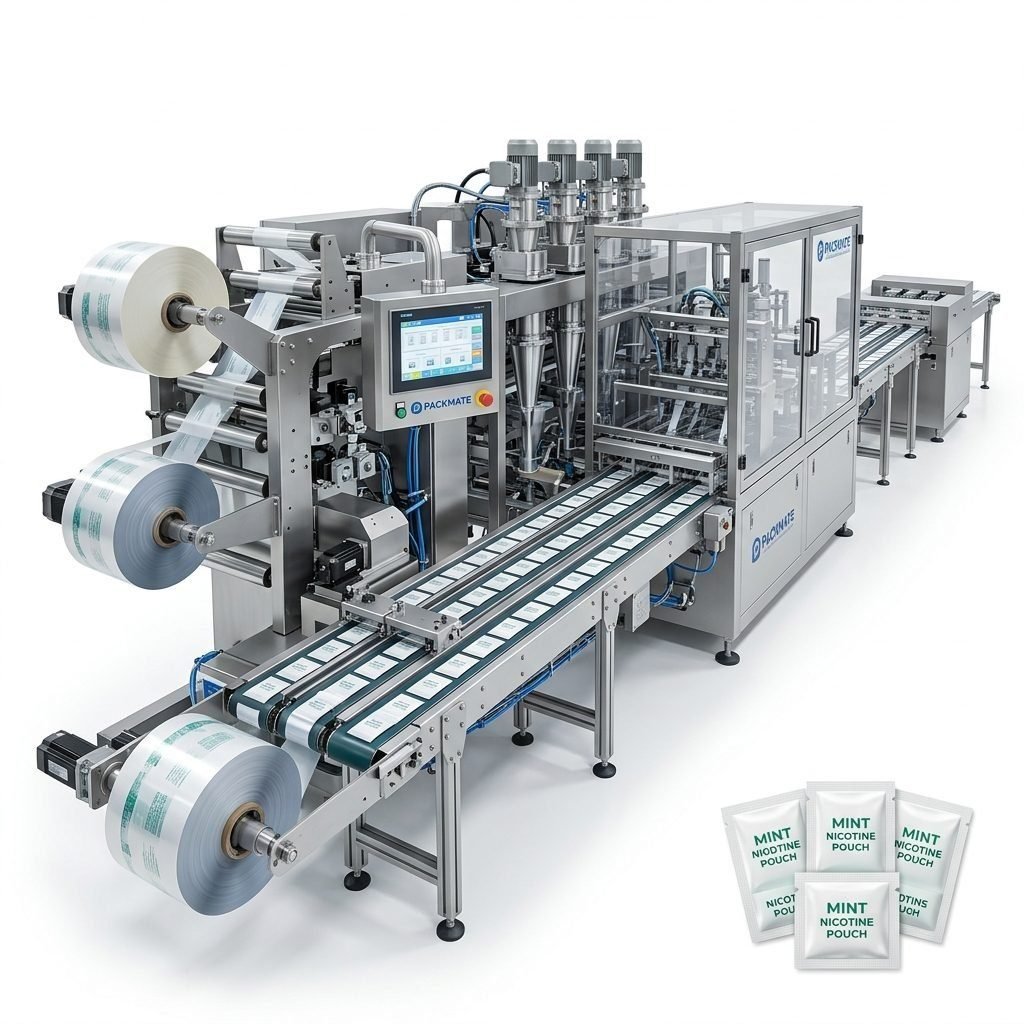
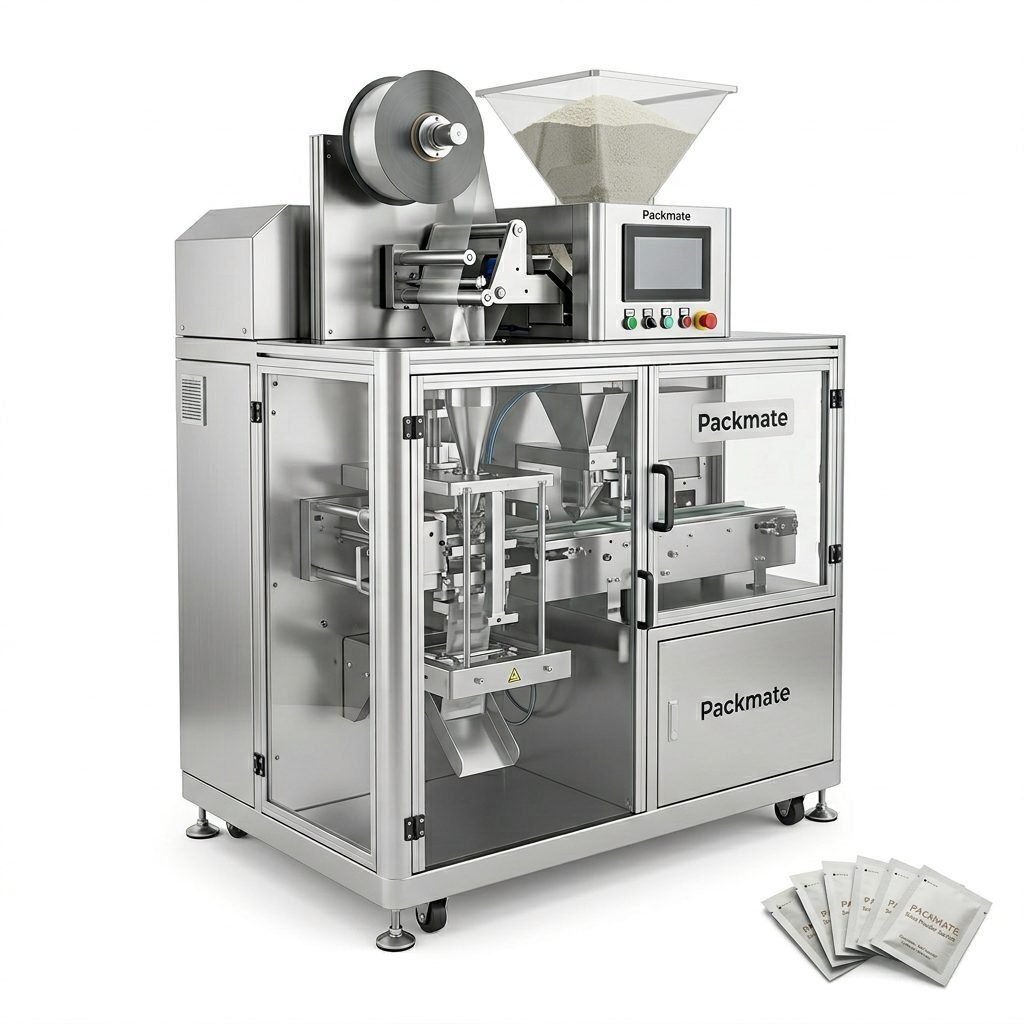
Entering the snus and nicotine pouch market in Sudan requires more than just a clear product concept — it demands the right packaging partner. Selecting a reliable snus packaging machinery manufacturer will determine your production stability, product consistency, and long-term profitability. This guide helps manufacturers, operations managers, and procurement teams evaluate suppliers and choose the best partner for your production needs.
Understand Your Production Requirements First
Before you reach out to suppliers, define the core parameters of your production:
🔍 Production scale: daily and monthly output targets (pouches per minute, lanes needed).
🧩 Product format: snus pouch size, material (paper/film/foil), moisture content and whether you need stick pack, sachet or multi-lane systems.
⚙️ Automation level: semi-automatic vs fully automated lines including upstream dosing and downstream packing/labeling.
Why Manufacturer Credentials Matter
Choosing a manufacturer with proven strength reduces risk. Look for companies with decades of engineering experience, robust factory facilities, and a portfolio of machines tailored for snus and nicotine pouches. A proven supplier can provide stable high-speed machines, durable components and a predictable delivery schedule.
Key Manufacturer Capabilities to Verify
Use the checklist below during pre-evaluation:
✓ Factory scale and equipment: CNC machining centers, precision assembly lines and QA testing labs are essential for consistent machine quality.
✓ Product line breadth: availability of snus & nicotine packaging machines, sachet & stick pack machines and auxiliary equipment simplifies line integration. (See product range: Snus & Nicotine Packaging Machines, Sachet & Stick Pack Machines.)
✓ Customization capability: ability to deliver multi-lane systems or small-dose solutions tailored to your pouch size and speed requirements.
✓ Certifications: CE, ISO and other compliance certificates that demonstrate international safety and quality standards.
Technical Specifications You Must Ask About
Request clear technical documentation and performance metrics for each candidate machine. Critical specs include:
Operating speed and yield — real-world pouch/min rates under your product conditions (not just theoretical max speed).
Lane configuration — single to multi-lane options; verify product uniformity across lanes.
Filling accuracy — dosing tolerances, especially for nicotine pouches where small dose variance can be critical.
Material compatibility — ability to handle different films, biodegradable options, laminates and paper wraps.
Integration features — upstream feeders, weighing systems, and downstream cartoning or tray packing compatibility (Weighing & Packaging Systems).
Evaluate Build Quality and Materials
Inspect component origin and materials: stainless steel frame, food-grade contact surfaces, and precision gears/servo motors. A manufacturer with advanced machining centers is more likely to deliver consistent tolerances and long-lasting equipment.
Service, Spare Parts and After-Sales Support
After-sales service is as important as initial cost. Consider:
🚚 Spare parts availability: does the supplier hold stock or guarantee fast delivery for wear parts?
🛠 Remote vs on-site support: response times for technical calls, availability of engineers for installation and commissioning in Sudan.
📚 Training and documentation: operator manuals, maintenance schedules and hands-on training for your team.
Turnkey Solutions—Why They Save Time
If you prefer a single supplier for the whole line, prioritize manufacturers that provide turnkey solutions including filling, pouch forming, multi-lane packaging and auxiliary units. Turnkey projects reduce integration headaches and align warranties and responsibilities under a single contract. See typical integrated offerings at Filling & Packaging Lines.
Factory Visit and Audit Checklist
A factory visit (or virtual tour) is the most reliable way to validate a supplier. Focus on:
Production flow and cleanliness — observe assembly lines and QA stations.
Testing procedures — acceptance tests and run-off reports for machines produced.
R&D and service teams — a robust technical team indicates ongoing engineering support and continuous improvements.
References and case studies — ask for client contacts and performance reports (example case references: Case).
Quality Assurance: What Acceptance Tests to Require
Specify acceptance criteria in the purchase contract:
• Run-off test: continuous operation for a set time at target speed using your product material.
• Dosing accuracy: statistical sampling to validate tolerances.
• Packaging integrity: seals, leak tests and labelling alignment checks.
Compliance, Certification and Market Regulations
Ensure the supplier’s equipment aligns with international and local regulations. Certifications such as CE and ISO indicate internationally recognized safety and quality systems. For export-oriented production, compliance with destination country regulations is critical.
Confirm electrical certifications, EMC compliance and machine safety interlocks for operator protection.
Logistics, Installation and Commissioning in Sudan
Don’t underestimate logistics complexity. Discuss shipping options, crating standards, customs support, and local installation assistance. A supplier experienced in international shipping can streamline customs clearance and reduce delays.
Cost vs ROI: Make a Data-Driven Choice
Price is important, but focus on total cost of ownership (TCO): initial cost, spare parts, energy consumption, yield losses, downtime frequency, and training costs. A slightly higher upfront price for a reliable, efficient machine often yields better ROI through reduced maintenance and higher uptime.
Negotiation Tips and Contract Clauses
Protect your investment through contract terms:
● Warranty scope and duration: clarify components covered and exclusion clauses.
● Acceptance criteria: include run-off and performance tests.
● Spare parts lead times: agreed delivery times for critical parts.
● Training and documentation: specify operator training hours and technical manuals in English and your local language if needed.
Why Packmate Snus Machine Is a Strong Candidate
With over 30 years of experience and a 20,000㎡ factory, Packmate Snus Machine specializes in snus and nicotine pouch packaging lines. They offer a wide range of machines (50+ models) and turnkey solutions including auxiliary equipment and weighing systems — making them a practical option for Sudanese producers seeking integrated, high-precision lines. Learn more about the company and services at About Packmate and their Service offerings.
How to Shortlist and Test Suppliers
Create a scoring matrix with weighted criteria: technical fit (30%), service & parts (25%), certifications & QA (15%), price & TCO (20%), and references (10%). Invite the top 2–3 suppliers for technical Q&A, request machine demos or video run-offs, and ask for client references that match your industry and scale.
Final Decision Checklist
• Production capability confirmed: machine speeds and lane counts validated.
• Quality assured: acceptance test criteria included in contract.
• After-sales plan: spare parts, training and remote support arranged.
• Logistics planned: shipping, customs and local commissioning clarified.
• Total cost assessed: TCO and ROI projections completed.
Next Steps for Procurement Teams
Prepare a Request for Quotation (RFQ) that includes your product specs, expected output, acceptance testing requirements and desired warranty terms. Share sample materials for run-off tests and schedule virtual demonstrations. Use the shortlisted supplier’s case studies and factory capabilities to finalize negotiations.
Useful Links and Resources
Explore product categories and company resources to support your supplier evaluation: Bag & Pouch Packaging Machines, Auxiliary Packaging Equipment, and the company exhibition & certificate pages for credibility checks (Our Exhibition, Certificate).
Conclusion
Selecting the best snus packaging machinery manufacturer for Sudan requires a balanced evaluation of technical fit, factory capability, after-sales support, and total cost of ownership. Prioritize suppliers that demonstrate industry experience, strong QA processes, turnkey integration capabilities and fast spare parts support. A methodical RFQ, factory audit and clear contract terms will protect your production goals and deliver reliable performance over the long term.
Frequently Asked Questions
Q1: What is the typical lead time for snus packaging machines?
A1: Lead times vary by model and customization level. Standard machines can take 8–12 weeks; multi-lane or turnkey lines may require 12–20 weeks including acceptance testing.
Q2: How do I validate machine performance before shipping?
A2: Require run-off tests using your actual materials and acceptance criteria written into the purchase agreement. Request video evidence and, if possible, an on-site test at the factory.
Q3: What spare parts should I keep in stock locally in Sudan?
A3: Keep critical wear parts on hand: sealing jaws, cutting knives, drive belts, sensors, and commonly replaced electrical components to minimize downtime.
Q4: Is remote commissioning reliable for complex lines?
A4: Remote commissioning can work for many adjustments, but initial installation and final run-off testing are best handled on-site by factory engineers or certified service partners.
Q5: How do I evaluate warranty and service packages?
A5: Compare warranty durations, covered components, response times for on-site support, spare parts guarantees, and training hours. Prioritize suppliers that offer clear SLAs and local service presence or rapid dispatch options.