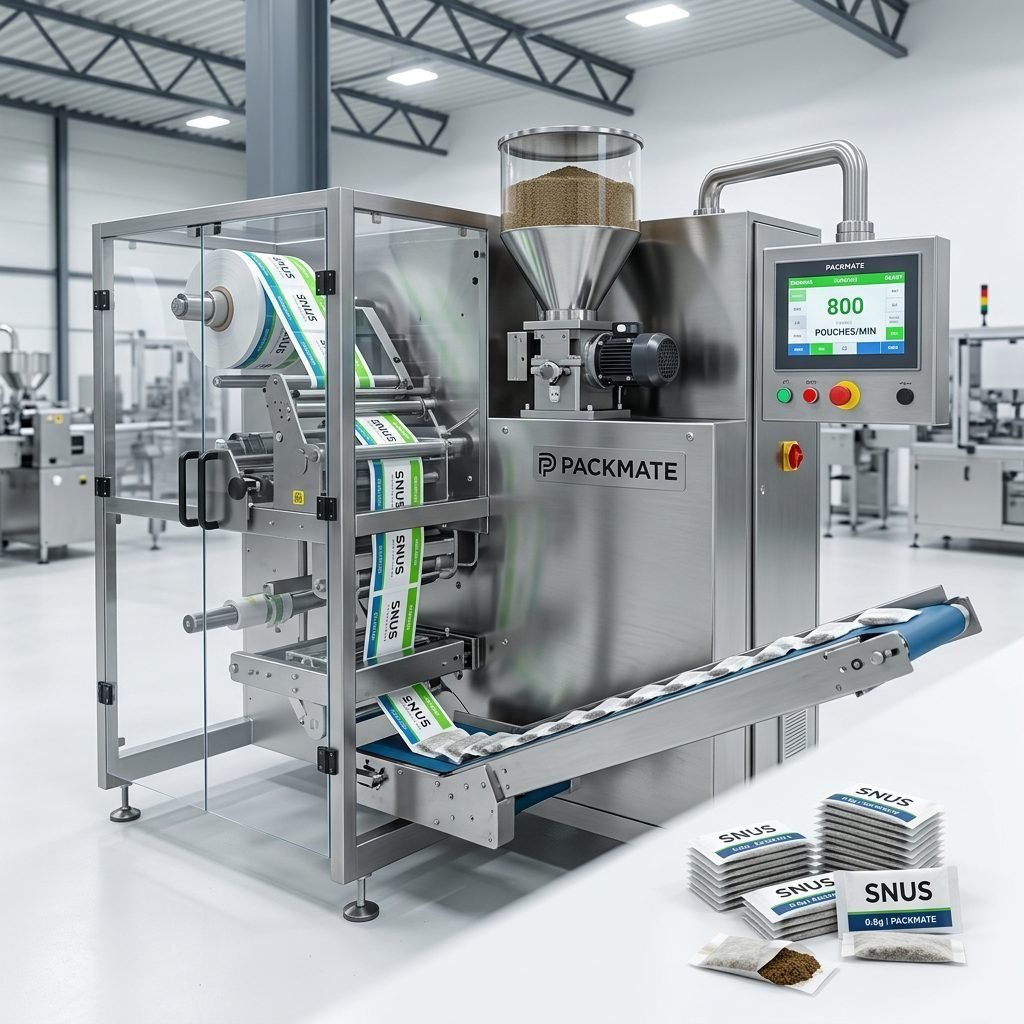
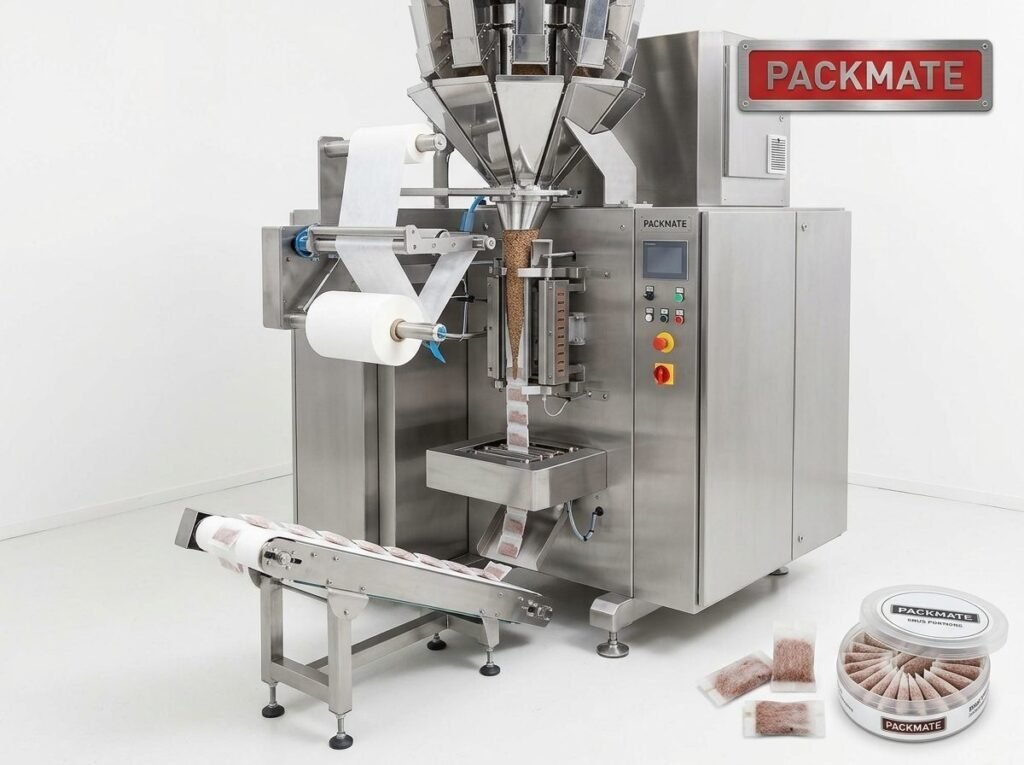
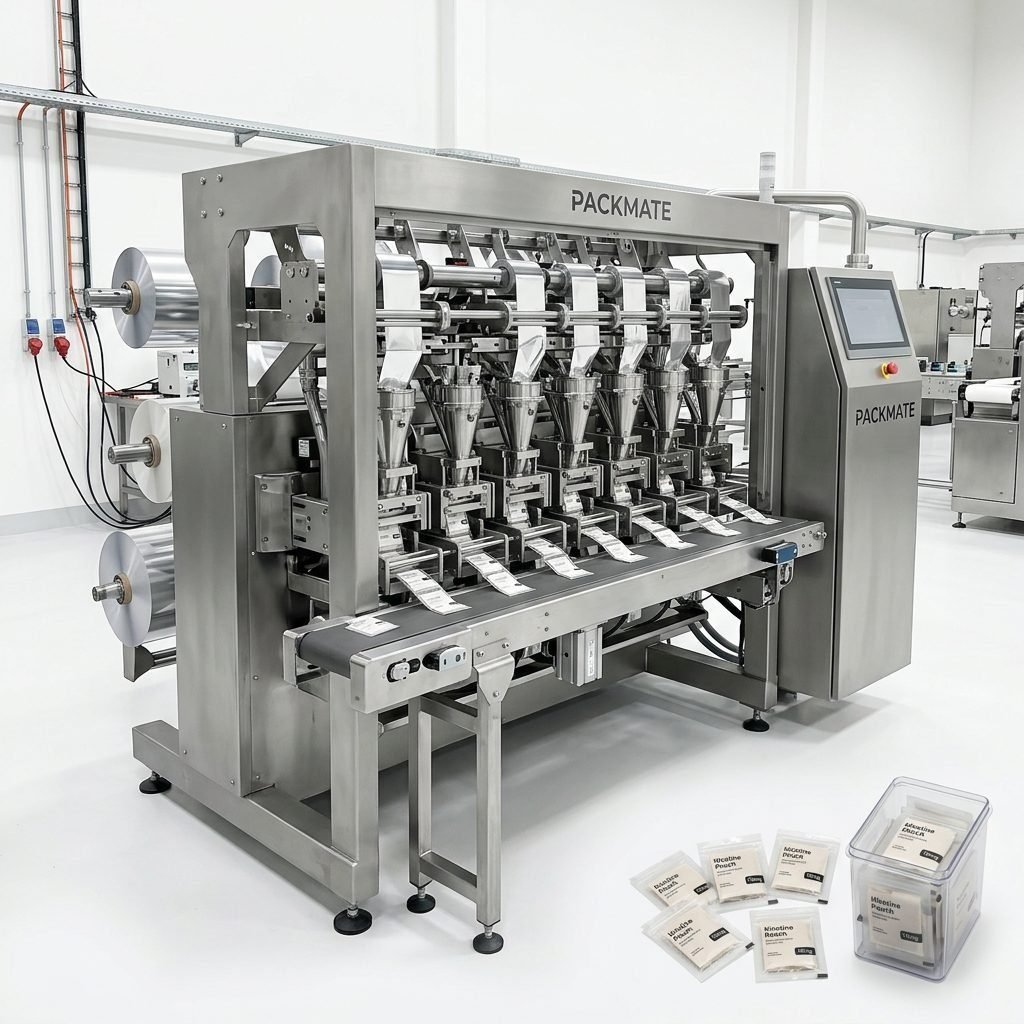
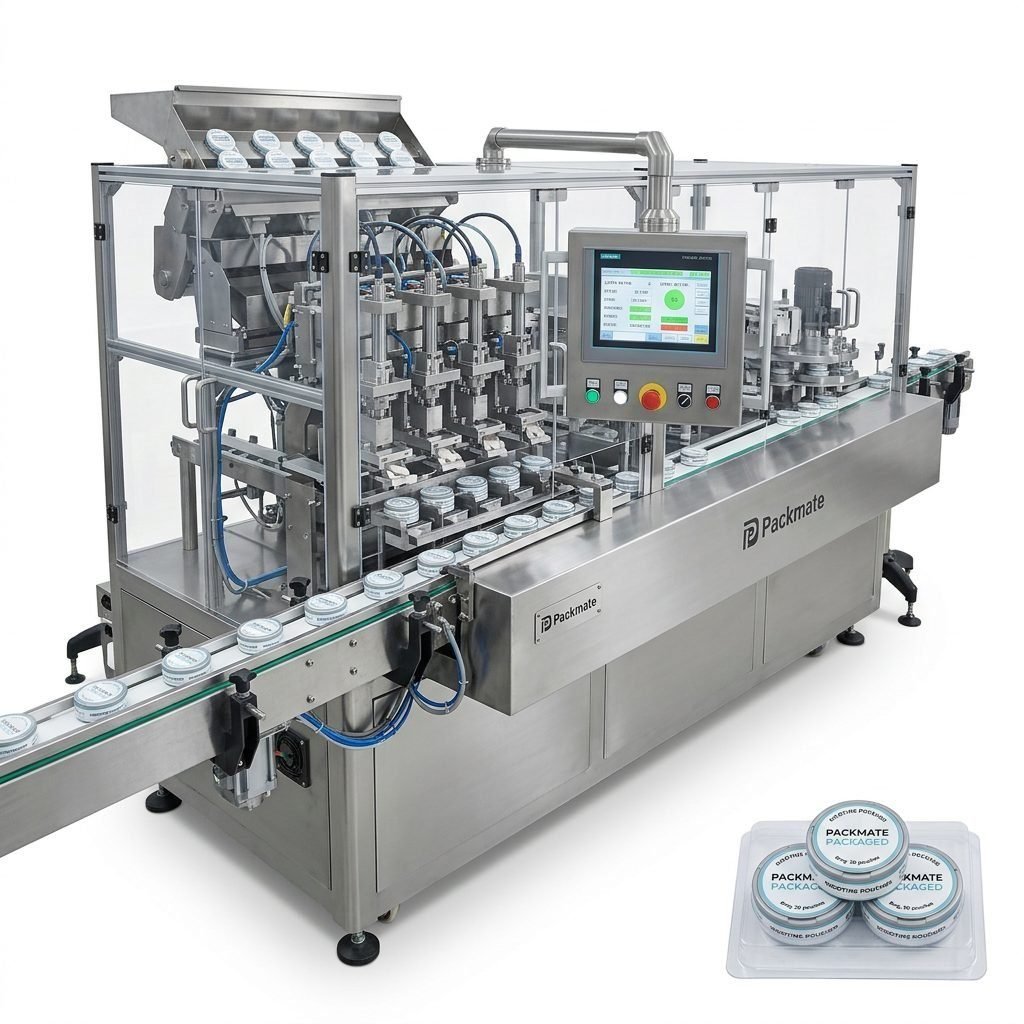
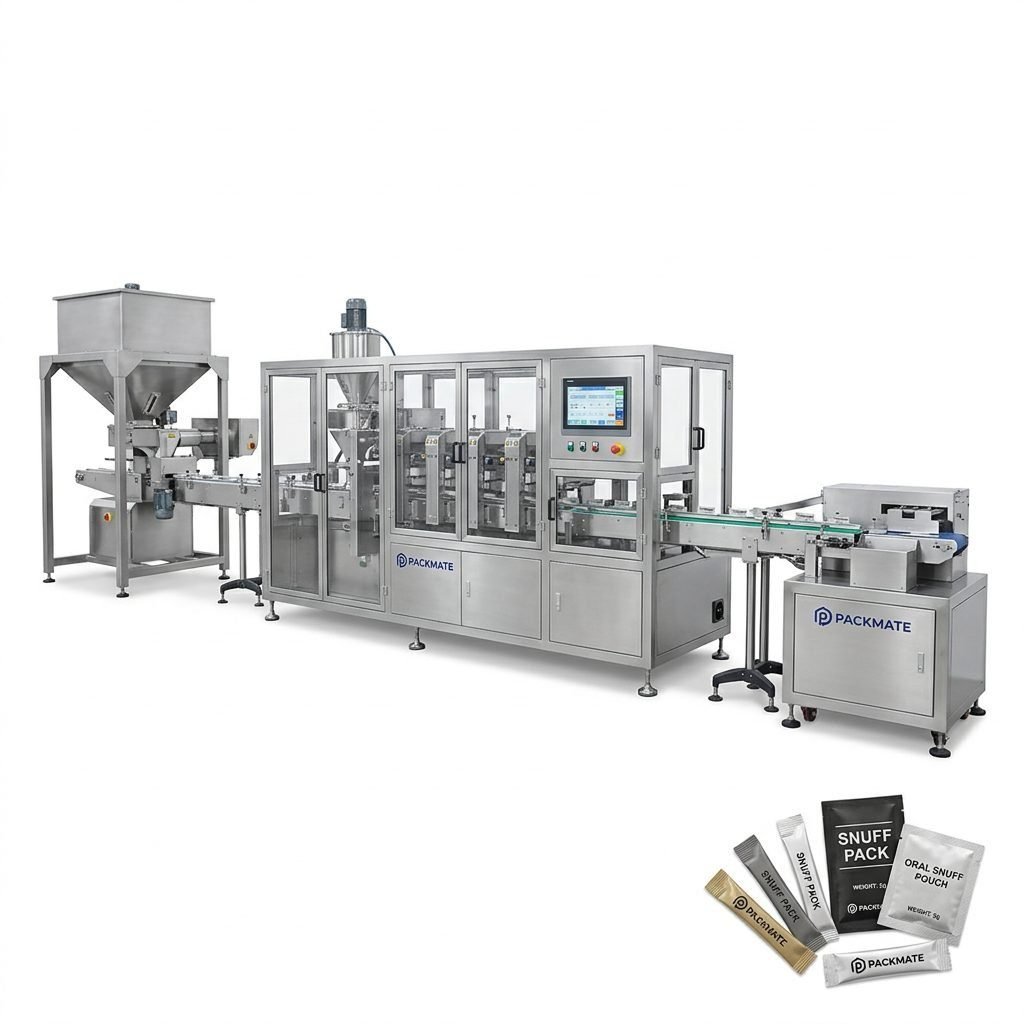
Choosing the right snus packaging machine manufacturer in Brunei is a strategic decision that affects product quality, regulatory compliance, production efficiency, and long-term business growth. In this guide you’ll learn how to evaluate manufacturers, what technical and commercial factors matter most, and how to spot a vendor that can deliver reliable snus and nicotine pouch packaging lines tailored to your needs.
Why the Manufacturer Choice Matters
A packaging machine is more than a piece of equipment — it is the backbone of daily operations. Choosing the wrong supplier can mean frequent downtime, inconsistent pouch fill weights, regulatory headaches, or poor after-sales support. Conversely, selecting a proven manufacturer ensures stable production, lower cost-per-unit over time, and fast adaptation when product formats or regulations change. Look for partners with demonstrated experience in snus and nicotine pouch packaging, full-line capabilities, and a track record of service excellence.
Key Evaluation Criteria
Technical capability: Does the manufacturer build machines specifically for snus, nicotine pouches, and small dose multi-lane production? Machines designed for tobacco alternatives require high-precision dosing, robust sealing, and hygienic design.
Range of solutions: Can they deliver stick packs, sachets, multi-lane pouch machines, and full turnkey lines including weighing and filling? A broad portfolio reduces integration risk and simplifies spare parts logistics.
1. Product & Machine Types
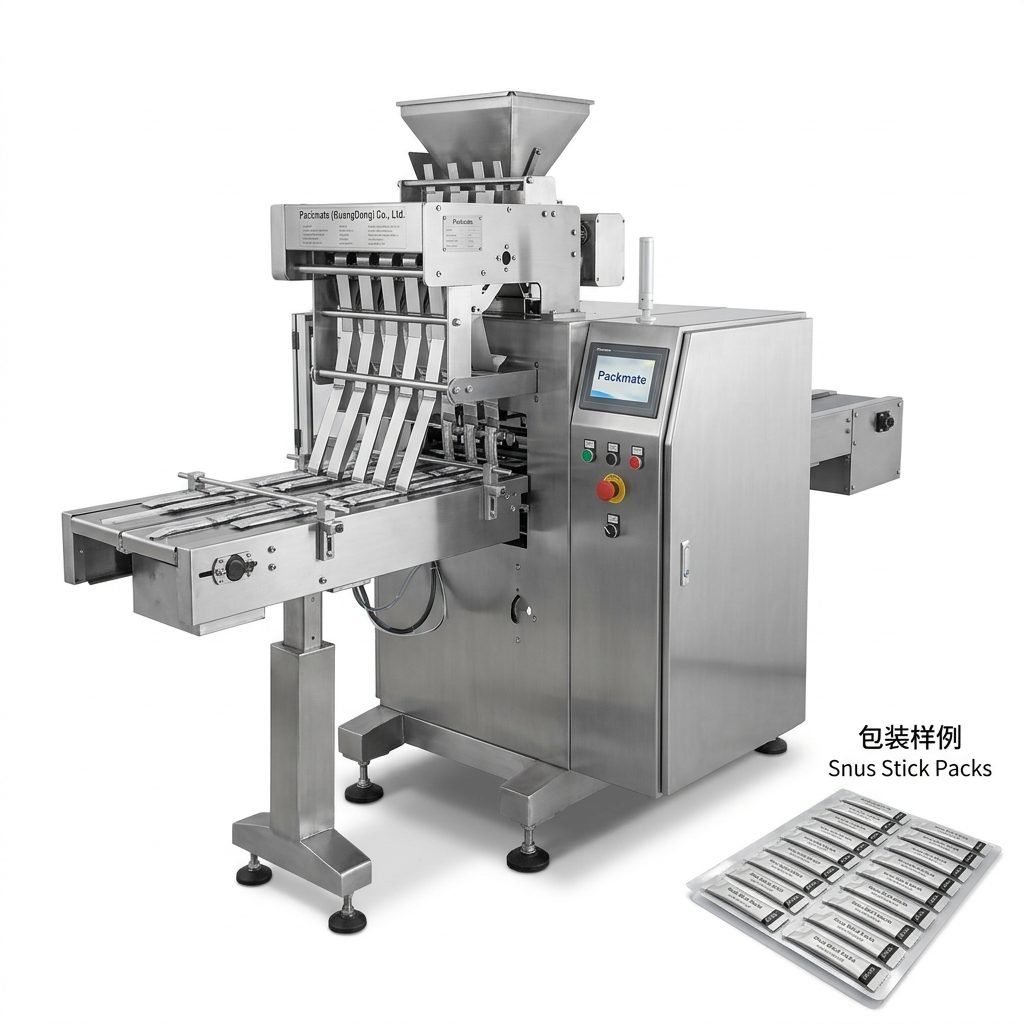
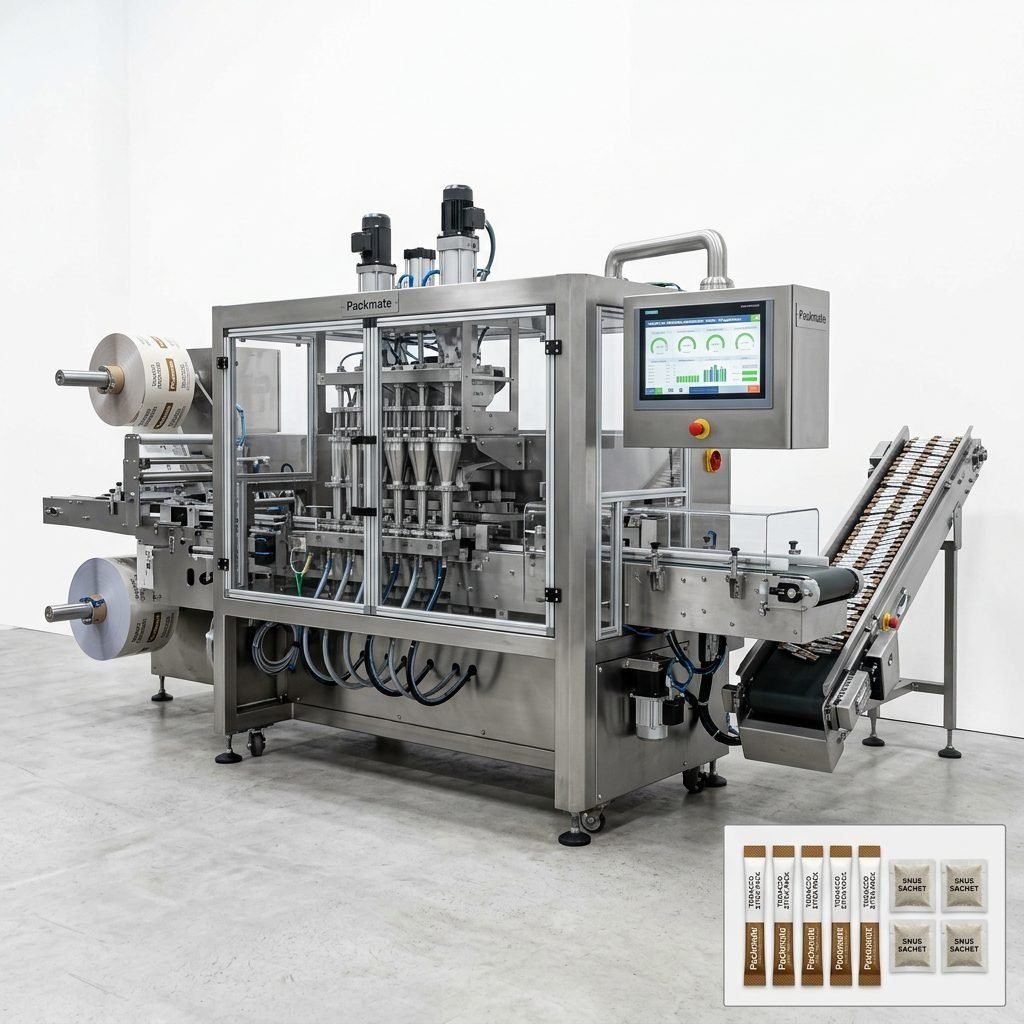
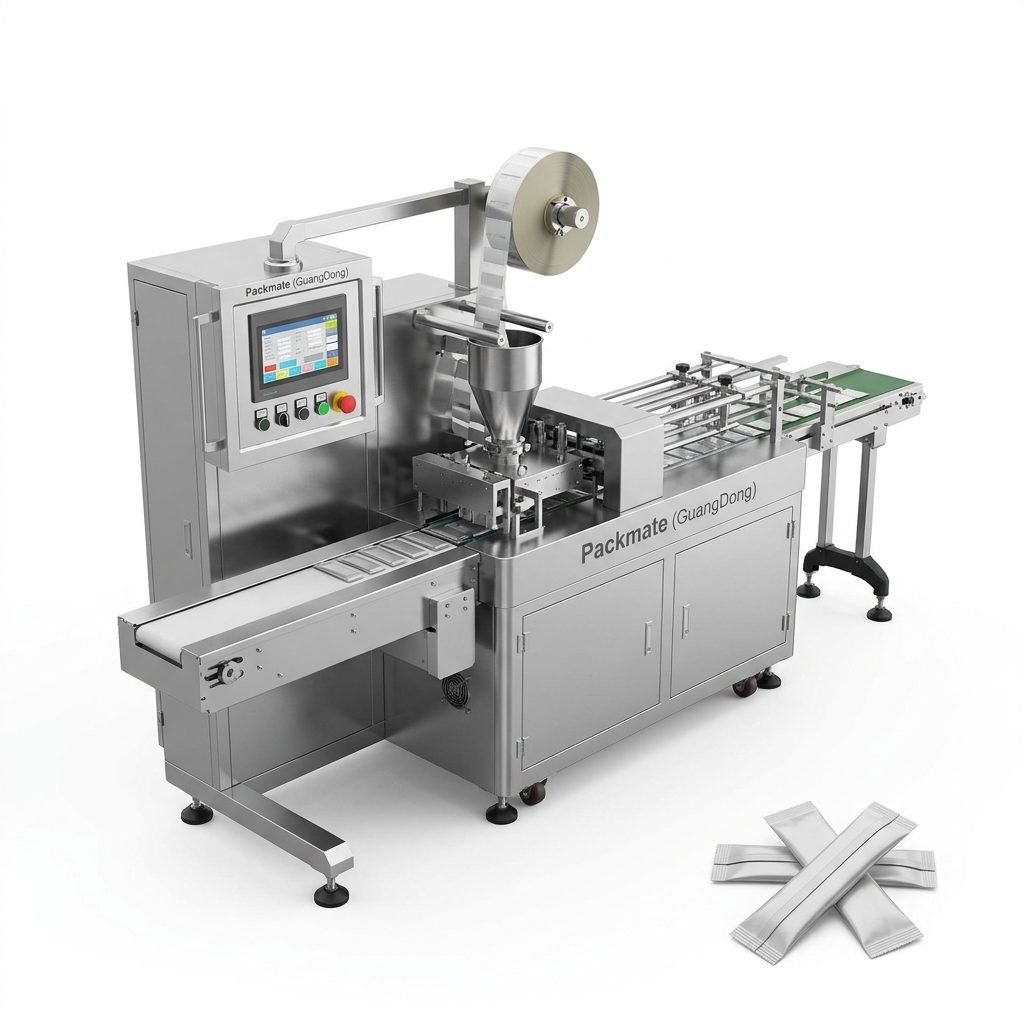
Ensure the vendor offers machines that match your formats: single-lane sachets, multi-lane nicotine pouch machines, stick packs, or customized pouches. Manufacturers with 50+ models or modular platforms can adapt to different widths, pouch shapes, and dose sizes. If you need more detail or example machine families, check product lines such as
Snus & Nicotine Packaging Machines
and
Sachet & Stick Pack Machines.
2. Manufacturing Strength & Capacity
A factory with advanced CNC machining centers, precision assembly lines, and a large production area (for example a 20,000㎡ facility) signals an ability to deliver complex machinery at scale and with consistent quality. Ask about lead times, backlog, and how spare parts are stocked to avoid long interruptions.
3. Quality, Testing & Certifications
Verify CE, ISO, and other relevant certifications to ensure machines meet safety and international standards. Insist on factory acceptance tests (FAT), performance records for similar installations, and documented quality control procedures. A certified machine reduces risk during customs clearance and local approvals.
Commercial & Support Considerations
Commercial terms are as important as technical specifications. Evaluate warranty coverage, spare parts availability, training, remote support, and installation services. A supplier providing long-term service contracts and local partner networks will help maintain uptime and optimize OEE (Overall Equipment Effectiveness).
Support highlights to request:
FAT videos, operation manuals in English, spare parts kits, remote troubleshooting tools, and optional on-site commissioning.
4. After-Sales Service & Training
Comprehensive training for operators and maintenance staff reduces human error and shortens ramp-up time. Ask whether training is provided at the factory, on site, or via remote sessions. Confirm how quickly spare parts can be shipped to Brunei and whether local distributors stock critical items.
5. Customization & Turnkey Solutions
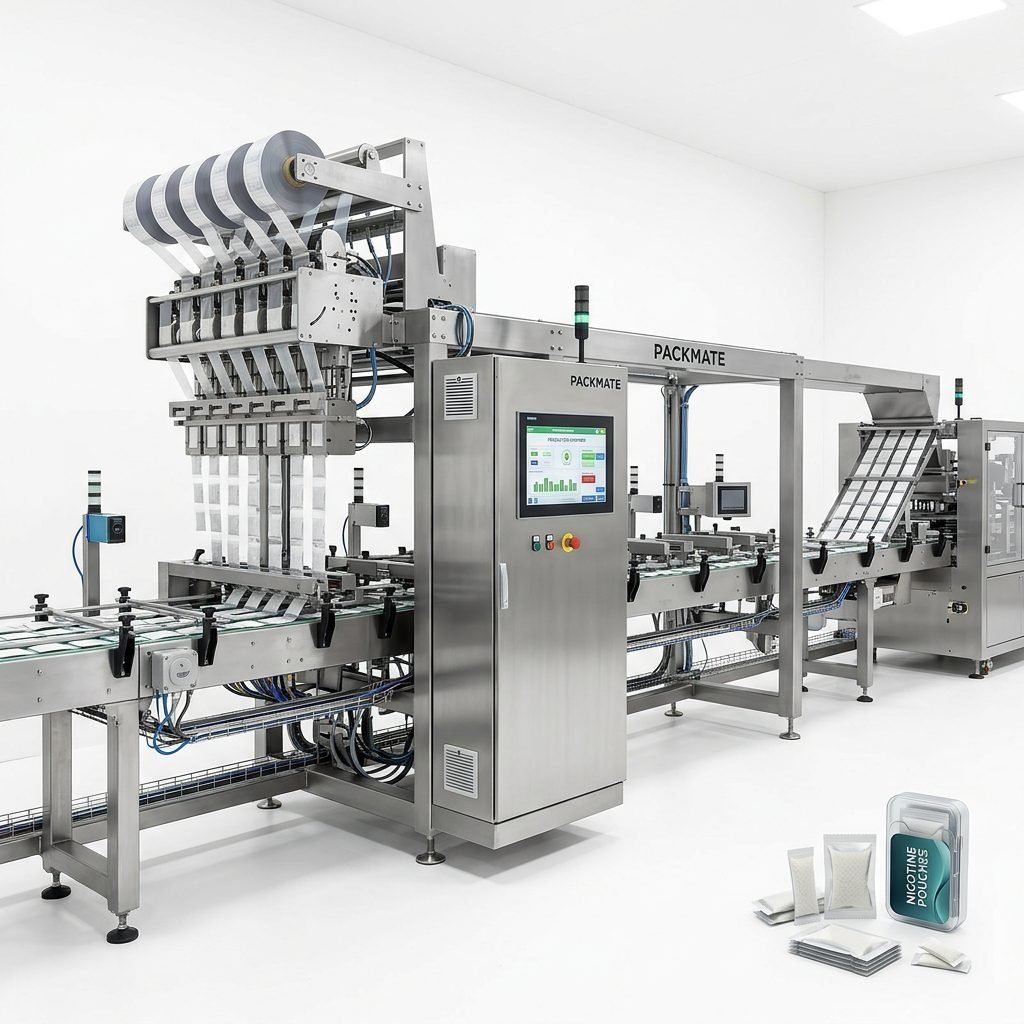
If you plan to develop multiple SKUs or unique pouch formats, choose a manufacturer that offers customization and full integration services—filling, feeding, weighing, packaging, and secondary packing. Companies offering turnkey packaging lines simplify procurement and reduce compatibility risks; review examples under their turnkey and filling solutions such as
Filling & Packaging Lines
and
Weighing & Packaging Systems.
Operational Criteria: Precision, Hygiene & Throughput
For snus and nicotine pouches, pay attention to dosing accuracy, sealing reliability, and hygienic machine surfaces. Multi-lane systems must ensure even distribution and identical pouch weight across lanes. Throughput should match your target production volumes while leaving headroom for growth.
Precision indicators: weight deviation per pouch, sealing strength, pouch appearance defect rate, and lane-to-lane consistency.
Hygiene features: stainless contact parts, easy-to-clean design, and minimal crevices where product can accumulate.
6. Material Compatibility
Verify that the machine supports the films and laminates you intend to use (barrier films, heat-seal layers, biodegradable options). Compatibility with common roll widths, reel diameters, and sealing temperatures prevents costly modifications later.
Commercial Terms, Pricing & ROI
Price is important but should be judged against total lifecycle cost. Consider energy consumption, spare parts pricing, mean time between failures (MTBF), and depreciation. A slightly higher upfront investment for a robust European-standard machine with good support can yield lower unit costs and less unplanned downtime.
7. Warranty & Spare Parts Policy
Confirm warranty length and what it covers. Ensure critical spare parts are identified and ask for an initial spare parts package. Manufacturers with global distribution or regional service centers reduce logistics lead times.
8. Delivery, Installation & Commissioning
Clarify delivery lead times, transportation responsibilities, and whether installation and commissioning are included. On-site commissioning should cover machine validation, operator training, and trial runs with your actual product.
How to Verify Manufacturer Credibility
Check references, visit the factory if possible, and request case studies. A credible supplier will show recent installations, provide video of machine operation, and share customer contact details for references. Explore their exhibition presence and certificates for additional confidence — many reliable manufacturers list these on pages such as
Case,
Our Exhibition, and
Certificate.
🔍 Factory visit checklist: machining centers & assembly lines, QA lab, FAT records, and a sample run on your product or a close analogue.
Questions to Ask During Manufacturer Evaluation
Use a fixed checklist when communicating with manufacturers. Ask for documented performance metrics, spare parts lead times, local service coverage, and references in nearby regions. Also request detailed technical drawings, electrical schematics, and software interface information for integration with your plant.
Sample checklist items
– Can the machine run at your target throughput with your pouch specifications?
– What are standard tolerances for pouch weight and fill accuracy?
– How are software updates and PLC backups handled?
– What remote diagnostic capabilities are available?
– Can they provide a turnkey solution including weighing, feeding, and secondary packing?
Real-World Considerations for Brunei Buyers
For businesses operating in Brunei, consider import duties, local regulatory requirements for nicotine products, and the availability of qualified technicians. A manufacturer that provides full documentation and can assist with customs paperwork, compliance advice, and remote commissioning will help shorten the path to production.
If you need direct consultation or want to explore equipment options, many manufacturers publish detailed product catalogs and service pages. For example, review their comprehensive equipment families on
Bag & Pouch Packaging Machines
and the auxiliary solutions such as
Auxiliary Packaging Equipment.
How to Negotiate & Secure a Good Deal
When negotiating, clarify deliverables in writing: machine specifications, acceptance criteria, warranty terms, spare parts lists, and training scope. Request a project timeline and milestones tied to payments. A supplier willing to sign performance-based terms demonstrates confidence in equipment reliability.
🤝 Negotiation tips: link final payment to successful FAT, secure spare parts lead time guarantees, and include a clear escalation path for technical issues.
Making the Final Decision
Combine technical scoring (precision, speed, hygiene), commercial terms (warranty, spare parts), and proof of performance (case studies, FAT videos) to rank shortlisted suppliers. Choose the manufacturer that offers the best balance of long-term reliability, local support readiness, and lifecycle cost rather than simply the lowest purchase price.
A quick action checklist
1) Request machine demos or FAT recordings
2) Compare technical guarantees and MTBF data
3) Confirm spare parts policy and delivery times
4) Validate references and recent installations
5) Secure documentation for customs and compliance
Where to Find Trusted Suppliers & Next Steps
Survey suppliers that specialize in snus and nicotine pouch lines. Check manufacturer About pages and contact pages for local sales representatives; many vendors maintain an About page and contact access such as
About Packmate
and
Contact Us.
Request comprehensive proposals with timelines, acceptance testing plans, and a list of included spare parts.
📦 Tip: Ask for an initial parts kit and remote training package as part of your order to accelerate commissioning.
Final Thoughts
Selecting the best snus packaging machine manufacturer in Brunei involves technical vetting, commercial diligence, and practical checks like factory visits and FATs. Prioritize suppliers with strong manufacturing capabilities, proven snus experience, global certifications, and robust after-sales support. A partner that offers turnkey solutions and clear documentation will help you reduce time-to-market and maintain consistent product quality.
If you want further information
For more detailed product information or examples of turnkey installations, explore related product families and services from established vendors:
Filling & Packaging Lines,
Auxiliary Packaging Equipment,
and the manufacturer’s service pages to clarify post-sale support.
Frequently Asked Questions
Q1: How do I know if a machine is suitable for nicotine pouches rather than general powders?
A1: Look for high-precision dosing systems designed for low-dose, multi-lane pouching, hygienic contact parts, and successful installations in snus/nicotine lines. Ask for case studies and FAT results.
Q2: What support should I expect after purchase?
A2: Expect warranty coverage, spare parts availability, remote diagnostics, optional on-site commissioning, and operator training. Confirm response times and spare parts shipping policies.
Q3: Are turnkey lines better than buying individual machines?
A3: Turnkey lines reduce integration risk and ensure compatibility across filling, weighing, and packaging. They can speed up commissioning but may have a larger initial cost. Evaluate total cost of ownership.
Q4: How important are certifications like CE and ISO?
A4: Certifications show conformity to international safety and quality standards, easing compliance and customs clearance. They also reflect disciplined manufacturing and quality control processes.
Q5: What is a recommended next step if I want quotations?
A5: Prepare a concise specification sheet: pouch type, sizes, target throughput, product characteristics, film materials, and site utilities. Send this to shortlisted manufacturers and request FAT, parts lists, and lead times.