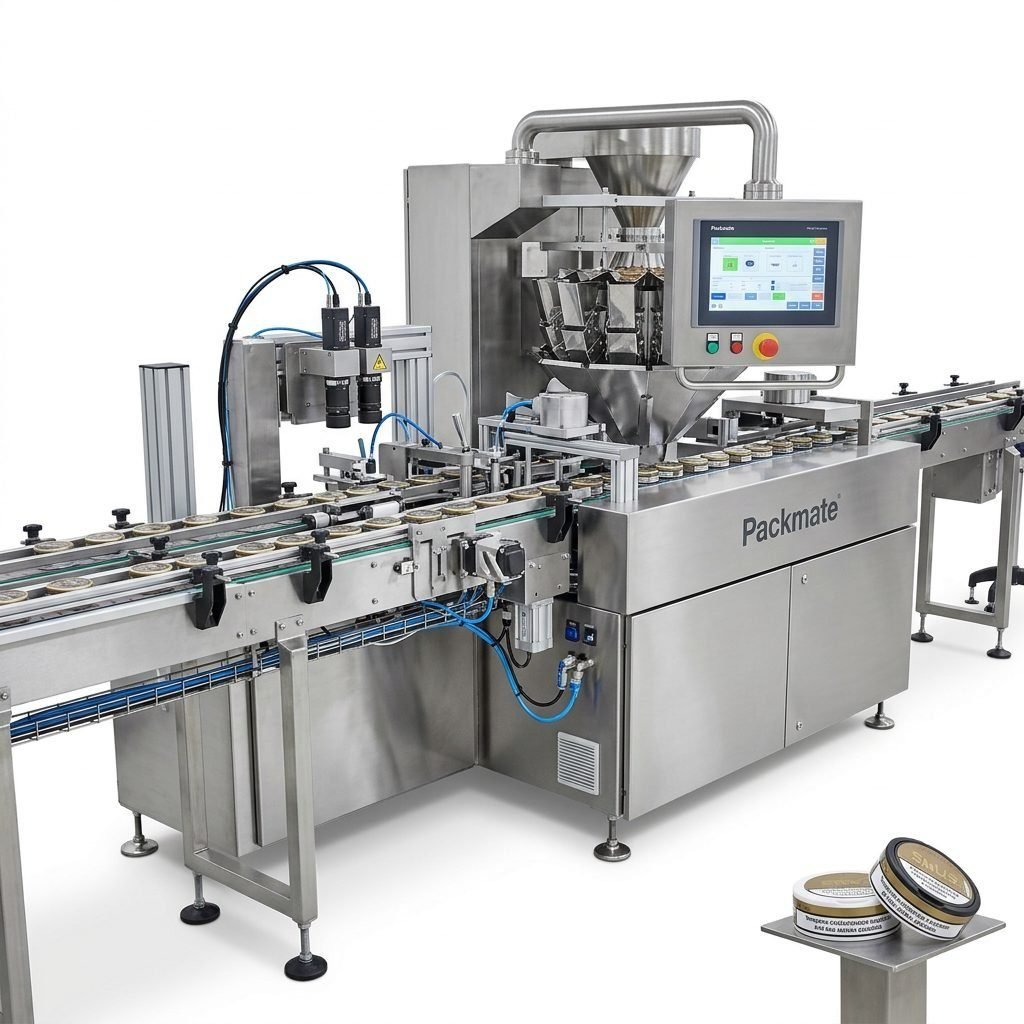
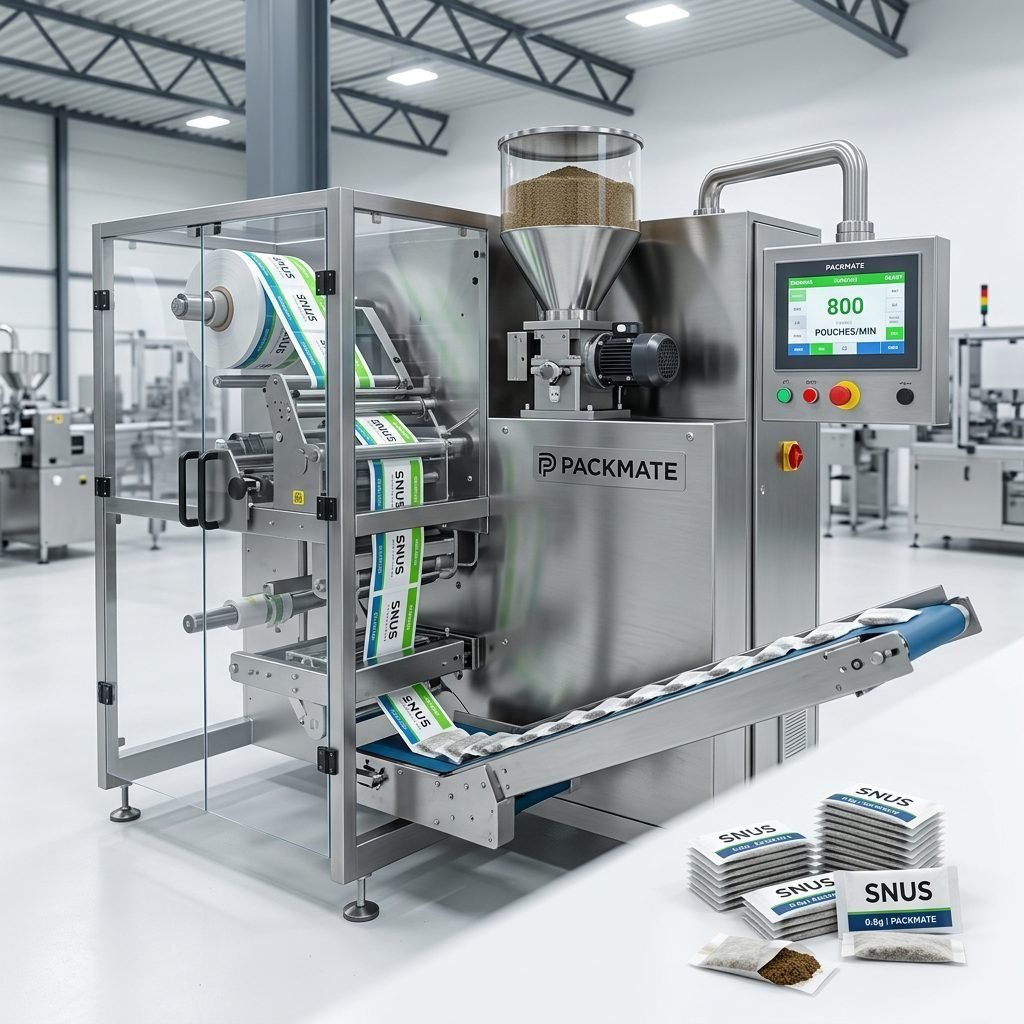
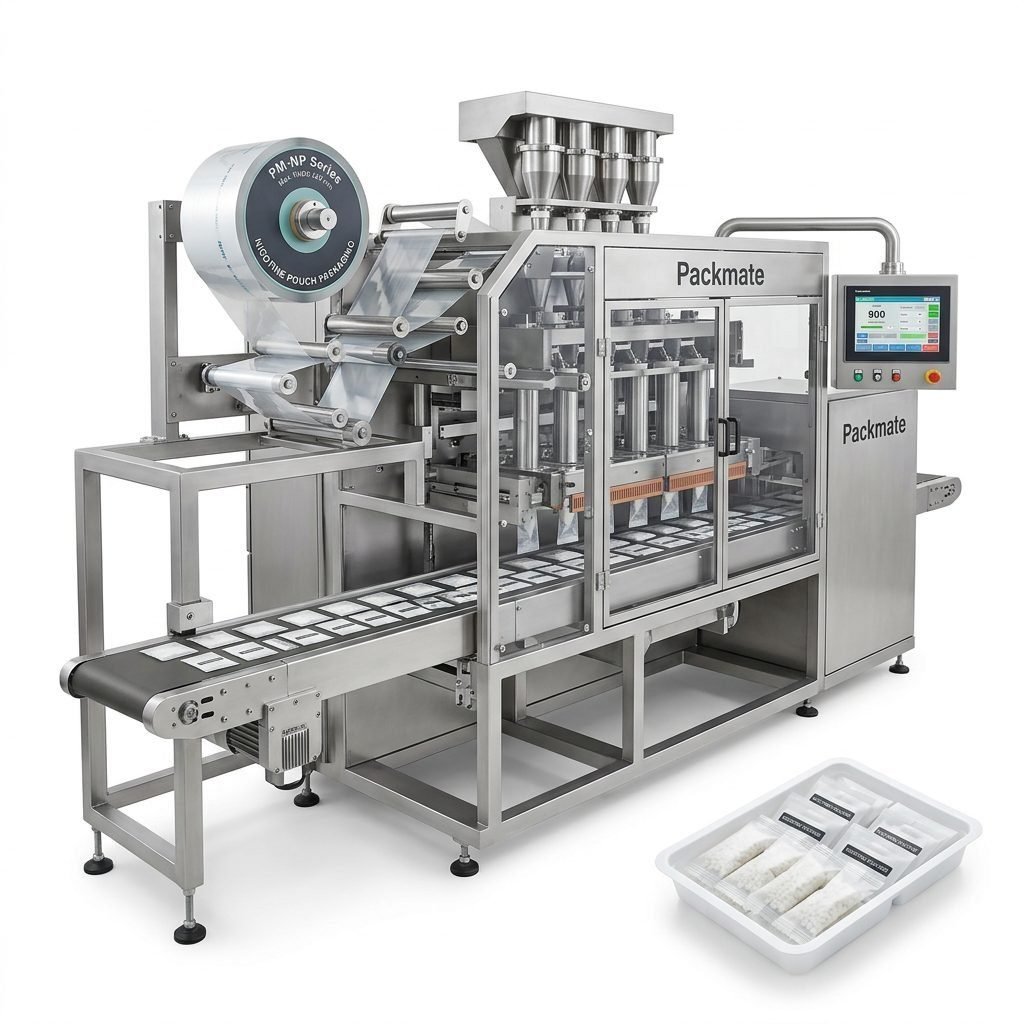
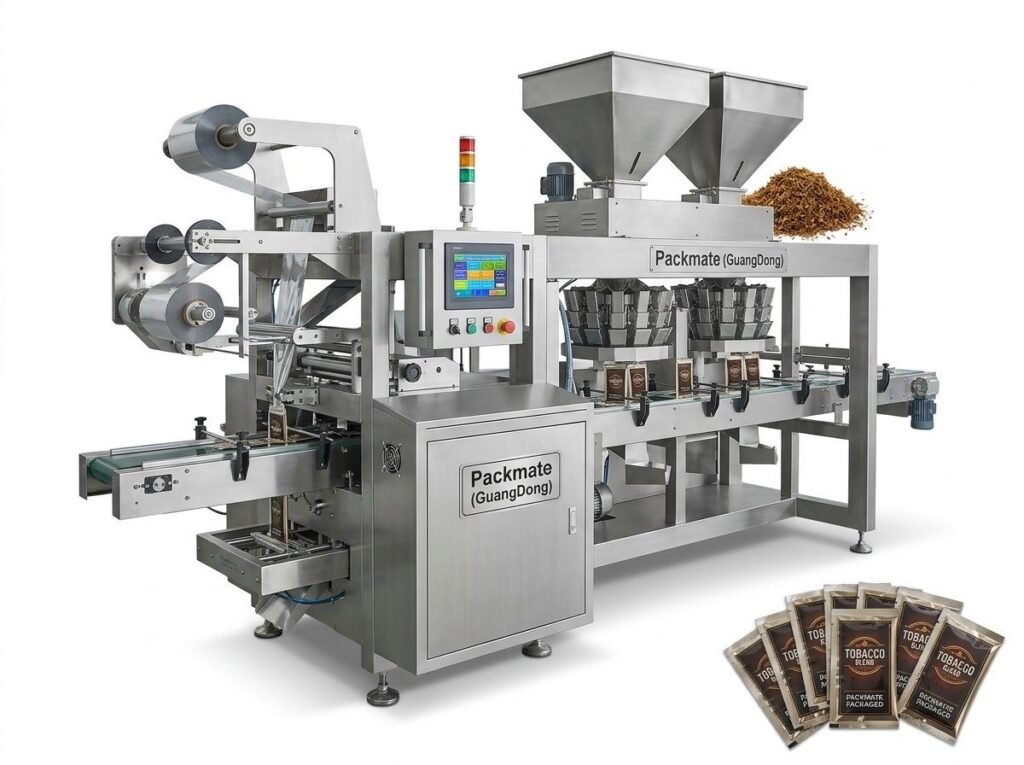
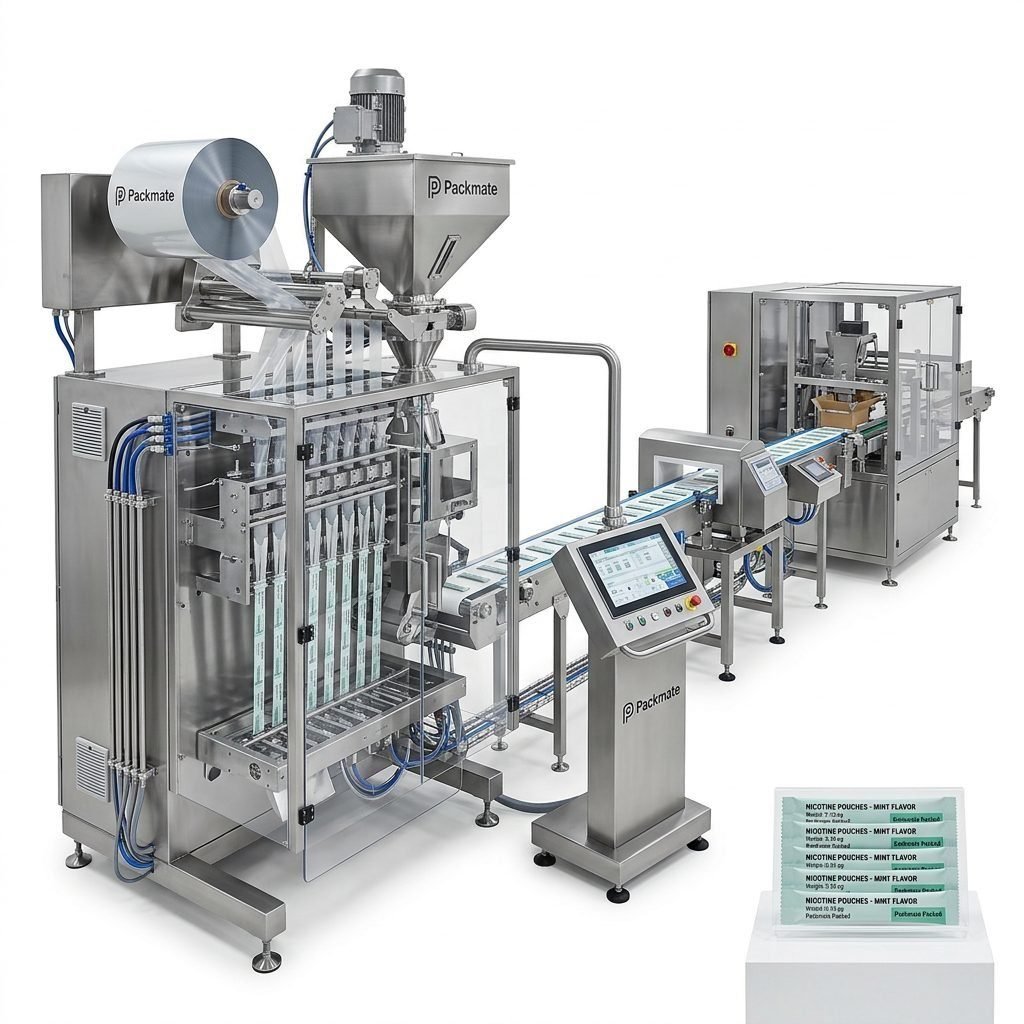
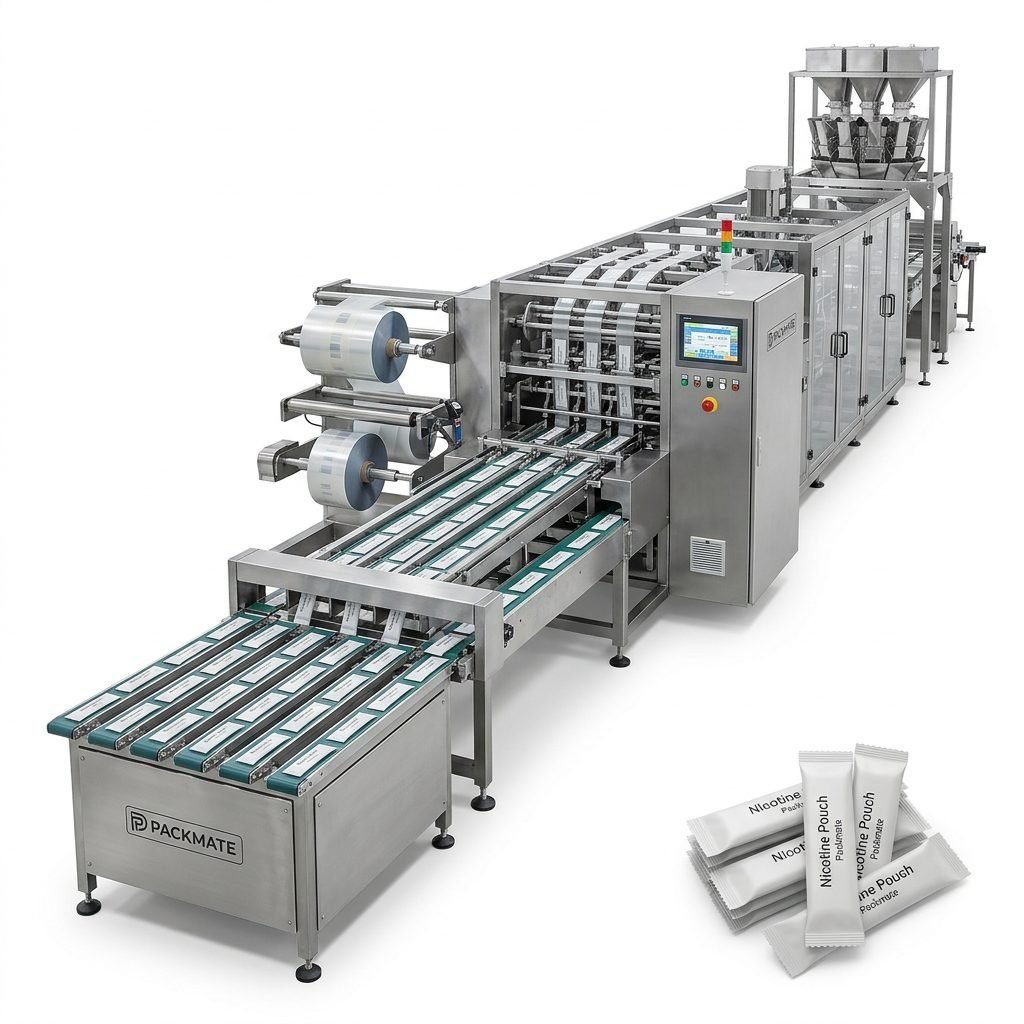
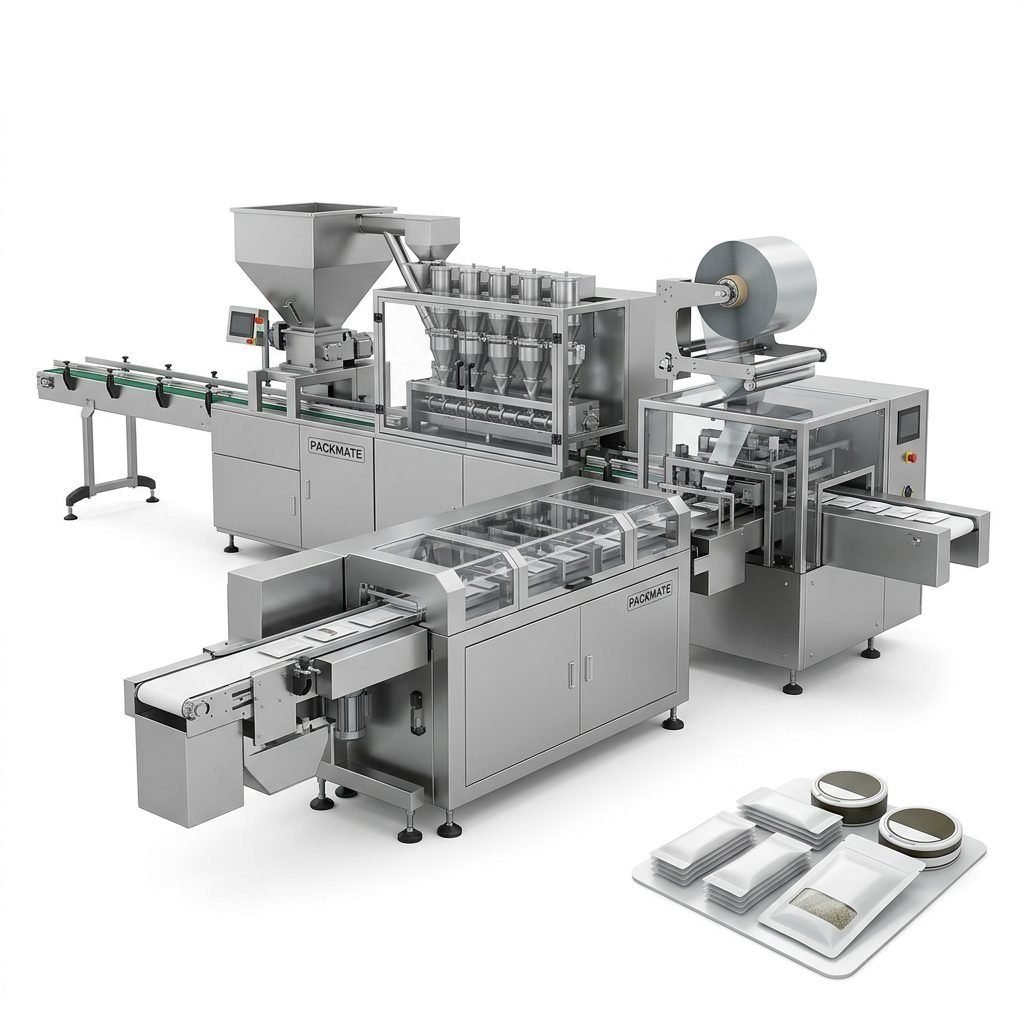
Entering the snus and nicotine pouch market in Nicaragua requires more than a good product — it requires the right packaging equipment. Choosing a snus packaging machine that fits your production goals, quality standards, and regulatory requirements will determine your line efficiency and long-term profitability. This guide walks you through everything Nicaraguan manufacturers and importers should consider when selecting the best snus packaging machine.
Market Context in Nicaragua: Why the Right Machine Matters
Nicaragua’s tobacco and nicotine market is evolving quickly. Small-batch artisanal producers and growing exporters both need flexible packaging lines. A machine that delivers consistent pouch quality, reliable dosing, and compliance with international standards can open export opportunities and reduce waste. Prioritize equipment that balances precision, speed, and adaptability.
Key considerations for Nicaraguan buyers
Look for machines that offer scalable output, robust local support, and the ability to meet export quality requirements such as CE/ISO compliance. For specialized lines and multi-lane output, established manufacturers with global turnkey experience are preferred.
Types of Snus Packaging Machines and When to Use Them
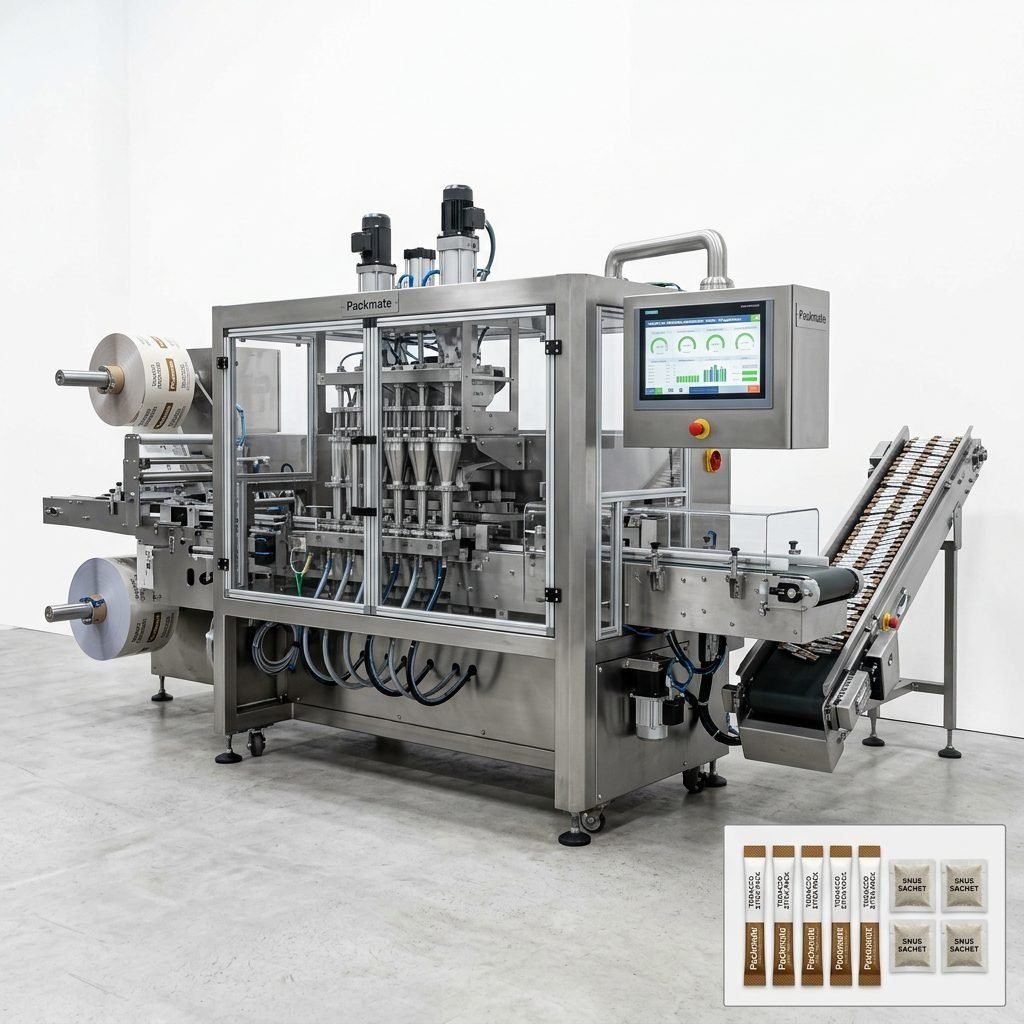
Packaging formats for snus and nicotine pouches include stick packs, sachets, and small-dose pouches produced on multi-lane systems. Each format has advantages depending on product presentation, shelf life, and filling characteristics.
✔️ Stick Pack Machines — ideal for single-dose convenience and retail display. Good for high-speed lines.
✔️ Sachet & Multi-Lane Pouch Machines — offer high throughput and stable dosing for fine-grain or powder blends. Perfect when you need many lanes with consistent output.
Recommended product links
Explore machine families and configurations before buying: Snus & Nicotine Packaging Machines, Sachet & Stick Pack Machines, and Bag & Pouch Packaging Machines.
Performance Metrics: Speed, Accuracy, and Yield
When evaluating machines, focus on these measurable metrics:
• Dosing accuracy — critical to control product weight, compliance, and material cost.
• Throughput (packs/min) — decide whether peak speed or stable continuous speed matters more to your operation.
• Yield & waste rate — lower waste reduces ongoing costs.
Multi-lane systems for small-dose pouches
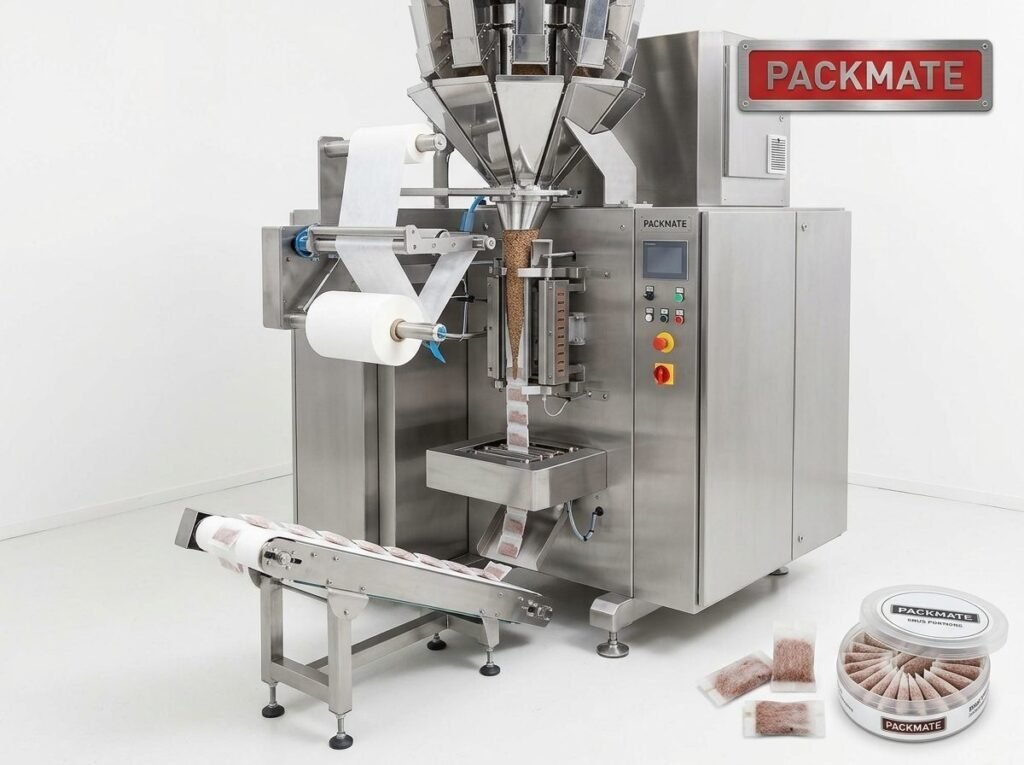
Multi-lane machines allow multiple lanes of pouches to be produced simultaneously — a powerful solution for small-dose nicotine pouches. They increase overall throughput without compromising dosing precision when properly engineered.
Materials, Compatibility and Hygiene
Packaging film compatibility (foil, laminated films, biodegradable films) and filler material properties (powder, granules, moist pouches) determine machine configuration. Look for systems with food-grade contact parts, easy-clean design, and hygienic frames.
⚙️ Inspect sealing systems, dosing stations, and feed hoppers — they must handle your chosen material without bridging or clumping.
🧼 Ask about cleaning procedures and tool-free accessibility for parts that contact product.
Customization and Turnkey Solutions
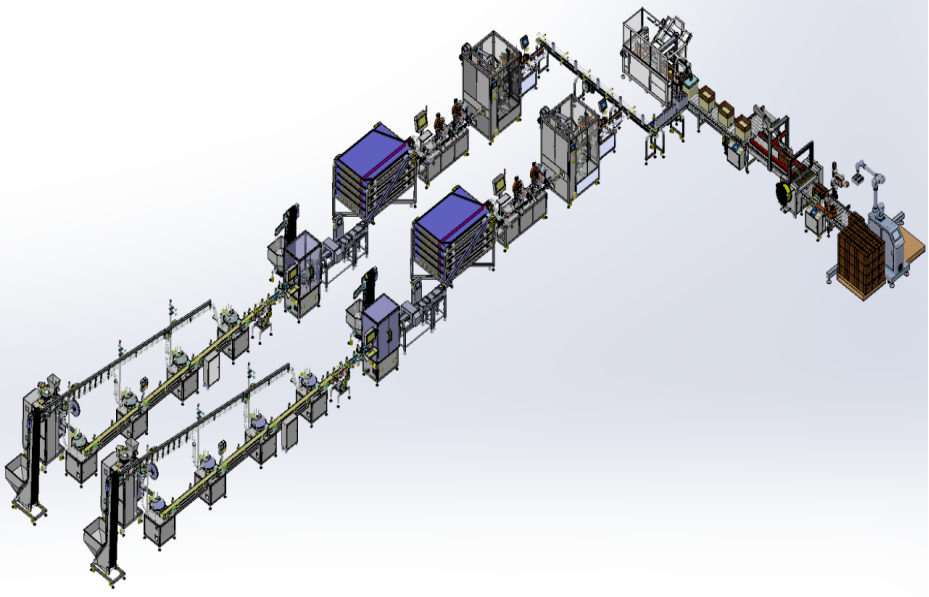
Local producers often need tailored solutions: specific pouch sizes, printed film integration, batch coding, or secondary packaging. Manufacturers with turnkey capabilities can supply complete lines including weighing, filling, and cartoning systems.
Consider exploring Filling & Packaging Lines and Weighing & Packaging Systems if you plan to automate the whole production and reduce manual steps.
Quality, Certification and Export Readiness
International buyers expect machines that meet CE and ISO standards. Equipment with recognized certifications streamlines approvals for exported products and reassures overseas partners.
📜 Verify documentation and certifications during pre-purchase evaluations. Manufacturers like Packmate often list certificates and compliance records for client review. See Certificate for example.
Supplier Credentials, Local Service and After-Sales Support
A solid supplier should provide installation, training, spare parts, and remote support. Evaluate lead times, warranty terms, and availability of technicians in Central America. Companies with global exhibition and service footprints typically ensure continuous support.
Learn more about the manufacturer’s history and service offerings: About Packmate and Service.
Budgeting, Cost of Ownership and ROI
Upfront cost is only part of the decision. Consider:
• Energy consumption and annual maintenance costs.
• Spare parts availability and lead times to Nicaragua.
• Labor requirements and training investment.
• Expected payback time based on throughput and margin improvements.
Factory Acceptance Test (FAT) and Pre-Shipment Inspection
Insist on FAT and video demonstrations under real product conditions. A proper FAT validates performance, speed, fill accuracy, and film compatibility before shipment. This minimizes surprises on arrival and helps streamline installation.
Installation, Commissioning and Training
Full commissioning should include machine calibration, staff training, and quality checks. Some manufacturers offer remote commissioning support to reduce travel costs and speed up ramp-up.
Common Pitfalls and How to Avoid Them
Avoid these frequent mistakes:
❗ Buying the highest-speed model without considering your supply chain and staff capacity — speed needs to match business reality.
❗ Neglecting spare parts and consumables planning — ensure parts lists and reorder times are in your contract.
❗ Skipping FAT or poor acceptance criteria — set clear performance targets before payment.
Checklist: Questions to Ask a Potential Supplier
When evaluating vendors, collect these answers:
• What is the guaranteed dosing accuracy?
• Can you provide FAT with our product?
• What spare parts are critical and what are lead times?
• What training and warranty are included?
Why Partner with an Experienced Manufacturer
A manufacturer with decades of experience brings refined engineering, reliable supply chains, and proven designs that reduce downtime. For instance, Packmate Snus Machine combines 30+ years of engineering with multi-lane snus systems and comprehensive turnkey solutions — a useful reference when seeking trusted partners.
For reference cases and exhibition records, review their global presence and case studies available on their site: Case and Our Exhibition.
Final Recommendations for Buyers in Nicaragua
1) Define your target production volume and product format precisely. 2) Request FAT with your product and film. 3) Choose a supplier with export experience and clear after-sales service. 4) Budget for spares and training. 5) Consider turnkey lines if you plan to scale quickly.
✅ Quick action items: Contact suppliers for quotations, schedule FATs, and prepare facility specifications (power, floor load, compressed air).
📞 Need direct contact? Use the manufacturer’s contact portal: Contact Us.
Summary FAQs
Q1: What machine type is best for a startup in Nicaragua?
A1: Start with a flexible sachet or low-to-mid speed stick pack machine. They offer easier setup and lower initial investment while supporting quality and consistent dosing.
Q2: How important is FAT and what should it include?
A2: FAT is essential. It should include test runs with your product and film, speed verification, dosing accuracy reports, and video documentation of the full cycle.
Q3: What about spare parts and local service?
A3: Confirm spare parts lists, minimum stock recommendations, and supplier response times. A supplier with global service networks or authorized local technicians reduces downtime risk.
Q4: Are turnkey solutions worth the investment?
A4: Yes, if you want fast ramp-up and consistent line integration. Turnkey providers handle weighing, filling, pouch forming, sealing, and secondary packaging with proven synchronization.
Q5: Where can I learn more about reputable snus packaging machines?
A5: Visit manufacturer pages and product catalogs to compare models, specs, and certifications. Useful resources include product pages and catalogs such as Catalog and product families linked earlier.