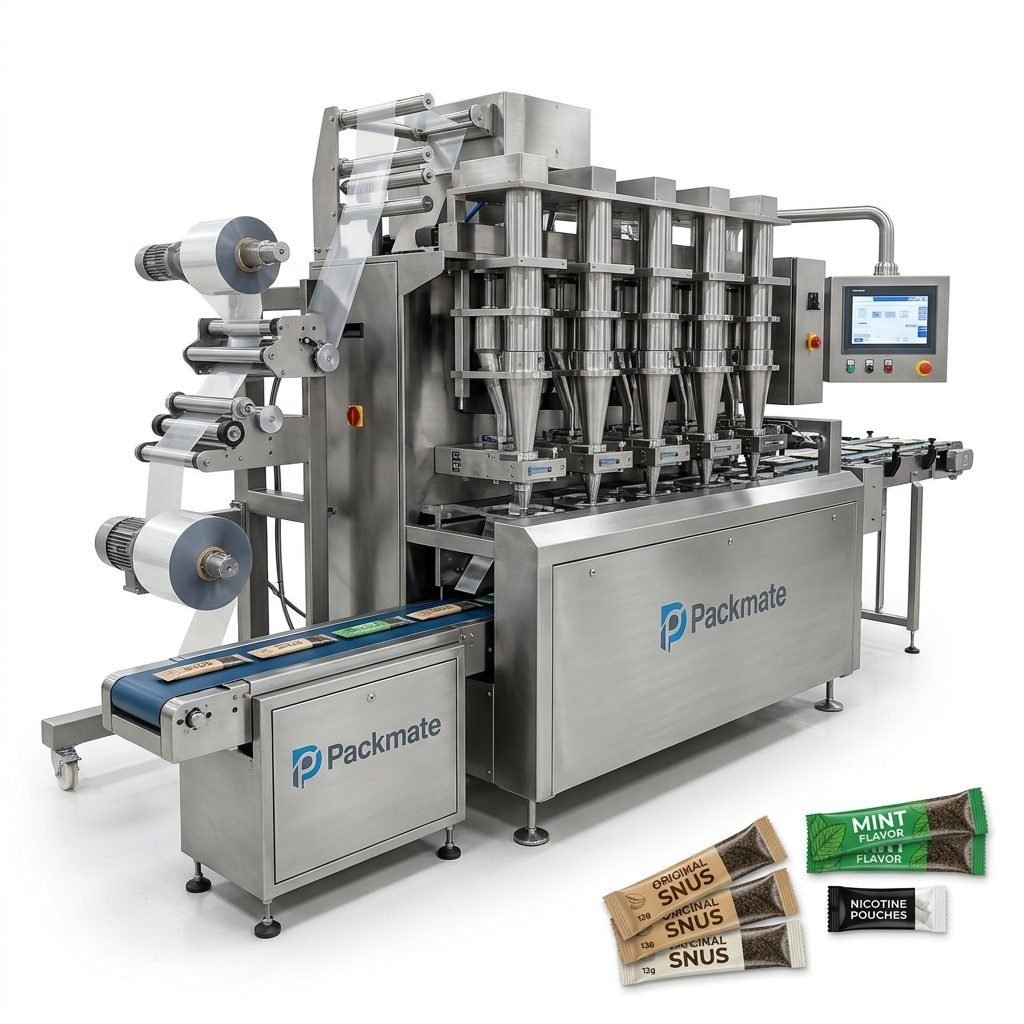
Choosing the right snus packaging machine manufacturer in the United States can make or break your production goals. Whether you are launching a new nicotine pouch product, scaling an existing line, or seeking long-term technical support, selecting a partner with proven engineering, compliance knowledge, and turnkey capabilities is essential. This guide walks you through key considerations, practical evaluation steps, and negotiation tips so you can choose the best snus packaging equipment supplier for your business needs.
Understand Your Product and Production Requirements
Before contacting manufacturers, document the specifics of your snus or nicotine pouch product. Important variables include pouch format (stick pack, sachet, multi-lane pouches), average dose weight, target output (packs per minute), tolerance on portion accuracy, and any secondary packaging needs. Knowing these details will help you match machine capabilities to real-world needs and avoid overpaying for unnecessary features.
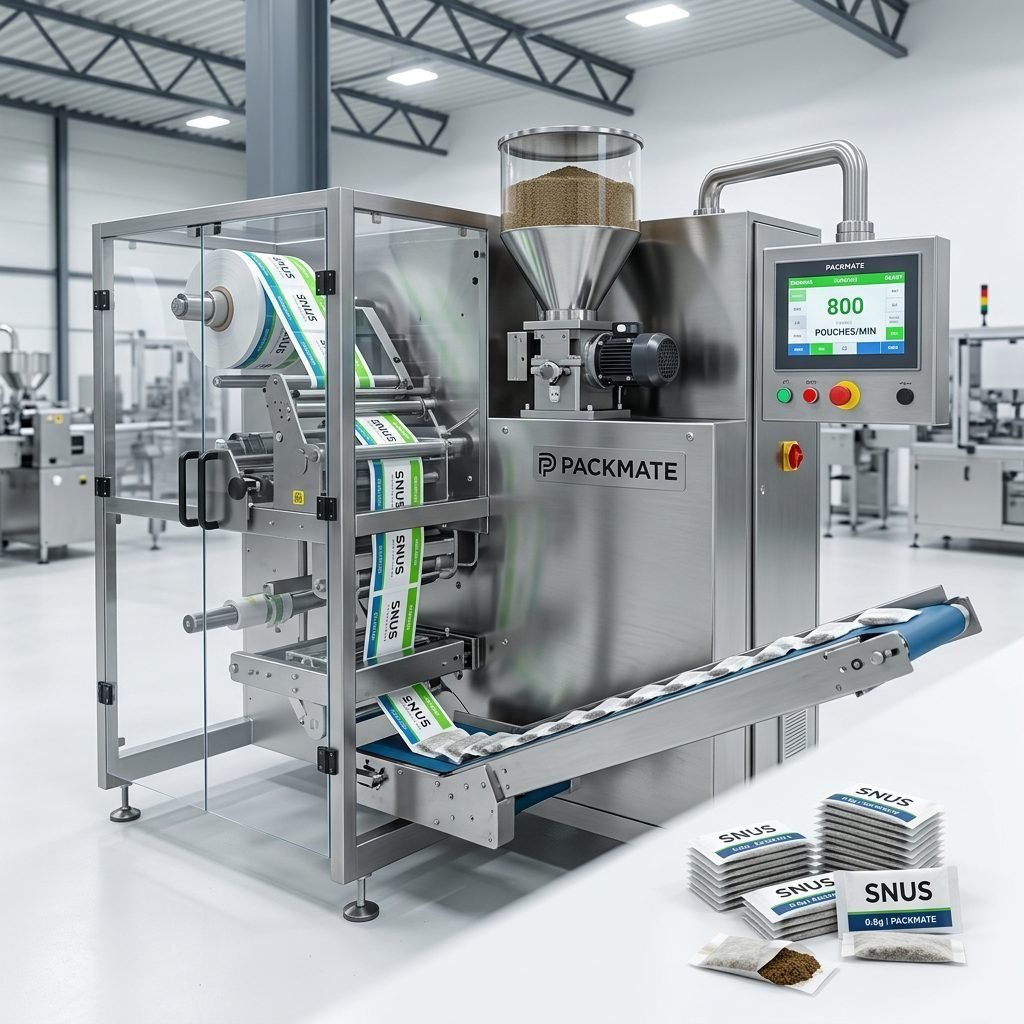
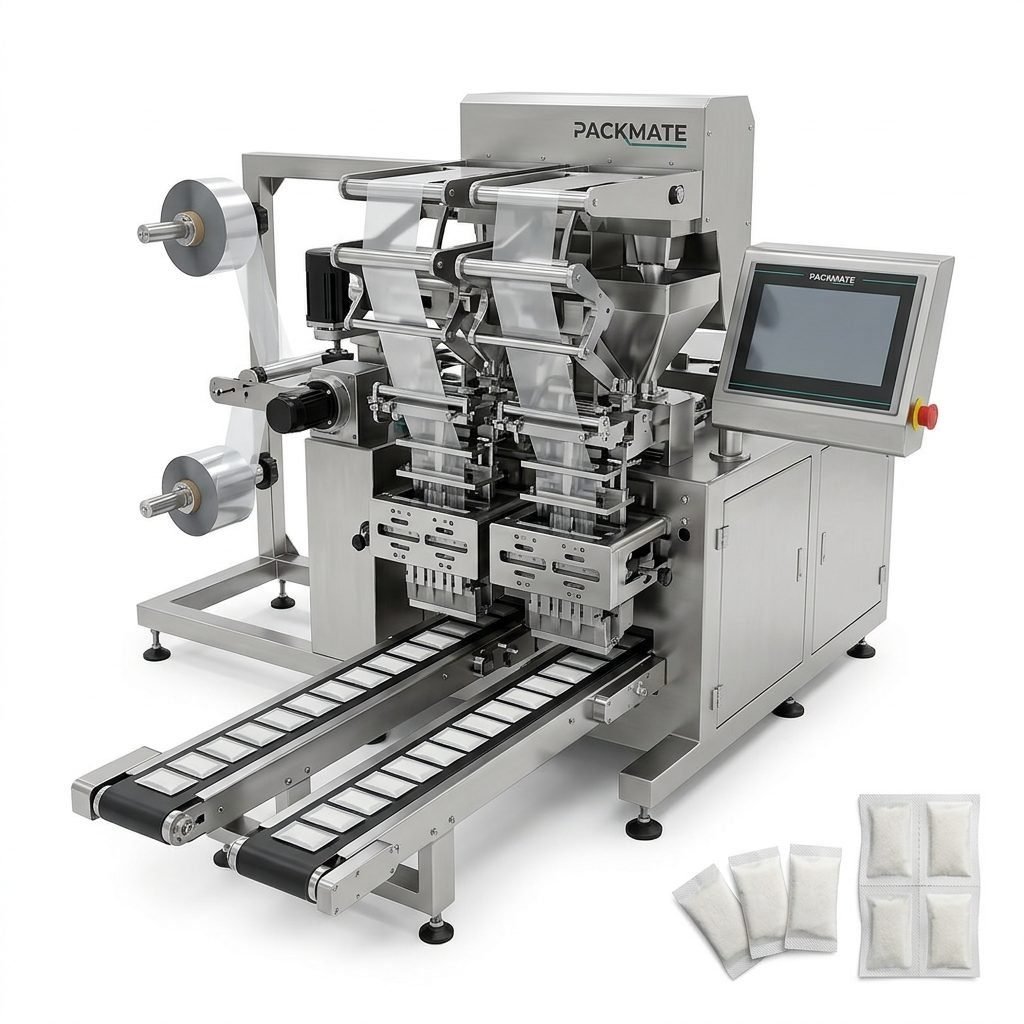
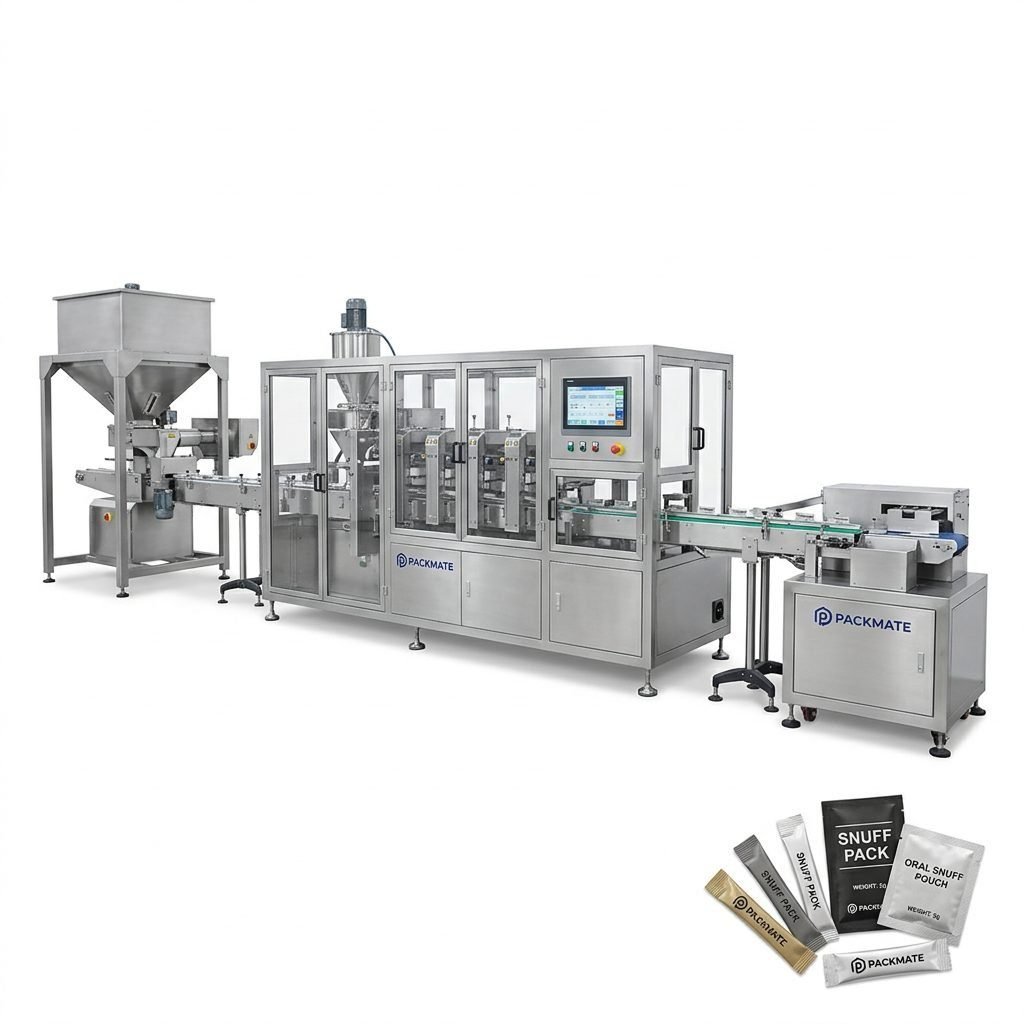
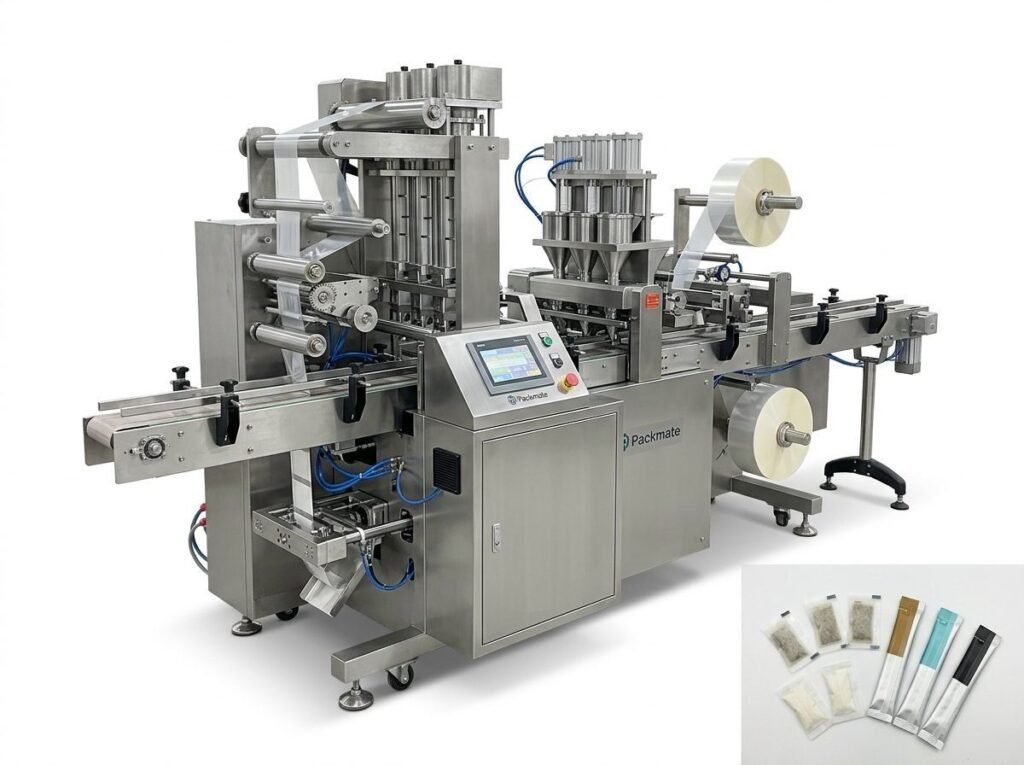
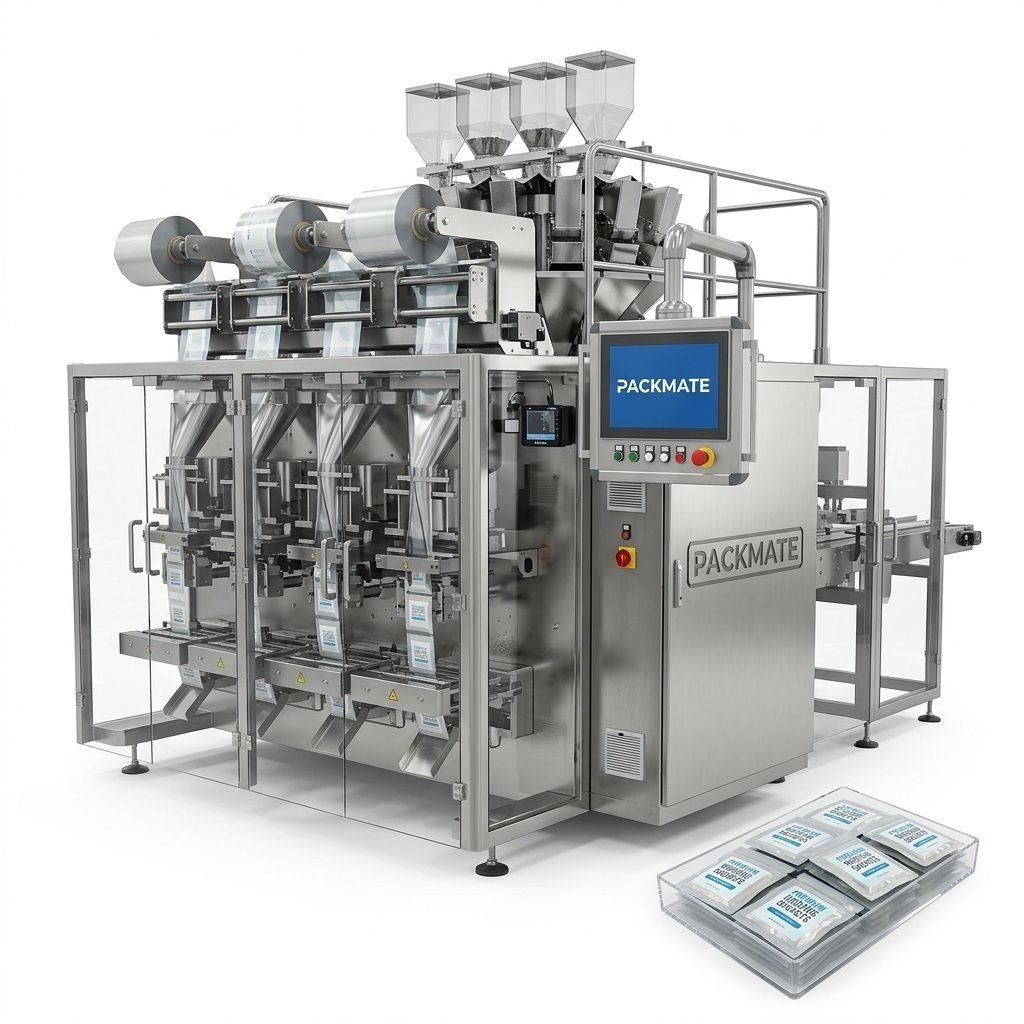
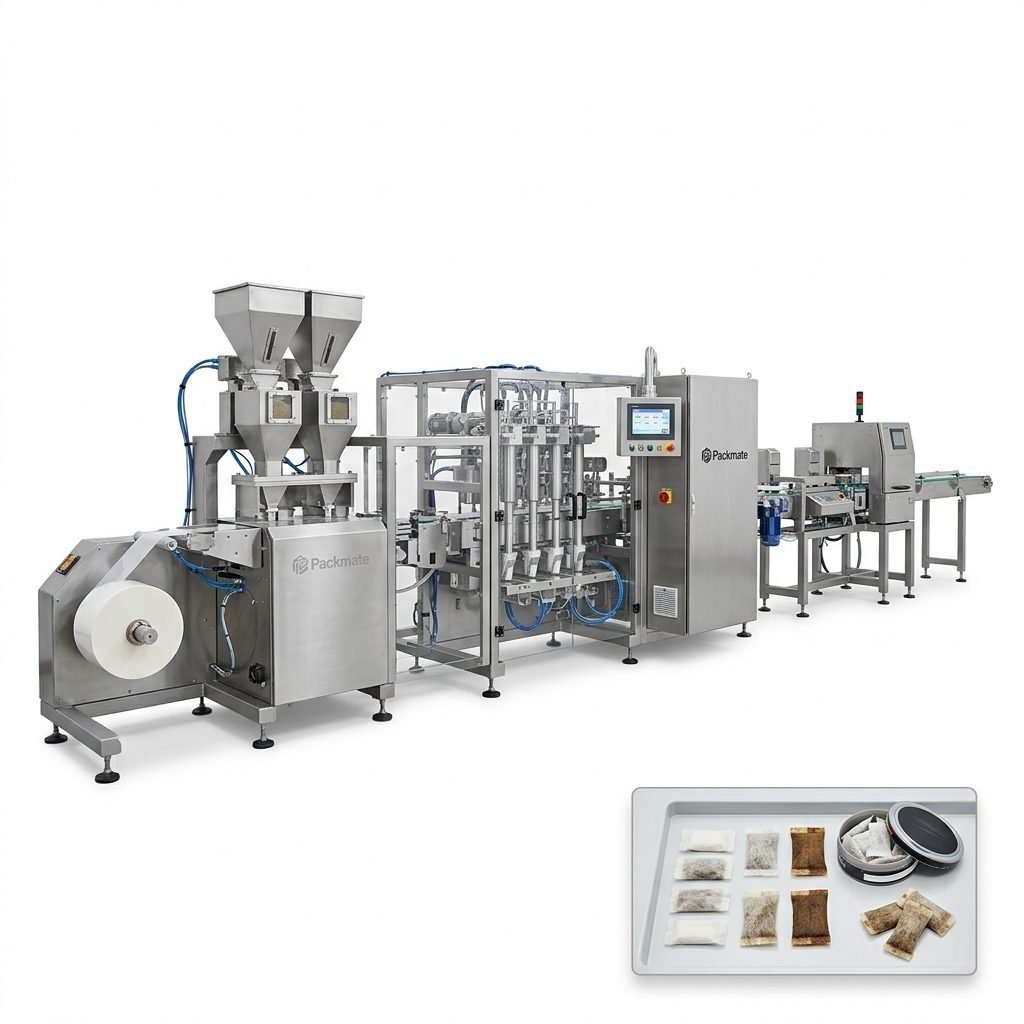
Tip: If you plan on producing multiple pouch sizes, prioritize machines with quick-change tooling and modular lanes. Suppliers like Packmate design multi-lane systems optimized for small-dose pouches, which can be a huge advantage for scaling.
Key technical questions to define
• Target output per shift and per minute.
• Required accuracy for fill weights and portion consistency.
• Acceptable downtime for changeovers and maintenance.
• Materials to be packaged (tobacco, nicotine pouches, powdered carriers) and sensitivity to humidity or static.
• Regulatory or certification requirements (CE, ISO, or local standards).
Evaluate Manufacturer Experience and Capabilities
Experience matters in packaging machinery—especially for precision applications like nicotine pouches. Look for manufacturers with decades of engineering expertise, robust manufacturing facilities, and a track record of delivering turnkey lines. A partner with strong CNC machining, precision assembly, and quality control systems will reduce risk and ensure better uptime.
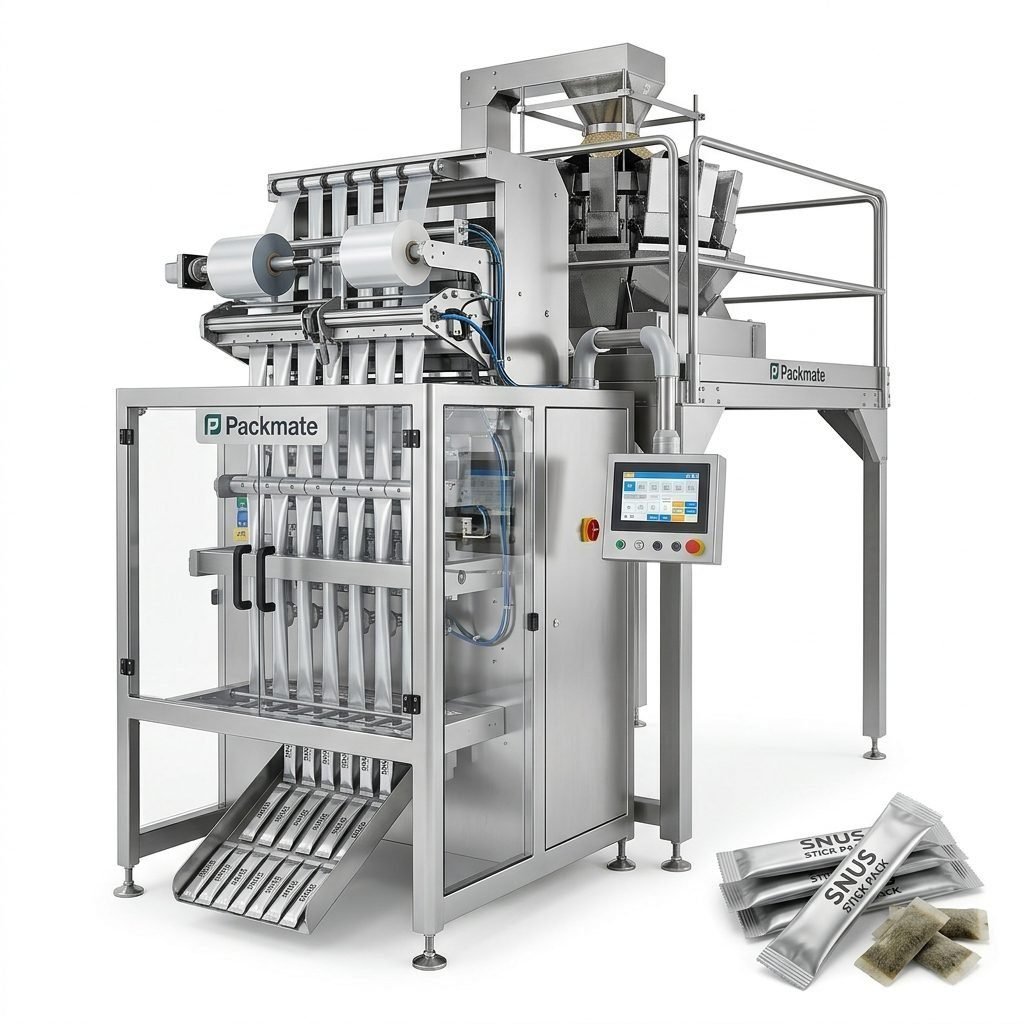
Packmate example: With over 30 years of engineering experience and a 20,000㎡ manufacturing facility, Packmate offers a wide portfolio of machines including multi-lane snus packaging lines and stick pack systems, backed by strict quality testing.
What to verify in manufacturer claims
• Factory tour availability and proof of advanced equipment (CNC centers, precision assembly lines).
• References and case studies across similar product types. See real-world examples and exhibition demonstrations to confirm performance. Case studies are particularly telling.
• List of certifications such as CE and ISO and willingness to comply with your local regulatory framework.
• Spare parts support, training programs, and after-sales service plans.
Assess Machine Models and Customization Options
Not every machine suits every product. Compare models based on format compatibility (e.g., sachet & stick pack, multi-lane snus machines), throughput, and available add-ons like vision inspection, metal detection, and automated packing lines. Flexible manufacturers will offer modular solutions and customization to integrate with weighing systems, fillers, and downstream cartoners.
Explore product lines such as Snus & Nicotine Packaging Machines, Sachet & Stick Pack Machines, and Filling & Packaging Lines to understand their standard offerings and modular add-ons.
Critical: Ensure the machine you choose can achieve the dose tolerance required for nicotine pouch safety and regulatory compliance. Machines that handle small-dose precision often include advanced servo-driven feeders and multi-head weighers.
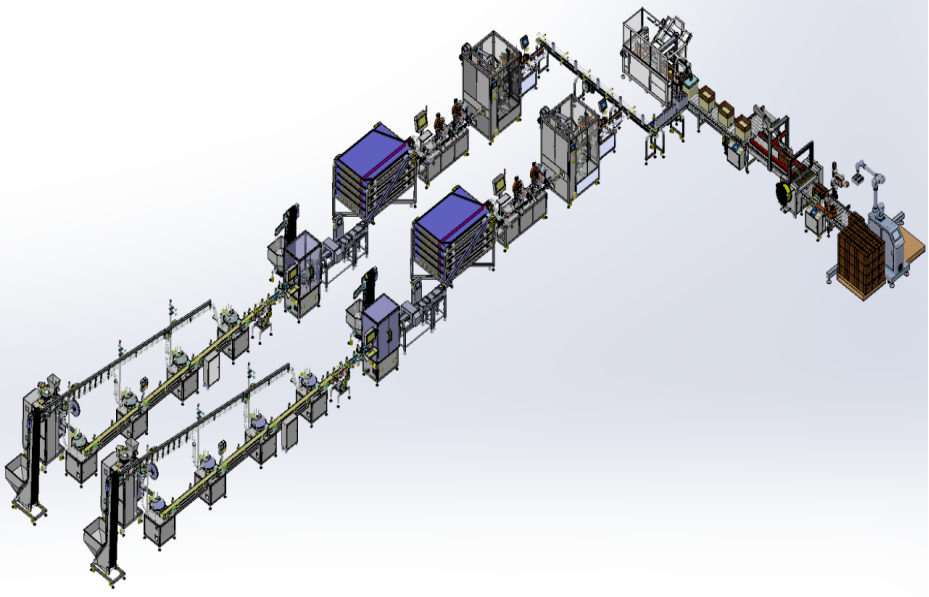
Integration with full production lines
Ask whether the manufacturer supplies complete production lines or only standalone machines. Full-line suppliers simplify logistics, ensure compatibility, and reduce integration time. If you require upstream dosing or downstream sealing and case packing, confirm the supplier can provide or integrate with weighing systems and auxiliary equipment.
Quality, Testing and Certification
Quality assurance is non-negotiable. Request documentation on testing protocols, tolerance validation, and failure modes. Reputable manufacturers perform factory acceptance testing (FAT) and can provide video demonstrations, sample packs, and on-site or virtual commissioning support.
Look for compliance marks and available certificates such as CE and ISO, and confirm whether the supplier is familiar with international market requirements. If you plan to export finished products, this knowledge is invaluable.
After-Sales Support, Spare Parts and Training
Machines are only as good as the support behind them. Confirm the manufacturer’s spare parts availability, warranty terms, and typical lead times for critical components. Training for your operators and maintenance crew should be included or available as a paid package. Remote diagnostics and software support are major advantages for minimizing downtime.
Service checklist: local technician availability, parts inventory, remote troubleshooting capacity, scheduled maintenance contracts, training manuals and spare tooling kits.
Warranty and lifecycle planning
Verify the warranty period and what it covers. Ask about typical machine lifecycle, recommended annual service, and any upgrade paths for higher throughput or new pack formats.
Price vs. Total Cost of Ownership (TCO)
Purchase price is only one factor. Calculate TCO by including installation, freight, spare parts, expected mean time between failures, energy consumption, and training costs. A higher initial investment in a reliable, energy-efficient machine may yield lower operating costs and less downtime over the life of the equipment.
Consider options for leasing, financing, or phased purchases. Discuss service-level agreements (SLAs) that guarantee response times for critical repairs.
Factory Acceptance Testing and Commissioning
Never skip FAT. Insist on a documented Factory Acceptance Test that demonstrates the machine running with your product or a close analogue. FAT should include performance metrics, packaging integrity checks, and a clear list of acceptance criteria. Successful FAT shortens commissioning time when the machine arrives at your facility.
If possible, attend FAT in person or request high-quality live video. Confirm documentation, spare parts list, and trained personnel will accompany the shipment.
Installation and validation
Installation should include site-prep requirements, utility lists, and validation protocols. For regulated products, ensure the manufacturer assists with qualification documents, test records, and operator training to meet compliance standards.
Negotiation and Contract Essentials
Clear contracts reduce surprises. Define deliverables—machine model and serial numbers, FAT results, shipping terms, installation responsibilities, payment milestones, warranty scope, spare parts package, and training schedules. Include penalties for missed delivery dates or performance shortfalls where appropriate.
Negotiation points: lead time guarantees, price for spare parts, escalation procedures for service calls, and provisions for future upgrades.
Visit Shows and Factory Demonstrations
Trade shows and live demo floors let you see machines in action and speak with engineers and customers. Check manufacturer exhibition schedules—many suppliers showcase full lines and real-time demos that reveal machine stability and product handling quality. You can learn a lot from watching several machines run similar products side-by-side.
For event information and upcoming showcases, manufacturers often post exhibition calendars. For example, learn more about Packmate’s events at Our Exhibition.
Making the Final Decision
Weigh technical fit, supplier credibility, total cost of ownership, and after-sales support. Ask for references, speak with current customers, and review long-term service records. The best supplier will be transparent, responsive, and focused on building a partnership rather than just closing a sale.
Final checklist before purchase: complete FAT documentation, spare parts list, installation & training agreement, warranty terms, and a clear SLA for service responses.
Where to find reliable partners
Start with specialized manufacturers known for snus and nicotine pouch solutions. Packmate is one such experienced supplier, offering a broad range of solutions from snus packing machines to full turnkey lines. See their product portfolio and services at About Packmate and browse product categories like Bag & Pouch Packaging Machines for broader options.
Conclusion
Choosing the best snus packaging machine manufacturer hinges on matching technical capability to your product, validating supplier experience, and ensuring long-term serviceability. By following a structured evaluation process—defining product needs, reviewing factory capabilities, verifying certifications, and insisting on thorough testing—you will minimize risk and select a partner that supports your business growth.
Frequently Asked Questions
Q1: How long does it take to receive and commission a snus packaging machine?
Most suppliers quote lead times based on customization level and current factory schedules. Typical delivery ranges from 8 to 20 weeks, plus 1–4 weeks for on-site commissioning. Always confirm lead time in your contract.
Q2: What certifications should I expect from a reliable manufacturer?
Look for CE and ISO certifications as baseline indicators of manufacturing quality and safety. Suppliers should also be able to support documentation needed for your target markets.
Q3: Are multi-lane machines necessary for nicotine pouches?
Multi-lane machines provide higher throughput and are ideal for small-dose pouch formats. They are often the best choice for producers scaling up output while maintaining portion accuracy.
Q4: How important is spare parts availability?
Extremely important. Fast access to spare parts reduces downtime and keeps production on schedule. Confirm parts inventory, lead times, and whether local stocking options exist.
Q5: Where can I get examples of installed lines?
Request case studies and customer references. Many manufacturers maintain case pages and exhibition records—review these to see machines handling products similar to yours. For example, check manufacturer case studies and product demos at Case.