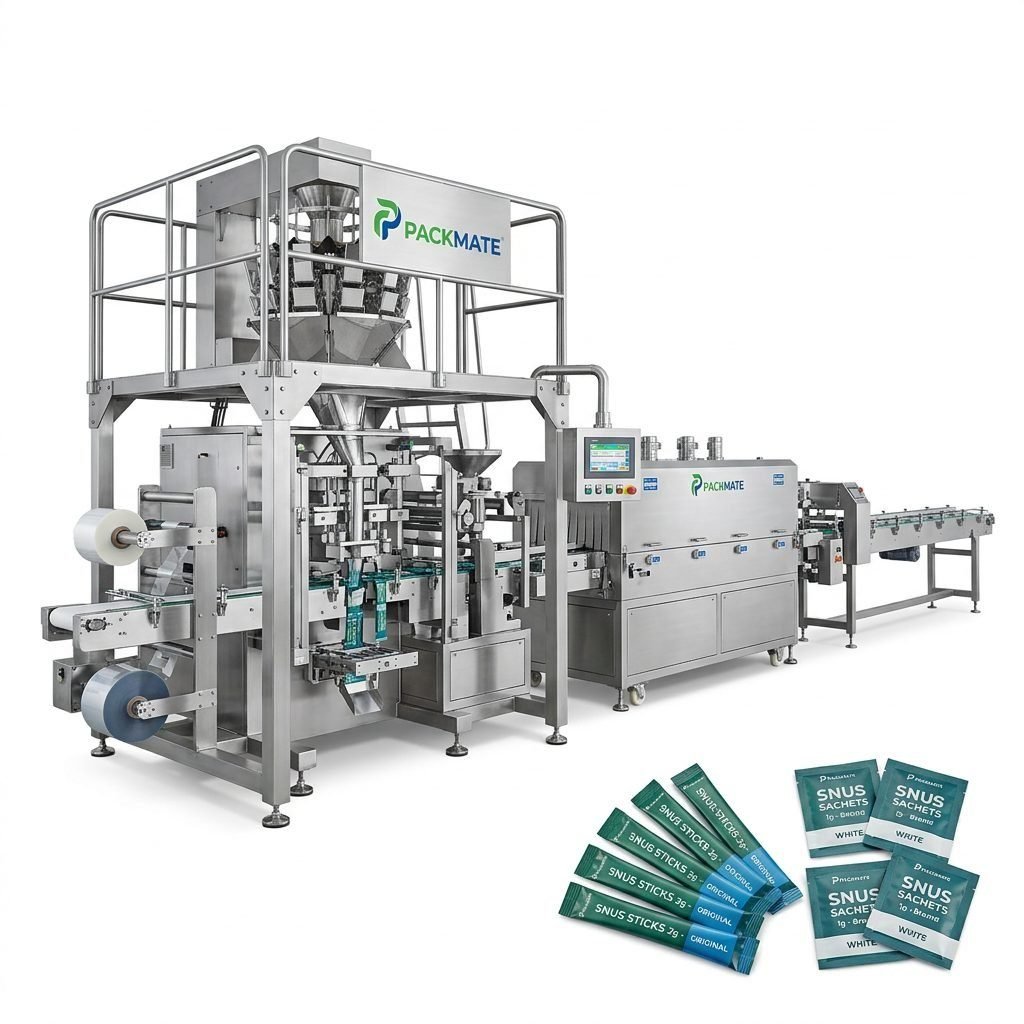
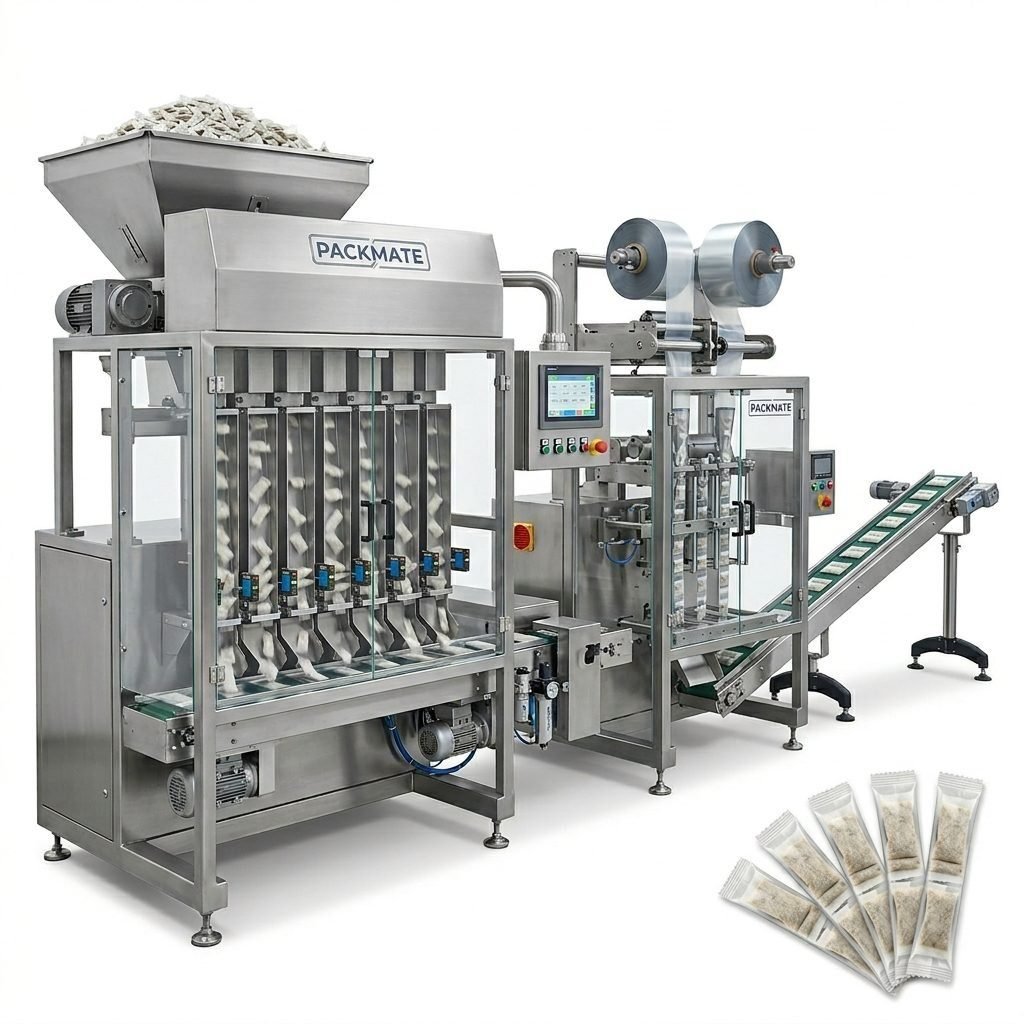
Choosing the right nicotine packaging machinery in Belgium requires more than just picking a machine that “looks fast.” Whether you are launching a new nicotine pouch product, scaling an existing snus line, or optimizing a multi-format packaging floor, understanding production needs, regulatory constraints, material behavior, and supplier capabilities will determine long-term success. This guide walks you through practical, production-focused steps to select machines that fit your capacity, budget, quality targets, and regulatory obligations.
Understand Your Production Requirements
Start by clearly documenting your current and projected production volumes, product formats, and packaging materials. Ask concrete questions:
• What is your target daily and monthly throughput? Some manufacturers need moderate speed (e.g., single-lane sachet machines), while larger operations benefit from high-speed multi-lane snus pouch systems.
• Which pouch styles will you run? Nicotine pouches, stick packs, sachets, and multi-portion tins each need distinct handling and filling strategies.
• How many SKUs and how frequent changeovers? More SKUs and frequent changeovers demand modular machines with quick-change tooling.
Capacity planning and scalability
Design for growth. A machine that exactly matches today’s need may become a bottleneck next year. Consider modular multi-lane systems that can be upgraded by adding lanes or integrating parallel machines as volumes rise.
Match Machine Type to Product Format
Different nicotine products require specific packaging technologies. Familiarize yourself with machine families:
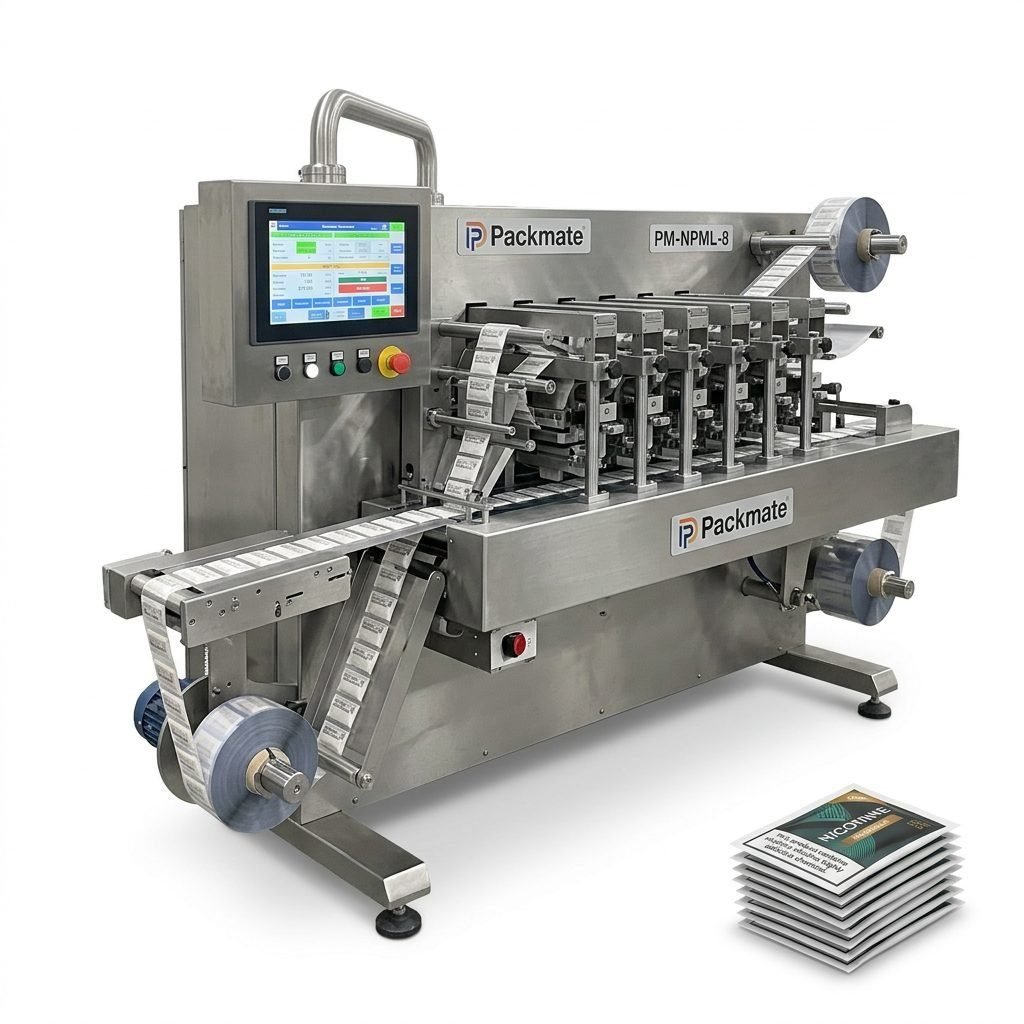
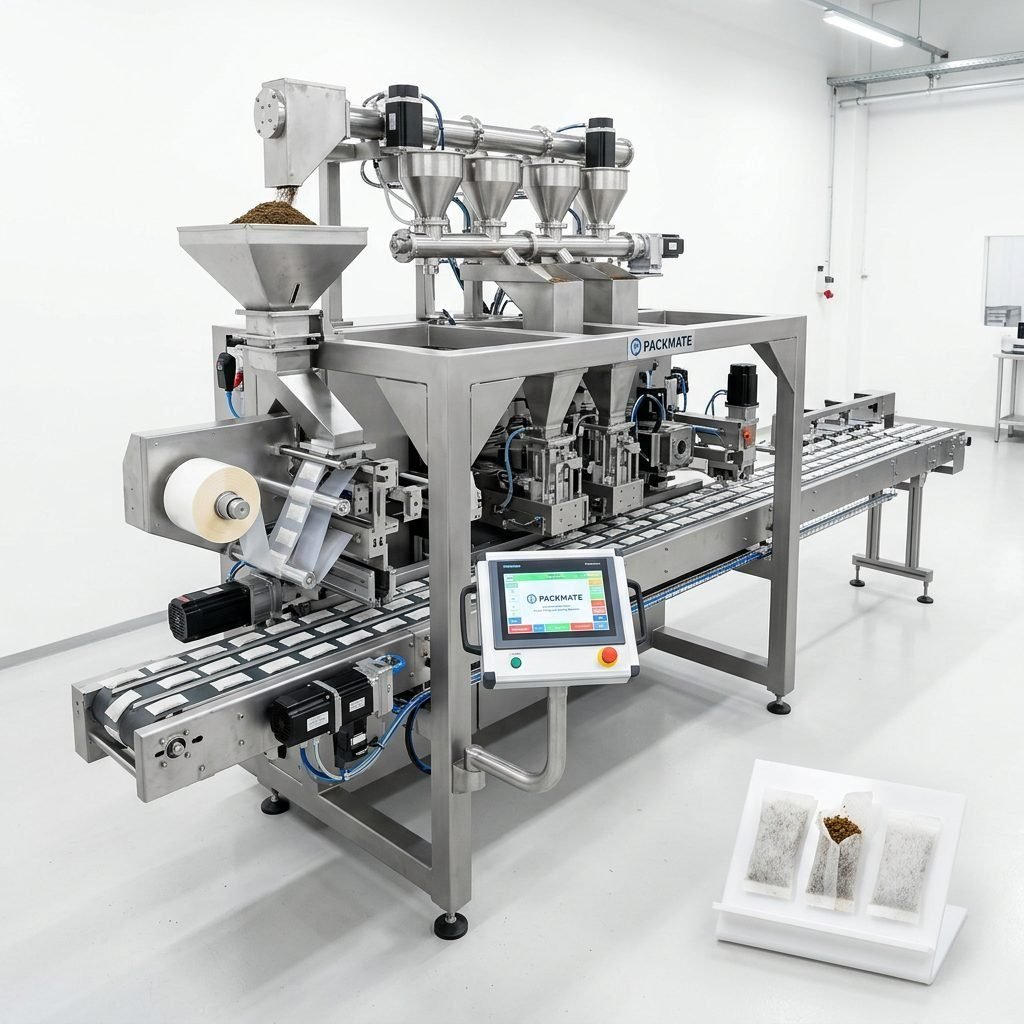
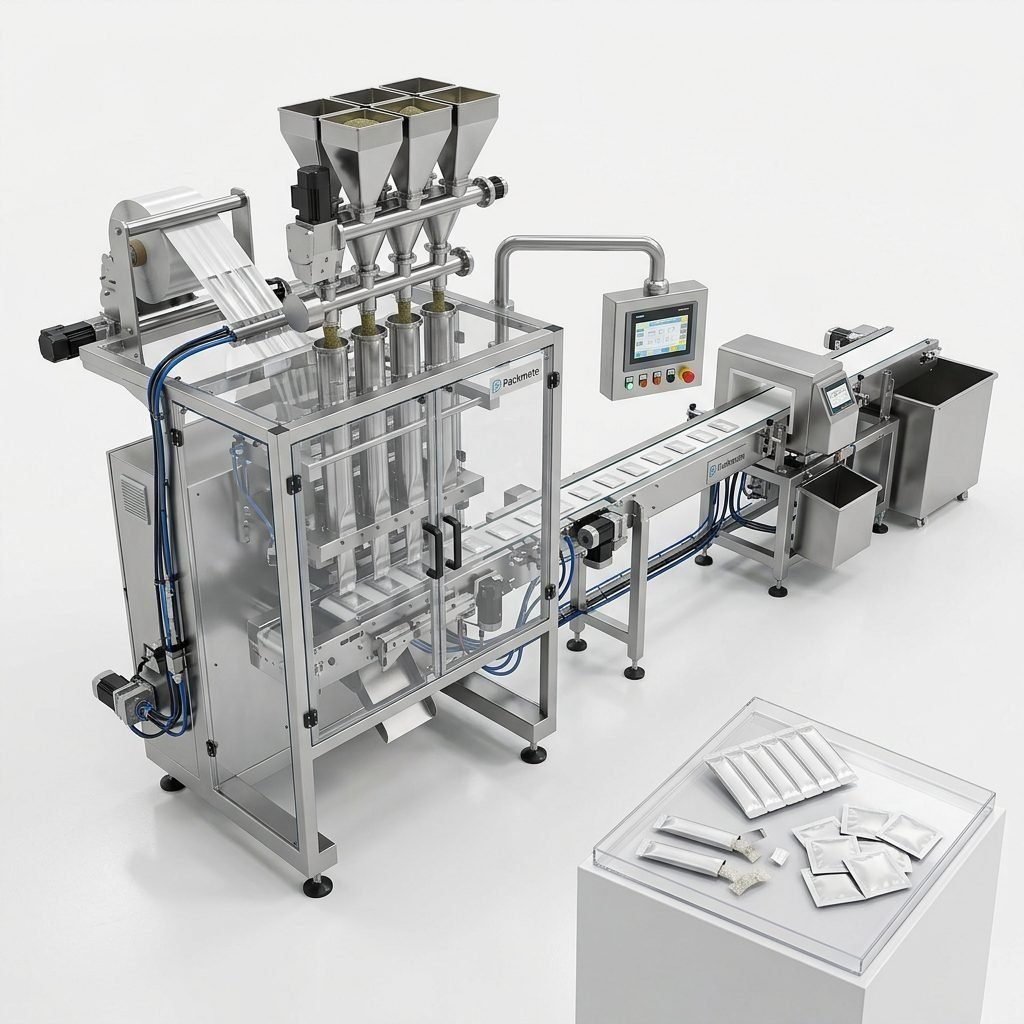
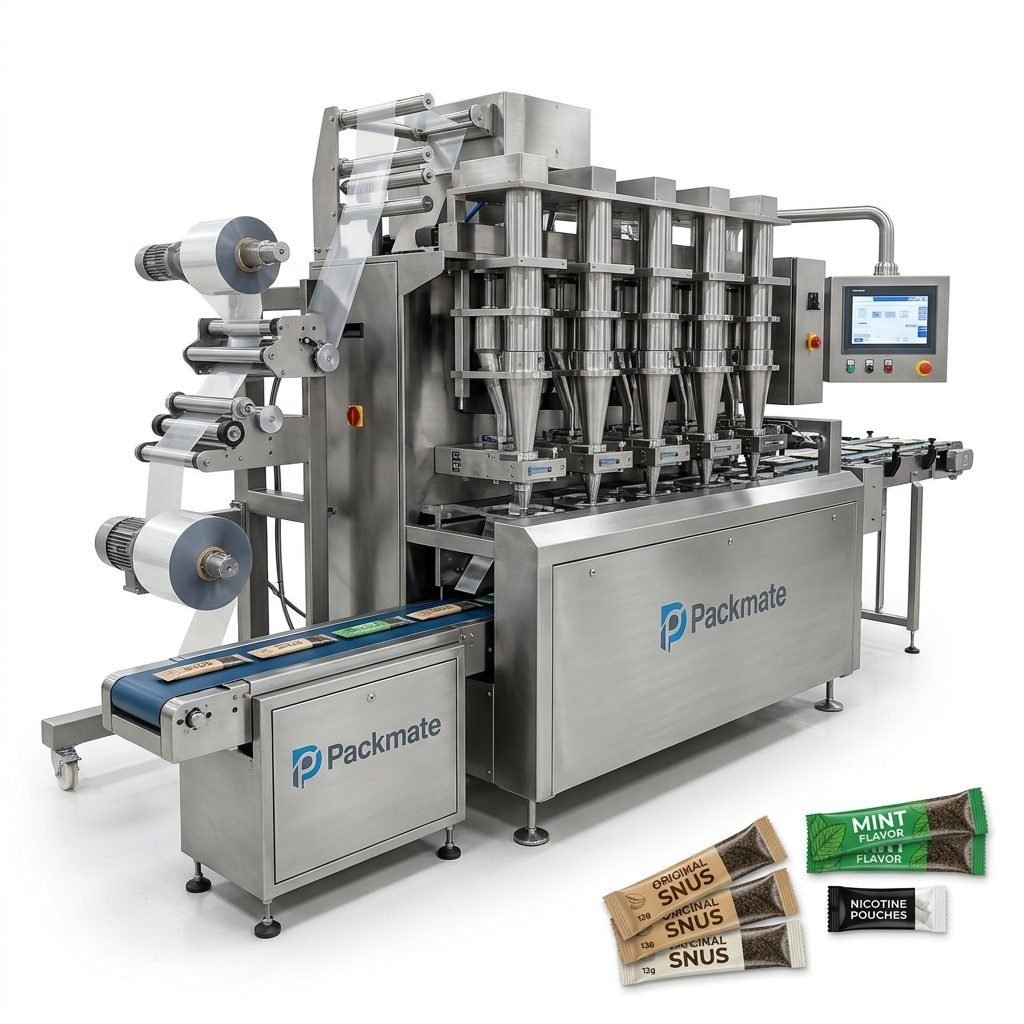
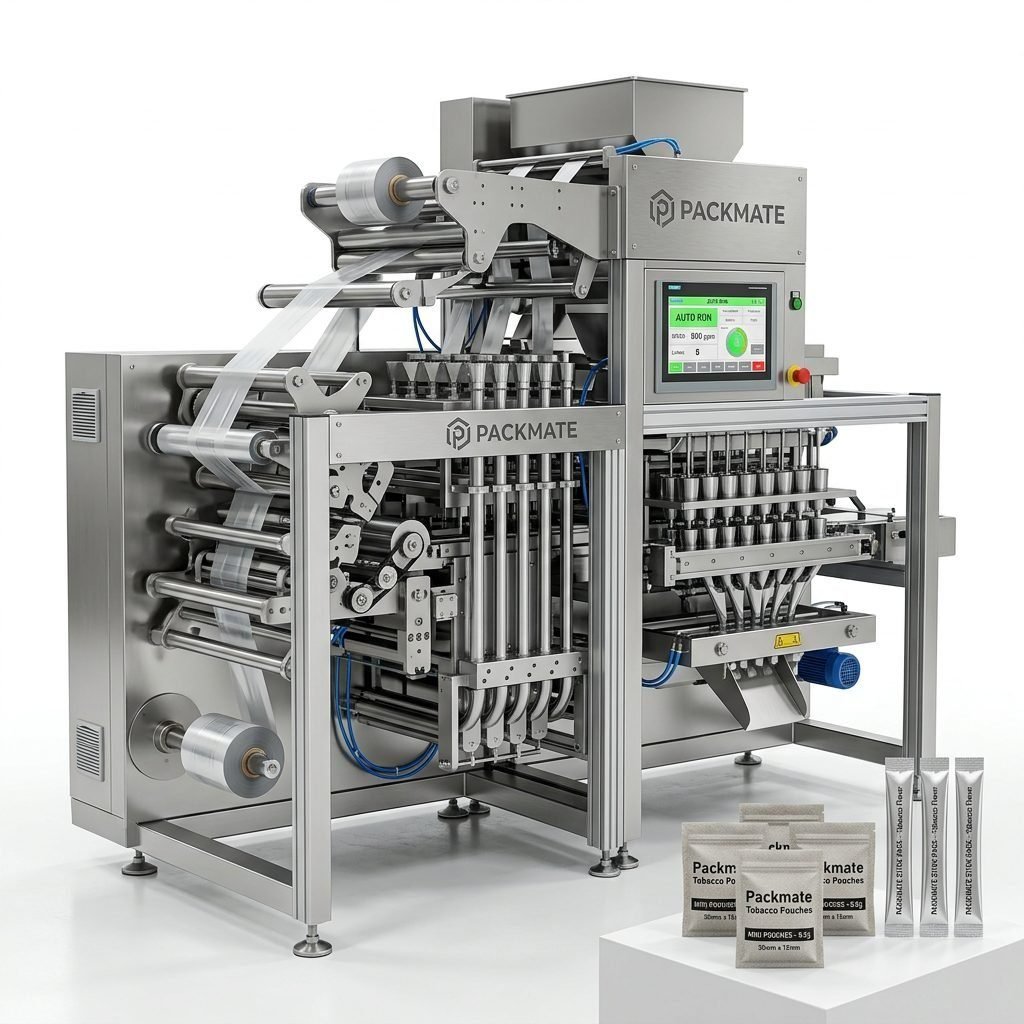
📌 Snus & Nicotine Pouch Machines — Designed for small-dose pouches with high precision filling and sealing. Ideal for multi-lane output and precise weight control. Explore product variations: Snus & Nicotine Packaging Machines.
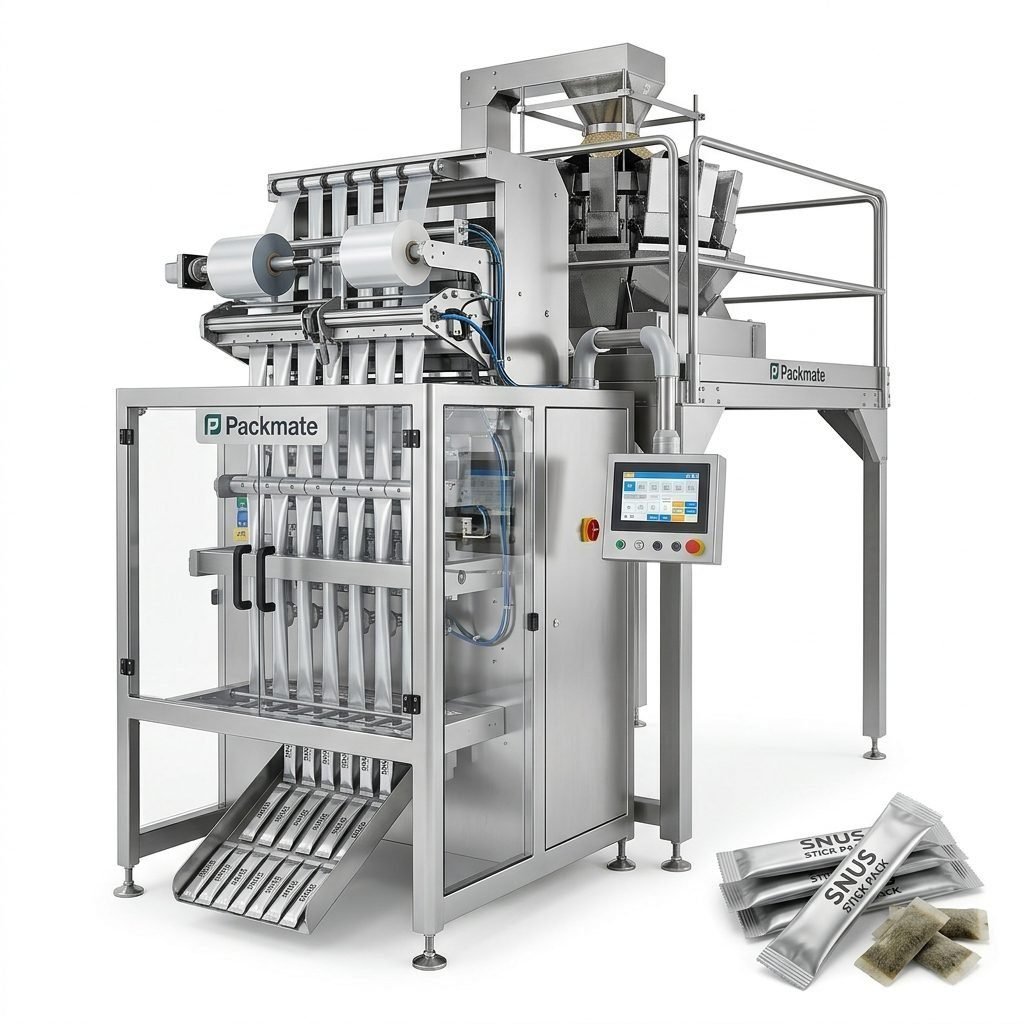
📌 Sachet & Stick Pack Machines — Best for single-serve stick packs or sachets that require heat sealing and high-speed vertical form-fill-seal (VFFS) processes. Read more: Sachet & Stick Pack Machines.
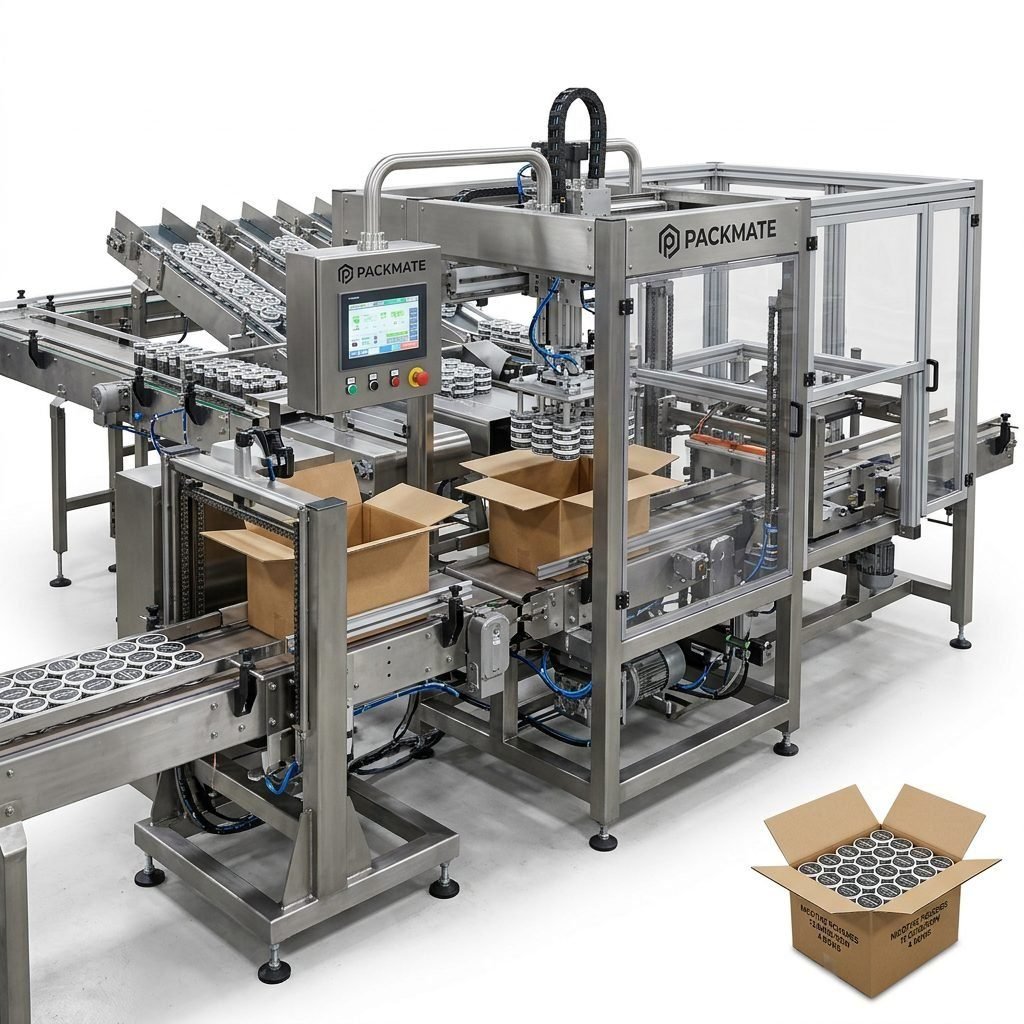
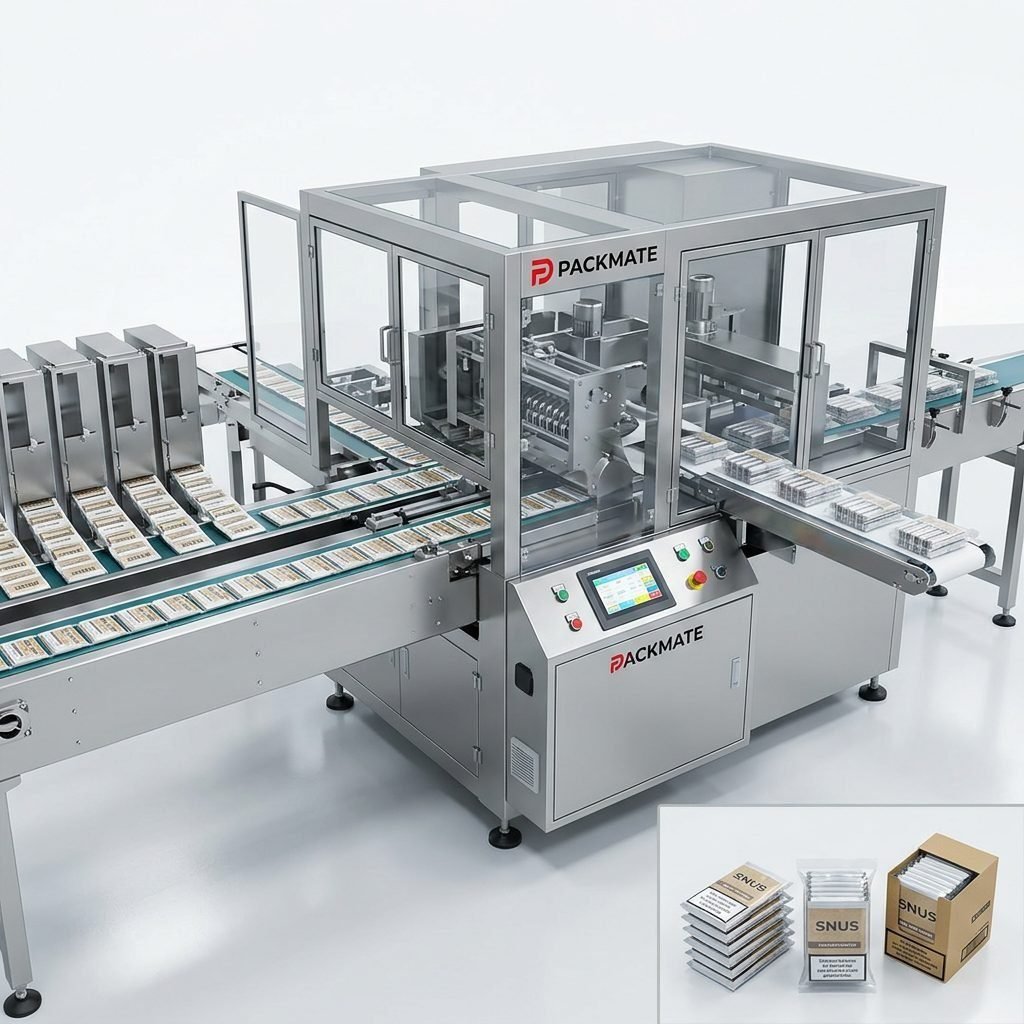
📌 Filling & Packaging Lines — For complex operations combining weighing, filling, sealing, and secondary packaging. Look at integrated lines when product handling or dosing demands multiple synchronized stations: Filling & Packaging Lines.
Material compatibility and sealing
Packaging films, laminates, and compounds behave differently on heaters, dies, and rollers. High-barrier films for nicotine pouch longevity need machines with stable heat sealing control and appropriate tooling to prevent wrinkles or poor seals.
Regulatory Compliance and Certifications
Machines used in nicotine and tobacco-adjacent products must adhere to European directives and common industry certifications. Look for CE marking and ISO-aligned manufacturing practices. Packmate’s equipment commonly meets these expectations—learn more on their company page: About Packmate.
Also, confirm material traceability, cleanability, and electrical safety standards. You may need documented FAT (Factory Acceptance Tests) and SAT (Site Acceptance Tests) to satisfy auditors and brand partners.
Automation, Integration and Data Needs
Modern lines are expected to integrate with MES (Manufacturing Execution Systems), record production metrics, and support remote diagnostics. Ask suppliers about PLC brands, HMI capabilities, and connectivity options (OPC UA, Ethernet/IP).
Automation considerations: recipe storage for quick SKU changeovers, automatic splicing for film rolls, and pick-and-place modules for secondary packaging. These features reduce downtime and human error.
Remote support and diagnostic tools
Prefer suppliers who offer remote troubleshooting, software updates, and predictive maintenance analytics. This capability is especially valuable in geographically distributed operations across Europe where quick service access can be limited.
Service, Spare Parts and Local Support in Belgium
Local or regional service partners shorten response times. Inquire about spare parts lead times, recommended spare kits, and training offerings. Packmate, for example, supplies global turnkey solutions and often demonstrates machines at exhibitions—check upcoming events here: Our Exhibition.
Consider an extended warranty or service contract for critical lines. Evaluate supplier SLAs for scheduled preventive maintenance and emergency callouts.
Training and documentation
Structured operator and maintenance training reduces installation errors and accelerates production ramp-up. Ask whether training is included on-site and whether multilingual manuals are provided.
Total Cost of Ownership and ROI
The purchase price is only part of the cost equation. Evaluate:
- Energy consumption and utilities
- Consumables (dies, sealing jaws, roll cores)
- Projected waste rate and product yield
- Operator hours required and training costs
- Depreciation and financing costs
Customization and Turnkey Lines
If you require bespoke packaging shapes, integrated secondary packaging (cartoning, case packing), or controlled atmosphere filling, choose a supplier experienced in turnkey solutions. Packmate offers tailored production lines and a portfolio of auxiliary equipment—review options: Auxiliary Packaging Equipment.
Custom projects should include a clear specification sheet, acceptance criteria, and staged delivery (FAT and SAT) to reduce misalignment between expectations and delivered capabilities.
Project timeline and milestones
Define milestones such as design approval, FAT, delivery, installation, SAT, and final sign-off. Clear timelines help avoid cost overruns and delayed market launches.
Installation, Validation and Ramp-up
A well-planned installation includes utilities mapping, foundation requirements (if any), and operator schedules for training. Validation protocols (IQ/OQ/PQ) may be required depending on your market and customer demands.
Selecting a Trusted Supplier
Supplier reputation, factory capabilities, and case studies are essential. Look for:
- Proven machine availability and references in nicotine pouch production
- Clear documentation of factory capabilities, CNC machining, and assembly practices
- Global service footprint or local partners for Belgium
- Compliance with CE/ISO and demonstration of long-term reliability
For examples of global cases and detailed machine models, you can review supplier case histories and product catalogs: Case and Catalog.
Practical Checklist Before Purchase
Use this checklist to streamline discussions with vendors and internal stakeholders:
- Desired throughput and future growth targets
- Primary materials and sample laminates for test runs
- Regulatory and certification requirements (CE, ISO)
- Service & spare parts availability in Belgium
- Integration needs (weighing, cartoning, serialization)
- Detailed TCO and ROI estimations
- Training, FAT/SAT, and commissioning scope
Why Partner with Established Manufacturers
Established manufacturers bring tested platforms, a range of models, and the ability to customize. With decades of engineering, experienced vendors can accelerate time-to-production and reduce trial-and-error costs. If you want a deep-dive into a specialized provider’s capabilities, visit Packmate’s service page and contact options: Service | Contact Us.
Final selection steps
1) Shortlist 2–3 vendors based on initial specs. 2) Request machine demos with your product. 3) Run FAT with your materials. 4) Compare total costs and support terms. 5) Finalize contract with clear acceptance criteria.
Conclusion
Choosing the right nicotine packaging machinery in Belgium is a strategic decision that affects product quality, regulatory compliance, and operational cost. By defining production requirements, matching the correct machine family, validating material compatibility, insisting on demonstrable certifications, and securing reliable local service, you build a robust production foundation. A structured selection process that includes demos, FAT/SAT, and clear SLAs will reduce risk and accelerate your path to market.
Frequently Asked Questions
Q: How do I estimate the right machine speed for my plant?
A: Calculate required packs per hour based on daily production targets, planned shifts, and acceptable uptime. Add a margin for growth and unplanned downtime when selecting machine speed.
Q: Are multi-lane machines better than multiple single-lane machines?
A: Multi-lane machines save floor space and offer synchronized output but can be costlier to repair if a common module fails. Multiple single-lane machines provide redundancy but require more space and operators. Choose by your redundancy needs and floor layout.
Q: What certifications should I insist on for nicotine packaging equipment?
A: CE conformity and ISO manufacturing practices are baseline. Request documented FAT/SAT procedures, electrical safety tests, and material compatibility reports specific to nicotine products.
Q: How important is local Belgian support?
A: Very important. Local partners reduce spare part lead times and service costs. If direct local support is not available, confirm fast remote support, clear spare parts kits, and training packages.
Q: Where can I see machines and find more product details?
A: Visit supplier product pages and exhibition schedules to see live demonstrations and case studies. For example, review Packmate’s product ranges and cases at their official site for detailed machine specifications and contact options.