Choosing the right nicotine packaging machinery for a market like Grenada requires a mix of regulatory awareness, production planning, and careful evaluation of machine capabilities. This guide walks procurement teams and plant managers through practical steps to select the best equipment for nicotine pouches and snus packaging while balancing cost, compliance, and scalability.
Understanding the Market and Regulatory Context
Before comparing technical specifications, start with a clear assessment of local market demand and regulations. Grenada’s import rules, labeling requirements, and restrictions on nicotine products can directly influence machine choice and line configuration. Ensure your compliance checklist is up-to-date and that the supplier can support documentation such as CE and ISO certificates.
Why compliance matters
Non-compliant packaging lines can lead to customs delays, fines, or product recalls. Prioritize suppliers who demonstrate international standard compliance and provide technical support for local approvals. A trusted OEM with global experience will help navigate regulatory paperwork and supply the machine documentation needed for smooth clearance.
Key Technical Criteria to Evaluate
When evaluating machinery for nicotine pouch/snuses, focus on performance, flexibility, and ease of operation. The core technical criteria include output capacity, pouch format compatibility, filling accuracy, multi-lane capability, and automation level.
Quick checklist: ⚙️ Capacity • Accuracy • Format flexibility • Maintenance access • After-sales support
Output and Scalability
Estimate realistic production volumes — both current and projected for the next 3–5 years. Machines range from single-lane units for small batches to high-speed multi-lane systems for large-scale production. Selecting a modular design allows future expansion without replacing the entire line.
Filling Accuracy and Product Integrity
Nicotine pouch weight tolerances are critical for regulatory compliance and customer satisfaction. Verify the machine’s dosing system—whether volumetric, auger, or weighing-based—and request performance data such as standard deviation and rejection rates.
Format Flexibility and Changeover Time
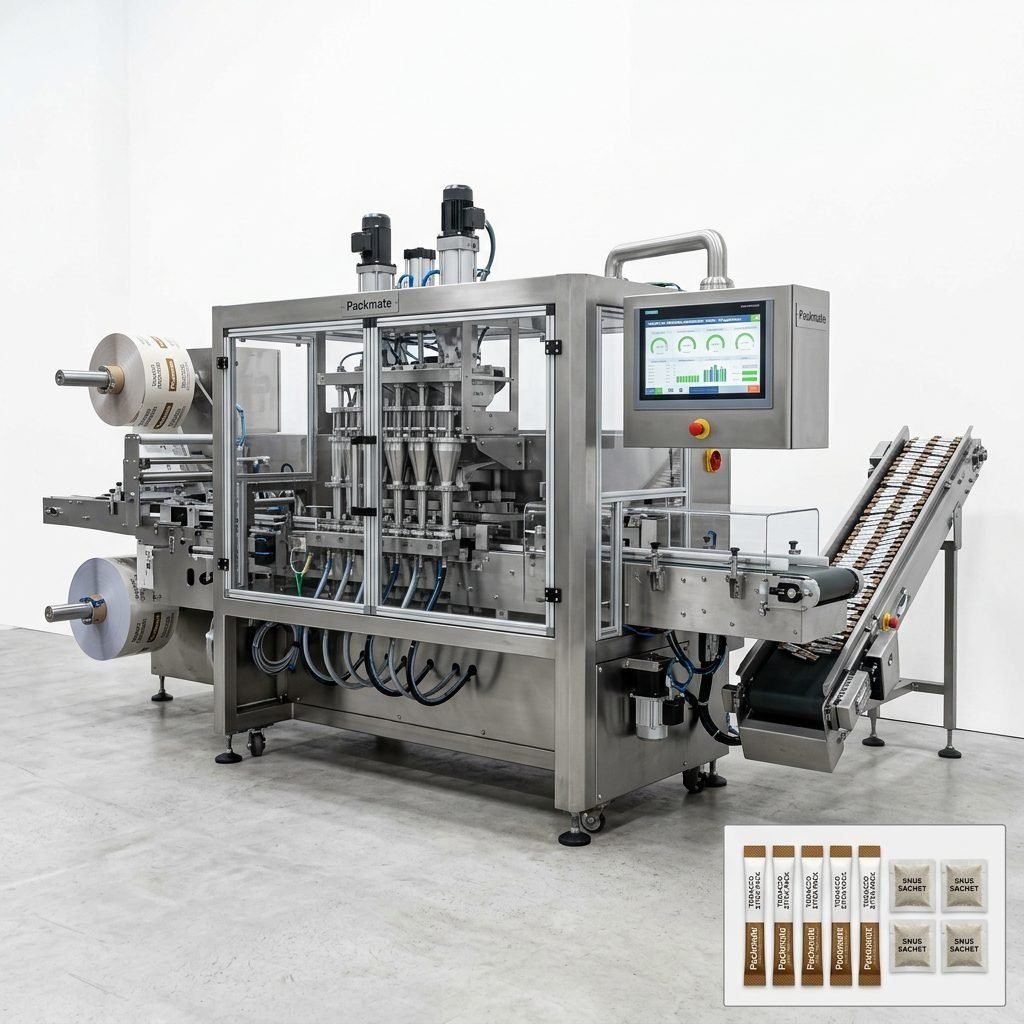
Products evolve. Choose equipment that supports multiple pouch types (single sachet, stick pack, multi-pouch lanes) and offers quick changeovers. This reduces downtime when launching new SKUs or adapting to different pouch sizes.
Types of Machines and When to Use Them
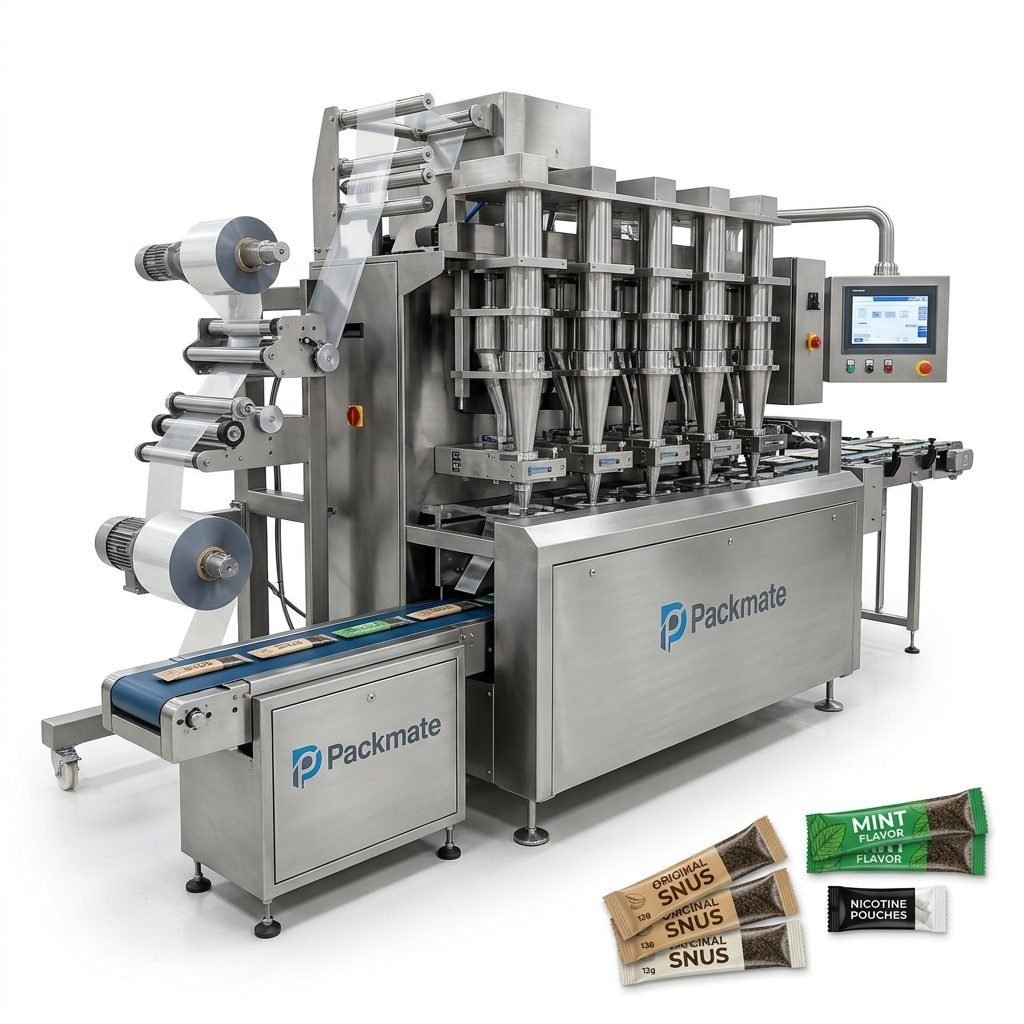
There are several machine categories commonly used in nicotine pouch production. Matching the right type to your operation will optimize cost and performance.
Stick Pack Machines
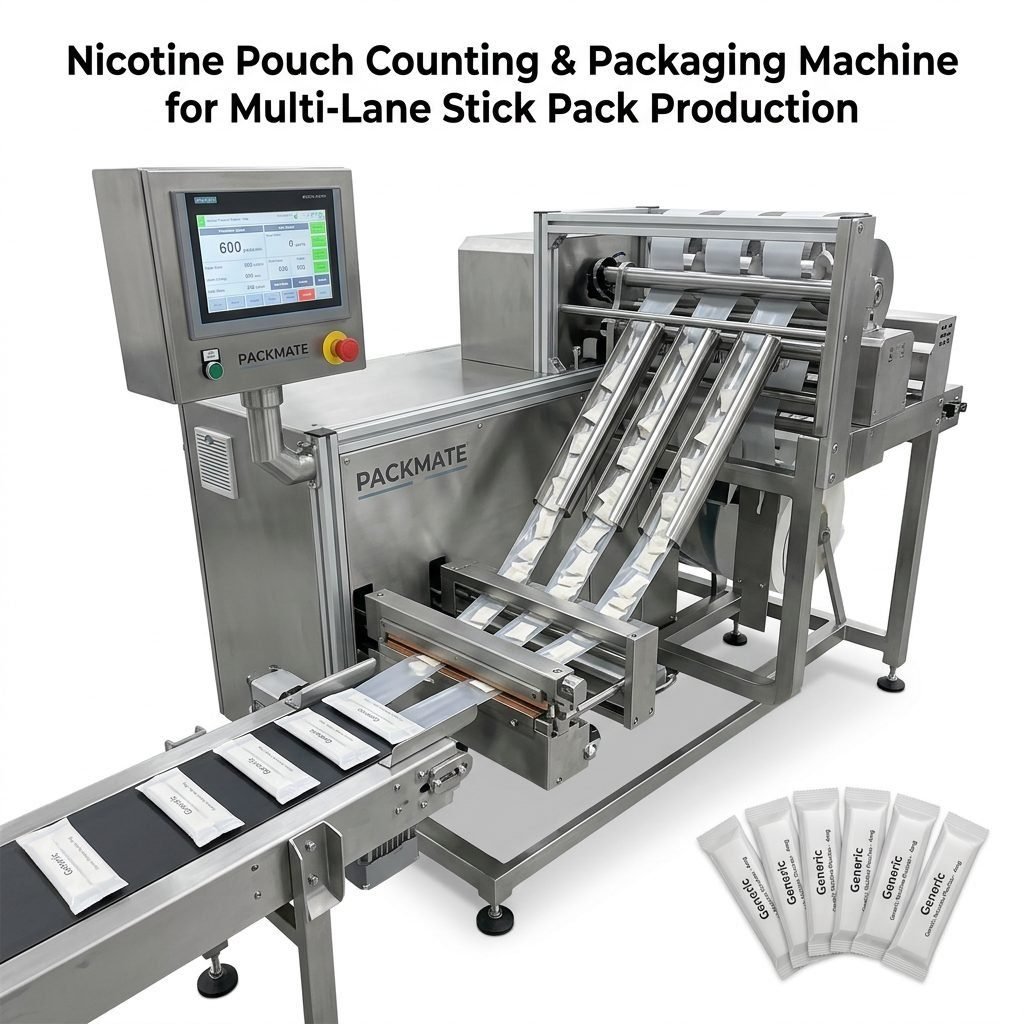
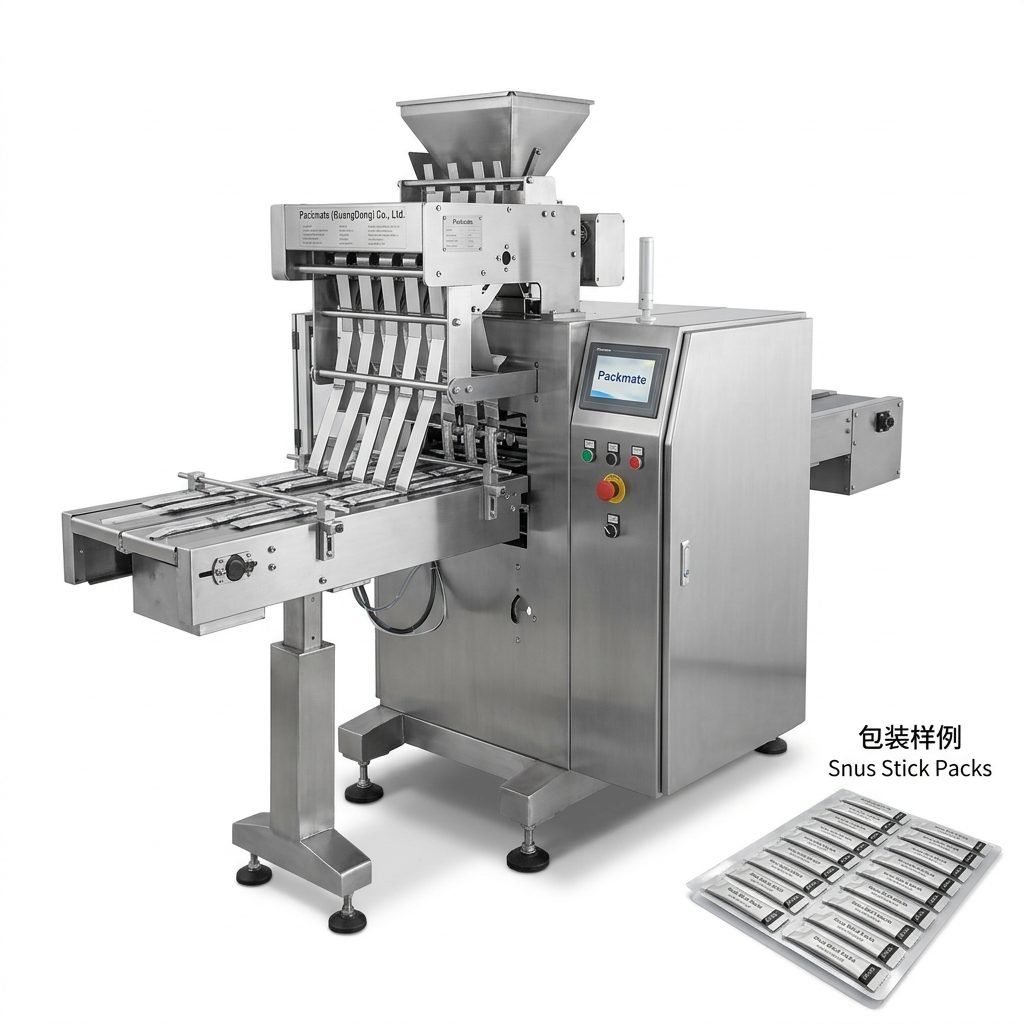
Stick pack machines are ideal for single-serve, elongated pouches. They are compact and can be highly automated. Use them for fast-moving consumer SKUs where space is limited.
Sachet & Multi-Lane Systems
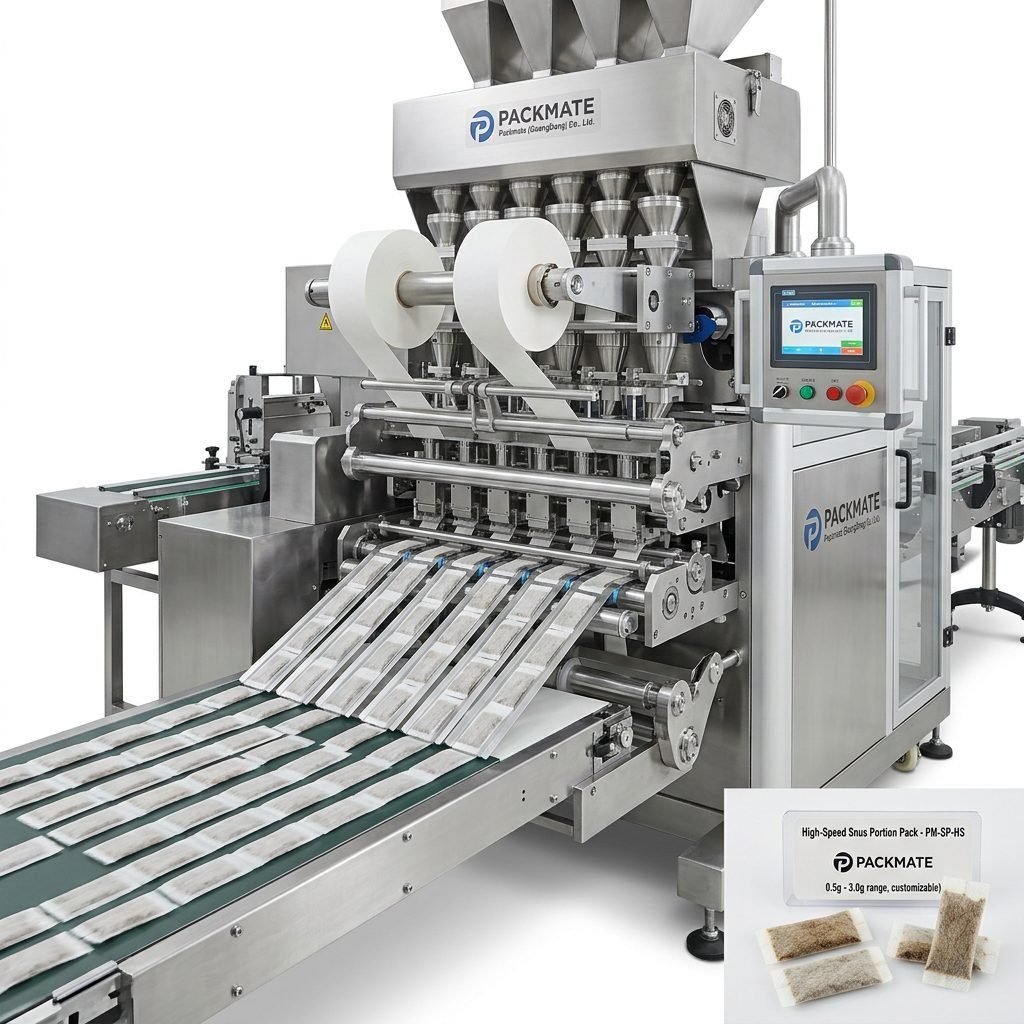
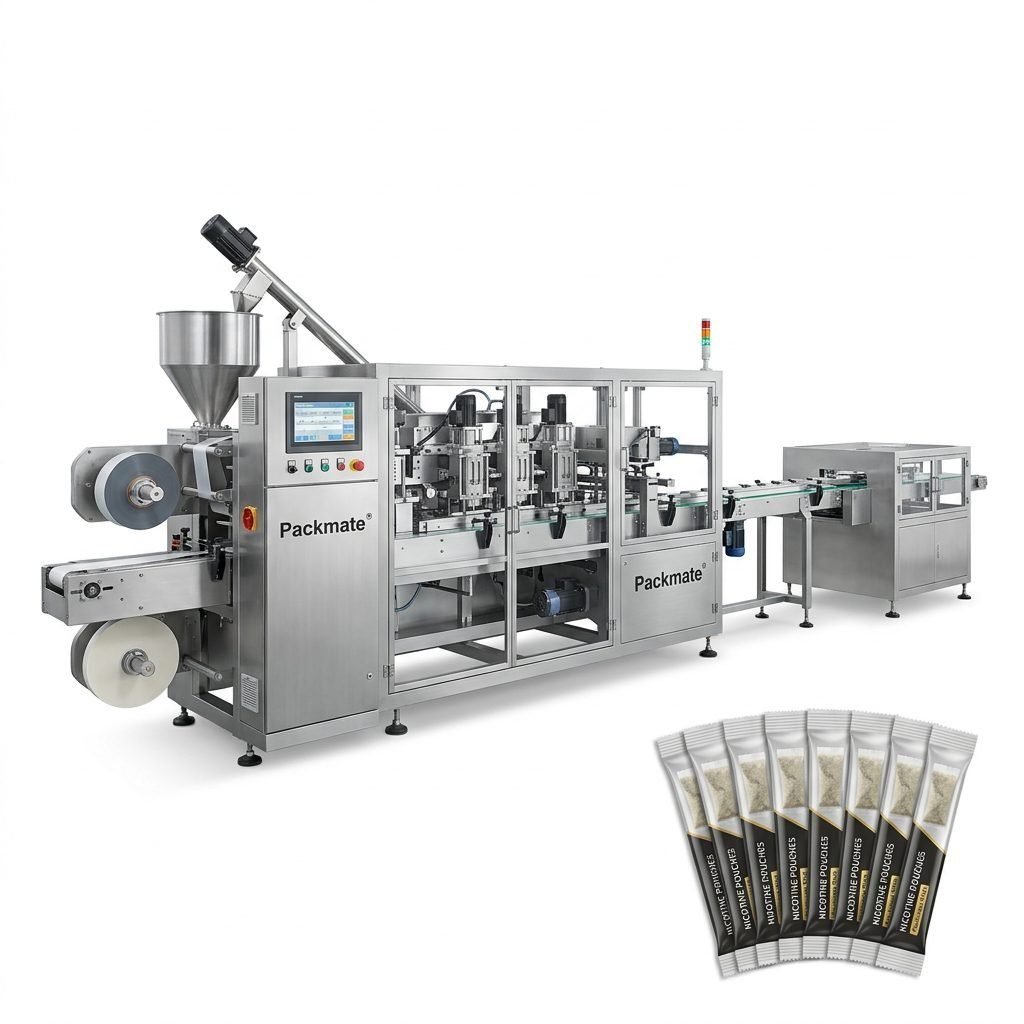
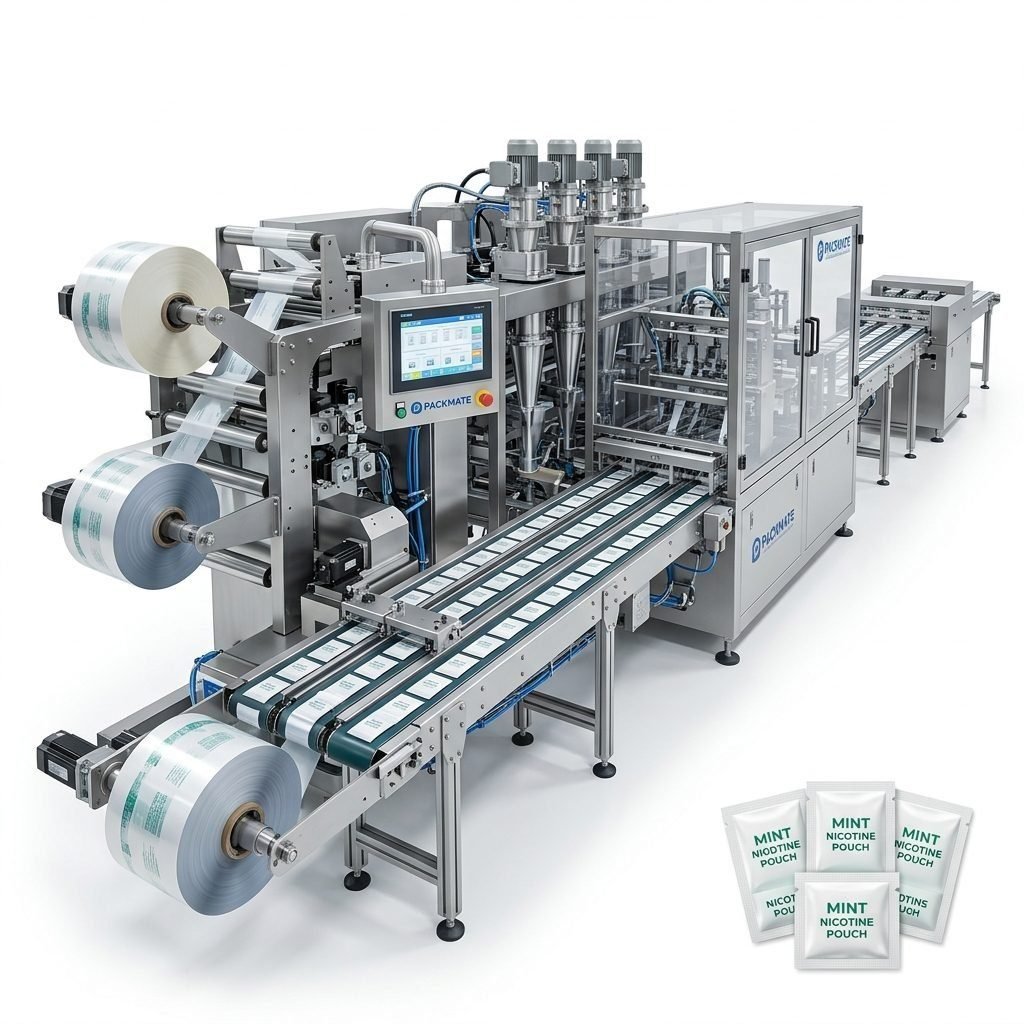
Multi-lane sachet machines dramatically increase output without proportionally increasing footprint. They are suitable for established brands needing consistent high-volume runs and are often used for nicotine pouches. For product reference and models, explore Sachet & Stick Pack Machines.
For a broader view of available lines, including combined filling and pouch forming solutions, see Snus & Nicotine Packaging Machines.
Factory Capabilities and Supplier Evaluation
A reliable supplier should demonstrate factory strength, production quality, and post-sale service. Look for manufacturing facilities with advanced CNC centers, precision assembly lines, and rigorous testing programs.
📌 Factory indicators to request: facility size, model range, certification copies (CE/ISO), and customer references or case studies.
If you want to view real-world installations and performance examples, check Case studies provided by experienced manufacturers.
Spare Parts and Local Support
Availability of spare parts and technician training in Grenada (or nearby regions) will reduce downtime. Confirm lead times for critical components and whether remote diagnostics or on-site service agreements are offered.
Automation, Controls, and Ease of Use
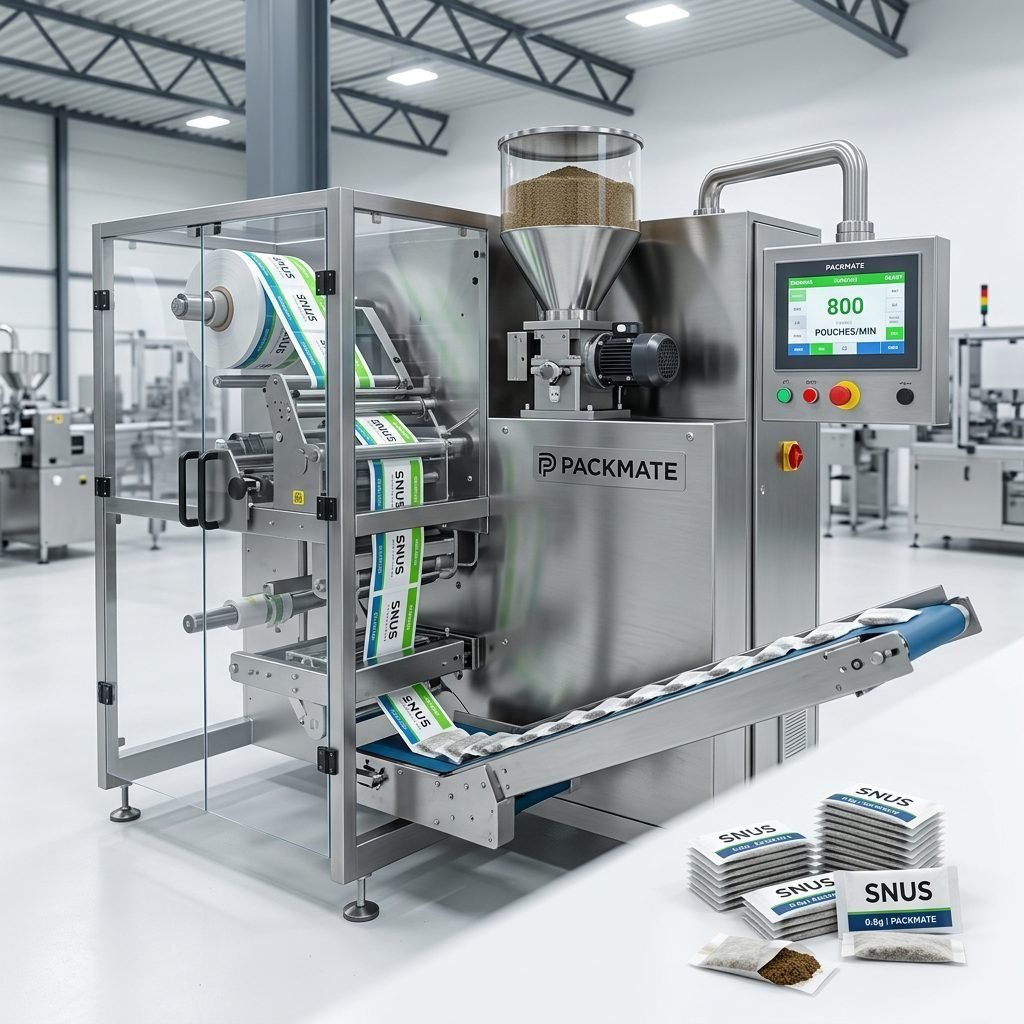
Modern packaging lines integrate PLC controls, HMI touchscreens, and recipe-driven changeovers. Evaluate software usability, language options, and whether the supplier provides training or remote support.
🔧 Operational focus: simple HMI, intuitive maintenance points, and clear documentation reduce operator errors and training time.
Total Cost of Ownership and Financing Options
Purchase price is only part of the equation. Consider energy consumption, spare parts, consumables, expected lifespan, and service contracts. Ask manufacturers for a lifecycle cost estimate and financing or leasing options if CAPEX is constrained.
Warranty and After-Sales Service
A robust warranty and clear SLA for response times are crucial. Evaluate whether the supplier offers remote troubleshooting, spare parts consignment, or local technician training to ensure rapid recovery from faults.
Site Preparation and Integration
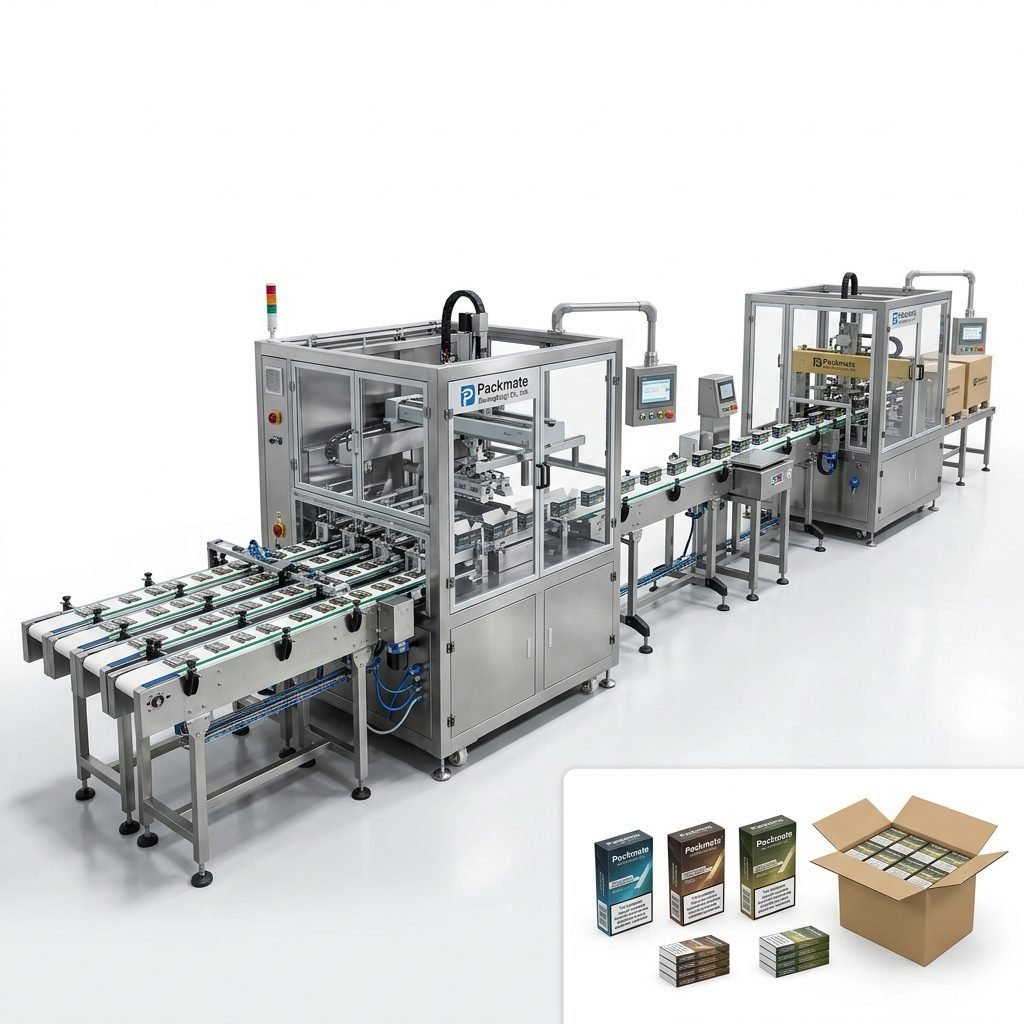
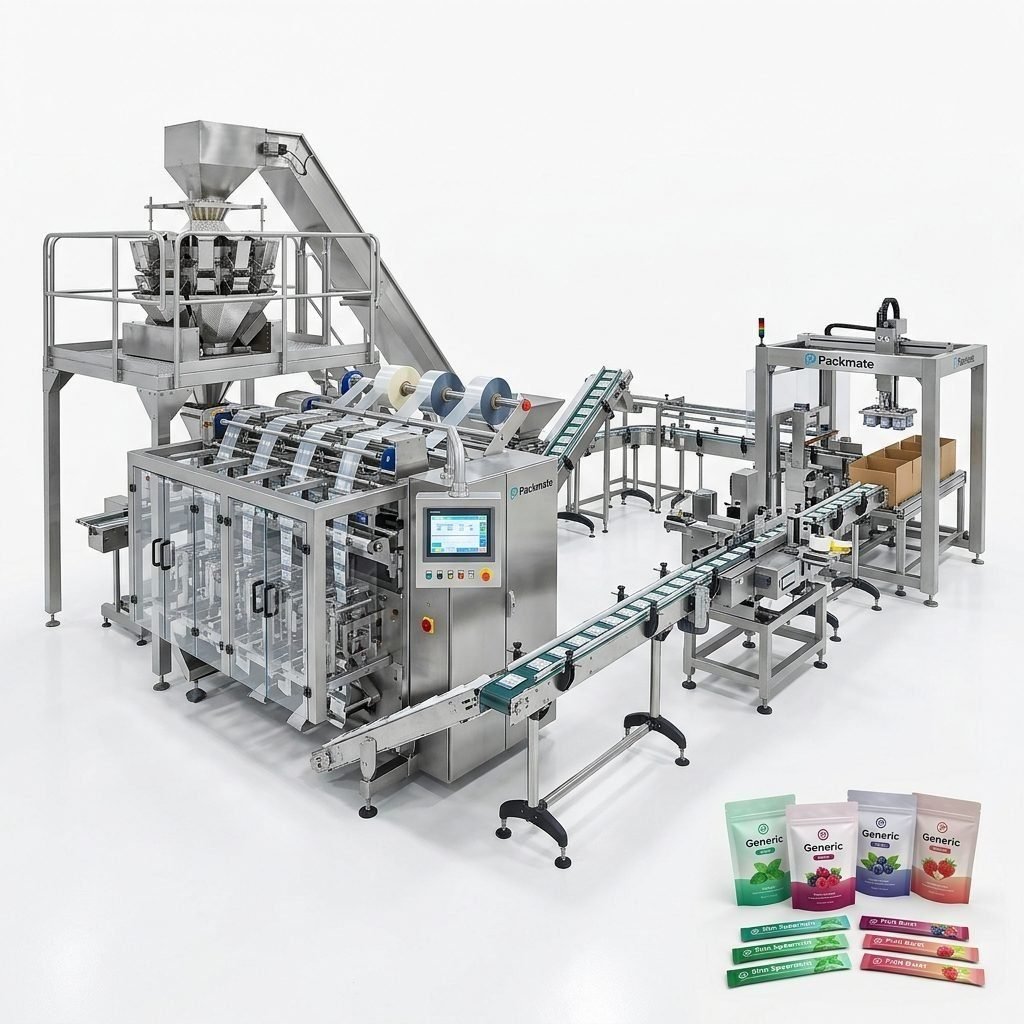
Before machine delivery, verify site utilities, floor loading, ventilation, electrical supply, and cleanroom or hygiene requirements. Engage your supplier early to coordinate layout, material flow, and integration with upstream and downstream equipment such as weighing and carton packing systems.
For integrated solutions, suppliers often provide full production lines — explore Filling & Packaging Lines and Weighing & Packaging Systems for complete workflows.
Testing, FAT, and Acceptance Criteria
Insist on Factory Acceptance Testing (FAT) to validate performance against agreed specifications. Define acceptance criteria including throughput, weight accuracy, pouch integrity, and uptime. Require video documentation of FAT or witness it in person if possible.
✅ FAT essentials: test runs with your product, verified performance metrics, and signed acceptance protocol.
Choosing the Right Supplier: Questions to Ask
A structured supplier evaluation helps mitigate risk. Below are targeted questions to guide supplier selection.
📌 What are the machine’s standard throughput and measured performance data?
📌 Can you provide CE/ISO certificates and FAT records?
📌 What is the standard lead time and spare parts availability?
📌 Do you offer installation, training, and remote support in Grenada or the Caribbean region?
📌 Can the machine handle multiple pouch formats and SKUs with minimal changeover?
Real-World Example: Selecting a Multi-Lane Snus Line
Suppose your brand plans to scale from small-batch production to a national distribution in Grenada. A multi-lane snus packaging line offers high throughput, consistent dosing, and efficient use of factory floor space. When considering such a line, validate the vendor’s multi-lane synchronization, pouch sealing integrity, and automated rejection systems.
For proven multi-lane and customized solutions, consult manufacturers with extensive snus experience and a wide product range — see Snus & Nicotine Packaging Machines for options and specifications.
Installation, Training and Commissioning Best Practices
Plan installation during low-production windows. Ensure operators and maintenance staff receive hands-on training, and obtain comprehensive documentation including electrical diagrams, spare parts lists, and maintenance schedules.
🔎 Commissioning checklist: site readiness verified, utilities connected, trained staff on-site, trial production with recorded KPIs.
After-Sales and Long-Term Partnership
The highest value comes from suppliers who stand behind their machines for the long term. Clarify service contracts, spare parts agreements, and upgrade paths. A partner that participates in your product development and line optimization will help maintain competitive advantage.
You can learn more about a manufacturer’s history, certifications and mission from their About page and Certificate listings.
Practical tips before signing
– Request client references in similar markets.
– Negotiate clear acceptance tests and warranty terms.
– Confirm spare parts shipping times to Grenada.
– Include training and remote support in the contract.
Finding the Right Machine Model
Match machine models to your SKU mix: single-lane for low-volume premium SKUs, multi-lane for mass-market production. Review catalogs, request datasheets, and schedule demonstrations or plant visits to witness machines in operation.
If you need help identifying specific models and turnkey solutions, explore Bag & Pouch Packaging Machines and Auxiliary Packaging Equipment to complement your main line.
Summary: Step-by-Step Buyer’s Roadmap
1) Assess market and regulatory needs.
2) Define production targets and SKU formats.
3) Shortlist suppliers based on factory strength and references.
4) Review technical specs and request FAT.
5) Plan site readiness, commissioning, and staff training.
6) Secure warranty, spare parts, and support agreements.
If you want direct contact with a manufacturer experienced in nicotine pouch packaging lines and full turnkey solutions, consider visiting the supplier Contact Us page or request catalogs and quotations online.
Closing advice
Prioritize durability and serviceability over the lowest initial price. Machines built with high-quality components, clear documentation, and a supplier committed to long-term partnerships deliver better ROI and fewer operational headaches.
Further resources
Explore manufacturer product pages and case studies to compare offerings: Snus & Nicotine Packaging Machines, Sachet & Stick Pack Machines, and Case.
Frequently Asked Questions (FAQs)
Q1: How long does it take to install and commission a snus packaging line in Grenada?
A1: Typical installation and commissioning take 2–6 weeks depending on complexity, site readiness, and availability of trained staff. Remote pre-commissioning support can shorten on-site time.
Q2: What ongoing costs should I budget for beyond the purchase price?
A2: Budget for spare parts, regular maintenance, consumables (films, adhesives), energy, and periodic technician service contracts. Include a contingency for unexpected replacements in the first year.
Q3: Can a machine handle multiple nicotine pouch sizes and formats?
A3: Many modern machines are designed for format flexibility and quick changeovers. Confirm the specific range and request demonstration runs with your products.
Q4: What certifications should I expect from a reputable supplier?
A4: Request CE and ISO certifications as a baseline; also ask for FAT records, customer references, and documentation proving component quality.
Q5: How do I get pricing and more technical details?
A5: Contact the supplier directly via their Contact Us page or request a catalog and technical datasheet. Many manufacturers also provide remote consultations to tailor proposals to your needs.