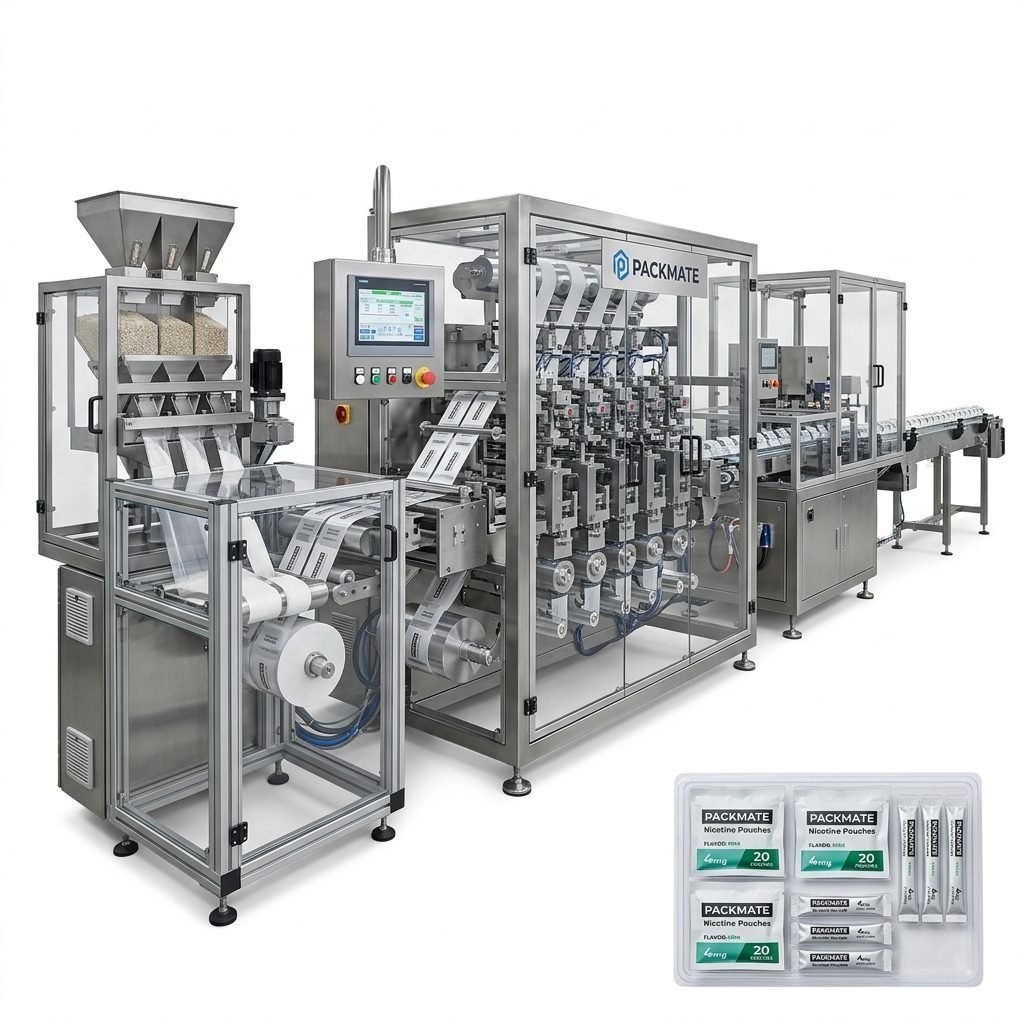
Choosing the right manufacturer for nicotine packaging machinery is a strategic decision that affects product quality, regulatory compliance, production efficiency, and long-term costs. This guide walks you through a practical, step-by-step process to select the best snus and nicotine pouch packaging equipment supplier for businesses operating in or shipping to the Marshall Islands, with clear evaluation criteria, actionable checklist items, and real-world considerations.
Understand the Market Context in the Marshall Islands
The Marshall Islands presents specific logistical, regulatory, and market-sizing realities. Import processes can be lengthy, local distributors may be limited, and regulatory requirements for nicotine products can differ from larger markets. Before contacting manufacturers, document your expected monthly production volume, product formats (single-dose pouches, stick packs, sachets), and any specific labeling or packaging material needs. This initial clarity will shape machine selection and supplier negotiations.
Key local considerations
Shipping lead times: Factor in ocean freight schedules and customs clearance time to the Marshall Islands.
Spare parts availability: Choose a manufacturer with fast spare parts dispatch and clear MRP documentation.
After-sales support: Remote troubleshooting, local technician training, and online manuals are invaluable when service teams cannot arrive quickly.
Evaluate Manufacturer Experience & Track Record
Look for a supplier with proven experience specifically in snus and nicotine pouch lines. Companies that understand the small-dose, multi-lane precision required for nicotine pouches will deliver higher productivity and less downtime. Check for documented case studies, exhibition participation, and certifications that indicate consistent quality management.
Pro tip: prioritize manufacturers with factory tours or virtual demonstrations. Seeing assembly lines and test runs — even remotely — reduces risk and reveals build quality, tolerances, and attention to detail.
What to confirm about experience
– Years of industry experience and specialization in nicotine/snuss equipment.
– Number of delivered lines and customer references in similar markets.
– Evidence of continuous R&D and multi-lane system expertise for small-dose pouches.
Inspect Technical Capabilities & Product Range
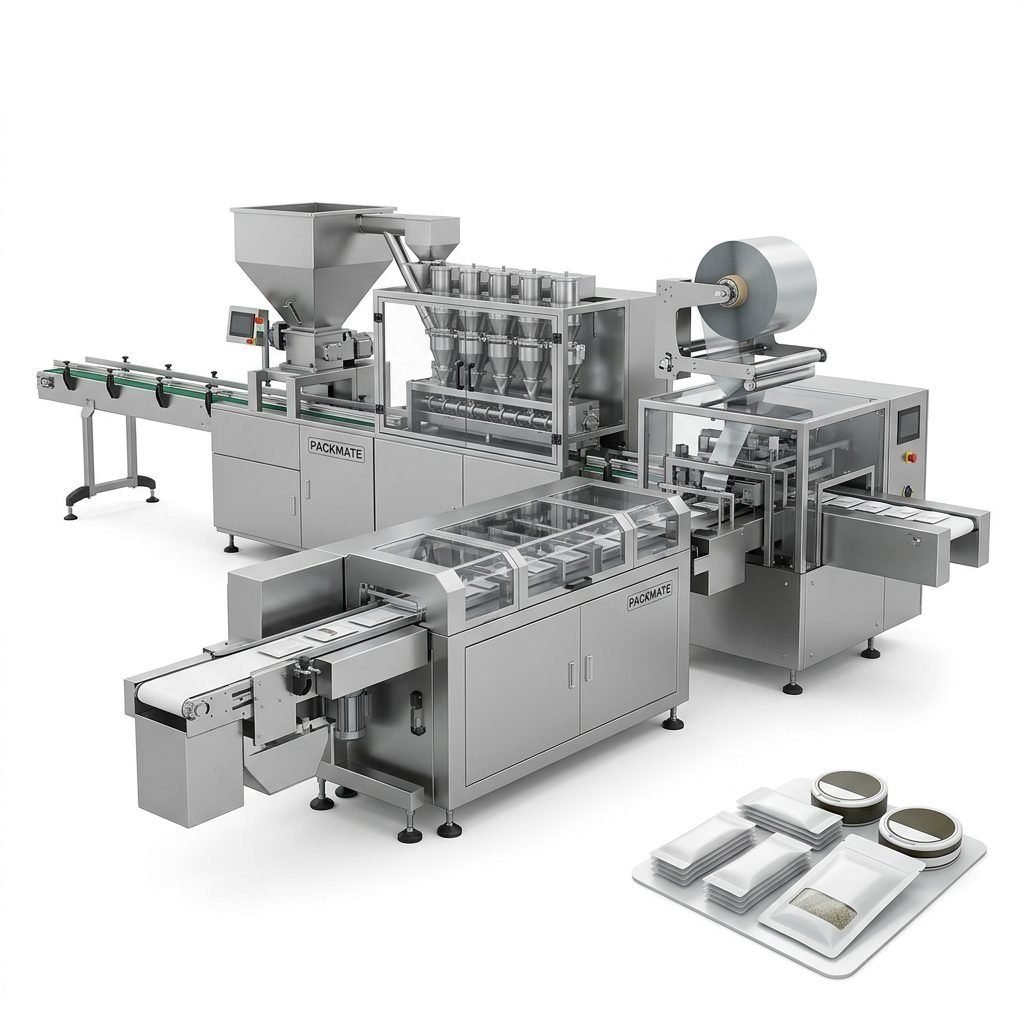
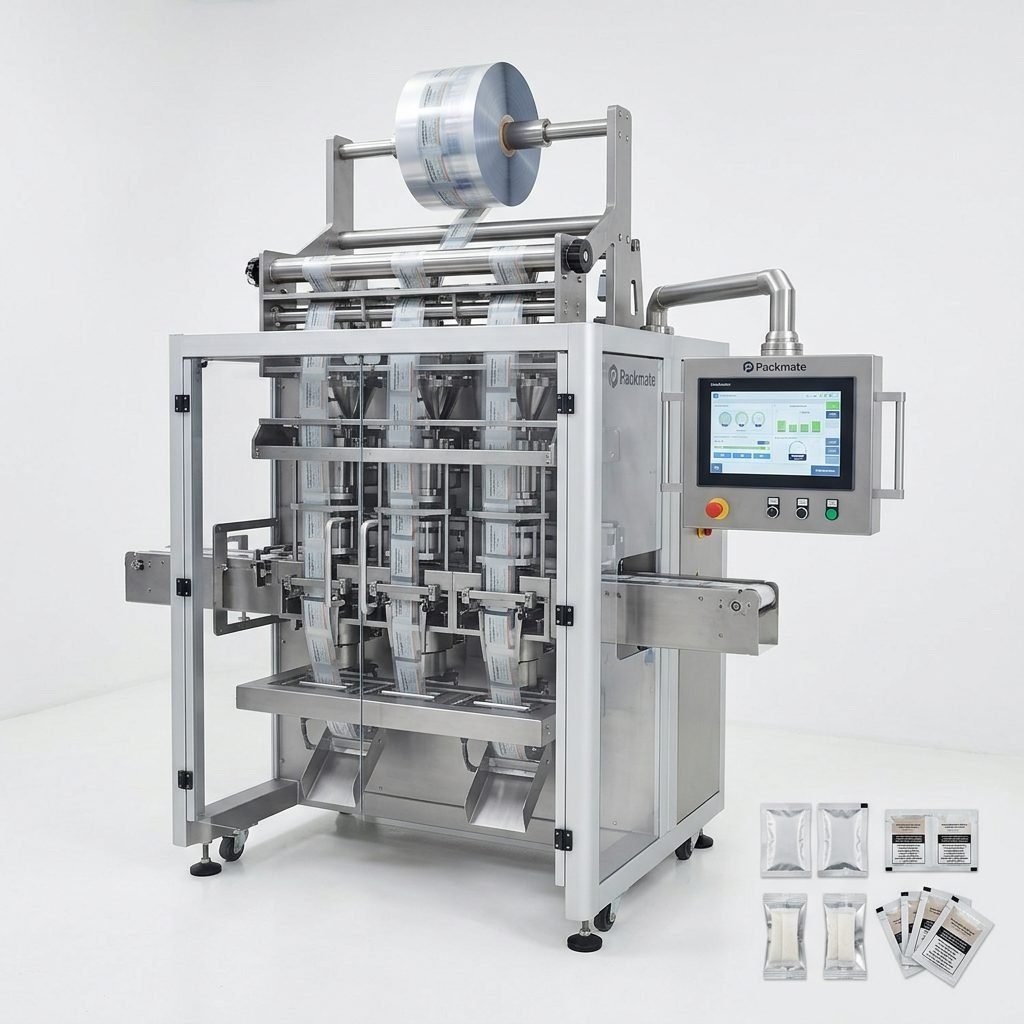
A strong manufacturer offers a portfolio of machines for snus & nicotine packaging, including stick pack, sachet, multi-lane pouch systems, and auxiliary equipment for weighing, filling, and case packing. Assess whether the supplier provides modular lines that can scale with your growth and can be customized for special materials or barrier films.
Explore the manufacturer’s product pages for technical specifications and examples. For instance, review their snus lines and related systems to confirm they cover your required speeds, lane counts, and dosing precision: Snus & Nicotine Packaging Machines.
Key technical checks
– Maximum output (pouches/min) and whether it meets your target throughput.
– Tolerance and dosing accuracy for micro-dose nicotine pouches.
– Compatibility with pouch materials (foil, paper, laminated films).
– Integration capability with weighing and filling systems for powders or liquids (link: Weighing & Packaging Systems).
Quality Assurance, Certification & Compliance
Regulatory compliance matters more in nicotine products than many categories. Verify the manufacturer conforms to international standards such as CE and ISO. Request factory quality control documentation, testing protocols, and traceability procedures. Ensure materials are compatible with packaging compliance demands for the Marshall Islands and any target export markets.
Red flag: manufacturers that cannot provide certificates or have vague testing procedures. Always ask for recent CE/ISO certificates and sample inspection reports.
Assess Factory & Manufacturing Strength
A capable factory scale reduces lead times and improves spare part support. Evaluate the size of the manufacturing facility, CNC capabilities, assembly process controls, and final testing zones. A factory with advanced CNC machining centers and precision assembly lines typically produces machines with better longevity and interchangeability of parts.
Manufacturers who can provide turnkey solutions (from fillers to palletizing) simplify procurement and system integration. Review their case portfolio to confirm turnkey project delivery experience: Case.
Factory indicators to request
– Factory area and number of assembly lines.
– CNC and test equipment lists.
– Photographs or videos of assembly and testing (or schedule a virtual tour).
– Average lead time from order to shipment for packed lines.
Customization & Flexibility
Your product specifications may change as you iterate. Choose a supplier willing to customize tooling, adjust lane numbers, or adapt to new materials. A flexible engineering team with R&D credentials and documented modification processes reduces future upgrade costs.
Negotiation angle: request options pricing for common upgrades (extra lanes, rotary fillers, servo upgrades) so you can plan CAPEX for future expansion.
After-Sales Service & Technical Support
Reliable after-sales support minimizes downtime. Confirm spare parts lead times, remote diagnostic tools, training packages, and warranty terms. Ideally, the manufacturer provides online resources, manuals, and on-site commissioning to ensure your team can run and maintain the line confidently.
Check whether the company offers long-term service agreements and periodic maintenance plans. If available, review their service information and contact channels: Service.
Service checklist
– Warranty length and what is covered.
– Availability of fast-shipment spare parts.
– Remote video troubleshooting and PLC access policies.
– Training duration on-site and availability of follow-up training.
Total Cost of Ownership (TCO) vs. Upfront Price
A low purchase price can hide high operating costs. Calculate TCO including uptime estimates, spare parts pricing, energy consumption, maintenance labor, and potential retrofits. Machines built with high-quality components and better precision often deliver lower cost per pouch over time.
TCO tip: ask for amortized cost examples showing cost per pouch over a 5-year horizon at expected output.
Logistics, Export & Installation to the Marshall Islands
Understand shipping options, export documentation, packaging standards, and on-site installation support for the Marshall Islands. Choose manufacturers experienced shipping to remote island nations or with logistics partners who handle carrier booking, crating, and customs paperwork.
Request a shipping plan that includes dimensions and weights for sea freight and an estimated timeline. Confirm whether the supplier will provide on-site commissioning or remote guidance during installation.
Factory Visit & Acceptance Testing
Insist on Factory Acceptance Tests (FAT) prior to shipment. A formal FAT should run your product format and validate speed, dosing, and packaging integrity. If you cannot visit in person, request a live video FAT and obtain recorded evidence of the run.
FAT must include: full-speed production for at least a short run, scrap/error rates, waste handling demonstration, and electrical/control interface verification.
Why Packmate (Example Manufacturer) Could Be a Strong Option
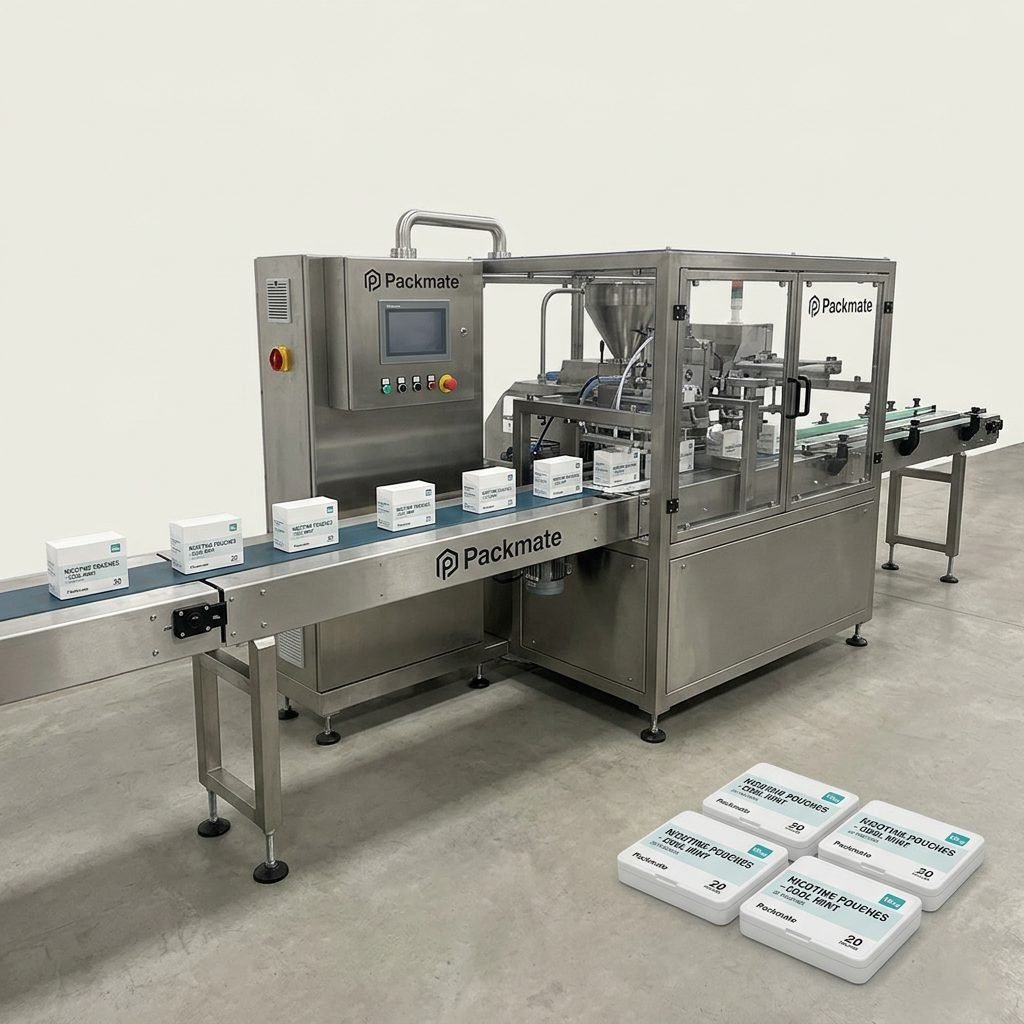
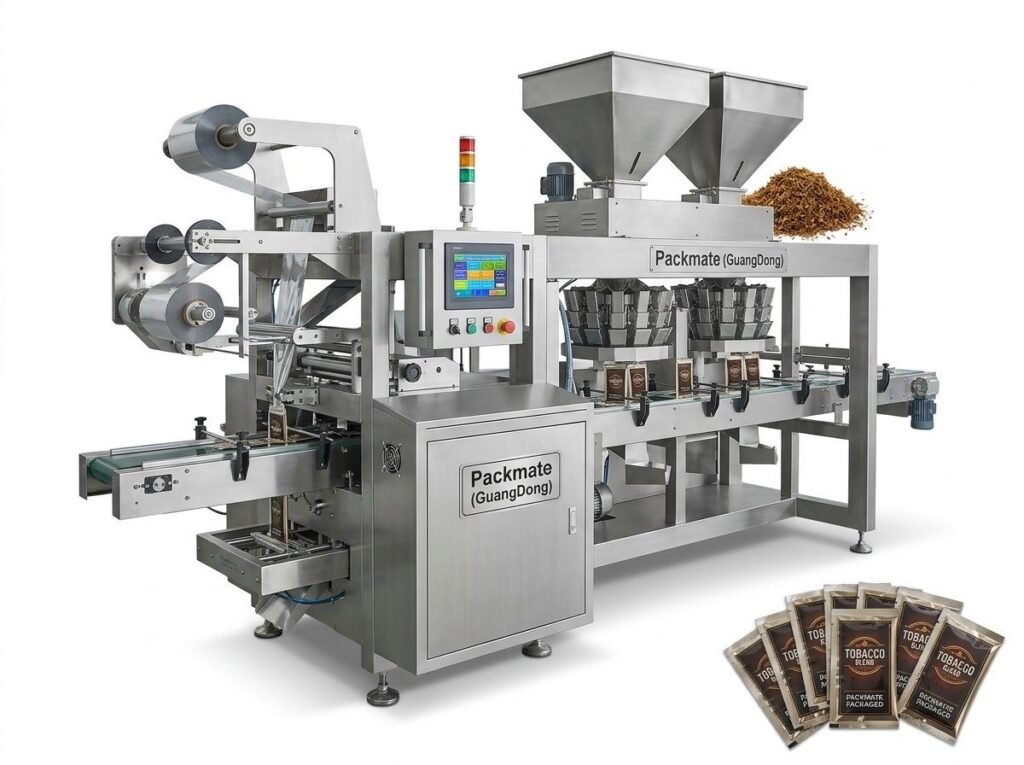
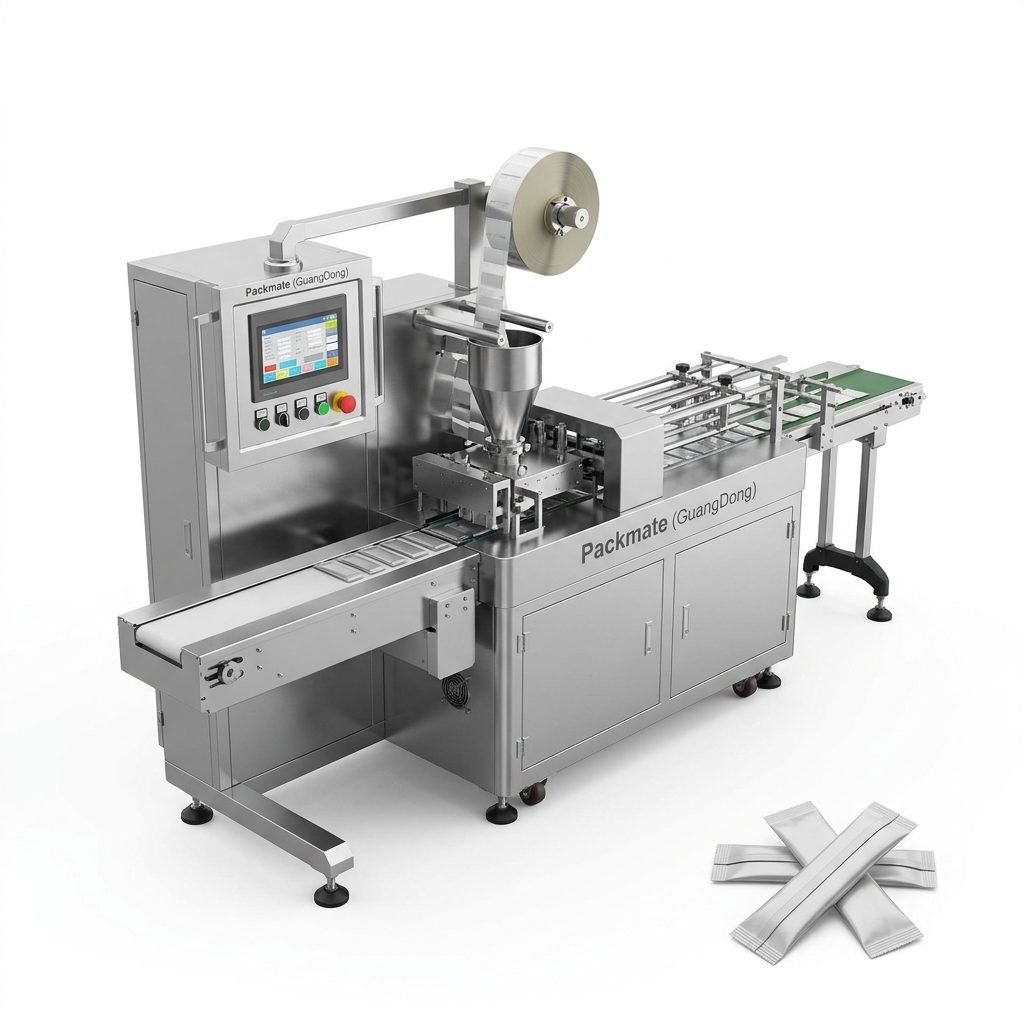
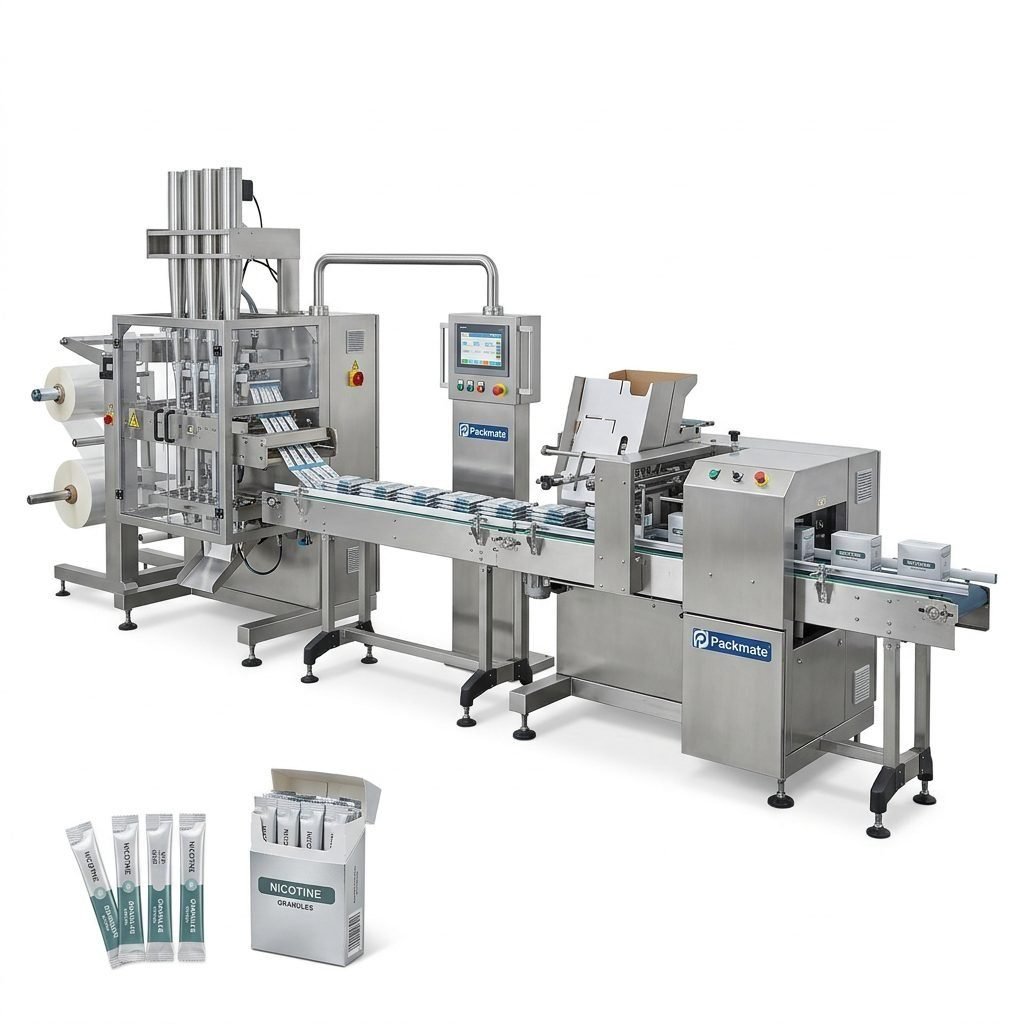
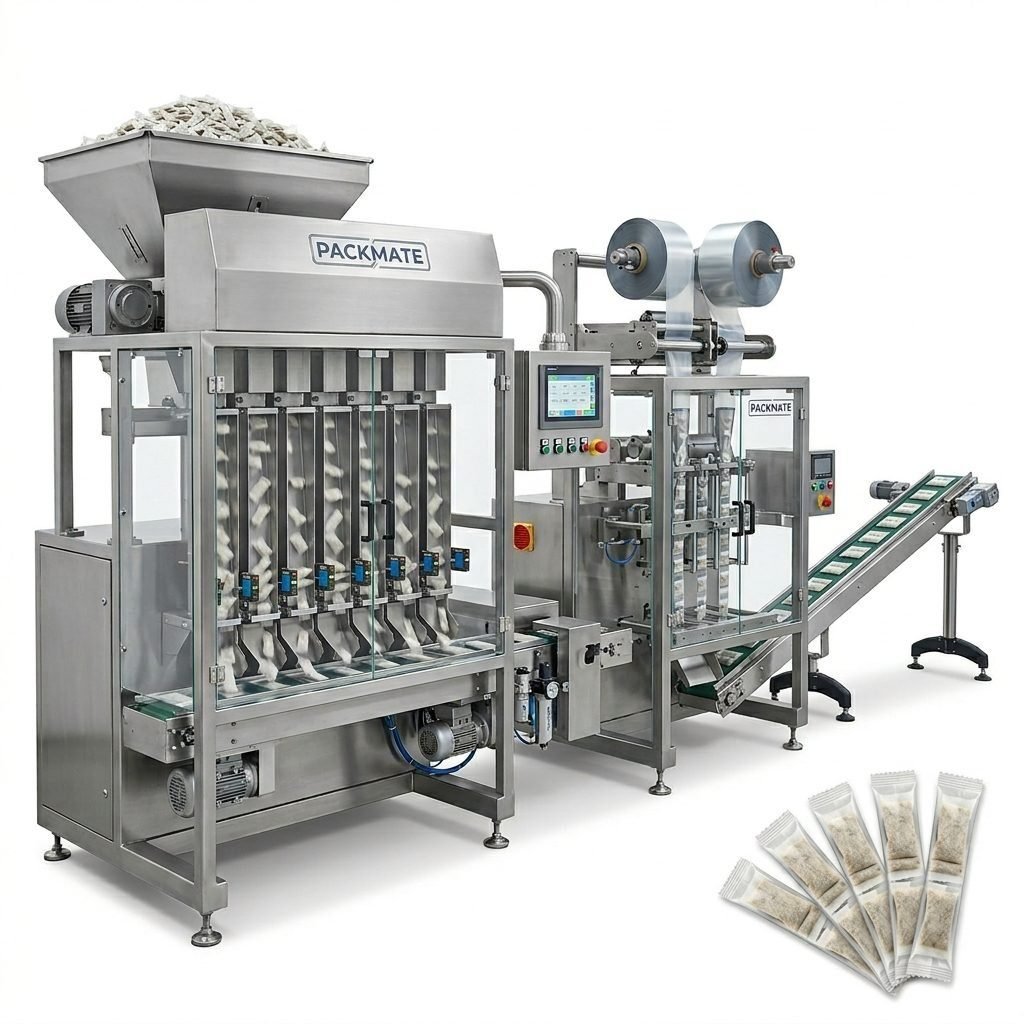
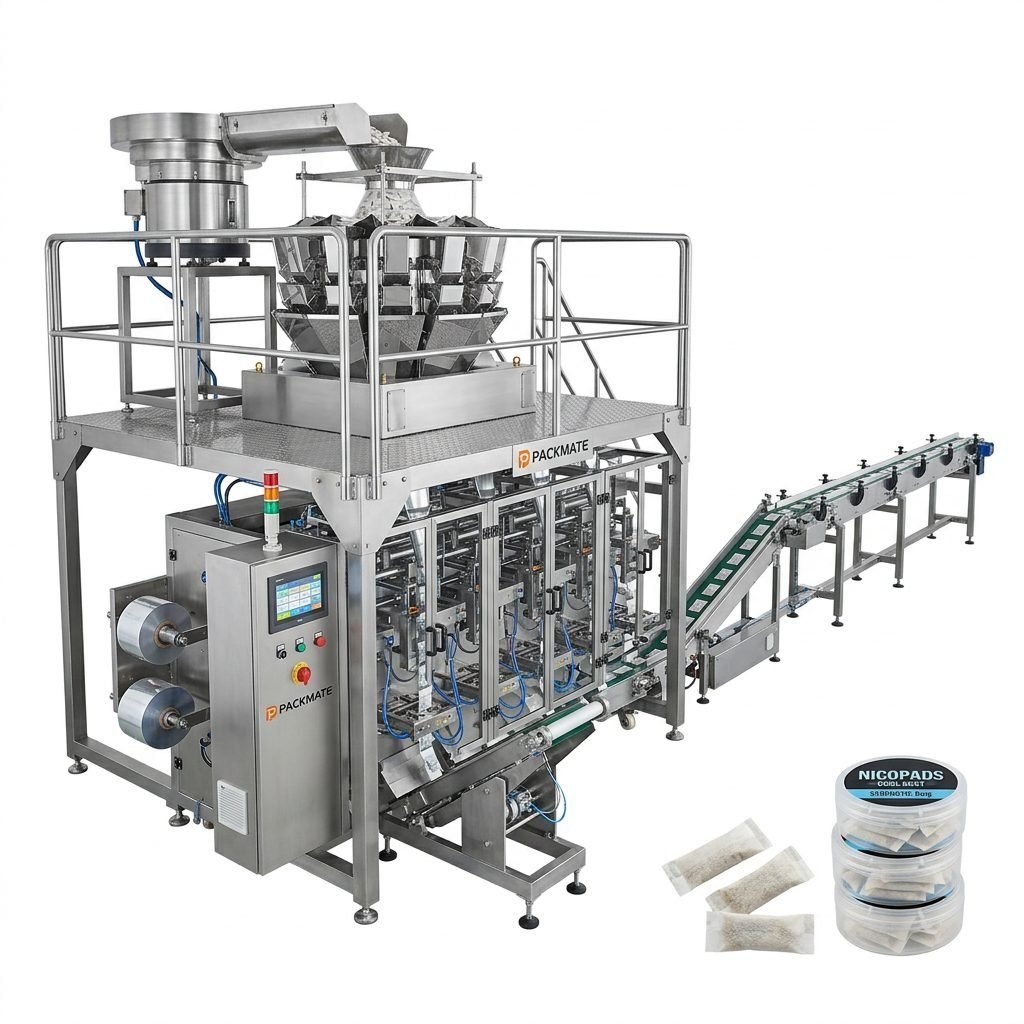
When evaluating suppliers, compare features against a known profile. For example, Packmate Snus Machine emphasizes specialization in snus and nicotine pouch packaging, with 30+ years of engineering experience, a 20,000㎡ manufacturing facility, and more than 50 machine models covering stick packs, sachets, and multi-lane systems. Their global turnkey solutions and experience in nicotine pouch lines make them a credible candidate to evaluate further.
Explore details about the company’s history and capabilities at: About Packmate, and review product lines directly at Snus & Nicotine Packaging Machines. For project examples, see their case studies: Case.
Decision Matrix: A Practical Checklist
Use a weighted scoring matrix to compare vendors across critical categories: technical fit, build quality, certifications, service & spare parts, logistics, cost, and scalability. Assign weights based on your priorities (e.g., service & parts 25%, technical fit 30%, cost 20%, compliance 15%, delivery 10%).
Scoring example: give each vendor a 1–10 score in each category, multiply by weight, and compare totals. This objective approach helps avoid decisions driven solely by price or salesmanship.
Practical Steps to Finalize Purchase
1. Narrow to 2–3 vendors after initial vetting and reference checks.
2. Request formal proposals including FAT plan, spare parts list, training schedule, and a detailed guarantee.
3. Negotiate payment terms and include clear acceptance criteria before final payment.
4. Schedule FAT and confirm shipping/installation timelines.
5. Plan for spare parts inventory for the first 12 months of operation.
Quick checklist for procurement: compliance documents, FAT video evidence, spare parts lead times, on-site commissioning plan, and comprehensive operator training.
Final considerations before signing
– Confirm remote diagnostic access and agreed SLAs for remote support.
– Validate power supply and factory infrastructure requirements for the line.
– Ensure language and documentation support (manuals, PLC labels) are available in the language your operators use.
– Discuss long-term partnership potential for upgrades and new product formats.
Contact & Next Steps
When you are ready to request quotes or schedule a virtual demonstration, reach out to the manufacturer’s sales and service teams. For direct contact and assistance with project planning, investigate the vendor’s contact resources: Contact Us.
Selecting the right nicotine packaging machine manufacturer is a balance of technical fit, manufacturing quality, regulatory compliance, and ongoing service reliability. By following the steps above and using a structured decision matrix, you can confidently choose a partner who supports both your launch and long-term growth in the Marshall Islands market.
Frequently Asked Questions
Q1: How long does it typically take from order to shipment for a snus packaging line?
A1: Lead times vary by configuration and factory workload, but expect 12–24 weeks for a fully custom turnkey line. Standard machine models can sometimes ship in 8–12 weeks. Always confirm in the proposal.
Q2: What certifications should I request from the manufacturer?
A2: Ask for CE and ISO certificates as baseline. For nicotine products, also request any material safety documentation, EMC reports, and FAT reports proving dosing accuracy and sealing performance.
Q3: How much spare parts should I stock initially?
A3: Start with critical wear parts for 3–6 months (belts, seals, nozzles, sensors, PLC modules) and ask the manufacturer for a recommended spare parts kit tailored to your production volume.
Q4: Can I get remote commissioning and training?
A4: Many manufacturers now offer remote commissioning and virtual training modules. Confirm availability, language support, and whether remote services replace or supplement on-site commissioning.
Q5: Where can I see real examples of completed packaging lines?
A5: Review the manufacturer’s case studies and exhibition demonstrations, which often include live machine runs and customer references. See their case and exhibition pages for examples: Case and Our Exhibition.