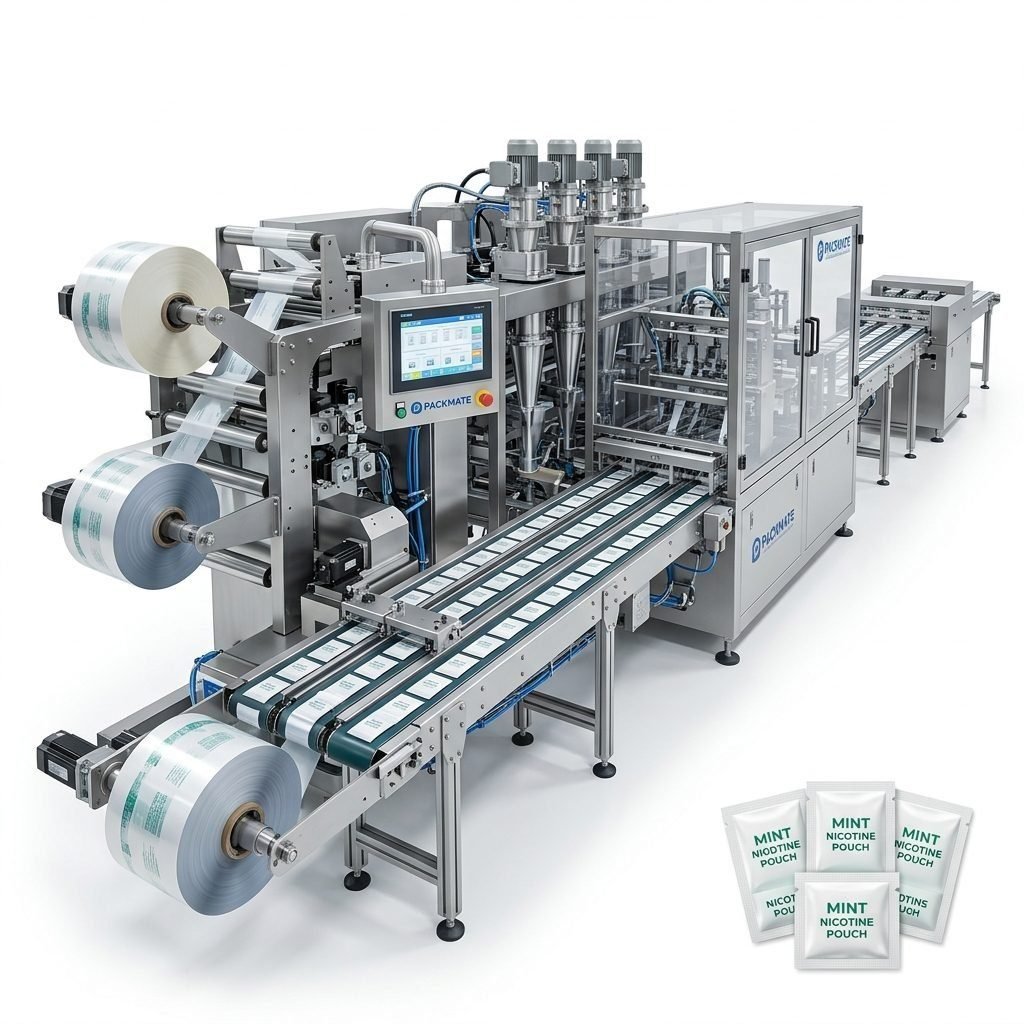
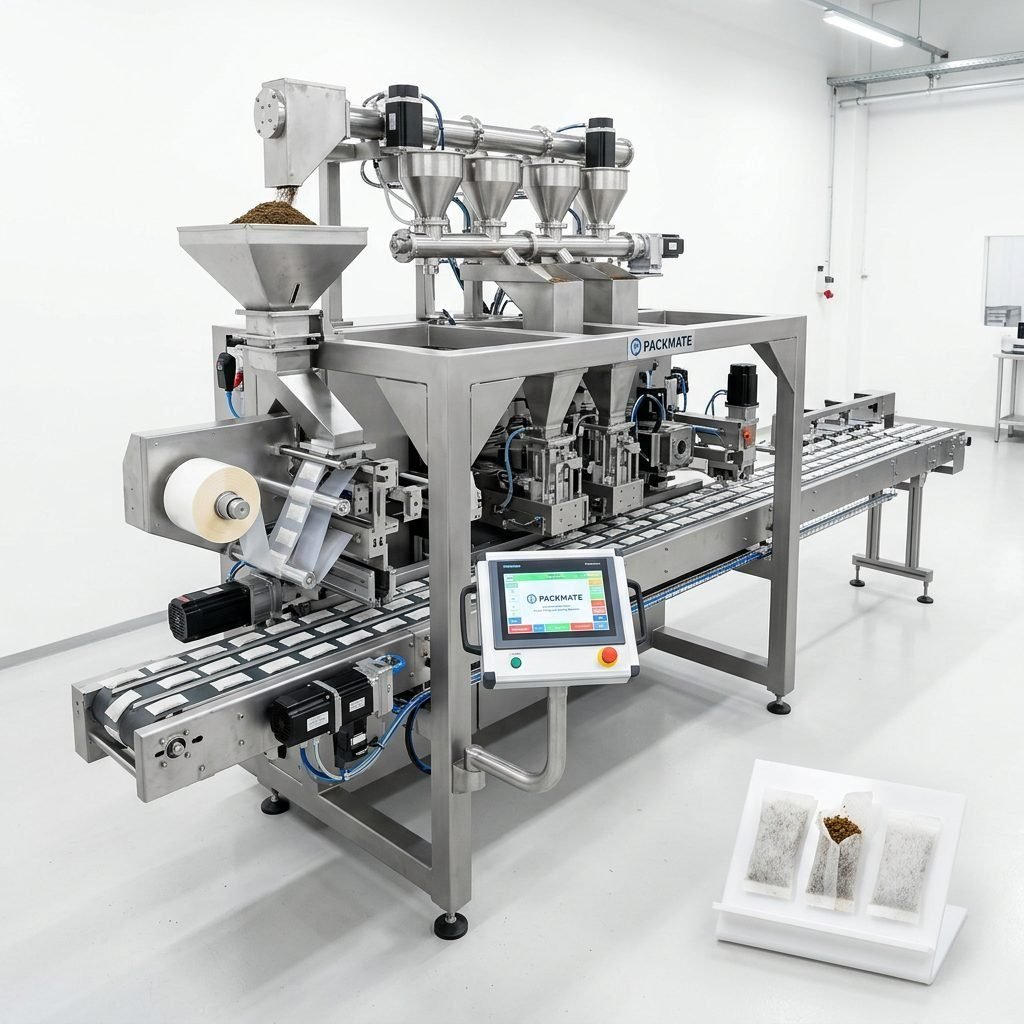
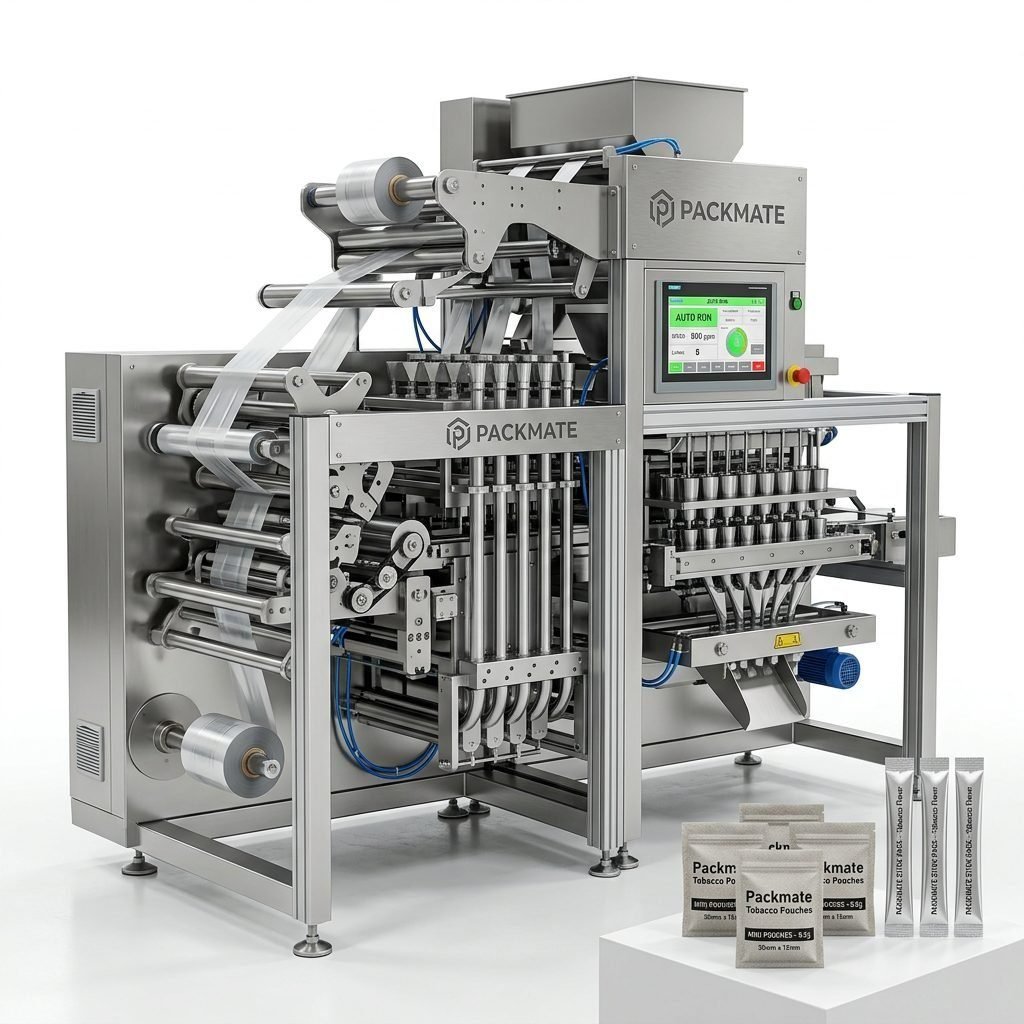
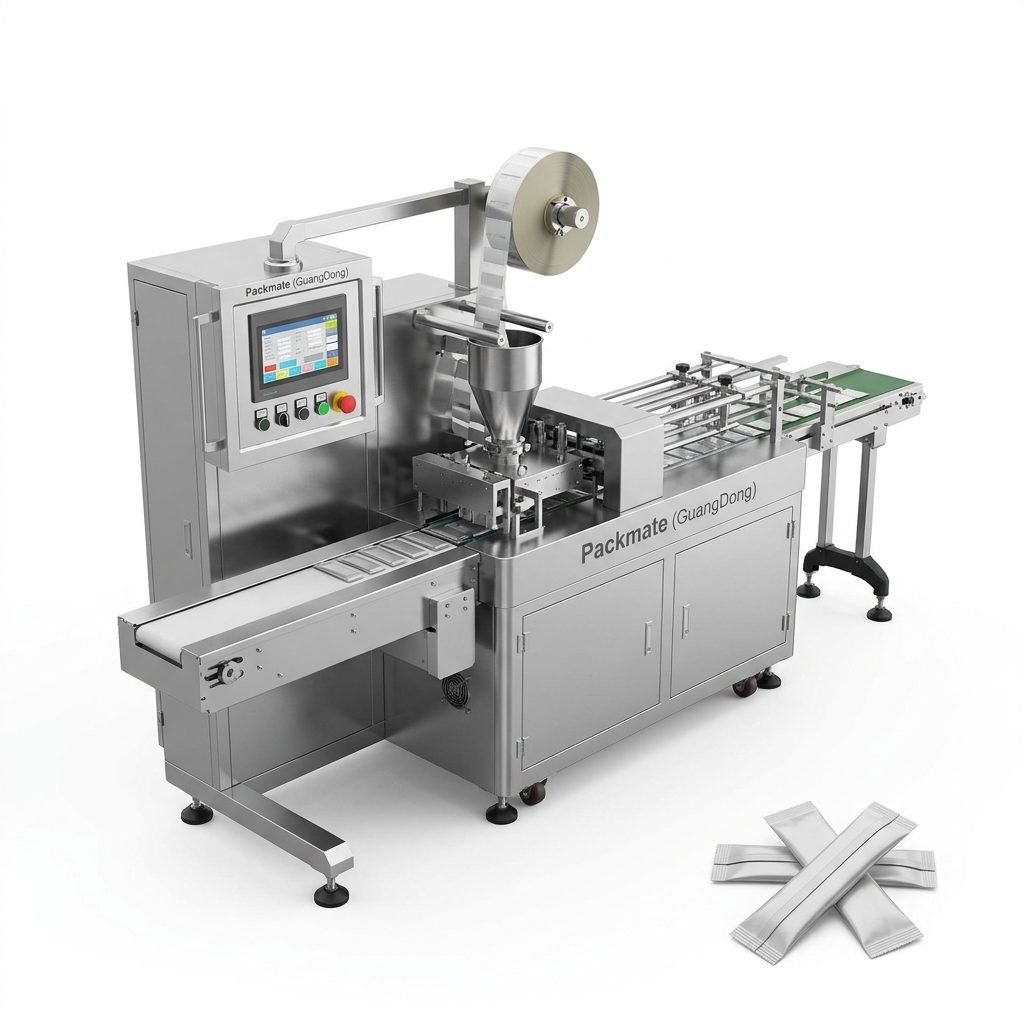
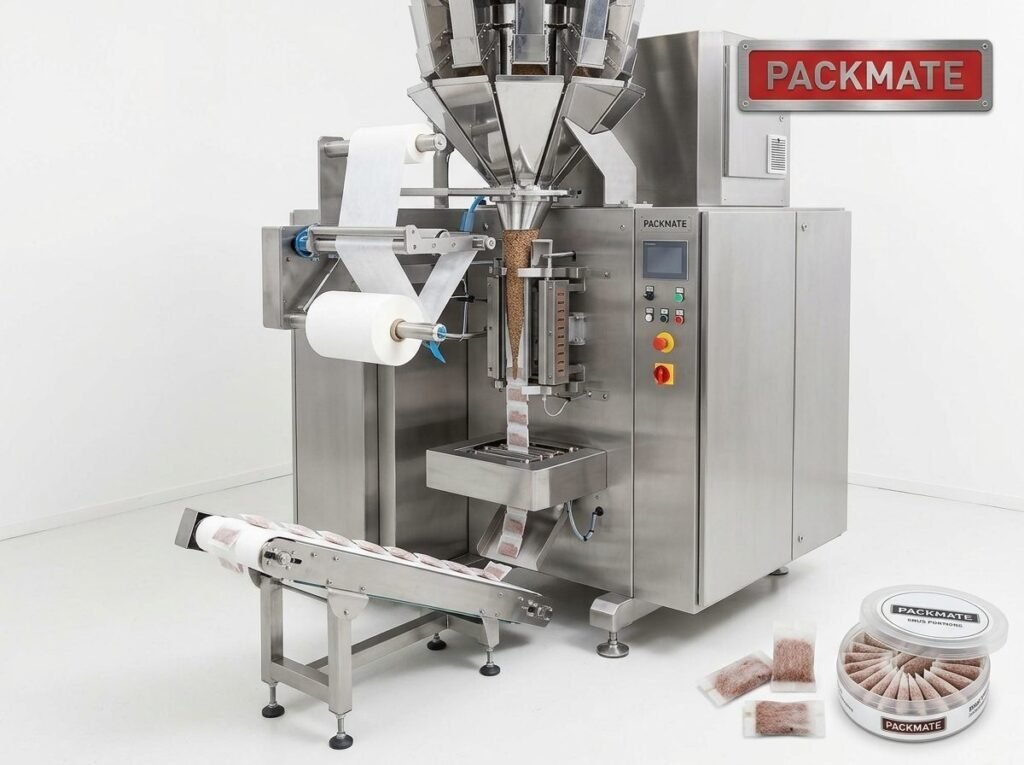
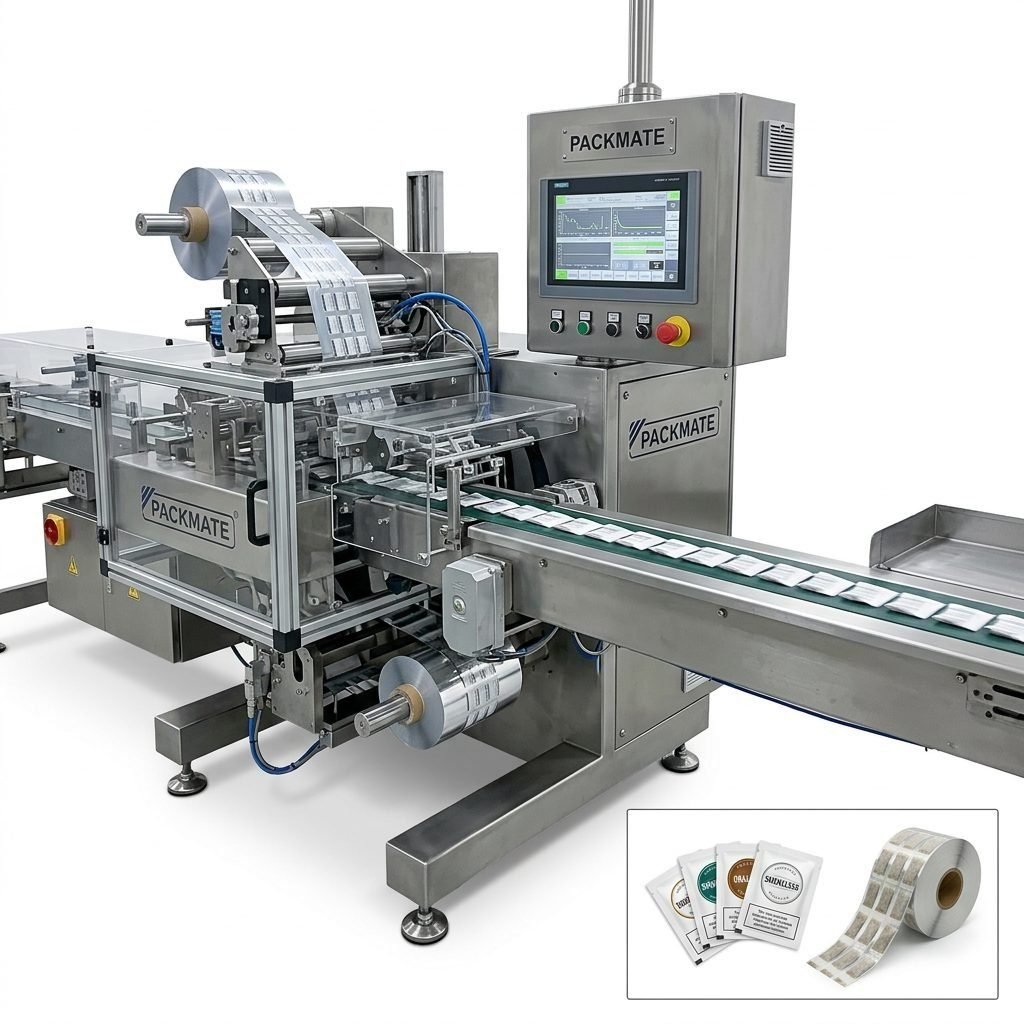
Choosing the right snus packaging machinery manufacturer for your Portugal-based operation is a strategic decision that affects production efficiency, compliance, long-term costs, and product quality. This guide walks you through practical evaluation steps, technical criteria, and negotiation tips so you can select a partner who will scale with your business and deliver reliable, high-performance packaging lines for nicotine pouches and related products.
Why choosing the right manufacturer matters
Packaging machines are high-investment assets. A well-chosen supplier reduces downtime, improves yield, and helps you meet regulatory requirements in the EU market. For companies in Portugal, the ideal manufacturer blends technical excellence, turnkey capabilities, responsive support, and a clear understanding of snus/nicotine pouch production requirements.
Quick snapshot – what top manufacturers offer
High-precision multi-lane systems for small-dose pouches, fully automated lines for filling, sealing and secondary packaging, CE/ISO-certified equipment, and global after-sales service are non-negotiable features to look for.
Understand your production needs first
Before contacting suppliers in Portugal or abroad, list your production targets: target output (pouches/hour), pouch types (stick pack, sachet, multi-lane snus pouch), product formats (powder, granule, liquid), packaging materials, and acceptable waste rate. These specifics allow vendors to recommend the correct machine family and any required customizations.
Key operational parameters to define
• Target line speed and uptime expectations.
• Number of lanes and pouch size range.
• Dosing accuracy requirements and acceptable variance.
• Integration needs with upstream/downstream systems (weighers, conveyors, cartoners).
• Cleanability, maintenance intervals, and operator skill level.
Evaluate technical capabilities and machine models
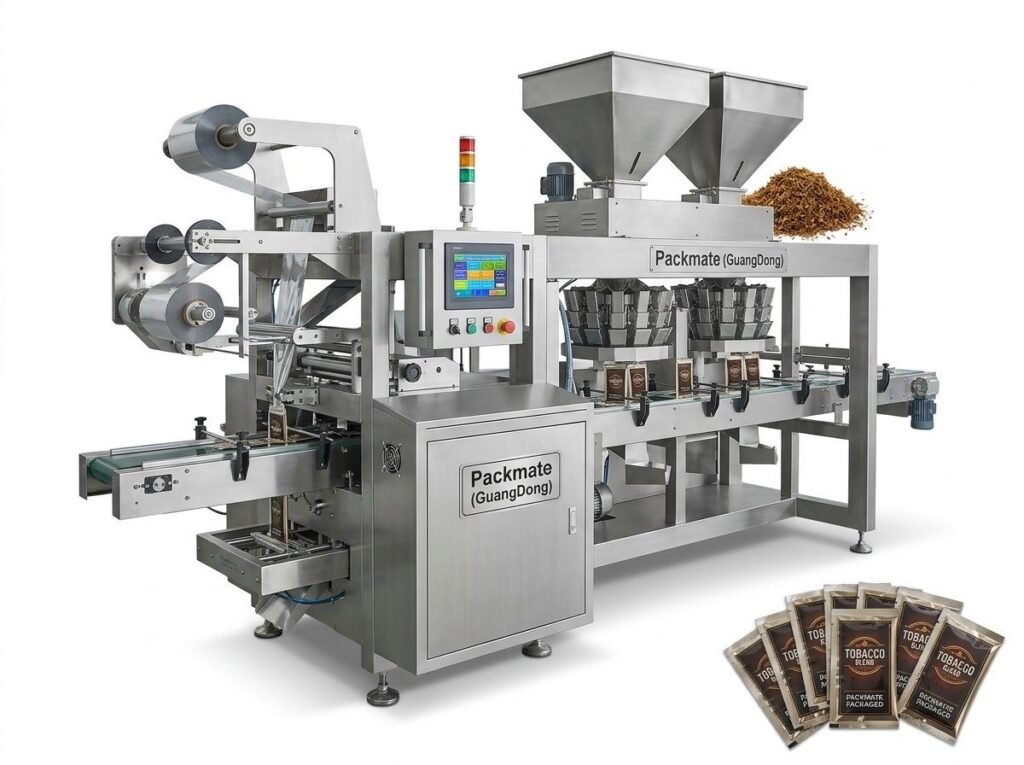
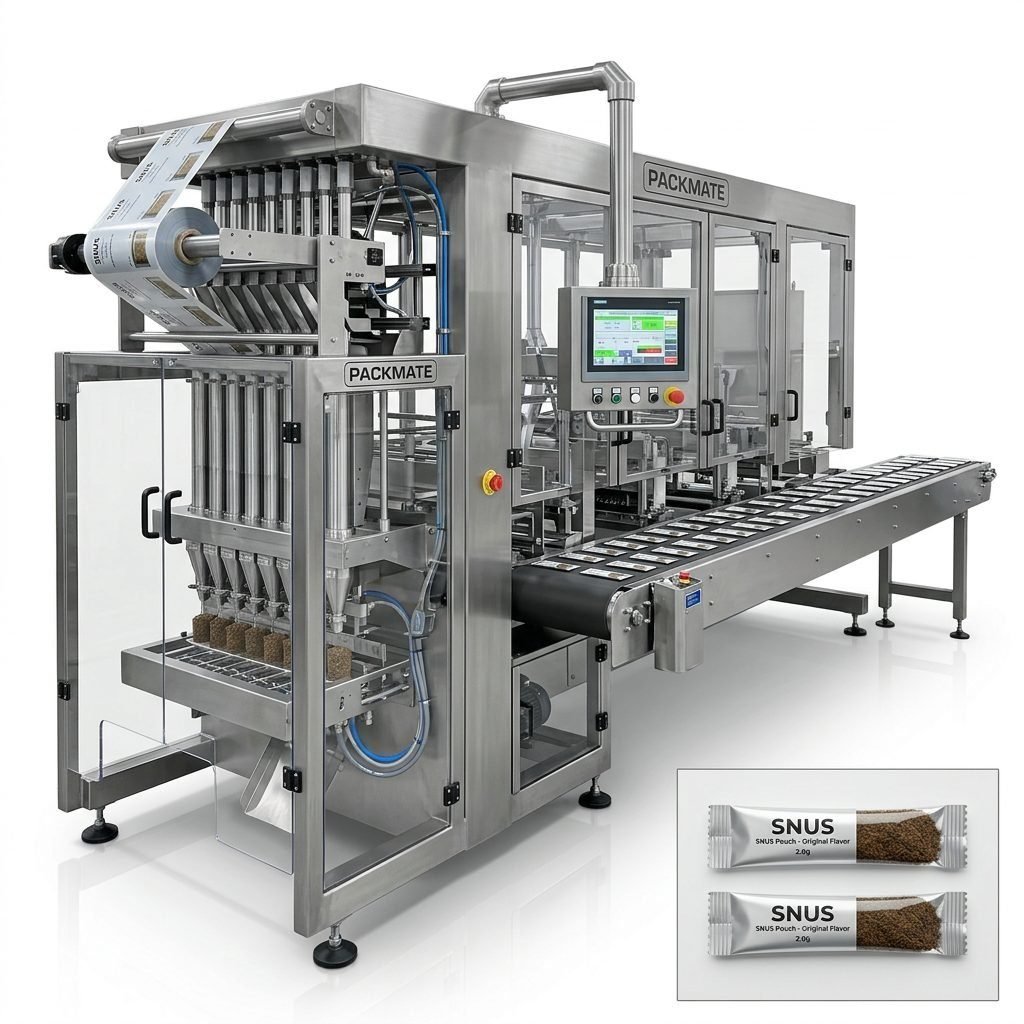
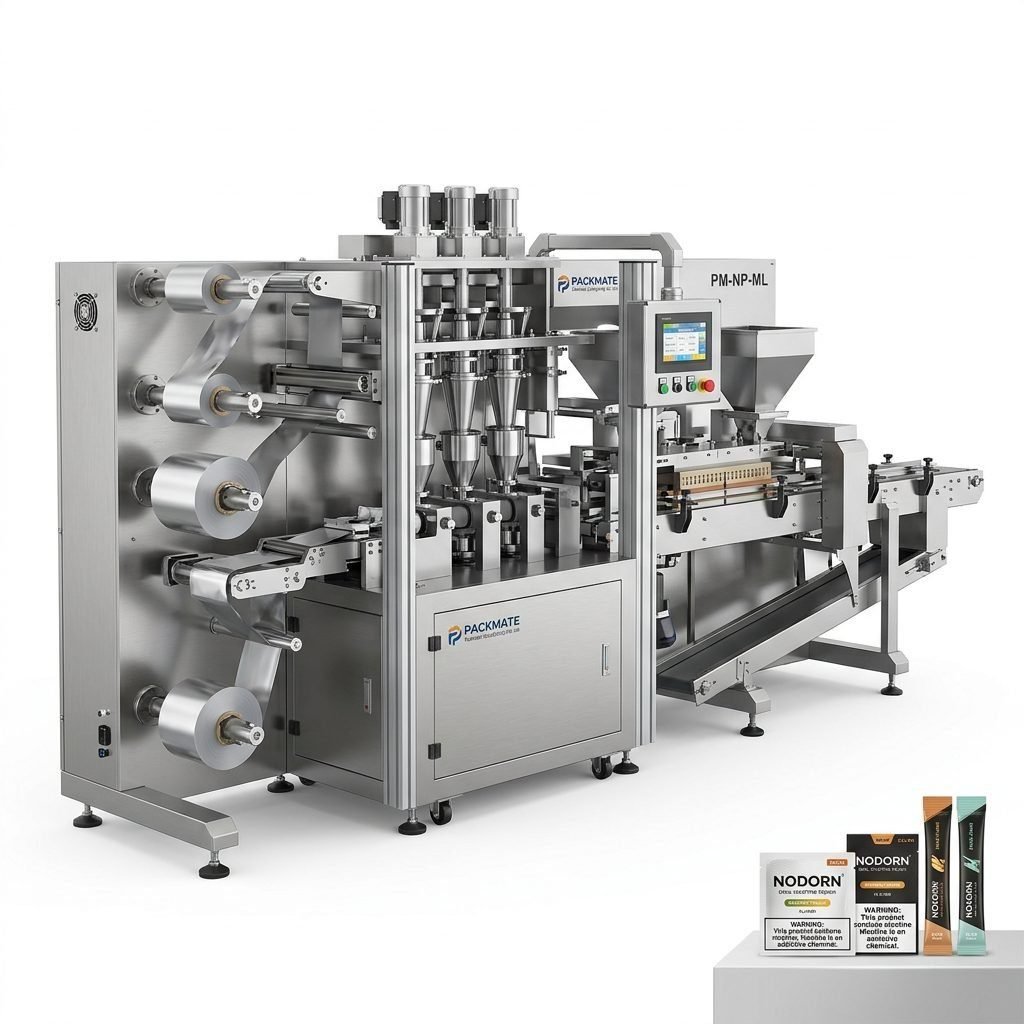
Not all manufacturers offer the same range of machines. Look for suppliers that have experience with snus and nicotine pouch lines specifically. A capable manufacturer should provide a product portfolio that covers stick pack, sachet, and multi-lane systems, plus options for powders, granules, and liquids.
If you want to review specific machine types and technical specs, check product pages such as
Snus & Nicotine Packaging Machines and
Sachet & Stick Pack Machines.
Technical checklist (✔️)
✔️ Servo control systems and modern PLCs for precision
✔️ Multi-lane synchronization for high throughput
✔️ Easy-to-change tooling for different pouch sizes
✔️ Hygiene-friendly design and easy access for cleaning
Quality, standards and certifications
European operations demand equipment that complies with international safety and quality standards. Prioritize suppliers whose machines carry CE and ISO certifications and who can provide documentation for electrical and mechanical compliance. Certifications demonstrate that a manufacturer has robust quality control processes and can meet EU regulatory expectations.
Ask for proof
Request certificates, inspection reports, and machine FAT (Factory Acceptance Test) records. Manufacturers with a strong track record will happily provide validation and performance data from similar installations.
After-sales support, spare parts and training
Excellent after-sales service is essential. When machines are located in Portugal, determine whether the supplier has a local service partner or can provide timely remote support. Clarify spare parts lead times and whether common components are stocked regionally.
Consider suppliers who offer on-site commissioning, operator training, and detailed maintenance plans. For more about support options, see Service.
Service red flags ⚠️
• No clear spare parts policy or long lead times
• No remote diagnostics or poor remote support options
• Limited or no training for operators and maintenance teams
Customization and turnkey solutions
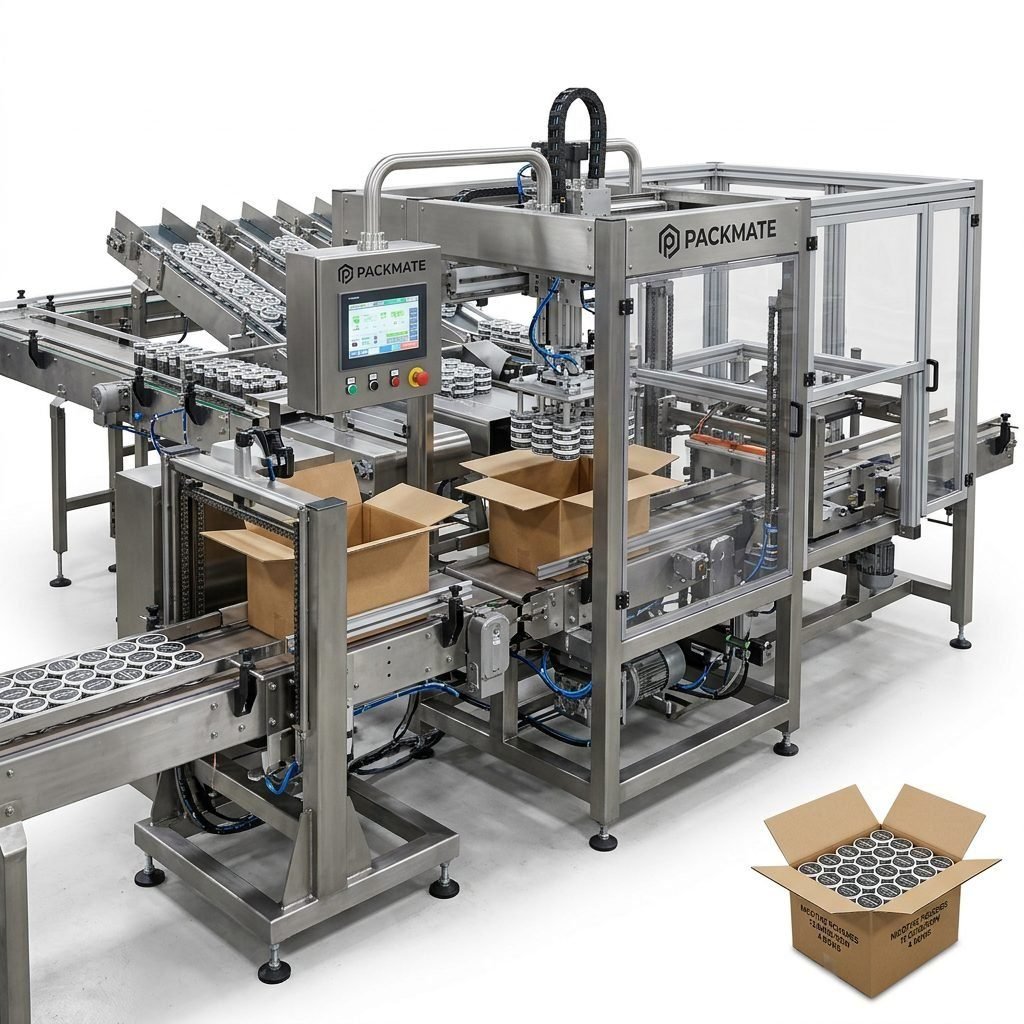
Many snus producers require tailored equipment — from dosing systems adapted for small-dose nicotine pouches to multi-lane feeders and custom conveyors for secondary packaging. Select a manufacturer who provides turnkey lines and can manage mechanical, electrical, and automation integration.
Manufacturers like Packmate provide complete lines and customization options; you can learn more about their overall company capabilities at About Packmate.
Turnkey benefits
A turnkey supplier reduces project management overhead, shortens installation time, and ensures compatibility across units — from weighing systems to final secondary packaging. Look for a supplier who can deliver full project documentation and handle on-site installation in Portugal or coordinate with local contractors.
Factory visits, FAT and remote validation
Whenever possible, conduct a factory visit or request live demonstrations. Factory Acceptance Tests (FAT) let you verify line speed, accuracy, and handling before shipment. If travel is limited, insist on live video FAT sessions and recorded test runs under load with your product formula.
Ask for case studies and references from similar installations. Many manufacturers maintain a portfolio of global projects — for example, check the company’s experience here: Case.
FAT checklist
• Validate production speed and yield
• Test with real product formulation
• Inspect build quality and finish
• Review spare parts kit and operator manuals
Compare cost vs value — beyond the initial price
The lowest initial price may mean higher lifecycle costs. Evaluate total cost of ownership including installation, training, spare parts, energy consumption, downtime risks, and upgrade potential. Machines built with higher-quality components and modular designs often yield better ROI through reduced maintenance and longer service life.
Negotiation tips
Negotiate on delivery time, warranty length, spare parts package, and inclusion of FAT. Agree on acceptance criteria and penalties for late delivery where applicable. Ensure all promises are captured in the purchase contract and that performance guarantees are measurable.
Logistics, installation and EU compliance in Portugal
Shipping, customs, VAT, and local installation services can affect project timelines and costs. Clarify whether the manufacturer handles export documentation and shipping to Portugal or if you will coordinate logistics. Confirm voltage and electrical standards, CE marking, and documentation required for Portuguese authorities.
For full line solutions which may include filling, weighing and auxiliary equipment, see Filling & Packaging Lines and Weighing & Packaging Systems.
Shortlist criteria — how to rank suppliers
Use a weighted ranking system to compare suppliers on: technical fit, certifications, after-sales support, customization ability, FAT transparency, delivery times, references, and total cost. Assign relative weights aligned to your priorities and score each bidder objectively.
Priority scoring example
Technical fit: 30% | Support & spare parts: 20% | Certifications: 15% | Total cost: 20% | References & FAT: 15%
Work with experienced manufacturers — global partners and proven lines
Partnering with a manufacturer that has decades of experience in packaging machinery reduces risk. For instance, companies with 20,000㎡ facilities, advanced CNC machining centers and global turnkey references bring production discipline and predictable outcomes. Browse company credentials and certificates to verify manufacturing strength: Certificate.
Questions to prioritize when contacting vendors
• Have you built similar snus or nicotine pouch lines?
• Can you provide site references and FAT videos of comparable lines?
• What is included in standard warranty and what are optional extended warranties?
• Do you offer local support in Portugal or remote diagnostics?
Decision trigger — choose a supplier that:
• Demonstrates relevant snus/nicotine pouch experience
• Provides verifiable FAT and operational references
• Has clear spare parts strategy and training packages
• Offers transparent pricing and realistic delivery schedules
Final checklist before signing
Confirm these items in writing: full equipment list, performance guarantees, FAT criteria, spare parts kit, training scope, warranty terms, delivery timeline, installation plan and payment milestones. Legal clarity now prevents disputes during commissioning.
If you need to explore product catalogs and technical datasheets, the supplier’s catalog page is a useful resource: Catalog.
Key takeaways
Choose a manufacturer with proven snus packaging experience, certified equipment, strong after-sales support, and the ability to perform FATs with your product. Prioritize long-term value over lowest price and secure clear contractual performance metrics.
Next steps — contacting and qualifying vendors
Begin with a concise RFP that includes your production targets, product characteristics, expected output, and special requirements. Ask for technical proposals, timelines, a list of supplied documents, and references. If you prefer to contact suppliers directly, see the manufacturer’s contact portal here: Contact Us.
Common Questions (FAQs)
Q1: How do I verify a manufacturer’s claim about production speed?
A1: Request a Factory Acceptance Test (FAT) with your product or a product analog. If travel isn’t possible, ask for a live video demonstration under load and detailed machine data sheets showing tested speeds and accuracies.
Q2: What certifications should I demand for equipment in Portugal?
A2: At minimum, request CE marking and ISO quality management evidence. For electrical and safety compliance, require relevant test reports and conformity statements that align with EU directives.
Q3: How important is local after-sales support?
A3: Very important. Local or regional support shortens downtime and reduces shipping costs for critical spares. If the manufacturer doesn’t have local coverage, ensure they provide fast remote diagnostics and a stocked spare parts kit.
Q4: Should I buy a full turnkey line or individual machines?
A4: Turnkey lines reduce integration risk and simplify project management, but they may require a higher initial investment. If you have experienced integrators locally, modular purchases might work; otherwise, turnkey solutions are preferable.
Q5: Where can I find more detailed product information and case studies?
A5: Review the supplier’s product pages and case portfolio for technical specs and real-world installations. Useful links include product pages for Snus & Nicotine Packaging Machines and the company case studies at Case.