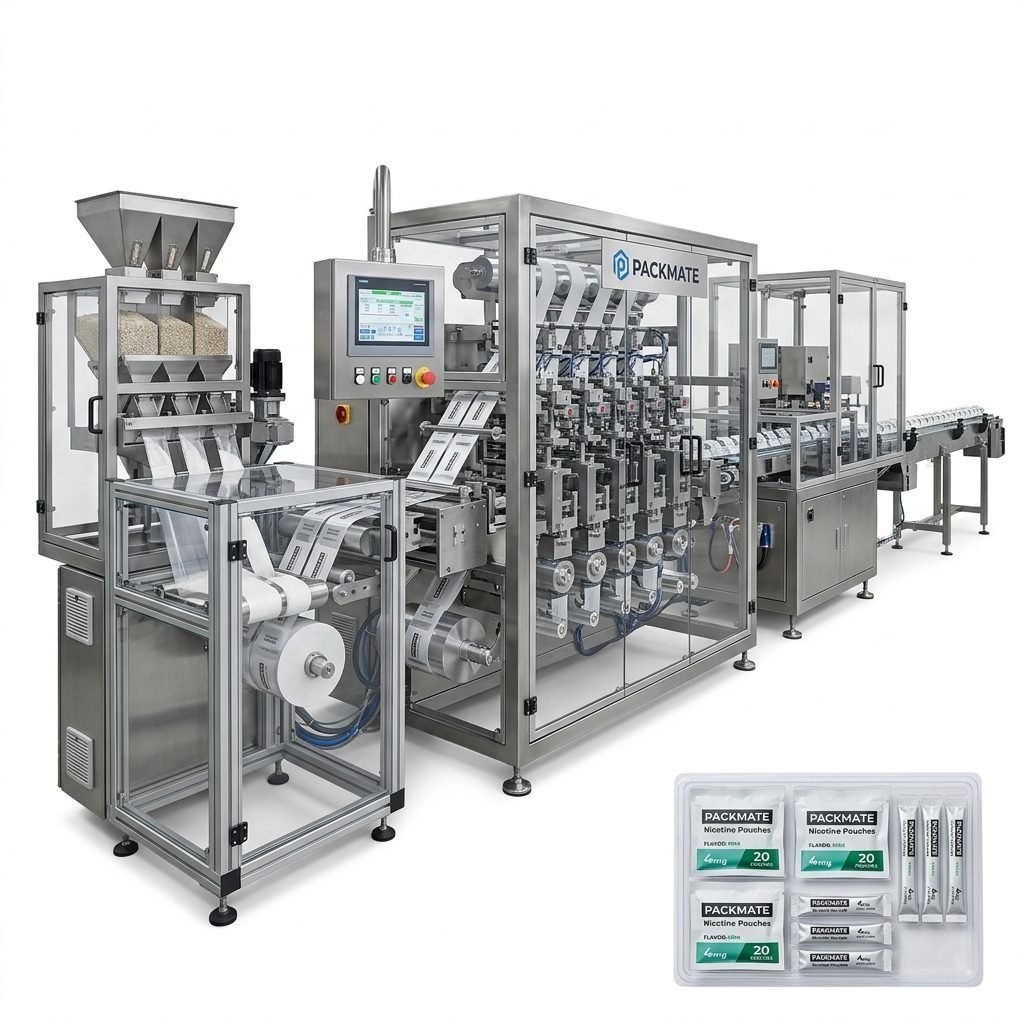
Choosing the right nicotine packaging machinery for a production line in Brunei requires more than price comparison — it demands an understanding of regulatory needs, production targets, product formats, and long-term service. This guide walks you through practical steps, technical considerations, and procurement tips that help manufacturers, brand owners, and packaging engineers select the best snus and nicotine pouch packaging solutions for their facility.
🔍 Understand Your Product and Output Requirements
The first step in selecting nicotine packaging machinery is to map your product characteristics to machine capabilities. Consider pouch size, fill weight, moisture sensitivity, and whether products are powder, granule, or paste. Also define your target output in units per minute or per hour. For low-volume premium products, a single-lane high-precision machine may suffice. For larger commercial volumes, multi-lane systems deliver the throughput you need.
- Product format: pouch, sachet, stick pack, or can-style
- Required throughput: units/min or units/hr
- Filling accuracy and dosing method: auger, volumetric cup, or gravimetric
- Hygiene and contamination controls for nicotine handling
⚙️ Machine Types and Their Best Uses
Understanding common machine families helps you narrow options:
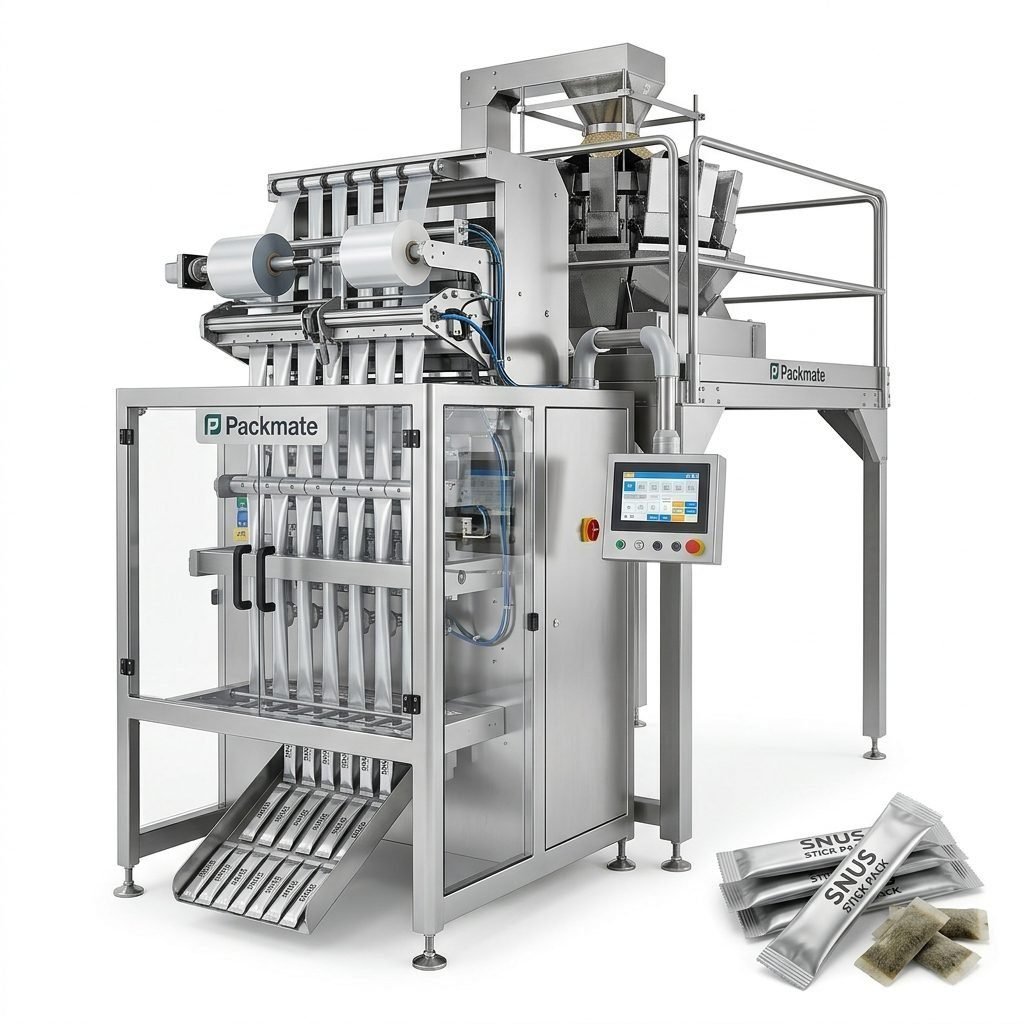
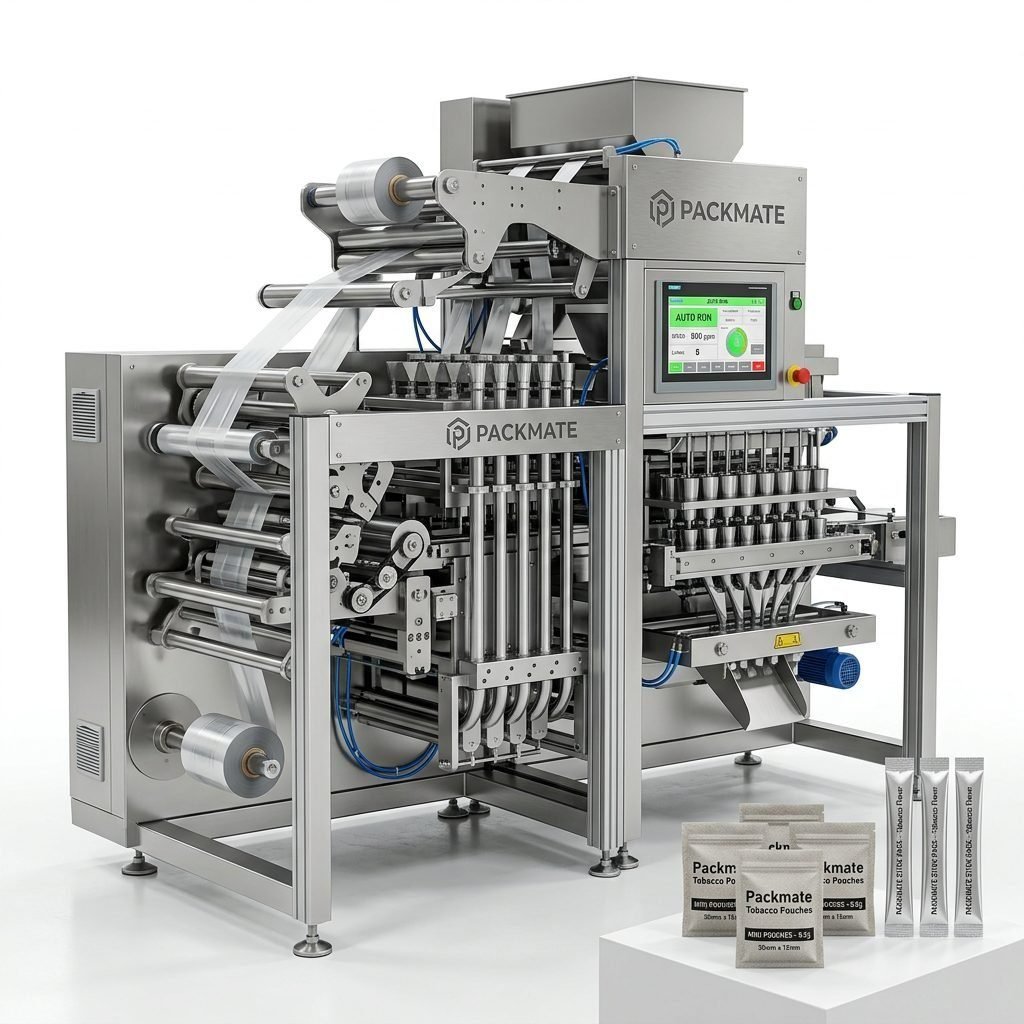
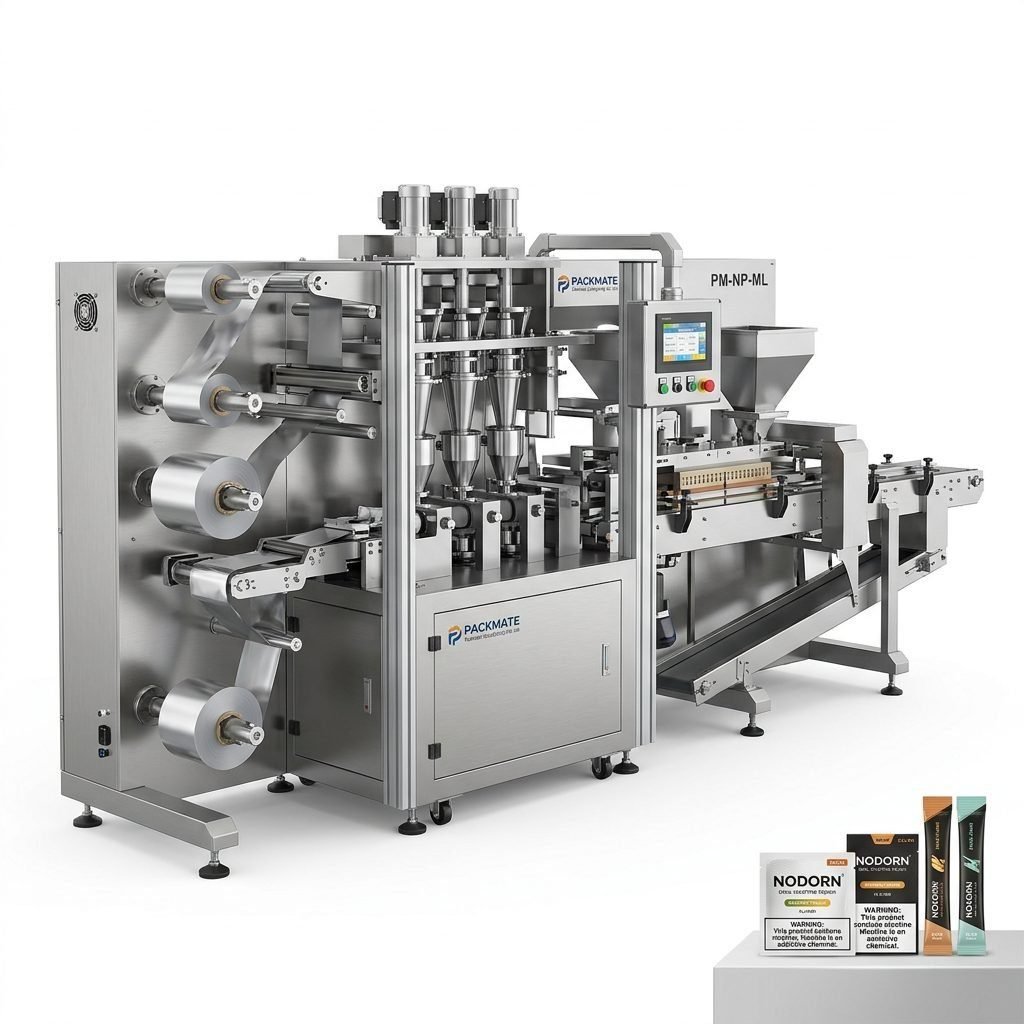
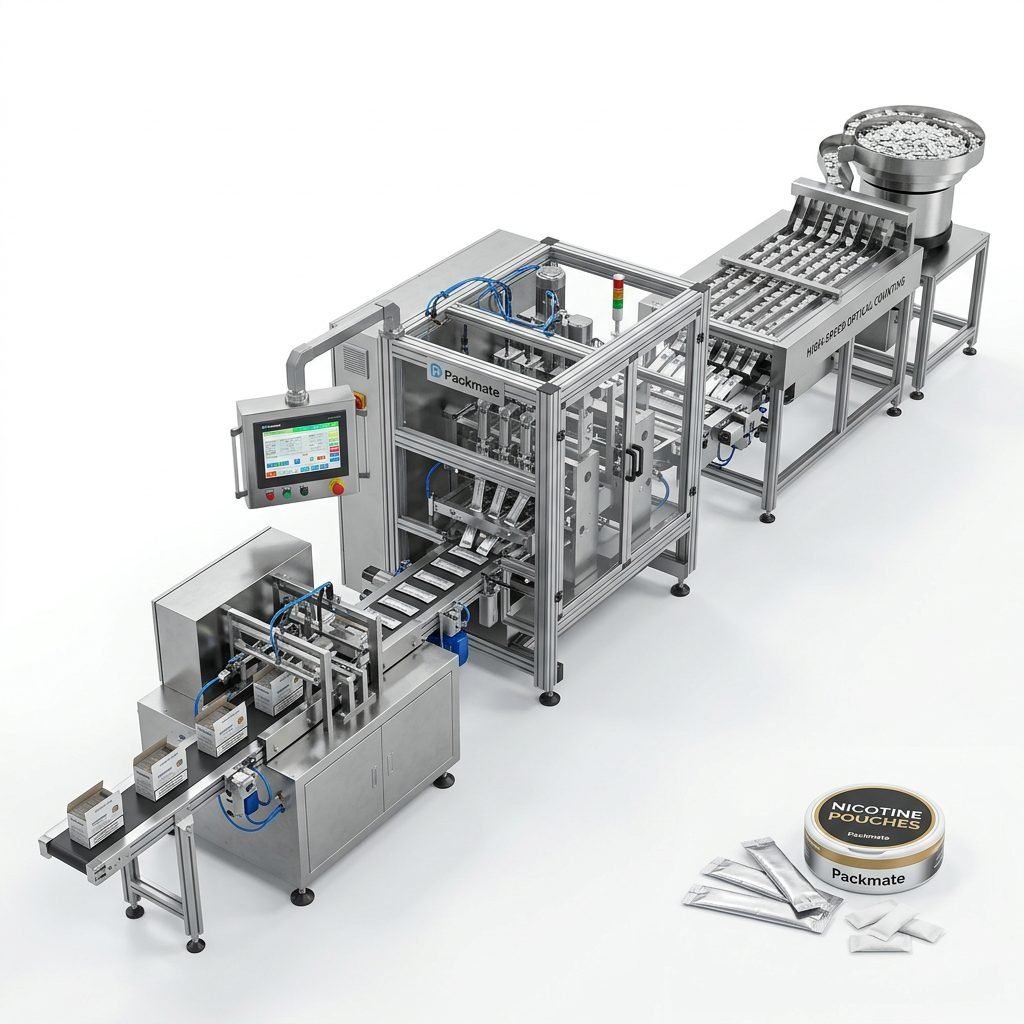
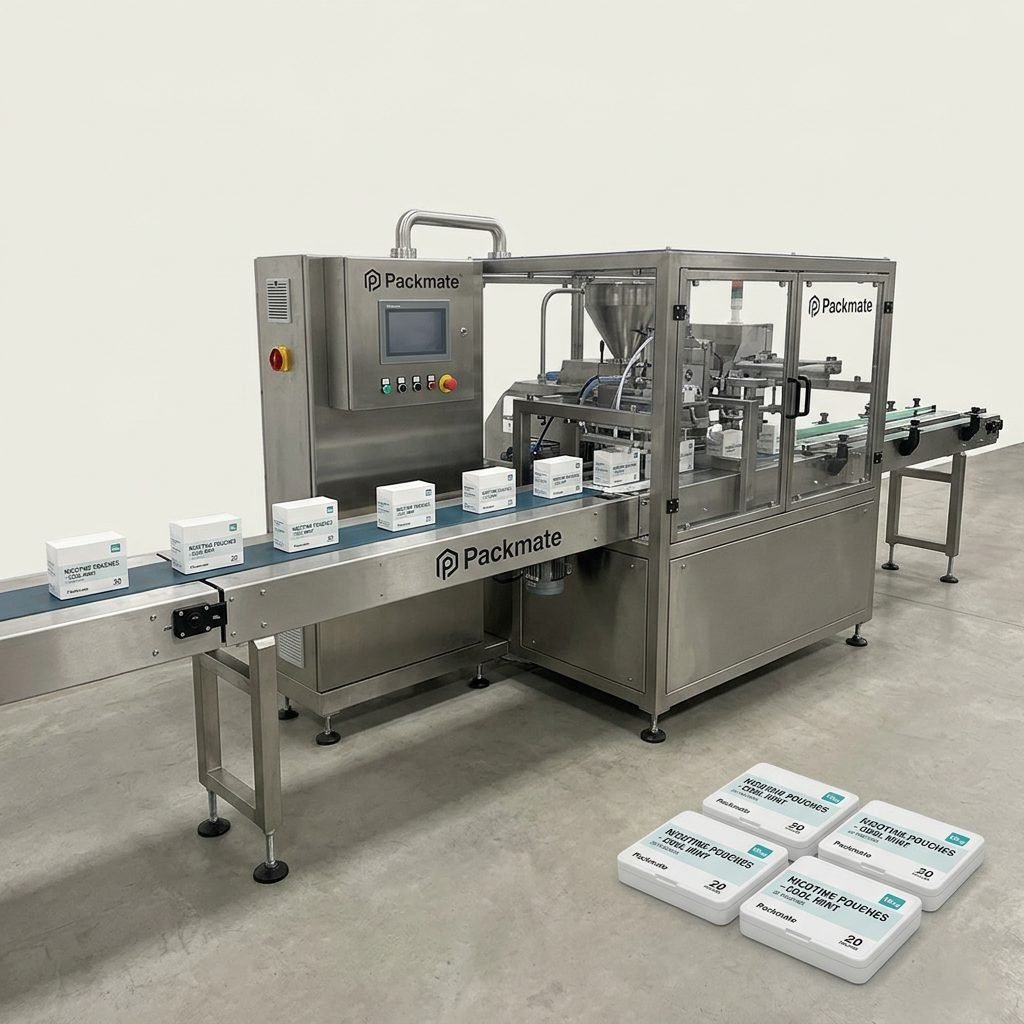
- Snus & Nicotine Packaging Machines: Designed specifically for nicotine pouches and snus, these machines offer gentle product handling and high-speed multi-lane configurations. See examples at Snus & Nicotine Packaging Machines.
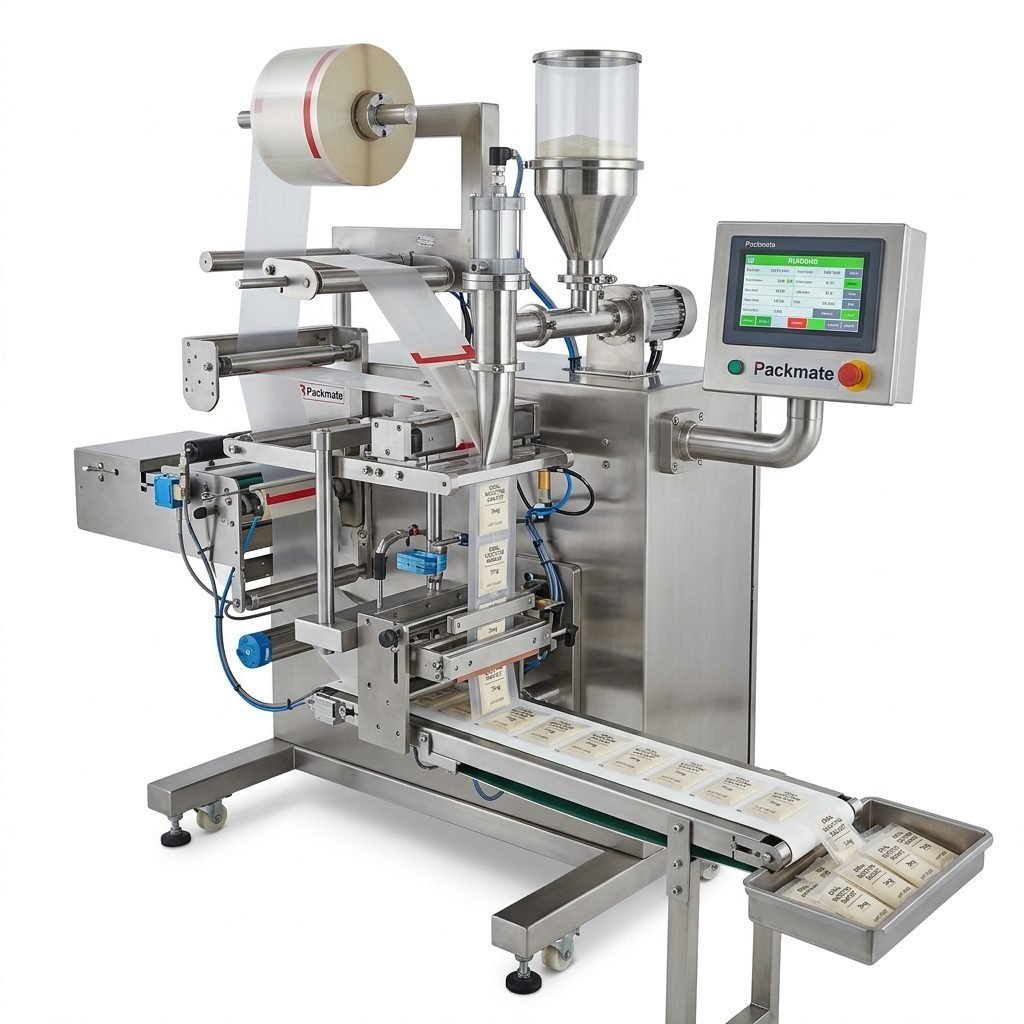
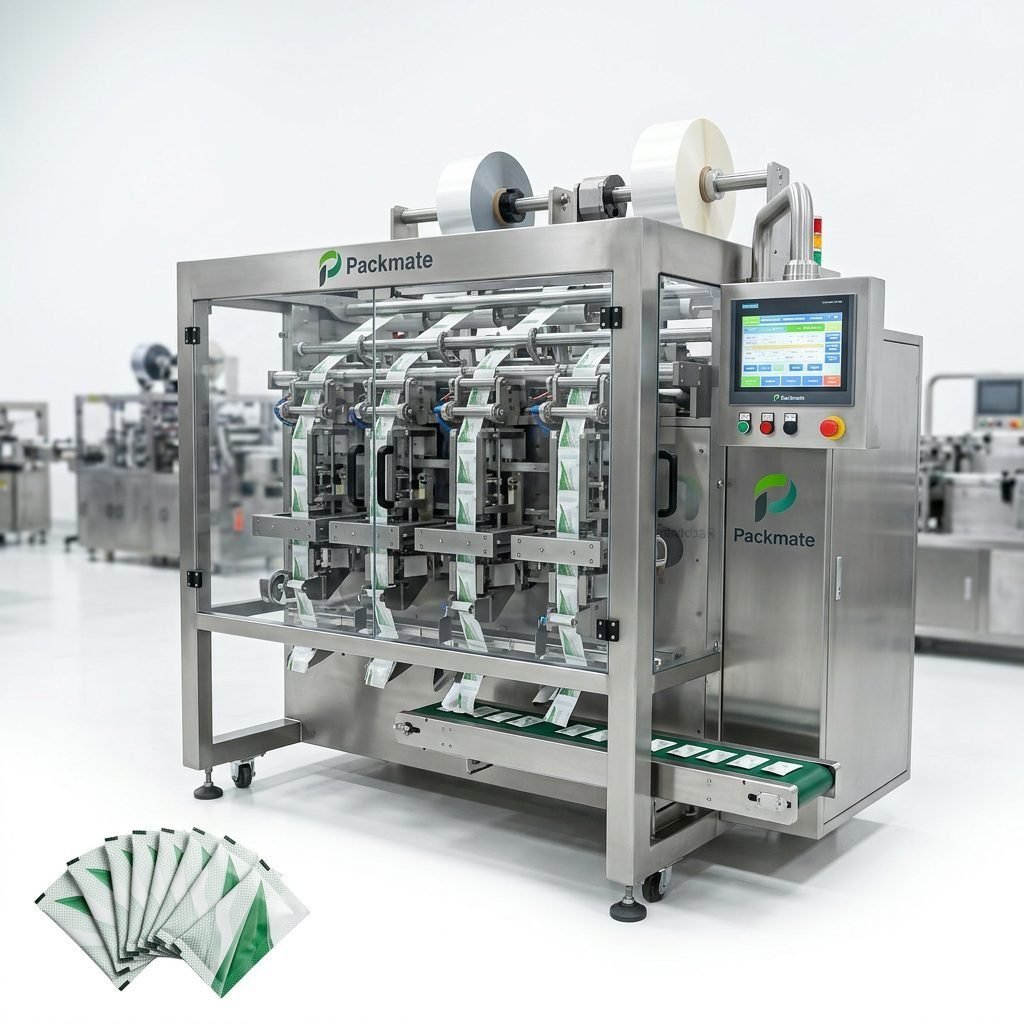
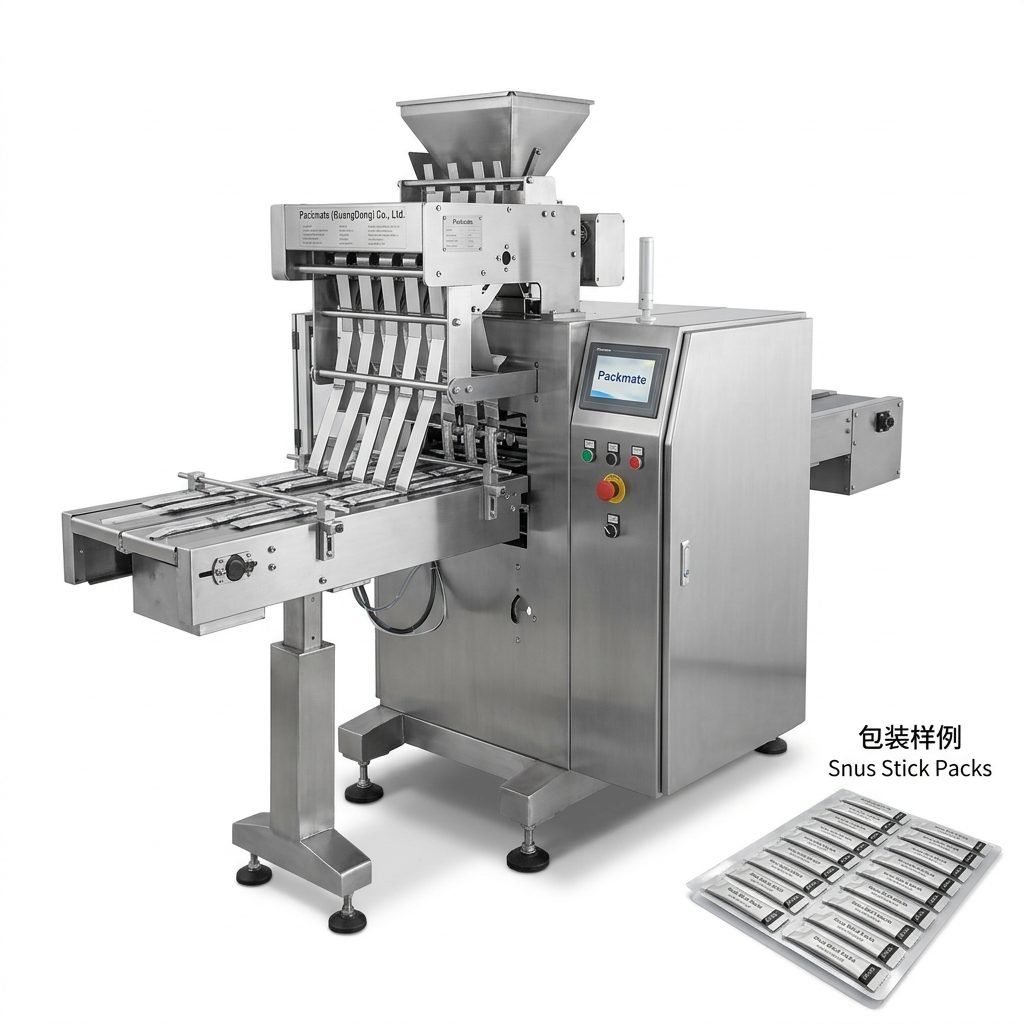
- Sachet & Stick Pack Machines: Ideal for single-dose or stick formats; good for solid fillers and some liquid formulations. Learn more at Sachet & Stick Pack Machines.
- Filling & Packaging Lines: For full production lines including weighers, fillers, and final packaging. Consider integrated solutions at Filling & Packaging Lines.
📦 Throughput vs. Precision: Finding the Balance
Higher speeds often come at the cost of dosing precision. If nicotine pouches require tight tolerances for nicotine content and consistent weight, prioritize machines with advanced dosing systems like gravimetric (weighing) feeders or precision multi-head weighers. For large batch runs where speed is crucial and tolerances are looser, multi-lane stick pack or sachet machines may be preferred.
🔧 Technical Specifications to Review
A thorough technical comparison will reveal which supplier matches your needs. Ask for detailed specifications and performance data:
- Maximum and typical throughput (units/minute)
- Dosing accuracy (± grams or percentage)
- Changeover time between formats
- Material compatibility (stainless steel grades, seals, gaskets)
- Control systems (PLC type, HMI language options)
- Sanitation and cleanability features
🛠️ Service, Spare Parts and Local Support in Brunei
For businesses in Brunei, ease of maintenance and spare parts availability are critical. Choose manufacturers with documented global service networks or authorized regional partners. Verify lead times for spare parts and whether the supplier offers remote diagnostics, training, and commissioning assistance.
- Local representative or fast shipping to Brunei
- On-site commissioning and operator training
- Availability of consumables and wear parts
- After-sales contract options (SLA, preventive maintenance)
✅ Compliance, Certifications and Safety
Ensure equipment meets international safety and quality standards. Certifications like CE and ISO are indicators of compliance and build confidence in long-term reliability. Manufacturers with clear documentation and adherence to regulatory guidelines make regulatory audits and market entry smoother.
📊 Total Cost of Ownership (TCO) and ROI
Evaluate total cost, not just the purchase price. TCO includes installation, training, spare parts, consumables, energy consumption, and downtime risk. A slightly higher upfront investment in a robust, energy-efficient machine often pays off through fewer stoppages and lower maintenance costs.
🤝 Choosing a Trusted Supplier: Why Company Reputation Matters
Supplier reputation, years of experience, and a proven track record are crucial. Packmate Snus Machine, with over 30 years of engineering experience and a wide range of models, offers turnkey solutions and global service support. Review case studies and exhibition appearances to validate claims — for example, the company showcases its solutions at global events and publishes cases and certifications on its site. Useful references include their product and company pages: About Packmate, Case, and Certificate.
🧪 Pilot Runs, Factory Acceptance Tests and FATs
Before finalizing a purchase, request pilot runs with your actual product and packaging materials. Factory Acceptance Tests (FATs) should demonstrate consistent throughput and dosing accuracy. Document test protocols and acceptance criteria in the purchase contract to avoid disputes post-delivery.
- Run time simulation at target speed
- Weight checks and variation analysis
- Packaging integrity and seal tests
- Operator training demonstration
🔗 Integration with Your Existing Line and Automation
Consider how new equipment will integrate with upstream and downstream systems: weighers, metal detectors, cartoners, and case packers. Ensure standard communication protocols (e.g., OPC-UA, Ethernet/IP) and physical interfaces match your factory layout. If you need a full automated line, suppliers that provide integrated solutions like weighing & packaging systems can simplify procurement — see Weighing & Packaging Systems.
💡 Format Flexibility and Future-Proofing
Market demands change. Choose machines that support quick format changes or modular upgrades. An adaptable platform minimizes future capital expenditure when product lines evolve. Ask about additional lane kits, software modules, and retrofits that allow capacity expansion without full replacement.
🔎 Site Requirements and Installation
Confirm footprint, power, compressed air, and environmental requirements before ordering. Some machines may require special foundations or isolation pads to reduce vibration. Plan for adequate access for maintenance and cleaning. If you need direct contact for configurations, the supplier contact page provides ways to request quotes: Contact Us.
- Detailed quote including installation and training
- Warranty terms and spare parts list
- Customs, shipping, and import handling for Brunei
- FAT and acceptance criteria in contract
📈 Making the Final Decision
Sum up your evaluation by scoring each candidate on key dimensions: technical fit, TCO, vendor reputation, service coverage, and scalability. Prioritize suppliers who offer transparent testing data, robust service contracts, and the exact machine model suited for nicotine pouch production. Manufacturers with decades of specialized experience and a broad product portfolio often offer the most reliable outcomes.
📣 Final Recommendations
– Prioritize machines designed specifically for snus and nicotine packaging when nicotine dosing and product integrity are critical.
– Require FATs and pilot runs with your real materials.
– Confirm spare parts availability and local serviceability in Brunei.
– Evaluate modular, multi-lane systems if you expect rapid growth.
Frequently Asked Questions
Q1: How do I know if I need a multi-lane machine?
A1: If your target throughput exceeds the capability of single-lane machines or you plan to produce multiple SKUs simultaneously, multi-lane systems deliver exponentially higher output with a smaller footprint. Assess required units per minute and run a capacity calculation with your supplier.
Q2: What is the most accurate dosing method for nicotine pouches?
A2: Gravimetric dosing (weighing) and high-precision auger fillers provide the best accuracy for nicotine content control. Gravimetric systems compensate lane-by-lane and reduce variability, making them ideal when strict tolerances are required.
Q3: How important is supplier experience in nicotine packaging?
A3: Very important. Experience indicates proven designs, better understanding of nicotine handling, and fewer surprises during commissioning. Manufacturers with decades of focused development, like Packmate Snus Machine, typically offer mature technology and global support.
Q4: Can I upgrade my current machine to increase speed?
A4: Some machines support modular upgrades such as additional lanes, higher-capacity feeders, or improved control systems. Check with your supplier for retrofit kits and compatibility. Often, a detailed site survey is required to evaluate upgrade feasibility.
Q5: Where can I find examples and specifications of machines?
A5: Manufacturer websites provide product catalogs, case studies, and technical pages. For reference, explore product categories and supporting pages like Bag & Pouch Packaging Machines and Auxiliary Packaging Equipment to compare technical options and line configurations.