Choosing the right snus packaging machinery manufacturer is a strategic decision that shapes production efficiency, product quality, regulatory compliance, and long-term profitability. For businesses in Chad seeking a reliable partner for nicotine pouch, snus, or related pouch packaging lines, this guide explains practical evaluation steps, technical considerations, and negotiation strategies to help you select the best manufacturer for your needs.
Why selecting the right manufacturer matters 🔍
Packaging equipment is more than metal and motors — it is the foundation of consistent product dosing, shelf appeal, and compliance with local and international rules. A misaligned choice can lead to frequent downtime, inconsistent pouch quality, and costly rework. Conversely, a reputable manufacturer offers stable output, tailored solutions, and long-term support that protects your investment.
Immediate business impacts
– Faster time to market thanks to turnkey lines and proven machine designs.
– Lower total cost of ownership through robust engineering and accessible spare parts.
– Better product consistency for consumer trust and regulatory inspections.
Tip: Consider suppliers with specific experience in snus and nicotine pouch equipment. Manufacturers focused on these product types understand small-dose accuracy, multi-lane formats, and the unique sealing needs of pouch materials.
Key technical capabilities to evaluate ⚙️
When creating your shortlist, investigate each manufacturer’s technical strengths. Look for proof of performance in these areas:
-
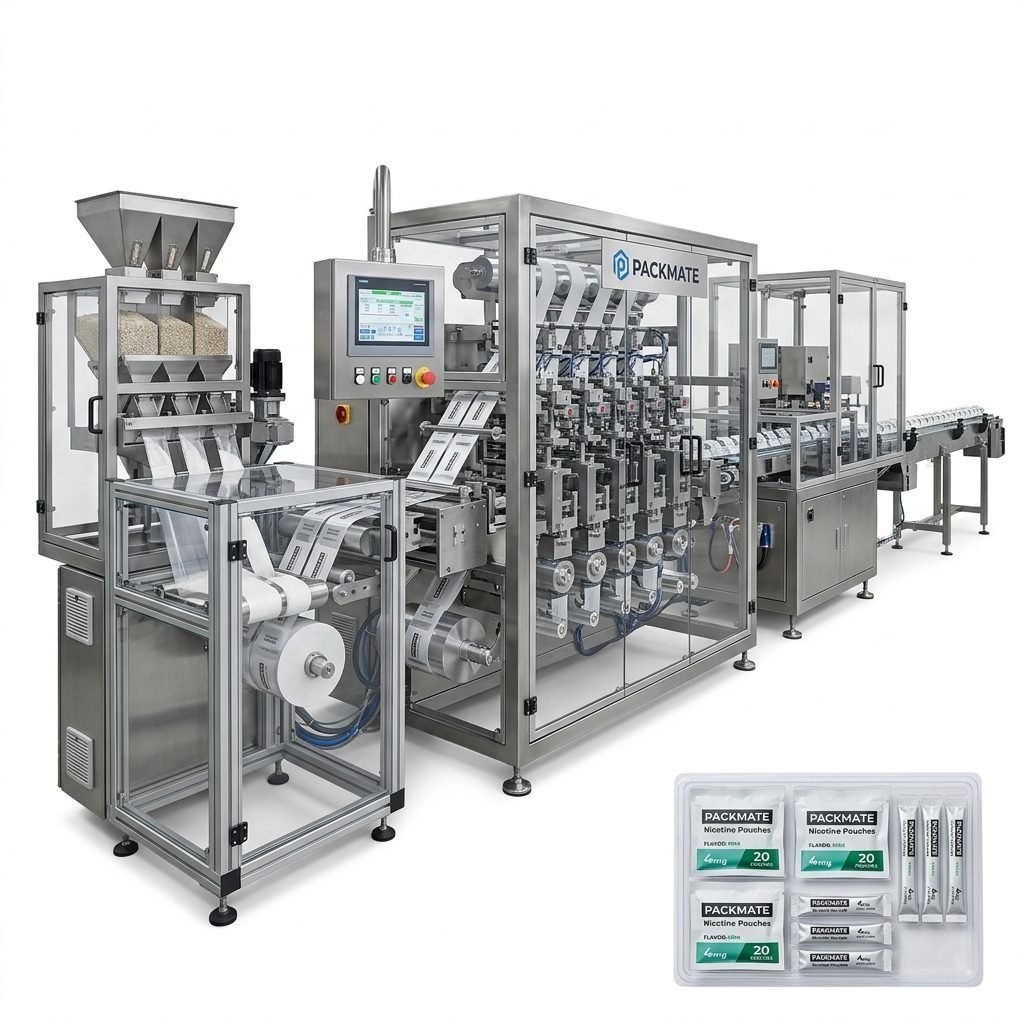
Dose accuracy and multi-lane synchronization — vital for nicotine pouch consistency.
-
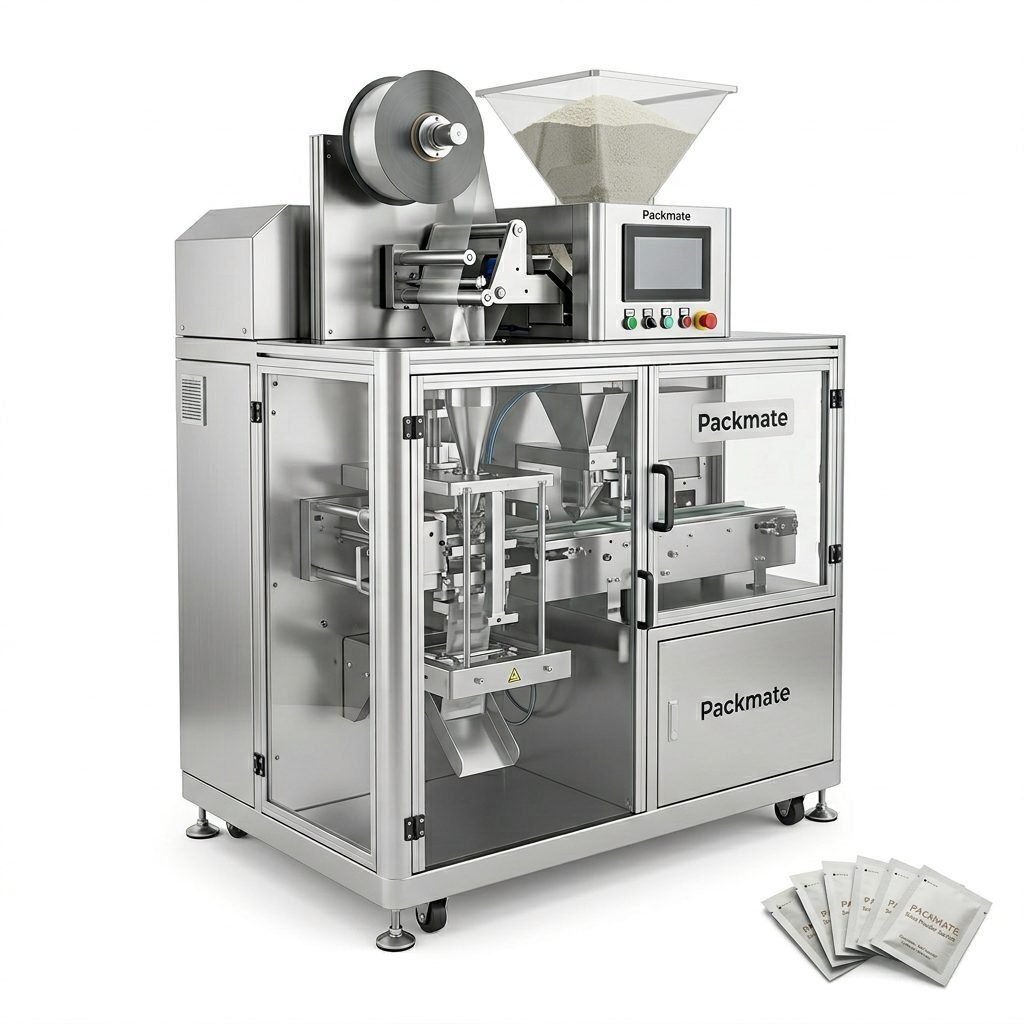
Machine modularity — the ability to switch formats between stick packs, sachets, and multi-lane pouches.
-
Hygienic design and material compatibility for tobacco, powders, and blends.
-
Automation and integration capability with weighers, fillers, and secondary packaging.
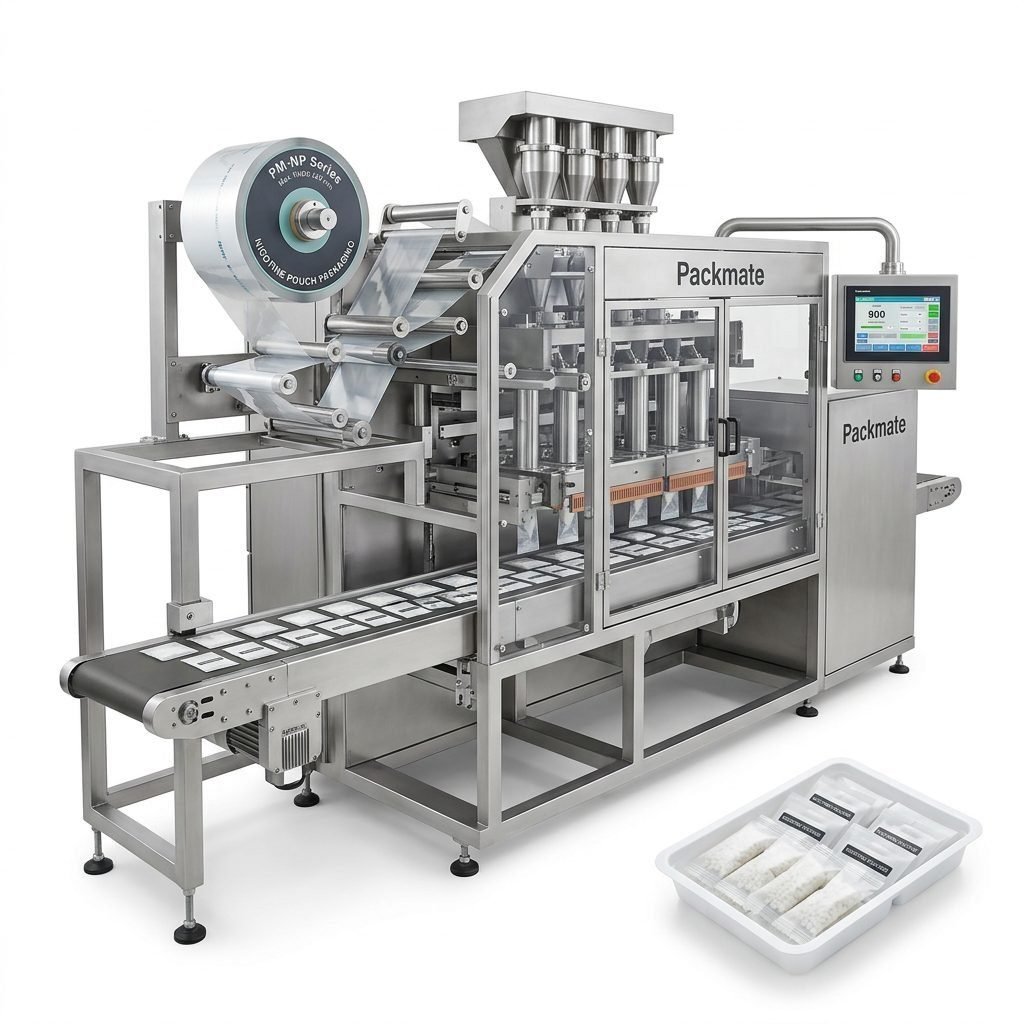
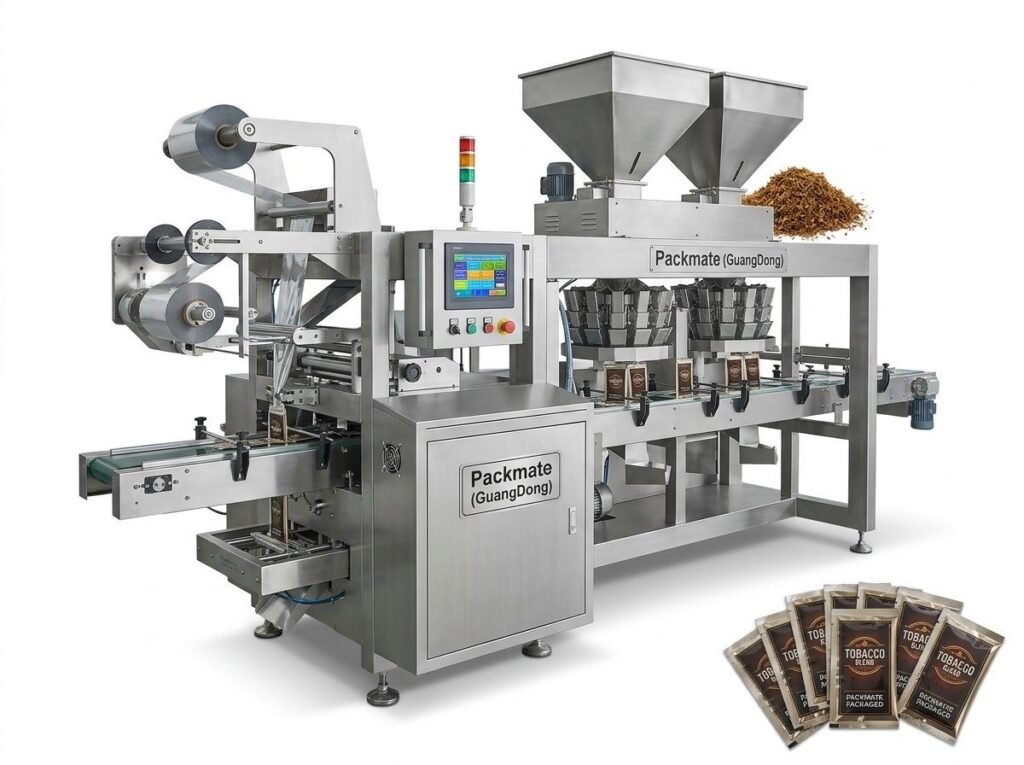
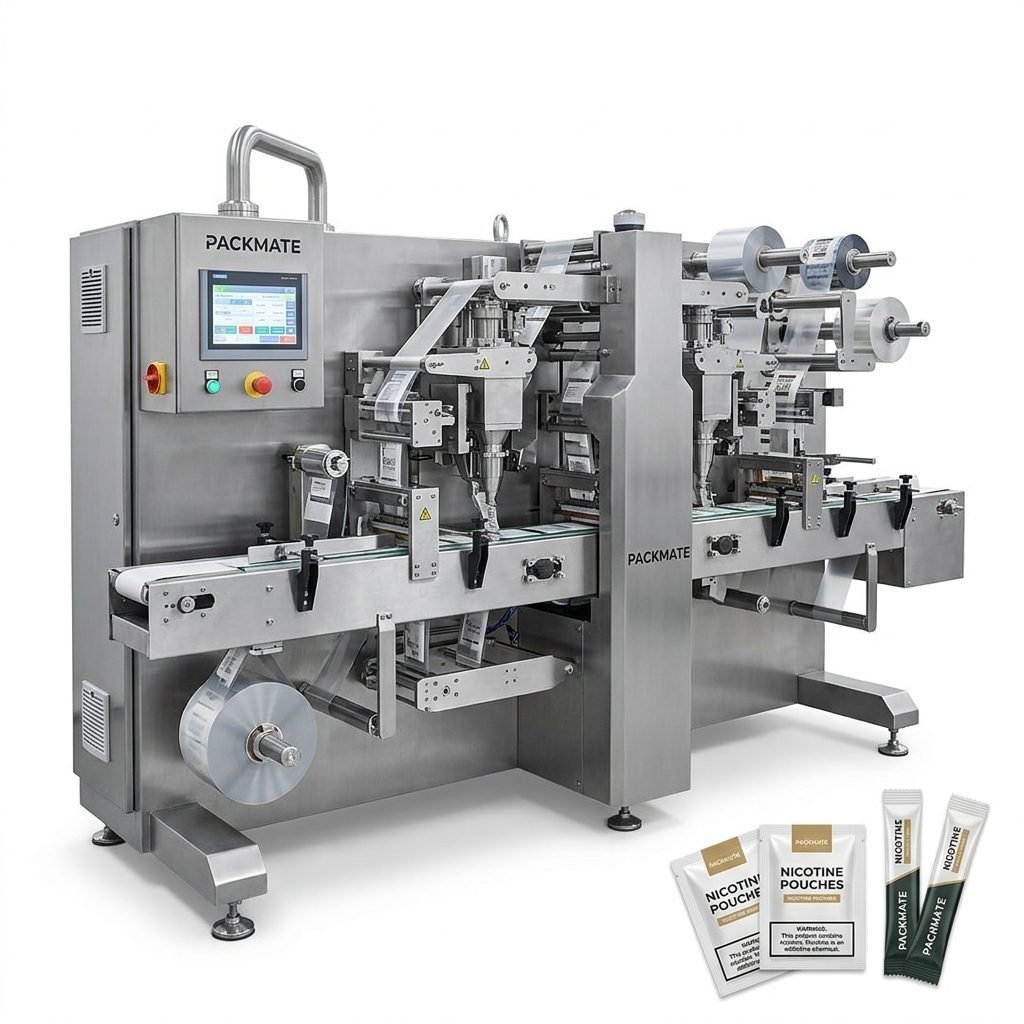
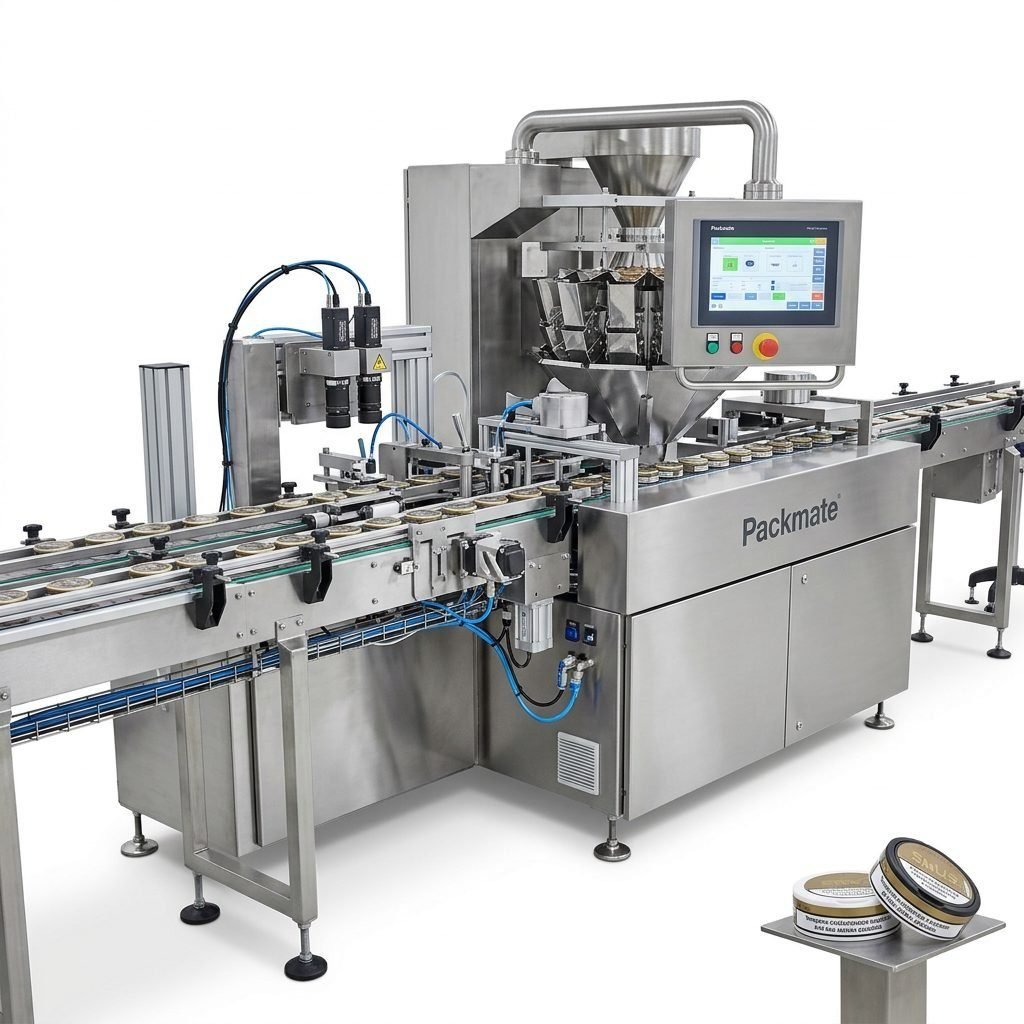
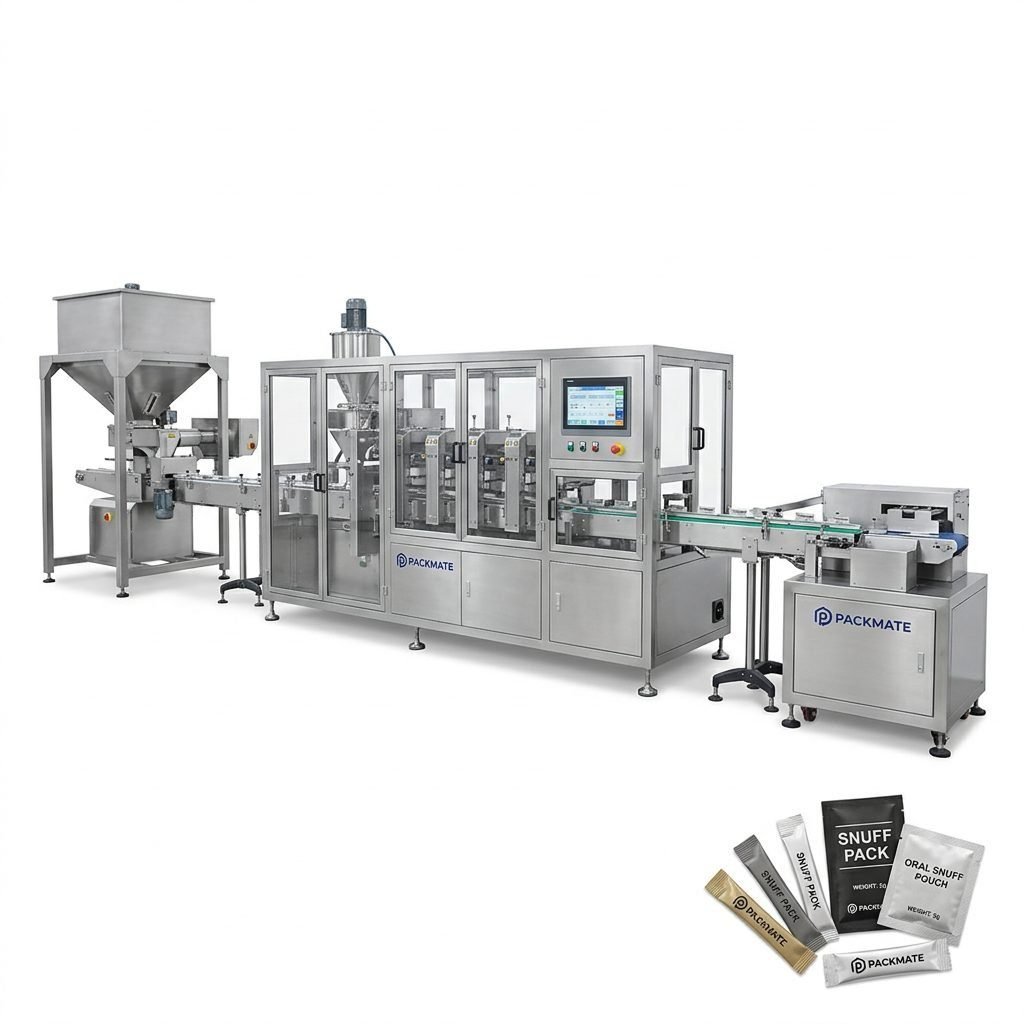
For a direct look at machines tailored specifically to nicotine pouches and snus, review a manufacturer’s product portfolio such as their Snus & Nicotine Packaging Machines and related lines.
Snus & Nicotine Packaging Machines
Factory capacity & manufacturing systems
Evaluate manufacturing scale and machining capabilities. A factory with advanced CNC centers, precision assembly lines, and strict QC is less likely to deliver machines with misaligned components or unexpected defects. Look for metrics such as factory area, number of finished models, and experience in turnkey solutions.
Example: A manufacturer with a 20,000㎡ factory and 50+ machine models signals scale and mature production practices that support faster delivery and more reliable spare parts supply.
Quality assurance, certifications, and compliance ✅
Regulatory compliance and manufacturing certifications reduce your risk. Confirm that equipment adheres to international standards (CE, ISO) and that the company maintains internal testing regimes for performance, electrical safety, and material compatibility.
Explore their certification evidence when possible to ensure alignment with your export or local regulatory needs:
Inspection checklist
-
Electrical safety and control system documentation.
-
Performance test reports for throughput and accuracy.
-
Material traceability and parts sourcing policies.
Customization, turnkey solutions and product portfolio
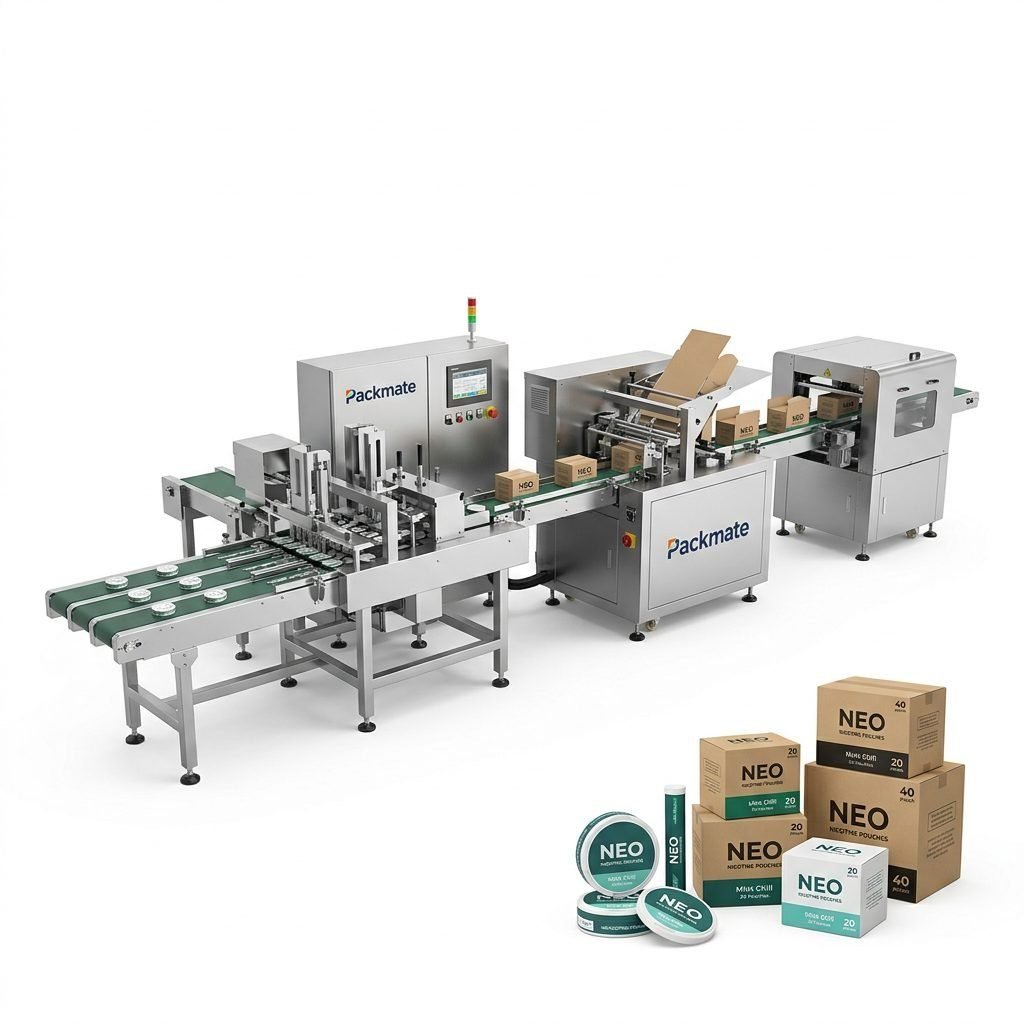
Manufacturers that offer tailored turnkey solutions help reduce integration risk. Verify if the vendor provides full line design — from fillers and weighers to primary pouch forming and secondary case packing — and confirm they can handle your target formats (stick pack, sachet, multi-lane pouches).
Useful links to view common modular systems and line components:
Sachet & Stick Pack Machines ·
Weighing & Packaging Systems ·
Filling & Packaging Lines
Note: A vendor with 30+ years of engineering experience and a focused product line for snus packaging can typically respond faster to format changes and small-dose production requirements.
Service, spare parts and training — the hidden ROI
After-sales service is often the most critical component of total ownership cost. Quick spare parts delivery, remote diagnostics, and on-site training reduce downtime and keep production yields high. Ask about spare parts lead times, availability in your region, and structured maintenance contracts.
Essential service questions
-
Is there a local or regional service partner for Chad or West Africa?
-
What are guaranteed lead times for replacement wear parts?
-
Do they offer remote setup and commissioning support?
How to shortlist manufacturers in Chad — a pragmatic checklist 📋
When you begin evaluating prospective suppliers, use a scoring system across the following dimensions to create an objective shortlist:
Score categories: Technical fit, Quality & Certification, After-sales support, Cost & Financing, Lead time & Delivery, References & Case Studies.
Ask for on-site or video-based factory tours, references in similar markets, and detailed proposals with performance guarantees.
Reference verification
Request recent customer cases and, where possible, speak to operators running the equipment. Real-world feedback on uptime, spare parts delivery, and vendor responsiveness is invaluable. You can view manufacturer case examples to validate claims:
Factory visits and acceptance testing ✅
If feasible, a factory visit or witnessed FAT (Factory Acceptance Test) confirms the machine meets your specs before shipment. If you cannot travel, insist on a live remote FAT with standardized test materials and recorded results.
-
Test for target output speeds and pouch integrity under continuous runs.
-
Verify electrical control architecture, spare parts kits, and operator training plans.
-
Document agreed acceptance criteria in the sales contract to protect your purchase.
Negotiating terms and protecting your investment ⚖️
Key contractual items to negotiate include warranty scope, acceptance criteria, spare parts supply terms, and performance penalties if throughput or accuracy targets are not met. Consider including options for phased implementation and pilot runs to validate production before full-scale launch.
Negotiation checklist: clear delivery schedule, defined FAT/PAT milestones, warranty length & exclusions, spare parts terms, training & documentation, and escalation paths for urgent support.
Making the final decision — an executive summary 🧭
Select the manufacturer that provides the best balance of technical fit, proven reliability, clear service pathways, and transparent commercial terms. Prioritize vendors with domain experience in snus and nicotine pouch systems, documented case histories, and a demonstrated ability to deliver turnkey solutions aligned with your growth plans.
If you are evaluating specialized manufacturers, learn more about company capabilities, factory strength, and product ranges from their About page:
Final reminder: Invest time in due diligence — run FATs, verify references, and secure strong after-sales commitments. The correct supplier will be a partner in your production roadmap, not just a vendor.
Frequently Asked Questions (3-5 common questions)
Q1: How long does a custom snus packaging line take to deliver?
Lead times vary with complexity and customization. Standard modular lines may ship in several months, while fully customized turnkey installations can take 6–12 months inclusive of design, manufacture, FAT, and shipping. Confirm timelines in writing and include milestone-based payments.
Q2: What warranty and support should I expect?
Expect at least a 12-month mechanical warranty on new equipment, with options to extend. Critical is guaranteed spare parts availability and defined response times for technical support. Ask the vendor for a clear service SLA and training packages for operators and maintenance staff.
Q3: Can these machines handle multiple pouch formats and small-dose nicotine pouches?
Yes — modern snus packaging machines are designed for format flexibility, supporting stick packs, sachets, and multi-lane nicotine pouches. Confirm the machine’s changeover times, tooling costs, and whether calibration assistance is provided to ensure consistent dosing for small-dose products.
Q4: How can I verify a manufacturer’s claims remotely?
Request recorded FAT sessions, live remote demonstrations with standard test materials, and references from customers in similar environments. Review case studies and certifications, and ask for detailed performance data to validate claims.
Q5: Where can I find more detailed product information and contact the manufacturer?
For detailed product catalogs, service offerings, and exhibition schedules, visit the manufacturer’s product pages and contact portals. These resources typically include machine specs, case studies, and direct contact details for sales and service teams: